

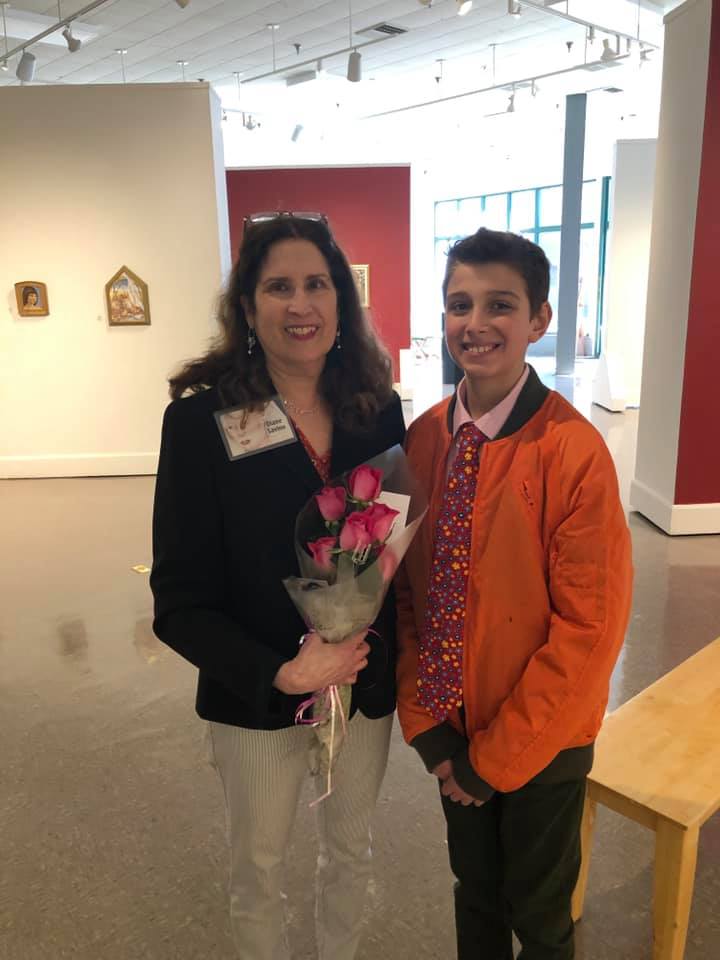

We were lucky to catch up with Diane Savino recently and have shared our conversation below.
Diane, looking forward to hearing all of your stories today. We’d love to hear about a project that you’ve worked on that’s meant a lot to you.
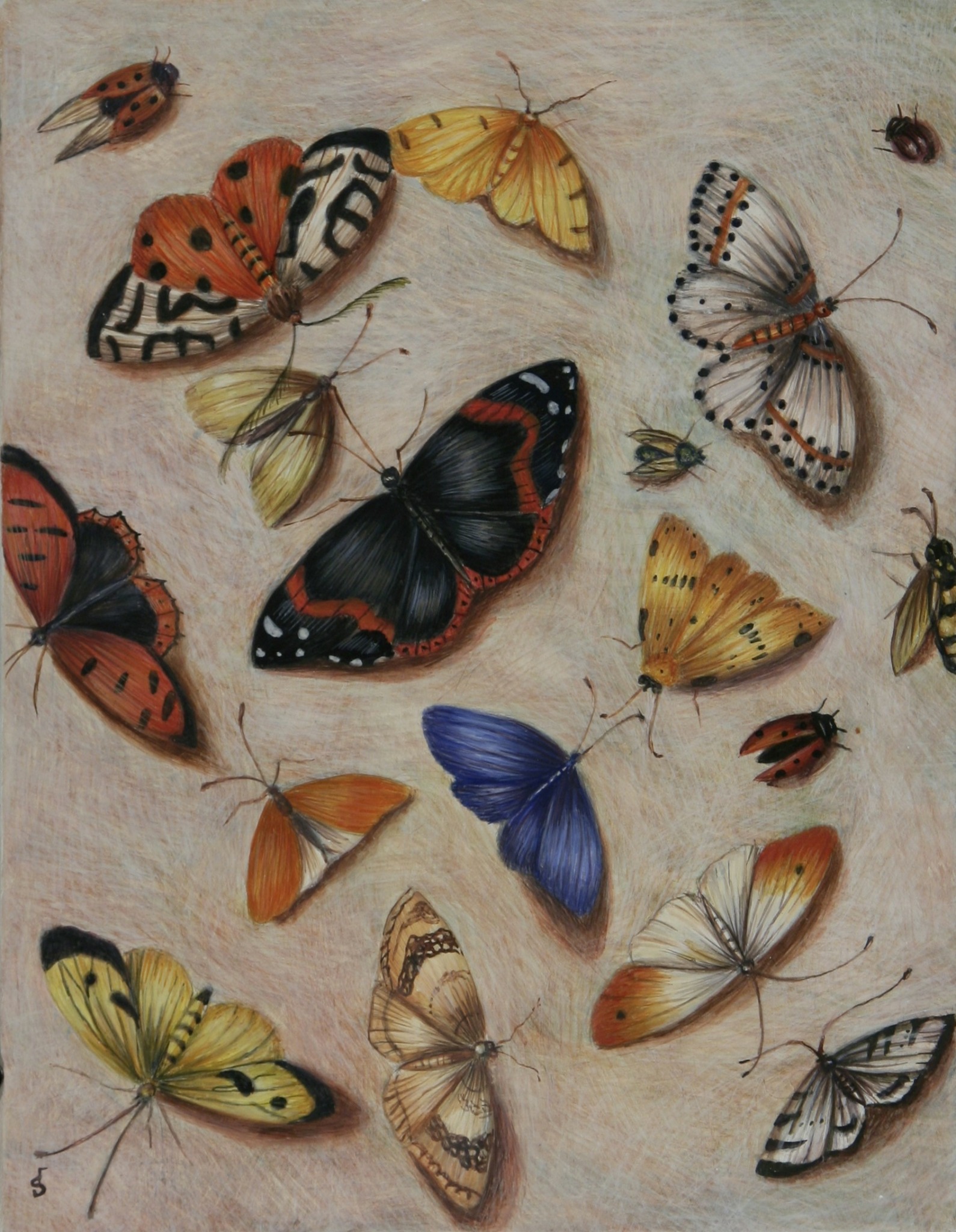
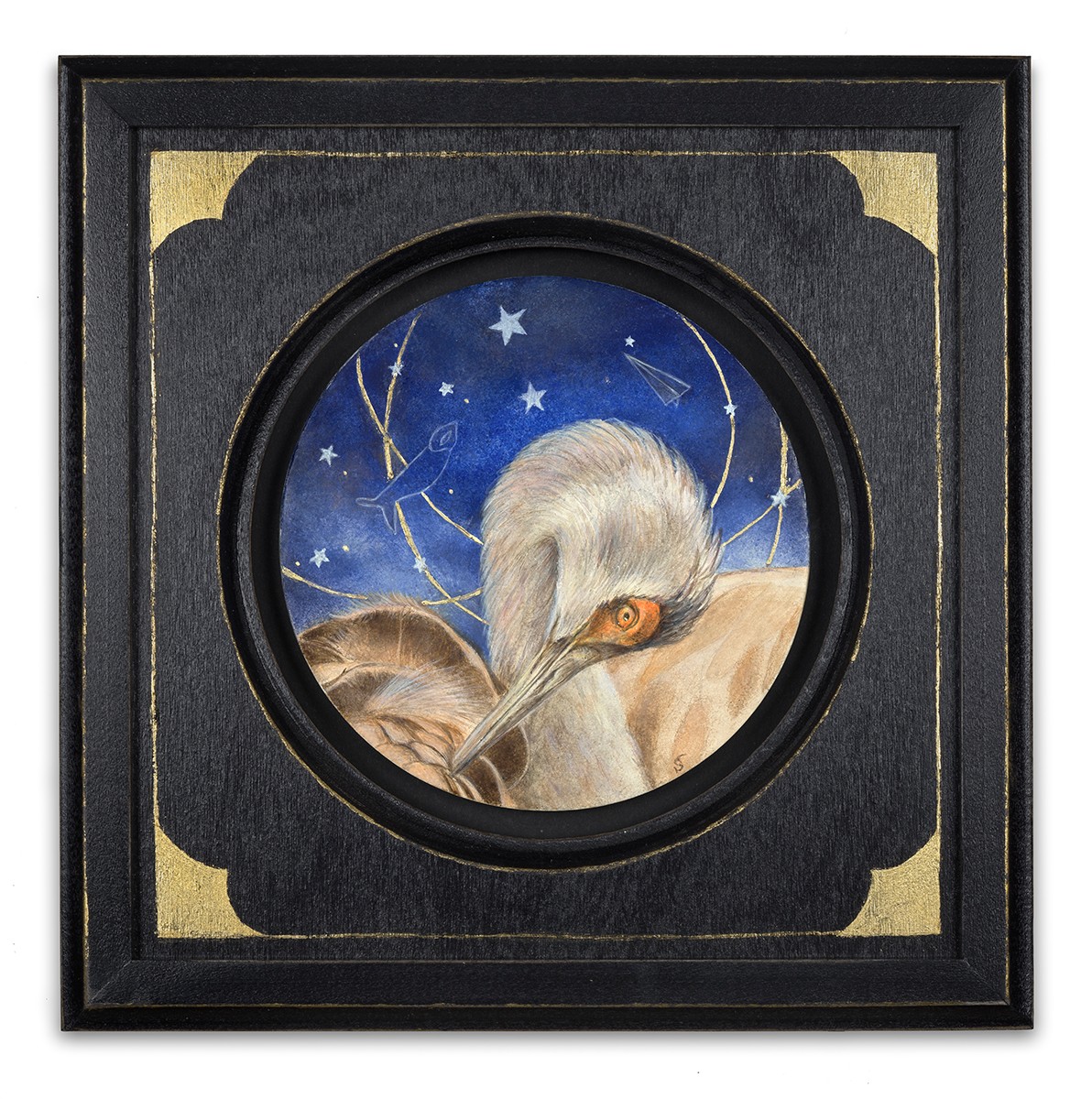
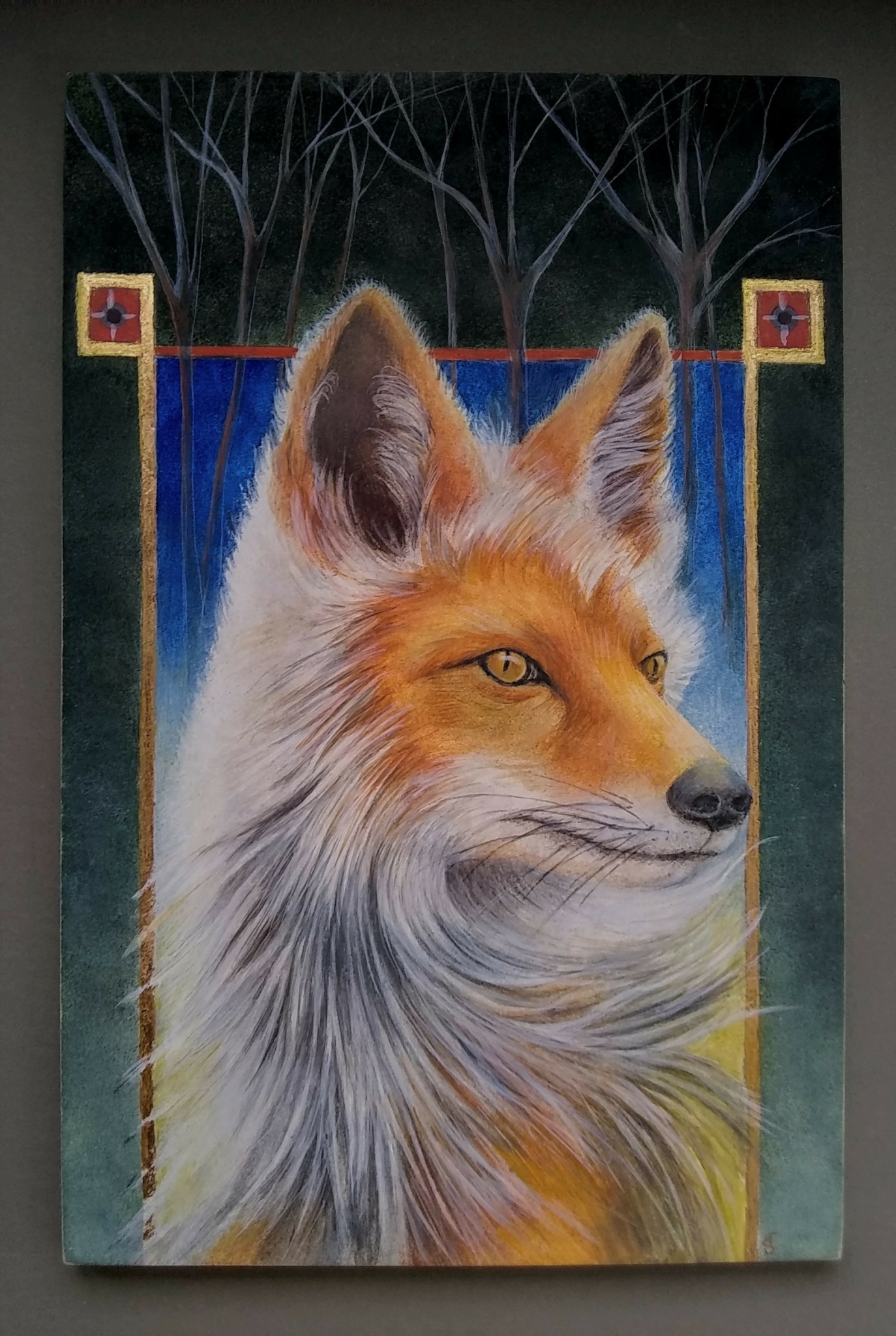
I like wearing two hats–one as an artist and one as a curator. I also feel fortunate to be a participant as well as an organizer of exhibits. As a participating artist, I have to adhere to a high standard of painting, so these events help me to keep developing my artwork. Although I enjoy working in silverpoint and watercolor, egg tempera is my definitive medium, leading me to my first curatorial experience. I relish the ritual of preparing panels using rabbit skin glue and chalk, along with mixing clay bole as the cushion for water-gilding gold leaf. Learning about these methodologies thirty years ago was a means of identifying with my Italian heritage and connecting with the rural land I grew up in. Inspired by such Renaissance narrative painters as Giotto, Botticelli, and Fra Angelico, I developed my own intimate stories. When I began creating with egg tempera and gold leaf, there were very few egg tempera painters in the fold. A unique opportunity brought egg tempera painters together through a new interest in the medium.
While I was a permanent adjunct art professor at Anna Maria College, Paxton, MA, I was given my first opportunity to curate for the college art gallery. My painting medium was a catalyst for introducing an egg tempera show as it was seen as a novelty. This was a new artistic venture, and other curators gave me valuable advice. I learned to write exhibit overviews, publicity, contracts, and introductions. As a curator and educator, I wanted to share the historical lineage of this ancient medium now practiced by modern artists. “Egg Tempera: An Enduring Tradition” was the first contemporary international overview of egg tempera exhibited in the U.S. I selected artists from different areas of the country and overseas through a juried open call. It was exciting to view all these new egg tempera works that I had never before had a chance to see in person. Artists from all over the country attended the opening and finally met one another. Because of the amount of publicity and interest in the exhibit, I created a traveling one, which involved Miami Dade Community College, Miami, FL, Mary Washington College Galleries, Fredericksburg, VA, and the Wistariahurst Museum, Holyoke, MA. Artists felt that I had a knack for curating and encouraged me to do more.
This first successful curatorial opportunity also opened doors for me to curate more art exhibits for college galleries and museums. I now have more contacts and a working knowledge of how to put together shows. I have come a long way since my first curatorial experience, but it created a blueprint for me and a clearer pathway for more educational exhibits. Some of my more recent curated exhibits have included “Tempera: Nature & Narrative,” Attleboro Arts Museum, Attleboro, MA; “Enpointe: (Silverpoint) Drawing from History, Historic Northampton Museum, Northampton, MA; and from this past summer, “Eye Spy: Lover’s Eye,” J. Gernon Fine Art, Troy, NY. These events help publicize artists’ works, including mine, and give rise to new collectors.
Diane, before we move on to more of these sorts of questions, can you take some time to bring our readers up to speed on you and what you do?
I was always interested in art, beginning as a child making crayon copies of my parents’ floral wallpaper in the hallway. They may not have appreciated my first permanent artwork, but that is how it started. My life began in a Catholic orphanage and I was later adopted into a dominant Italian Catholic multi-generational household. I grew up in the small rural town of Hatfield, MA, where woods abutted our yard. My grandfathers were gardeners and one was also a farmer. As a young child, my Italian grandfather built small shrines in his garden as a means of protecting his crops. Small birdhouses were perched on poles like holy scarecrows, and the statuary of saints and the Virgin Mary dwelled in their interiors. This memory, along with my Italian heritage and love of the rural land, influenced my artmaking.
As I developed as an artist in undergraduate school at Westfield State College, Westfield, MA, and later as a graduate student at The Hartford Art School and Vermont College of Norwich University, VT, I was searching for a means of identification with my Italian culture. It wasn’t until I saw a brilliant exhibit of egg tempera and gold leaf paintings by artist Fred Wessel, that I saw the potential of new media. My love of the Renaissance narrative painters, the rich color palettes, and the light reflected from gilding enticed me to learn new working methods. Finally, themes started to gel, and I relied on my memories of the garden paradises nurtured by my grandfathers. Vegetation and animals that rose from the woods began to appear in my artwork. This created an authentic artistic voice to give my work credence. Although I veer towards realism in my work, I think what sets my work apart is that I also include images from my imagination. This is where storytelling comes into play. I also like the Renaissance’s shallow use of space and use this as a contemporary format.
I was very fortunate that a New York City independent art dealer, Barbara Moran Dervan, happened to view my artwork while being framed in Massachusetts. She asked to represent my work, and she would set up shows in the Berkshires in Massachusetts and also take my work to the London Art Fair. She sold many of my works overseas because the Europeans already had a working knowledge of Renaissance art and connected with my interpretations of it. I was very proud to be represented by her until health issues forced her to close her doors.
If I did not continue to hone my craft, I would never have been able to undertake the duties of a curator. I am also proud to be recognized as a painter and independent curator through articles in art magazines and newspapers. I am now represented by Lark & Key Gallery, Charlotte, NC.
We’d love to hear a story of resilience from your journey.
When I was building momentum as an artist, independent curator, and adjunct professor, I suddenly faced a health crisis. Seemingly out of nowhere, I began having a bizarre constellation of symptoms, which initially landed me in our local ER. From there, I seemed to spiral as I lost weight, had extreme fatigue, and developed neurological issues. These health issues forced me to resign from my position as an art professor and left me bewildered until my art dealer, Barbara Moran Dervan, encouraged me to get tested for Lyme Disease. After two years of going from doctor to doctor, I finally had a diagnosis, but now the disease was firmly entrenched in my system.
I was unable to hold a paintbrush without shaking and support from my left hand. The treatment caused seizures, and I could no longer drive or effectively care for our young daughter and son. It took years of IV antibiotics, as well as support from my family, to bring Lyme Disease into remission, but not before it took a physical and emotional toll on me. I was determined to get well for the sake of my family and myself. I learned to become a chameleon because I wanted to stay connected to the art world; I didn’t want Lyme to rob everything that had defined me.
My colleagues supported me as an independent curator. If I couldn’t paint, I could live vicariously through their works. I became adept at reaching out to venues, although I was homebound. I was indebted to my artist friends and colleagues for allowing me to represent them, and they trusted me to protect their interests. I was able to promote their works and also gain respect as a curator from the various venues contracted to exhibit their paintings. I could not give up or give in. It took me years to paint with more assurance, but my daily motto was “to keep my eye on the prize.” This experience taught me resilience and adaptation to the most untenable circumstances. In addition, I endeavored to hold on to the dream of being an artist.
What’s the most rewarding aspect of being a creative in your experience?
The most rewarding aspect of being an artist is having the independence to create. I get to illustrate the dreams and thoughts derived from my head and live in a fantasy world for part of my day. I love my job, being in charge of my work, and having the freedom to keep learning new techniques. I am a lifelong learner. I feel grateful to connect with viewers and patrons who have purchased my work. I feel validated that I have a visual vernacular to communicate with and make connections. It was a long journey to become a professional artist again, and the fact that I can paint once more is a huge reward because of all that I fought for.
Contact Info:
- Website: https://etartistdi.wixsite.com/mysite
- Instagram: https://www.instagram.com/dianesavinoart
- Facebook: https.//www.facebook.com/diane-savino-artwork
- Other: https//larkandkey.com
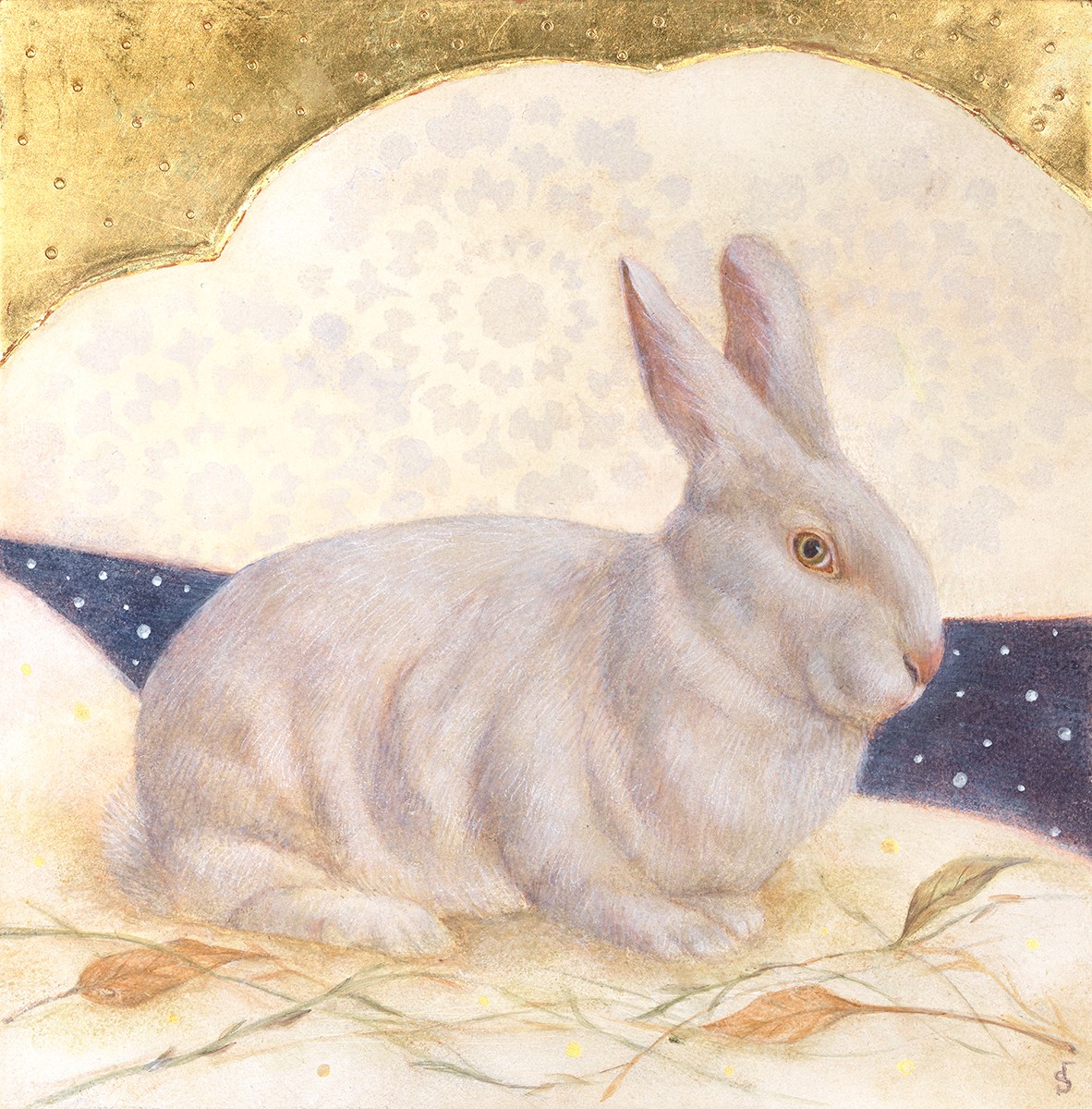
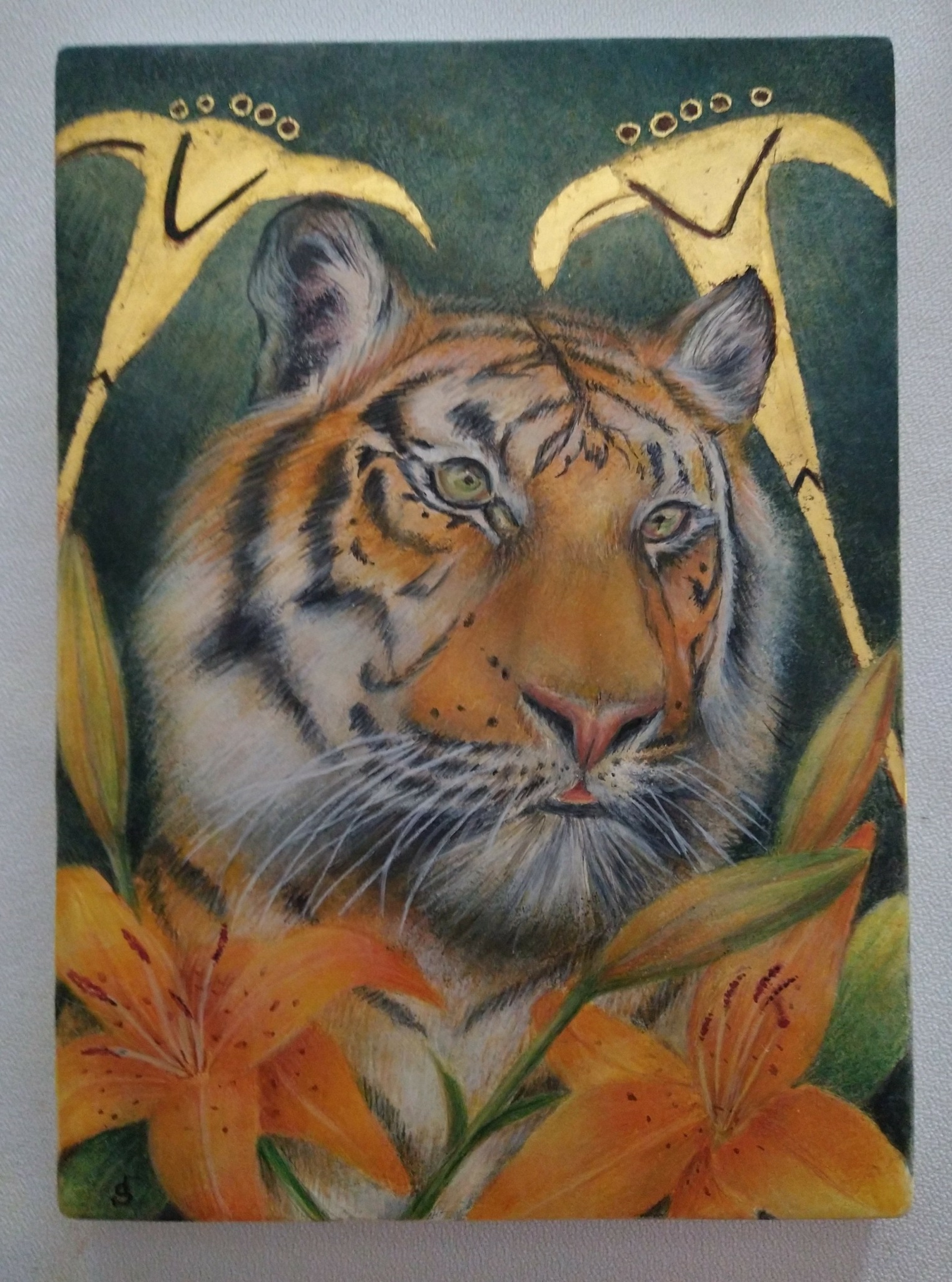
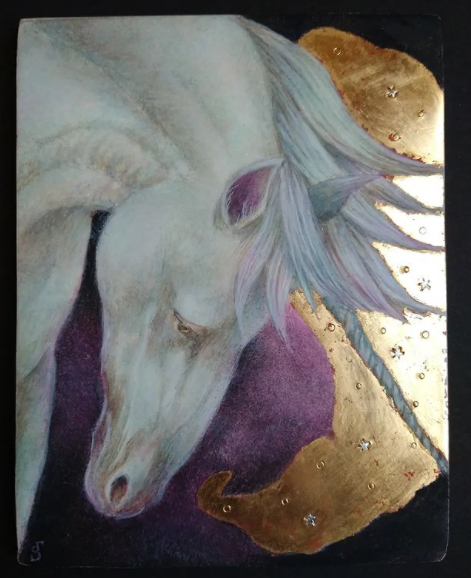
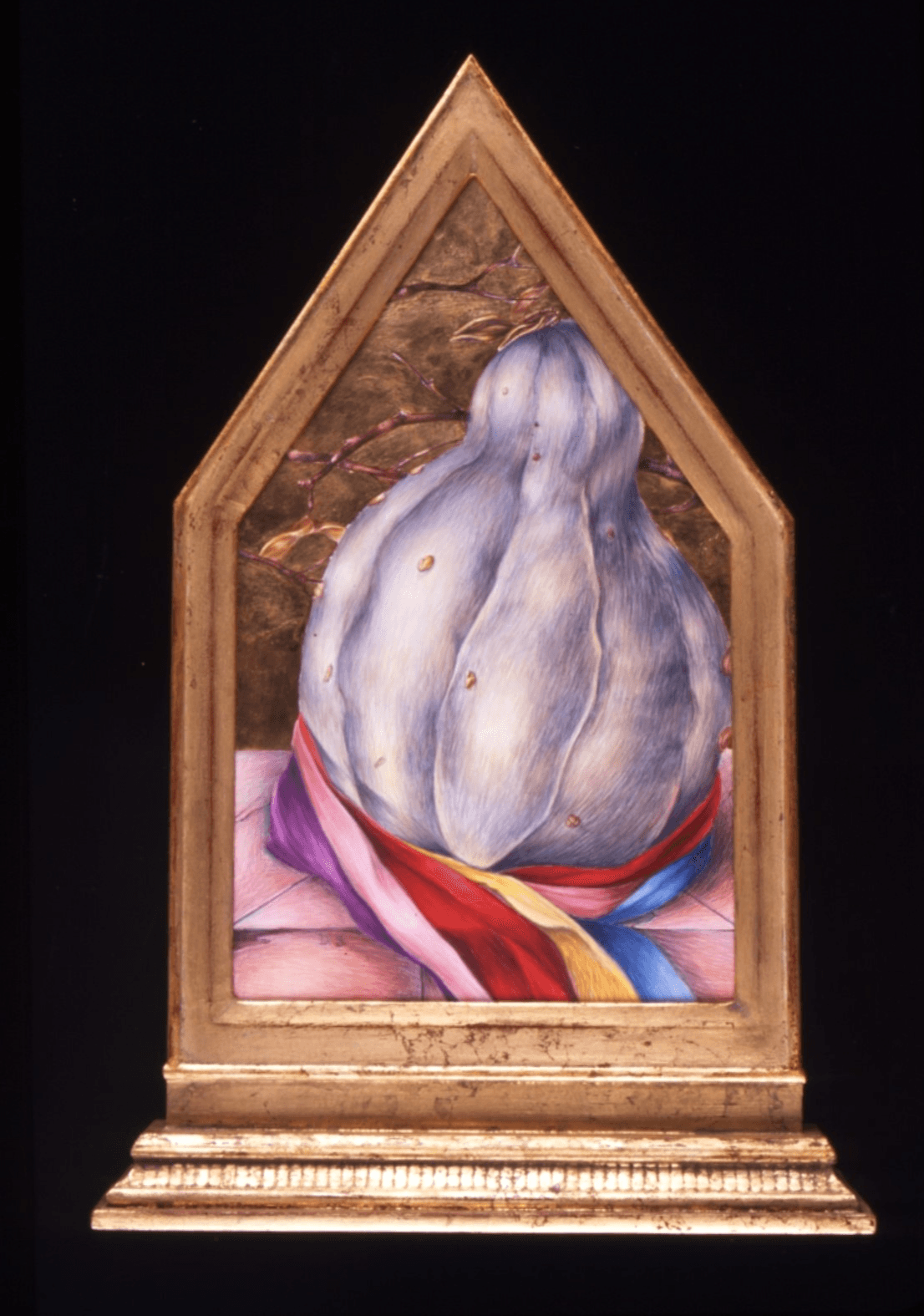
Image Credits
Stephen Petergorsky; Diane Savino