



We recently connected with Diana Wu and have shared our conversation below.
Alright, Diana thanks for taking the time to share your stories and insights with us today. Do you think folks should manage their own social media or hire a professional? What do you do?
Managing social media for my company is one of my favorite parts of the business because it is an opportunity to share what I love. Thus, I manage it entirely on my own. It has become an integral way to develop personal connection with the public and to communicate my company’s mission on a consistent basis. When I was a kid, I had always had the habit of documenting the things I’d done whether it was through writing in a journal or taking pictures. As a result, maintaining content to share was something that came rather naturally for me.
I found that whenever I’m with friends, it is always a pleasure and comfort to share updates and stories with each other. Thus, it was important to me that our company’s social media content gave off the same inviting feeling, as if someone was just hanging out with a group of friends. Therefore, content is often a personal or funny story that will contain both casual and/or special moments. I also make sure that the stories we share are posted as close to real-time as possible, meaning that we don’t wait to start talking about a special performance or event weeks later, but try to keep it close to the actual time of when something had happened. This helps keep the thoughts and feelings associated with an event stay more genuine and more relatable. Also, the public will feel like they were experiencing something with us, making them feel more close to our journey. I recall one funny incident where someone who was following our page recognized me at the supermarket, and they immediately asked, “How was your performance this weekend?” as if we had just been talking to each other yesterday. Though it caught me by surprise, this interaction informed me that our content was doing exactly what I intended it to be: a friend catching up with friends.
Social media has also been a great way for me to express gratitude and recognition for people who have helped me grow this company, whether they were a student, a member, a client, or even just someone in the audience when we perform. I make sure, to the best of my ability, to engage with comments and reactions from people, ideally with a personal message sent right back. Since someone took the time to write to us, the best thing to do would be to take the time to acknowledge and write back in order to further deepen that relationship.
Finally, one of the most important reasons why I love doing the social media myself is because it helps me stay consistent in recording what I’ve done. Running my own business can be difficult and sometimes on the most challenging days (even weeks), I find myself honing in on what I don’t have or starting to doubt and not believe in what I can do. But because of the constant documentation, I have something to look back on to remind me of past achievements. On the most difficult days, being able to see what I’ve accomplished so far can really help re-energize me by reminding myself of my own ability and why I chose this to be my career.
Diana, before we move on to more of these sorts of questions, can you take some time to bring our readers up to speed on you and what you do?
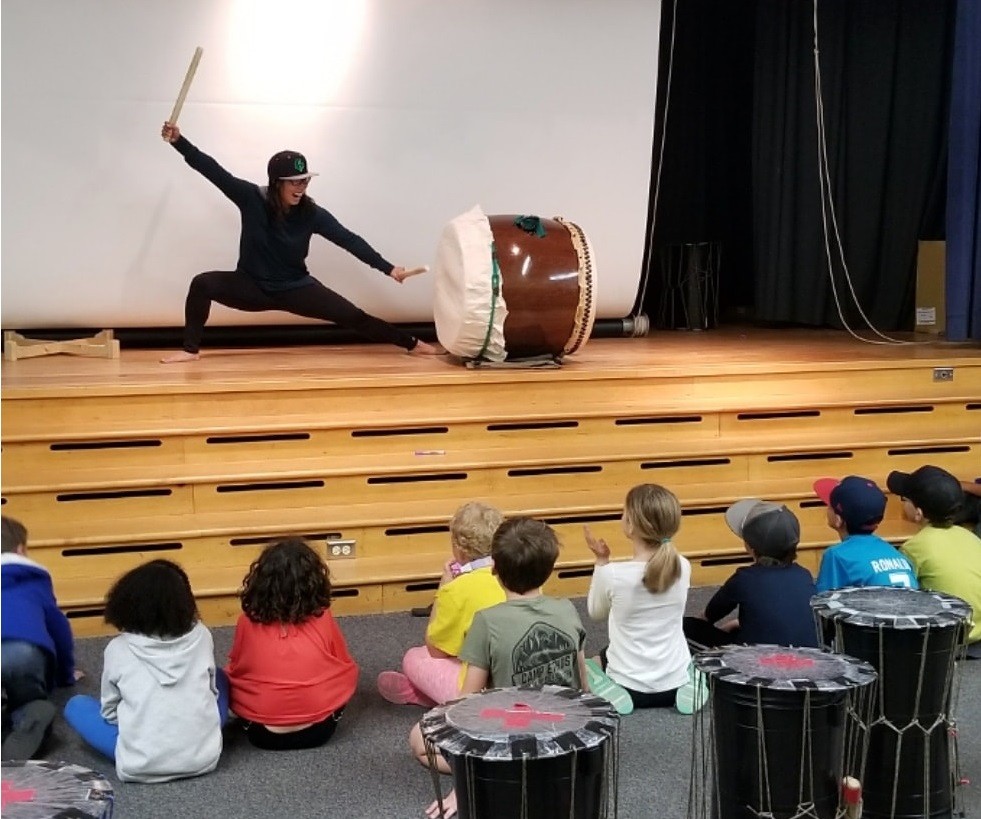
My name is Diana Wu and in 2008, I founded Naruwan Taiko, an organization focused on practicing and sharing the art of Japanese taiko drumming. Since the group began, we’ve conducted classes, workshops, and performances all around San Diego, as well as other parts of Southern California for over 14 years. Taiko (“great drum” in Japanese) refers to a wide range of forms and styles of traditional drumming in Japan. Taiko can be found in village festivals as the beat keeper for community dances, as well as in theaters as accompaniment for actors and other musical instruments. More recently, taiko is commonly performed alongside other taiko in an ensemble format, where choreography and physical ability are as important as the musical elements.
A unique fact about my group is that the name “Naruwan” is not actually a Japanese word, but from the language of the Ami tribe in Taiwan. The phrase is a greeting that invokes a welcoming nature when spoken to another person. While taiko is a Japanese art form, I am ethnically Taiwanese and I felt this was a way to not only connect and remind me of my own roots, but to also state the nature of the organization that I wanted to lead, one where a person would be welcomed no matter their background whenever they heard our music and/or attended our workshops.
I first discovered taiko at my alma mater (University of California, Berkeley) in 2006, where my original plan had been to become a medical doctor. However, while walking home from a grueling physics exam, I entered the school quad when I heard rhythmic beats coming from the other side. It was that night where I had the literal life-changing experience of seeing and hearing for the first time the taiko club on campus. I remember feeling like something was awakened in me as I heard the pounding of the drums. The next week, I attended a practice without giving much thought as to what to expect. I was handed a pair of sticks and told to just hit the drum. I remember very vividly that first time I hit the taiko and just how empowering it felt as I heard and felt the vibration of the sound created. It wasn’t a mere tap, but rather, a full strike using my entire body. The powerful resonance that was generated seemed to release my inner voice and tap into my full potential. At the end of that practice, we freestyled on the drums with our new teammates cheering us on and encouraging us to find our full and free selves.
Until that night, I had never experienced an activity that allowed me to express that kind of immense energy. I’ve held onto that memory so tightly because it is that very feeling that I want to bring to as many people as I can in my community. For that reason, when I moved to San Diego after graduation, I started Naruwan Taiko so that the people of this city could also experience the joys of playing taiko together. What started as just a hobby essentially became the first step towards my life’s work and passion. I admit that at the time, I did not know this was my life’s calling quite yet, as I still spent the next few years dabbling in possibly going to medical school and then ultimately completing law school. But at the same time, I was consistently practicing and teaching taiko. It wasn’t until after law school did I realize that I wanted to fully dedicate my life to bringing this incredible art form to my local community.
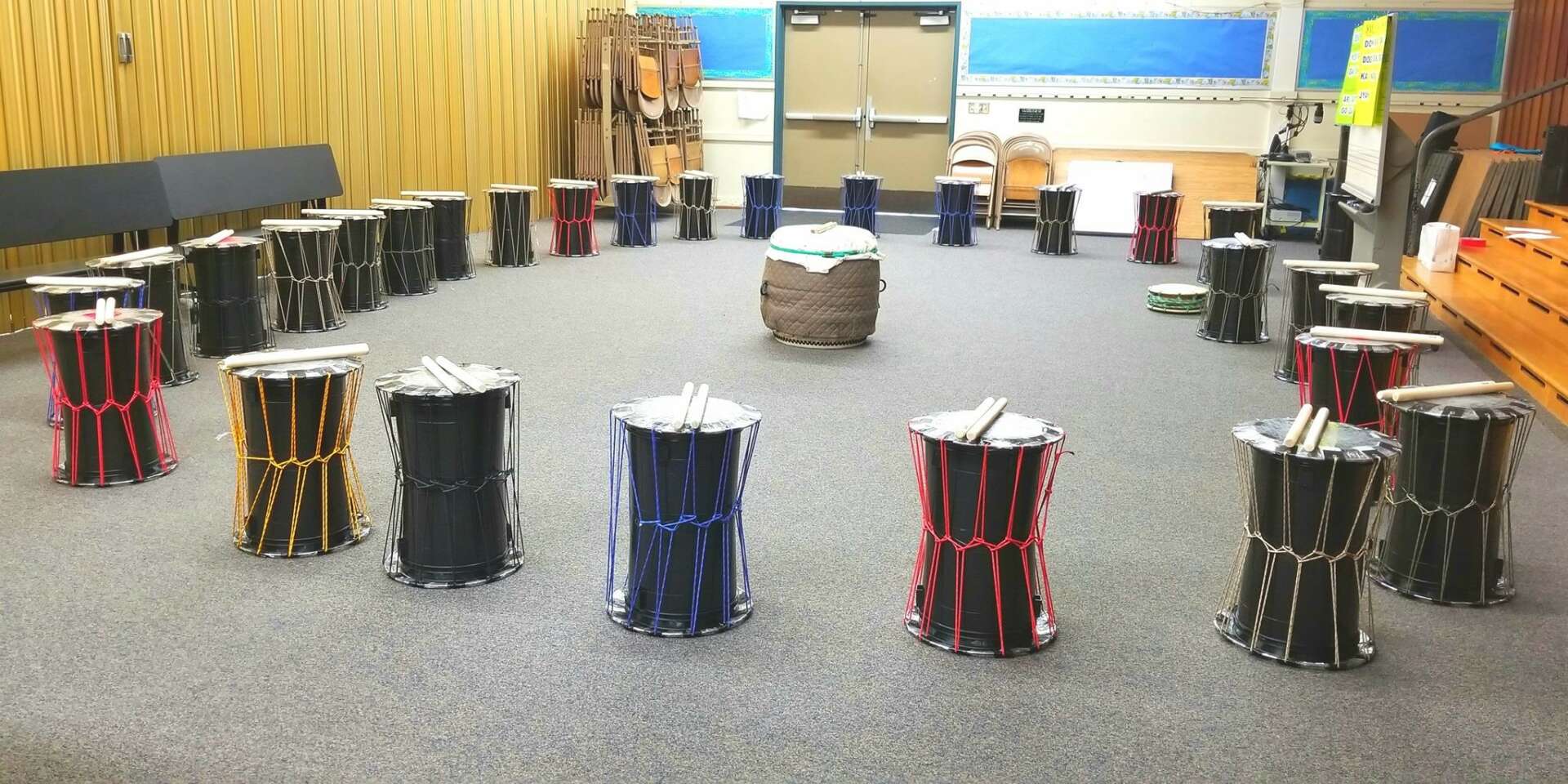
Over the years, I’ve found taiko is something that people of all ages and background can partake in no matter when they discover it in their lifetime. When folks first hear the sound, something is awakened, much like it did for me when I first heard it in college. Then, when they hit a drum for the first time, that part is liberated. Taiko is both music and dance. People get to make big sound, but at the same time, they are using their body to learn choreographed motions that help accentuate the musical expression. No matter the age, people are drawn to taiko because of its ability to help people discover their inner strength and connect with those around them. Since January 2008, I’ve held numerous community workshops and classes around town, for both adults and children. I’ve also organized both semester-long programs and afterschool programs at local elementary schools, where students learned to practice and perform as a team, and also how to be leaders of a group.
My ultimate dream is to open a full-fledged taiko center in San Diego, so that there can be a designated space for people to discover this joyous activity. Taiko has been great for people of all ages to stay active, learn music, delve into a cultural art form, and work with others together as a team. In this studio, I hope to continue setting up more classes, workshops, and groups of all types for all demographics. For example, there is so much joy when I see seniors play the taiko. It is so rewarding to see them discover how powerful they still are! I also hope to create teaching opportunities for people who want to connect with others in that way. At the moment, the big challenge for me so far has been finding a space willing to host this activity. What makes taiko great is the sound, but it is also what makes it a more challenging business for which to find a more permanent home.
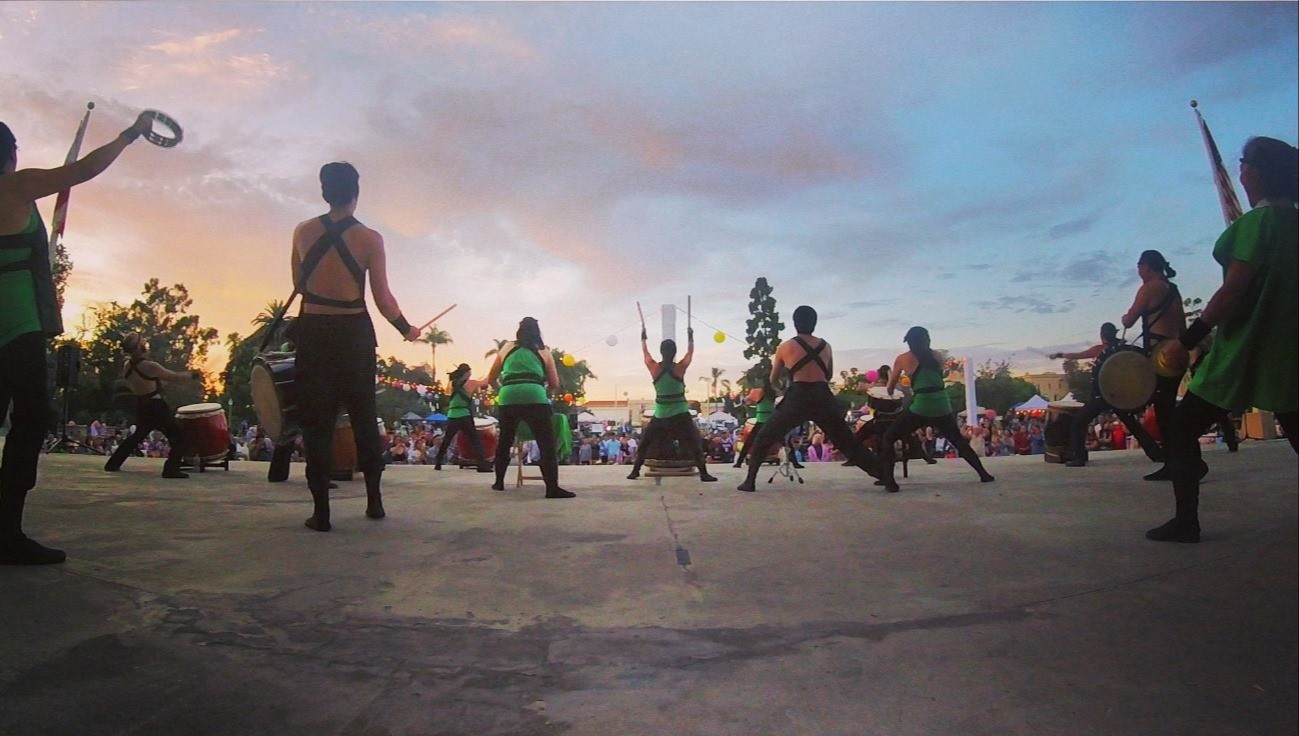
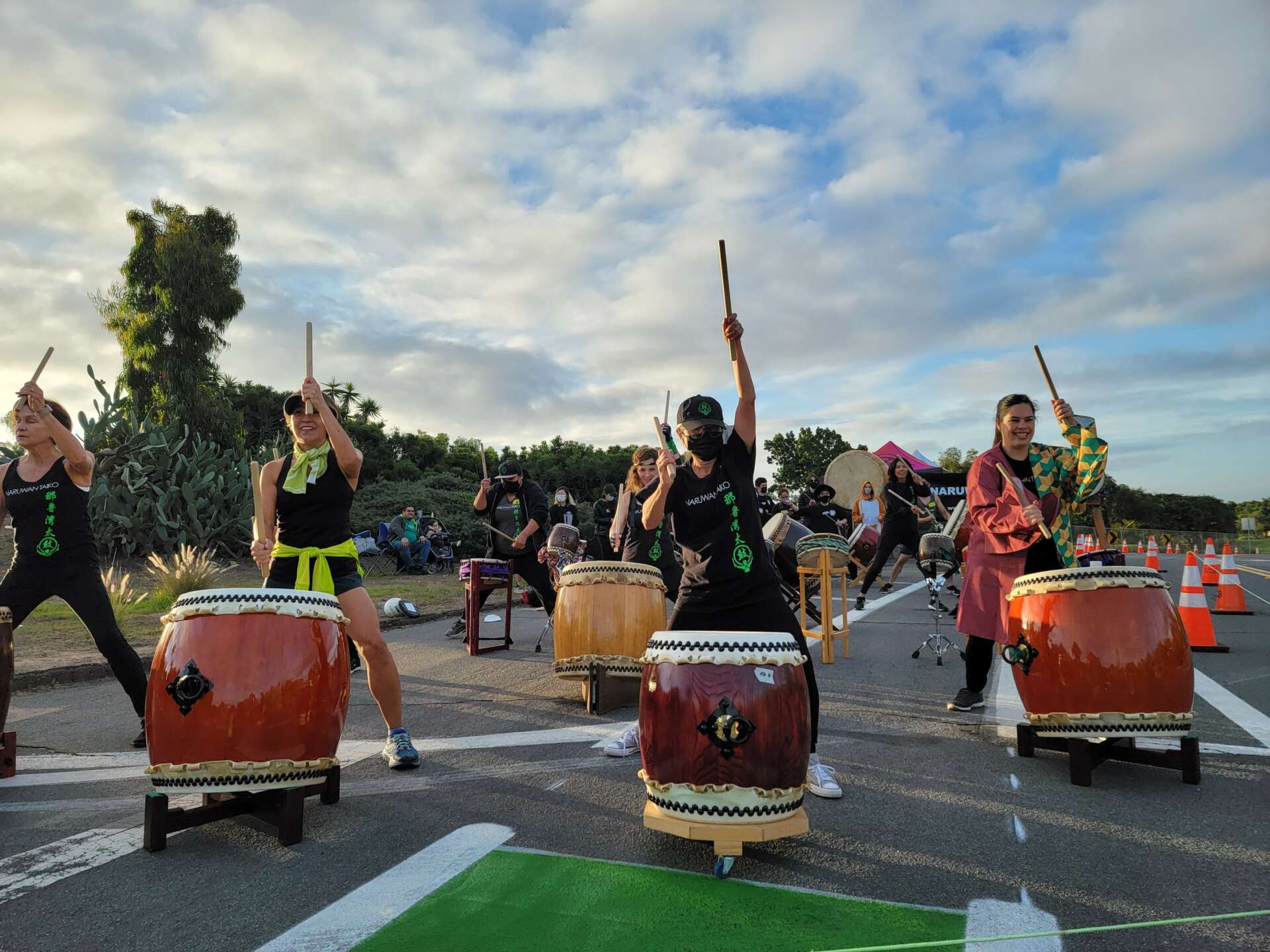
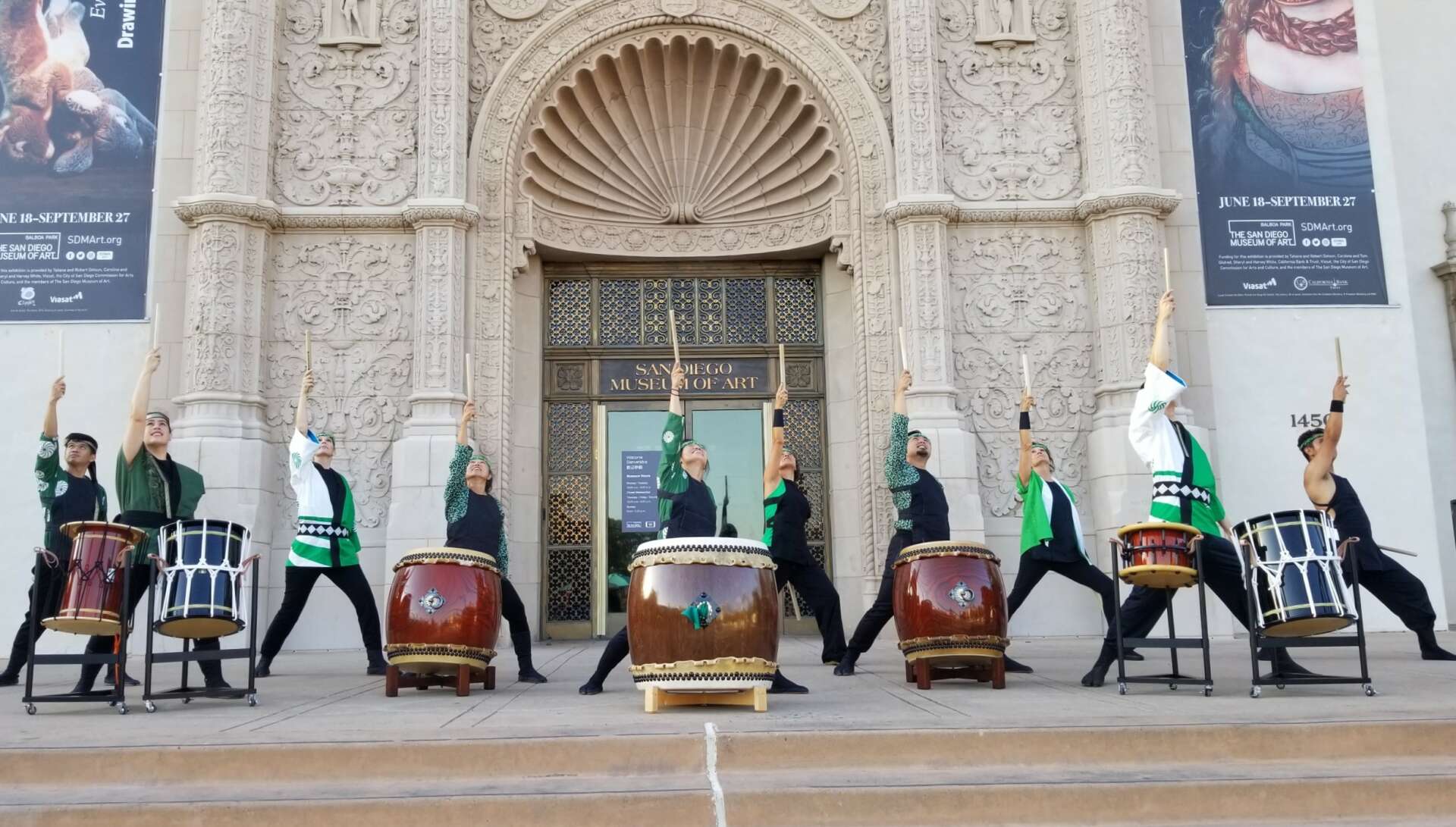
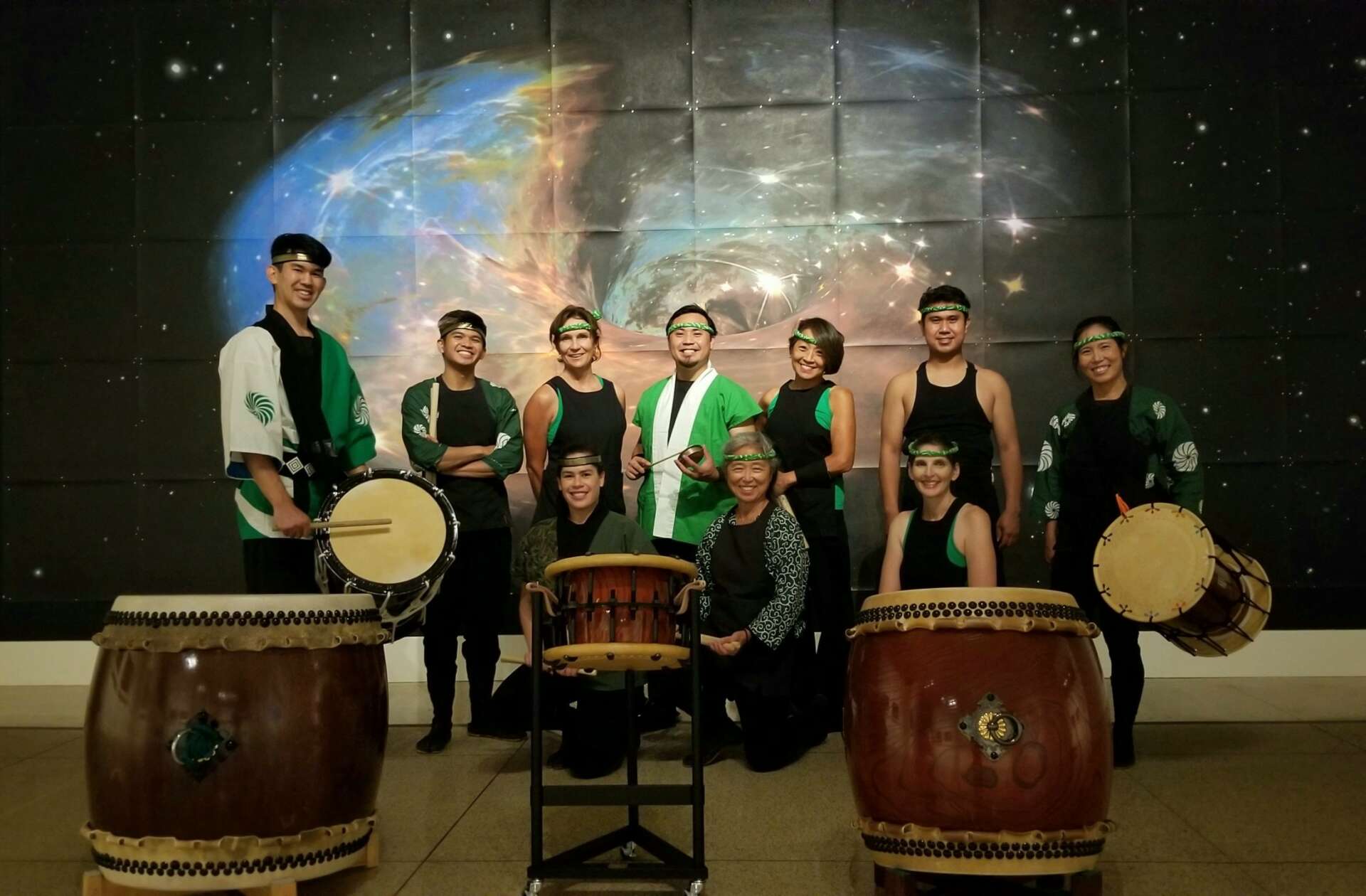
In addition to teaching, I’ve trained a core team that does performances around town at local festivals, including interactive performances and assemblies for schools and company events. This team has performed all around Southern California including Legoland, San Diego County Fair, Rock n’ Roll Marathon, Valley View Casino, Balboa Park, Disneyland Hotel, Petco Park, San Diego Mardi Gras, and TEDxSanDiego. Our team is known as the one with the highest energy and often engages with the audience. People who have seen our performances leave feeling very energized, ready to do whatever they needed to do next that day, or even the week. One of our favorite events that we perform at are the local marathons, where we get to drum as the runners go by. We’re always happy to hear that we were able to send energy to the runners as they complete their run. All this brought the attention of leaders of the world taiko community, including Miyamoto Unosuke Shoten/kaDON, one of the world’s top taiko instrument makers for the country as well as for the Emperor of Japan. Naruwan Taiko is now in partnership with them to further share the art of taiko and is one of the organizations in the United States to own a beautiful new set of taiko made by Miyamoto Unosuke Shoten.
At the end of the day, taiko in its most traditional form in Japan is a foundation of community. The roots of taiko go deep in Japan and yet, it has the ability to grow new roots in other places around the world as well. Even today, including the states, the taiko is found in many local events because people are drawn and connected to each other through the sound, the power, and the movements of the performers on the taiko. Thus, I hope to continue using the taiko as a means to connect people with each other and for each person to find their fullest potential.
What do you think helped you build your reputation within your market?
Expressing gratitude always. For me, this is the most important interaction a person can have anywhere in their life and especially in a business where its success depends entirely on the people in your community. I believe that building a strong personal relationship with each student and client is key to maintaining a long-term clientele and maintaining your reputation. I constantly remind myself that I couldn’t be where I am if people didn’t take our classes or hire us for local performances. So as much as possible, whether in person, on social media, or even during a performance, the one thing I want to always make sure I do is to express the gratitude that I have for all that has happened to bring us to that very moment. For me personally, remembering to give thanks helps keep me humble as well. It can be so easy getting lost in success or the current moment, so a constant reminder of saying thank you reminds me that our clientele is important for our growth. It tells people that you see them, that you recognize they are integral to your success, and that you care and are grateful for what they do. I believe this helps reputations and can draw new clientele because people feel comfortable recommending us to other potentially interested clients who may be interested in taking our classes or working with us in general.

Any advice for managing a team?
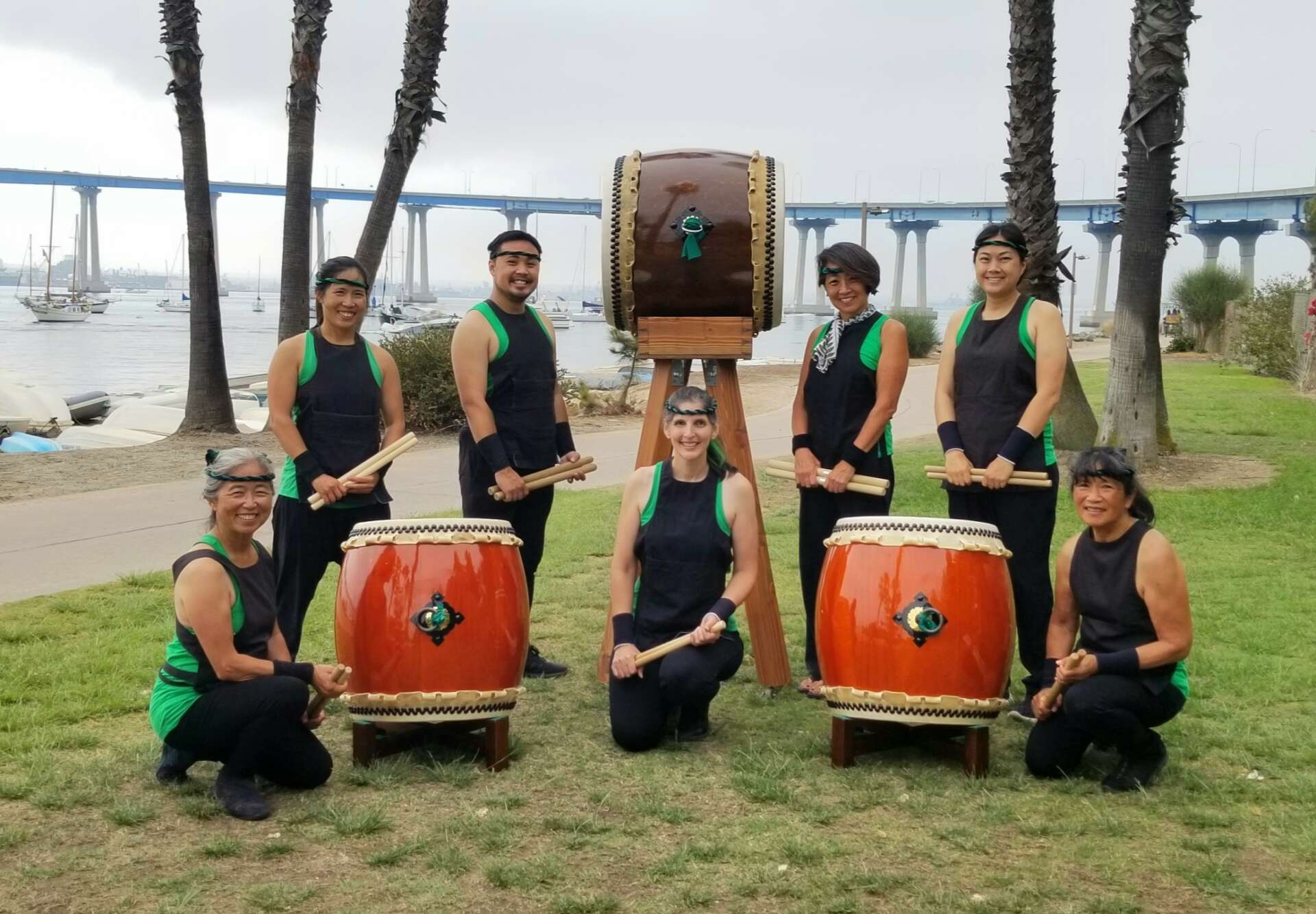
I strongly believe that the key element for managing and maintaining team morale is to develop a direct personal connection with each person. Sometimes on the busiest and toughest parts of the year, I can sometimes lose sight of this because this is the part that can take more effort and time. However, the long-term benefits of focusing and investing on this aspect of a team is absolutely worth it.
Building personal connection means recognizing your members as more than just people on your team and acknowledging each individual. It means remembering unique details about each person and having shared experiences whether through lunch, coffee breaks, or even a day’s activity (like going to the zoo-a favorite!). Each person that comes through shouldn’t feel like they are just one of many, but understands and is proud to hold a unique and important role in the process. They are the ones whose growth correlates with the company growth and including them in that process only solidifies their direct relationship with myself and the rest of the team. For me, the key thing about building a team and maintaining that high morale is making the effort to make sure each member feels that they are a part of a family that helps each other and takes care of each other, and ultimately wants to achieve the same goals for the organization. To sustain this atmosphere, we foster ways to build connection between members as well, such as activities together outside of practicing taiko, like dinners, game nights, or bonfires.
In addition, I think the hardest thing to do, but crucial and can make a huge difference as a leader of a team, is remaining humble and be open to apology when you recognize your mistakes or errors. So often as leaders of a group, we can easily tunnel vision into the fact that only we know what’s best. However, actively realizing when there’s error and owning up to it shows the team that it’s ok to make mistakes because we all do. It also promotes a space to be able to try new ideas that I might not have thought of and for members to ask questions that can only help the team grow stronger together.
Most importantly, always share gratitude. There’s so much that I couldn’t do without the team donating their time to practice and help at performances and workshops. Gratitude allows me the chance to really take to heart how much people have helped me and this organization to achieve our goals. Expressing gratitude towards my team tells them they are needed, which results in more drive to continue to better themselves and the team as a whole. They are integral to the process and very important to me. Finally, no matter what happens in the day, I always make sure that the final thought and exchange is finished on a positive note. It doesn’t always have to be the most overly positive statement of the year, but at least something that caps the day with the intent of looking towards tomorrow with optimism.
Contact Info:
- Website: naruwantaiko.com
- Instagram: @naruwantaiko
- Facebook: facebook.com/naruwantaiko
- Youtube: youtube.com/naruwantaiko
Image Credits
Diana Wu, Bailey Cain