

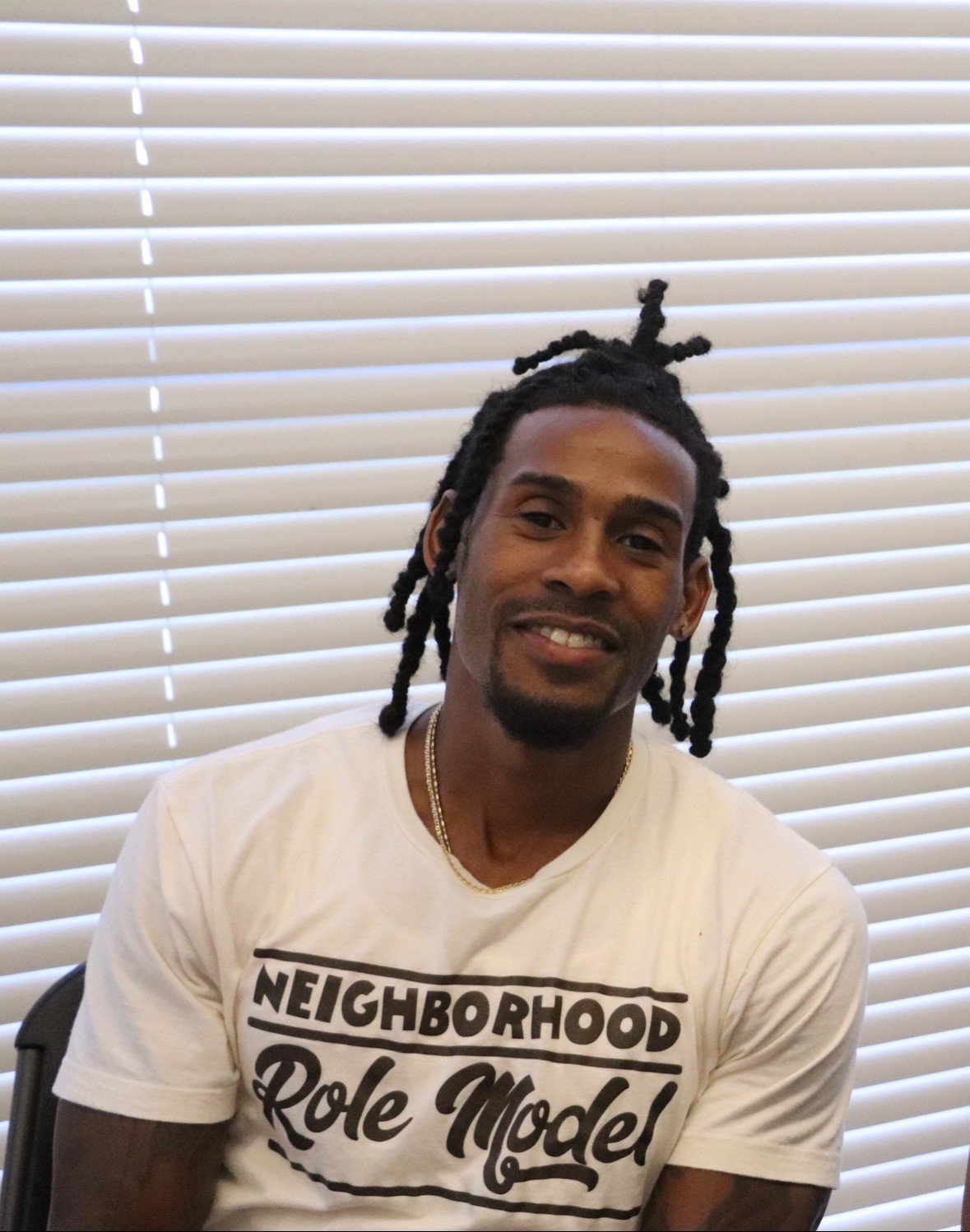

Alright – so today we’ve got the honor of introducing you to Derrick Collins. We think you’ll enjoy our conversation, we’ve shared it below.
Derrick, thanks for taking the time to share your stories with us today Coming up with the idea is so exciting, but then comes the hard part – executing. Too often the media ignores the execution part and goes from idea to success, skipping over the nitty, gritty details of executing in the early days. We think that’s a disservice both to the entrepreneurs who built something amazing as well as the public who isn’t getting a realistic picture of what it takes to succeed. So, we’d really appreciate if you could open up about your execution story – how did you go from idea to execution?
For me, the idea didn’t start as a business plan—it started as a responsibility. I was mentoring young people long before I ever thought about forming an organization. Every day I was watching kids struggle with behavior, trauma, school, identity, and direction, and I kept feeling this pull to do more than just help one kid at a time. The idea for my program really came from seeing the gaps: kids needed structure, opportunity, and real-world skills… but they also needed someone who would simply show up for them consistently.
Once that realization hit me, it felt like I woke up the next day with a fire I couldn’t ignore. I started writing down everything—what the program could look like, what systems we needed, what community issues we could address. It wasn’t glamorous. It was pages of notes, late nights, and a whole lot of Googling. I didn’t know everything, but I knew enough to start.”
“The early process was all foundation-building. I had to figure out licensing, structure, the legal side, and how to create something sustainable. I researched similar programs, spoke to other nonprofit leaders, and learned the administrative side—things like compliance, donor tracking, partnerships, tax requirements. That part was a whole education in itself.”
“At the same time, I was talking to parents, teachers, school administrators, sheriff’s office staff—anyone who interacted with the youth I wanted to serve. Those conversations shaped the blueprint. They helped me understand what young people actually needed, what parents struggled with, and what the community was ready to support.”
“Once the concept became clear, I moved into action mode. I developed programming outlines, built relationships with local schools, created branding, and set up the structure to actually deliver services. There were days when I was mentoring kids in the morning, writing policies at night, and designing flyers in between. And honestly, that’s still the rhythm. When you’re building something with purpose, the lines between hours and days blur.”
“By the time we officially launched, it didn’t feel like a grand opening—it felt like the natural next step of something that had already been living inside me. And from there, things grew because we stayed consistent, stayed visible, and stayed focused on impact. Every new idea—whether it was esports, entrepreneurship programs, real estate pathways, or retreats—came from the same place: asking, ‘What else do our young people need to thrive?’”
“So the short answer is: it started with one idea, but it came to life through persistence, learning, community conversations, and a willingness to build the plane while I was flying it. That’s the real story of how this business—and this mission—launched.
Great, appreciate you sharing that with us. Before we ask you to share more of your insights, can you take a moment to introduce yourself and how you got to where you are today to our readers.
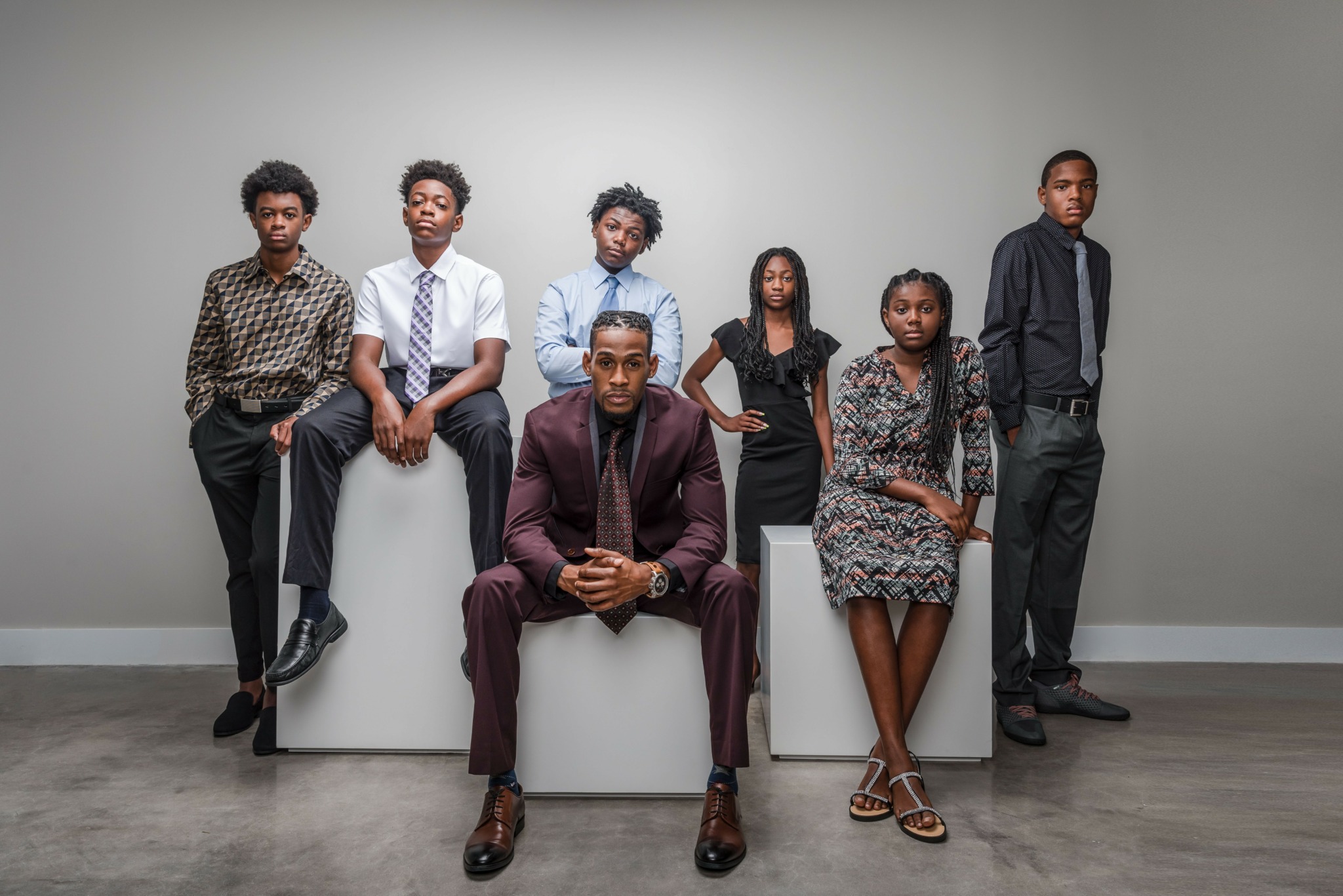
For those who may not know me, my name is Derrick Collins, and my work centers around empowering young people, strengthening communities, and creating real pathways to opportunity. I’ve always been passionate about pouring into others, especially youth who are often overlooked or misunderstood. That passion is what led me into the mentoring, nonprofit, and now entrepreneurial space.”
“I entered this field because I saw firsthand how many teenagers and young adults were struggling—not because they lacked potential, but because they lacked support systems, structure, exposure, and opportunities. I’ve mentored for most of my life, but eventually I realized mentorship alone wasn’t enough. These young people needed access to skills, experiences, and industries they had never been invited into. They needed a community that believed in them.”
“That drive is what led me to create a multi-layered ecosystem of programs under my organization—everything from mentoring and life skills to esports education, entrepreneurship labs, home-improvement business pathways, creative arts, retreats, and community events. A few of our signature ventures include Coastal CTRL, our esports and tech program. Neighborhood Role Model, our clothing and identity-building brand; and multiple mentoring and behavioral support services for youth navigating trauma, anxiety, depression, and life challenges.”
“What ties all of these together is that we don’t just teach—we build confidence, structure, and opportunity. We give young people and families access to tools and industries they may never experience otherwise. Whether it’s helping a teen learn emotional regulation, teaching a young adult how to start a service-based business, guiding a kid through esports broadcasting, or exposing them to leadership and financial literacy, we are solving the problem of limited options. We give kids and young adults a chance to see a bigger version of themselves.”
“What sets my work apart is that it’s hands-on, community-rooted, and accessible. We don’t wait for perfect conditions or resources. We show up. We innovate. We create pathways that are culturally relevant, modern, and genuinely exciting for youth. We take industries like tech, real estate, esports, and entrepreneurship—fields that can feel out of reach—and bring them directly into the community in a way that makes sense for them.”
“I am most proud of the transformations I’ve witnessed. Kids who were struggling now stepping into leadership roles. Young adults starting businesses. Families who finally feel supported. Watching a student who once battled behavior issues now teaching others how to manage theirs—that is the impact that keeps me going.”
“If there’s one thing I want readers to know about me and my brand, it’s this: everything we do is built on purpose, authenticity, and heart. We’re not just creating programs—we’re creating futures. We’re building confidence, skills, stability, and community pride. And we are doing it in a way that is modern, creative, and deeply connected to the real needs of real people.”
“My work is about empowerment, exposure, and evolution. Whether someone engages with us through mentoring, esports, business development, clothing, or community partnerships, the message is the same: You matter. Your potential matters. And we’re here to help unlock it.
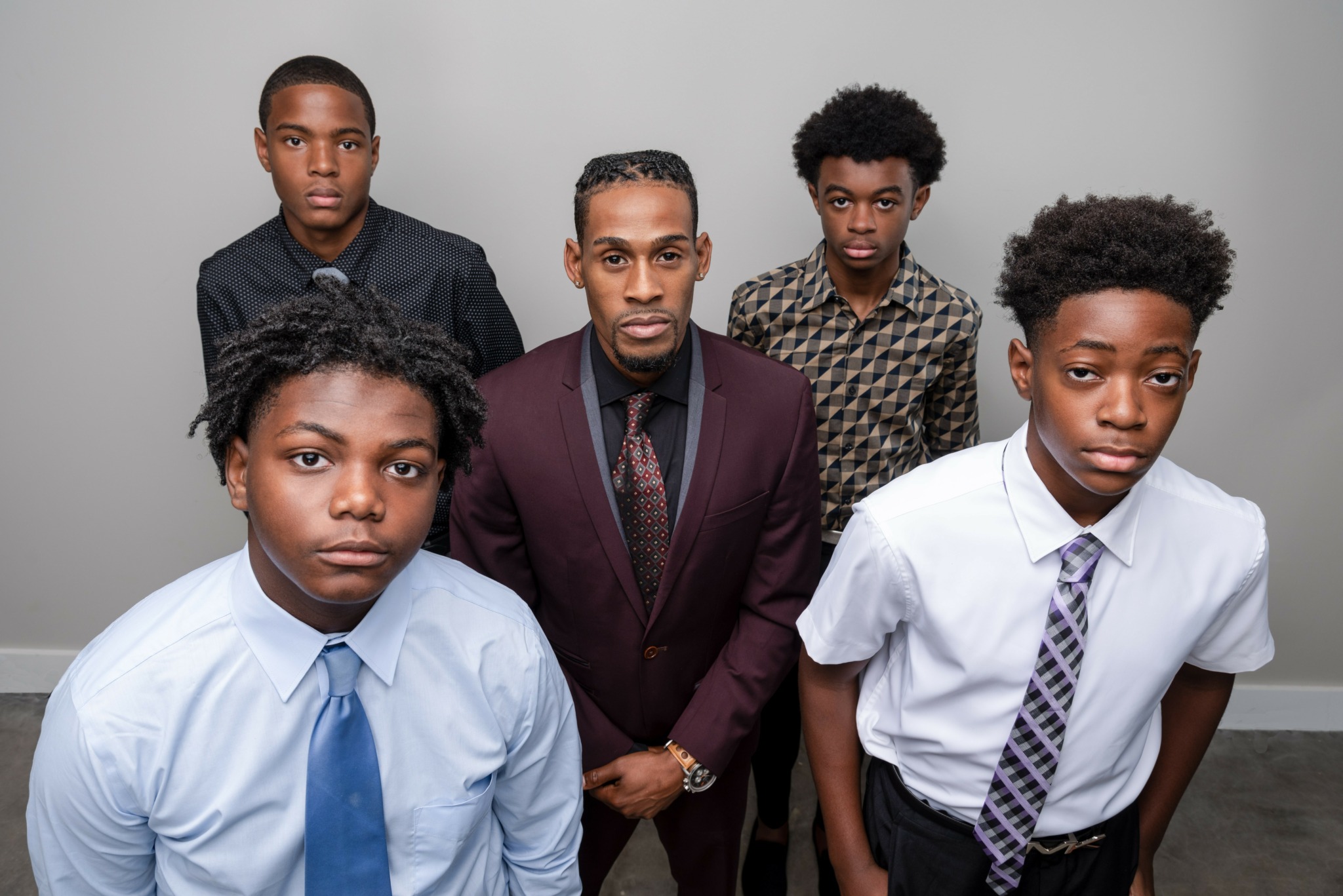
We’d love to hear a story of resilience from your journey.
One of the biggest moments that tested my resilience came when our mentoring program unexpectedly lost a major source of funding. It happened fast — one month we were operating with stability, and the next month I was facing the reality that everything I had built for these at-risk youth could be forced to shut down. I remember sitting with the numbers late at night, realizing that without immediate action, the kids who depended on us for mentoring, tutoring, boxing classes, and emotional support would suddenly have nowhere to go. That thought alone pushed me into a different gear.”
“Instead of accepting it as the end, I treated it as a challenge to evolve. I told myself, ‘If the funding is gone, then we have to become the funding.’ That mindset shift is what saved the program.”
“I started developing new revenue streams from scratch. We expanded our boxing classes into structured programs. We increased tutoring and small-group sessions so families could receive more support and the program could generate more sustainability. We built out more community events, workshops, and enrichment opportunities. And one of the biggest pivots was launching Coastal CTRL — our gaming and esports school — which not only engaged youth in an entirely new way, but also created a program that attracted sponsors, partnerships, and new funding opportunities.”
“It was one of the hardest seasons of my professional life. I was mentoring youth during the day, building new curriculum at night, and meeting with community partners in between. But we never closed. We never paused. The kids never felt the disruption — because I refused to let them.”
“That experience showed me that resilience isn’t just surviving the storm; it’s rebuilding your entire structure while the storm is still happening. Losing that funding could have ended everything. Instead, it pushed me to create a stronger, more diverse, more impactful set of programs than we had ever offered before. Today, our mentoring program, boxing classes, tutoring, financial literacy summer program, and Coastal CTRL all exist because we turned a crisis into a catalyst.”
“Looking back, that moment proved that when your purpose is bigger than your obstacles, you find a way — and that’s exactly what we did.

If you have multiple revenue streams in your business, would you mind opening up about what those streams are and how they fit together?
Yes — developing multiple revenue streams has become one of the keys to our sustainability and growth. After experiencing unexpected funding loss early in our journey, I made a commitment that our organization would never rely on a single source of income again. Today, our revenue model is intentionally diverse and built around programs that both serve our youth and support the long-term stability of the organization.”
“One of our primary streams comes from our mental health and behavioral support services. We provide specialized mentoring and therapeutic tools for youth dealing with trauma, anxiety, depression, anger, and behavioral challenges. These services not only help families access support that is often hard to find, but they also contribute directly to sustaining our mission.”
“Another major revenue stream is our boxing program. These classes started as a way to help youth channel anger, build confidence, and develop discipline, but they quickly grew into a structured fitness and emotional-regulation program. Parents enroll their kids not just for physical training, but for the life skills and mindset development that come with it—so it became both a high-impact service and a dependable revenue source.”
“Coastal CTRL, our esports and gaming school, is another strong pillar. We offer training in gaming, streaming, broadcasting, and technology skills, allowing us to attract partnerships, sponsorships, memberships, and program enrollment fees. The tech world is rapidly expanding, and giving our youth access to it provides both value and sustainability for our organization.”
“We also created a unique studio rental option that brings in a completely different audience. Local creatives, entrepreneurs, and young adults can rent our space for content creation, photography, music, or podcasting. It’s affordable, community-centered, and allows us to generate revenue even outside program hours.”
“All of these streams support one another. Together, they allow us to continue offering high-quality mentoring, tutoring, group activities, financial literacy programs, and enrichment opportunities without compromising our mission. Our sustainability comes from our creativity — and from turning each program into both a service and a source of strength for our organization.
Contact Info:
- Website: https://www.mrandmsmentoring.org
- Instagram: https://www.instagram.com/mr.andms.mentoring/?hl=en
- Facebook: https://www.facebook.com/MrandMsMentoring/
- Linkedin: https://www.linkedin.com/company/33259315
- Youtube: https://www.youtube.com/channel/UCraKI44r9ZkZgSaM2P_Zw8A
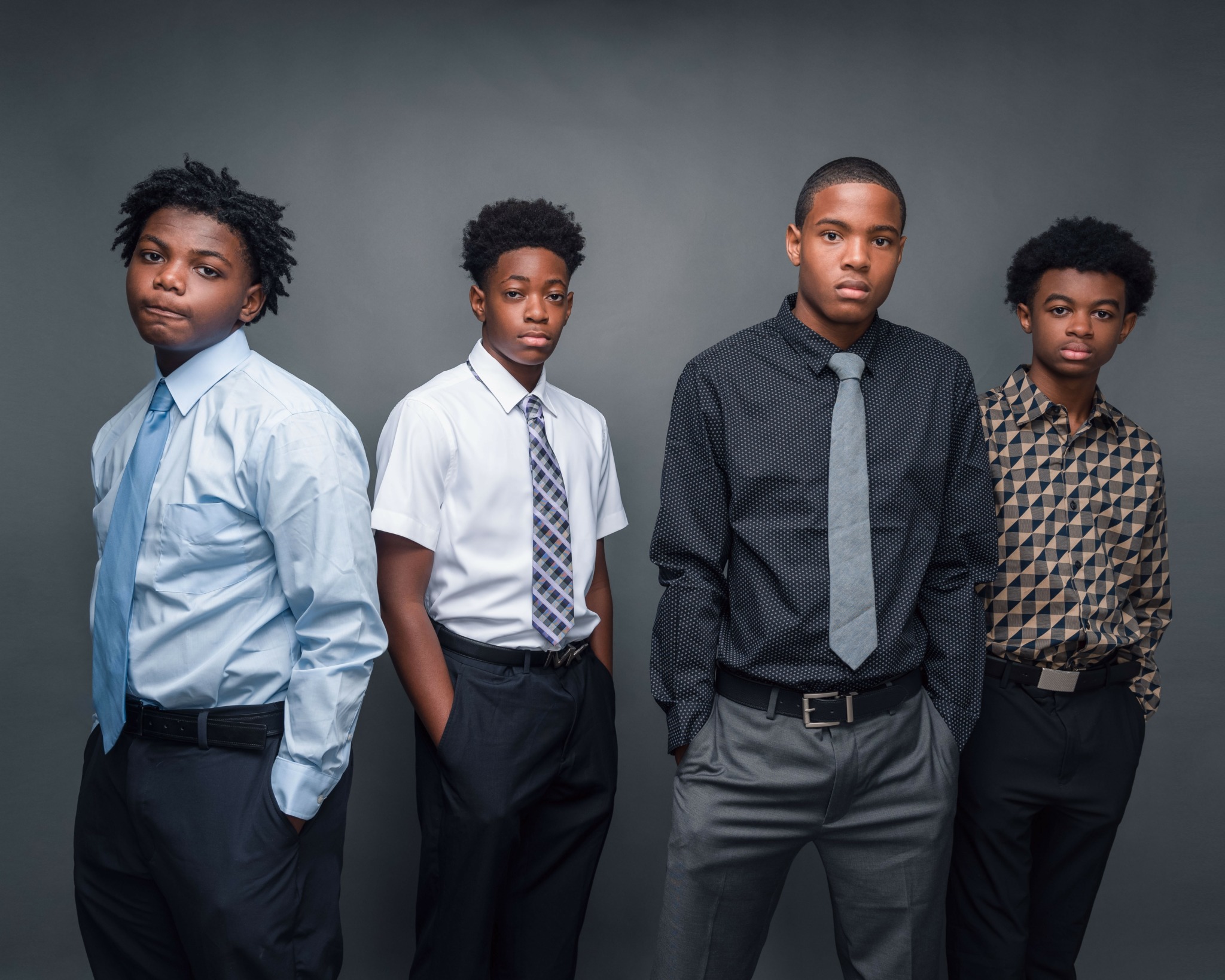
Image Credits
kenneth grant productions