

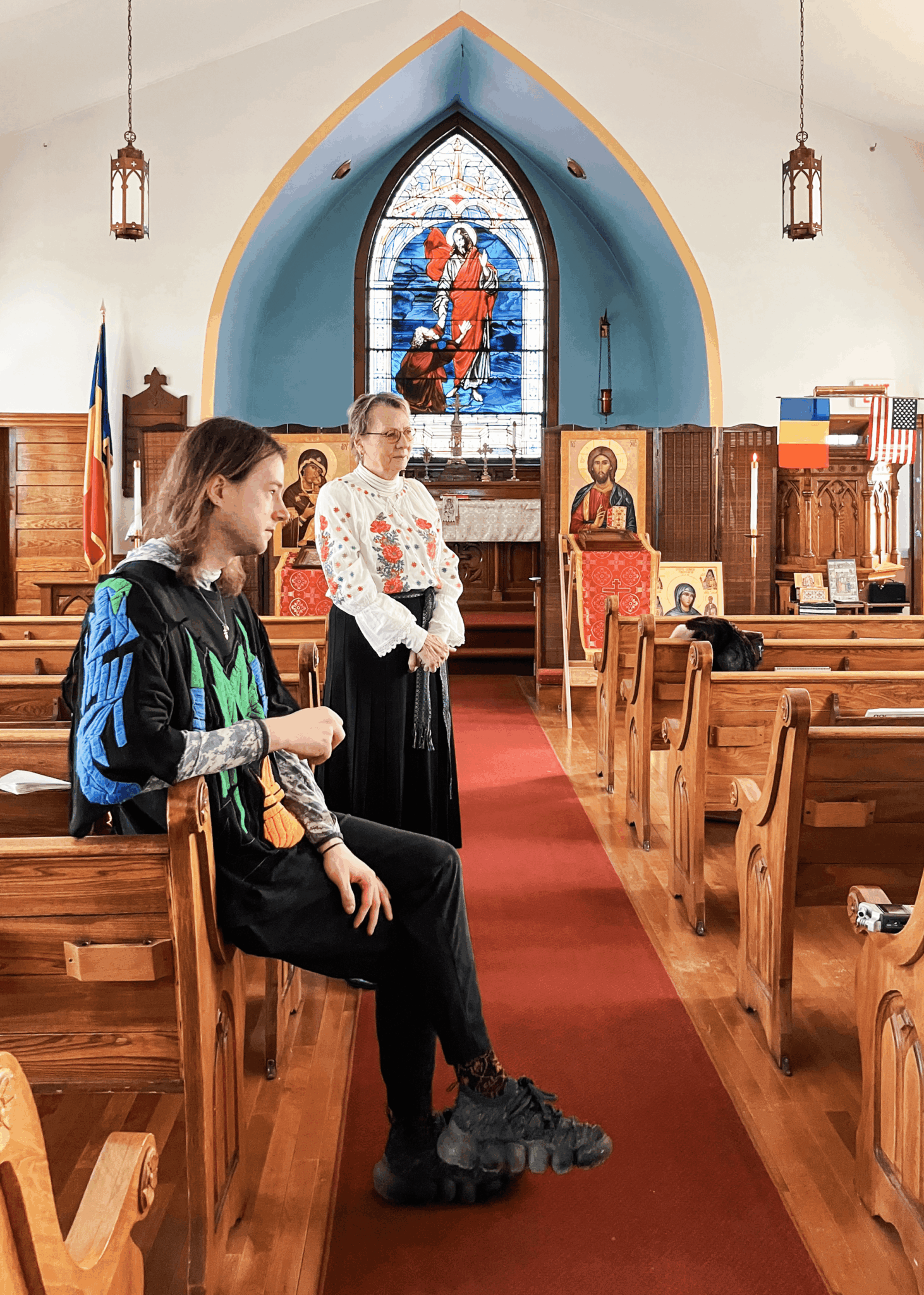

We caught up with the brilliant and insightful Derek Piotr a few weeks ago and have shared our conversation below.
Hi Derek, thanks for joining us today. How did you learn to do what you do? Knowing what you know now, what could you have done to speed up your learning process? What skills do you think were most essential? What obstacles stood in the way of learning more?
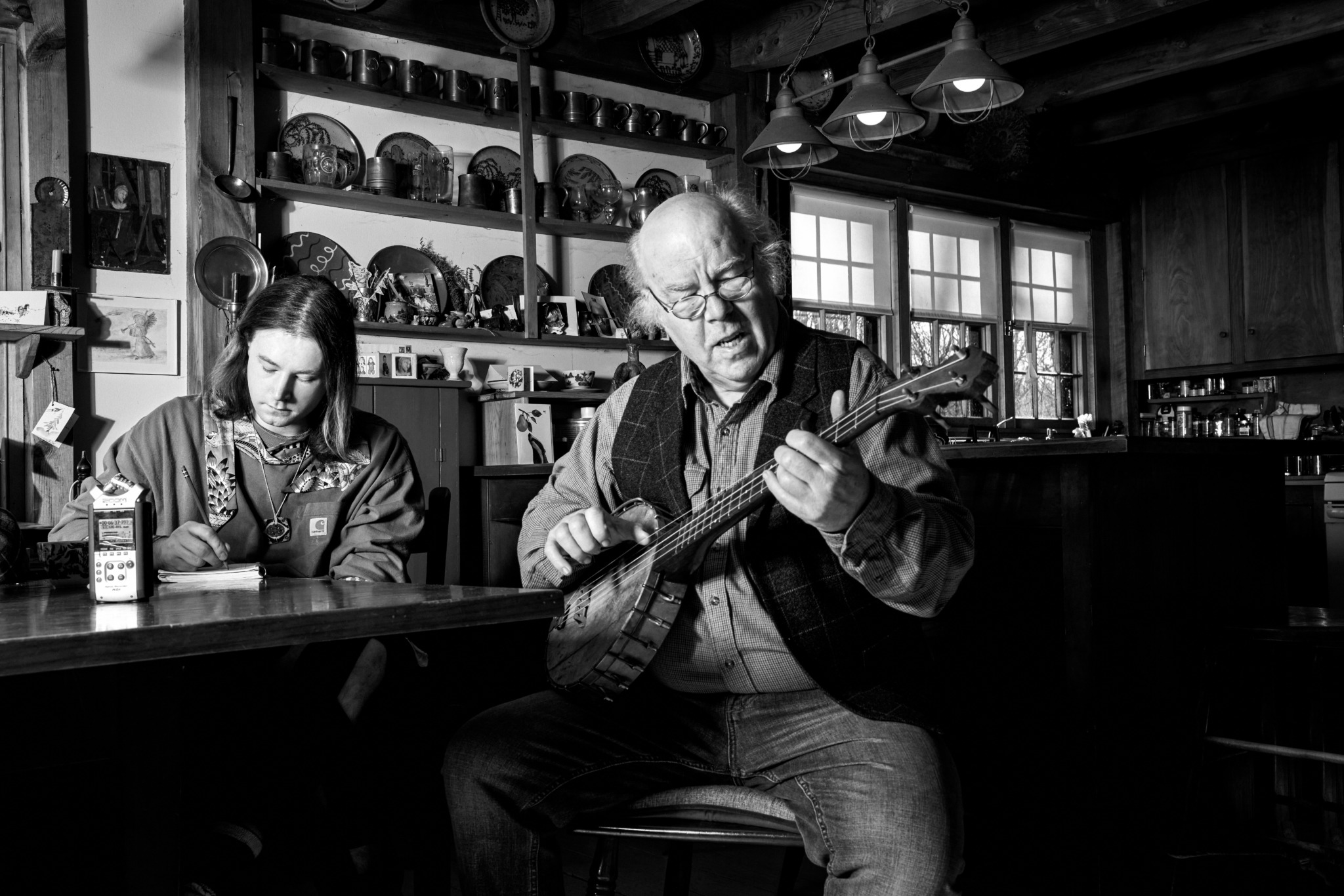
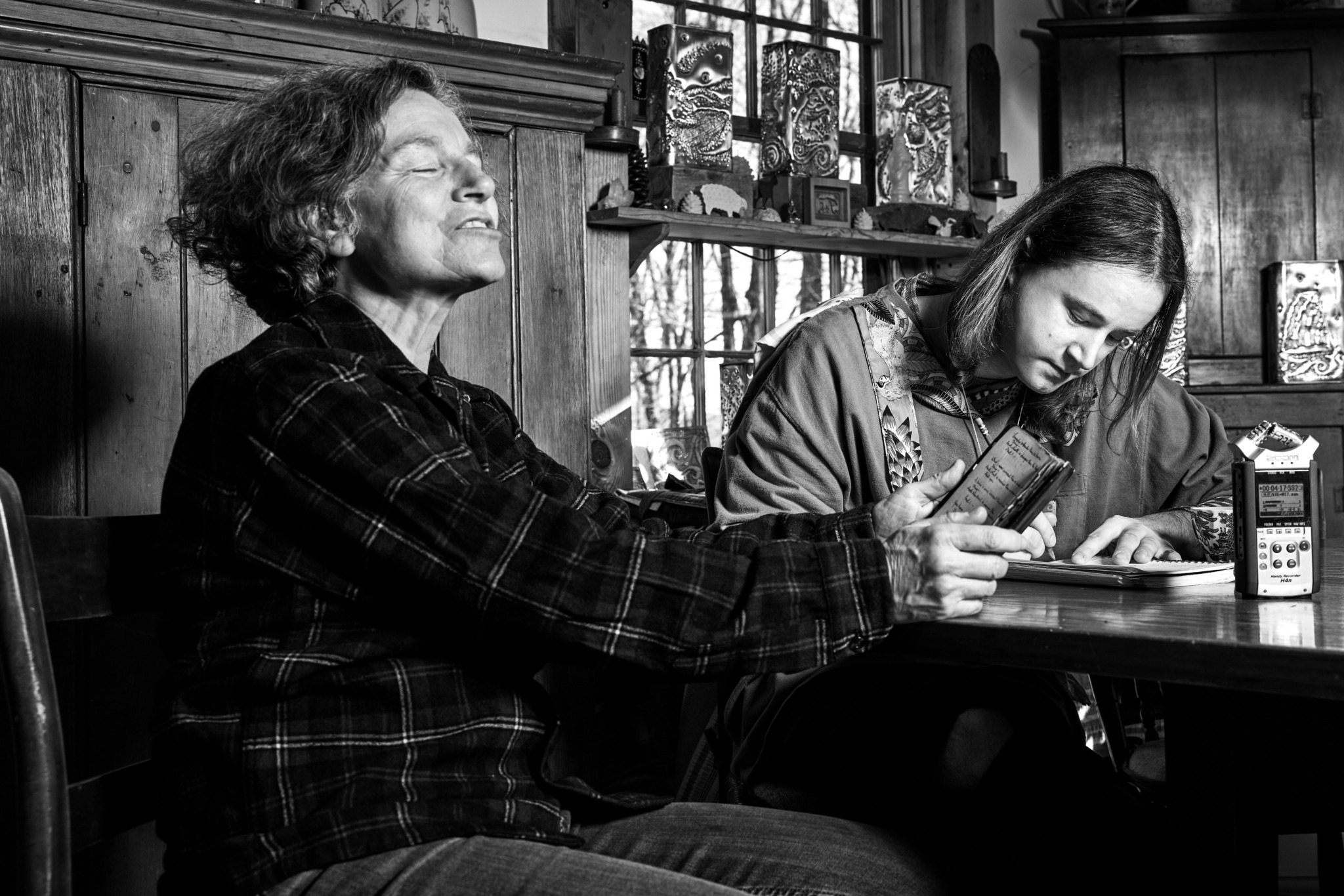
I’ve been involved in music since my early teens – first, making my own feeble music in my room on my computer, and later on, beginning my professional solo career working with other producers. The period from 2007-2010 saw me reaching out via the internet to like minds and file-sharing references and projects to create my first collaborative songs. By 2011, I had earned the karma (or built the muscle) to hire a producer for my debut solo record. Since then, I’ve collaborated with everyone from Sheila Kay Adams to Thomas Brinkmann across myriad styles including folk, dance, noise, chamber and pop. In late 2019, I began researching folk music more deeply, and founded my career as a folklorist in 2020. I first traveled to North Carolina, and later to Yorkshire, collecting unaccompanied singing from everyday people who remembered traditional folk songs as passed down in their family. In 2022 I founded fieldwork-archive.com , a growing repository of over 1,100 songs I have recorded since those first sessions in North Carolina. I consider my time fairly evenly split between my solo practice and my folklore work.
Derek, before we move on to more of these sorts of questions, can you take some time to bring our readers up to speed on you and what you do?
I am a folklorist, researcher and performer. My work focuses primarily on the human voice – singing and oral tradition, as well as the way the voice can be enhanced or edited with audio software. I have performed concerts that are simply unaccompanied and un-amplified solo singing, as well as concerts that have consisted of a collage of electronically treated vocals. My work is primarily concerned with the concepts of tenderness, fragility, beauty and brutality. Currently I am the lead archivist and creative director of fieldwork-archive.com .
What’s worked well for you in terms of a source for new clients?
Currently, running fieldwork-archive.com keeps me in an organic steady supply of new informants – before I had launched the site, I was making field recordings of orally transmitted music and cataloguing them privately, only sharing them with colleagues. Once the site was made public and the public could actually see the effort and goal of my collecting process, submissions started flooding my inbox, and the contacts would typically end their session with a new referral for me. This has been a gorgeous benefit to making my folklore collecting public, and I remain honored to have built trust through referrals of the individuals who share their song stories with me.
For you, what’s the most rewarding aspect of being a creative?
I have always stuck to my intuition and only participated in activities that feel genuine to the expression of my mission and ministry – I do not partner with brands, and I worked for over 15 years as a solo artist before I spent any capital at all on promotion, PR agents, or branding. I made it for a decade and a half on a solid network and word of mouth and received space to platform my work from legitimizing spaces purely on the artistic merit itself. Now that I have integrated transactional support systems for my work, I can see the benefit, but always remember never to do anything that rings an alarm bell in my heart – you have to keep your life’s work pure, or nothing else can flourish.
Contact Info:
- Website: https://fieldwork-archive.com
- Instagram: @derekpiotr
- Youtube: https://www.youtube.com/@derekpiotr
- Soundcloud: https://soundcloud.com/derek-piotr
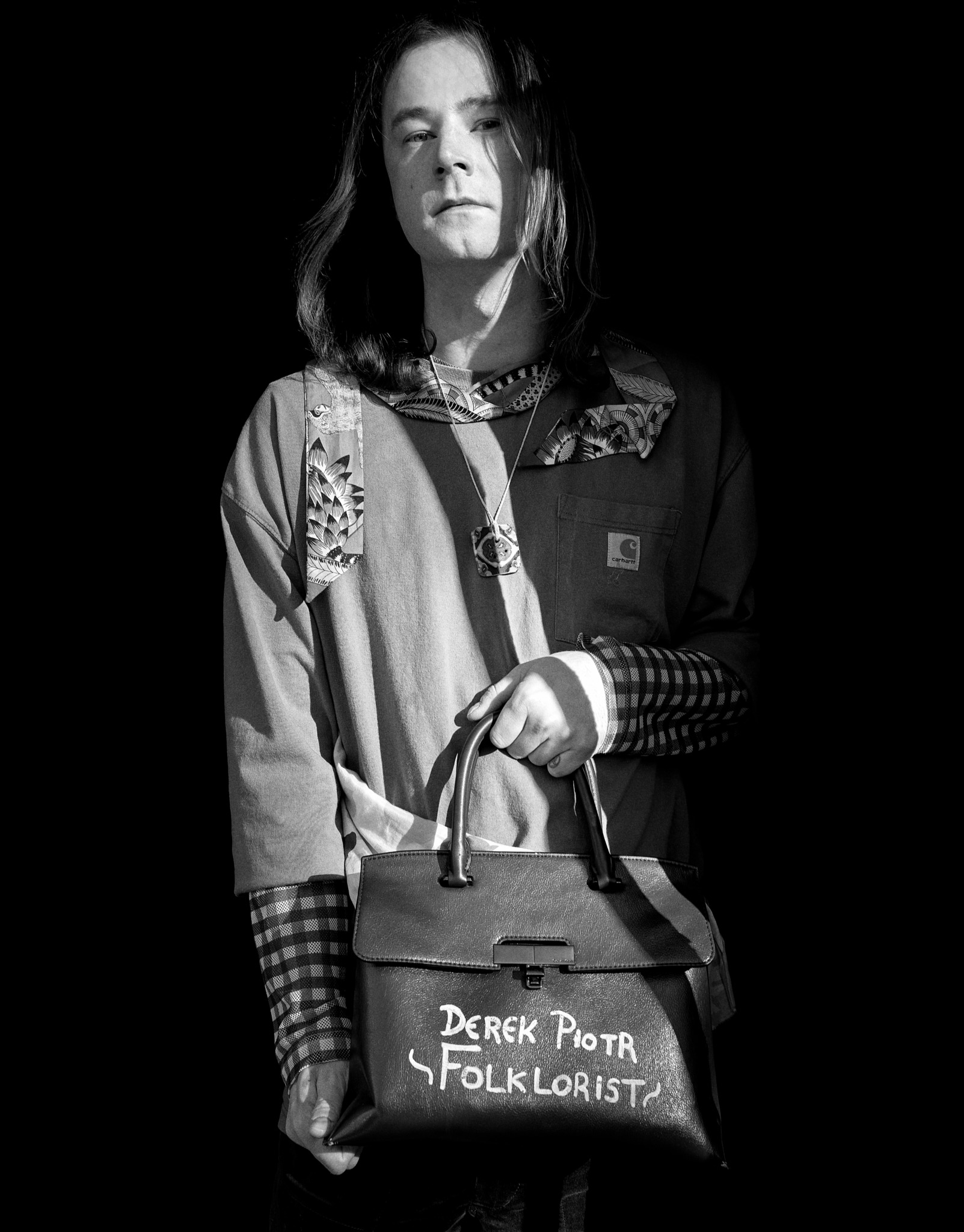
Image Credits
b+w photos by Ryan Lavine. color photo by Ruth Glasser.