

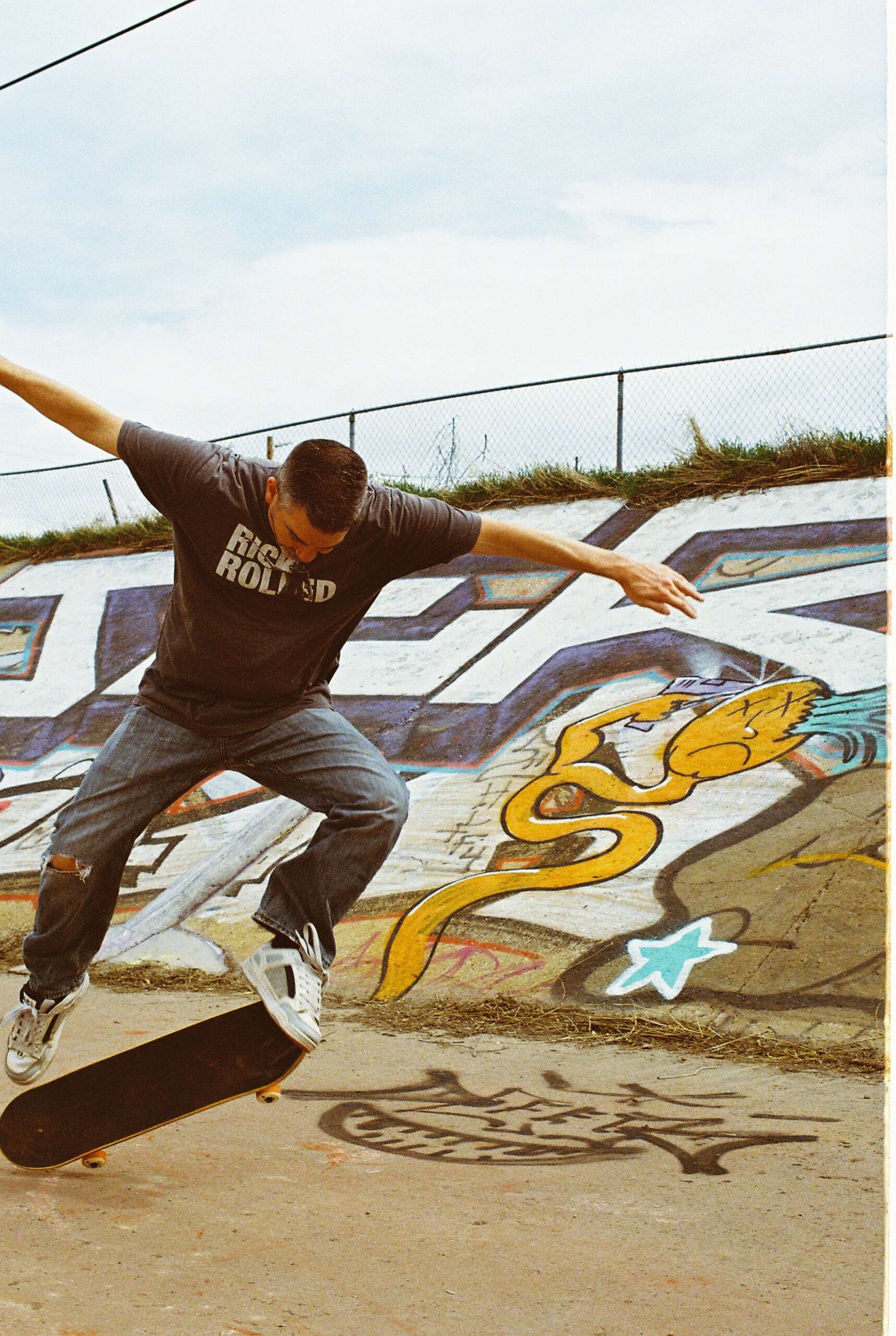

We caught up with the brilliant and insightful Derek Miller a few weeks ago and have shared our conversation below.
Derek, thanks for joining us, excited to have you contributing your stories and insights. Before we get into specifics, let’s talk about success more generally. What do you think it takes to be successful?
When discussions of success occur they often include topics such as hard work, dedication, financial gain, or more recently, the number of followers someone has. The first three items are relevant to just about any career, but what about the creative industry? While these topics are critical to success, one is often left out: Passion Projects.
Recently I attended a creative conference. While speaking to the director of the conference, he mentioned he couldn’t remember the last time he had created something. The director was exhibiting symptoms of burnout. I’ve known him for years, and it was discouraging to hear it had been so long since he was able to work on a creative project.
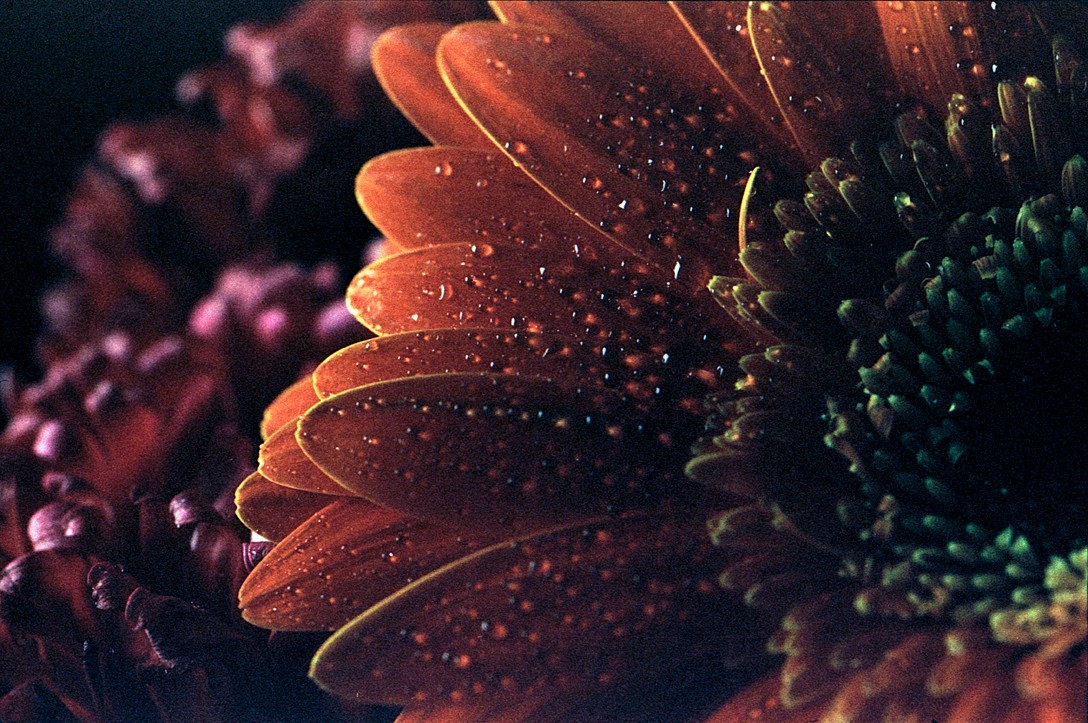
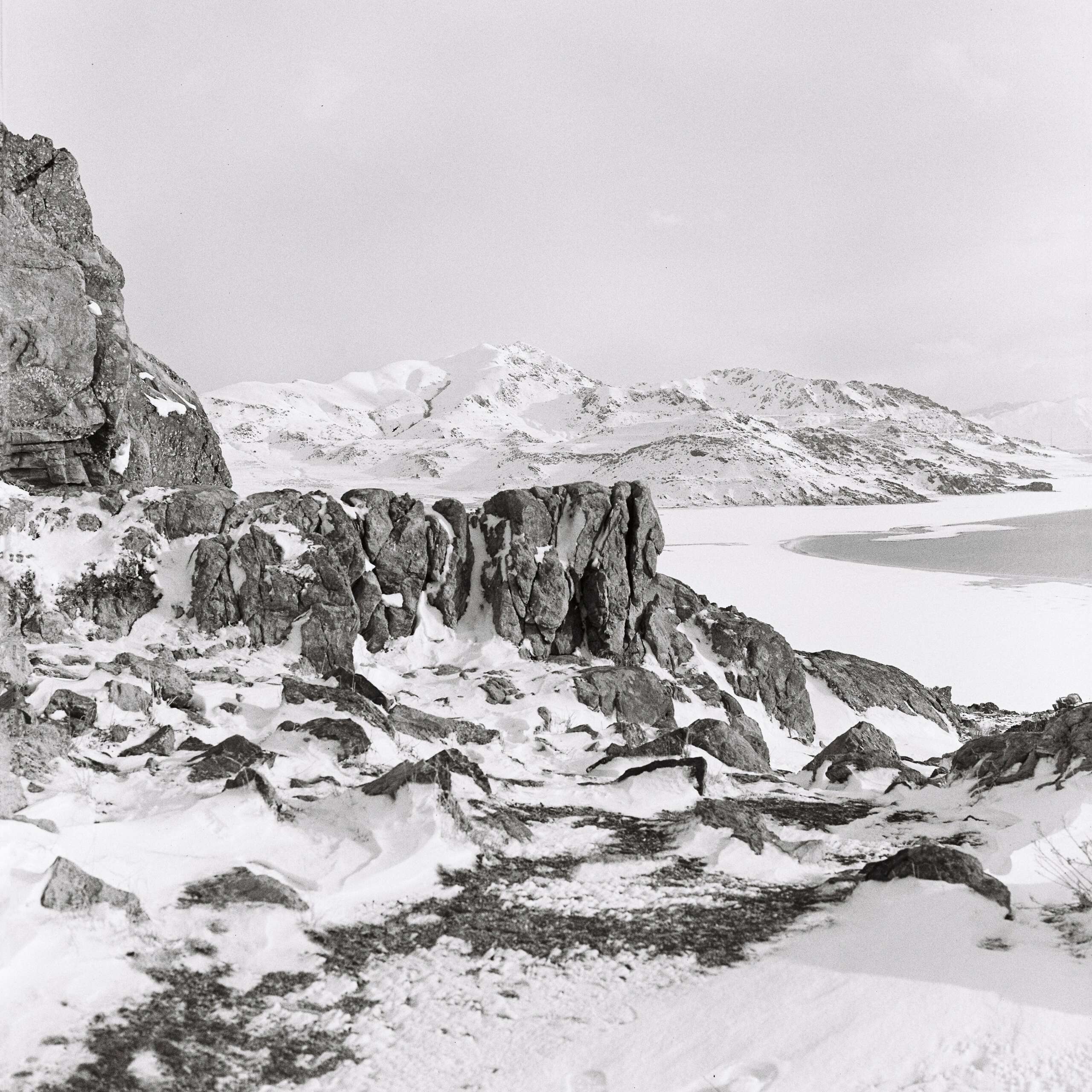
Passion projects allow us to create something for ourselves. A passion project isn’t for a professor, a boss, or a client. It’s something we do for ourselves because we love to create and we’re passionate about the medium. For example many years ago I learned photography. This was before digital cameras were made. I fell in love with the process and medium of film. Most customers want digital images from a photo shoot. These images pay the bills. These images are created for someone else. I take two or three film cameras on a weekly photo walk no matter the weather. I create images for myself.
I suggested my friend dedicate a little bit of time to passion projects. Yes, he still has deadlines and work to do while organizing a major conference. But creating something for himself increases talent, passion, and reduces burnout. Passion projects keeps our skills relevant in a dynamic and ever-changing industry. Passion projects allow us to briefly escape deadlines and client demands which might ruin a creative design.
I create images for myself. I fell in love with film and still love it. I’m passionate about photography and taking images for myself keeps me interested. It makes me a better photographer. It keeps photography fresh and gives me new inspiration. Everyone needs passion projects. You’re in charge of your passion project and the outcome is up to you.

Derek, love having you share your insights with us. Before we ask you more questions, maybe you can take a moment to introduce yourself to our readers who might have missed our earlier conversations?
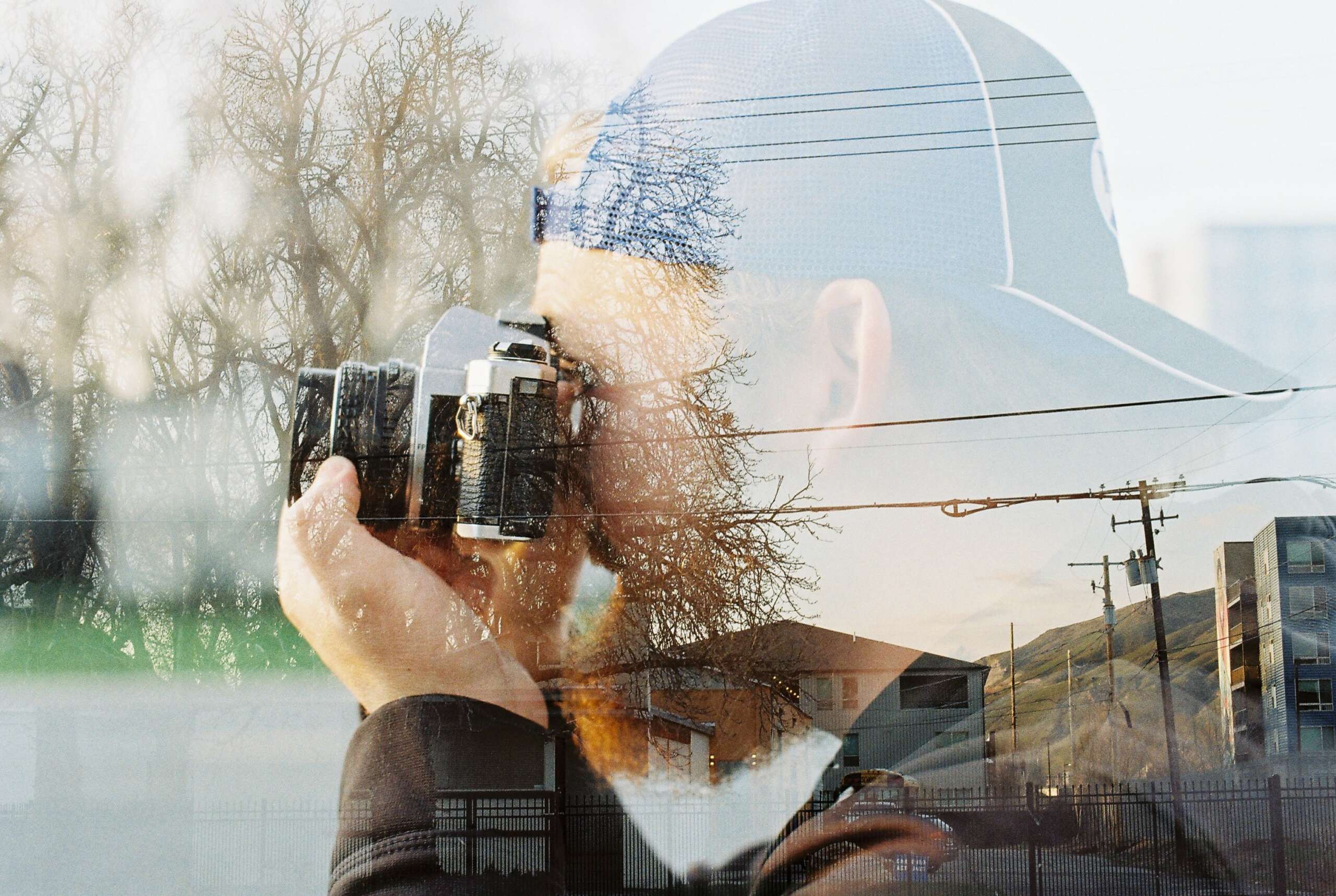
When I was 11 or 12 years old my parents gave me a Pentax K1000 film camera and a box of expired film. The camera didn’t include an instruction manual. This was before Google existed. I quickly figured out what NOT to do with my first roll of film. I wrote my camera settings on a Post-It Note attached to the back of the camera. The second roll looked much better.
I love photography. I still have the K1000 and still use it occasionally. It sits prominently on display with many other cameras.


Is there something you think non-creatives will struggle to understand about your journey as a creative?
People don’t hire others for a creative project because of the camera I use or other equipment I own. The two main contributing factors for hiring a creative is their style and their personality. With cameras being so affordable and accessible now, photographers are a dime a dozen. Anyone can take a picture, but a certain style makes a creative person stand out from the crowd. When others want this distinct style and are willing to pay a professional to use their style for the work, magic happens. A creative’s portfolio demonstrates style as a trait or characteristic of how they design, illustrate, edit, or capture.
The second part, personality, is a little more difficult to describe. Many clients say they love my energy during a photo shoot. If a creative doesn’t feel positive energy from their client during production, they may not want to work for them again. The same goes for a client; if the photographer isn’t fun to work with, they may not be hired again in the future. Most of my clients are either repeat customers or those who were recommended they work with me.


Any advice for managing a team?
A great leader knows two things. One, they are in a position of service. Two, they know when someone might be able to do more in their position.
All the best leaders serve those under them. When a manager provides service to their employee, it helps the workforce succeed. When employees are successful, their boss is successful. Rather than give a list of demands to a team, an effective leader works with their team and isn’t afraid to get dirty. They are the first one to arrive and the last to leave. Once a leader learns they are there to serve, people perform better and everyone is happy.
The best leaders do what they can with an organization and aren’t afraid to move on or step down so someone else can use their strengths to take the company to the next level. A leader who doesn’t allow others to lead can become stagnant. This slows company growth. Flexibility and recognizing when others can do more than you increases morale and allows those under you to work hard when they see opportunities for advancement.
Contact Info:
- Website: www.derekmillerphotos.com
- Instagram: www.instagram.com/derekmillerphotos
- Youtube: www.youtube.com/channel/UCHHrXz9WlTLz8jfjYQVhMUw
Image Credits
Riley Allen