



We caught up with the brilliant and insightful Derek Ellis a few weeks ago and have shared our conversation below.
Alright, Derek thanks for taking the time to share your stories and insights with us today. Learning the craft is often a unique journey from every creative – we’d love to hear about your journey and if knowing what you know now, you would have done anything differently to speed up the learning process.
Well, learning how to be a writer or poet comes with many different avenues of learning, I feel. The first one was I was an aspiring musician for a number of years while I attended Western Kentucky University, located in Bowling Green, Kentucky from the fall of 2010 to the winter of 2015. I was originally going to school to be a high school english teacher, but after taking a creative writing course I was urged to change my focus to English Literature with a minor in Creative Writing. It was during the creative writing workshops I learned more about language–how to create rhythms and rhymes that were unexpected. While I was doing that, I was working in restaurants and playing in bands. The first band was a Christian Pop-Rock group called The Royal Knockout, where I played bass guitar, and while I didn’t write many lyrics for the band, I was surrounded by a number of much more talented musicians than I was. They watered my musical abilities while the creative writing workshops nurtured my word-smithing. It was through that initial band that I met Jordan Allen, who was a talented singer and songwriter, and he and I quickly became friends who met one-on-one to discuss music, art, and lyrics. It was then I began working with the producer Justin Eckerd and we later formed the band Lady Grace where I played bass, wrote much of the lyrics, and sang backup whenever I could. We released our album “Being Human” in 2016 as I was departing from Bowling Green to pursue my MFA in Creative Writing at the University of Maryland, College Park.
But, outside of musical and literary realms, I also befriended a good number of fine directors and aspiring filmmakers while in Bowling Green. I met Chris “Booba” Young, who now is one of the founders and creative heads of the now highly successful Forerunner creative agency. I also met the wonderfully brilliant Cody Duncum, who I bonded over through my love of art films and existential philosophy. Both of these people helped me understand life and, subsequently, writing in a more real and raw light. How to tell stories effectively and powerfully, especially through image driven media. They were influential in how I began to approach reading and writing poetry on a very core level.
All of this to say: learning how to write, and write well, comes from many different avenues. I think the first is reading, and reading widely. But I think one learns how to write through living and conversing with like-minded individuals who are part of the larger creative community as a whole. For me to have my foot in a number of rooms, from music to the academy or filmmakers, was all a large part of me learning how to be a better writer. I will add that all of these people I gravitated towards were much much more talented than I was, but that’s the beauty of it! I wanted to surround myself with people who were talented and driven, and through that friendship and community I could learn how to also play an effective role in that very community through my own writerly ambitions and aspirations.
Would I have done anything to speed up this process? Absolutely not. Becoming a good writer takes time. Time spent reading. Time spent writing, and writing badly. Time spent in rooms with brilliant creators. Time spent making mistakes and learning from them. Time spent inside classrooms. Without any of that I wouldn’t have been able to write as well as I am now, and trust me, writing well now is STILL a process that takes time and much failure. If one isn’t willing to fail more than they succeed, then being an artist of any medium isn’t something for you.

Awesome – so before we get into the rest of our questions, can you briefly introduce yourself to our readers.
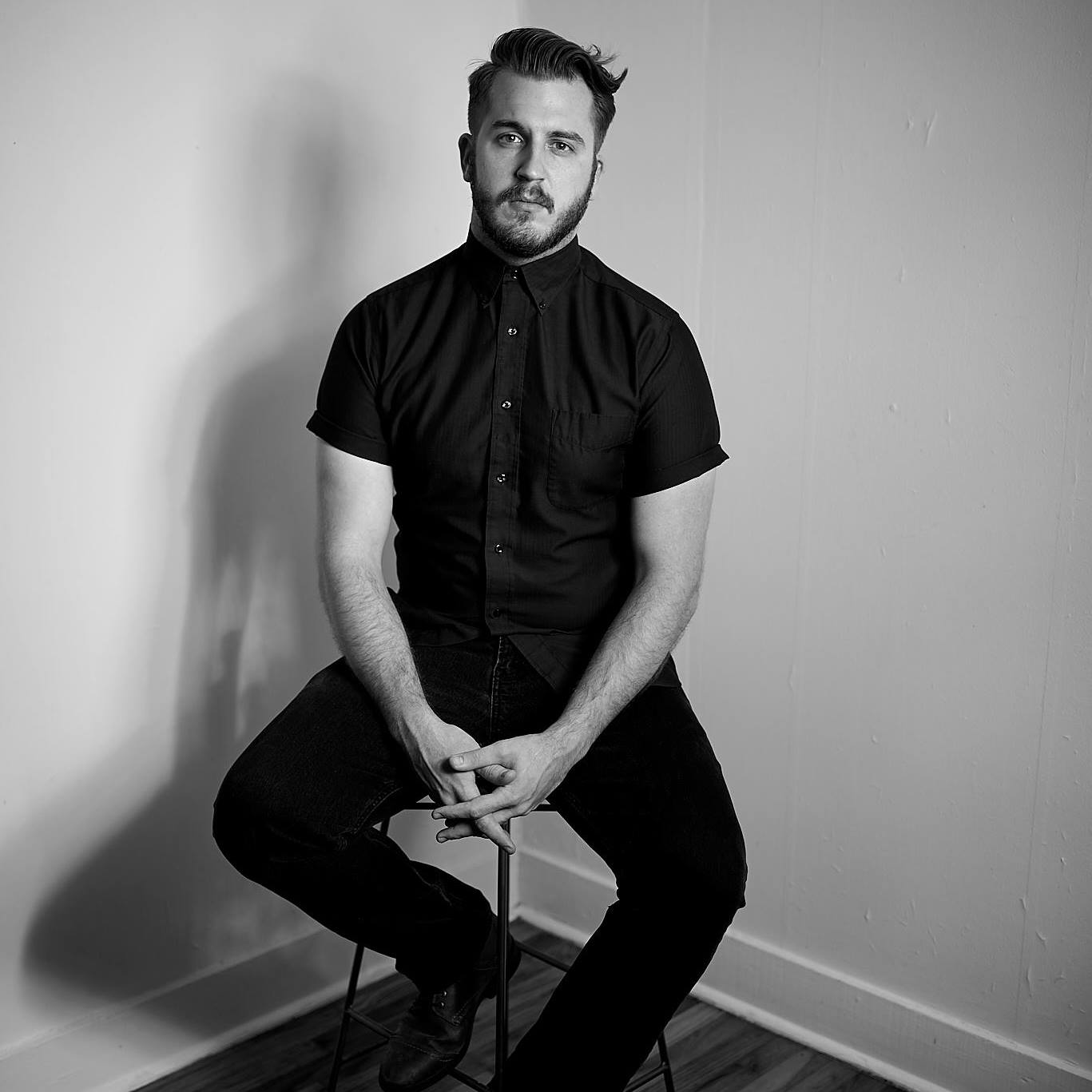
Well, for those who don’t know me, my name is Derek Ellis. I am a poet and educator who was raised in the small town of rural Owenton, Kentucky. Getting out of my hometown might have been the largest hurdle, due to growing up lower-middle class and having parents who didn’t have tons of resources to help me. I left home in the fall of 2010 and had to really focus on learning how to make things happen for myself. When I left that small town I was also given the gift of being able to locate my true community, which was imbedded in the creative world–a world that doesn’t inherently exist, I feel, in rural areas where the focus is usually on how one can make a living and survive and less on creative aspirations.
I earned my B.A. in English Literature with a minor in Creative Writing from Western Kentucky University in the winter of 2015. It was there I fell in love with writing poetry and reading literature, but also where I met a number of people who would influence me. They taught me how to write. How to read. How to think about the world in a way that was abstract versus the very physical and rough way of life I grew up experiencing out in the woods as a teenager. It was also during my time in Bowling Green, KY that I helped found two bands: the first being The Royal Knockout and the second being Lady Grace, whose record “Being Human” was released in 2016. Those experiences, both academically and musically, helped me learn how to better tell stories and think about rhythms and music, not just on the level instrumentation, but at the level of language.
I then earned my MFA in Creative Writing with a focus in poetry at the University of Maryland in College Park, Maryland. I attended UMD from the Fall of 2016 to the Spring of 2019. It was there I met the poet Stanley Plumly, who would go on to be a large mentor for me in life and in poetry. Stan had a similar upbringing to myself, and he showed me how to write the poems I truly needed to write. I even helped him put together his final book manuscript, Middle Distance, during my final semester there as he was dying of cancer. Through that process I learned, also, how to make a book come together. Aside from that, I also taught multiple courses in Academic Writing and Creative Writing. So, in tandem, I was learning how to write and how to teach writing in a number of different genres. I would like to think my time at UMD helped me grow professionally in my aspirations to be a poet, but also an educator at the collegiate level.
Currently, I am pursuing my PhD in philosophy of English with a creative dissertation at SUNY Binghamton located in Binghamton, New York. I still teach, and have been teaching intro composition courses here at Binghmaton, but I have also been writing intensely. I’ve published a number of poems as of late in many reputable and highly regarded literary journals. So, it would seem to me, I am on a good trajectory for completing my first collection of poems in the very near future and plan to submit it to presses afterwards in the hopes of getting it out into the world through a great press.
As I am not a business or LLC, much of my work currently revolves around the university. I teach here. I go to school here. But, once I am done with the PhD I will be able to look for work at the university level. I will also leave here with my first collection of poems either ready to send out, or already sent out and published prior to my graduation date.

Can you share a story from your journey that illustrates your resilience?
As a writer I think the best thing someone aspiring to be one can realize is this: there’s no money inherently in being a writer. Sure, you could be a screen writer, or a novelist, or write for television. There are many different avenues one can take to commercialize the title of being a writer. However, if one wishes to be a poet or fiction writer then the first lesson is simple: you must be willing to do whatever is necessary to support yourself financially in order to carve out the time necessary to writer and focus on your craft. To succeed on a grand level as a writer takes dedication in this regard, but also a great deal of luck. Sometimes it takes years for that luck to finally fall into your lap.
For me, this meant working in restaurants, landscaping, loading FedEx trucks, and when the COVID-19 pandemic hit and I lost my restaurant management job, that meant going back home to Kentucky to then work on an assembly line building cars inside the Toyota factory located in Georgetown, KY. I would later teach high school English after a year and a half at the factory, especially on night shift working 3pm-3/4am took a toll on my body both physically and mentally.
I think all of this dedicates a resilience I had grown into. I realized that the life I aspired to was a tough one, not just having my writing rejected more often than it was accepted, but also in that I would have to work hard at other jobs that weren’t creative focused so that I could afford to keep working on my art. But, for me, it was either stay focused on my end goal and keep working at my creative aspirations of being a poet OR go back to the factory and put my head down and focus on financial security and carving out a normal life with a house, car, and eventually a marriage and kids. That doesn’t seem appealing to me: so I press on and do whatever I need to do to keep myself afloat as I read and write.
Is there something you think non-creatives will struggle to understand about your journey as a creative?
As someone who grew up in a family where being creative wasn’t something that was celebrated, it was and is tough to make my family understand the life I’ve decided to live and carve out for myself. Being a creative means placing less value on money and a stable income. Instead, it means trying to balance making a living monetarily while also dedicating your hours to whatever creative pursuit you choose to prioritize. For me it was poetry. And since there’s no money in poetry, when I get a poem published in a reputable journal I tend to get asked “So, how much did they pay you?” instead of “Wow, that’s incredible!”. For my family, and I am sure many non-creative focused people, it is hard to understand the trajectory of a career that doesn’t have a secure financial future or inherent reward. The reward is in the act of creating; of expressing myself and how I walk through the world in the written language.
For many, their legacy is what they’ve built: the job and career they made in a secure realm of society, the house that job helped them buy or build, the farm they bought, the marriage they have, and the family they’ve built that will lead to future generations, etc. This can lead to happy holidays with much to celebrate, no doubt. So, for people whose focus and view of life is to go and do all of those very normal tasks it seems wild, maybe even reckless, to abandon those things in the pursuit of art. A life that has few, if any guarantees. However, for me, the poetry and art I create ARE those very things–it is me leaving my imprint on the world, and when I am gone perhaps someone will read one of my poems and go “this was someone who lived…they were here…they think and feel as I feel…I am not alone”. Also, art decorates all the facets of everyday life that non-creatives might overlook: the music in the coffee shop, the commercial jazz piped into elevators, the podcast they listen to at work or on their commute to work, all of that was created by someone like me. Us creatives are here to color in the world around us, whether the folks who are non-creative know it intrinsically or not.
And while poetry might not seem important in day-to-day life for a non-creative, think about all the major events in a person’s life where poetry does come into play: at a funeral someone turns to a poem that helps them navigate their grief, or a song that they love reminds them of a loved one or a memory they have from their youth, or someone reads a poem at a wedding. Poetry and art exists so that we may turn to it in a time of need, and whether one sees its value in everyday life or not means very little. It will continue to exist and will be there when you need it the most.
Contact Info:
- Website: https://www.aderekelliswriter.com/
- Instagram: https://www.instagram.com/aderekellis/
- Facebook: https://www.facebook.com/thederekellis
- Linkedin: https://www.linkedin.com/in/derek-ellis-22538b75/
- Twitter: https://x.com/aderekellis?lang=ta
- Other: https://ladygracemusic.bandcamp.com/album/being-human
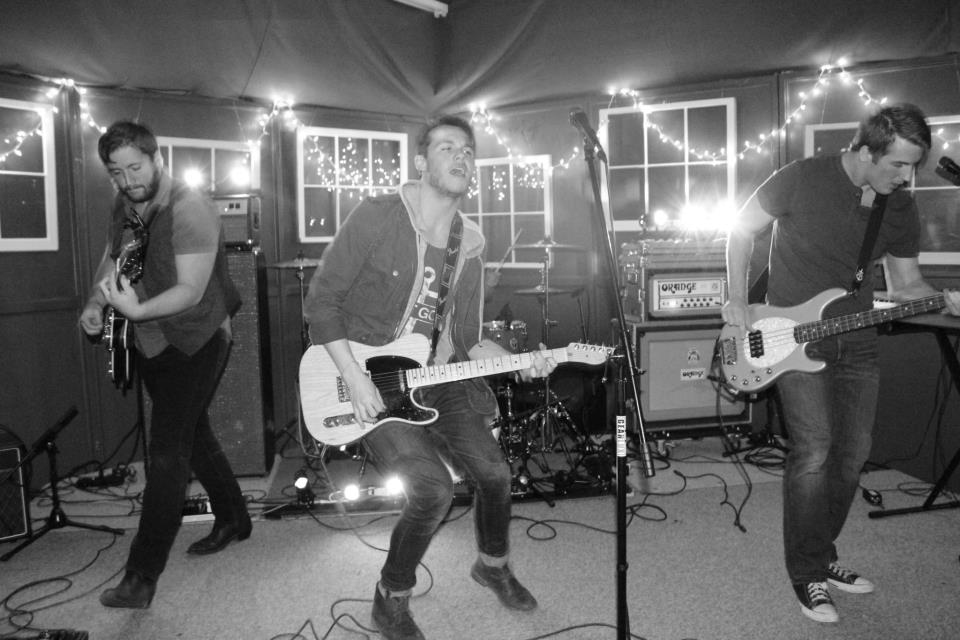
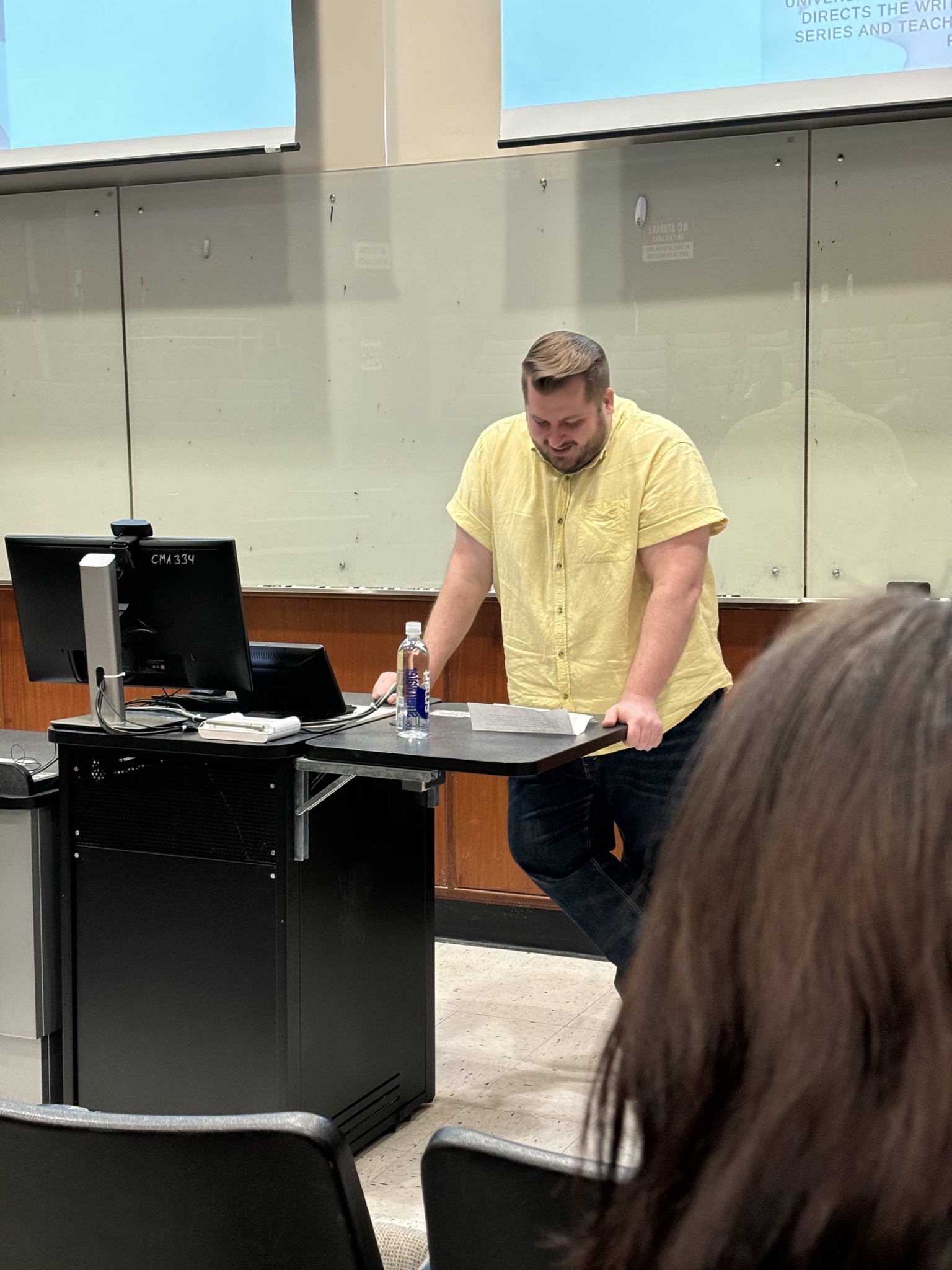
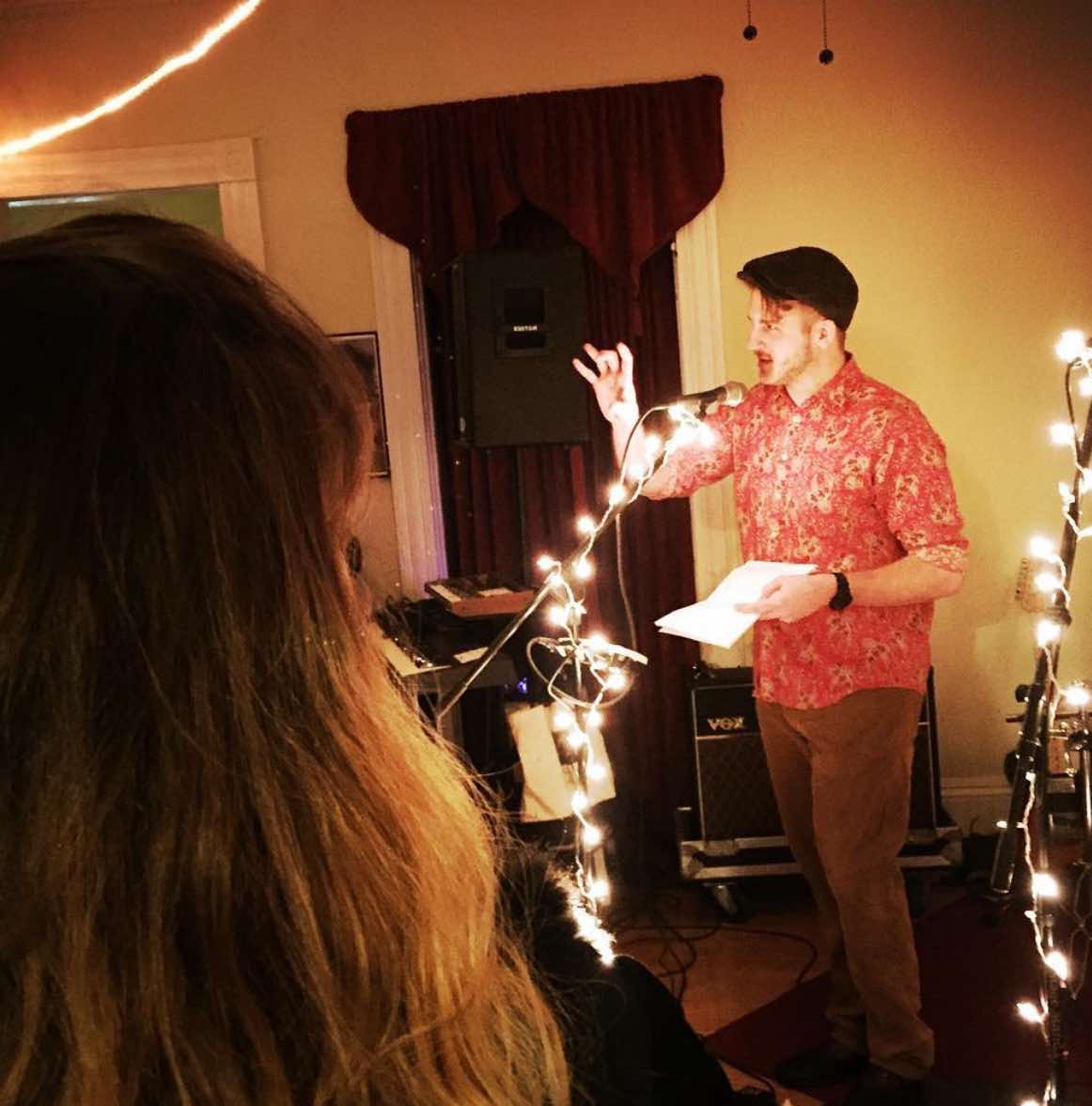
Image Credits
See image descriptions in the upload for who to attribute what photo. If there is no specification, then the credit is mine.