We’re excited to introduce you to the always interesting and insightful Denton Burrows. We hope you’ll enjoy our conversation with Denton below.
Denton, looking forward to hearing all of your stories today. Are you happier as a creative? Do you sometimes think about what it would be like to just have a regular job? Can you talk to us about how you think through these emotions?
I am undoubtedly happier as an artist and creative, especially at this more established point in my career. Coming out of graduate school it was much more turbulent. Friends were stepping into traditional careers while I was entering a far less predictable world, trying to carve out a place for myself with no guarantees. There were lean seasons, plenty of uncertainty, and a real test of conviction.
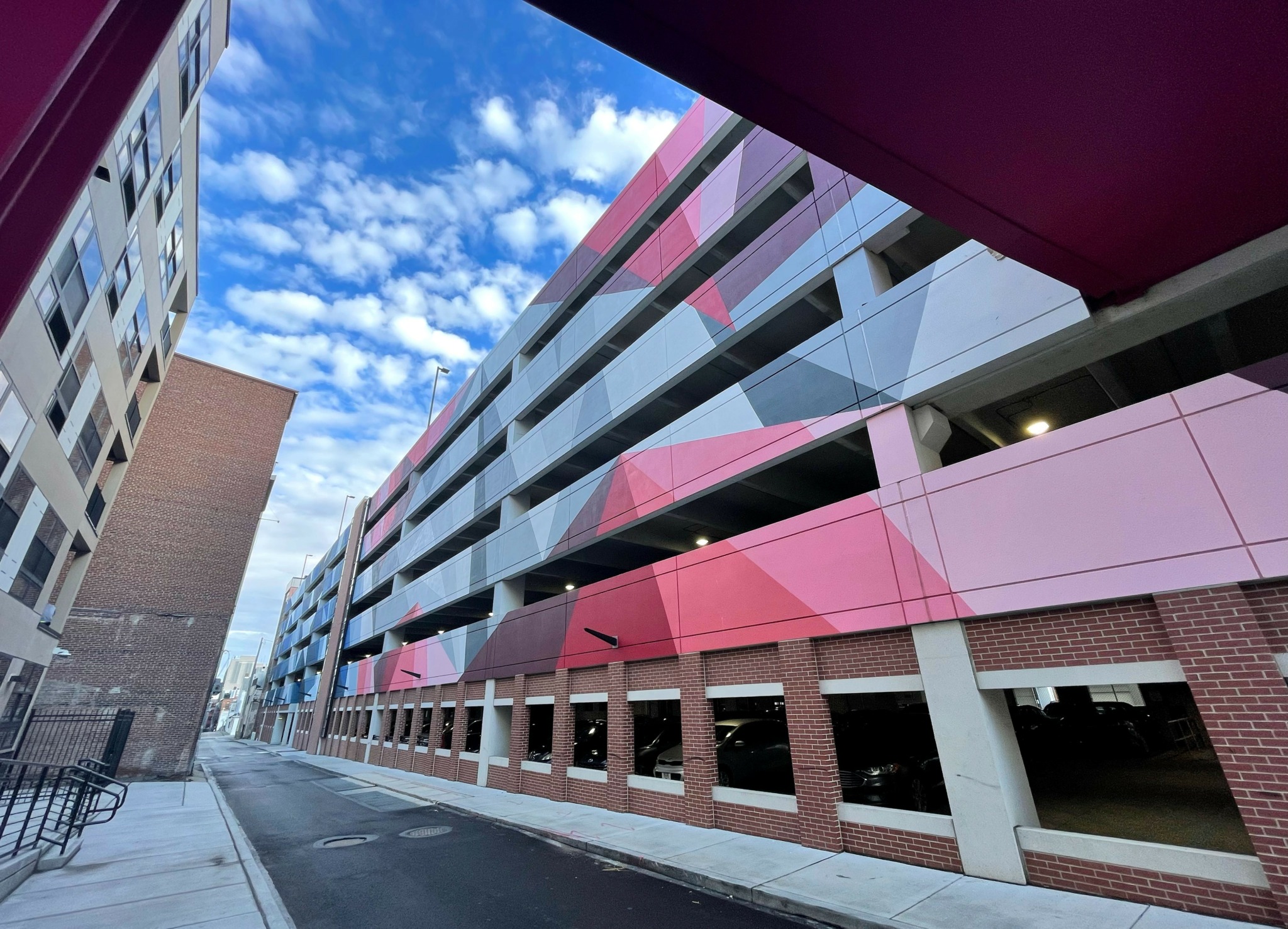
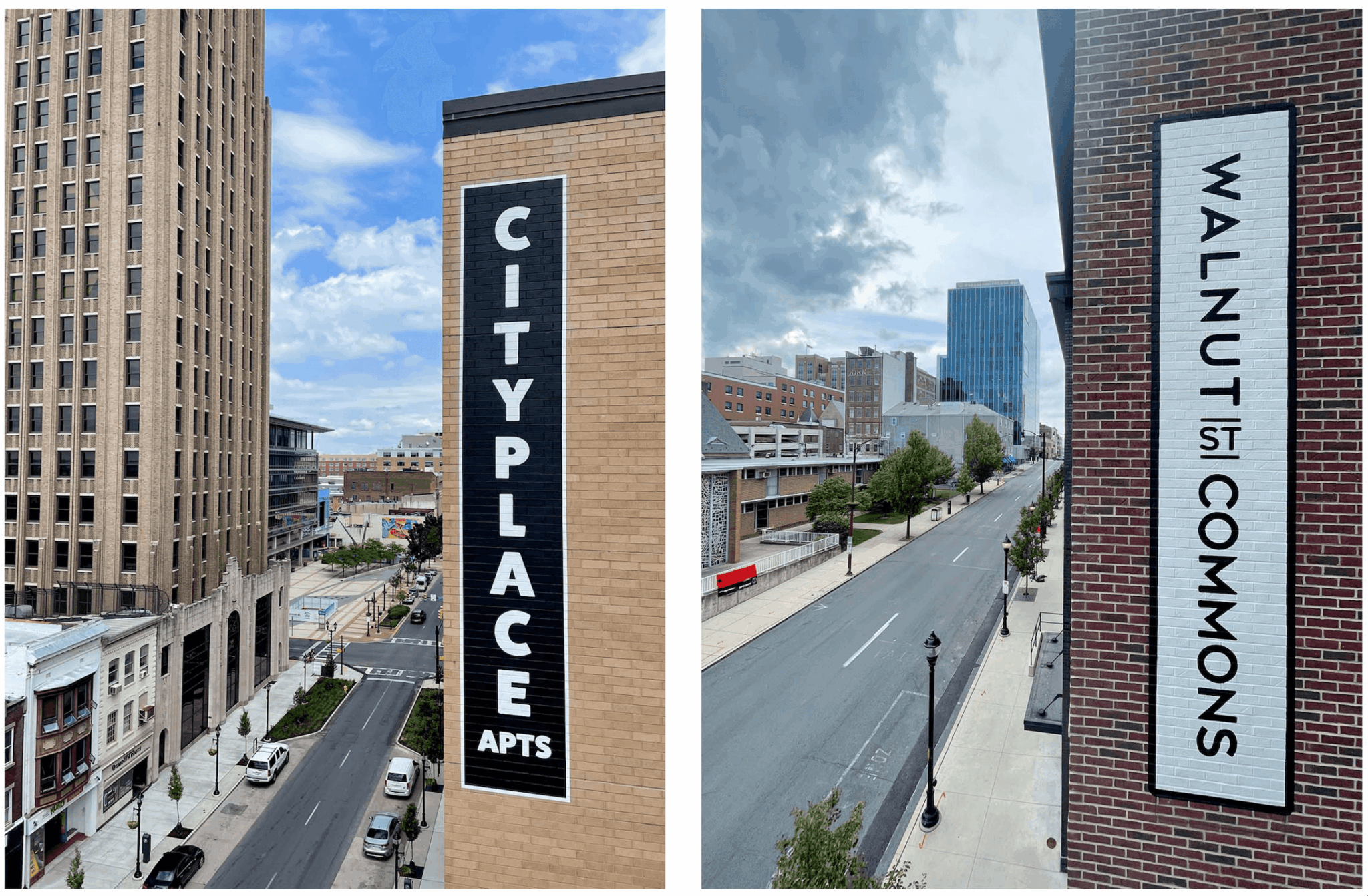
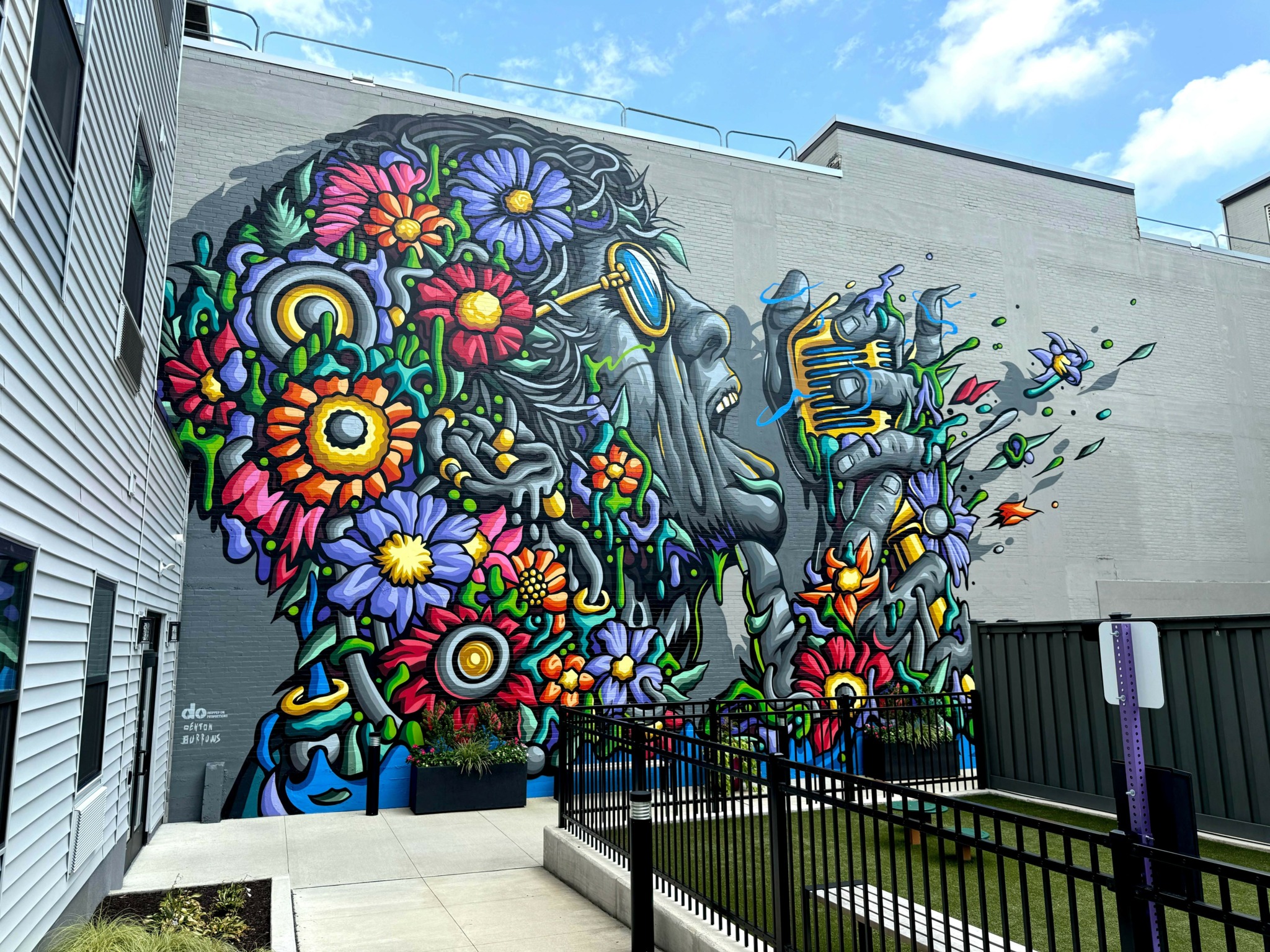
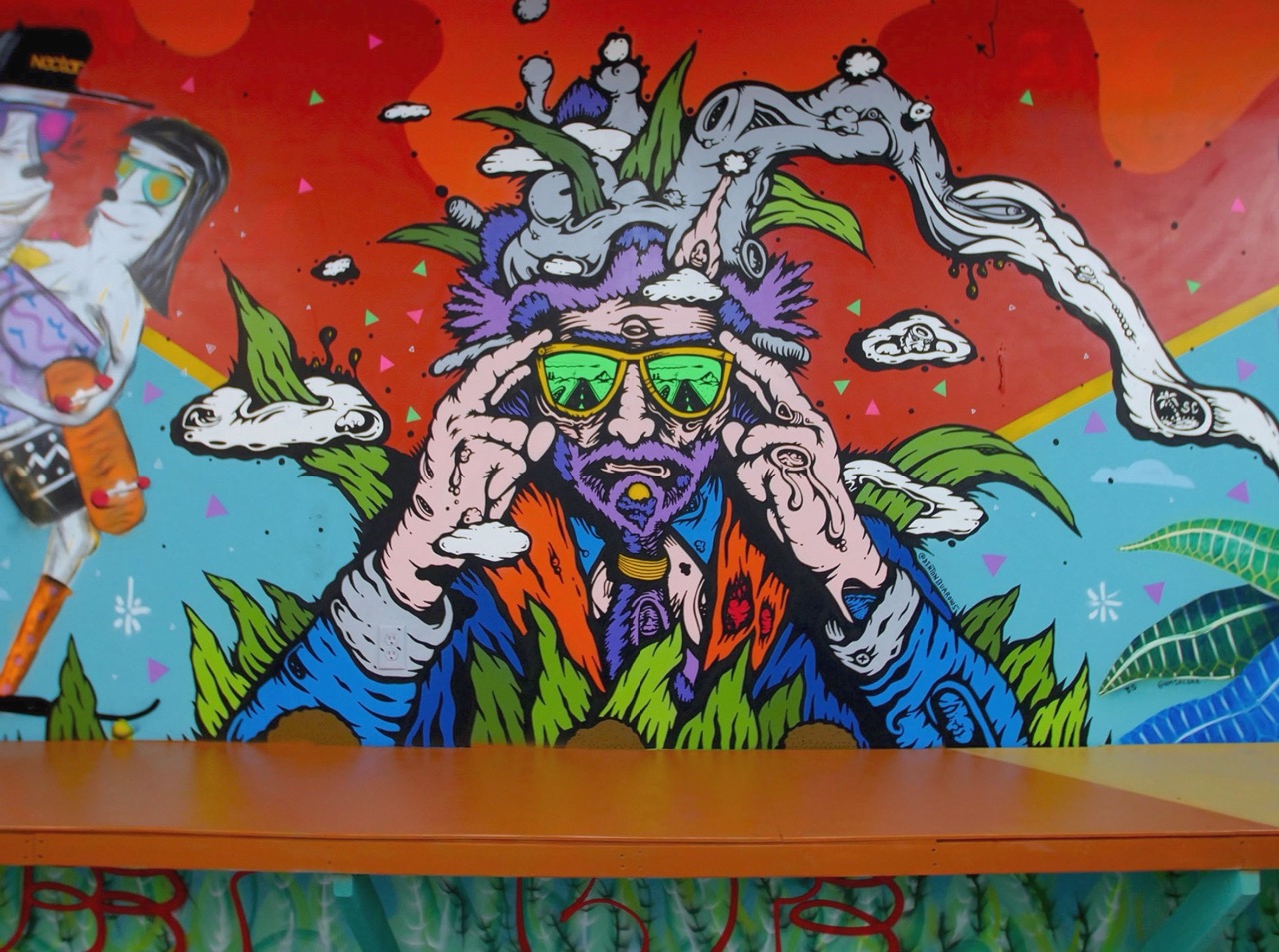
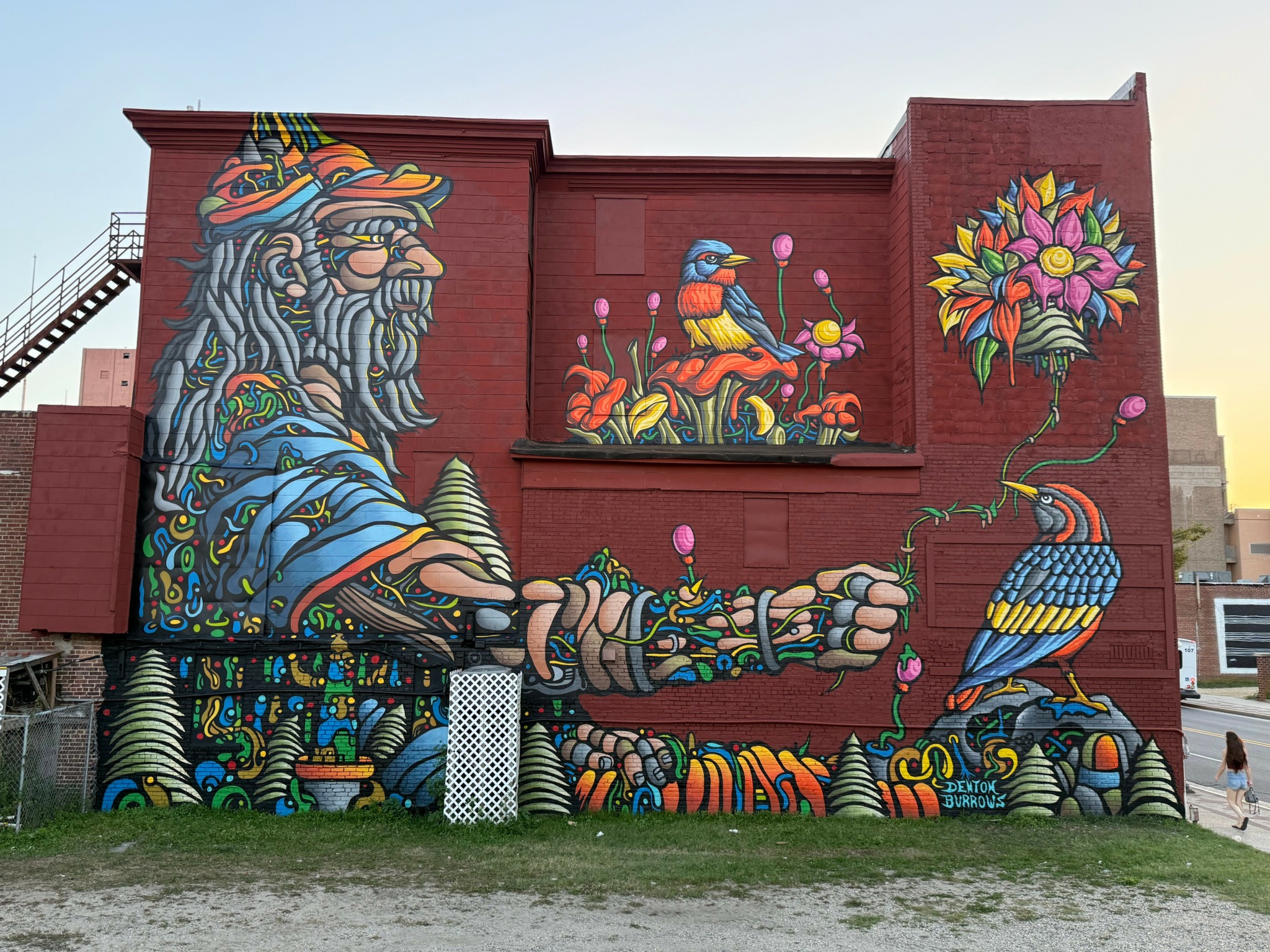
Even now, winter in the Northeast can be slower, and in those quieter stretches I occasionally wonder what it might be like to have the structure of a conventional job, the steady salary, the predictability. But those thoughts disappear the moment spring returns and the first mural project begins. There’s a particular exhilaration in being forty or fifty feet in the air on a lift, painting something that may become part of a community’s visual identity. Very few jobs offer that kind of freedom, risk, and reward at once. To have someone thank you for transforming their building, their business, or a corner of their community is incredibly meaningful.
That combination of adventure, creative freedom, public impact, and human connection is hard to match. In those moments, I’m reminded there is honestly nowhere else I would rather be.
Denton, before we move on to more of these sorts of questions, can you take some time to bring our readers up to speed on you and what you do?
As a child, I was always drawing, usually when I was supposed to be doing something else, often getting in trouble for drawing in class. Creativity was in my blood. My grandmother was an art expert, gallery owner, and talented draftswoman, and my mother, who studied at RISD, has run her own fine jewelry business for nearly fifty years. Even so, I didn’t grow up surrounded by artistic peers or thinking of art as a viable profession.
What I did have, growing up in Manhattan, was constant exposure to art and culture. My mother took me to galleries, trade shows, and museums, and even if I didn’t fully understand it at the time, I was absorbing all of it.
When I went to Lehigh University, I had no clear intention of becoming an artist. Like many of my friends, I imagined a more conventional path, something closer to business or even psychology. Then, almost by accident, I took an introductory drawing class as an elective, and that changed everything.
Most of the assignments focused on traditional still-life rendering in graphite and charcoal. I loved the professor, but I struggled with the projects and had little connection to the medium. Midway through the semester, he told me I was on track for a C-. Not exactly encouraging. At some point I asked if he’d be willing to look at the drawings I was making on my own, the kind of work I was doing instinctively.
A few days later he called me into his office. He told me he was struck by those personal drawings, and that my disinterest in rendering a vase or an apple suddenly made sense to him. Then he said something I’ll never forget: “You might have a shot at this.”
He encouraged me to become a Fine Arts major and offered to advise me personally, shaping a curriculum that, beyond the fundamentals and art history, would allow me space to develop my own voice. There was only one requirement: constant production. That professor was Berrisford Boothe, and that conversation changed my life forever.
Years later, he put it in a way only he could: “All I gave you was permission.” But in many ways, that permission was everything.
I flourished under Berrisford Boothe’s mentorship. I had the first student solo exhibition at Lehigh, and that period gave me both confidence and momentum. I also minored in Graphic Design, which turned out to be formative. Both fine art and design have informed one another throughout my career in ways I couldn’t have anticipated then, and they continue to do so every day, especially with my mural work.
From there, I took another leap and applied to the Master’s program in Illustration at the School of Visual Arts back home in downtown Manhattan. Being accepted into that program opened another world. It was an intense period of making, experimentation, and absorption—surrounded by talented artists and faculty from around the world, I was constantly being challenged to sharpen both my craft and my ideas.
After graduate school, I focused on fine art and illustration while trying to find a way into the street art world, which fascinated me. Eventually I became close with the founder of a mural program on the Lower East Side. I helped him run the project, learned the realities of public art production firsthand, and was gradually welcomed into that world. That experience planted the seeds for what came next.
A few years later, Jonathan Neville and I founded Dripped On Productions, and fourteen years later it remains our profession, our way of life, and in many ways the engine of our creativity. What began as a shared vision has grown into an art production company that has produced, curated, and painted more than one hundred mural projects nationwide, while also expanding into Dripped On The Road, our traveling artist residency that has brought dozens of artists into communities across fifteen states. What has always distinguished the work, I think, is that Jonathan and I are not simply producing for artists, we are artists ourselves and do a lot of the work as well. That changes how we approach every project, from concept and logistics to execution on the wall.
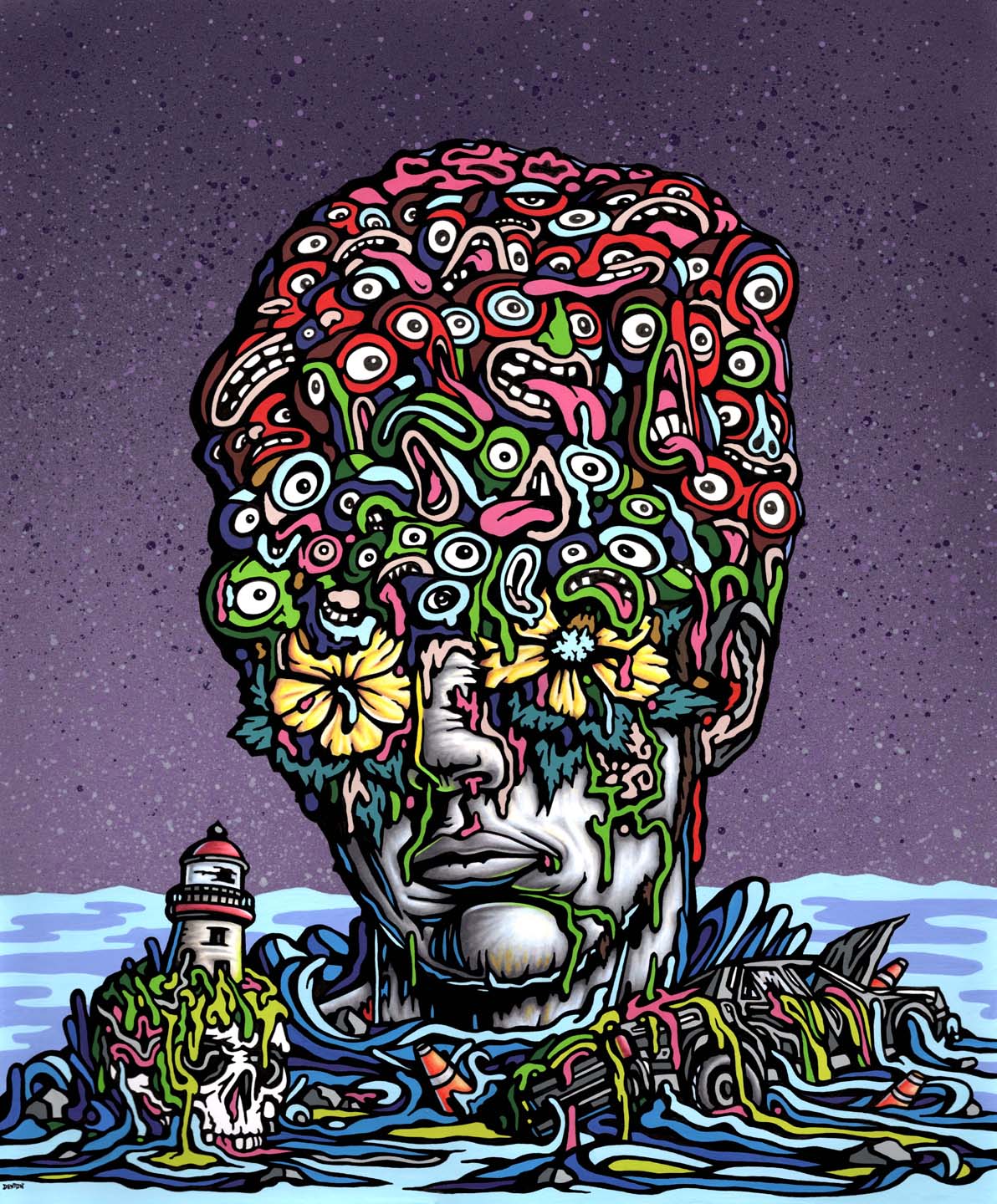
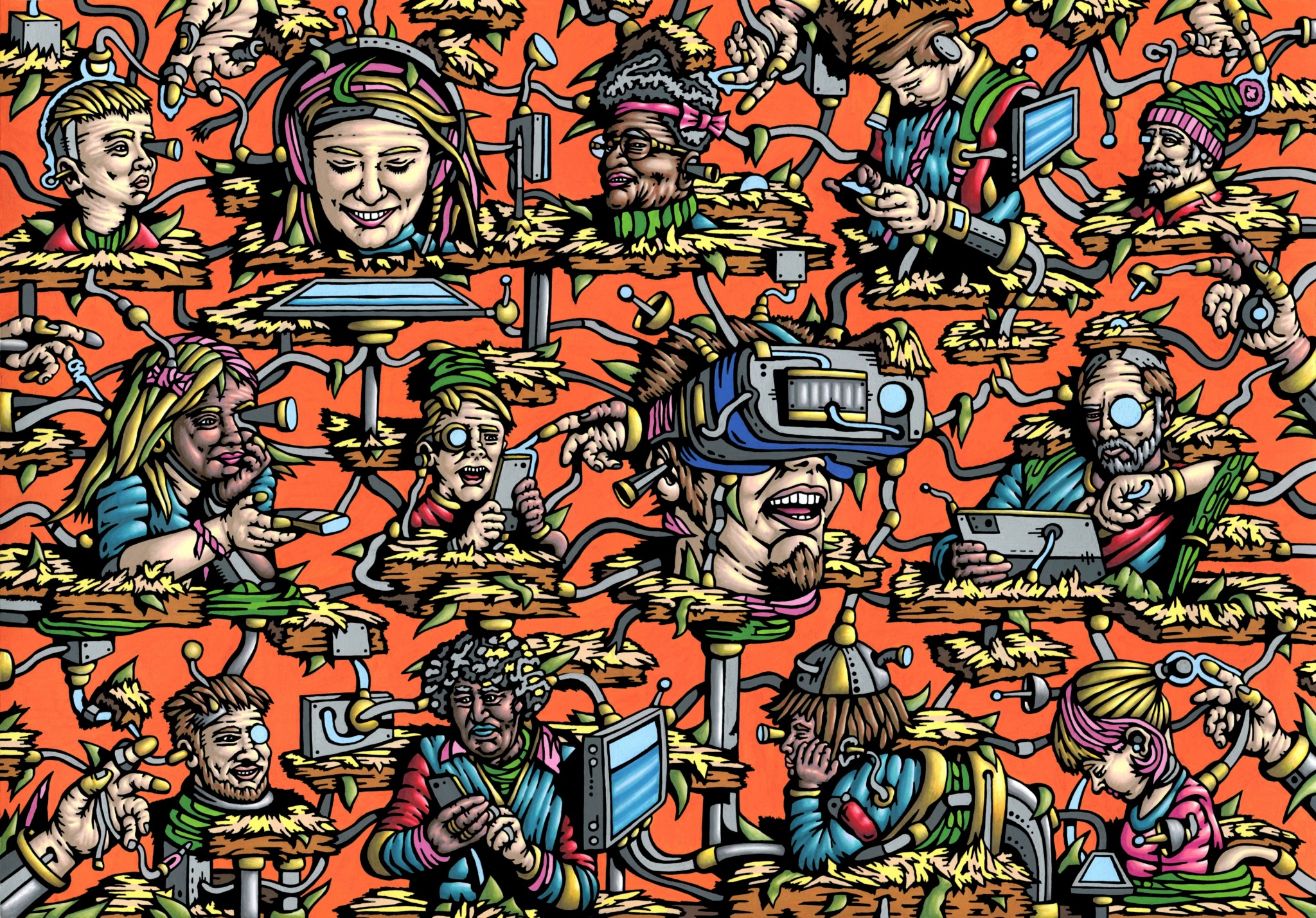
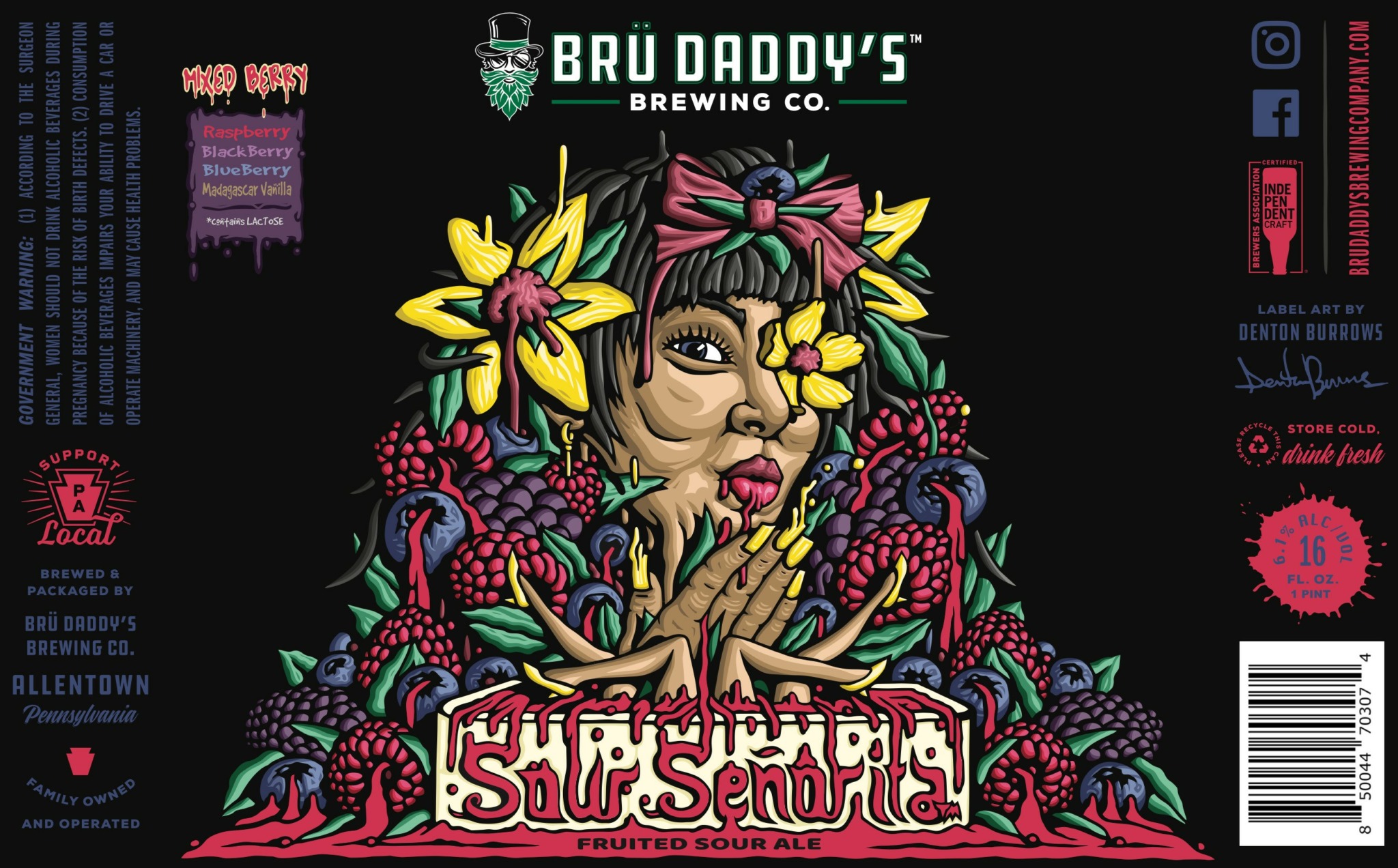
While I still exhibit regularly and continue illustration work, murals have become my deepest passion. I love that every commission presents a new set of problems to solve. Every wall is different, every client has different needs, every budget carries different constraints. Mural work asks me to bring together everything I’ve studied and practiced – illustration, design, painting, fabrication, project management – and let those disciplines bounce off one another.
And I love that the work engages both the imaginative and the practical. It is art, but it is also problem-solving, engineering, communication, and entrepreneurship. We are running a business, and while the product is art, client relationships, budgeting, accounting, inventory, and logistics all play a major role in making the work possible. I find that intersection incredibly stimulating.
At this stage in my career, I feel fortunate to have arrived at a place where I can say I’m a professional in every sense of the word, while still getting to do what I love. I get to make work, build something with others, help shape public space, and engage with communities through art. I try not to take that for granted for a single day.
Do you think there is something that non-creatives might struggle to understand about your journey as a creative? Maybe you can shed some light?
One of the things I love most about being a creative is that the journey is rarely repetitive. It constantly demands problem-solving, experimentation, and adaptation, and that produces knowledge and new experiences at a very stimulating rate. I think there’s something valuable in that for everyone, regardless of profession.
For people whose lives or careers are more structured or predictable, I’d encourage seeking out new challenges and unfamiliar experiences as often as possible. Learning a skill, traveling somewhere new, making something with your hands, or simply stepping outside your routine is good for your brain, good for your character, and I believe those experiences inevitably cross-pollinate with your work and life in positive, often unexpected ways.
I’d also challenge the way we tend to box in the idea of creativity. We often treat creativity as if it belongs only to artists, designers, or people who can draw, but creativity is much broader than that. It can be how you solve a problem, build a business, raise a family, cook a meal, or approach the world with curiosity. The first step is believing you have access to it.
Just because someone doesn’t identify as “artistic” doesn’t mean they aren’t creative. In fact, new experiences and challenges often awaken forms of creativity that may have been dormant or cultivate it in ways people never expected. I think everyone benefits from making room for that.
What can society do to ensure an environment that’s helpful to artists and creatives?
Artists and creatives have a unique ability to reach people emotionally and to speak to something deeper, even spiritual, in the human experience. There’s a reason artists have often been viewed with suspicion by power structures throughout history: creativity can challenge, connect, inspire, and provoke change.
One of the beautiful things about art is that it moves across every layer of society. I’ve paid a homeless man fifty dollars to watch my paint while I worked in a rough neighborhood, then shared a beer with him and listened to his story. I’ve also broken bread with billionaires and had dinner with CEOs of major development companies, talking about art. Few things move so fluidly across social boundaries. Art creates uncommon points of connection.
I think society could support artists first by recognizing that art is not a luxury or an afterthought but is actually civic infrastructure. Public art, design, music, and culture strengthen communities, foster pride, encourage dialogue, and bring people together, often for far less investment than many initiatives governments and municipalities pursue in the name of revitalization.
I once heard a story about a city in Eastern Europe struggling through economic hardship and rising crime. Much of it had been built under Soviet rule—bleak, imposing architecture that had fallen into disrepair. A newly elected mayor supposedly ordered every building painted in color. Over time, as the city transformed visually, violence subsided and community spirit strengthened. I can’t verify the story, but I’ve always believed in its truth, whether literal or symbolic. Because I’ve seen firsthand how beauty, color, and public art can change the energy of a place and the way people relate to one another.
If society wants to support artists, it should invest in them not simply as makers of objects or sounds or words, but as contributors to civic life. Because art doesn’t just decorate communities, it can help heal, energize, and transform them.
Contact Info:
- Website: dentonburrows.com drippedon.com drippedontheroad.com
- Instagram: @dentonburrows @drippedon @dotheroad
- Facebook: Denton Burrows
- Linkedin: https://www.linkedin.com/feed/
- Youtube: https://www.youtube.com/@DrippedOnProductions