



We caught up with the brilliant and insightful Deniz Khateri a few weeks ago and have shared our conversation below.
Deniz, thanks for joining us, excited to have you contributing your stories and insights. Learning the craft is often a unique journey from every creative – we’d love to hear about your journey and if knowing what you know now, you would have done anything differently to speed up the learning process.
I’m always intrigued by an artist’s background, particularly whether they’re self-taught and, if so, the methods they used to master their craft. Especially, In today’s rapidly evolving world of education where self-learning through platforms like YouTube tutorials and other online resources has become increasingly popular and accessible. As a multidisciplinary artist in theatre, I find it challenging to label myself as self-taught, especially in areas where I didn’t receive formal education.
My formal training is in acting and directing. However, over the years of working in professional theatre, I’ve organically developed an understanding of dramaturgy and play structuring. This understanding was further developed by my graduate program in theatre and criticism, where I took multiple courses of play analysis and the critical principles of production.
So, I can’t really say that when I started writing plays, I started from scratch; my background in theatre and criticism laid a strong foundation. Similarly, my experience manipulating puppets on stage as an actor in multiple productions gave me a head start when I started making shadow puppets. This familiarity with puppet mechanics translated into my work with shadow puppets. Even in learning 2D animation, I found parallels with puppeteering, applying similar principles in a different context. However, I eventually decided to take formal animation classes. I took a class in adobe suite and I was surprised by how much it condensed my learning curve . Concepts that I had struggled with for months were clarified in a matter of weeks with the guidance of experienced instructors.I also discovered that despite finding my own ways to solve problems, the instructor in the class often offered simpler solutions. They helped me tackle areas where I was struggling and redirected my focus to key points that I had overlooked or misinterpreted.
These experiences have made me realize the complex interplay between self-teaching and formal education even more in my artistic journey. While self-teaching has allowed me to explore and experiment – and I strongly believe that art cannot happen without free experimentation and trial and error- formal education has provided me with a structured framework and access to expert guidance. This blend of approaches has been instrumental in my growth as a multidisciplinary artist.
Deniz, love having you share your insights with us. Before we ask you more questions, maybe you can take a moment to introduce yourself to our readers who might have missed our earlier conversations?
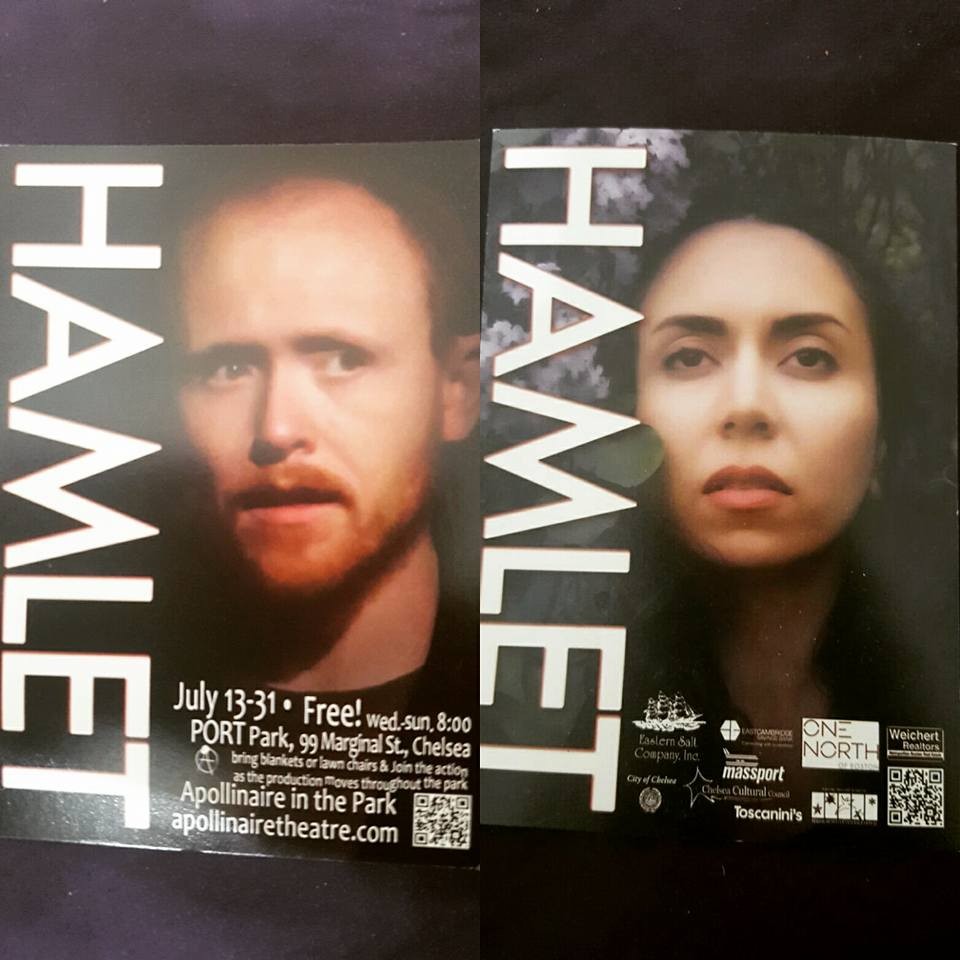
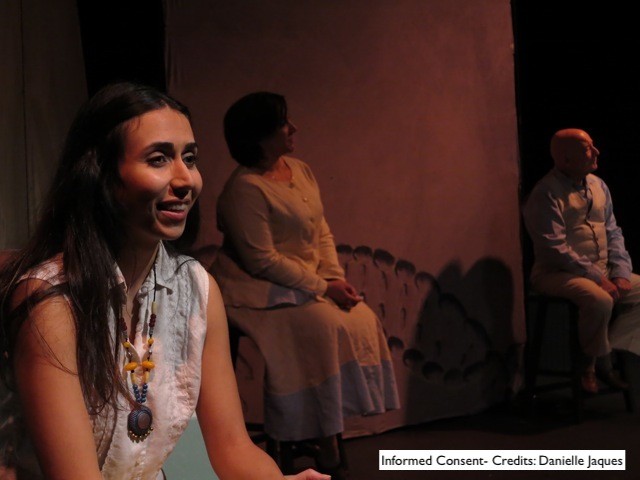
Born and raised in Iran, I began my training in stage acting in Tehran. When I immigrated to the US, establishing myself as an actress was quite a challenge, coming from a very different culture, even though I had studied and practiced Western theatre and acted in major roles in the Western canon. However, I soon began working with many theatre companies and great artists who gave me the opportunity to show my skills and perform some of my favorite roles, including Ophelia in Hamlet, Masha in The Three Sisters, and Electra in Orestes, among many others.
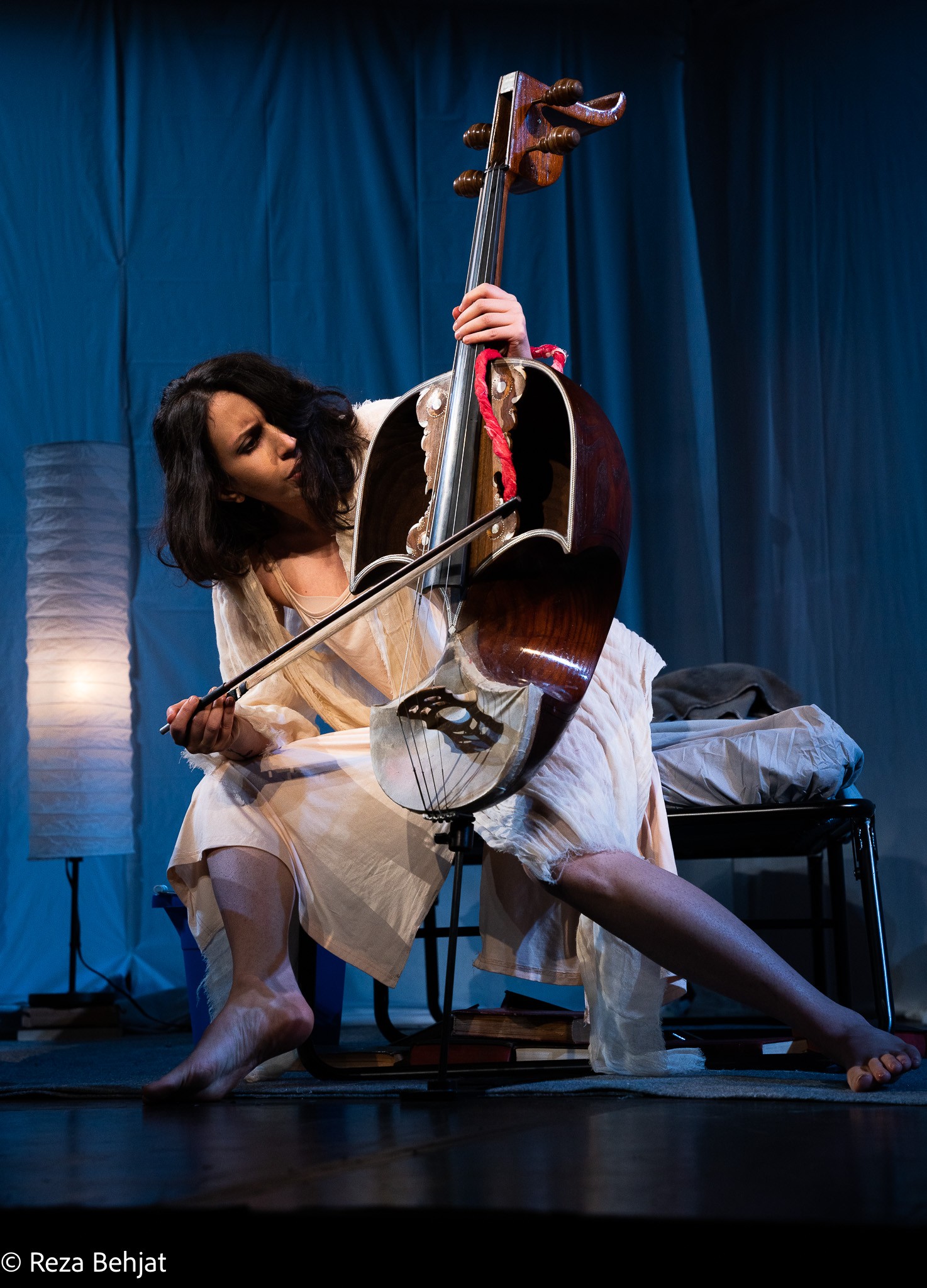
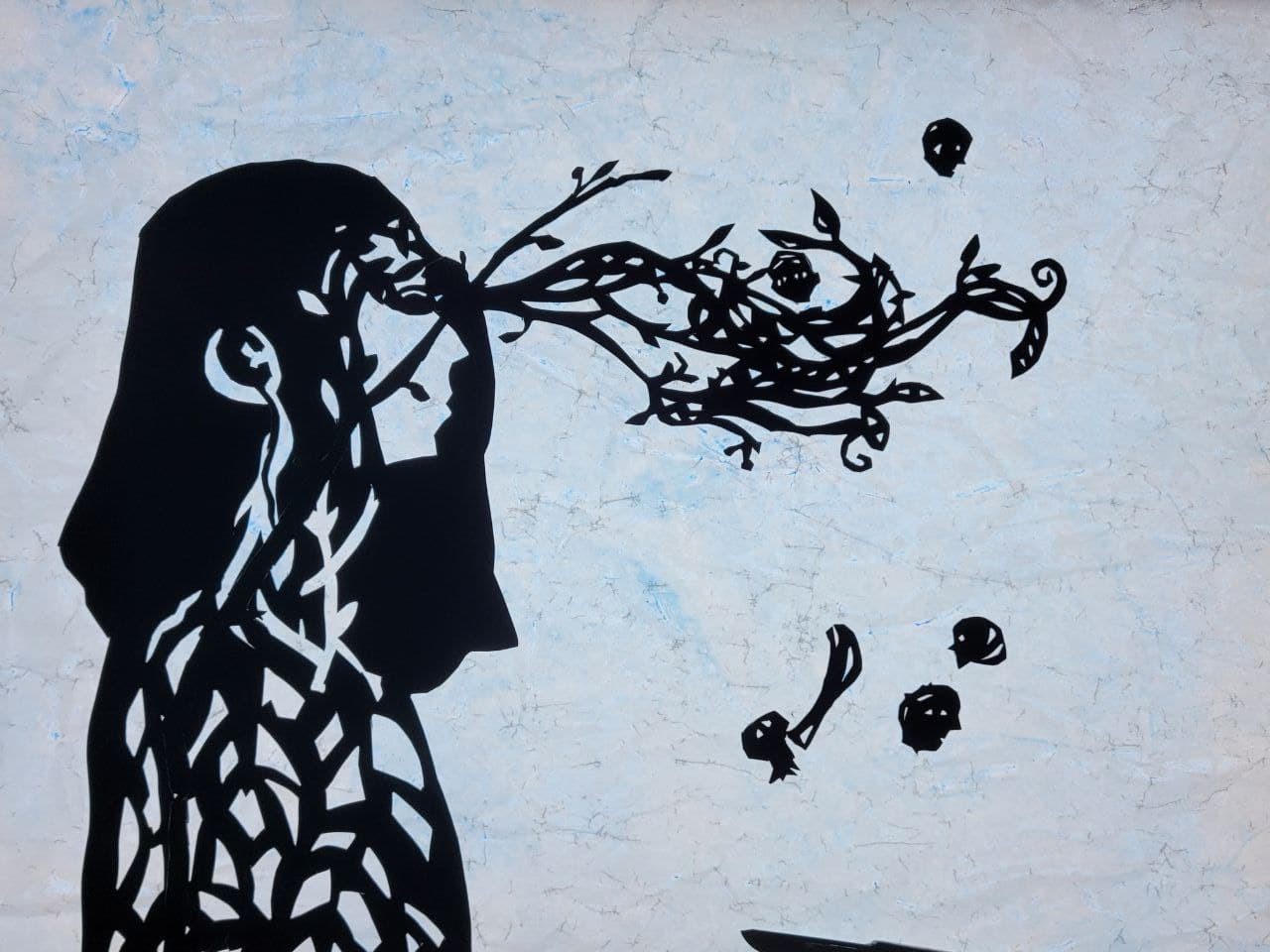
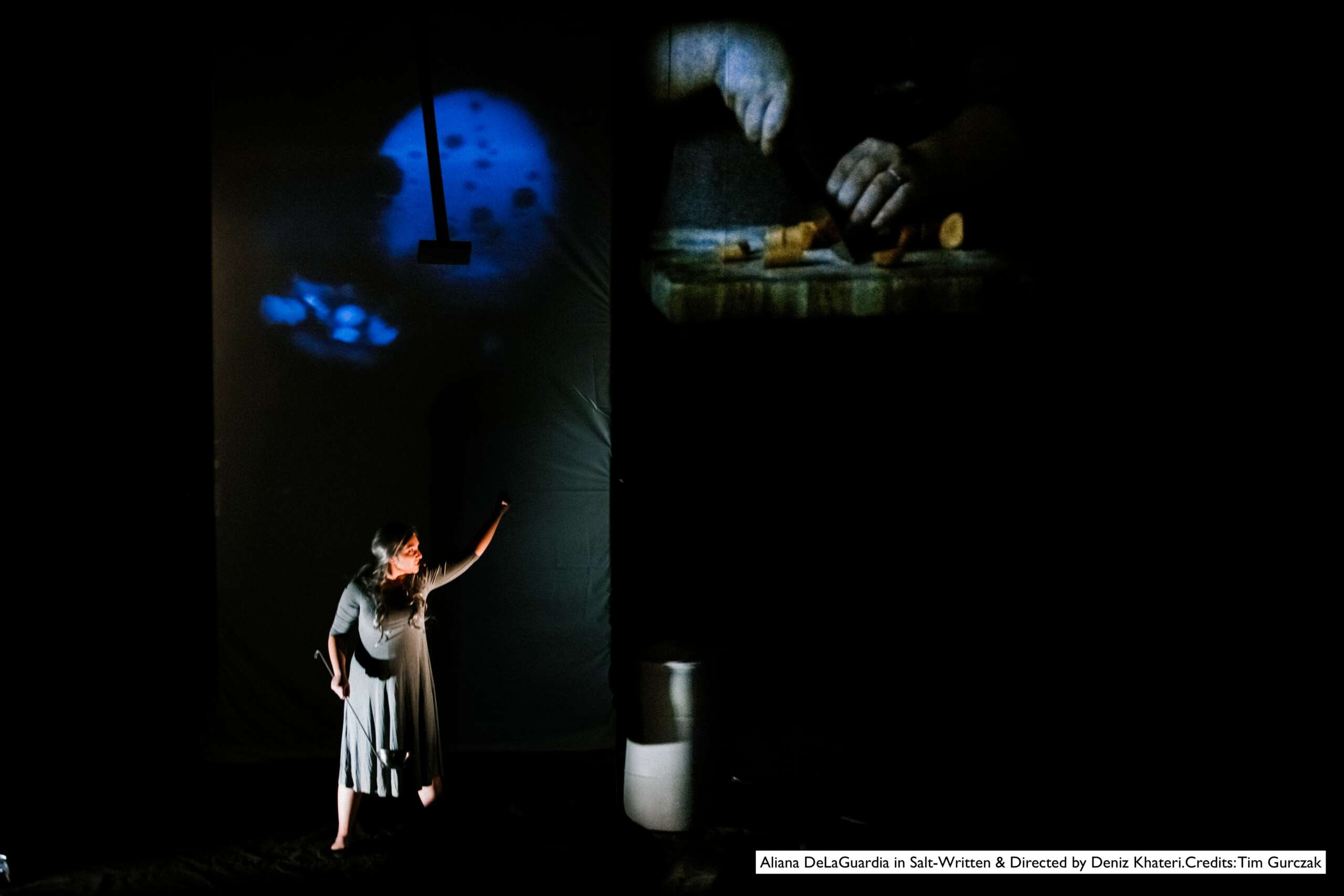
I started in Boston and then moved to Brooklyn, New York, where I am currently based. While working as an actor, I also began getting gigs in playwriting and directing, especially after my works of shadow puppetry for contemporary classical music caught the attention of music entrepreneurs and composers. This led me to step more into the experimental opera scene and modern music, where I could unleash my creativity even further, creating surrealistic images, abstract compositions, and what I call “live painting on stage.”
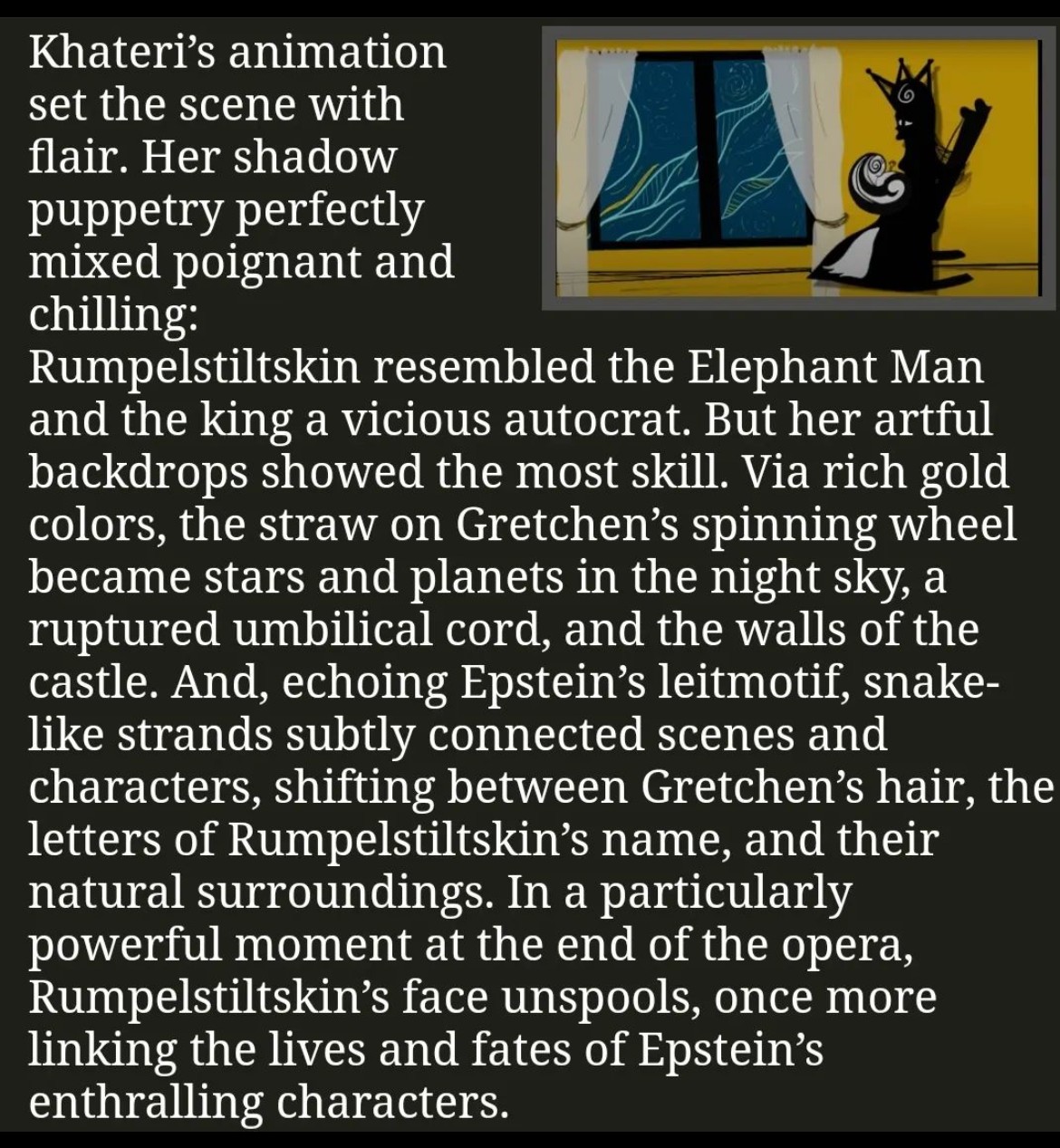
At the same time, I became aware of the daily struggles in every immigrant’s life, a topic that many non-immigrants seemed unaware of, and even immigrants themselves were not discussing openly. I felt compelled to tell these stories, and I found that a series would be the perfect medium for this, as immigration is a gradual process of realizations and discoveries of new feelings. However, I didn’t have the budget, so I started to learn the basics of animation and realized that it has a lot in common with puppetry. This inspired me to start my animated web series, Diasporan, which tells the stories of immigrants that I have interviewed. Diasporan Series is available on YouTube.
Currently, I teach in the theatre departments of various campuses at City University of New York, and as a working artist, I have multiple projects as an actor, stage director, and playwright. Updates on my upcoming projects or requests for commissions can be found on my website: http://denizkhateri.com/
Do you think there is something that non-creatives might struggle to understand about your journey as a creative? Maybe you can shed some light?
The concept of “success” for an artist can be a particularly challenging notion, one that can impose significant mental pressure and anxiety. In the arts, progress is always visible. Because an artist’s work only gains meaning with the presence of an audience to view it (you can’t really hide your artworks in your closet if you’re a professional artist), therefore your progress in your career is always visible. It’s unlike a corporate employee that once you have a job you’re considered successful; I mean, people don’t really keep track of your promotions or progress, and you’re not constantly worried about being present in your industry because just the fact that you do your job every day makes you present. It’s different in the arts scene. If you don’t get famous or get attention from certain places and people, you haven’t “made it”. Even as an underground artist, if you don’t have any showings or some kind of publicity, you’re not considered “active” in your field, which has led us all to become agents of ourselves on social media and promote ourselves to survive in the industry.
What non-creatives don’t realize is that only a small percentage of artists become celebrities or get attention from major press outlets like the New York Times. There are many artists in every city whose work matters and who are recognized in their field and communities, yet their names are not widely known. Their art needs support too, but funding for these independent underground works is usually much lower than for mainstream works, making it hard for artists to find a work-life balance.
It seems we cannot change the system right now to one that fully supports these artists so they don’t need day jobs and can dedicate all their attention to their art. However, we can educate people to emotionally support them. What non-creatives can do to support is that if they know artists who are active in their field, follow their work, ask about their upcoming exhibitions or performances, and respect them in a way that makes them feel valued and encouraged. They should be accepted as established and successful artists, not just artists on a path to get “the big prize” some day!
What do you find most rewarding about being a creative?
Recently, someone asked me if I see any rationale in pursuing art as a career. I replied, “There’s absolutely no logic in it!” An artist often works twice as hard as, let’s say, a data analyst. The artistic process demands multitasking, creativity, research, and even physical exertion, yet the remuneration is often a fraction of what other professions earn. So, from a purely logical standpoint, it doesn’t make sense.
There is of course joy ,love and the reward of creation, but that’s not why an artwork is created.Art emerges from a deep-seated urgency. An artist navigates through chaos, almost a personal catastrophe, leading to a series of revelations, discoveries, and intuitions capture the artist until they’re released and manifested in the piece. This essence of urgency, this unrelenting call to create, is what I find most captivating about art and being an artist. It’s not born out of boredom, privilege, or a pursuit of fame. Instead, it’s the urgency that compels you to create. And once you create, others who share those same urgent concerns connect with your work. In this way, you indirectly create a community. I’d like to include a quote from Deleuze about literature that I believe applies to all artistic disciplines:
“It is literature that produces an active solidarity in spite of skepticism; and if the writer is in the margins or completely outside his or her fragile community, this situation allows the writer all the more the possibility to express another possible community and to forge the means for another consciousness and another sensibility.”
Contact Info:
- Website: http://denizkhateri.com/
- Instagram: https://www.instagram.com/deniz_khateri/
- Youtube: https://youtu.be/kJv5-F3RbQk?si=HriVPctFMkuwpXX0
Image Credits
Arvin Fouladifar, from animation of Diasporan series