



We caught up with the brilliant and insightful Demetrius Williams a few weeks ago and have shared our conversation below.
Demetrius, thanks for joining us, excited to have you contributing your stories and insights. To kick things off, we’d love to hear about things you or your brand do that diverge from the industry standard.
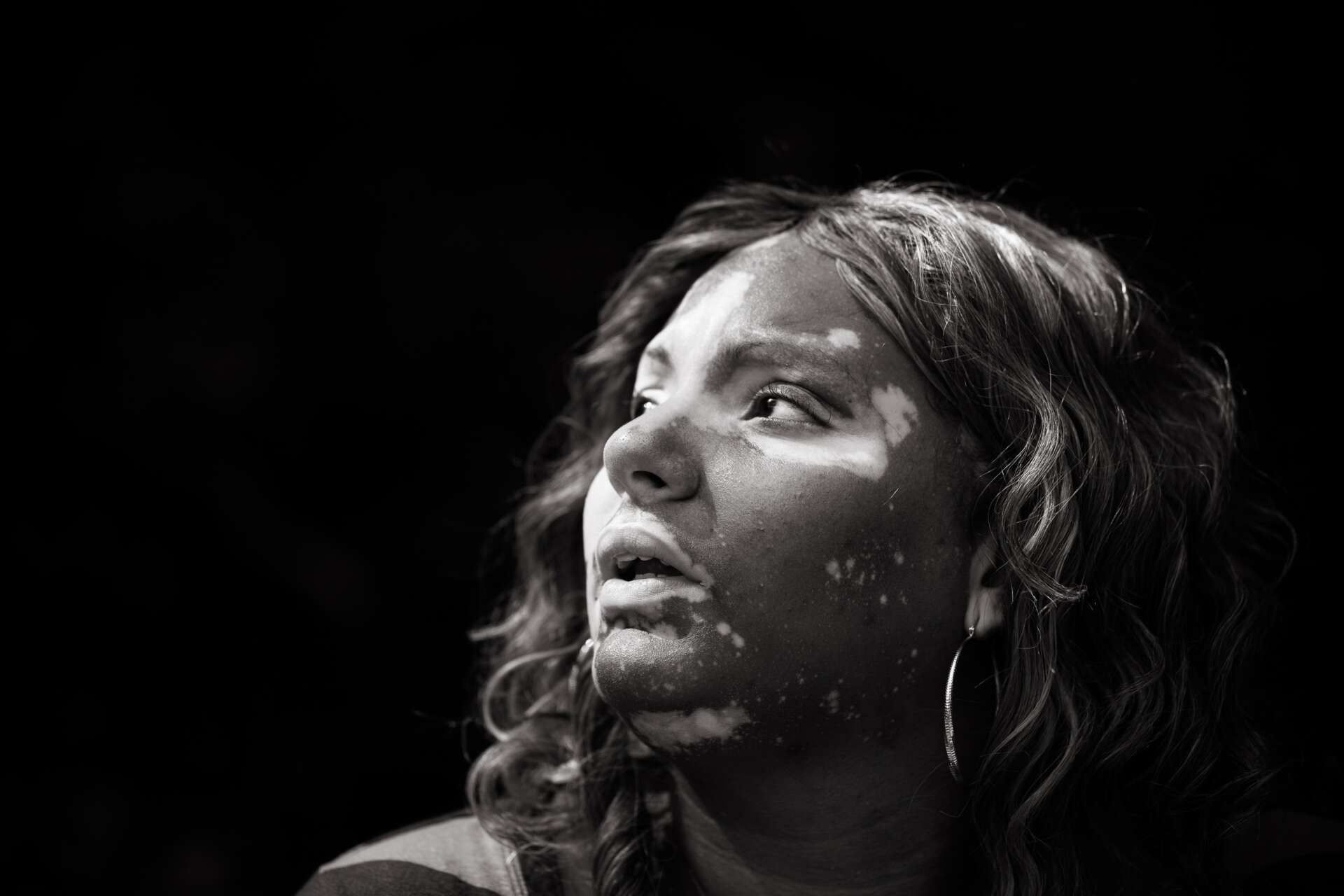
I’d say that the primary thing I do differently is that I do not tend to heavily edit or touch-up my images. I consider myself a purist in that I strive to capture exactly what I am going for in-camera, so when it comes to editing I will occasionally do basic editing (i.e. color correction, minor exposure adjustment, etc). When it comes to portrait photography I prefer to bring out the very best of my subjects as they are – even with their perceived flaws – instead of photoshopping what they see as imperfections out of the image. I’ve found that this tends to boost self-confidence when they can see themselves in a photo – “flaws” and all – captured in a way that turns those “imperfections” into what makes them uniquely beautiful.


Demetrius, love having you share your insights with us. Before we ask you more questions, maybe you can take a moment to introduce yourself to our readers who might have missed our earlier conversations?
My father was a professional photographer. As a child I often assisted him in setting up his lighting and backdrops, and on the rare occasion I acted as a second photographer using either a Canon 35mm camera or a medium format Yashika camera. While I did not initially have an interest in photography as a profession I did enjoy capturing candid photos, and later developed a love for travel photography during my time in the US Navy. At the time I always had my trusty little Kodak EasyShare on hand.
In 2010 I purchased my first DSLR camera – the Canon 5D Mark II – along with 5 lenses (each lens still constantly in use today). I was still not interested in pursuing photography as a profession, but instead hopped Virginia (where I lived at the time) photographing various events and concerts. It wasn’t until a friend basically forced money into my hands to photograph her wedding that I decided it was time to make a living doing what I love to do.
I moved back to the Metro Atlanta area a year later and immediately gained a reputation for candidly capturing performers and attendees of concerts, festivals and House music events in their element. I adopted a “no posed photos” style of shooting for events, and became known for a style of capturing movement that helped set my work apart from others.
In 2014 I created the Naturally You Project; a project that had me creating portraits of women from all walks of life…with NO makeup. This was the project I was MOST proud of, as some of the women who volunteered were initially self-conscious of some aspect of their appearance – but they trusted me to capture their essence, and during the resulting exhibitions they were able to see the positive reactions of others who saw their images. This prompted the discussion of the portrayal of beauty by both the media and the general public. This project has a lot to do with my style of shooting portraits and people in general. I am currently working on the 2022 version of The Naturally You Project.
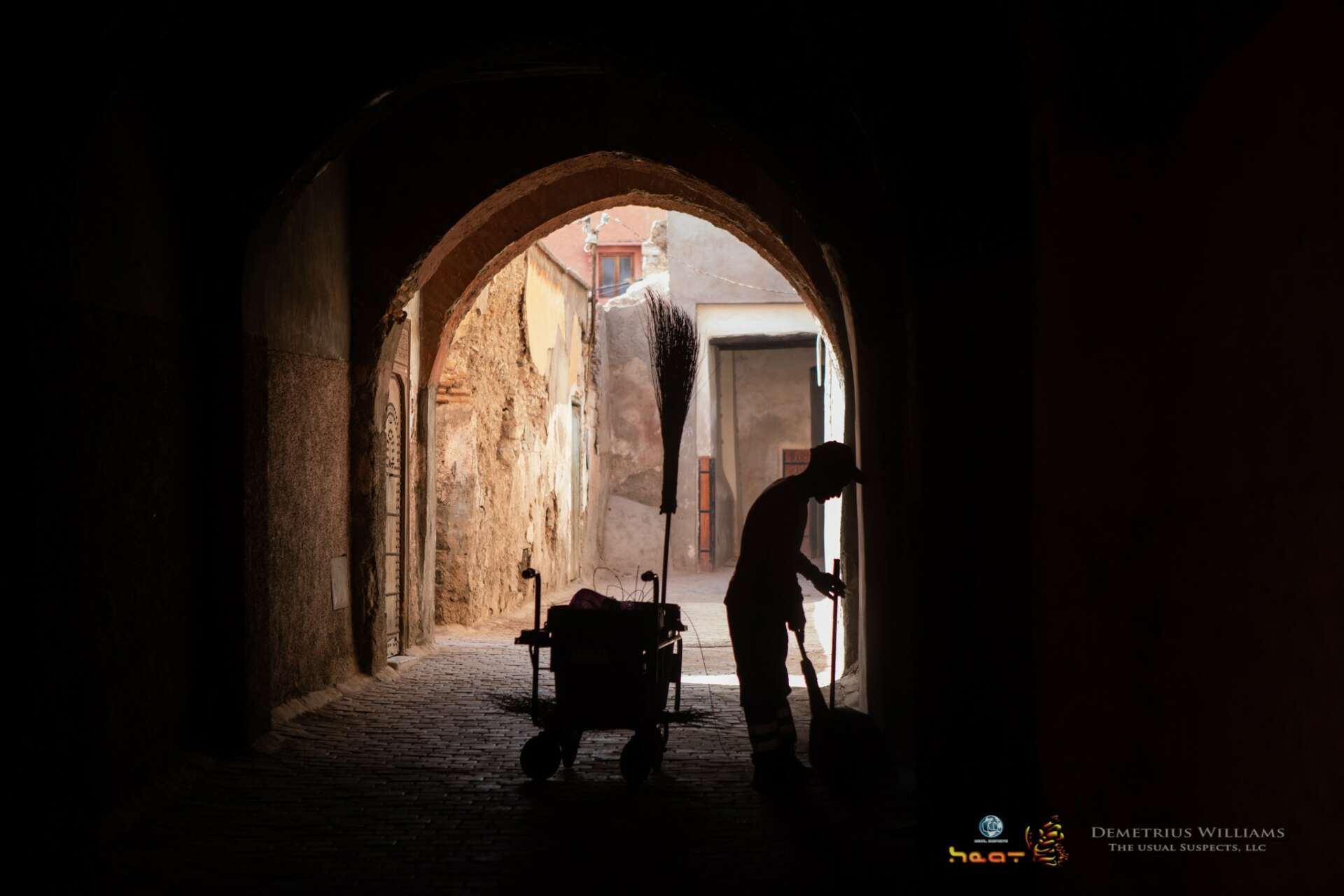
Another accomplishment I am very proud of is the establishment of the Inspire/Aspire Photography Retreats (AKA – IAP Retreats). My goal in putting together the photography retreats was to enable photographers to travel to places where they can be inspired by the beauty surrounding them. The retreats are for those in the field (whether professional, semi-professional, or hobbyist). In each destination we not only fully take in the culture, but I also create photography-based challenges throughout each trip. I created the retreats for photographers to learn from one another, expand upon our current skills, and above all to spark our creativity/inspiration. The line-up for 2022 includes Peru (July), Morocco (September), Bali (October) and Tanzania/Zanzibar (November).
For you, what’s the most rewarding aspect of being a creative?
I think every creative will agree with this answer. What most non-creatives fail to understand about any creative’s journey is the sheer amount of work that goes into whatever discipline any creative pursues. For photographers, that misunderstanding usually translates into 1 of 2 questions: “Why do you charge so much?” or “Why can’t you have my photos ready the next day?”
In answer to question #1, photographers (especially those who are full-time photographers and do not work a corporate job) need to account for several factors. The most obvious factors include time spent during each client’s session, fuel (if the client is a good distance away), and products ordered for the client. The not-so-obvious factors include time spent AFTER the photo session is over editing photos, insurance for the photographer’s equipment, upkeep for the photographer’s equipment, medical/dental/life insurance (remember, we do not have the convenience of corporate-covered insurance), all other living expenses that we must take under account. Remember – photographers are not on a salary, so we must account for slow seasons as well.
Question #2: A lot of photographers tend to capture hundreds of photos in a session (sometimes thousands in the case of weddings). When we begin the editing process, we first need to select the best images to edit (out of hundreds or thousands), THEN we begin the editing process.


Alright – so here’s a fun one. What do you think about NFTs?
Technology will continue to progress – I think that NFTs are a very imaginative way of further exposing the masses to your art while also having a different way of benefiting financially (multiple streams of income is not bad thing).
Contact Info:
- Website: https://usphotog.com
- Instagram: https://www.instagram.com/suspexceo/
- Facebook: https://www.facebook.com/UsualSuspectsLLC
- Other: https://www.usphotog.com/iap-retreats
Image Credits
Demetrius Williams