

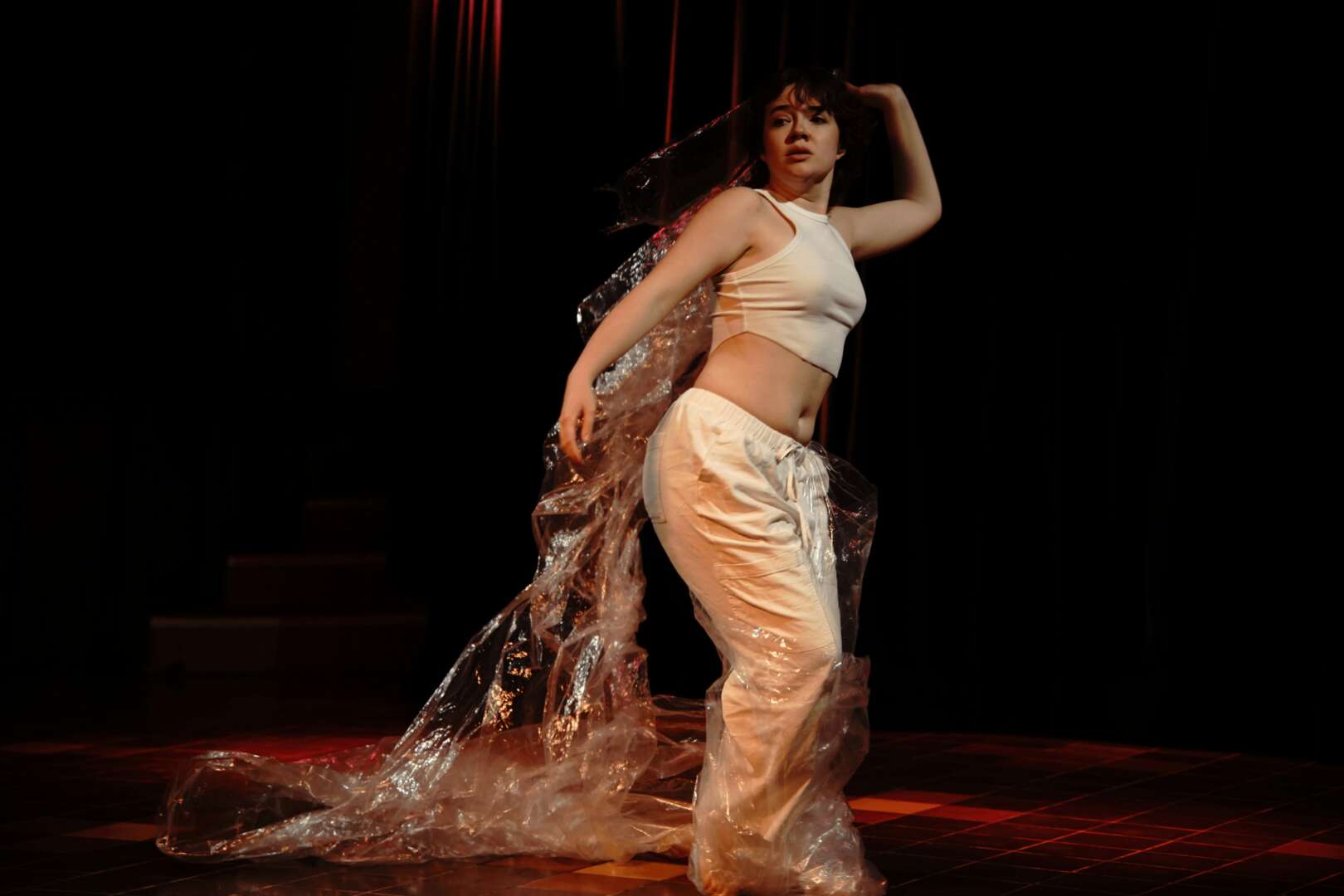

We’re excited to introduce you to the always interesting and insightful Delia Ibañez . We hope you’ll enjoy our conversation with Delia below.
Delia, thanks for joining us, excited to have you contributing your stories and insights. Have you been able to earn a full-time living from your creative work? If so, can you walk us through your journey and how you made it happen? Was it like that from day one? If not, what were some of the major steps and milestones and do you think you could have sped up the process somehow knowing what you know now?
I have been earning 100% of my income from creative work since graduating university in 2020. I am extremely grateful to have made it through the pandemic still involved in the arts sector. I believe this is a result of an extremely multidisciplinary creative practice and strong administrative background.
I have a long lineage of artists in my family, but I am the first to aim to live entirely from the arts. My parents’ careers were related to their artistic skills and provided the stability to follow their artistic passions. My mother, a historical fiction novelist and poet, worked for many years as a freelance translator and interpreter. My father’s sweeping surreal oil paintings contrasted from the small technical drawings of his patent drafting business. I was deeply shaped by them, attending poetry readings and gallery openings, curating programming, and helping them to organize opportunities to build exposure for other artists in our rural community from a very young age.
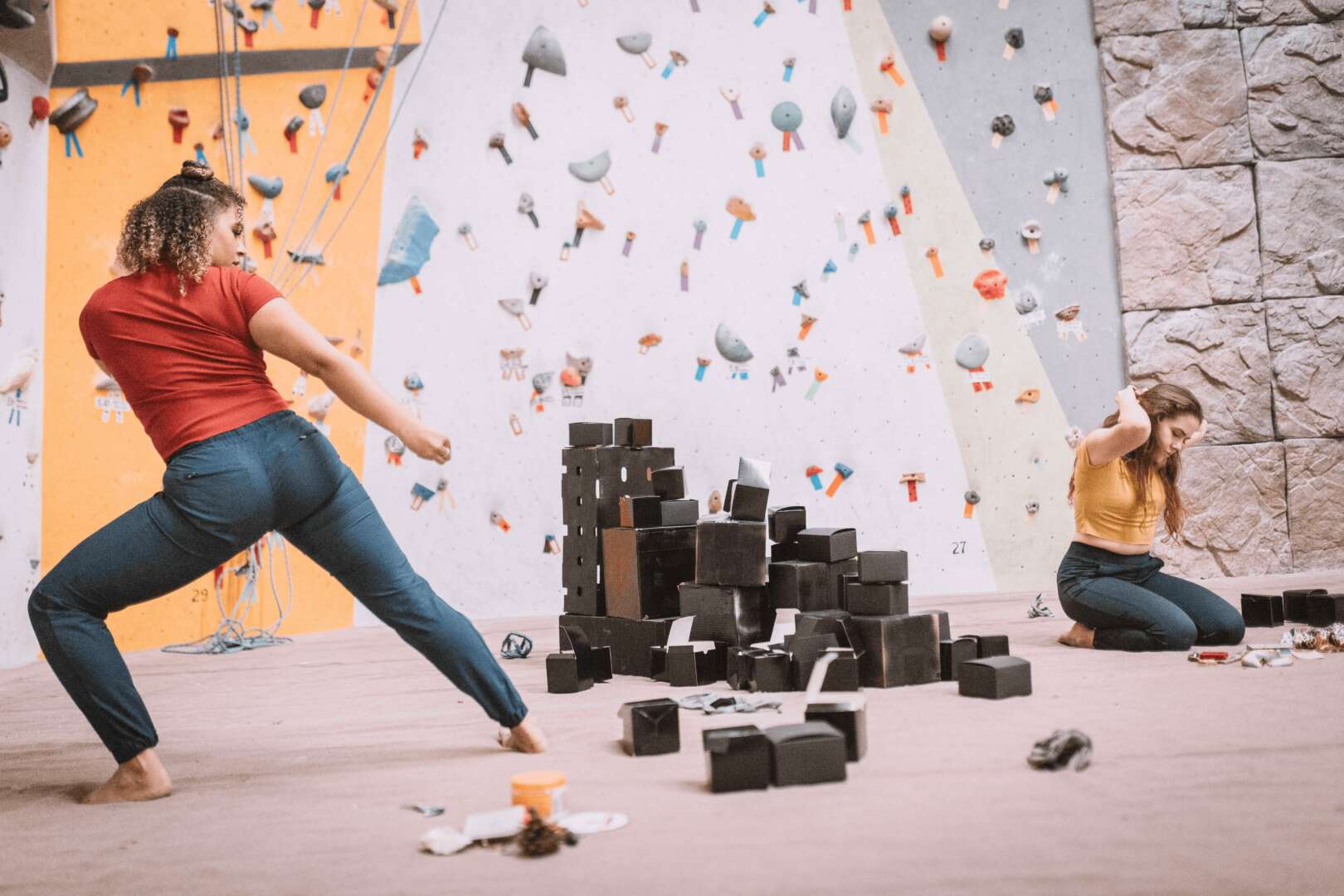
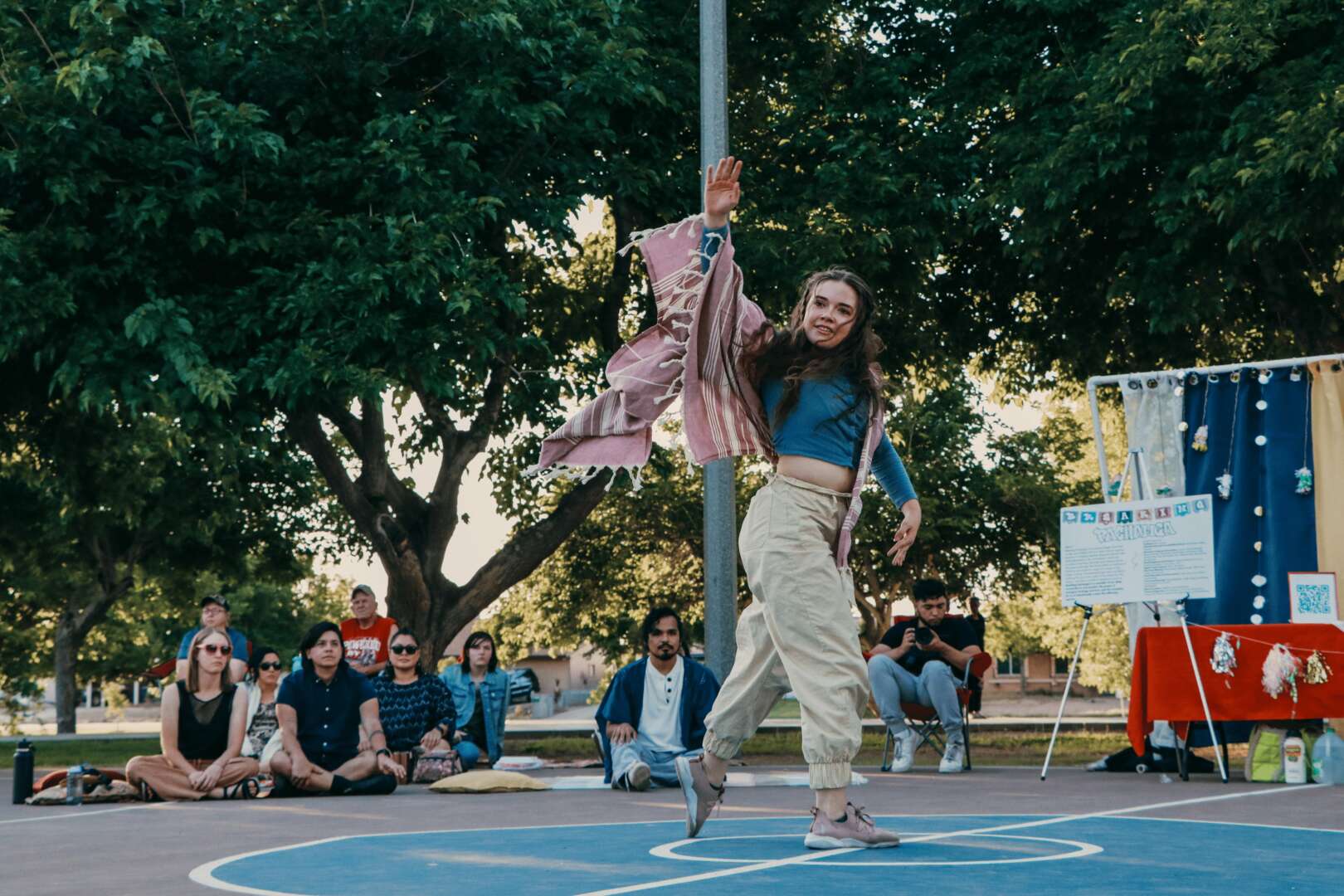
Currently, I work full time as a Program Coordinator at a State Arts Agency, providing professional development and grant support to artists of all disciplines and stages of their careers in the state of Arizona. Additionally, I serve as rehearsal assistant, teaching artist, and develop branded merchandise for Safos Dance Theatre in Tucson. And because I just can’t stop, I manage my own creative work under the name Process in Place through commissions and grant funding. This body of work incorporates workbooks, workshops, residencies, and visual and performance art collections all centering around creative process and hyper local ecology.
So how did I go from being toted around between art events as a child to this multi-hyphenate career now? And how is being a Program Coordinator creative work? I attribute my career to saying out loud what I am interested in in many rooms, and then following any sparks that come. At the 2019 Dance in the Desert , a gathering of Latinx dancemakers of the Southwest developed by Safos Dance Theater with support of the Arizona Commission on the Arts(ACA), I was present as a dancer. Still a student, I had been paired, like other dancers, with a choreographer who was getting to use the time and space provided by Dance in the Desert to develop their work and obtain professional video documentation. I had developed the habit at other intensives and workshops of observing the way the event or offering was being facilitated just as much as the content itself. The ACA staff were running the program so smoothly and with such care for the artists that I approached and asked if they had internships available. That small nudge set me in motion on a very clear professional path. The choreographers I worked with there were the very same to hire me for dance opportunities through 2020 and 2021 despite the closures of the pandemic.
I realize now the precedent of clearly asking for opportunities was set for me much earlier when my parents took me to see my first professional concert dance performance for my ninth birthday. My father made sure we met the Artistic Director after the performance that day, and sent videos of me improvising in the living room to her shortly after. I was offered a full scholarship to their school and was made a junior company member after a season.
After being an intern, then grantee, then contractor with the ACA, I walked into the Deputy Director’s office one day and said that I was interested in the full time position that was soon to be opening up. It was terrifying and I was fully prepared to be told that I wasn’t qualified for the position. But at the end of the day my father’s bold example has served me very well. And the intentional process based creativity I put into all my work allowed me to be secure beyond that first bold claiming of the job I wanted. Arts administration is an act of choreography. It takes vision and composition, skill at grouping humans together and leveraging their assets in mutual support, and impeccable timing. And I personally am more than happy to be making my living off all the support work it takes to make art happen. That just means that I get to make whatever I want to artistically and don’t have to worry about if it pays the bills. And I get to contribute to the creative and entrepreneurial development of my sphere as part of a grant funding agency.
Awesome – so before we get into the rest of our questions, can you briefly introduce yourself to our readers.
I was raised between the Chesapeake bay, and Potomac and Rappahannock rivers in rural Virginia at my family’s artist retreat center. My worldview and artistic practice were formulated by that very particular lens. My upbringing in the arts encouraged me to prioritize a creative practice that combines dance, writing, textiles, and media elements to create immersive experiences which have been displayed through the i.d.e.a. and Phoenix Art Museums. In my artistic, activist, and administrative work I aim to develop relationships and support systems that parallel our ecosystems and honor both the human and nonhuman ancestors.
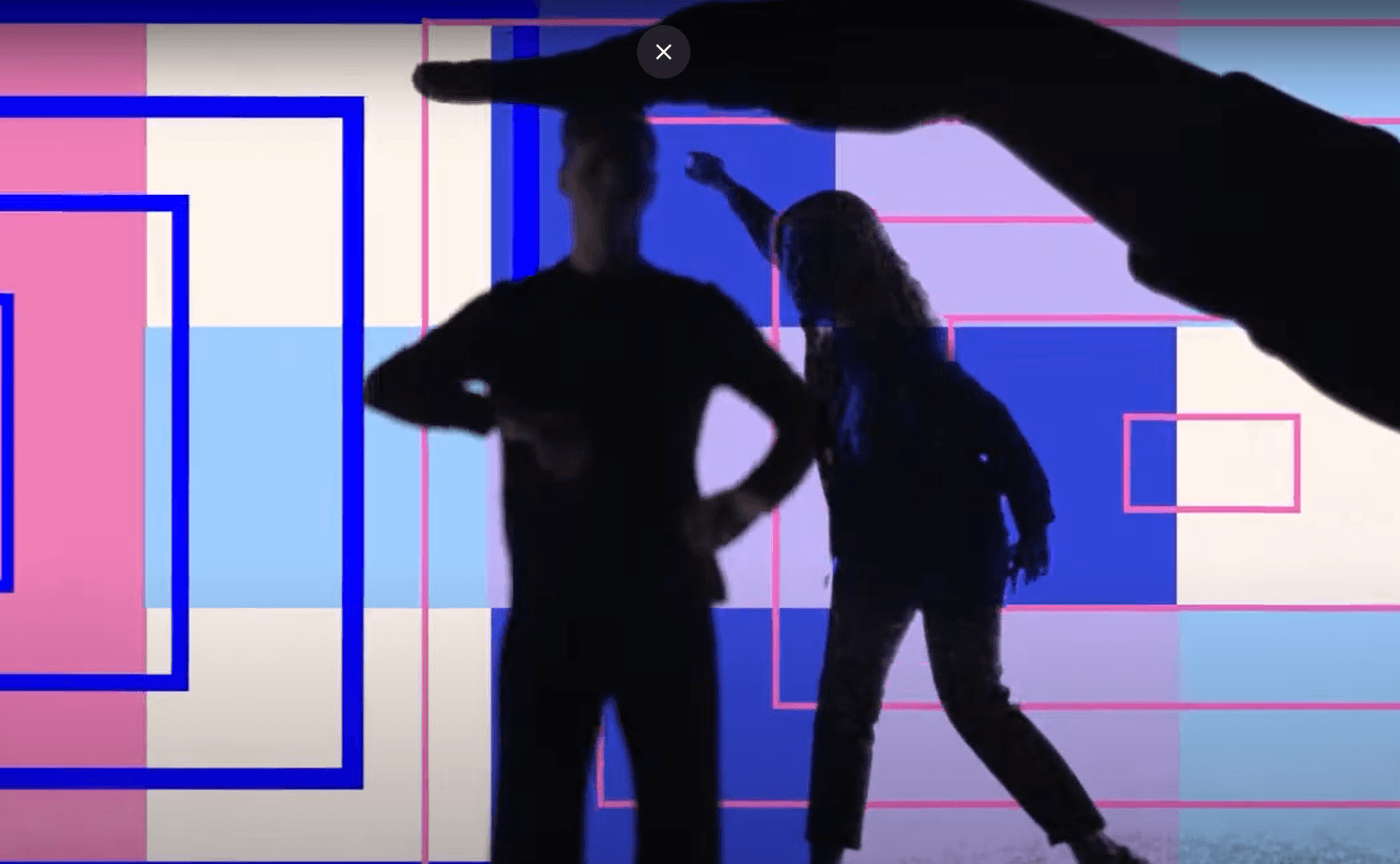
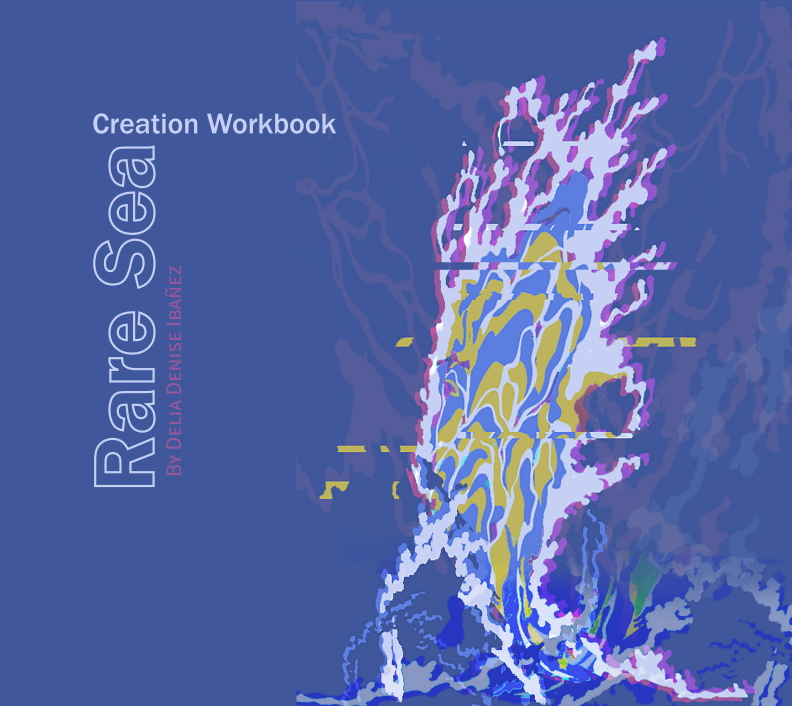
I am grateful to have both intergenerational family lineages and academic training in the arts. My fiber arts practice was taught by my mother and grandmother, while painting and drawing I learned through osmosis from my father. In 2020 I completed a BA in Performance and Movement and certification in Socially Engaged Practice in Design and the Arts from Arizona State University. In 2019 I received the Inaugural Creative Constellation Grant for my initiative, Rare Sea, where research into creation mythology from around the world was synthesized as creative prompts that were tested by Arizona dancers, poets, painters, and musicians. With those same prompts I created two dance films and a virtual-live duet which all featured 3-d fabric installations.
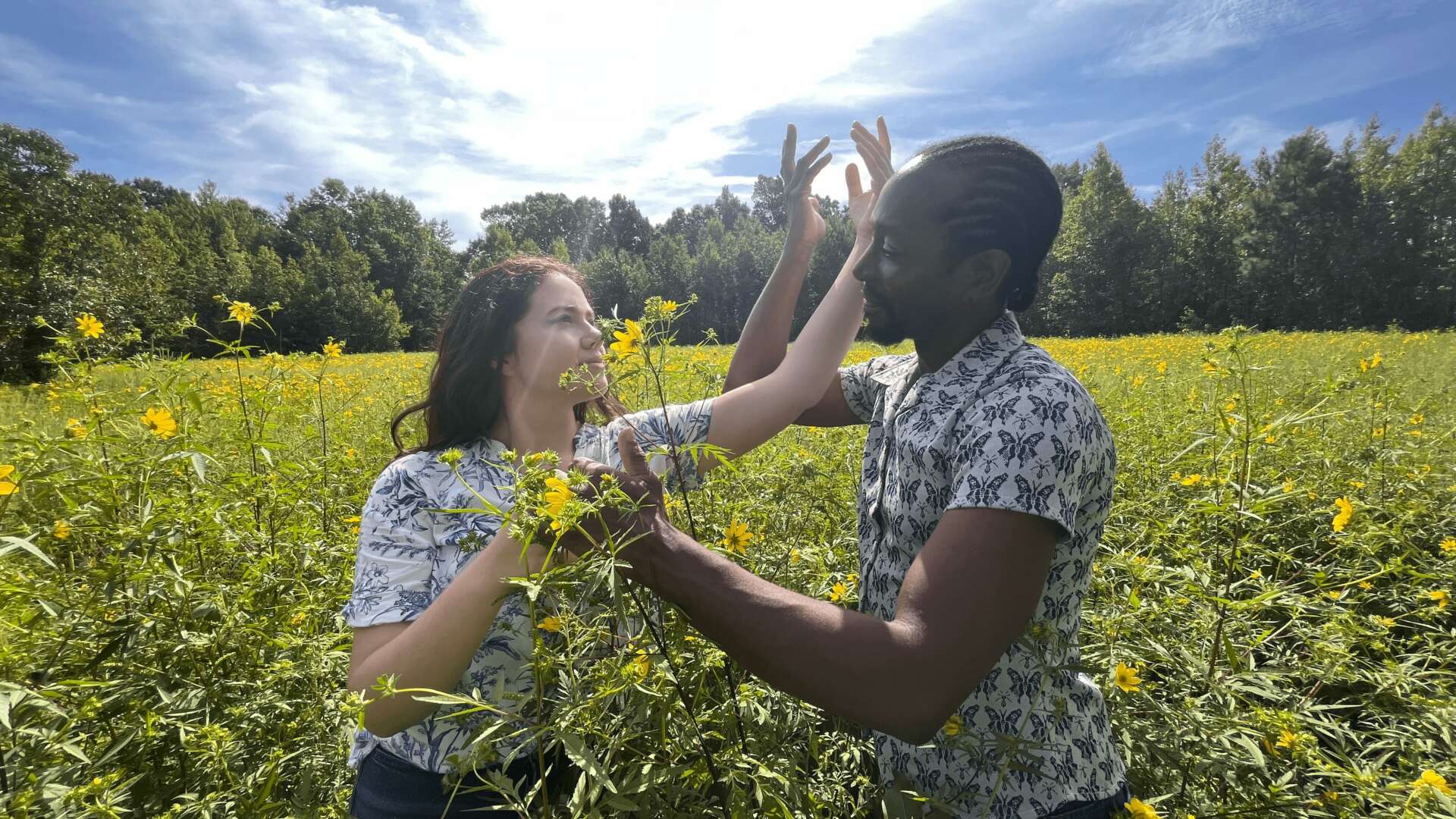
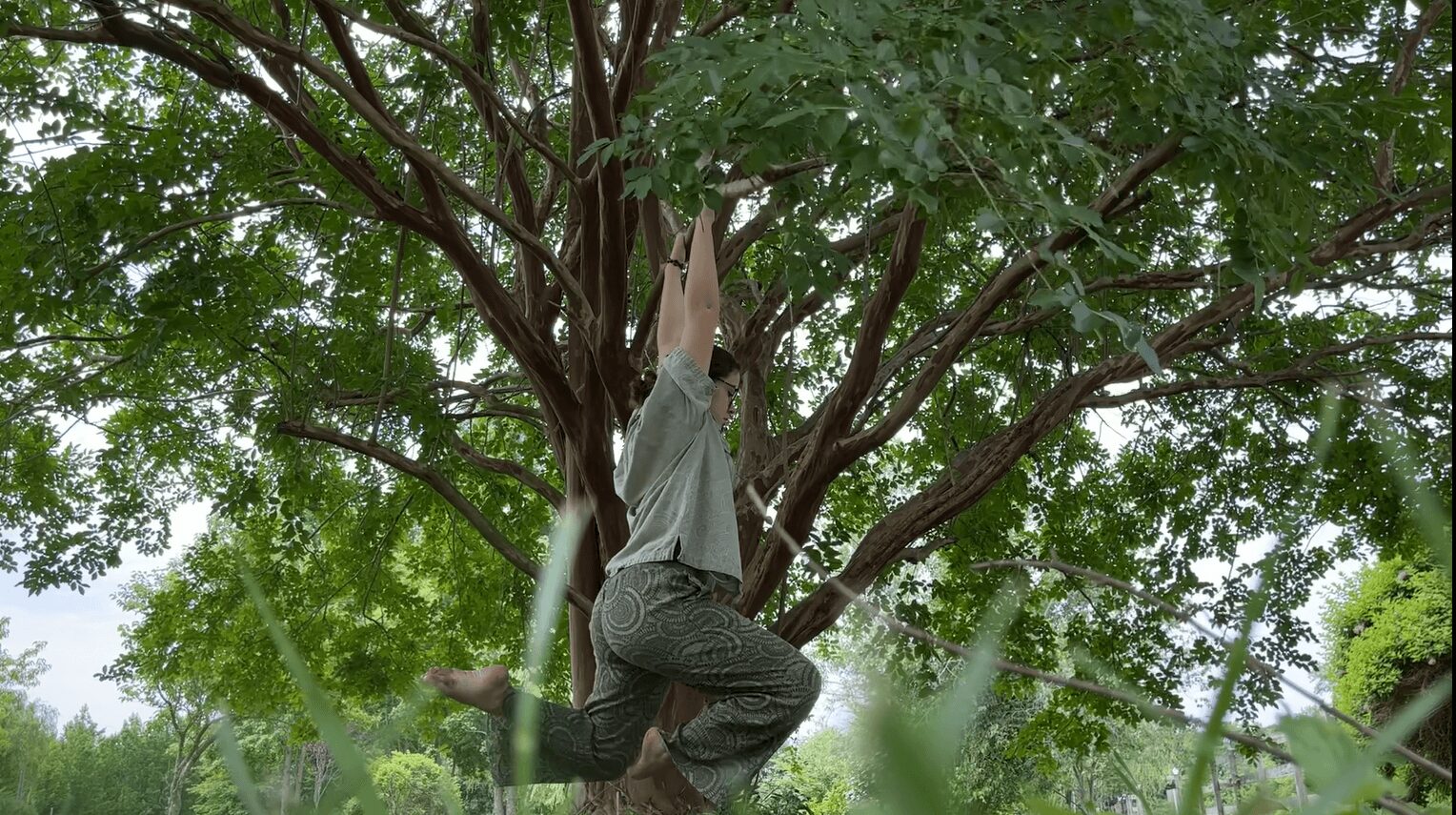
Culture is imbued in the materials I use to create work. I am inspired by recipes passed down in my family and how the lands of my ancestors influenced those foods. For instance, I might use the words written in a recipe as a movement generation tool, or paint a particular dish that takes me on an emotional journey. I create dance and film in the fields and forests where I grew up, and visual art, jewelry, and recipes using materials foraged from the same forest. I also model my process on relationships I witness – such as fungi and algae forming lichen, or violets huddling in the shade of crepe myrtle trees. This shows up in how I build relationships with artists, focusing on finding our “ecological niche” or creating systems that leverage each collaborator’s gifts rather than focusing on deficits or competition.
As an artist who thrives in intentional community, I’ve been a member of the Latinxtensions National Cohort, Anti-Oppressive Dialogue for Dancers, Queer Farmer Network, and Grey Box Collective. My local community of practice is the latinx/multicultural dance communities of metro Phoenix, Tucson, and Douglas. I attended the Dance Exchange Climate Institute by invitation in July 2023 and have continued to be in exchange with the Institute’s directors, Cassie Meador and Dr. Jame McCray, regarding the role of dance artists in climate action as storytellers and social change makers.
Readers can engage with my work by taking advantage of the free Rare Sea Creation Workbook available on my website or listening to the Process in Place Podcast. I am happy to consult on artist residency programs, supporting the arts in a rural community, or grant funding to individuals. Keep an eye out for my choreographic project, “My __ Body is an Estuary” which has performances set in the East and the West through 2024 and 2025. Learn more about my Artist Residency offerings also on my website and Instagram. There are openings for individual artists in the Spring and collectives in the Fall.
How can we best help foster a strong, supportive environment for artists and creatives?
In last year’s Arts and Economic Prosperity study by Americans for the Arts it was found that 78% of the population believes “the arts improve personal wellbeing” and 72% of Americans believe, “The arts provide shared experiences with people of different races, ethnicities, ages, beliefs, and identities (gender, political, national origin)”. We know that the arts are vital, especially post pandemic when we’ve seen how the entertainment industry and personal creativity kept us collectively afloat through quarantine. Yet the human souls beyond that work go unnoticed and undervalued. We as creatives must be extremely active about not hiding behind our work. We can choose to be transparent about our processes in order for audiences and potential clients to understand the work and time they are putting their money towards.
My wish is for individuals to purchase consciously, considering the time and labor that goes into both the individual piece of art and the training to get to the point of having a unique and meaningful creative practice.
The same study mentioned above found that arts volunteers generated 3.6 million dollars in value in 2022 alone. Far too often creatives are being asked to volunteer or be paid in exposure (with social media no one needs exposure in that way anymore). It’s shockingly common for artists to be expected to pay outright for opportunities with application fees to enter juried showcases or apply for residencies, registrations for booking conferences, or musicians being required to buy a large portion of tickets and take the responsibility for selling them. We can demand that larger creative organizations and enterprises practice transparency, ensuring appropriate compensation for the actual artworkers making their products. As creatives we need to completely divest from pay-to-play opportunities. No more application fees, no more artist-paid residencies or performances.
We ultimately need to hold funding organizations and business loan makers accountable to creating funding streams directly to individual artists at varying stages of their careers. And those in small to medium organizations or enterprises need to be the ones to face up to large organizations and take a stand against inequitable practices or else it will trickle down and impact the artists the most.
Are there any books, videos, essays or other resources that have significantly impacted your management and entrepreneurial thinking and philosophy?
I am inspired by the Emergent Strategy Ideation Institute and their discussion of natural phenomena as metaphors for facilitating communities. I am committed to existing as a part of my ecology. To tie that back to some tenants of the book Emergent Strategy by Adrienne Maree Brown: Fractals- repeated patterns across large and small scales- remind me that the way I hold a rehearsal is reflective of and has the power to change the larger dance sector. The murmuration of starlings shows how artists can react to their environment as a group without needing a distinct leader (this is both a choreographic tool and a lens for observing power structures in the arts).
Author Sophie Strand does amazing work contextualizing mythology through the ecology of its time and place and really holds space for intersectionality. My creative process is informed by myths and the ecological context that creates them, by nonhierarchical structures, and by feeling comfortable in long luxurious mycelial processes. I hold the reality that the mushroom of a performance may be the only piece of a much larger process that some people will see. That small piece still provides a significant amount of nourishment. Sophie Strand’s essays and upcoming books are a great way to dive further into that kind of thought process.
Finally, I would recommend individual artists and smaller collectives look through the resources provided on the Grantmakers in the Arts website. It’s a great place to gain understanding of the field as a whole. But the Support for Individual Artists page has great field studies that can be helpful if you need to advocate for higher pay for yourself.
Contact Info:
- Website: https://www.deliadibanez.com
- Instagram: @processnplace
- Other: https://app.thefield.org/home/project/366
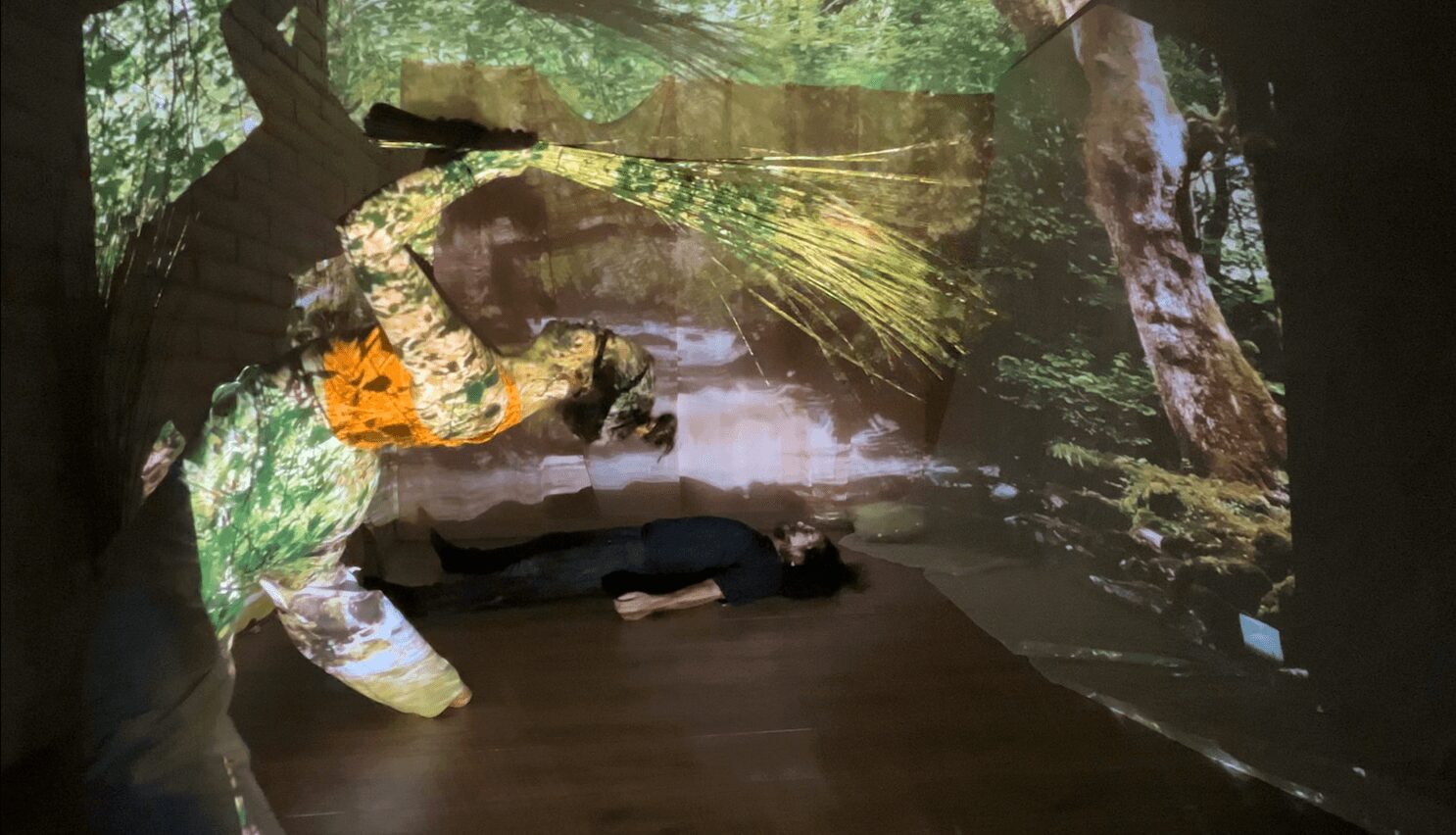
Image Credits
Justin Villalobos, Studio ninetysix, Jenny Gerena, Ri Lindegren