

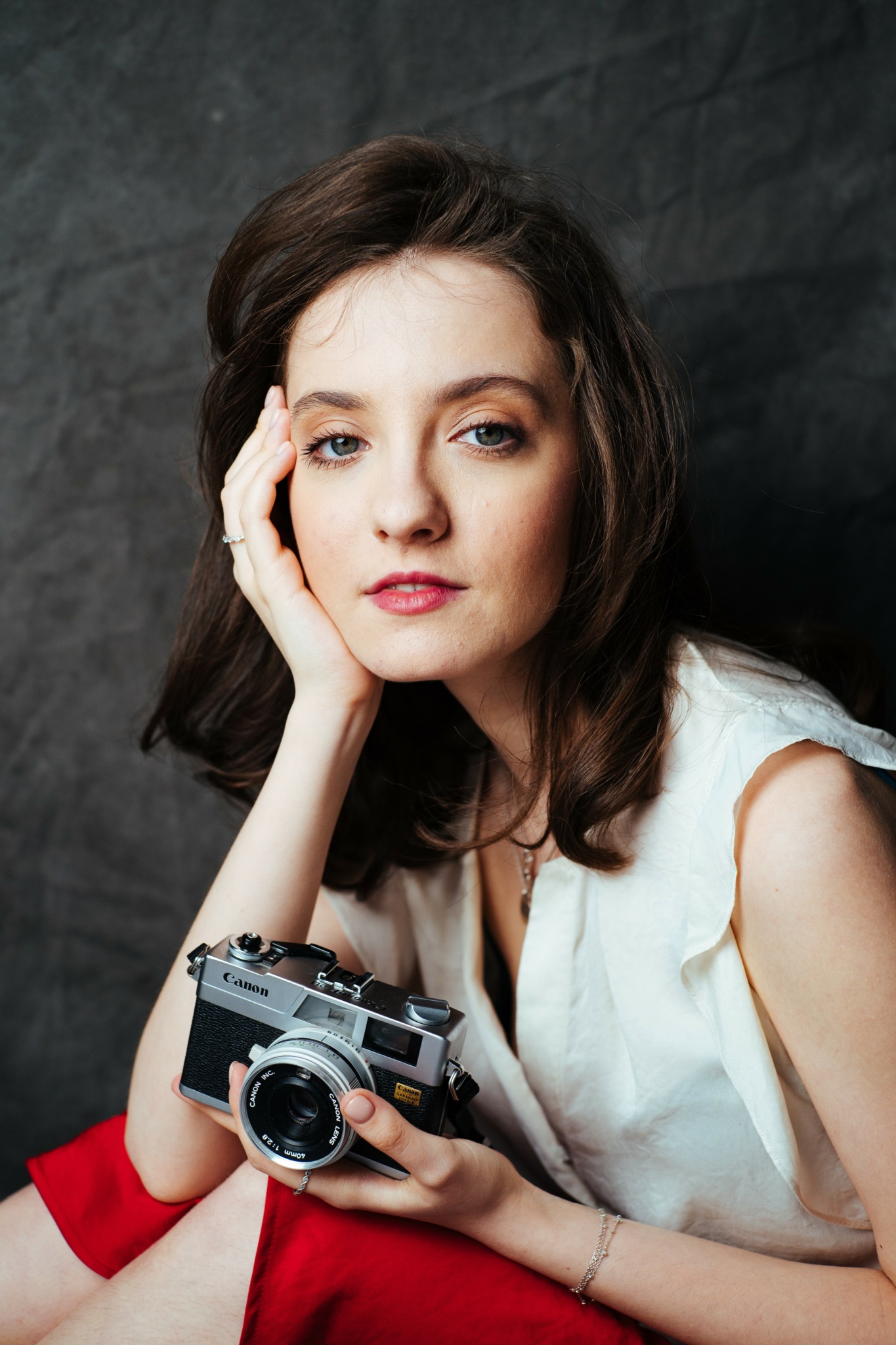

Alright – so today we’ve got the honor of introducing you to Delia Dumont. We think you’ll enjoy our conversation, we’ve shared it below.
Alright, Delia thanks for taking the time to share your stories and insights with us today. Can you talk to us about how you learned to do what you do?
I’ve learned through constant practice & incredible mentors. Much like Sylvia Plath’s fig tree, I have always felt like I could be and learn anything with consistency and guidance. Maybe that is why the fig that I’ve chosen has not one branch, but three (and who knows how many more will sprout out in the years to come): Directing, Photography & Producing. They’ve all come in their own time, but are complimenting each other beautifully in my life and work.
Theatre came first, quite unexpectedly. My mother, mentor no. 1, enrolled me into an acting class, hoping to fill the lonesome time I had after school. I didn’t make much of it at the time, as I was only ten, but I would always come out of that class with a big smile on my face, and so I kept going back. Later, in my teens, I joined my high school’s drama group – mind you, my sights were not set on art at all, as our school’s main focus was Mathematics & Sciences. At the time in Romania, my home-country, it was very rare that a teenage acting troupe would do musical theatre. But ours did – all thanks to our inspiring computer science professor, with a great passion for theatre. But because we did not have a director, we would stage the shows ourselves, translate the book and lyrics into Romanian, come up with original choreography, design costumes, sets, organize rehearsals, etc. This was no easy feat, as you can imagine, but the act of rolling up our collective sleeves and just doing it as a community led to some of the biggest lessons in life and theatre I could ever ask for. I hold deep gratitude for the people I’ve shared the stage with and the mentors we’ve had along the way.
At the time I didn’t know how to direct, but in my senior year I began ‘editing’ the shows that we had already been staging – through collaborating with light & sound operators, suggesting new prop pieces etc. I definitely enjoyed performing, but being on the other side of the stage, watching my colleagues shine because of one of the adjustments I’d implemented, made me feel like I belonged.
This is when photography came along. I trained formally for about 4 years, having another extraordinary mentor guide me through the world of light. His lessons truly opened up a visual world for me, one I had never encountered before. And so, I started photographing anything and anyone I could find: portraits, products, I would compose visual essays and even experiment with self-portraiture (one of the ways I kept learning through the pandemic). This passion quickly became my main source of income after graduating university, as my theatre background presented a big advantage when interacting with clients later. Speaking of, the years I spent as an undergraduate student have been some of the most exigent, demanding, mentally stimulating and effervescent years I have ever experienced.
The summer after graduation I went to the Cannes Film Festival, on a week-long accreditation, not having any connection to film other than being an avid cinema-goer. It is there that I met one of the groups of artists I am still working with to this day and where my producing side emerged. And so, I co-founded Wild Poppy Films, a women-led production company based in London and NYC, that strives to bring young, unknown voices onto the screen. My co-founder, Daria Popescu and I, have been producing short-films for the past 3 years, culminating with my film directing debut this past summer.
Most recently, I came to the United States seeking to learn even more. And lucky enough, here at Columbia University I’ve also acquired skills through doing. This program is built on consistency, aiming to fine-tune the theatrical muscle – specificity, curiosity, thorough analysis and continuously questioning our own definitions of performance.
As for obstacles, I am a strong believer that rejection is redirection, and I choose to understand obstacles more like a road diversion, rather than a road block.
This is a tough industry to navigate, that is for sure. But I consider consistency, empathy and a witty sense of humor to be the tools a director-photographer-producer needs most in order to cultivate safe, inspiring and productive rooms for fellow artists to create and thrive in.
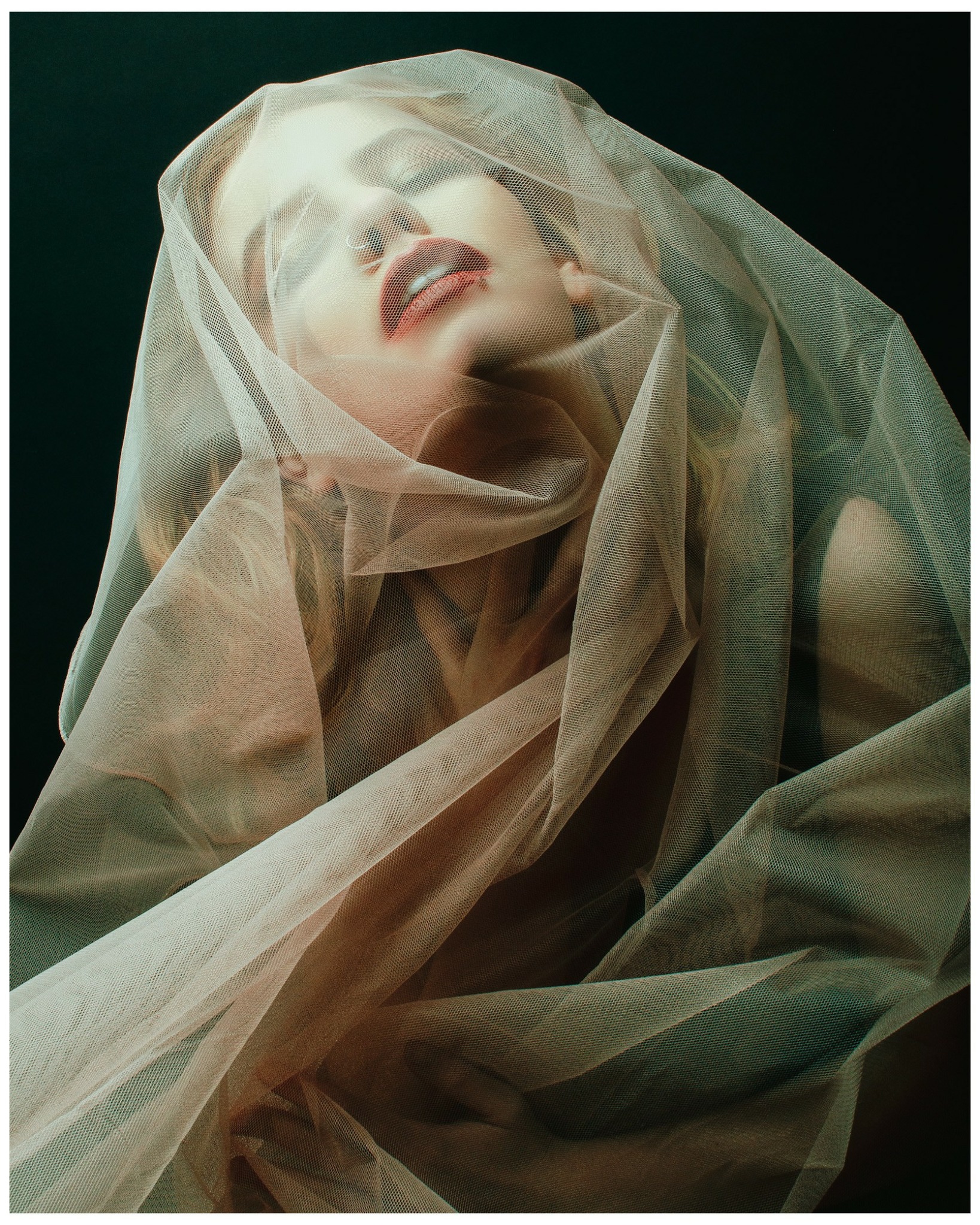
Delia, love having you share your insights with us. Before we ask you more questions, maybe you can take a moment to introduce yourself to our readers who might have missed our earlier conversations?
I am a director, photographer and co-founder of Wild Poppy Films, an indie film-production company. I am a curator of performance, seeking out dedicated artists and welcoming them to flourishing creative spaces. I advocate for collaboration, diversity, empathy and joy in my creative practice, be it theatre, film or visual art.
I believe directing is a paradox. It is difficult to define, as there is no singular physical instrument used as a tool to perform the action. Nor is the work of a director easily identifiable when watching a play or a film. Each performance represents the work of artistic professionals, each expert in their own field, woven together through a series of choices to form a rich tapestry. The task of harmonious weaving lays with the director, who cultivates trust and inspires with their vision. A director’s hands are all over the finished product, and if it’s a successful one, they haven’t left a single trace behind.
This wonderful paradox has become even more potent since moving to New York. My journey at Columbia University has been instrumental for my development as a professional artist, having the chance to learn from creators like Anne Bogart, Brian Kulick, Katie Mitchell, Saheem Ali, Maria-Jose Contreras and Carey Perloff, exploring both avant-garde and classical performance, while experimenting with different genres of performance. In my work, I draw inspiration from dance theatre – Akram Khan, Pina Bausch and Alexander Ekman, as I believe movement to be the ultimate performative language.
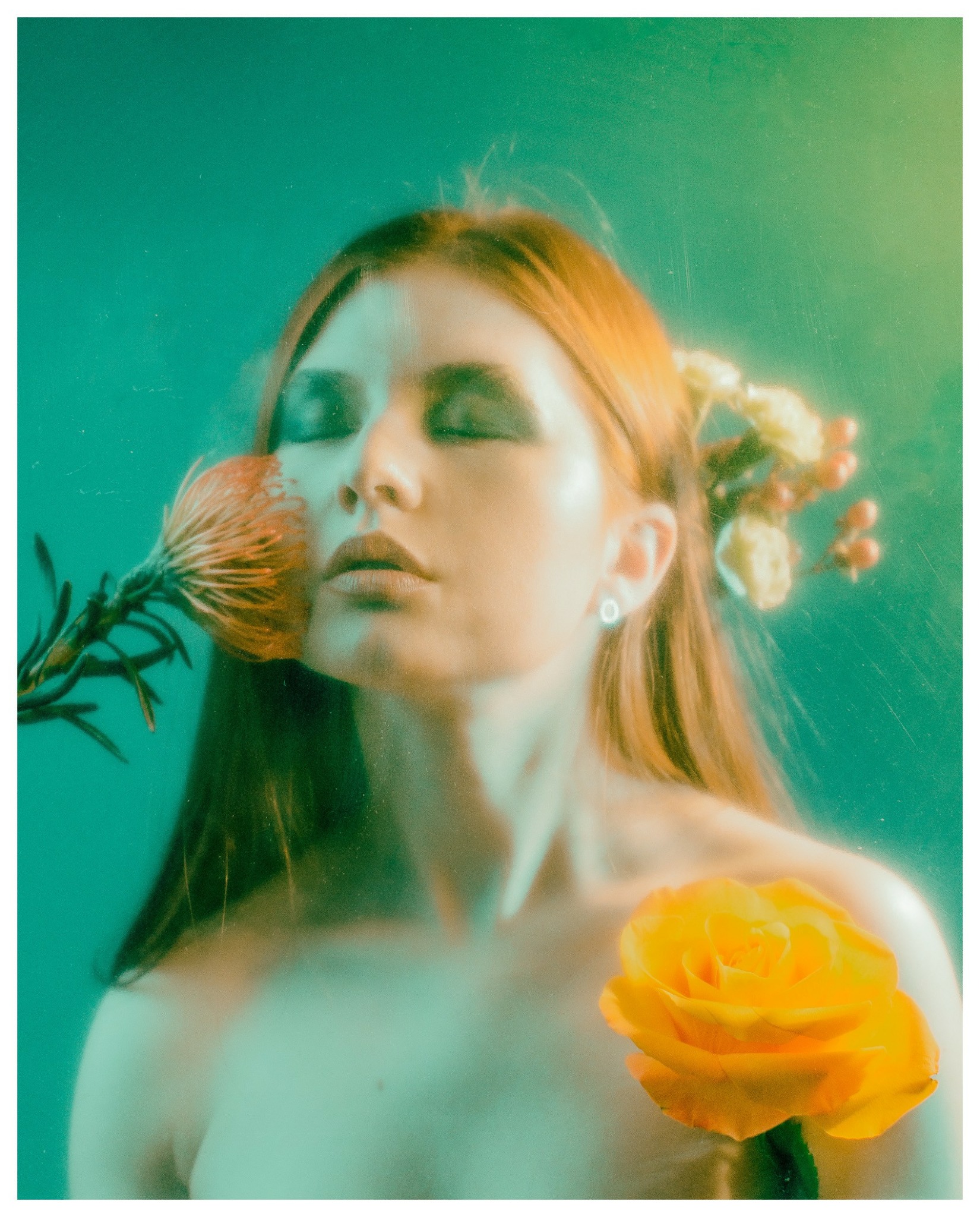
What’s a lesson you had to unlearn and what’s the backstory?
We’ve only talked about learning so far, so shifting gears to un-learning seems like an interesting challenge. Moving to a different country to pursue my career has definitely been an occasion for mindset change. Since being here, I’ve become more and more appreciative and, dare I say, proud of where I come from and the cultural heritage that comes with it. I have recently visited the exhibition dedicated to the life and work of Alvin Ailey and the Whitney Museum. One of the things that stuck with me was him using the phrase “blood memories” to describe his work, as he drew inspiration from moments that defined him and the community he was part of. I began to wonder what my “blood memories” look, sound and feel like. When I think of Romania, I think of the work of Constantin Brâncuși, the whimsical symphonies of George Enescu and the beautiful resilience I see in the eyes of the women in my family. These images, sounds and senses flow through my veins, like “blood memories’ that I’m unlearning and relearning each time I create.
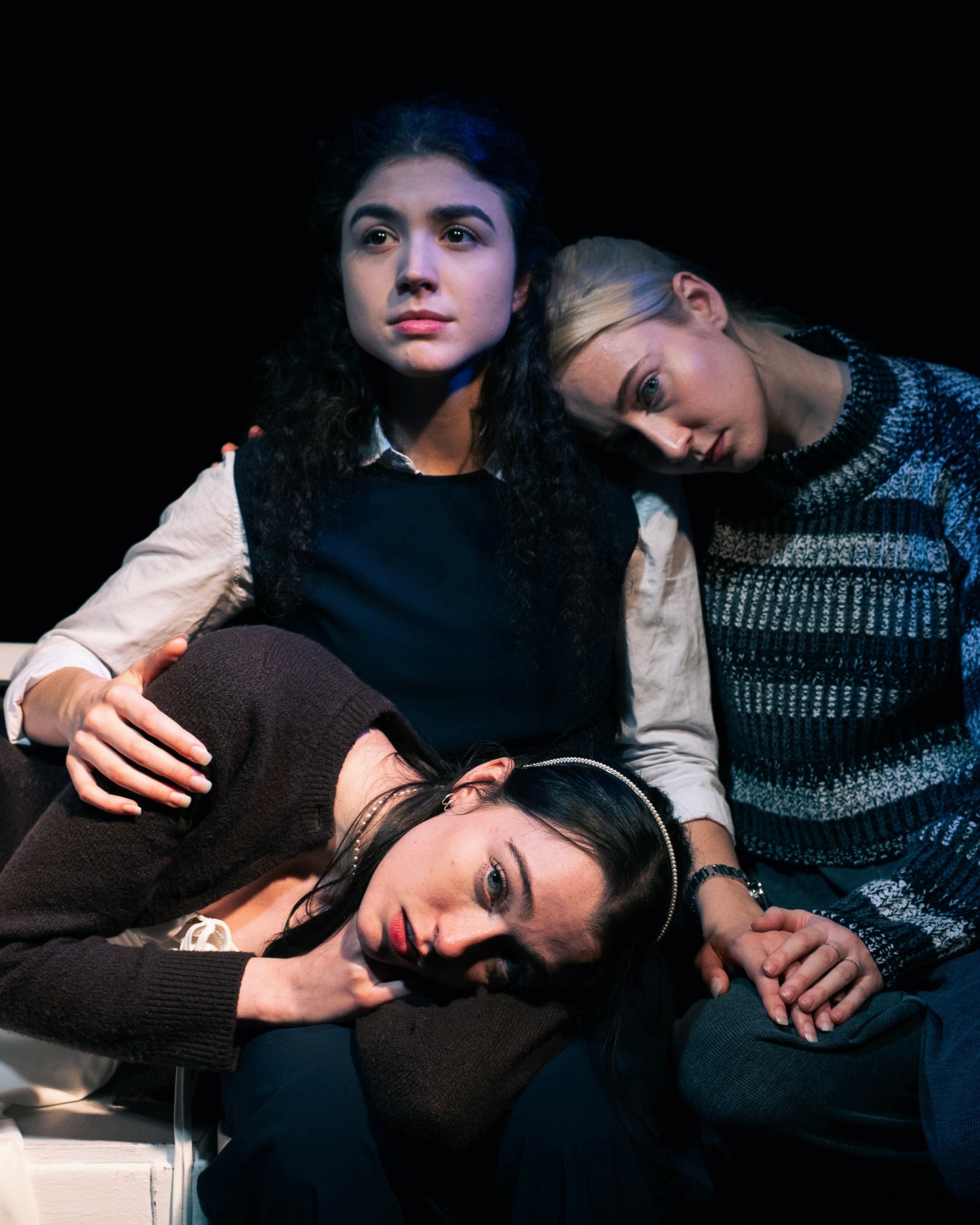
What can society do to ensure an environment that’s helpful to artists and creatives?
A thriving creative ecosystem is one in which communication flows in abundance, in which conversational channels are open and ready to receive and respond with the same amount of patience and empathy. Encountering any form of creative expression – theatre, film, visual arts – should be an opportunity for challenging and debating ideas, with the aim of bettering one’s self and/or society around us. And such an ecosystem is one where everyone has a seat at the table, regardless of their background, as long as their contribution is for the betterment of all.
Going to the theatre or to the cinema, consuming art in general and the curiosity of seeking it out should be a reflex exercised from a young age. And so, investing in our young theatre-goers is imperative, as right now access to theatre is conditioned by a steep price point or a lack of accessibility altogether. It is through educating and honing the artistic sense that we can thrive as a society.
Contact Info:
- Website: https://www.deliadumont.com
- Instagram: @deliaadumont & @dumont.visuals
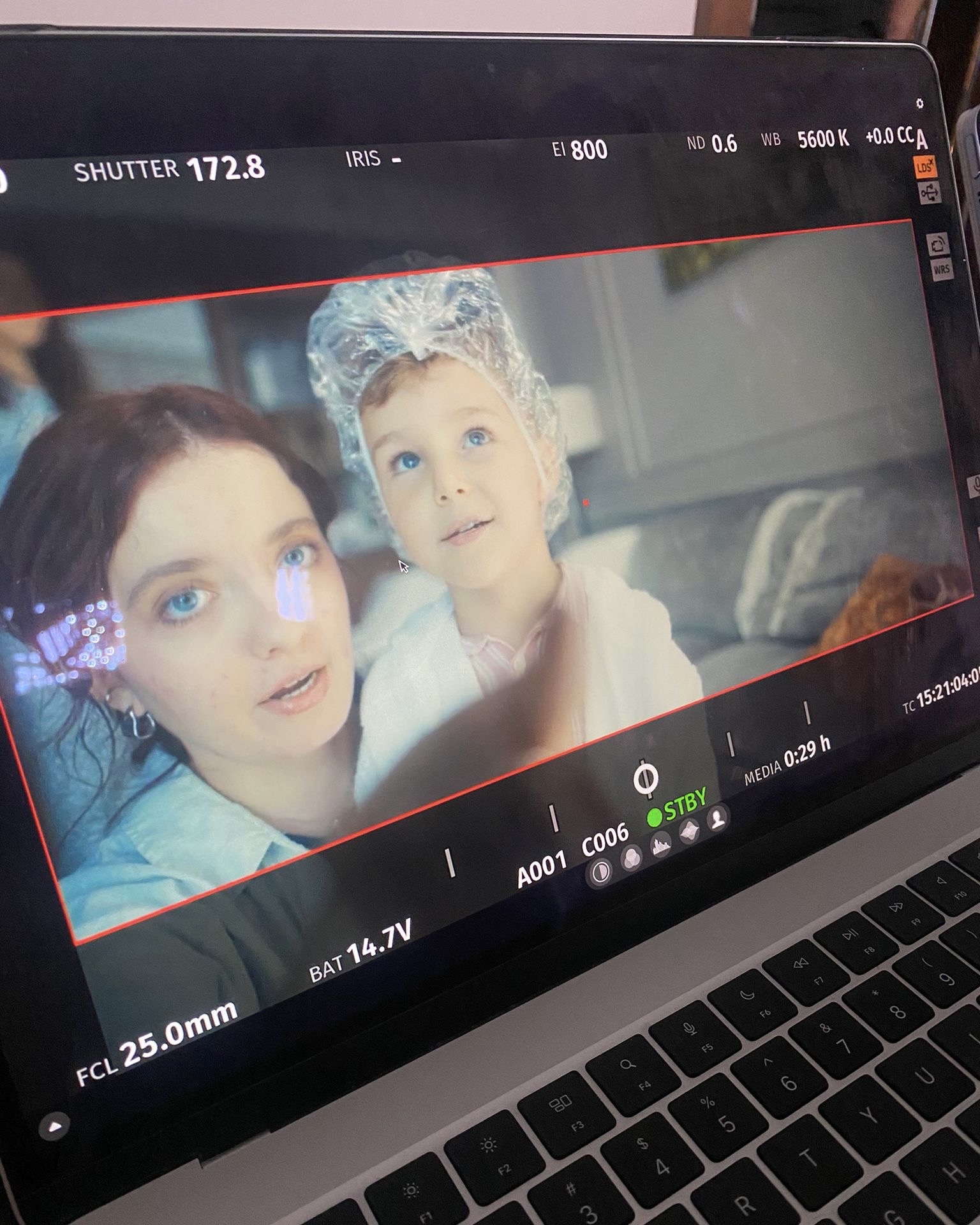
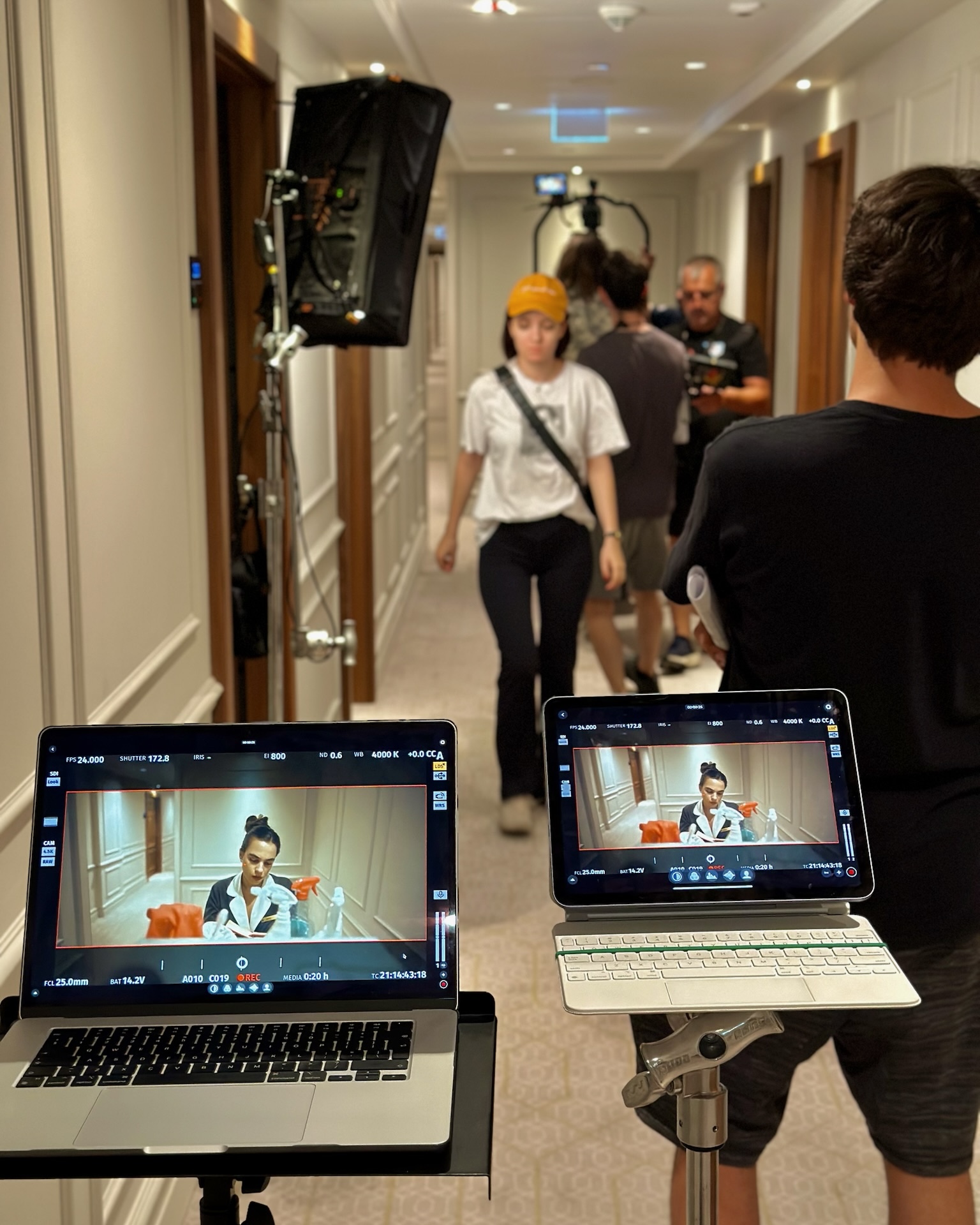
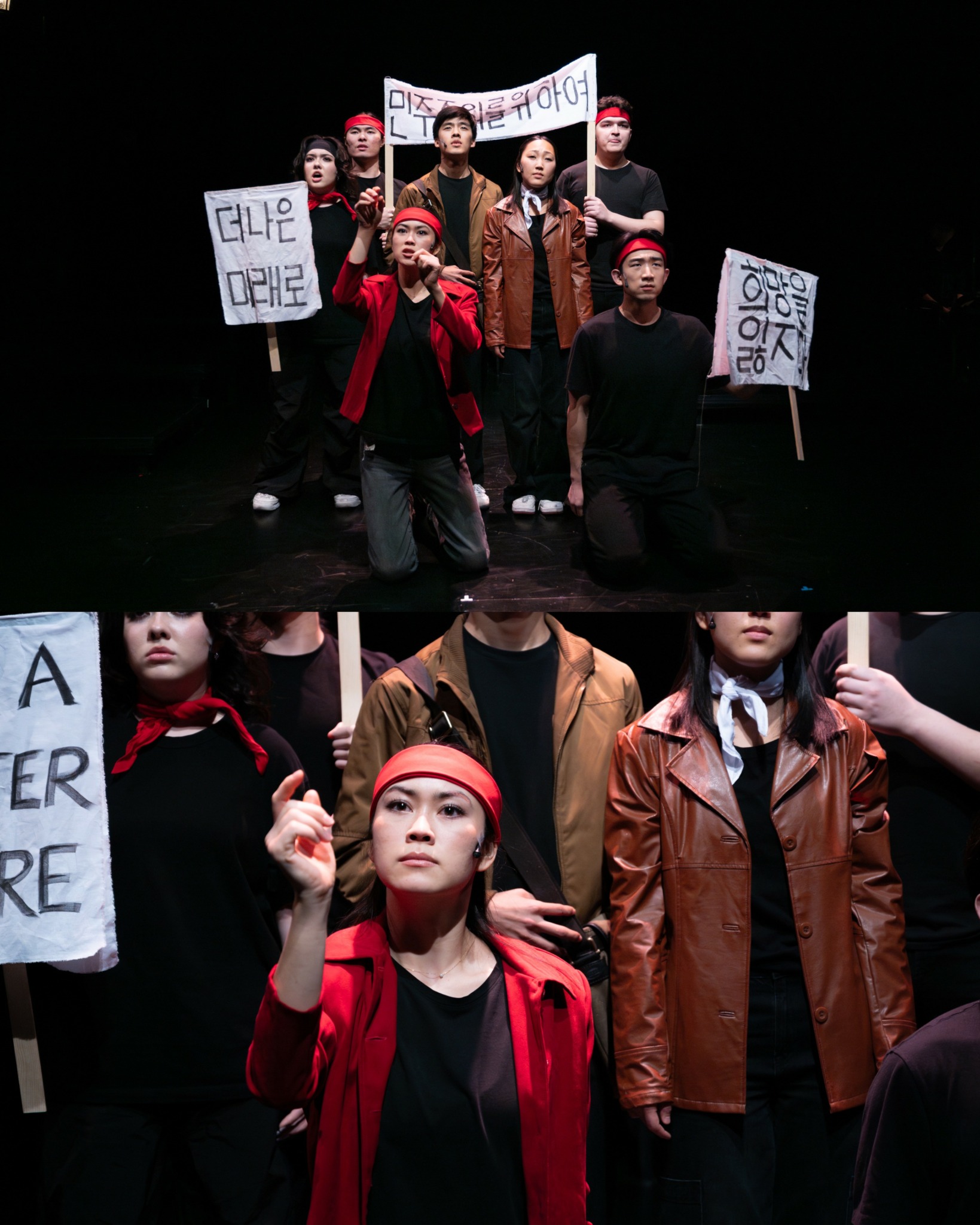
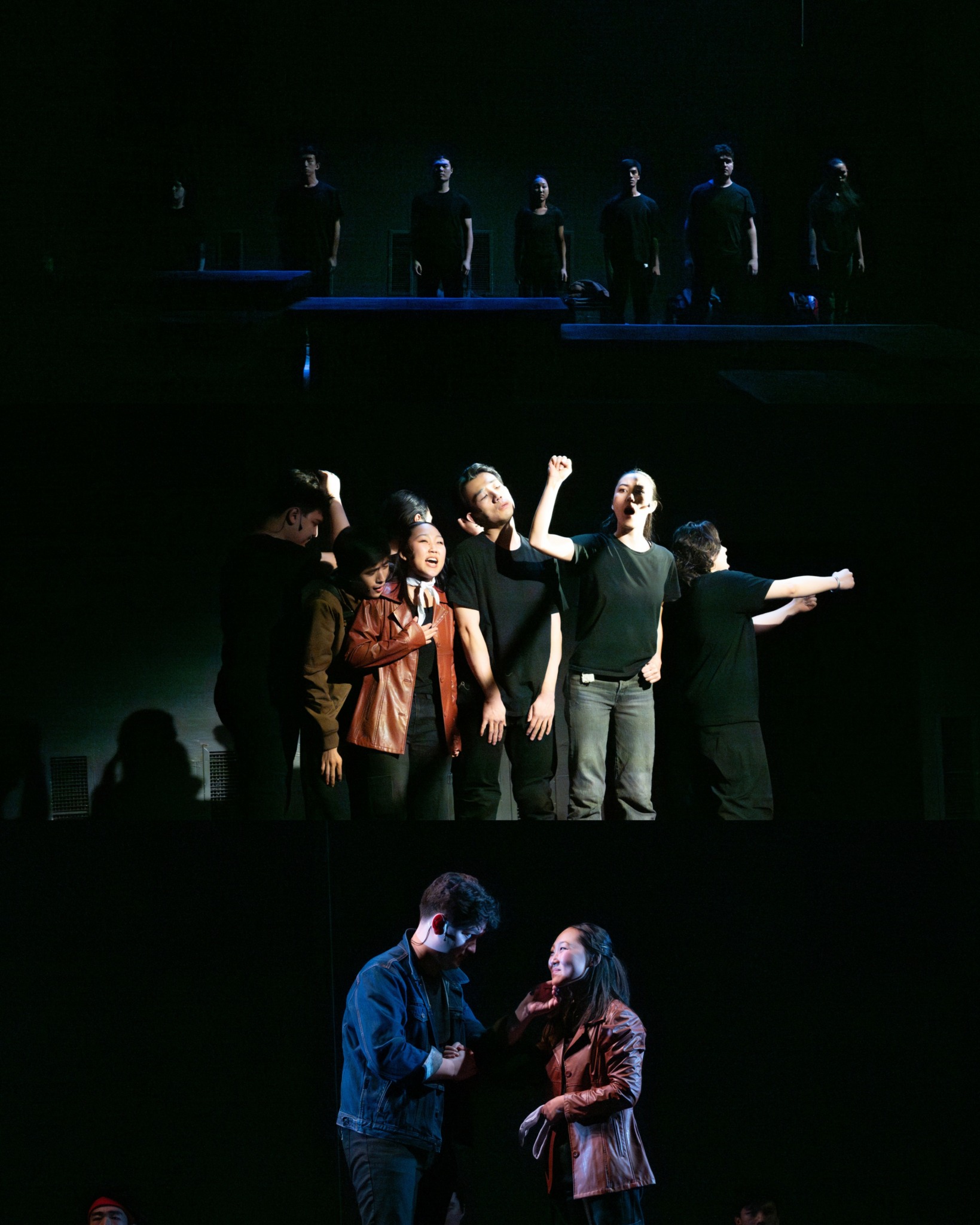
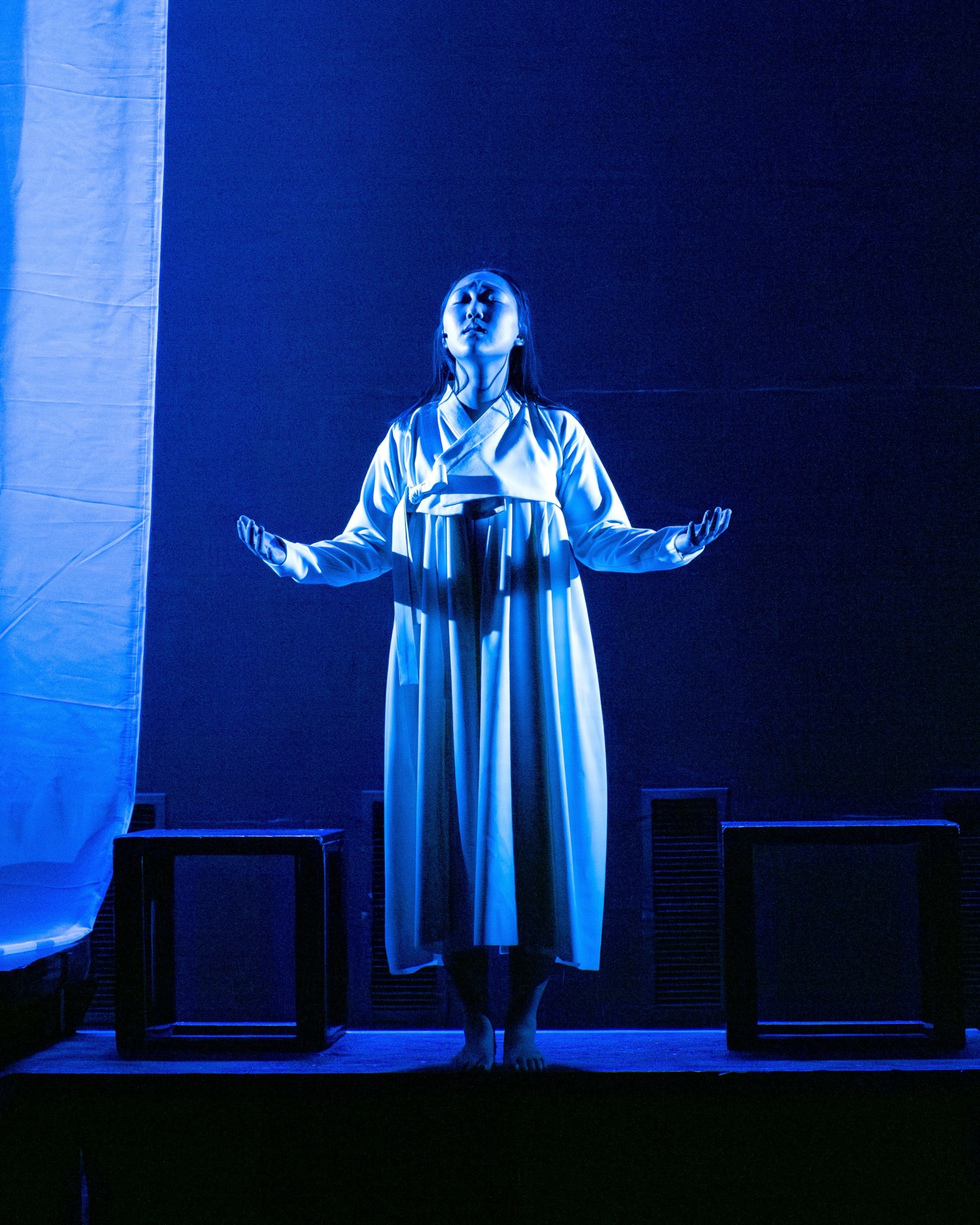
Image Credits
Delia Dumont, Adi Bulboaca