

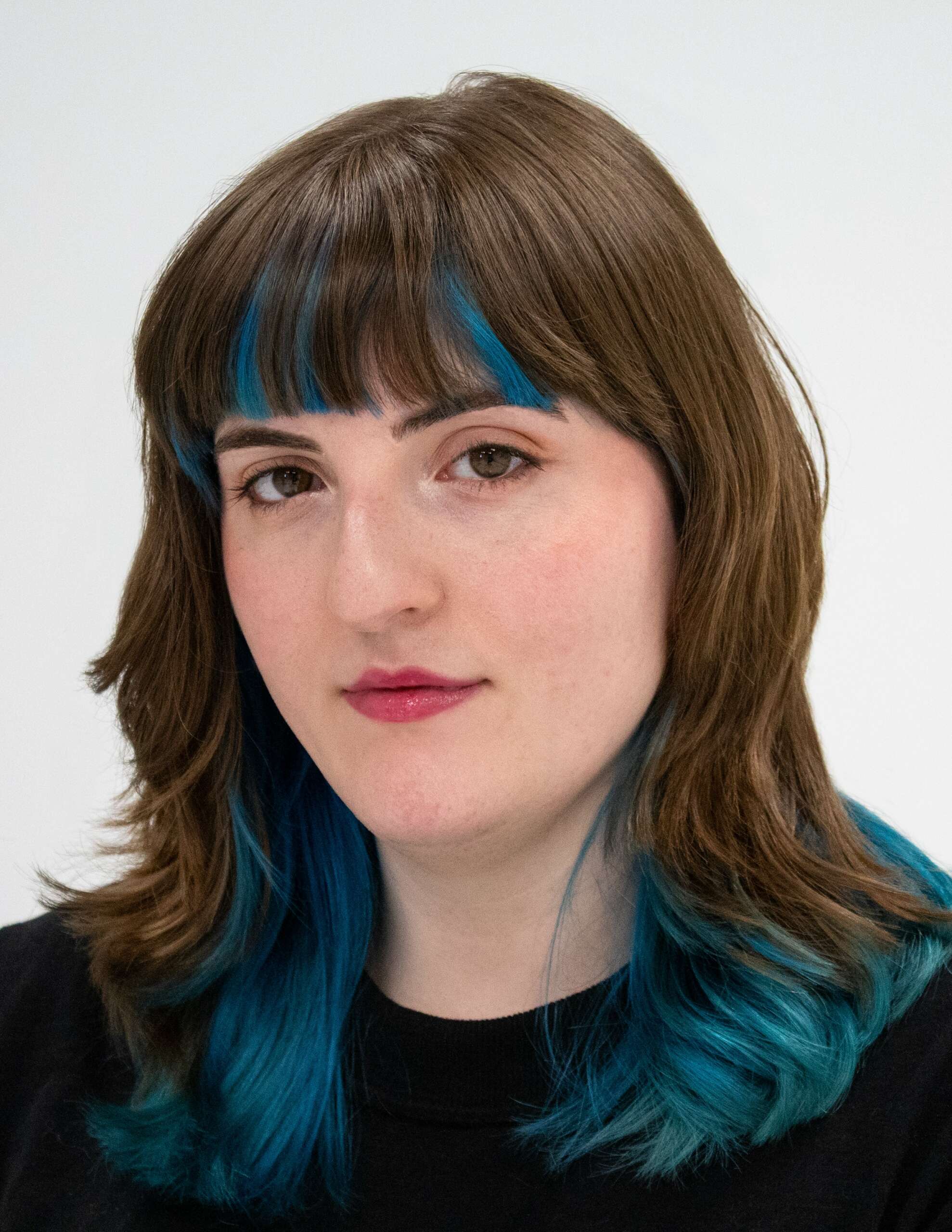

We were lucky to catch up with Delaney Rogers recently and have shared our conversation below.
Delaney , looking forward to hearing all of your stories today. We’d love to hear about when you first realized that you wanted to pursue a creative path professionally.
I have always been interested in the arts. When I was a kid, I would tell my parents I was going to become a famous artist and move to New York. Thankfully, they lovingly encouraged such dreams with gusto. I became interested in theater and visual art at a young age. I am grateful that the arts were well-funded in my hometown of Paducah, KY. Several programs were available for me to be able to pursue my passions. I took drama classes at the community theater, and my schools had robust art classes. I also grew to enjoy music and dance, taking part in band and dance classes in middle and high school. I started considering visual arts seriously as a career path during high school. I had a wonderful art teacher, Shand Stamper, who encouraged me to pursue higher education and apply to exhibitions. It was instilled in me by my teachers and my parents that I should pursue that which I was most passionate about. After some encouragement, I decided to get my Bachelor of Fine Arts degree at Murray State University. They have a wonderful and diverse fine arts program where I was able to explore and flourish under excellent mentorship. I developed an extreme love for fine arts, learning, and sharing my knowledge there.
Teaching has become a great passion of mine. I find that the ability to share the knowledge that I have accumulated is incredibly gratifying. So, I pursued a Master’s Degree. Achieving a Master of Fine Arts degree would grant me the qualifications to teach at the collegiate level. It was such an incredible experience for me to be in a higher education learning environment. I wish to share that experience with my own students.
I am now a Master of Fine arts Candidate at East Tennessee State University (graduating in May 2024). My thesis exhibition, ENDO/EXO, shows this year from March 25 to April 12, with a public reception on April 5th, 6-8 pm. Having been an instructor of record for two years here, my passion for art and education is as strong as ever.
Great, appreciate you sharing that with us. Before we ask you to share more of your insights, can you take a moment to introduce yourself and how you got to where you are today to our readers.
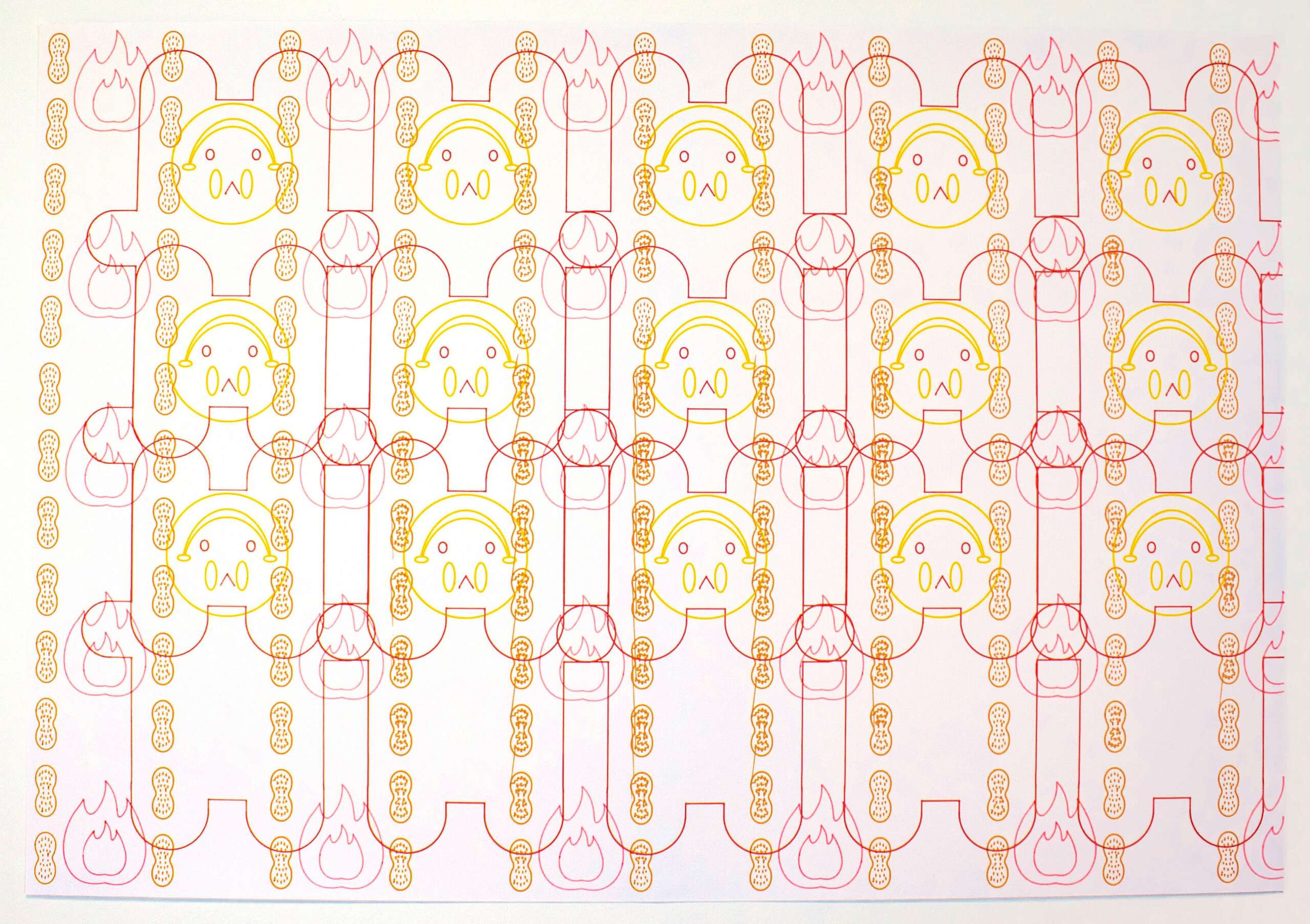
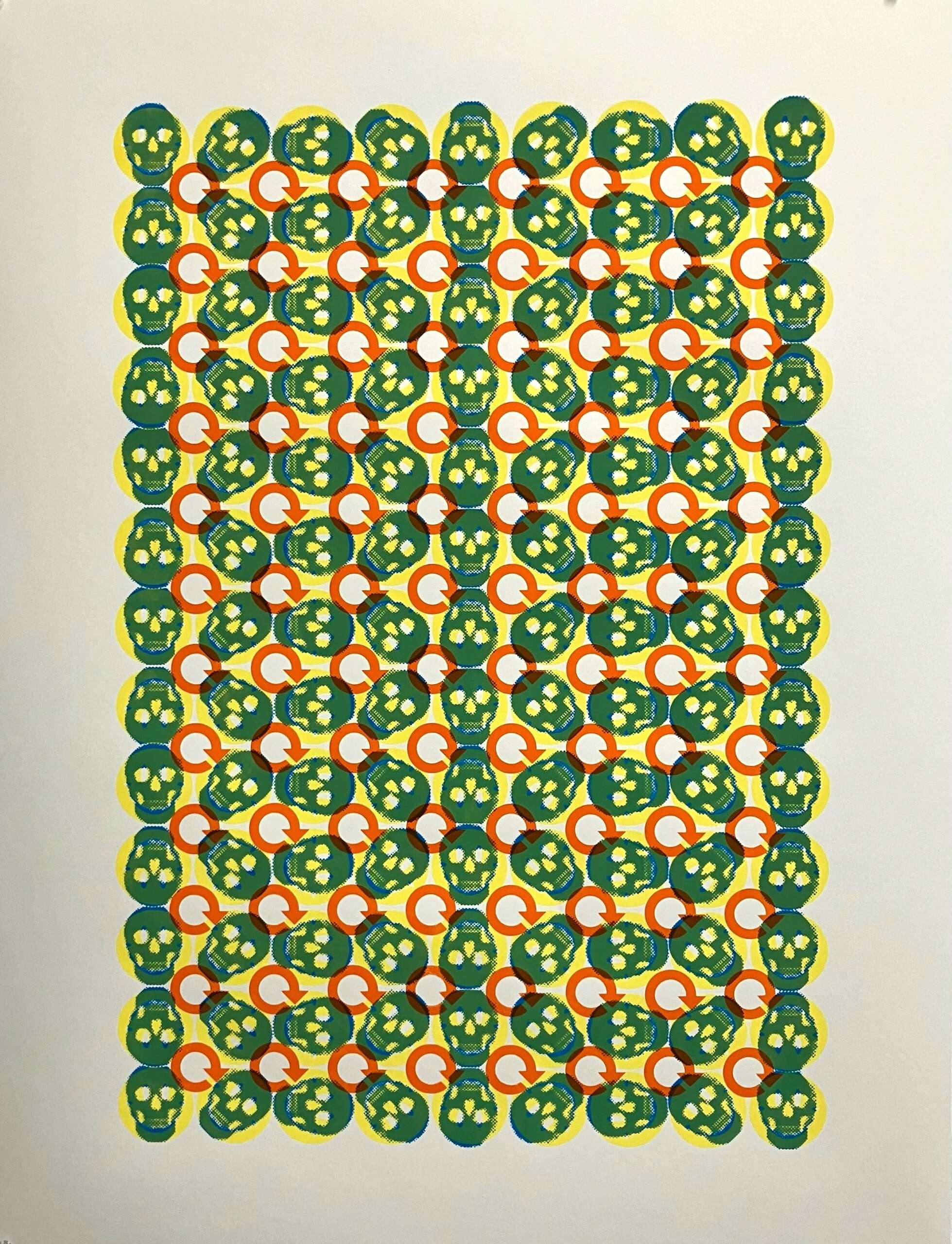
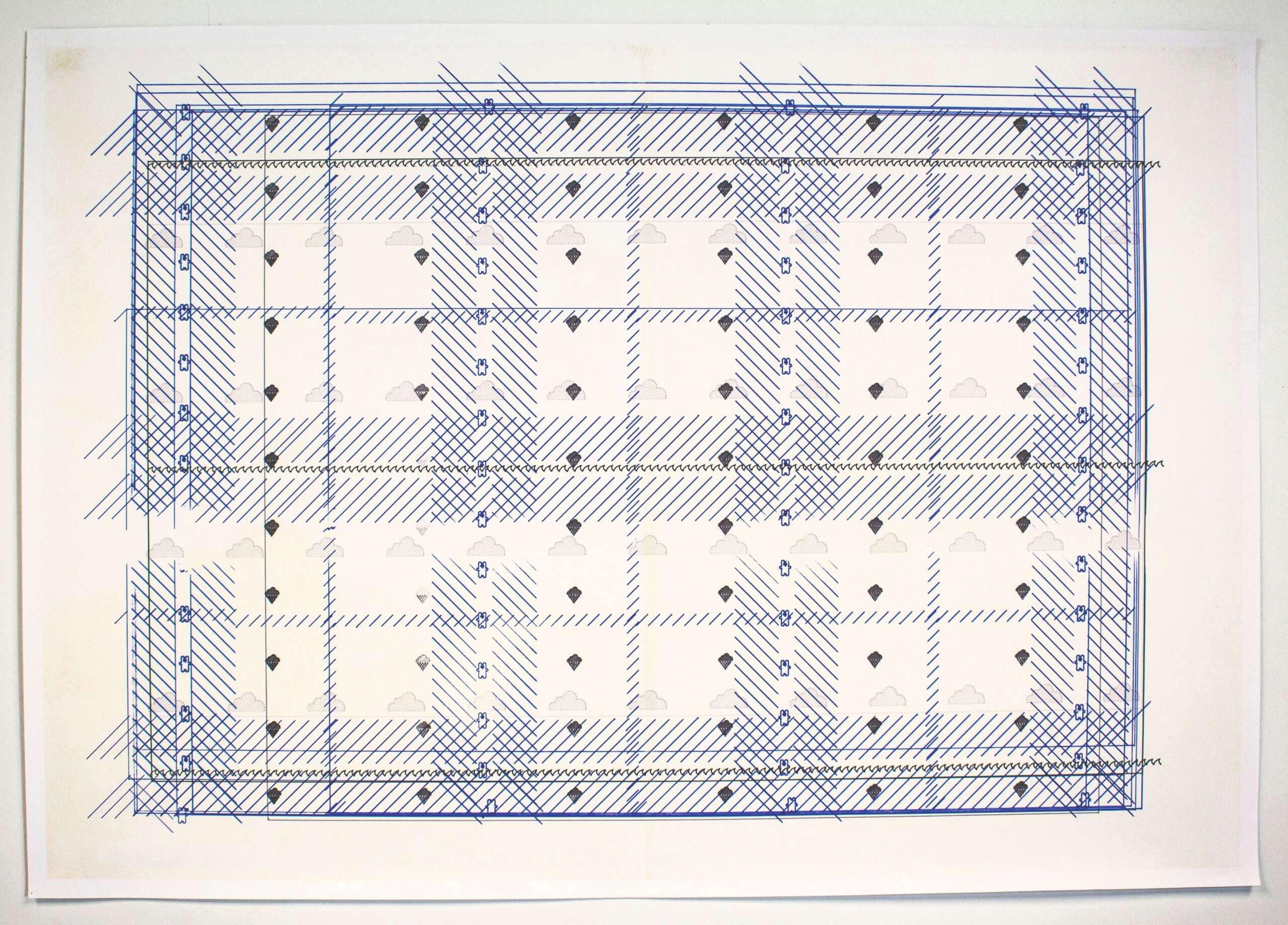
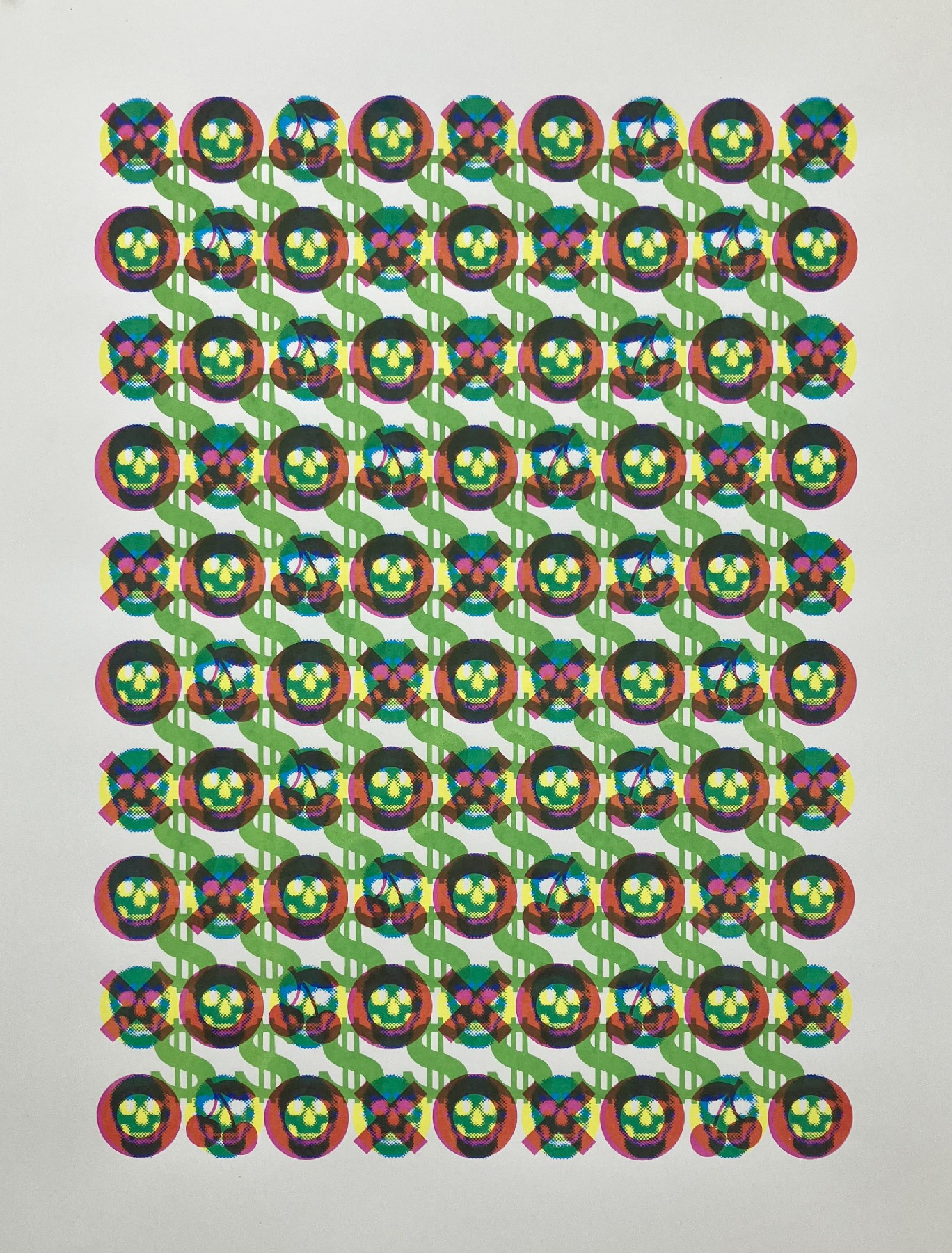
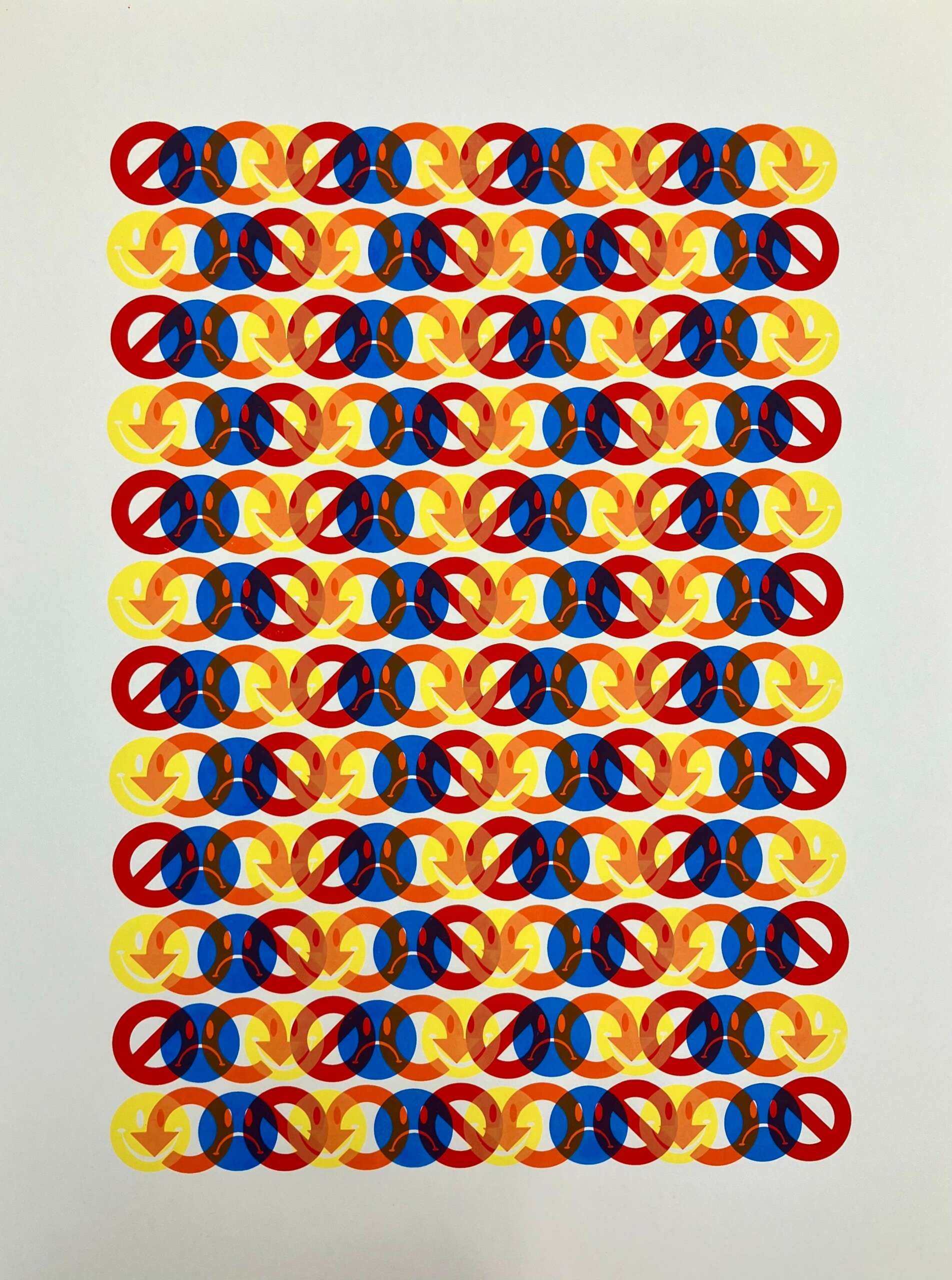
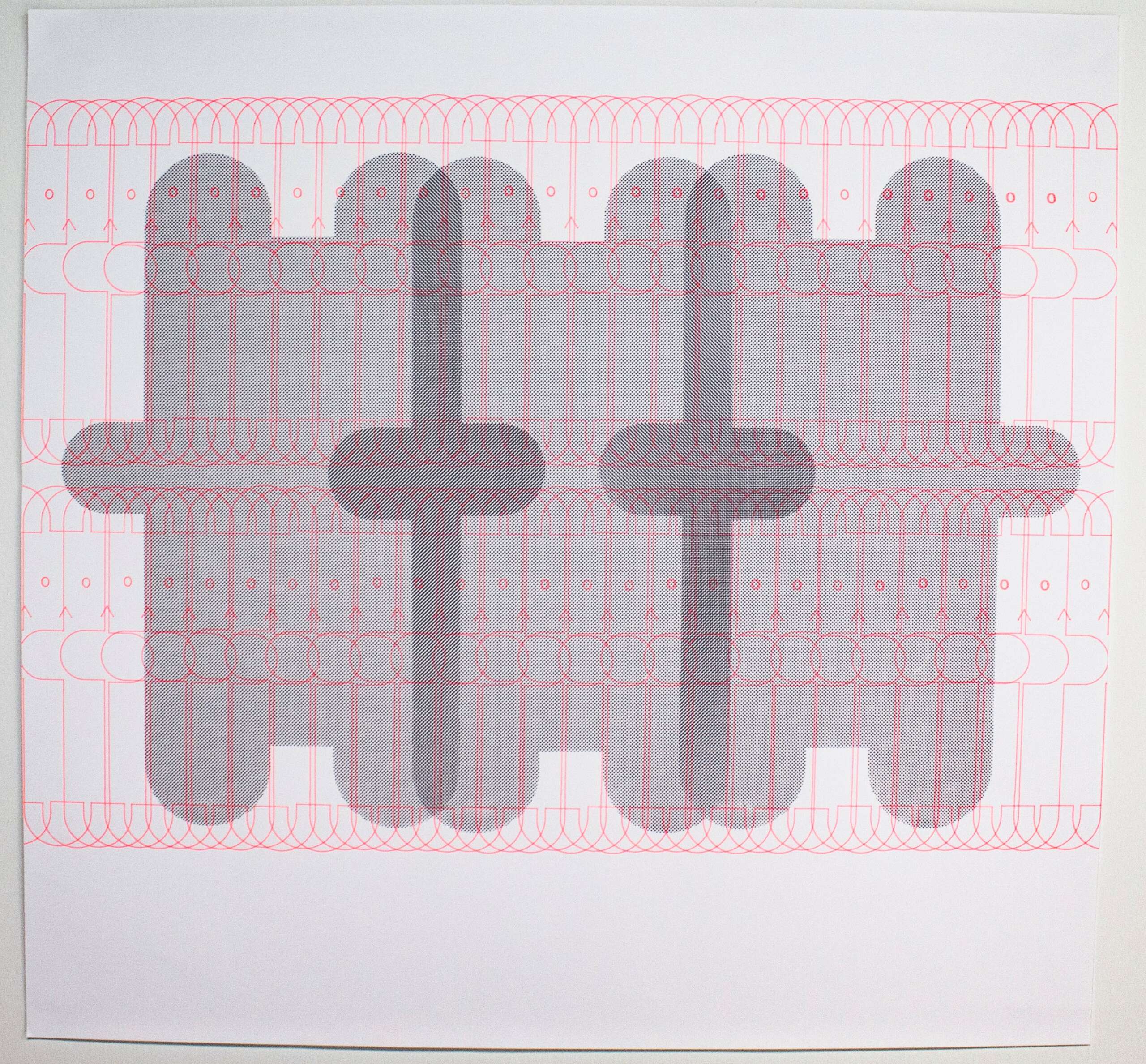
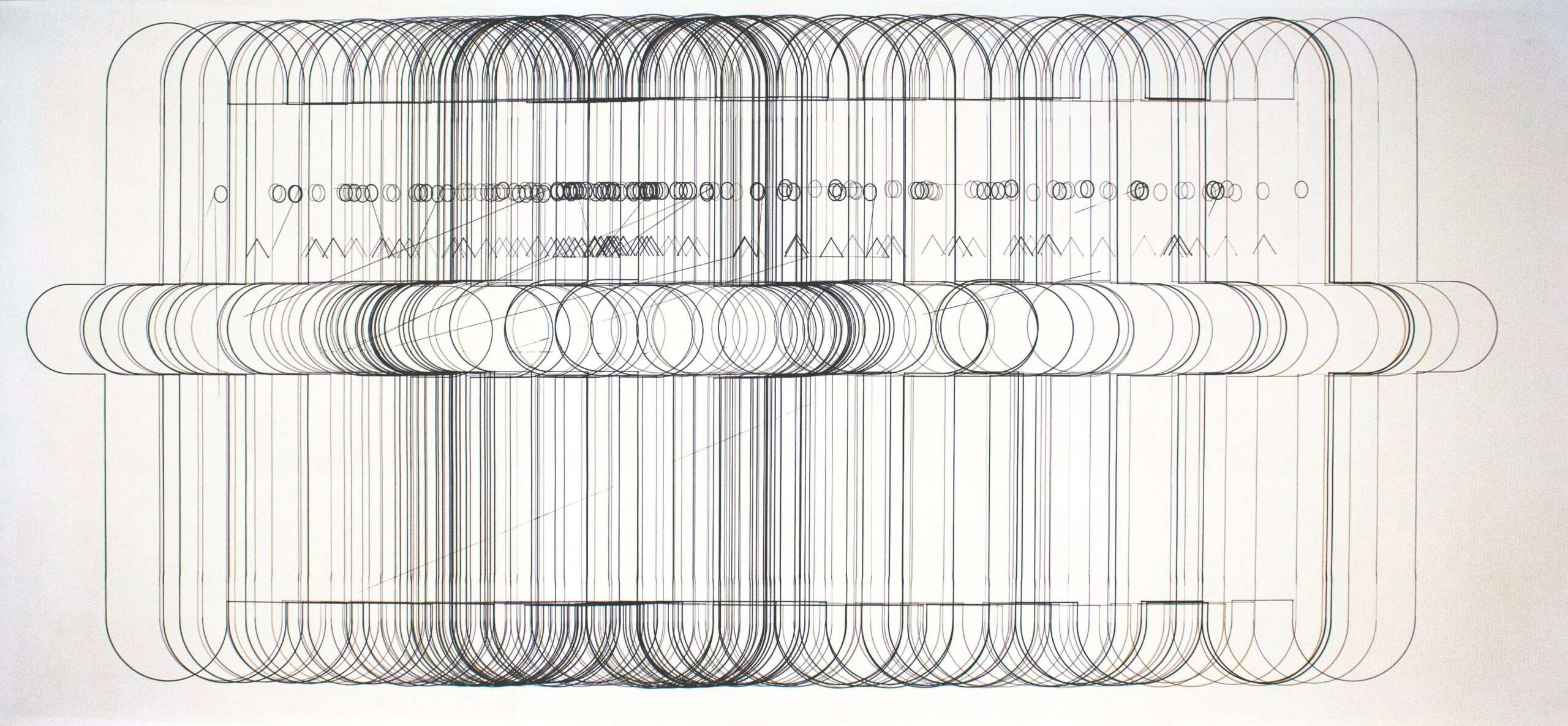
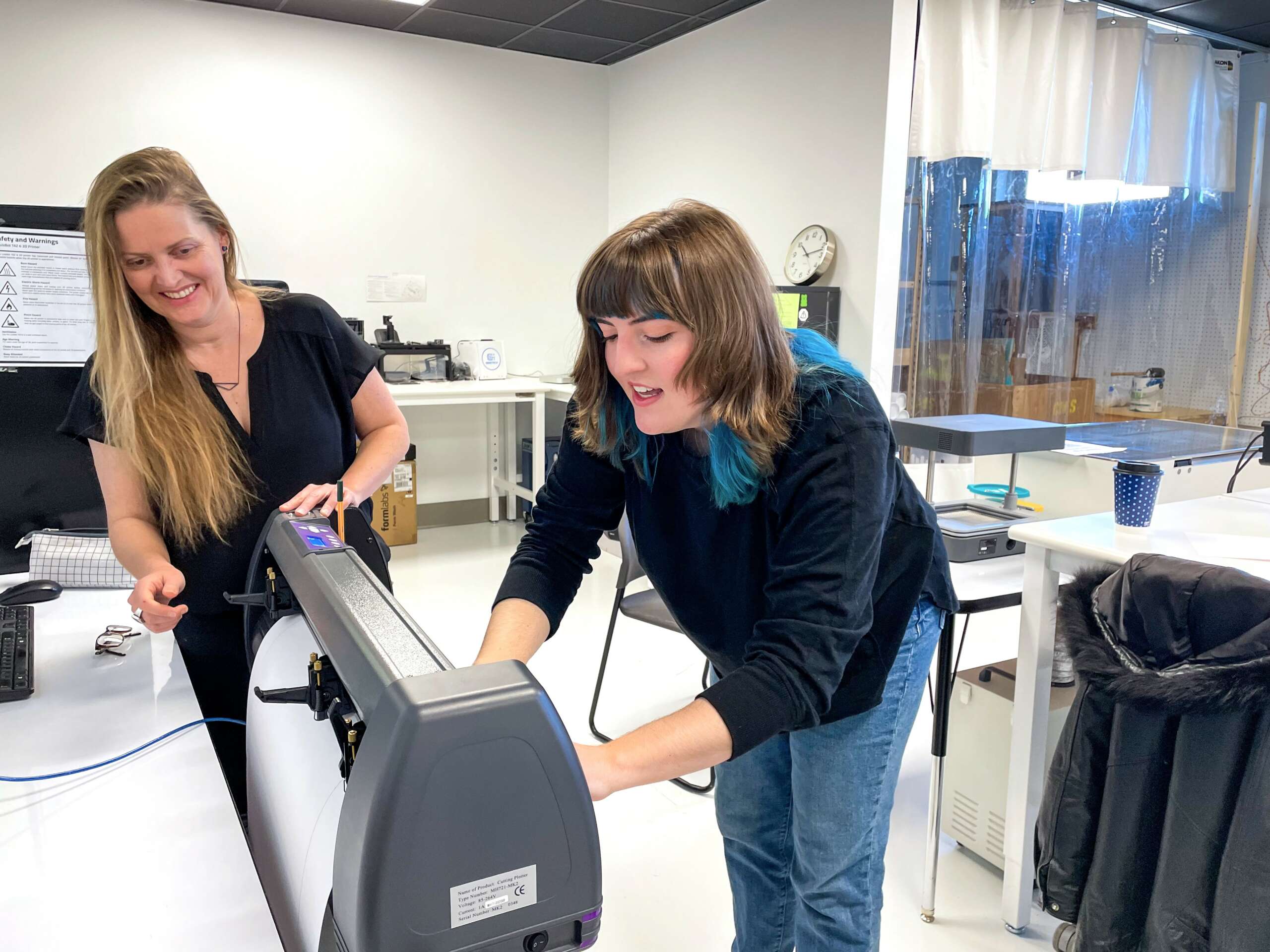
My name is Delaney Rogers. I am an interdisciplinary visual artist living and working in Johnson City, TN. I received my Bachelor of Fine Arts from Murray State University, and I am currently a Master of Fine Arts candidate at East Tennessee State University. I have experience with jewelry and metalsmithing, painting, printmaking, sculpture, and extended media. My art practice combines different art techniques, often integrating technology, to create pieces. In my current body of work, I use pen plotters and screenprinting techniques to create repeat imagery. Most of us live our lives deeply connected to technology. It only makes sense to integrate contemporary methods using technology into my practice as it reflects the world around me. My work explores internal and external struggles with social pressures such as normativity. In my research, I investigate how our social environment impacts us, illustrating this exploration in my work through personal life narratives. I focus on using symbols as a means of visual communication. These seemingly friendly symbols, which drip with commodity, are a means of communication that masks their potentially ugly truths. These symbols are how I process and make sense of the world. Since the death of my father in August of 2021, I have been searching for control over my life within my work. Repetition is one of the ways in which I can find control. The repeat processes of printmaking and repetitive machine processes serve as technical necessities and conceptual tools. There is comfort in the familiar when coping with grief, repeat elements in my work reflect this tendency. Symbols in my work, such as smiley faces, traditionally represent happiness. However, these smiley can also serve as a symbol of pressure to smile or be happy. Gummy bears are another seemingly friendly image that have become self-portraits that illustrate making myself palatable or consumable in social settings. There are other candies in my symbolic library that interact with the bear to represent different emotions. The work attempts to overcome our social lack of empathy by exaggerating it and calling it to the viewers’ attention. The “sweet” connotations of the candy symbols feed into this concept. We expect this sugarcoating as, in the West, we tend to avoid negative subjects such as death. However, this lack of expression perpetuates cycles of emotional escapism. This work expresses a vulnerability that I hope the audience can relate to, my goal is to encourage this kind of expression in others as well.
What can society do to ensure an environment that’s helpful to artists and creatives?
I believe we can better our social lives overall through art. Art teaches us more flexible ways of thinking and new ways to solve problems. It allows for expression, which leads to regulated nervous systems. Art education creates more empathetic members of society who are capable of self-reflection. Empathetic citizens create a more democratic society and combat social decay. In order to foster more creative ecosystems, both art institutions and current social norms have to change. We must push for more accessibility within art institutions such as museums and galleries. Art institutions also need to be held responsible for representing artists with equity and accessibility in mind. We must push for public art initiatives that bring art out of these institutions and to the public, beautifying our third spaces and increasing social health. We must also push for better funding for art education, which has been continually defunded worldwide. I emphatically believe that S.T.E.A.M., not just S.T.E.M. programs, are crucial to improving creative social ecosystems. Adding the art back in and improving these creative ecosystems, in turn, improves the health of our country. Furthermore, supporting the arts supports artists, creating and sustaining jobs within the arts by maintaining their place in society.
Is there a particular goal or mission driving your creative journey?
I artists reflect the world around them, we are sort of like mirrors for society in a sense. I respond to my internal and external environments within my work, using this power of expression to encourage others to do the same. Vulnerability is incredibly powerful in this way, it allows for solidarity and the acknowledgment of otherwise ignored issues. I personally work to combat antipathy and escapism, we are all experiencing high levels of stress in an uncertain world, and we need to be talking about it. I use relatable symbolic language in my work such as smiley faces, candy, and weather icons. These are symbols present in pop culture and consumer culture. Using these recognizable icons allows my audience entry points into the work, the appeal and beauty draw them in and then, hopefully they stick around to listen to the story behind it. Beauty has long been a tool used in art to compel its viewers. Increasing the accessibility of my imagery by using symbolic language overcomes language barriers and differences education background. As an artist and educator I hope to creating new norms around expression, leading by example.
Contact Info:
- Website: https://drogersart.wordpress.com
- Instagram: @d_is_very_happy
- Linkedin: www.linkedin.com/in/delaney-rogers-4799572b6
- Other: https://www.gradstudentforum.com/delaney-rogers.php
Image Credits
For the first image of me working on the pen plotter the image credit goes to Emily Redd