

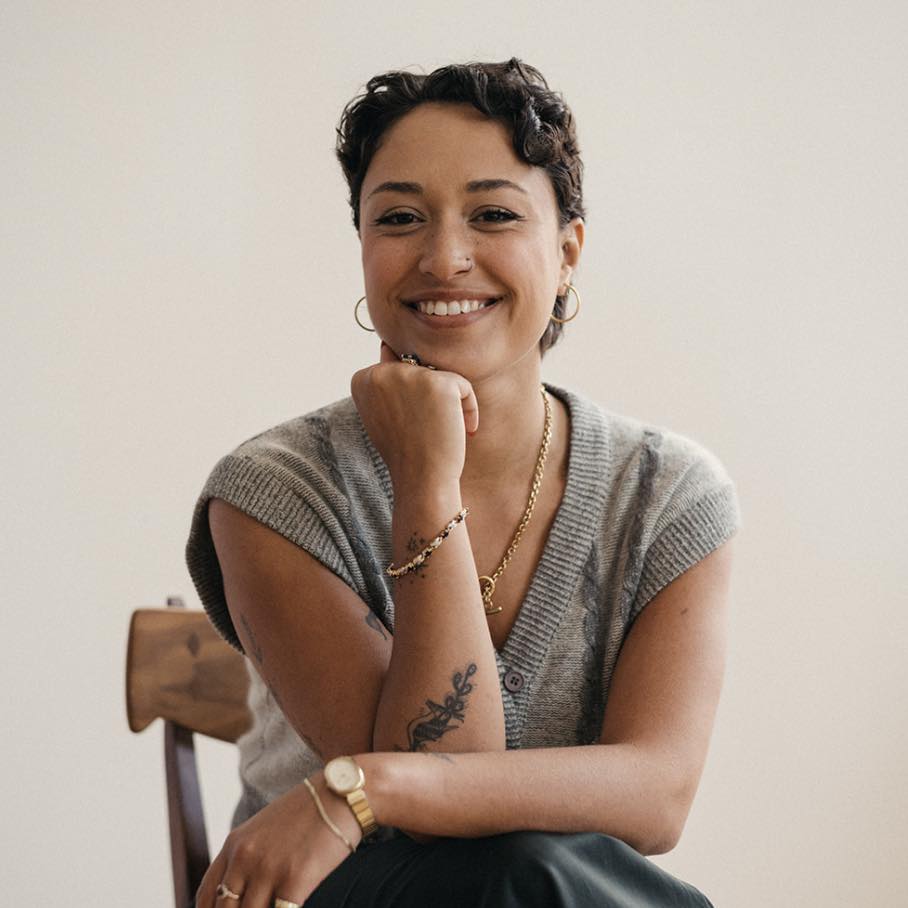

We were lucky to catch up with Delainie Wheeler recently and have shared our conversation below.
Hi Delainie, thanks for joining us today. undefined
Honestly, one of the most innovative things we’ve done with Backtalk wasn’t about inventing a new tool or trend — it was rethinking access. When we started, we saw a gap: small businesses knew they needed brand and marketing support, but the way agencies priced and packaged work made it feel out of reach. At the same time, freelancers weren’t being fairly compensated, and agencies often burned out their own teams.
So we built Backtalk to work differently. We phased our services to actually match where a business is in its journey: consulting and coaching when you’re still in DIY mode, done-for-you content calendars and campaigns when you’re growing, and full digital strategy and management when you’re ready to scale. That lets us grow with our clients, not just price them out until they “make it.”
We’ve also introduced payment plans, and we actively partner with local business accelerators, lenders, and programs so clients can sometimes bundle our services into their funding. For us, that was a real innovation — designing a business model that’s sustainable for our team and collaborators, but flexible enough for small and “schmedium” businesses to access legit brand and marketing services without breaking themselves.
At the end of the day, innovation for us looks like building a structure where the coffee shop down the street, the startup retailer, and the mid-sized service provider all get the same level of thoughtful, strategic creative support that big companies do — and our team gets paid fairly to make it happen.
As always, we appreciate you sharing your insights and we’ve got a few more questions for you, but before we get to all of that can you take a minute to introduce yourself and give our readers some of your back background and context?
I’m Delainie Wheeler, and I co-founded Backtalk Detroit with my business partner Marissa D’Agostino. We built Backtalk because we saw a gap: small businesses needed brand and marketing support, but most agencies were either too expensive, too rigid, or too focused on shiny one-off campaigns that didn’t meet people where they were. On the other side, freelancers weren’t being fairly compensated, and the whole system felt a little broken.
We wanted to create something different. Backtalk is a creative brand + marketing studio designed specifically for small to “schmedium” businesses — the ones who are deeply embedded in community, culture, and local economies. Our services are structured so that no matter what stage a business is in, there’s a way to work with us:
DIY phase → regular consulting, coaching, and strategy to help owners build confidence and clarity while still running the show themselves.
Growth stage → completed content calendars, executable campaigns, and support that takes work off their plate but keeps budgets manageable.
Scaling stage → full digital marketing strategy and management across brand development, design, web, and marketing channels.
What sets us apart is how we’ve structured our business model: we offer phased-out projects, payment plans, and collaborate with accelerators, lenders, and community programs so clients can sometimes fold our services into their funding. It’s about access — making sure businesses of all sizes and budgets can get legitimate, high-level creative support without burning themselves out, while also making sure our team and collaborators are fairly paid.
Our services span brand development, design (print, digital, signage, packaging), web (strategy, copywriting, design, development, SEO), and digital marketing (social media, email, content/production, copywriting, Meta + Google ads, etc.). That might sound broad, but it’s intentional: our clients don’t usually have five different agencies on retainer. They need one partner who can help them show up consistently, strategically, and creatively across the board.
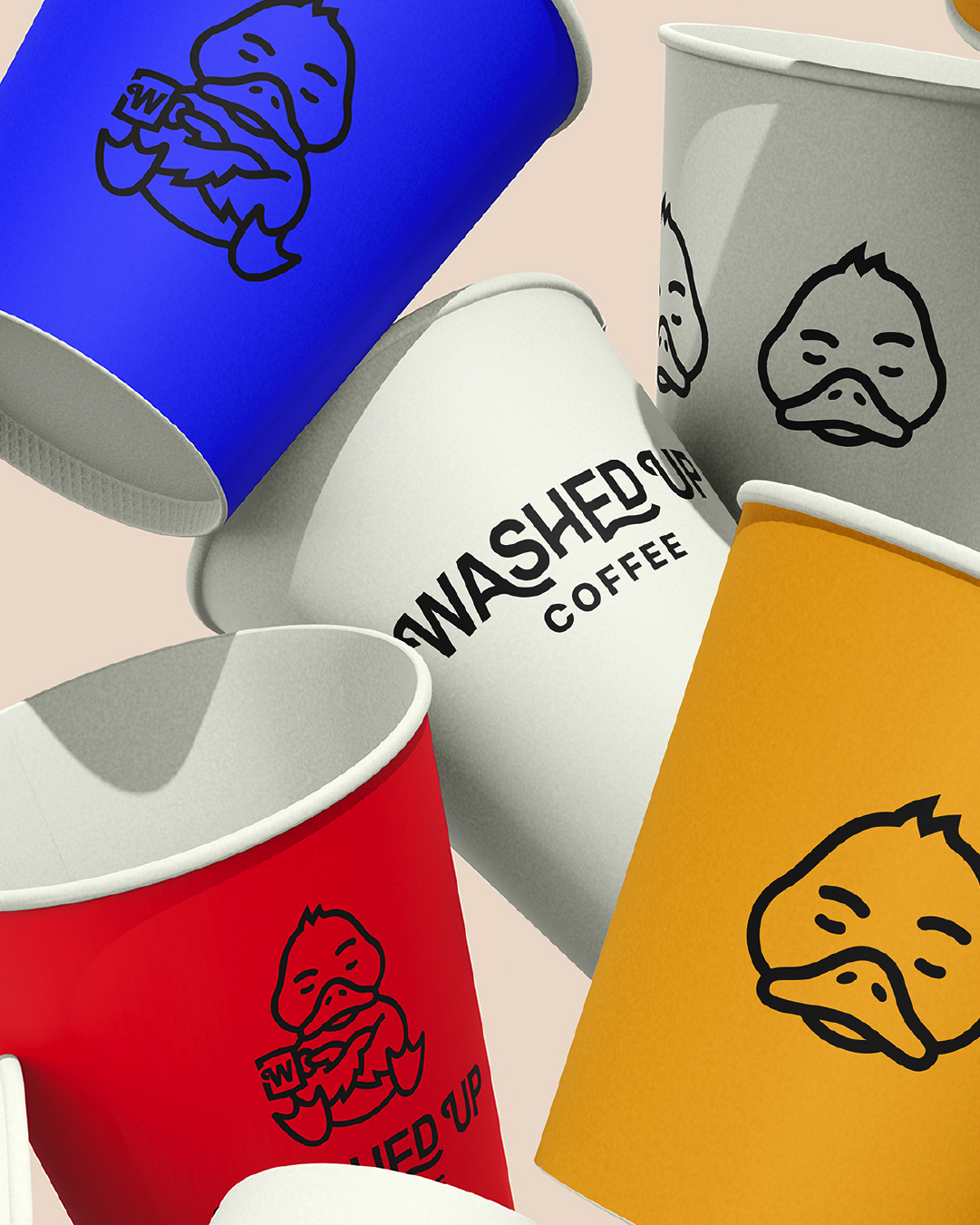
I’m most proud of the relationships we’ve built. Whether it’s a coffee shop owner in Corktown, a salon in Birmingham, or a nonprofit rooted in a Detroit neighborhood, we get to see our work create ripple effects: stronger brands, more sustainable businesses, more visibility for people doing great work in their communities. That’s what matters most to us — not just that a campaign looks good, but that it actually helps a business survive, thrive, and keep contributing to the culture around it.
If there’s one thing I’d want people to know about Backtalk, it’s that we’re not here to sell cookie-cutter marketing packages. We’re here to meet you where you are, make sure you’re resourced fairly, and help you grow in a way that feels both intentional and sustainable.

What’s been the most effective strategy for growing your clientele?
Our most effective strategy has really just been being neighbors. We’re already customers at the businesses we serve — we know the owners, the future owners, the people behind the counter. A lot of our work comes from those existing relationships, from showing up as regular residents and involved community members first. Pair that with word-of-mouth referrals and the trust that comes from being visible in accelerators, programs, and local networks, and growth has felt natural — not forced.
What’s a lesson you had to unlearn and what’s the backstory?
A big lesson I had to unlearn was the idea of “grinding.” I used to think if I just worked harder and crossed everything off the to-do list, I’d get further. But the truth is, the list never ends — and all that grinding just drained my energy and pulled me into work I wasn’t good at or didn’t need to be doing. I’ve learned that more hours doesn’t equal more success. What actually moves the needle is focusing my time and energy on what I’m good at and what I enjoy — and building the right team and systems around me for the rest.
Contact Info:
- Website: https://backtalkdetroit.com/
- Instagram: https://www.instagram.com/backtalkdetroit/
- Linkedin: https://www.linkedin.com/in/delainiewheeler/
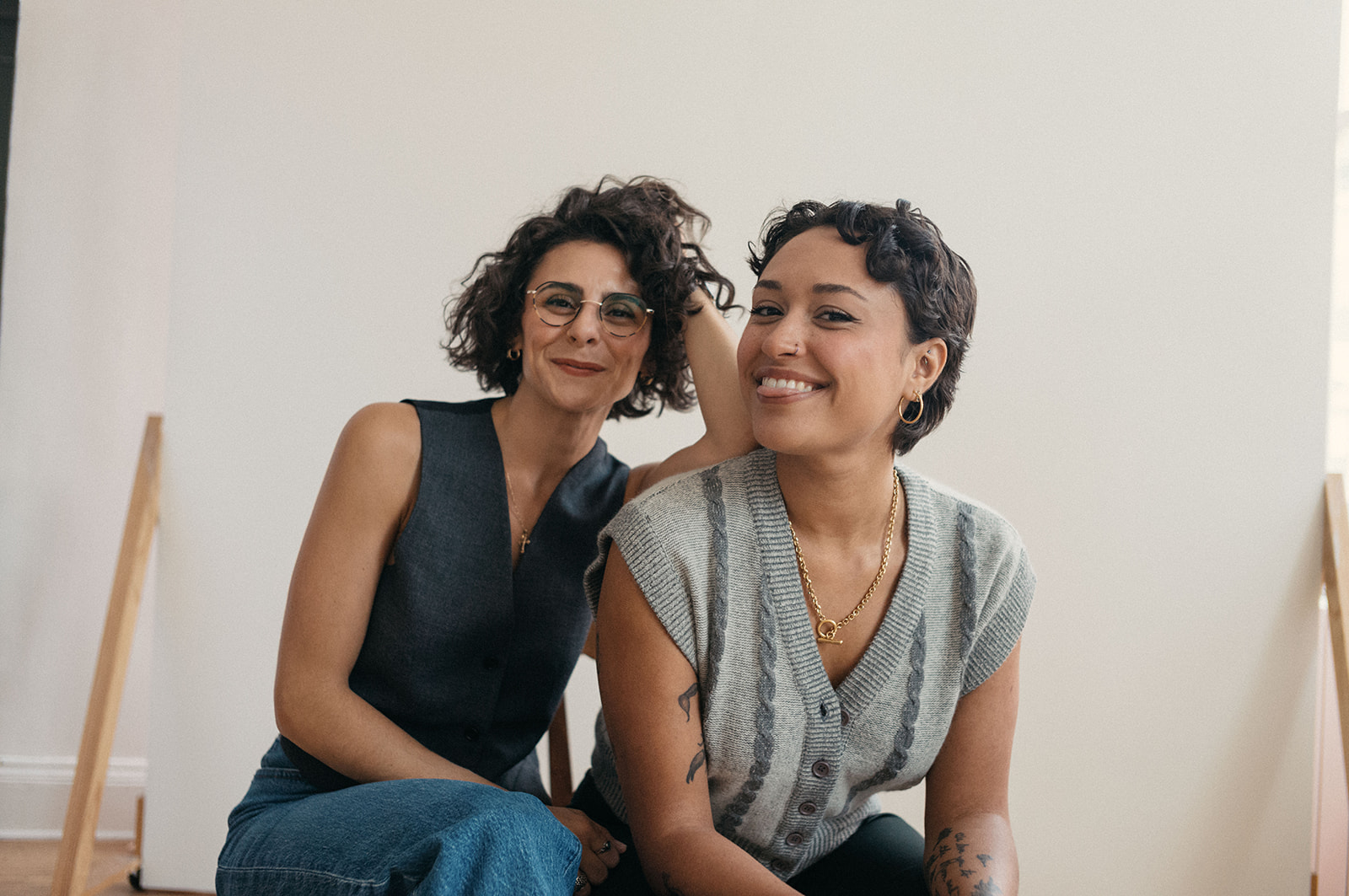
Image Credits
Photography by Jesse Schroeder (https://jesseschroeder.com/)