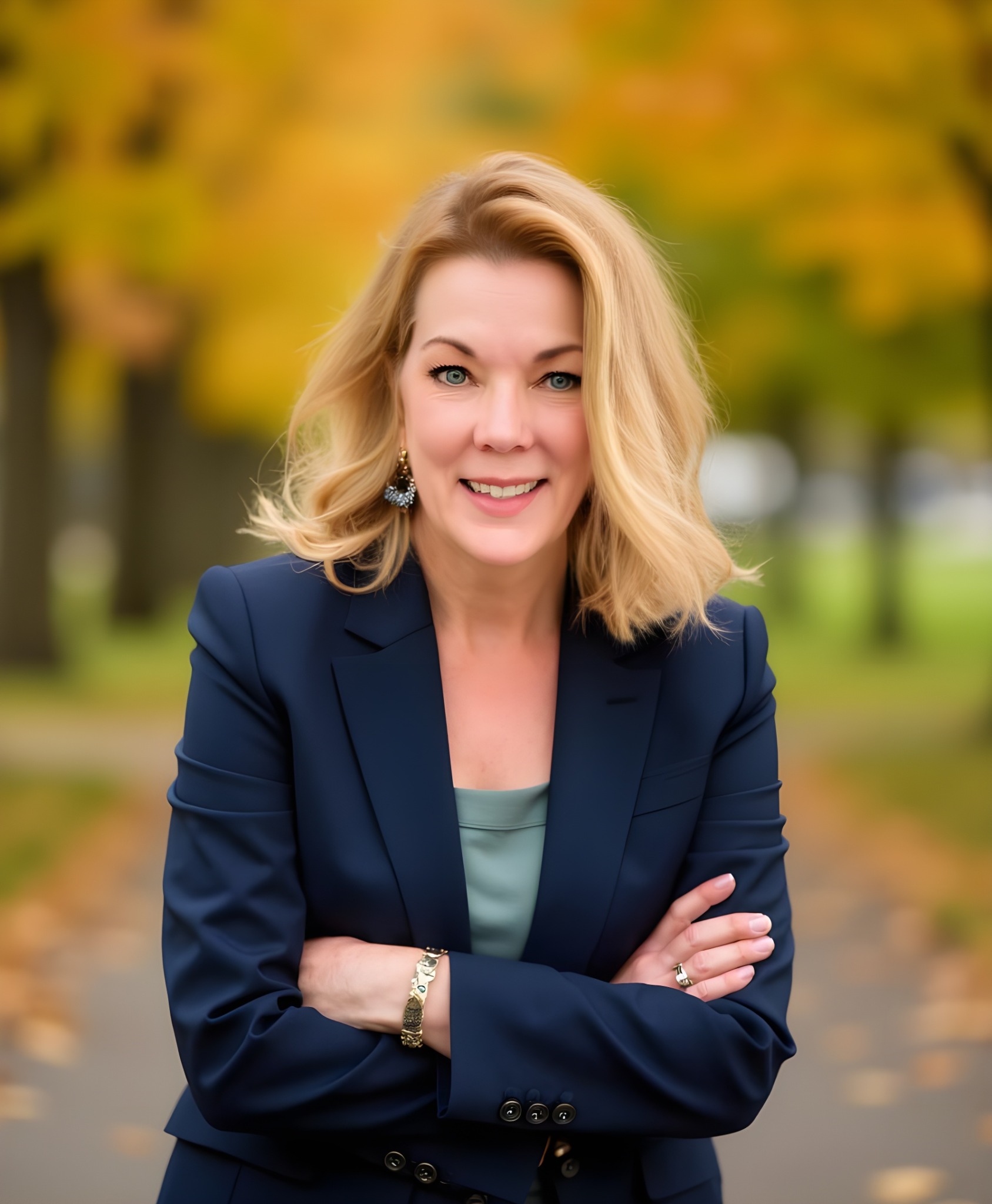

We were lucky to catch up with Debra Whitson recently and have shared our conversation below.
Hi Debra, thanks for joining us today. Looking back at the decisions you made early in your career, particularly whether to join a firm or start your own, do you feel you made the right choice for that stage of your career?
People often ask me why I chose family law, why I built my own firm, or why I care so deeply about transforming the divorce experience. The truth is, my journey didn’t begin in a law school classroom or a courtroom. It began when I was fourteen years old, in a small Adirondack town, during one of the darkest moments my community had ever experienced.
My brother’s best friend — someone who had just graduated high school and had his whole life ahead of him — was brutally murdered. As the case unfolded, I learned that because of a technicality in how the suspect came to the police’s attention, there was a chance that critical evidence might be excluded from trial. Even as a child, I felt the injustice of that deeply. I didn’t yet understand constitutional law or evidentiary rules, but I understood something fundamental:
The system was supposed to protect people — and sometimes, it didn’t.
That moment changed me.
It took me from wanting to be a storyteller… to wanting to fight for justice.
I told everyone who would listen:
“I’m going to be an attorney. I’m going to fix what’s broken.”
And for many years, that’s exactly what I set out to do.
I became a prosecutor specializing in special victims cases. For more than a decade, I worked with survivors of domestic violence, sexual assault, and crimes against children — individuals experiencing trauma, fear, and unimaginable pain. My role wasn’t just to prosecute cases; it was to stand beside people who had been silenced and give them a voice in a system that often felt overwhelming.
I also trained judges, police officers, and first responders on trauma-informed practices — how to listen, how to respond, how to gather evidence in ways that truly served survivors. Advocacy wasn’t just my job; it was my purpose.
And yet, as powerful and meaningful as that work was, life shifted again — in a way I didn’t expect.
After a political campaign ended in a loss, I found myself at another crossroads. I had to reinvent myself professionally, but I knew my core calling hadn’t changed. I was still driven to help people in crisis. Still compelled to make the complicated make sense. Still deeply committed to protecting the vulnerable.
That path led me into family and matrimonial law.
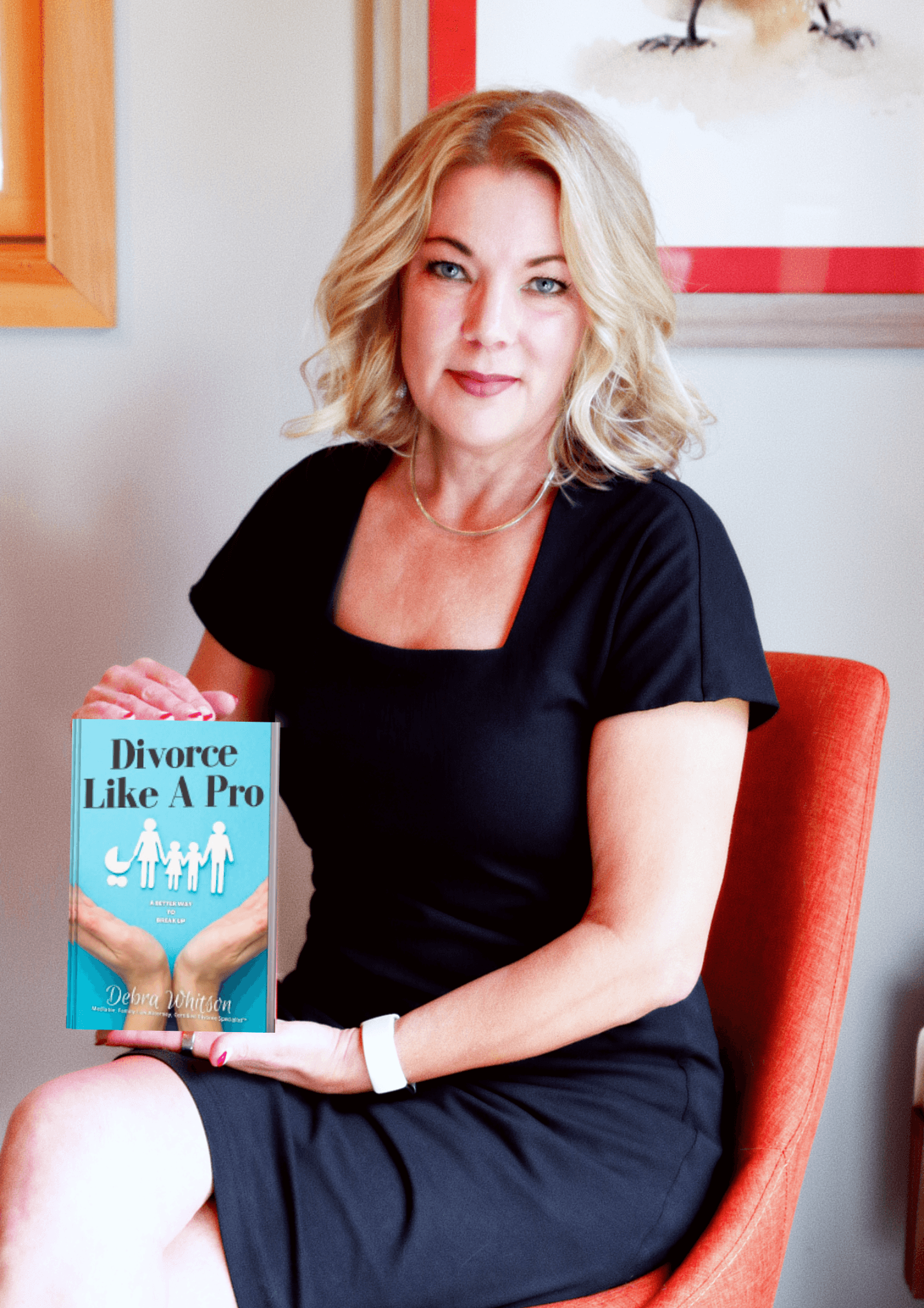
Debra, love having you share your insights with us. Before we ask you more questions, maybe you can take a moment to introduce yourself to our readers who might have missed our earlier conversations?
When I began practicing family law, New York was still the last state requiring grounds for divorce. The most common ground?
Cruel and inhuman treatment.
Which meant that a client—someone who was already hurting—had to sit across from me and start their case by digging up the most painful moments of their marriage, whether or not they wanted to. It was emotionally violent. It was structurally damaging. It tore families apart before the process had even begun.
And the children — the children were so often caught in the middle.
What I saw broke my heart.
And it awakened the same fire I felt at fourteen.
The system wasn’t working. And families were paying the price.I knew I couldn’t continue practicing in a way that fueled conflict and deepened wounds. So I stepped away from the mentorship I had, launched my own firm, and began building something different.
I became trained in mediation.
I embraced collaborative divorce.
I centered my work around storytelling, trauma-informed care, and minimizing conflict rather than escalating it.
Slowly, the foundation of my calling became clear:
I’m here to guide families through difficult transitions with dignity.
I’m here to reduce harm — not magnify it.
I’m here to show people a better way forward.
That philosophy led to the creation of WhitsonLaw, PLLC, a firm committed to child-centered, conflict-conscious divorce. Later, it grew into Mediated Online Solutions, a virtual mediation platform designed to give families everywhere access to peaceful, efficient, supportive alternatives to litigation.
Funny enough, the storyteller in me never disappeared — she just changed roles.
Today, I help clients tell their stories when they feel too overwhelmed to speak. I make sure judges truly understand the families whose futures they are shaping. I help people feel seen, heard, and understood at a time when their lives feel unraveled.
Because before we had written language, our ancestors communicated through story. Storytelling is in our DNA. It’s how we make meaning. It’s how we heal.
And in divorce, storytelling helps transform conflict into clarity — something every family desperately needs.
Years later, when I encountered Simon Sinek’s Start With Why, it articulated something I had always felt:
My purpose is to make sense of the complicated and to find better ways to do things.
I didn’t choose family law by accident.
I didn’t build two organizations by accident.
I didn’t commit my life to this work by accident.
My entire journey — personal and professional — led me exactly here.
I do this work because divorce doesn’t have to destroy people.
Because children deserve better than conflict.
Because clients deserve to be heard, supported, and guided with compassion.
Because families deserve a path forward — not a battlefield.
And because that fourteen-year-old girl who first felt the sting of injustice is still inside me, reminding me every day:
When something is broken, I am meant to help fix it.
This is my calling.
This is my purpose.
This is why I built WhitsonLaw and Mediated Online Solutions.
And this is why I will continue working to transform how families move through some of the hardest moments of their lives — with dignity, clarity, and hope.
Has your business ever had a near-death moment? Would you mind sharing the story?
I am certain that every business has a COVID-19 pandemic story. My businesses certainly do. Mediated Online Solutions, LLC was formed precisely because of the crippling impact the pandemic had on access to courts and judges. Families were breaking up when the pandemic stressed them to the point of breakage. Separated or divorced parents who shared custody were struggling to figure out how to safely share parenting time across two households, and this was especially difficult when parents did not see eye-to-eye on things like wearing masks, or testing for COVID or isolating family members with symptoms. I saw this as an opportunity to help families using online mediation. In contrast, WhitsonLaw PLLC saw a sharp drop in new cases, and a concomitant and precipitous drop in revenue. I used every bit of business savings and personal savings I had to avoid laying off staff and keep the lights on. Then I maxed out my personal borrowing limits, and these funds also ran out before the business returned to it’s pre-pandemic revenue level. My only hope at that moment was to convince the Small Business Administration to approve a pandemic hardship loan after my SBA Payroll Protection loan proceeds were consumed. By pure miracle, I was assigned an absolute angel as my SBA loan processor. I was literally begging her to help me borrow what still remains the single largest amount I have borrowed to fund my businesses. I was terrified at the thought of my business going belly-up, and equally terrified to take on the largest single debt I had ever incurred. She was so incredibly kind and really seemed committed to find a way to help me obtain the funds I needed to continue to make payroll – in spite of the fact that my financial stats as a borrower were pretty sketchy at that moment. Somehow she worked a miracle and I was ultimately approved in time to keep all of my employees and then soon after higher more staff. My law revenue has doubled year after year since then, and I have added 12 more employees. Thanks to that infusion of capital, was law firm was able to become the Phoenix reborn from the ashes.

Have any books or other resources had a big impact on you?
All of Simon Sinek’s books have impacted my entrepreneurial thinking and management. When I got really clear on my Why and my How, I was able to attract and hire clients who resonated with my firm’s vision and mission. Getting clear on my Why and my How also help me to attract and retain employees whose personal values align with the business’s value proposition. Donald Miller’s books have also informed how I approach growing my businesses – especially with respect to writing my own brand story and effectively marketing my brand to attract my company’s ideal clients. The intersection of these two authors body of writing has been central to helping me find clarity in why I am compelled to do what I do and how to tell my story in a way that compels others to want to work with me or for me.
Contact Info:
- Website: https://whitsonlawfirm.com/ and https://mediatedonlinesolutions.com/
- Instagram: whitsonlaw
- Facebook: https://www.facebook.com/debra.whitson.9 + https://www.facebook.com/whitsonlaw + https://www.facebook.com/MediatedOnlineSolutions
- Linkedin: https://www.linkedin.com/in/debra-whitson-ba119019/ + https://www.linkedin.com/company/whitsonlawfirm/ + https://www.linkedin.com/company/mediated-online-solutions/
- Twitter: FirmWhitson
- Youtube: whitsonlawfirm
- Other: TikTok: whitsonlaw