
We caught up with the brilliant and insightful Debra Lott a few weeks ago and have shared our conversation below.
Hi Debra, thanks for joining us today. What’s been the most meaningful project you’ve worked on?
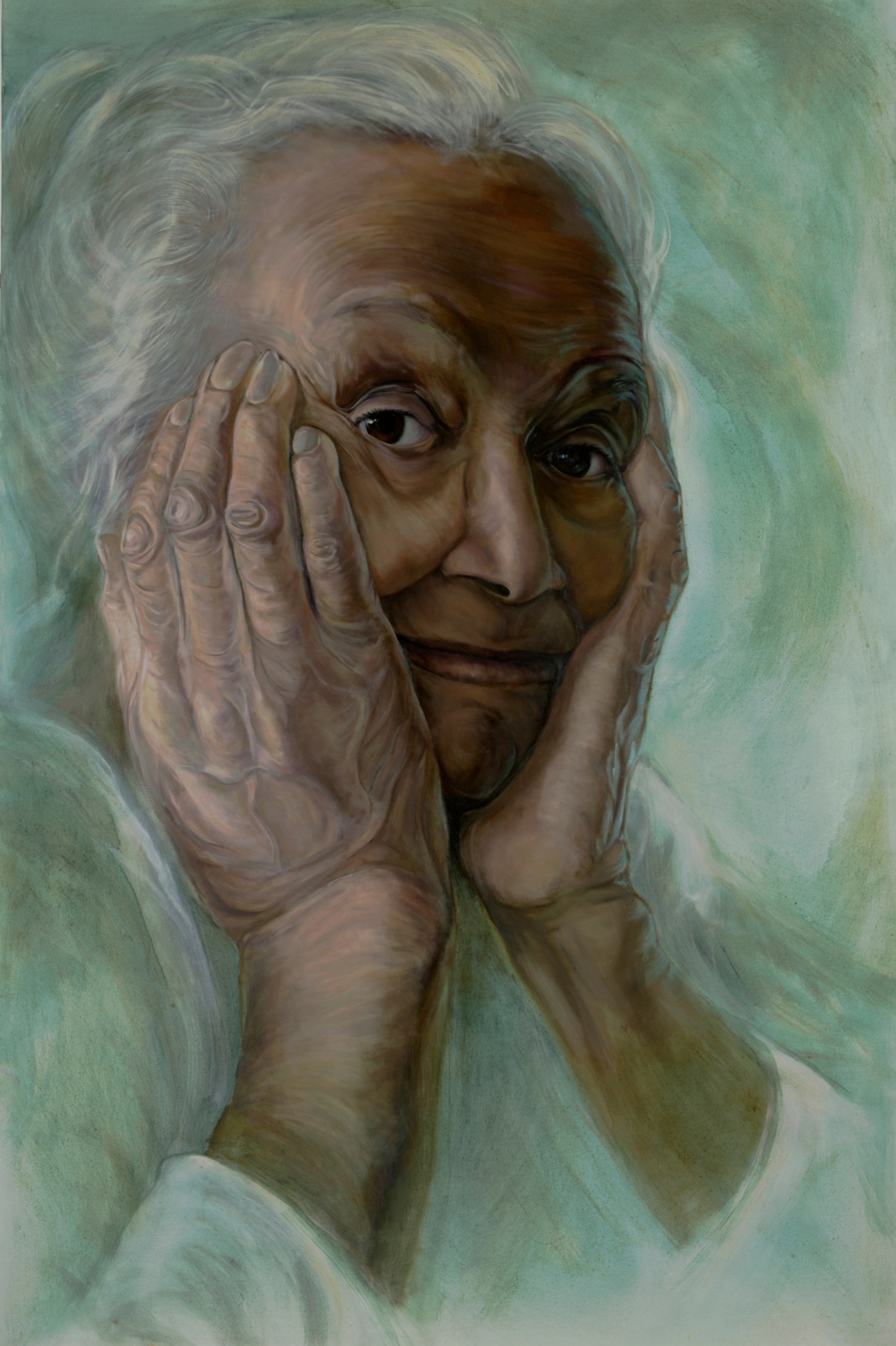
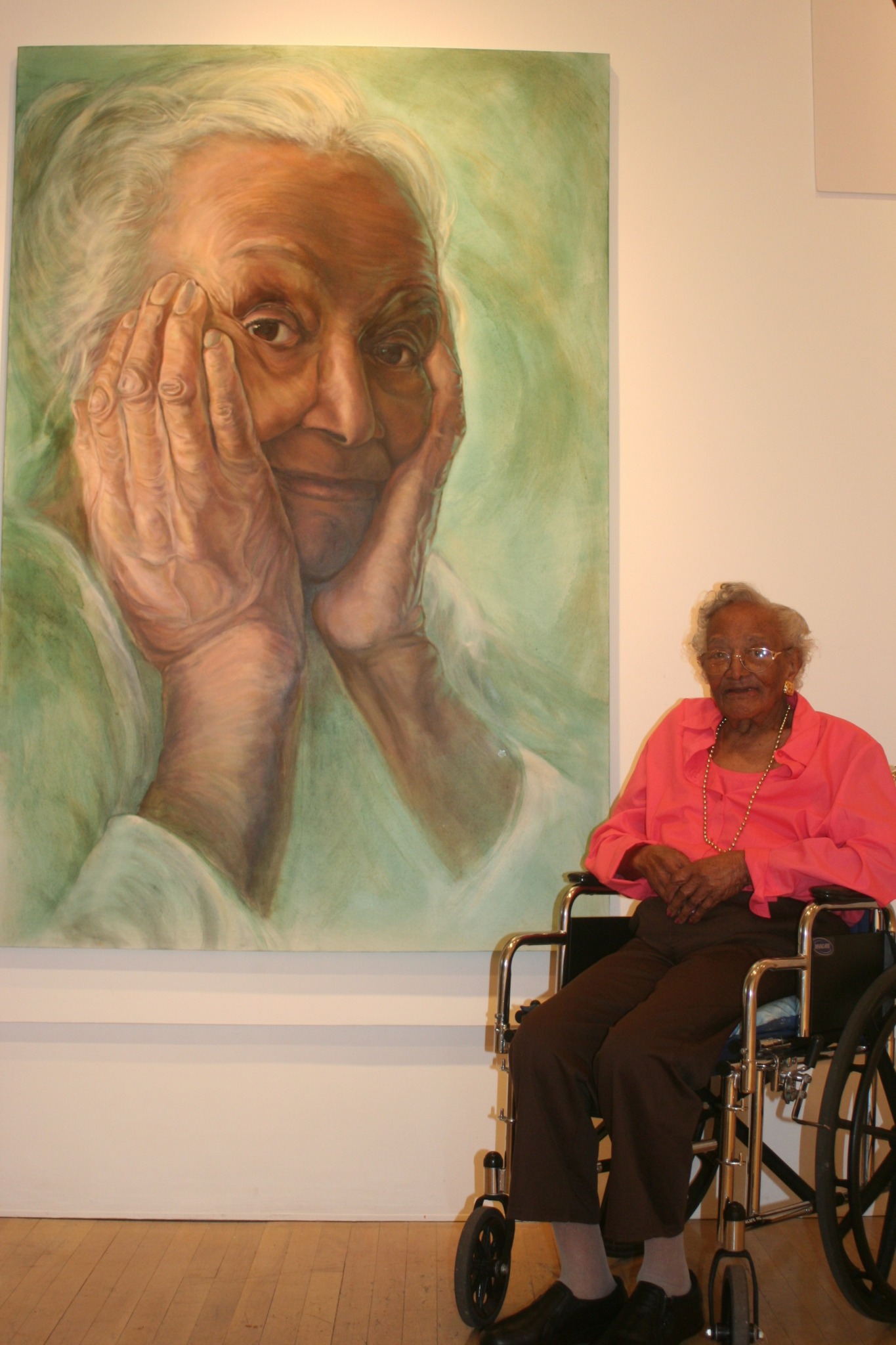
Many of my paintings hold deep meaning, but one series stands out when I’m asked, “What is the most meaningful project you’ve worked on?” My goal was to challenge societal narratives that marginalize senior women and create a tribute to the complexity and richness of their lives, stories, and identities.
I set out to visit skilled nursing homes and invite volunteers to model for my paintings. It was there that I met Ora, who was 99 years old at the time. I photographed Ora and other senior women, and from those images, I painted and exhibited their “larger-than-life” portraits at a local gallery. Ora was able to attend the exhibit, which was a special moment.
The most unexpected and heartwarming aspect of this experience came from the director of the facility, who shared that after I photographed these women, they had undergone a transformation. They seemed to have gained a new sense of identity and began dressing up every day. While my exhibit had a profound impact on the community and was personally rewarding, I never imagined that my project would have such a meaningful effect on these senior women.
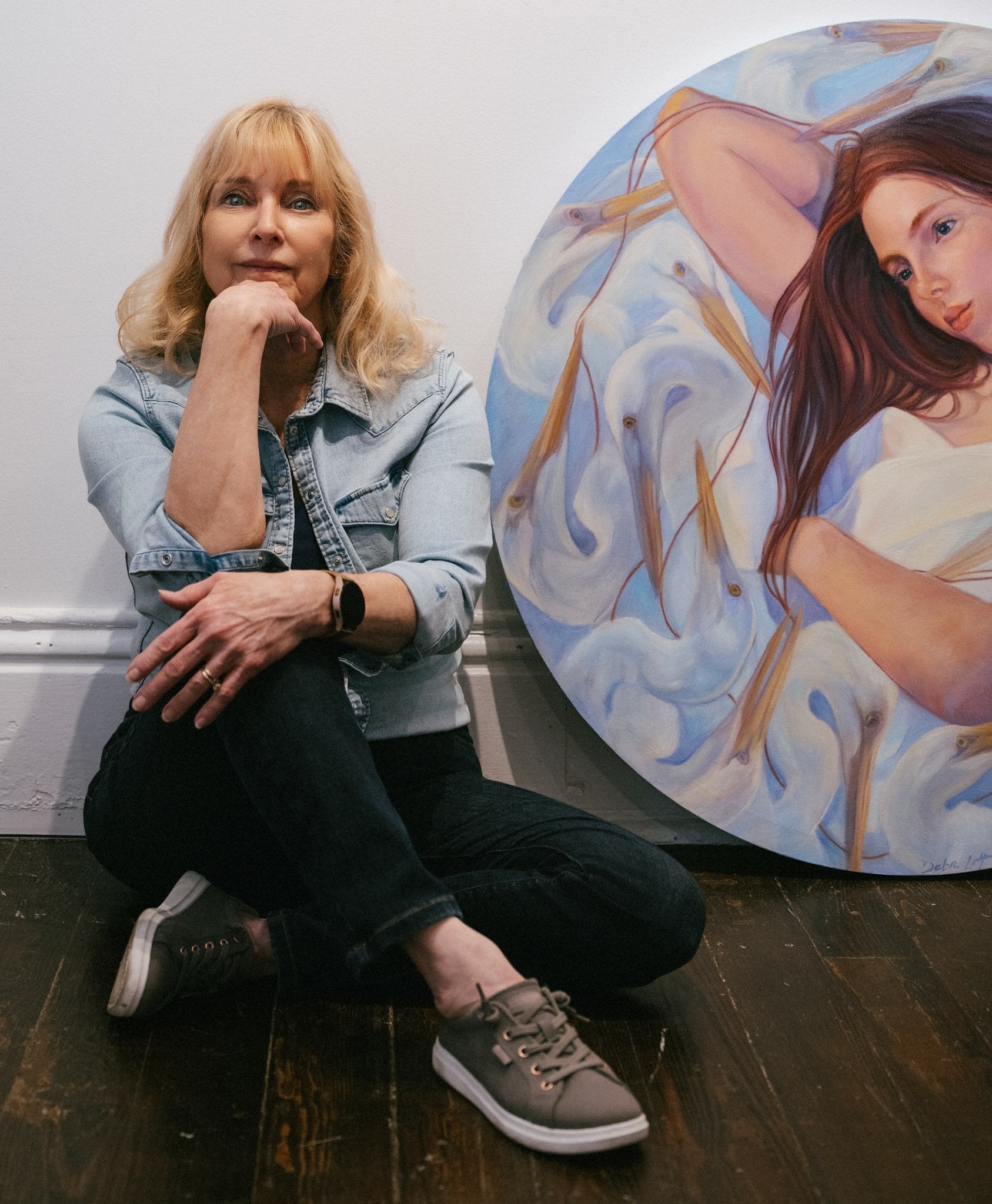
Awesome – so before we get into the rest of our questions, can you briefly introduce yourself to our readers.
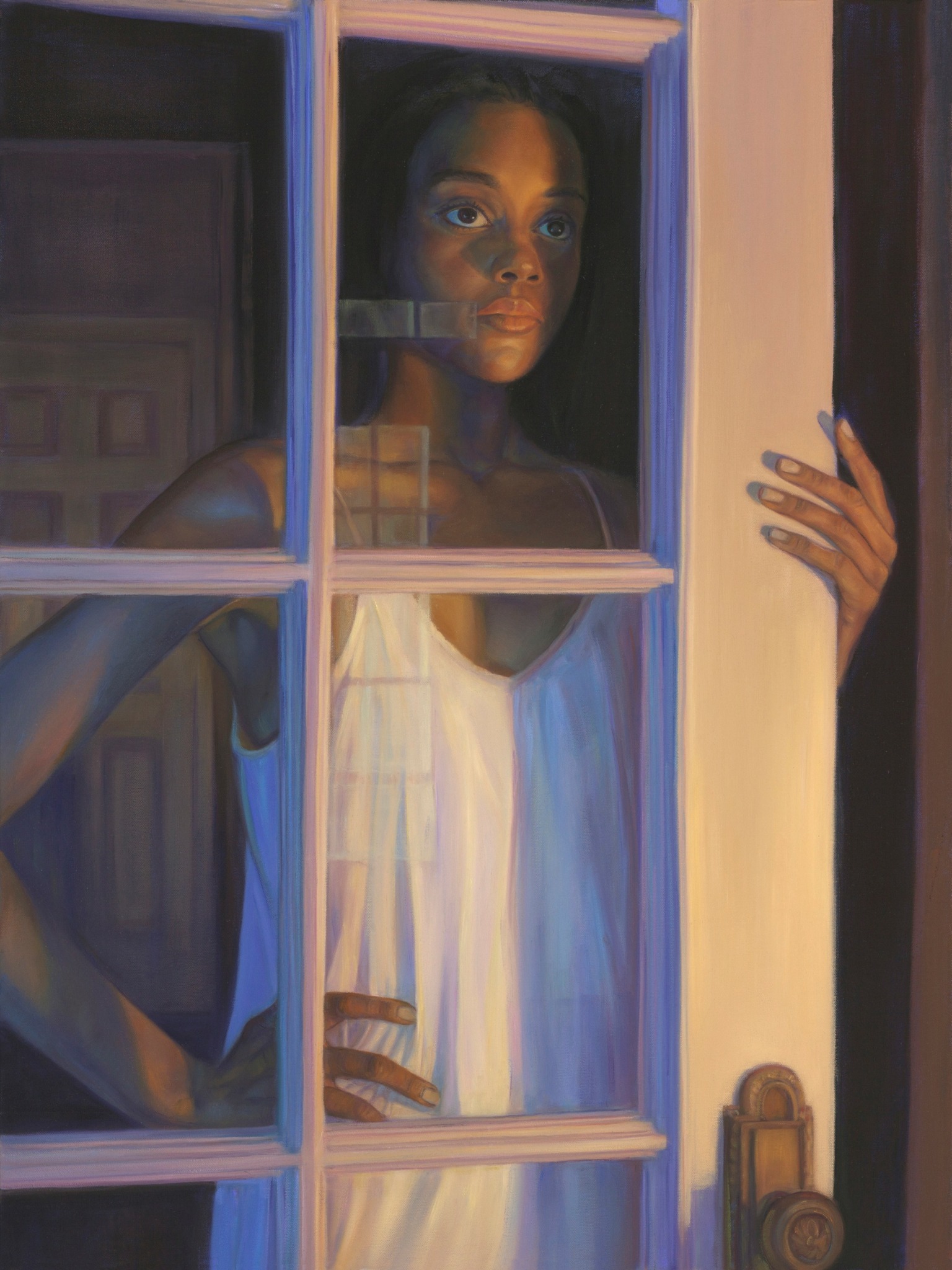
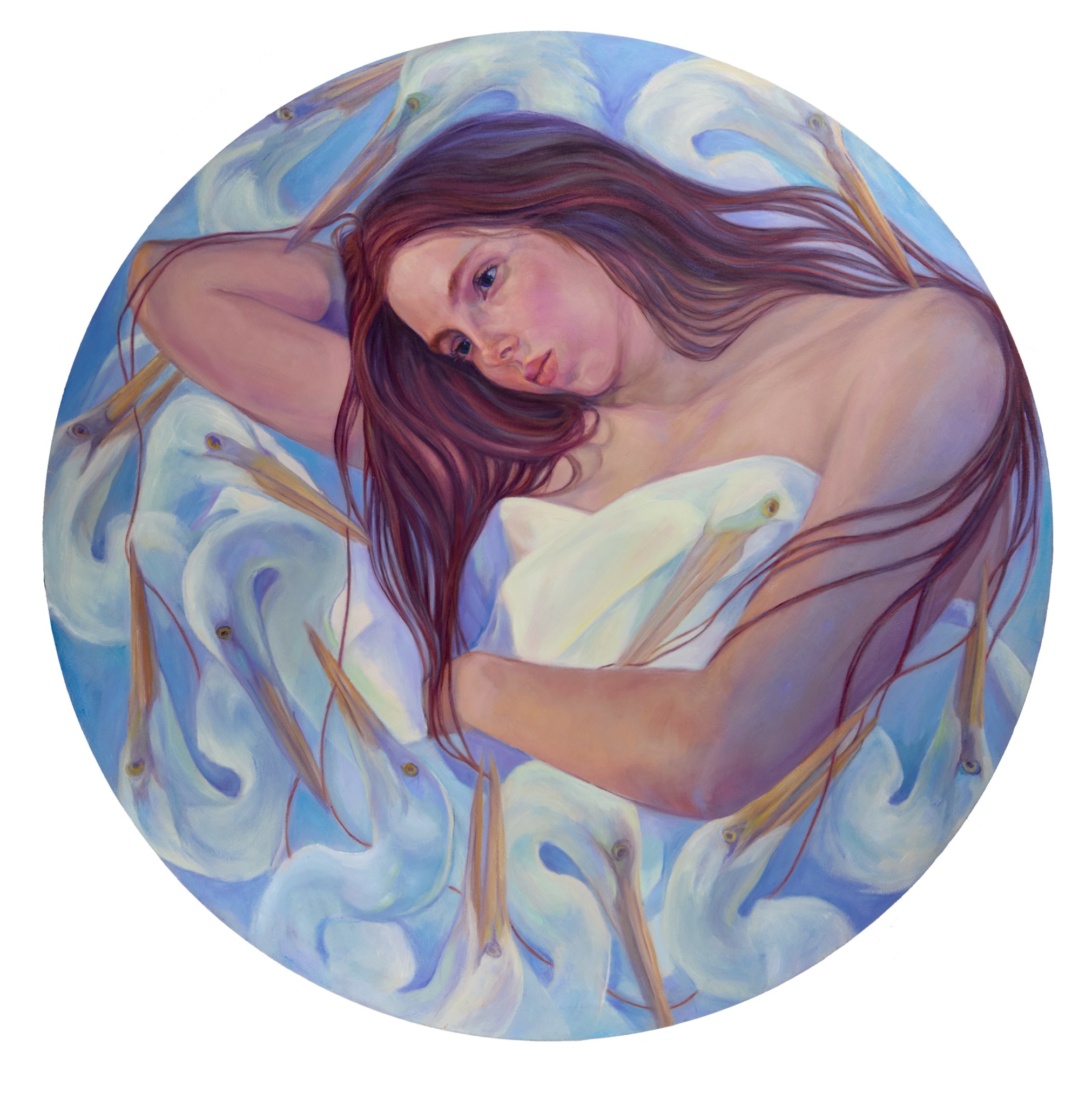
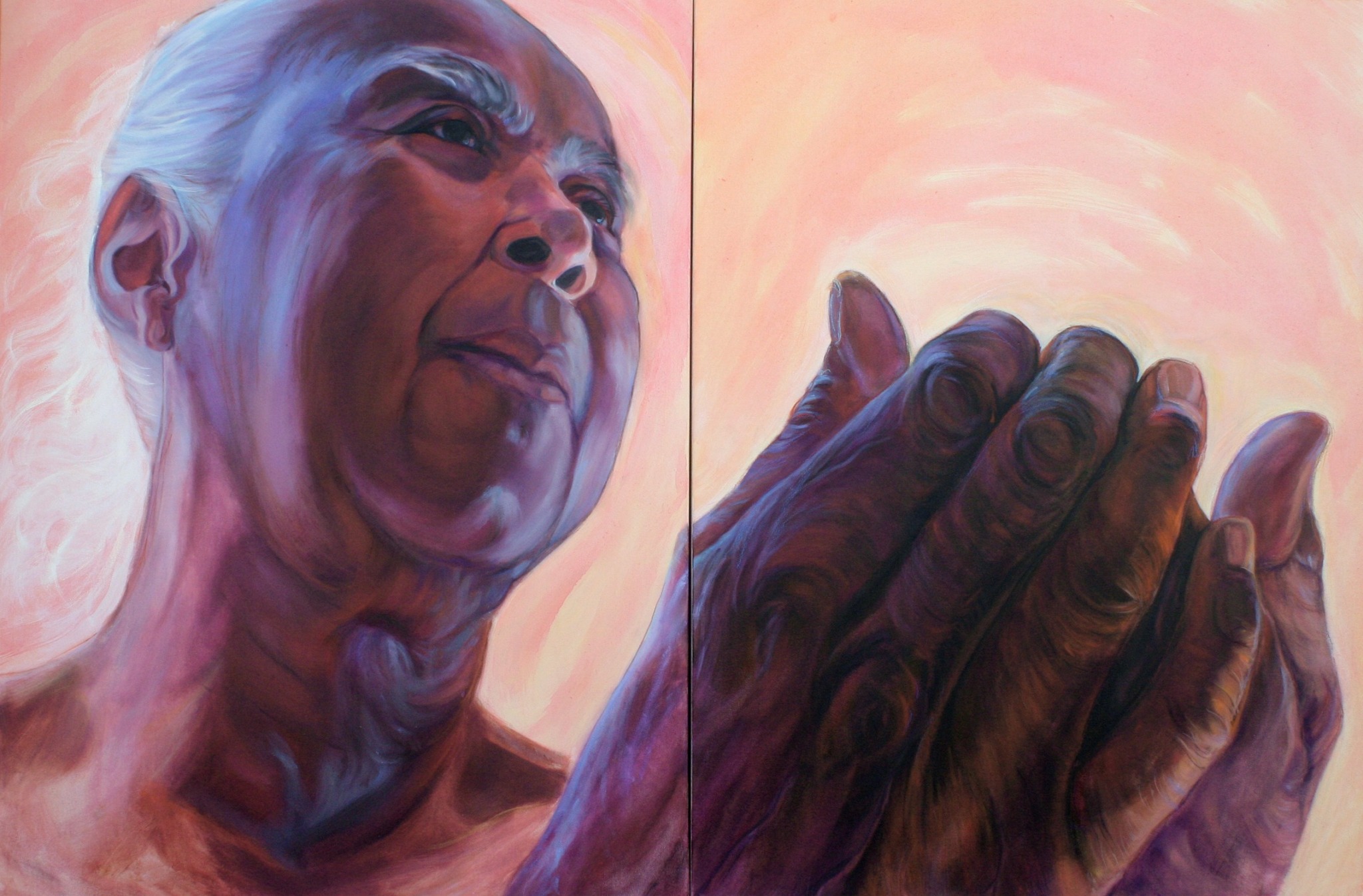
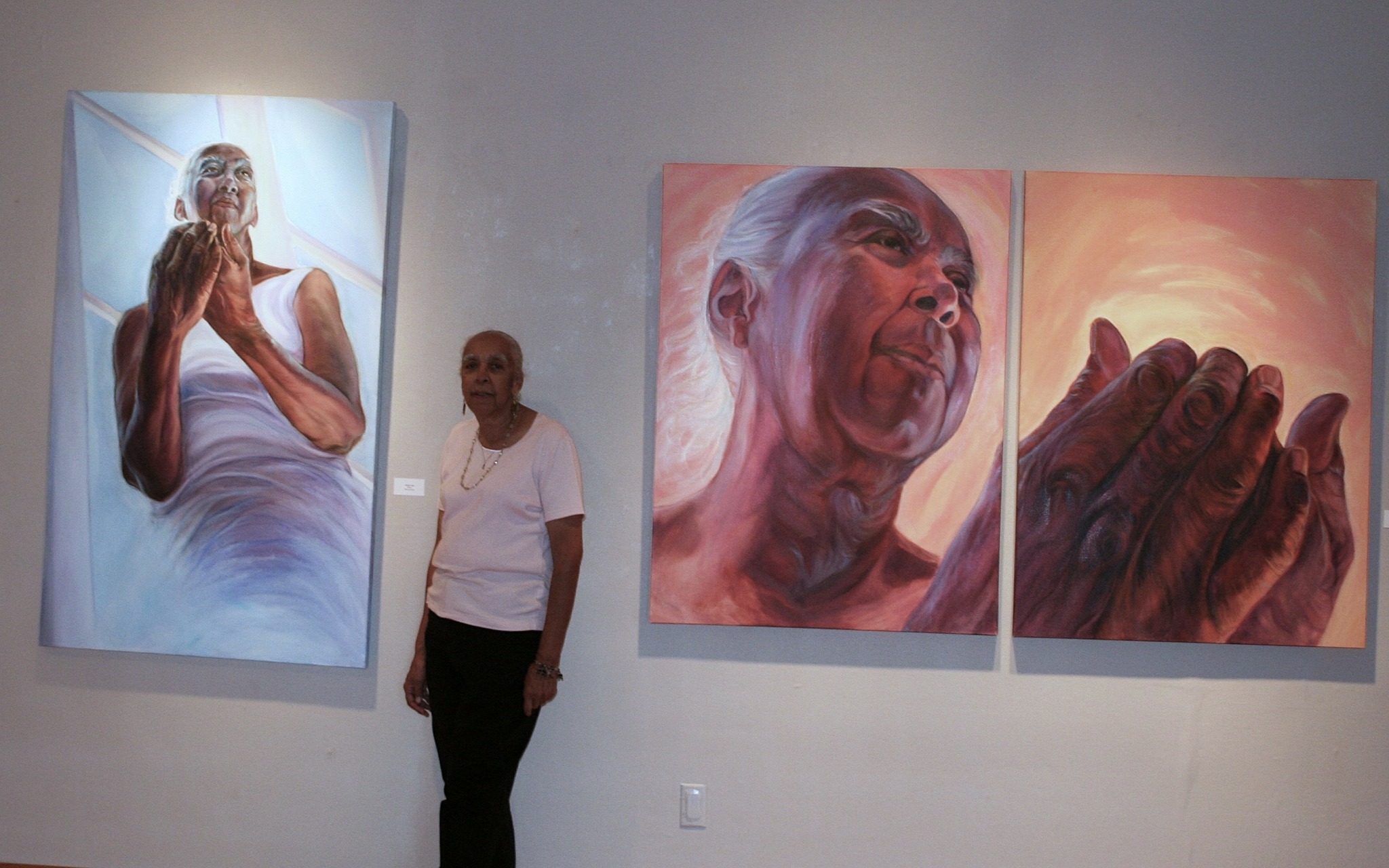
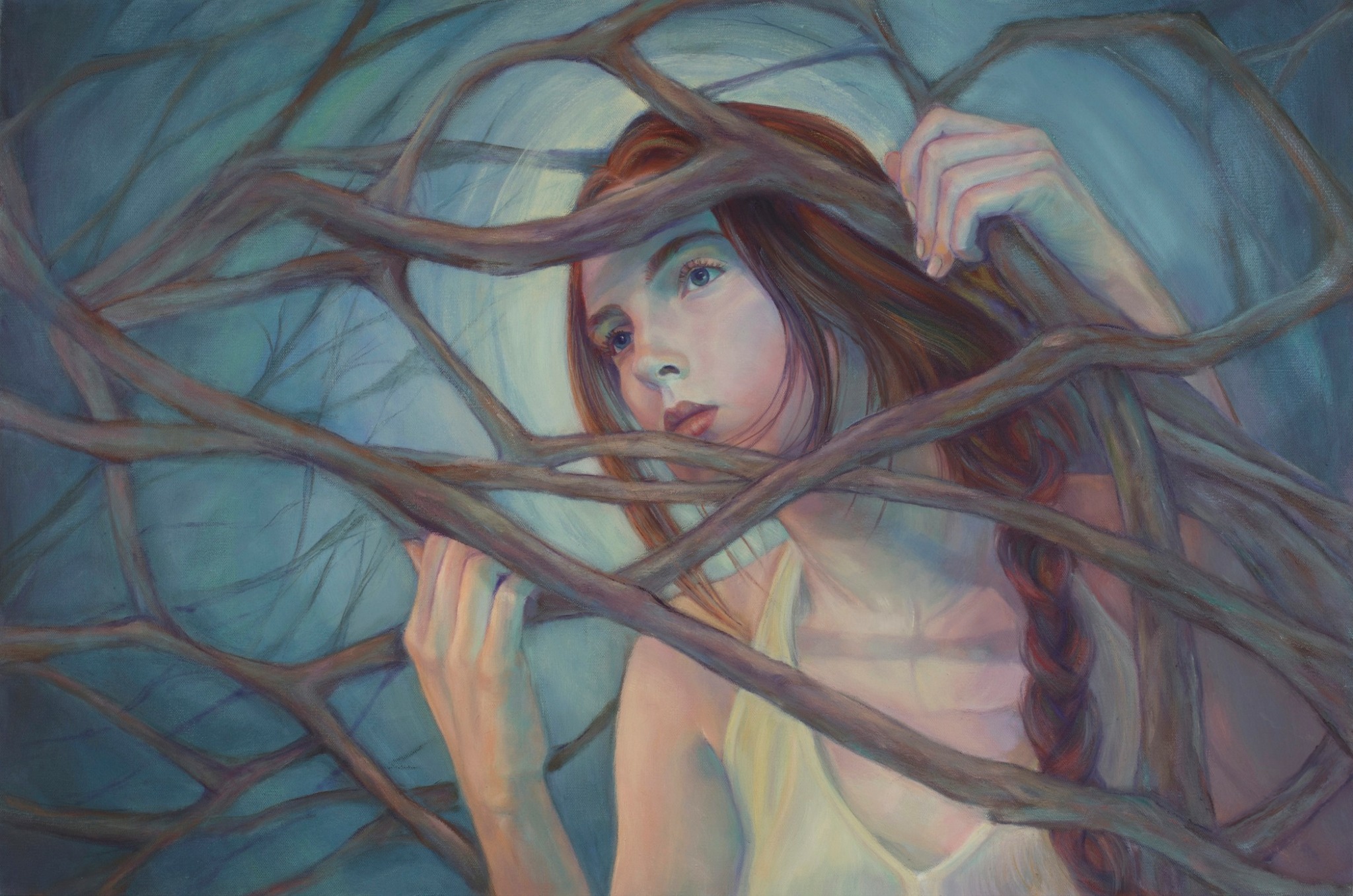
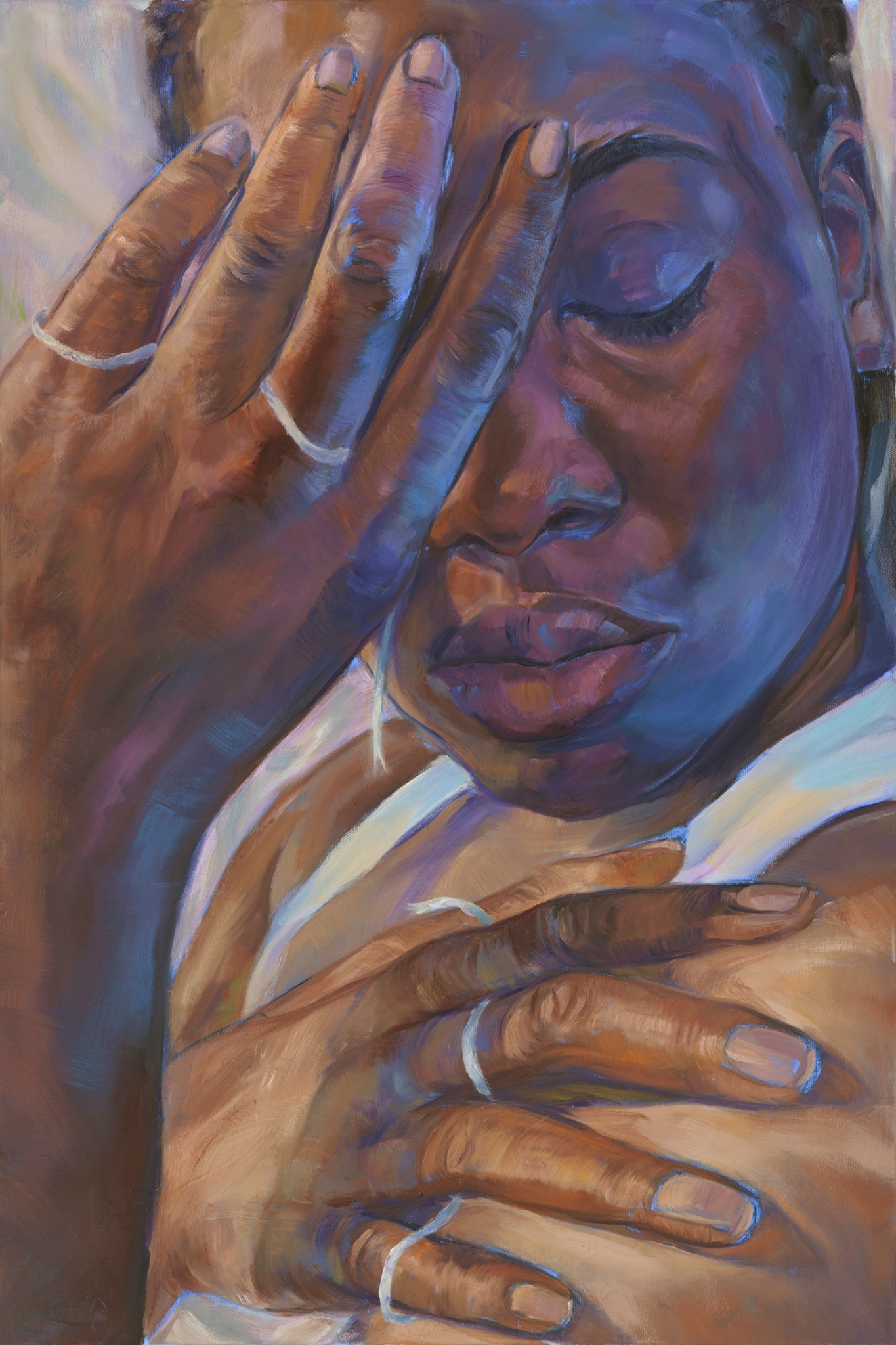
As a figurative oil painter in Louisville, Kentucky, I focus on the female form with a desire to empower women and reflect upon shared human experiences. Through my paintings, I record the world as seen through the lens of women, addressing socially conscious themes such as privilege, abuse, marginalization, self-identity, and body image.
For over 20 years, I have devoted my practice exclusively to painting the female figure. Rather than working directly from life, I photograph models in various poses, experimenting with lighting to create diverse moods and typically capture over 100 images of each model. I draw from multiple photographs as references for each painting, however, my process transcends a straightforward, photo-realistic translation. Instead, it is shaped by my subjective responses to the photographs and personal connection with the model. With a focus on anatomy, lighting, and the interplay of textures like fabric and skin, the act of painting itself guides me.
Oil painting allows me to explore subjects with a variety of techniques and styles, selecting the approach that best aligns with my artistic vision. My work has been deeply influenced by former mentor and teacher, Graham Ingles, an EC Comics illustrator and a master of figurative art. His guidance strongly influenced my passion for portraiture and figurative design.
Over the years, I have experimented with many painting styles in portraiture and figurative painting finding fulfillment in different approaches. Lately, my focus has shifted toward a more spontaneous, narrative-driven style, drawing inspiration from impromptu interactions in everyday life and intuitively developing compositions as they unfold. I believe a candid approach will infuse my work with energy and authenticity, capturing more genuine human experiences.
How can we best help foster a strong, supportive environment for artists and creatives?
In my experience, most people have limited knowledge of the visual artists in their community. I’ve invited many acquaintances to my art shows, only to be surprised that they’ve never visited a local art gallery. I believe local communities should support artists and galleries by spotlighting them in local news, publications, and advertisements.
What do you find most rewarding about being a creative?
For me, the most rewarding aspect of being an artist is knowing that I’m doing what I was meant to do. Most artists recognize their calling from a very young age. Given the limited career support for fine artists in our society, I was thrilled to finally become a full-time artist at the age of 63, after retiring from a lifelong career as an art teacher. While I always practiced my creativity and painting throughout my life—balancing work and raising children—it’s not the same as being a full-time fine artist.