

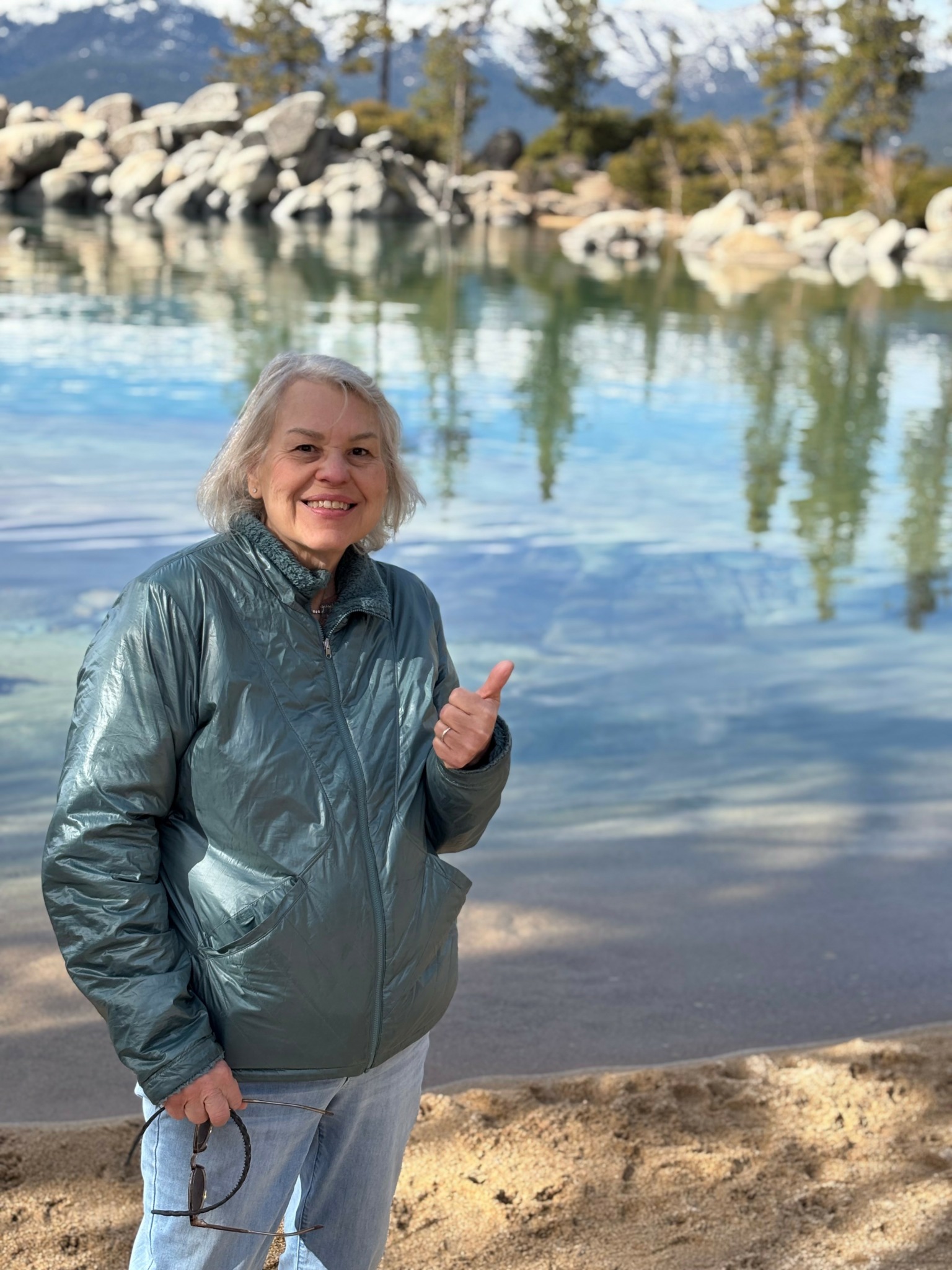

Alright – so today we’ve got the honor of introducing you to Deborah Lambin. We think you’ll enjoy our conversation, we’ve shared it below.
Hi Deborah, thanks for joining us today. Alright – so having the idea is one thing, but going from idea to execution is where countless people drop the ball. Can you talk to us about your journey from idea to execution?
How It All Began – The Story of My Thousand Words
It didn’t start as a business. It started as a moment.
I was holding a book—one that had lived a full life, its pages worn, its story already told—and I couldn’t bring myself to throw it away. Instead, I wondered… what else could it become? That question sparked everything.
At first, it was pure curiosity. I began folding pages, experimenting with shapes, not knowing where it would lead. Some pieces worked, many didn’t—but each attempt taught me something new. What began as a quiet, creative exploration quickly became something more meaningful. These books weren’t just objects—they were transforming into art, into stories told in a completely new way.
The next phase was discovery and persistence. I started researching techniques, testing different methods, and pushing the limits of what a book could become. I spent hours—days—refining folds, understanding structure, and developing designs that felt unique. It wasn’t overnight. It was a process of trial, error, and small breakthroughs.
Then came the moment of sharing.
I showed my work to others—friends, family, small groups—and their reactions were immediate and emotional. People connected with the idea of giving books a second life. That was the turning point. I realized this wasn’t just something I loved doing… it was something others valued too.
From there, the business slowly took shape.
I partnered with my daughter Rachael, and together we began building what would become My Thousand Words. We created more pieces, took custom requests, and started thinking beyond the art—how to present it, how to price it, how to reach people. We built a website, participated in shows, and said “yes” to opportunities, even when we were still figuring things out.
Each step required learning something new—branding, marketing, logistics, teaching workshops, and scaling production. There were moments of uncertainty, but also moments of incredible joy when we saw our sculptures find homes in personal libraries, vineyards, and collections across the country.
What began as a single idea—not wanting to throw away a book—became a business rooted in storytelling, sustainability, and connection.
Looking back, there wasn’t one big leap. It was a series of small, intentional steps:
an idea… a fold… a piece… a reaction… a partnership… a leap of faith.
And before we knew it, My Thousand Words was no longer just an idea—it was alive.
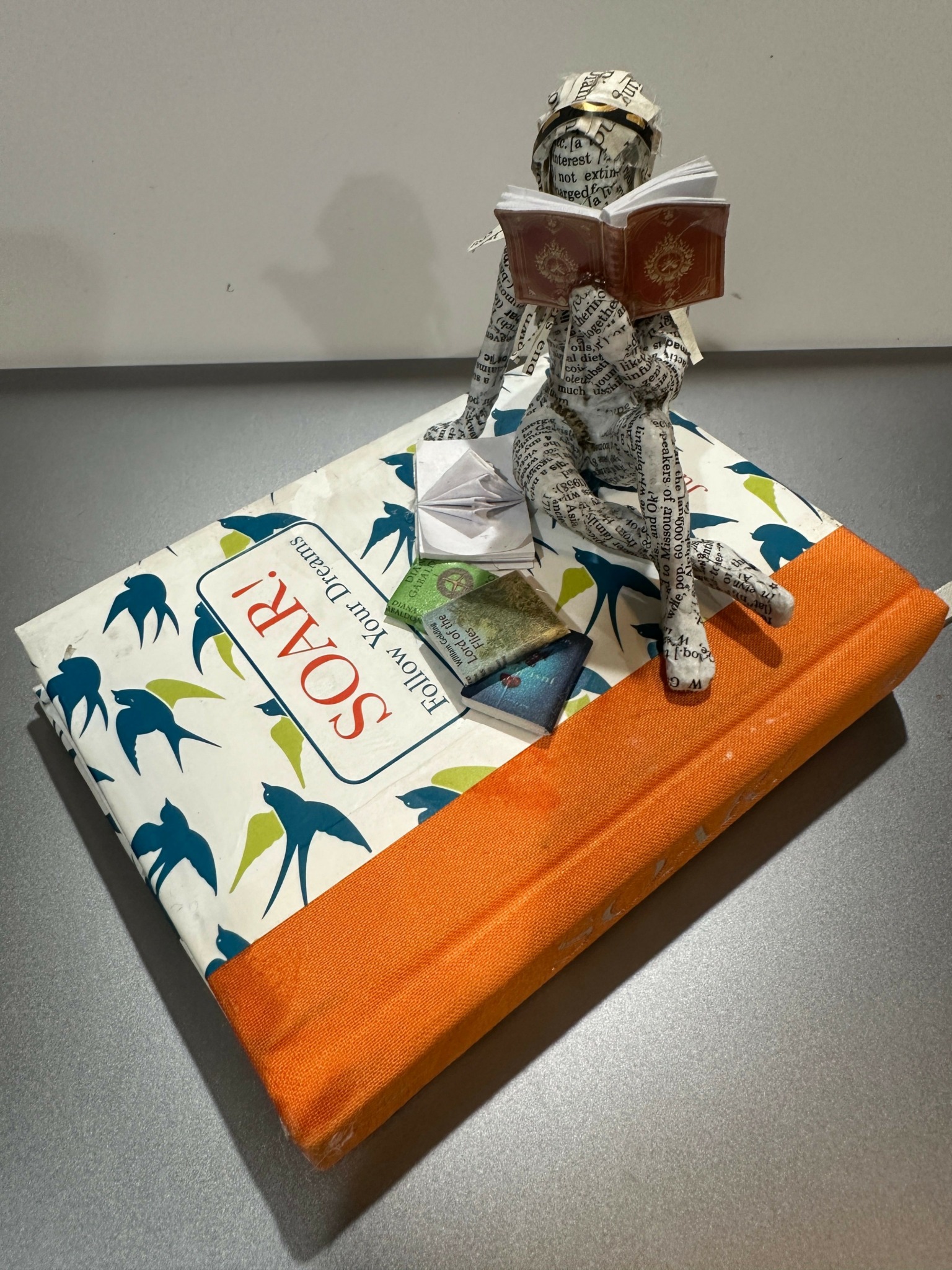
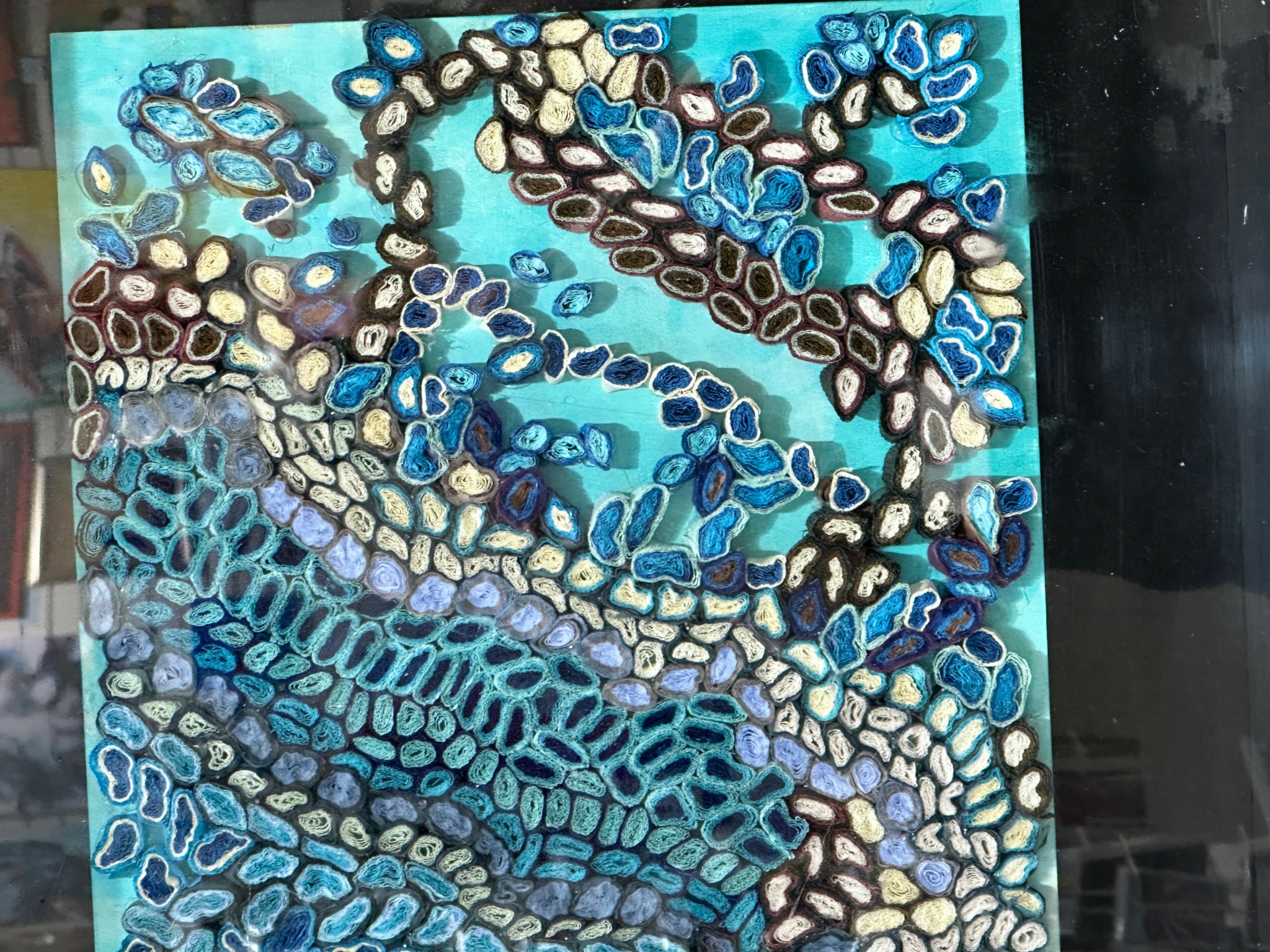
As always, we appreciate you sharing your insights and we’ve got a few more questions for you, but before we get to all of that can you take a minute to introduce yourself and give our readers some of your back background and context?
About Me & My Thousand Words
I’ve been an artist for over 30 years, working across many mediums—watercolor, printmaking, sculpture—but my journey took a truly meaningful turn when I began working with books. What started as a simple question—“What else can this book become?”—grew into a passion, and eventually into My Thousand Words, a collaborative venture I share with my daughter, Rachael.
Together, we transform books—both discarded and cherished—into intricate, one-of-a-kind sculptures. Each piece is thoughtfully designed, hand-folded, and created with intention. No two are ever alike. What we create is not just art—it’s a continuation of a story, a reimagining of something that once held words and now holds form, emotion, and memory.
Our work ranges from personal commissions for home libraries to large-scale installations and public art. We’ve created sculptures for individuals, vineyards, corporations, and exhibitions, and have had the honor of producing over 600 unique pieces. In 2023, I was awarded a Burning Man Art Grant, where we installed a 10×40-foot book sculpture—an experience that expanded both the scale and impact of our work.
But what truly sets us apart is not just what we create—it’s why we create it.
We are deeply rooted in the idea of transformation and sustainability. In a world where so much is disposable, we choose to honor materials that already have a story. Books, in particular, carry meaning—whether they are beloved or forgotten—and we give them a second life that invites connection and reflection.
We also believe in sharing the process. Teaching is a huge part of what I do. Through workshops at Western Nevada College, the Brewery Arts Center, and beyond, I guide others in discovering their own creativity—often using repurposed materials. I love watching people realize that they can create something beautiful with their own hands, often for the first time.
For our clients, we solve something deeper than just a design need. We create meaningful, personalized art—pieces that reflect identity, memory, and story. Whether it’s a custom sculpture representing a favorite book, a place, or a life moment, our work becomes something people connect with on a personal level.
What I’m most proud of is the connection this work has created—not only with collectors and clients, but within my own family and community. Building this business alongside my daughter has been one of the greatest joys of my life. It’s more than a business—it’s a shared creative language, a legacy, and a way of bringing people together.
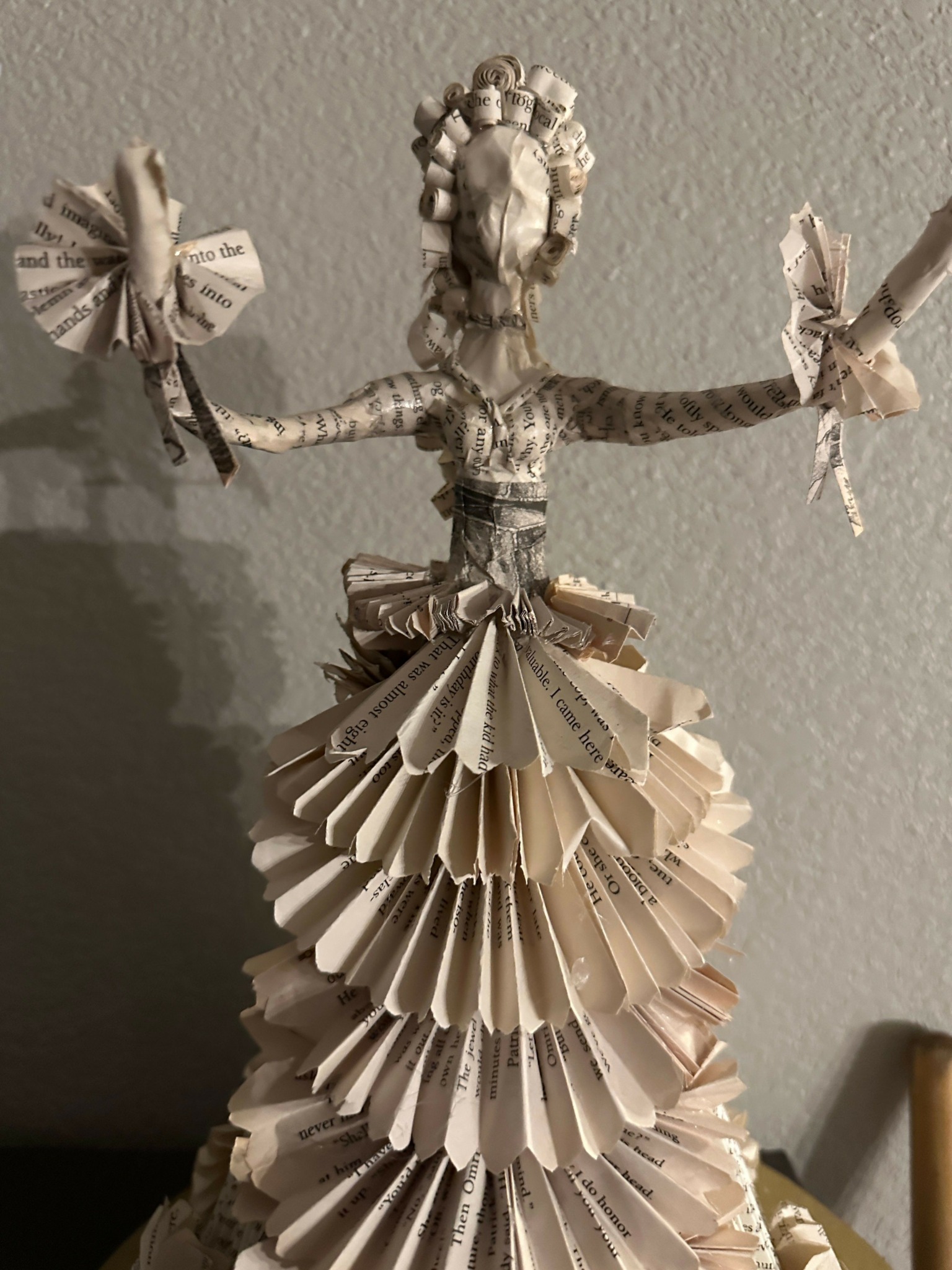
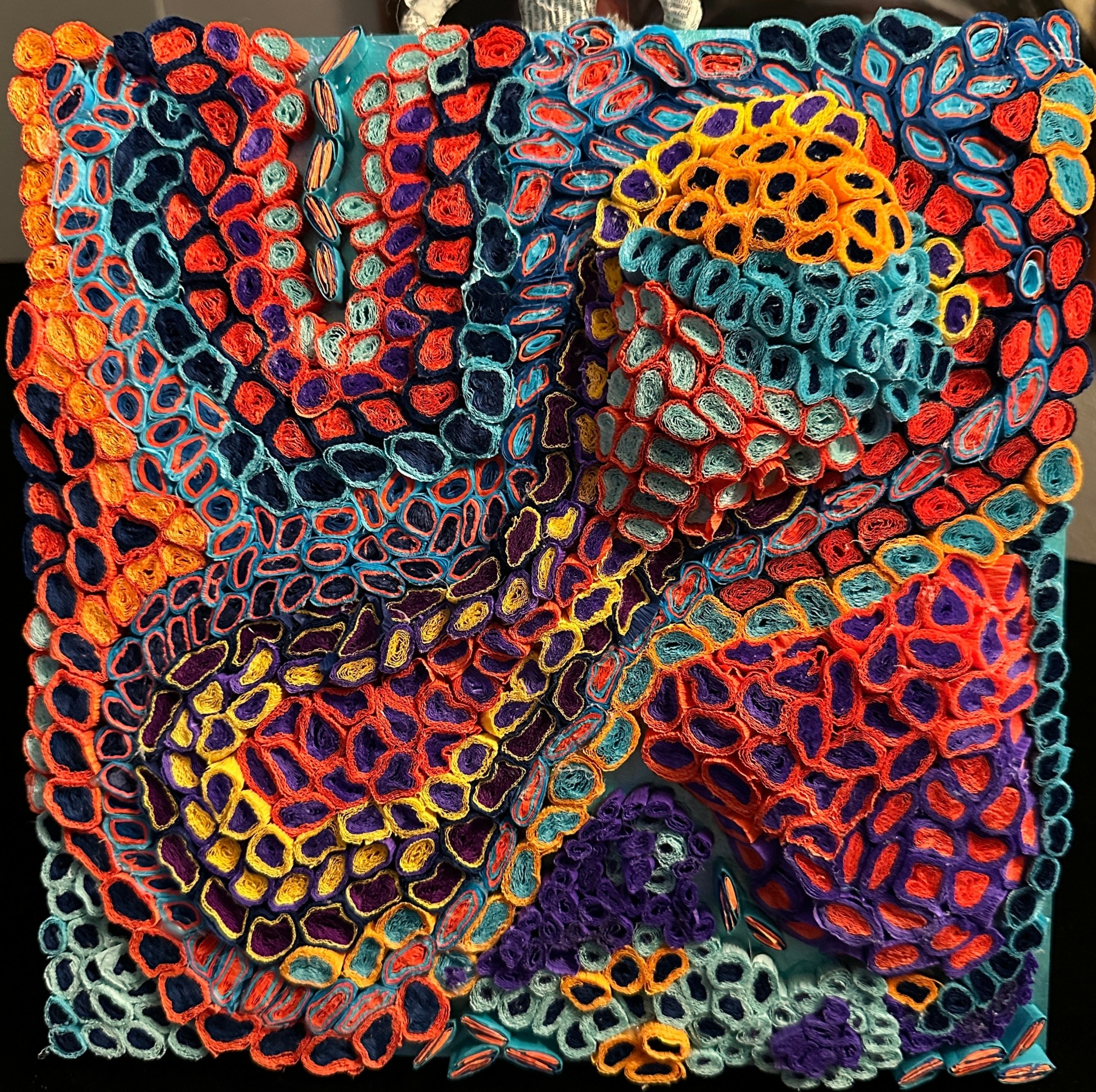
What do you find most rewarding about being a creative?
The Most Rewarding Aspect of Being an Artist
The most rewarding part of being an artist, for me, is witnessing transformation—both in the work and in people.
There’s something incredibly powerful about taking something ordinary, or even discarded—like a book—and turning it into something meaningful and beautiful. Watching that transformation unfold in my hands never gets old. Each piece feels like it has a life of its own, and I’m simply helping it become what it was meant to be.
But even more rewarding is what happens when others connect with that work.
When someone sees one of our sculptures and feels something—whether it’s nostalgia, joy, curiosity, or even comfort—that moment of connection is everything. It means the piece has done its job. It’s no longer just something I made… it belongs to them in a completely personal way.
I also find deep fulfillment in teaching. Watching someone walk into a workshop unsure of their creativity and then leave with something they made—something they’re proud of—is incredibly moving. You can actually see their confidence grow in real time. That ripple effect of creativity is something I cherish.
And on a personal level, building this creative life alongside my daughter has been one of the greatest gifts. Sharing ideas, solving problems together, and watching our work evolve as a team—it’s something I never take for granted.
In the end, it’s not just about creating art.
It’s about creating connection, confidence, and meaning—one piece, one person, one moment at a time.
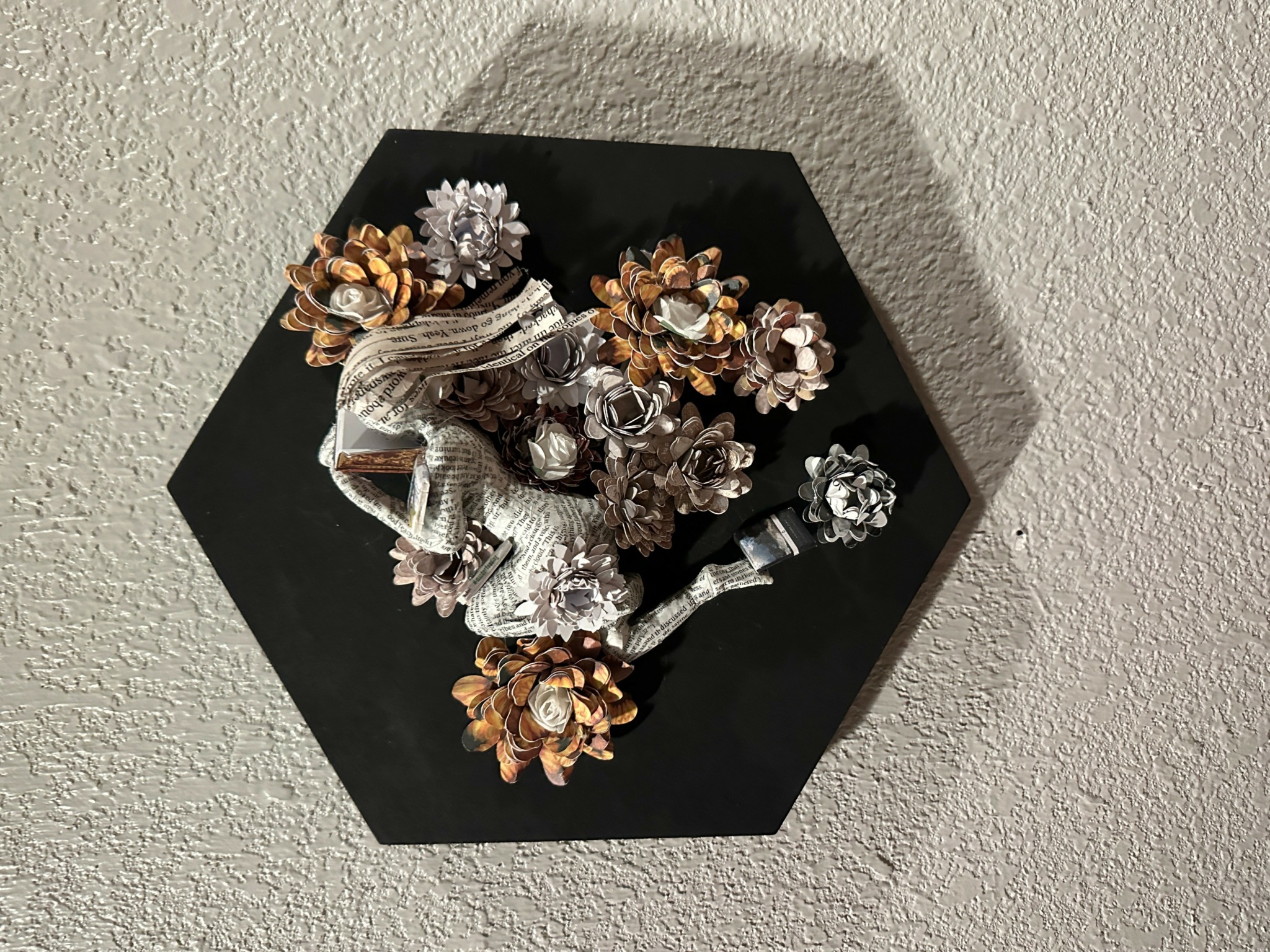
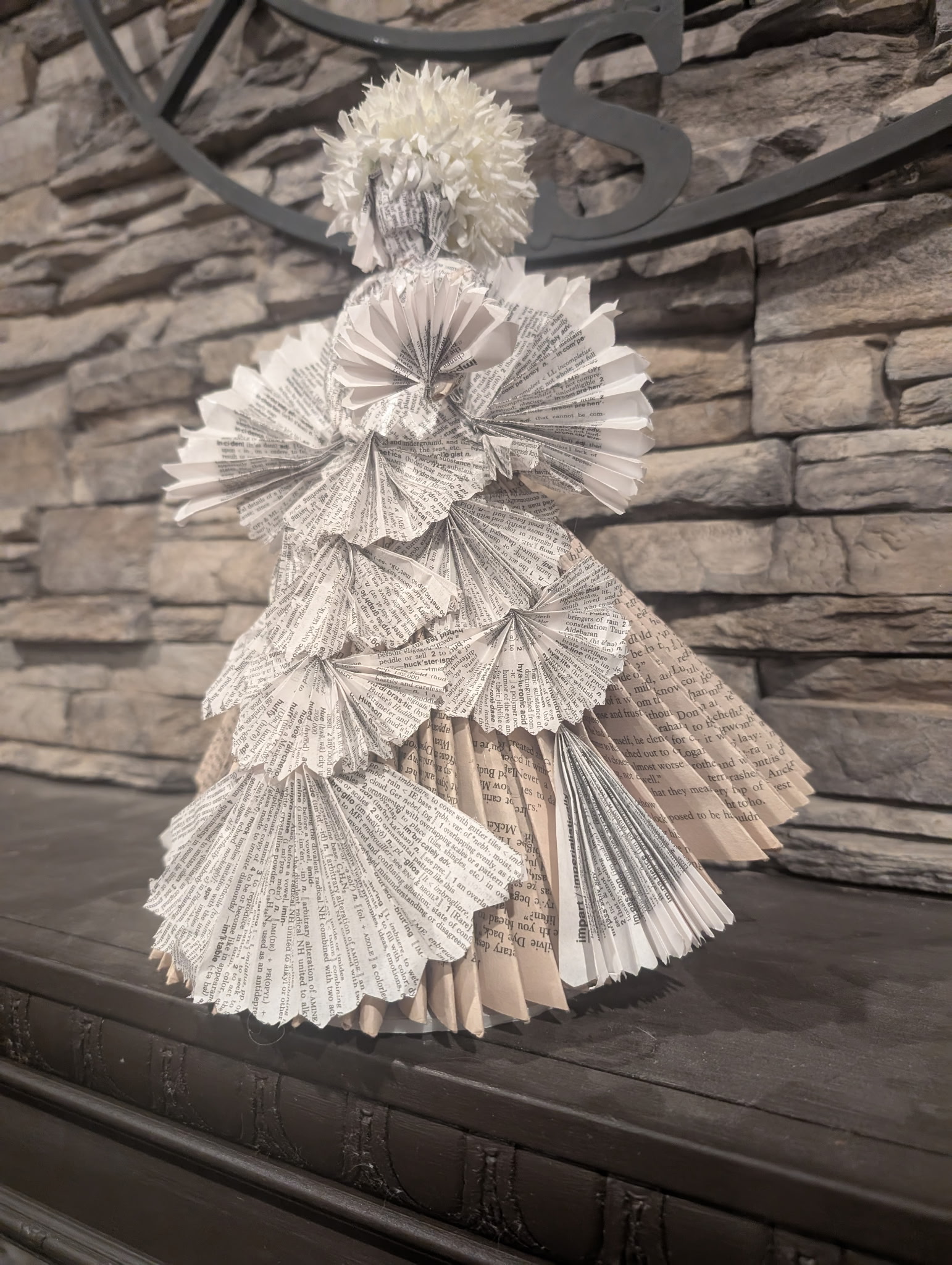
Do you think there is something that non-creatives might struggle to understand about your journey as a creative? Maybe you can shed some light?
What Non-Creatives Might Not Understand
One thing I think non-creatives sometimes struggle to understand is that creativity isn’t just inspiration—it’s persistence.
From the outside, it can look like art simply “happens,” like you wake up with an idea and magically bring it to life. But the truth is, so much of the journey is trial and error, problem-solving, and learning to sit with uncertainty. There are many moments where something doesn’t work, where a piece doesn’t turn out as planned, or where you question whether the idea will come together at all.
What people don’t always see are the hours behind the scenes—the failed attempts, the redesigns, the quiet moments of figuring things out. Creativity asks you to trust the process even when you don’t yet see the outcome.
Another piece that’s often misunderstood is how personal the work really is. When you create something, you’re not just producing an object—you’re sharing a part of how you see the world. That can feel vulnerable. Putting your work out there means opening yourself up to interpretation, and sometimes criticism, which takes courage.
And then there’s the business side.
Turning creativity into a business means wearing many hats—artist, teacher, marketer, problem-solver, organizer. You’re constantly balancing the joy of creating with the responsibility of sustaining something meaningful. It’s not always easy, but it’s deeply fulfilling.
If there’s one insight I could share, it’s this:
Creativity isn’t about being “naturally talented”—it’s about being willing to try, to fail, to learn, and to keep going.
Because on the other side of that persistence is something incredibly powerful—the ability to take an idea, something that only existed in your mind, and bring it into the world where it can connect with others.
And that makes every challenge along the way worth it.
Contact Info:
- Website: https://www.MyThousandWords.com
- Facebook: https://www.facebook.com/MyThousandWordsBookSculptures/
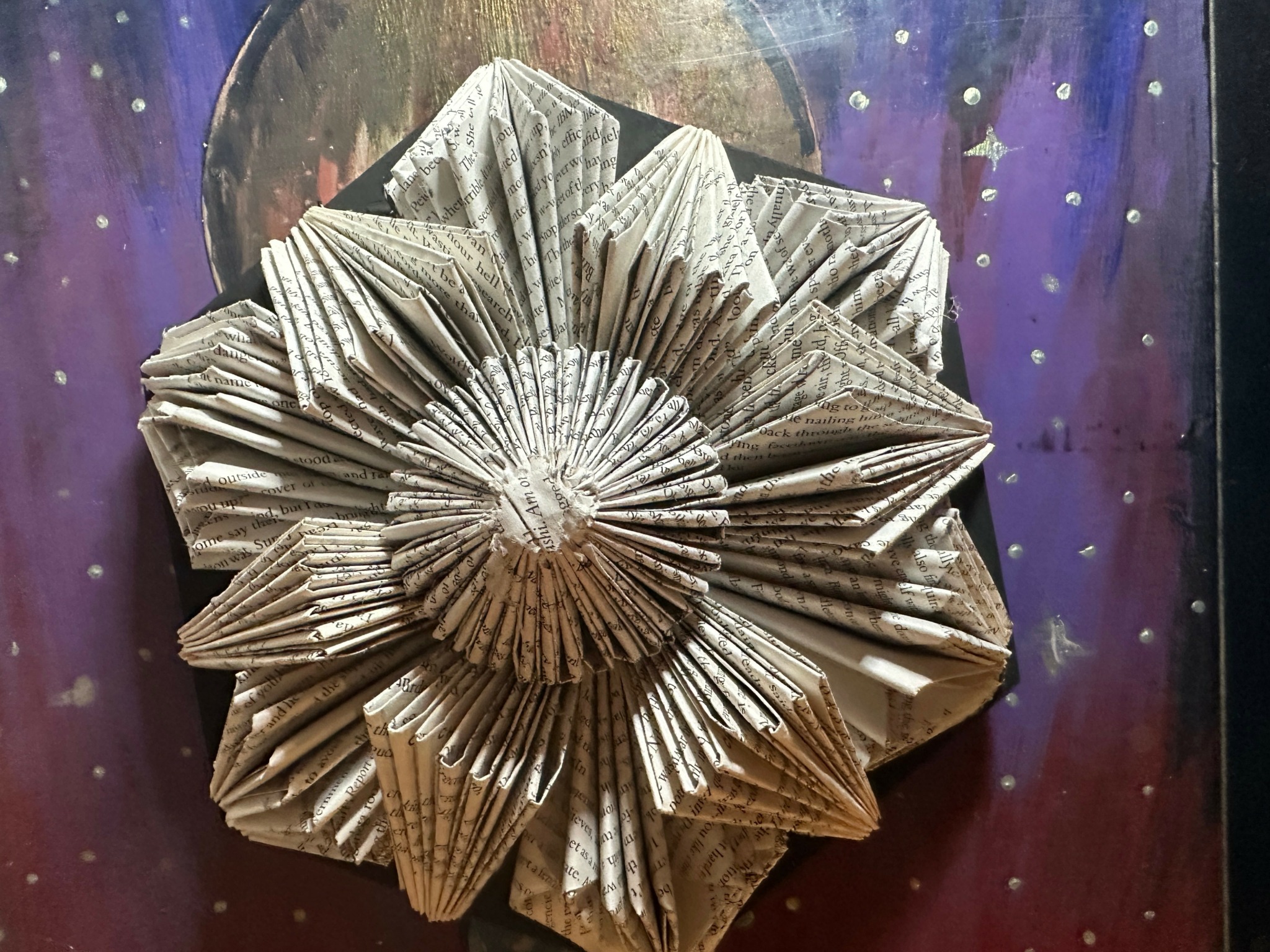
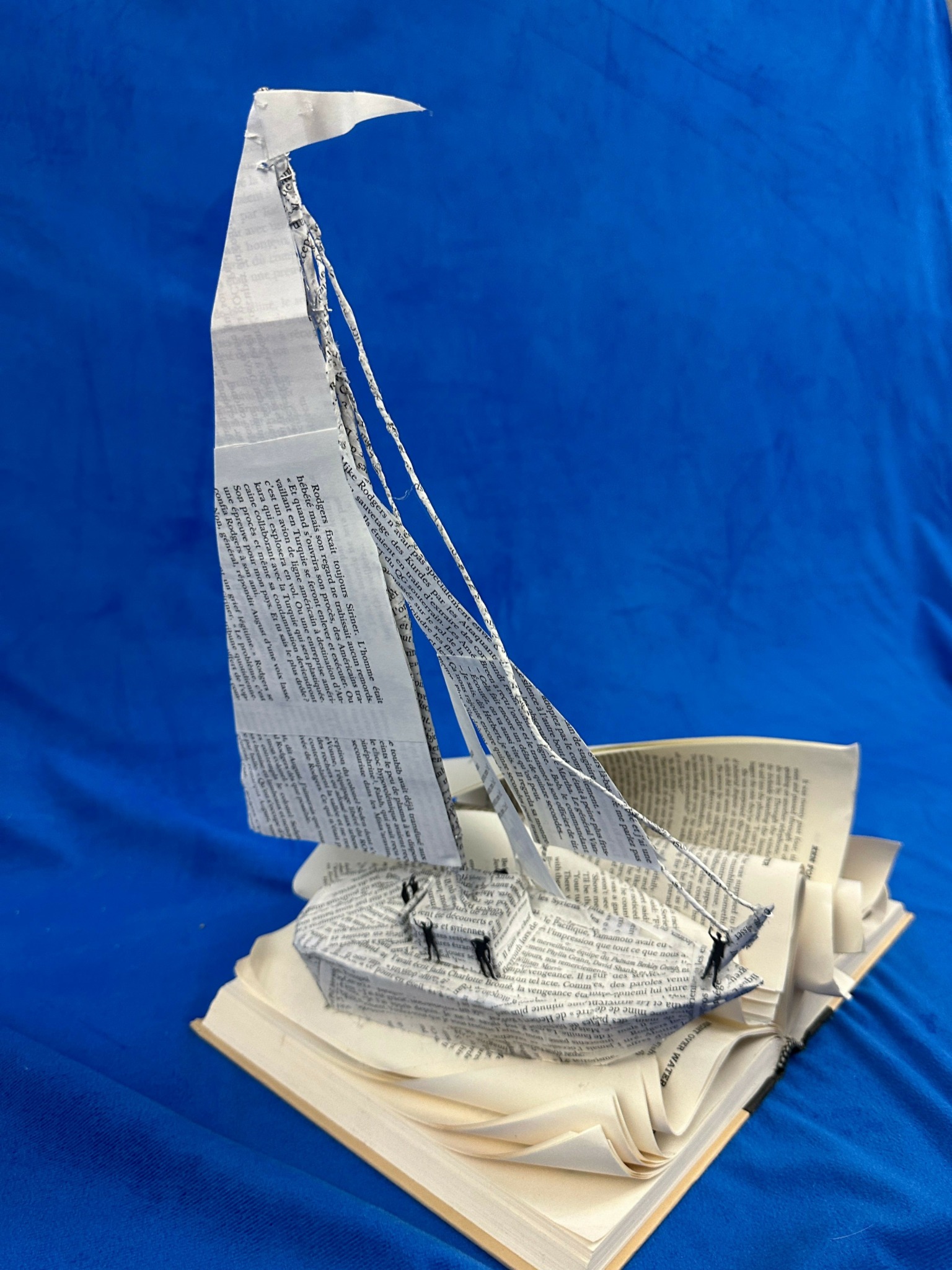
Image Credits
photo taken by John-Henry Lambin