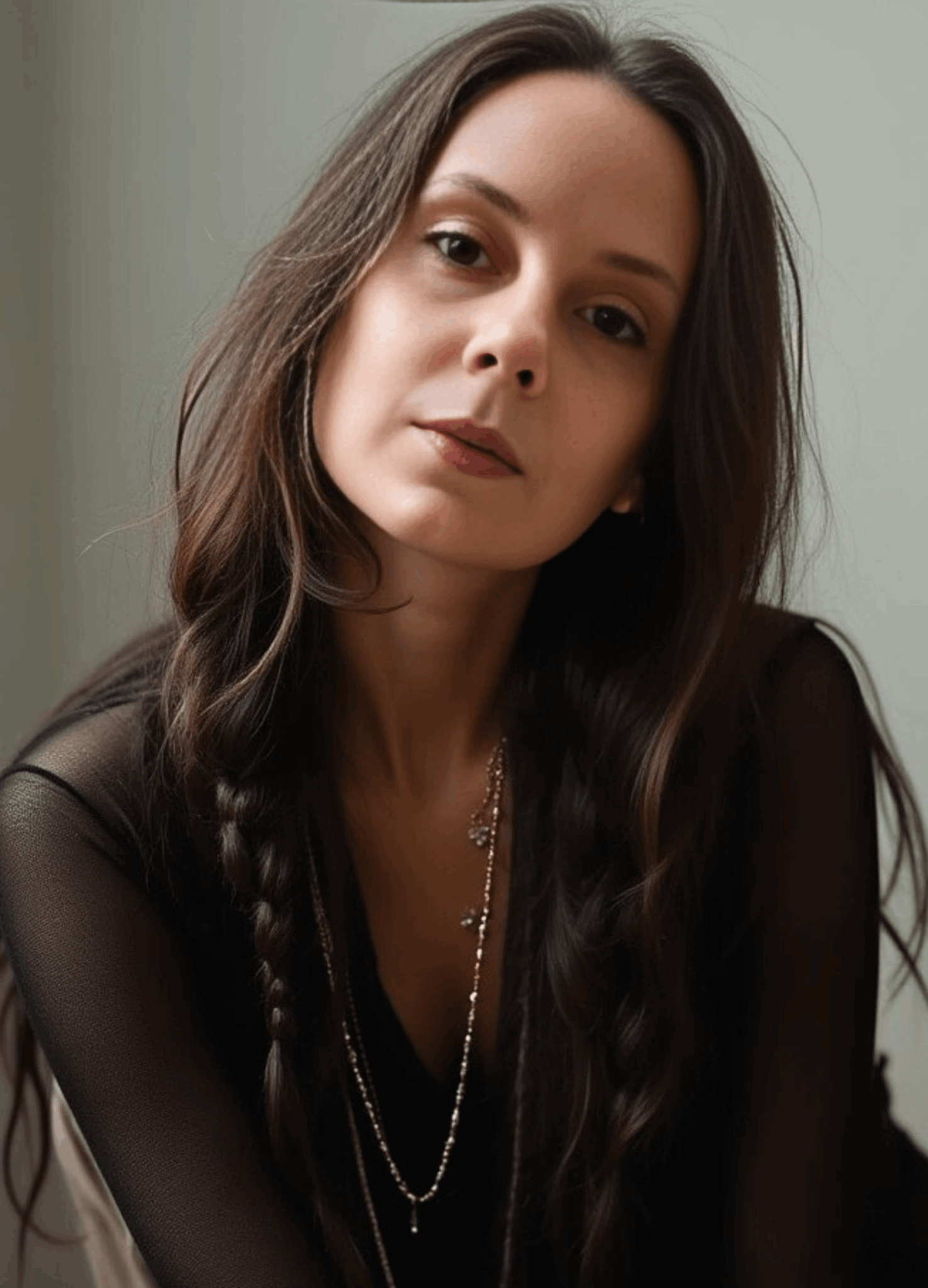

We caught up with the brilliant and insightful Debbie Shepardson a few weeks ago and have shared our conversation below.
Debbie, thanks for taking the time to share your stories with us today What’s been the most meaningful project you’ve worked on?
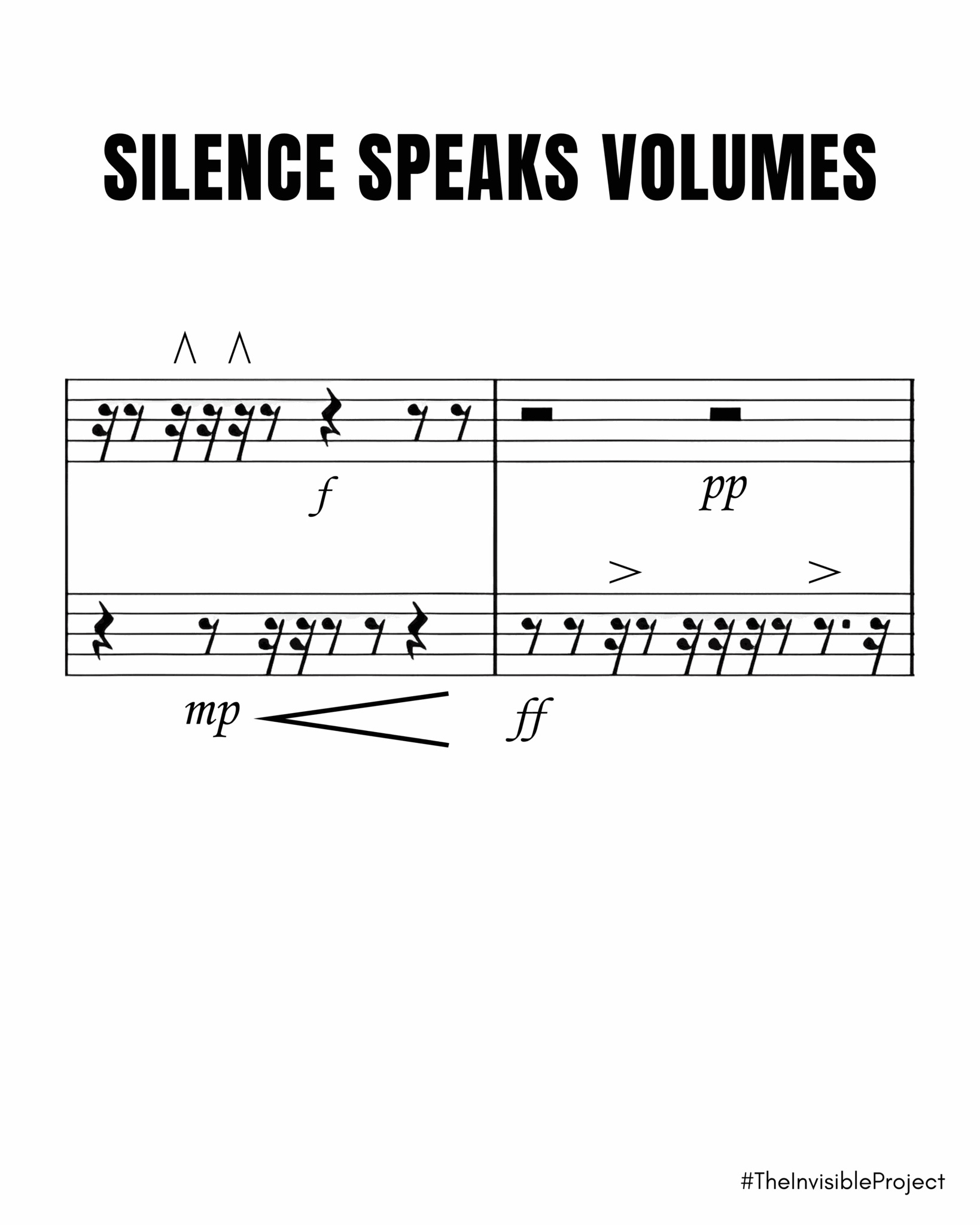
The Invisible Project. It started with my son. He and his friend handed me a tiny flip book they’d made. I opened it and saw blank pages. I assumed that was intentional and said it would be a great idea to make an entire book of invisible things. They laughed and pointed to a tiny cat in the corner, but by then I’d already pictured the first ten pages of an invisible book. I’d projected meaning onto nothing. We all do that. We register only what we’re already able to imagine. That moment made it obvious that creativity isn’t about adding more, but about noticing what’s already sitting there.
At the time I was still building concepts for other people’s ideas. I liked the freedom, but my originality was feeding other’s visions while I waited for room for my own. The reaction to The Invisible Book changed that. People were genuinely curious, which forced me to take the idea seriously. Within days I built a website and started shaping what became The Invisible Project, a wider exploration of how unseen ideas move across different media. Two more book concepts followed. What started as a minimalist experiment turned into a way of seeing. Silence shows you what’s been talking the whole time.
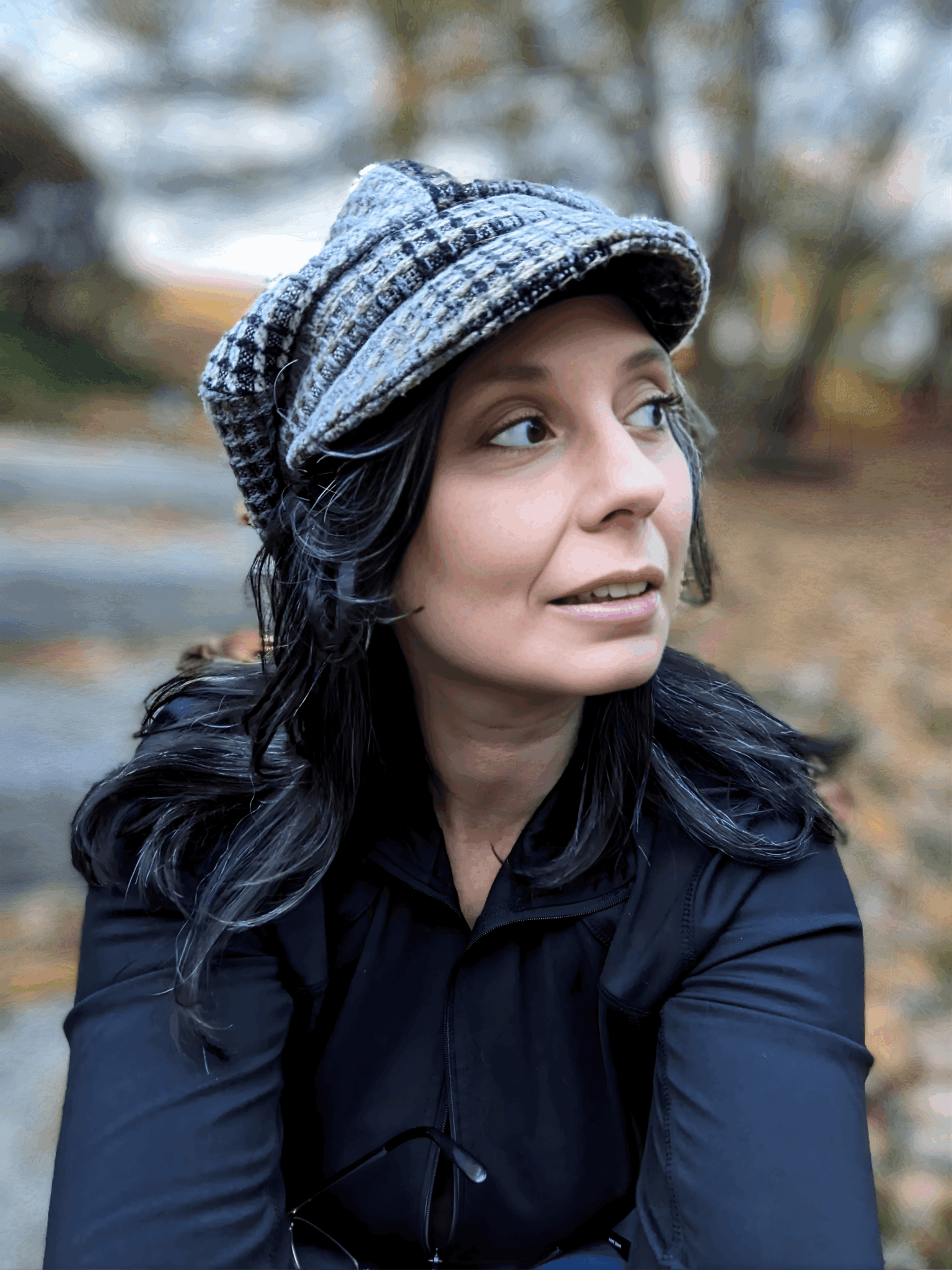
Debbie, before we move on to more of these sorts of questions, can you take some time to bring our readers up to speed on you and what you do?
I started out creating ideas and strategies for other people, which taught me pretty fast that the real meaning usually comes from the parts no one’s watching. That instinct is what pushed me into my own work and eventually into The Invisible Project. The books, the conceptual pieces, and The Invisible Chronicle all come from the same place: paying attention to the decisions that happen before anything is visible.
My work tends to lean toward clarity over noise. I don’t add polish or decoration. I track patterns, behavior, and the quiet mechanics underneath an idea and build from there. The project grew from a small moment and kept expanding because the framework kept proving itself useful. If someone’s new to my work, the simplest way to put it is this: I focus on what people overlook and turn it into something you can finally see.
Can you share a story from your journey that illustrates your resilience?
Corporate work kept me afloat early on, but it never felt like my path. Lyme disease made the decision for me. It stopped my ability to communicate, think, even move. The part it didn’t touch was the drive to create. When everything else went offline, I started mapping out the structure for what would become my dog-training business. Not because it was inspirational, but because it was the one thing I could control. Building that system showed me I could design my own work instead of being slotted into someone else’s. That’s how I learned I had the capacity to be an entrepreneur. The behavioral patterns I studied in dogs translated directly to how I approached people and projects. Slow observation. Clear signals. No noise. Rebuilding meant accepting different limits and using them instead of fighting them. Once I stopped waiting for my old life to return, the new one formed. The Invisible Project grew out of that shift. Constraint became structure. Structure became direction.
Is there mission driving your creative journey?
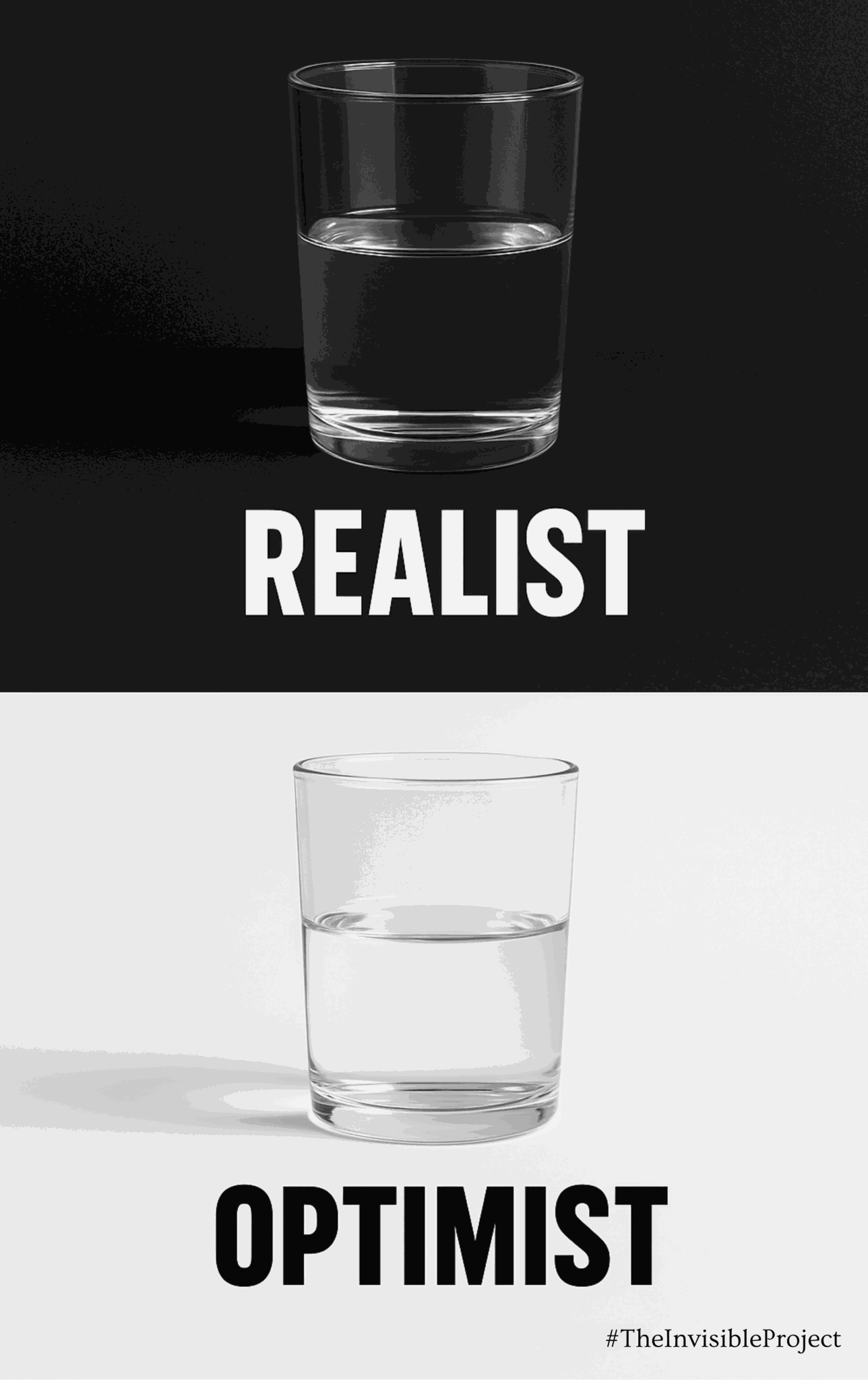
There is. Most of my work comes from paying attention to what people skip over. Small decisions, background patterns, the stuff that quietly steers behavior without announcing itself. I’m more interested in those mechanics than the big obvious moments. If I can make the hidden parts visible, the picture gets cleaner. Not inspirational, just accurate. And once you can see what’s actually driving a choice, you stop running on default. That’s basically the thread that pulled me to entrepreneurship during Lyme. I had to study what was real, not what I wished was happening. It’s the same idea now. I try to give shape to the parts of a process that don’t have a voice, the influences nobody names, and the context that’s missing but necessary. For me, visibility isn’t about putting something in a spotlight. It’s about seeing the structure underneath everything. That’s the core of The Invisible Project and the work around it.
Contact Info:
- Website: https://debbieshepardson.com
- Instagram: https://instagram.com/roxieroxstar
- Facebook: https://facebook.com/roxierockstar
- Linkedin: https://linkedin.com/in/debbieshepardson