

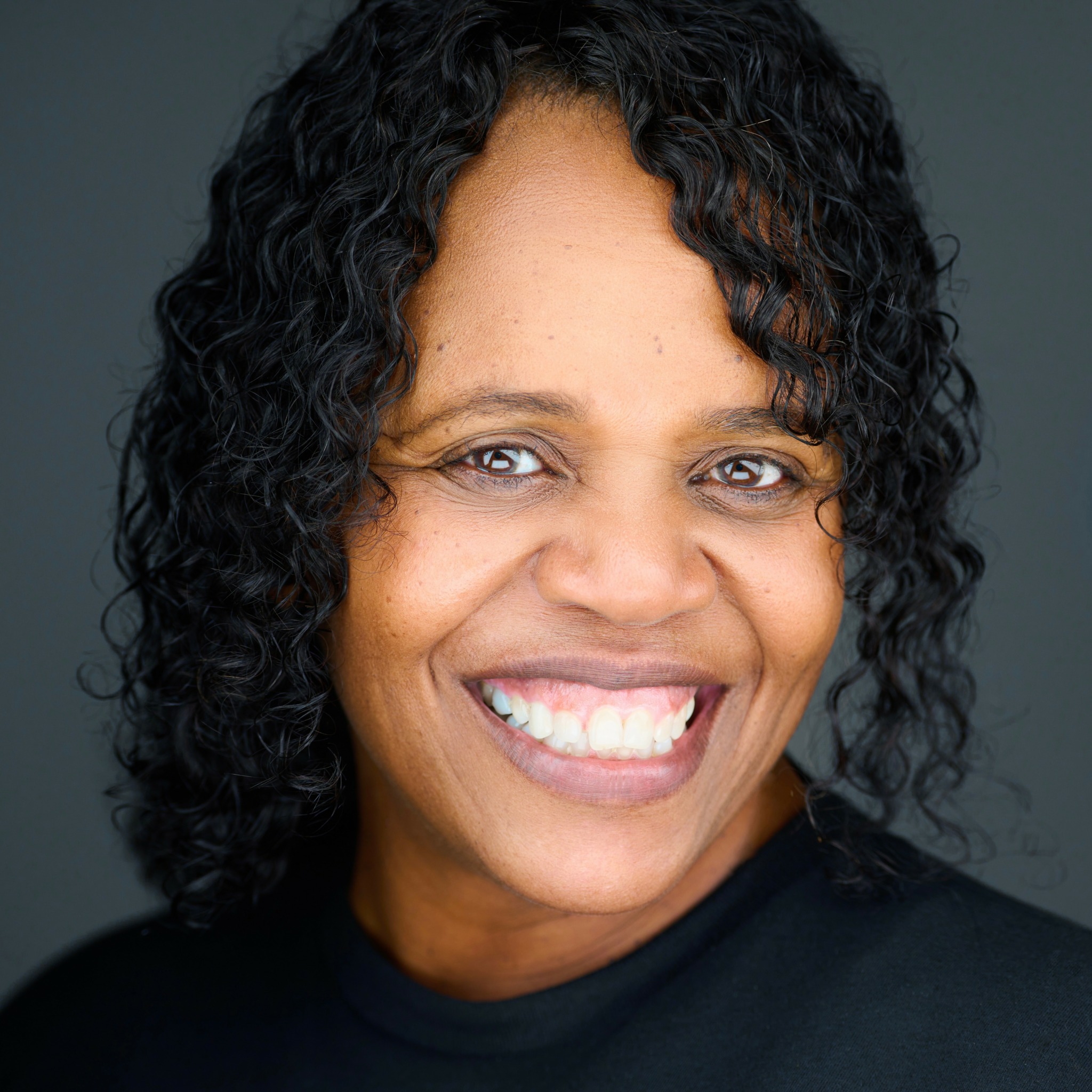

We caught up with the brilliant and insightful Deb Davis a few weeks ago and have shared our conversation below.
Deb, looking forward to hearing all of your stories today. It’s always helpful to hear about times when someone’s had to take a risk – how did they think through the decision, why did they take the risk, and what ended up happening. We’d love to hear about a risk you’ve taken.
One of the biggest risks I’ve taken was retiring from a 24 year career at AT&T Wireless at the age of 55 and stepping into an entirely new chapter.
I had spent my entire professional life in people facing industries, from restaurants and hotels to more than two decades in sales. My career was stable, predictable, and successful. But after a back injury required me to take time off, I found myself being questioned about my disability leave. That moment forced me to pause and evaluate what I really wanted for the next season of my life. Instead of returning to the same environment, I decided to meet with HR to see if retirement was even possible. AT&T operated on a point system, and when I did the math, I realized my age and years of service qualified me for full retirement.
Walking away at 55 was not a comfortable decision. It meant leaving security, identity, and everything familiar. But I knew I wasn’t retiring to slow down. I was creating space to build something new.
Photography had always been a personal passion. I had documented my family for years, but I didn’t want to treat it like a hobby. I invested in education, mentors, and hands on experience so I could truly learn the craft. In the beginning I photographed everything from events to graduations, but when the pandemic hit and I lost my event work, I pivoted into headshot photography. That pivot led me to train in the Peter Hurley method and eventually become a Peter Hurley Headshot Crew Associate, which helped me refine my niche and build Detroit City Headshots into a focused, professional brand.
Looking back, that early retirement felt like a huge leap into uncertainty, but it opened the door to the most aligned work of my life. It taught me that risk isn’t always about chasing something new. Sometimes it’s about trusting yourself enough to leave what’s familiar so you can step fully into what’s next.
Awesome – so before we get into the rest of our questions, can you briefly introduce yourself to our readers.
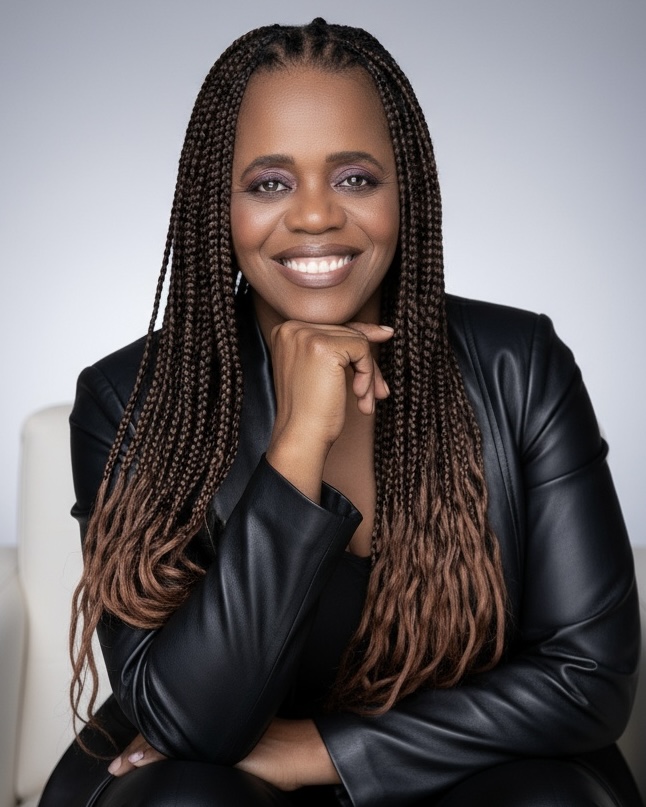
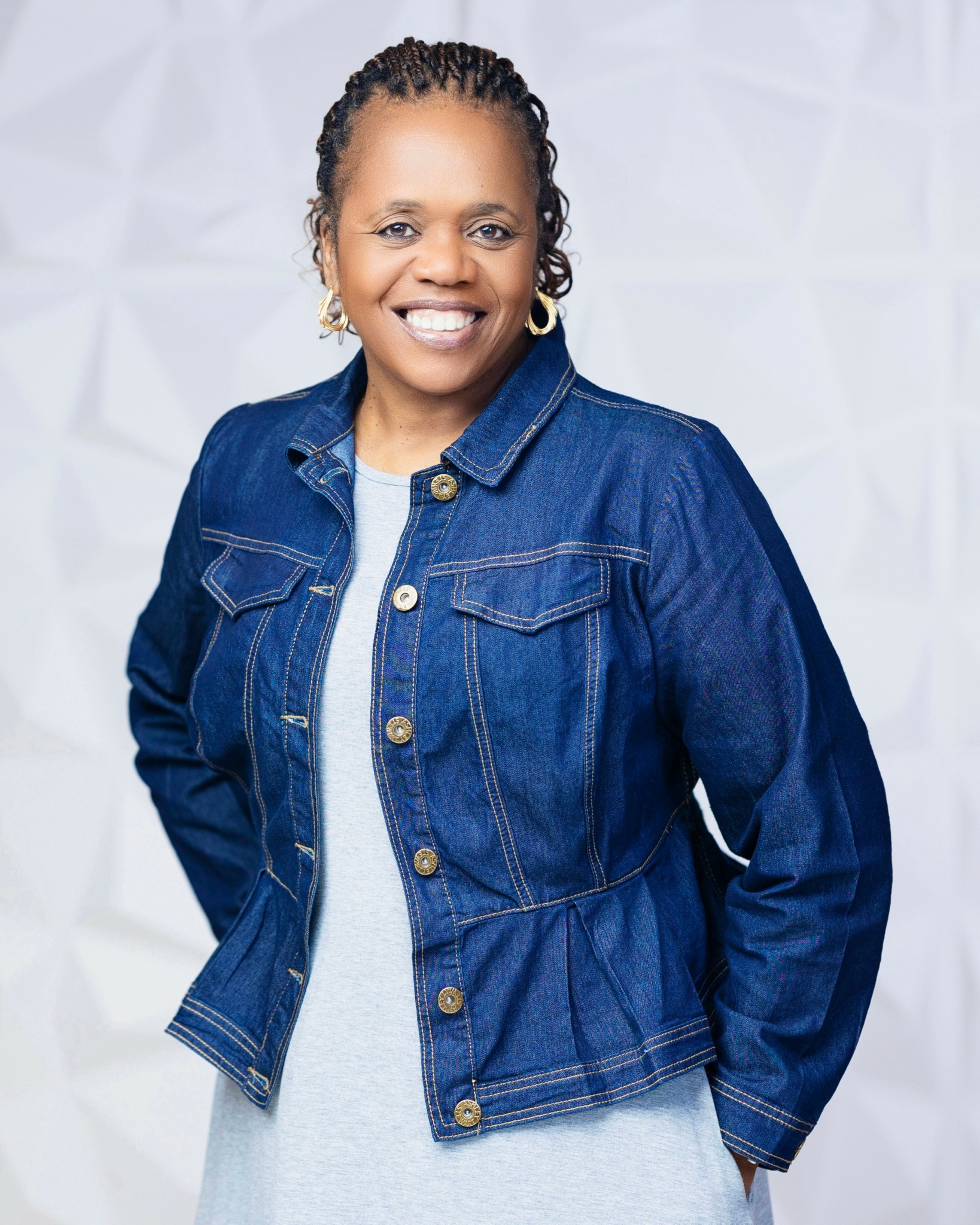
I’m a professional headshot photographer, speaker, and the founder of The Transparency Table, a platform dedicated to helping women reclaim their voice and show up authentically in their lives and leadership.
My path into this work has been shaped by decades of working closely with people. Before becoming an entrepreneur, I spent 24 years at AT&T Wireless in sales, and earlier in my career I worked in the restaurant and hotel industries. Those experiences taught me how to read people, build trust quickly, and create environments where people feel comfortable being themselves. After retiring early, I chose to pursue photography, a passion I had carried for years, and I invested heavily in education and mentorship to build a professional, client-centered business.
Today, through Detroit City Headshots, I specialize in helping professionals, entrepreneurs, and organizations present themselves with confidence through polished, authentic imagery. What sets my work apart is my focus on expression coaching. Before clients ever step in front of the camera, I spend time with them helping them understand how to present themselves in a way that feels natural and approachable. Many of the women I work with come in feeling nervous, self-conscious, or unsure about being photographed, so part of my role is helping them shift their mindset. I talk with them, encourage them, and help them reconnect with the confidence they already have. That inner work is what allows the real expressions to come through on camera, and it’s often why clients say they see a version of themselves they didn’t realize others could see.
Alongside my photography work, I lead The Transparency Table, where I work with women who feel successful on the outside but unsettled internally. Through coaching, speaking, and community, I help them identify what has been holding them back, reclaim their voice, and step into a stronger sense of identity and purpose. The connection between my photography and coaching is very intentional. In both spaces, I’m helping people feel seen, not just visually, but personally.
What I’m most proud of is the impact my work has on how people see themselves. Whether it’s a client who walks away from a headshot session feeling more confident than they expected, or a woman who finds the courage to speak her truth after years of silence, those moments remind me why I do what I do.
For potential clients and followers, the main thing I want them to know is that my work is rooted in authenticity and care. I don’t believe in surface-level transformation. I believe in helping people show up in a way that feels true, aligned, and sustainable, whether that’s in front of a camera or in their everyday lives.
What do you find most rewarding about being a creative?
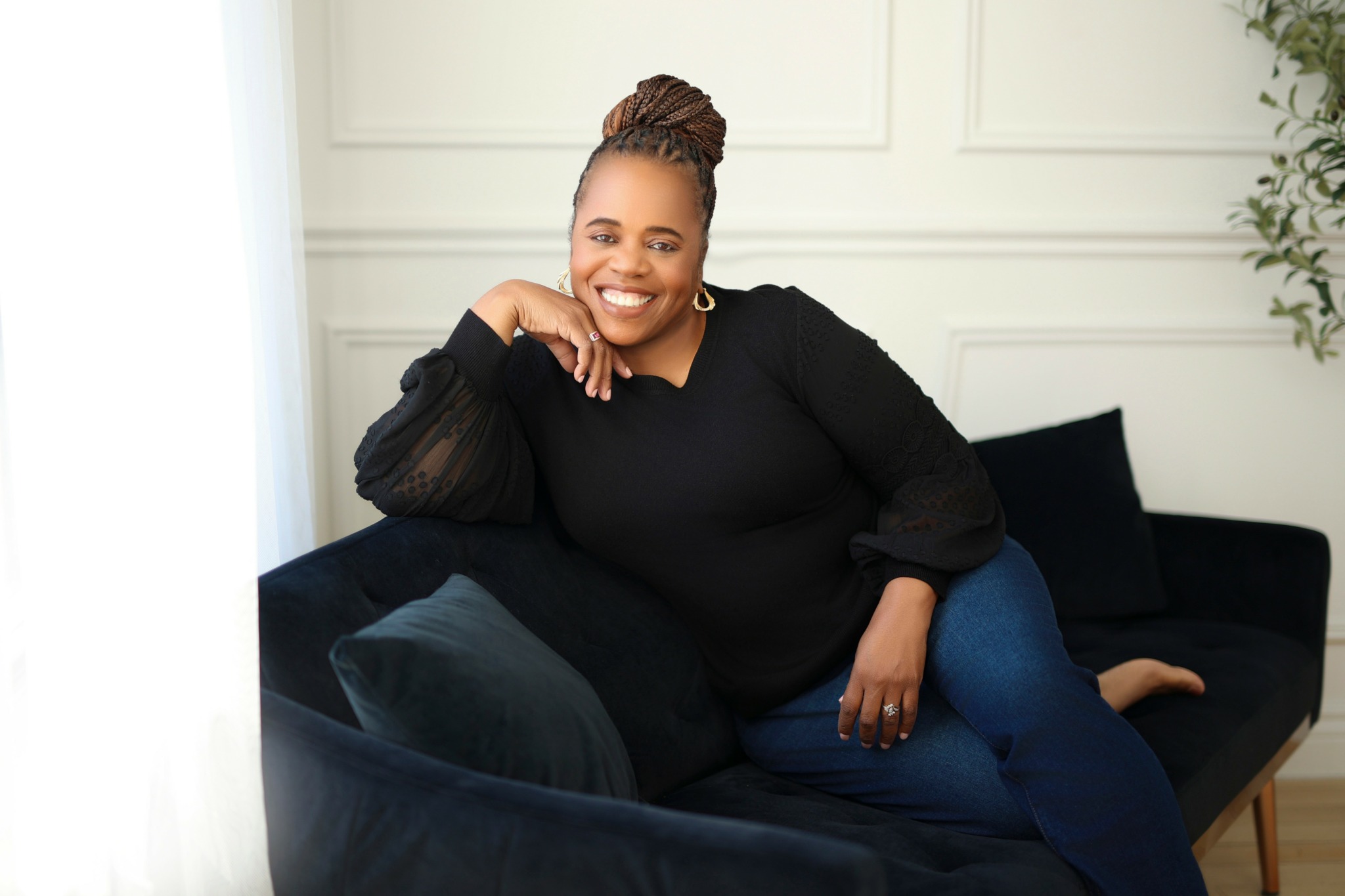
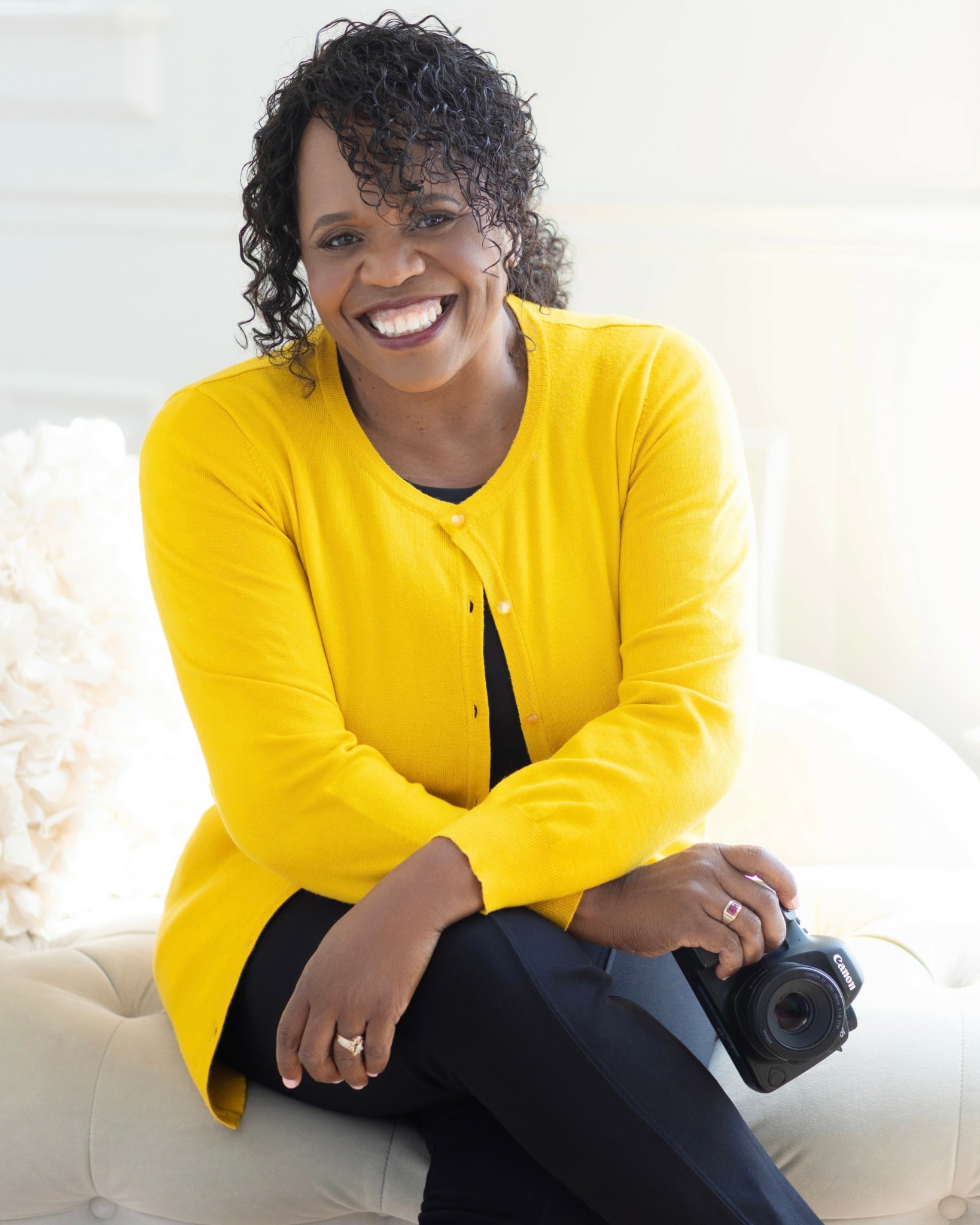
As a headshot photographer, I’m not just capturing an image. I’m helping people step into a version of themselves that feels confident and authentic. Many of my clients come in feeling nervous or unsure about being photographed, and part of my process is spending time with them before they ever step in front of the camera. Through expression coaching and conversation, I help them relax, reconnect with their confidence, and understand how to present themselves naturally. When they see their image and realize they look approachable, confident, and fully themselves, there’s often a moment of surprise and pride. That transformation is incredibly meaningful to me.
This is also what connects my creative work to my coaching through The Transparency Table. In both spaces, I’m helping people feel seen. Whether it’s through a photograph or through personal growth, the reward is knowing that someone walks away feeling more confident, more clear, and more aligned with who they are.
Being a creative allows me to combine artistry with impact, and the most fulfilling part is knowing that the work goes beyond the final image or session. It changes how people show up in their lives, their work, and their relationships.
What’s worked well for you in terms of a source for new clients?
The best source of new clients for me has consistently been relationships and referrals.
Because my work is so personal, especially with expression coaching, people tend to share their experience with others. When someone feels comfortable, seen, and confident during their session, they naturally tell colleagues, friends, and their professional network. Over time, that word of mouth has become one of the strongest drivers of growth for Detroit City Headshots.
Networking and community involvement have also played a major role. Being present in professional spaces, collaborating with other creatives, and staying connected with past clients has helped build trust and visibility. I’ve found that when you focus on delivering a thoughtful and consistent client experience, marketing becomes less about selling and more about serving.
I also stay intentional about nurturing relationships after the session. Whether it’s checking in, sharing updates, or simply staying connected, those touchpoints help clients feel valued beyond a single transaction. Many of my clients return for updated headshots as their careers evolve, and that ongoing relationship is something I truly value.
What this has taught me is that growth doesn’t always come from the loudest marketing strategy. It often comes from the quality of the experience you create and the trust you build over time.
Contact Info:
- Website: https://www.detroitcityheadshots.com/
- Facebook: https://www.facebook.com/debmarie.detroitcityheadshots
- Linkedin: https://www.linkedin.com/in/detroitcityheadshots/
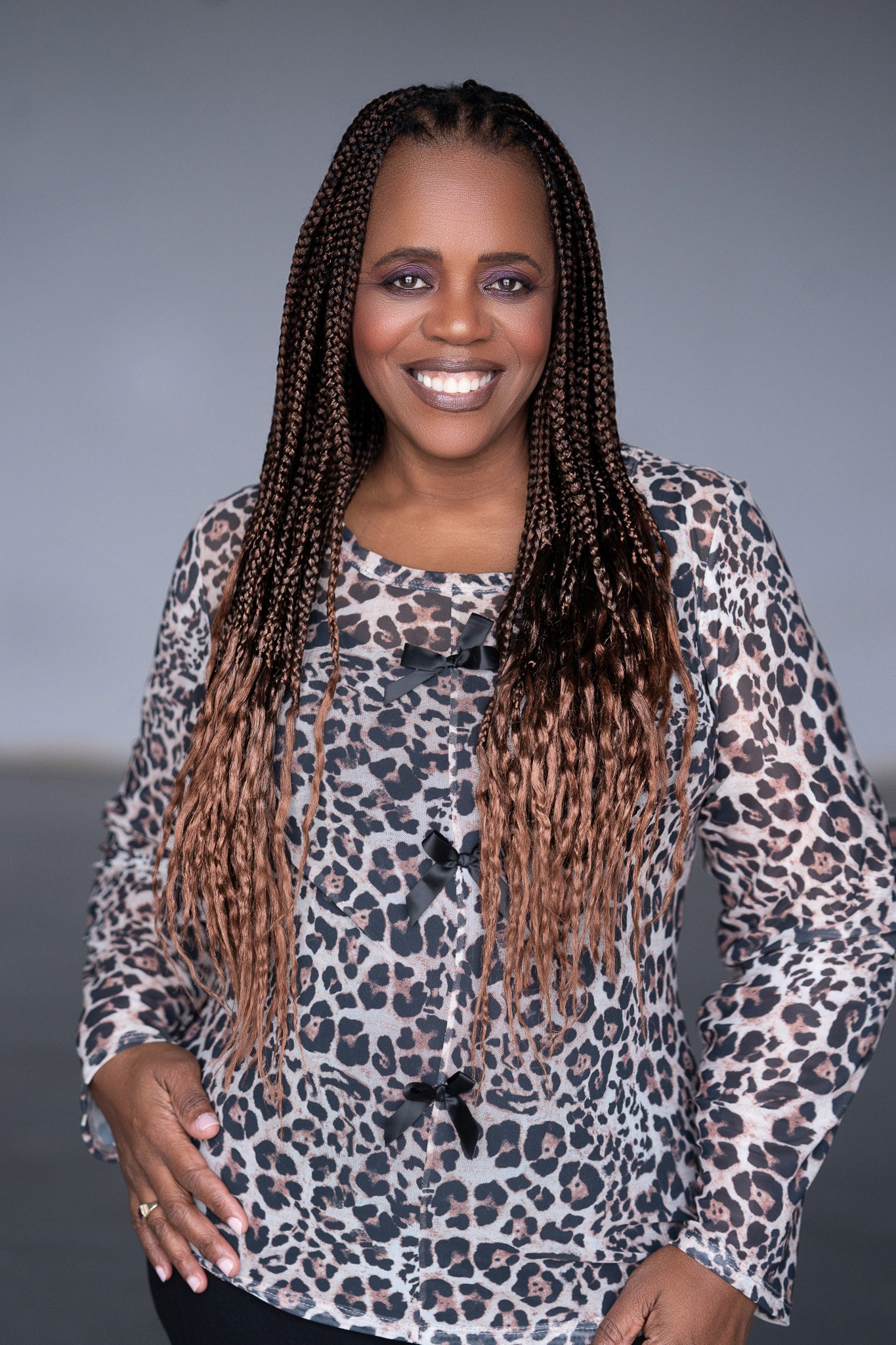
Image Credits
Emma Burcusel Photography
Katrina Cross Photography
Mondo Rojas, Pandorica Headshot Studio