

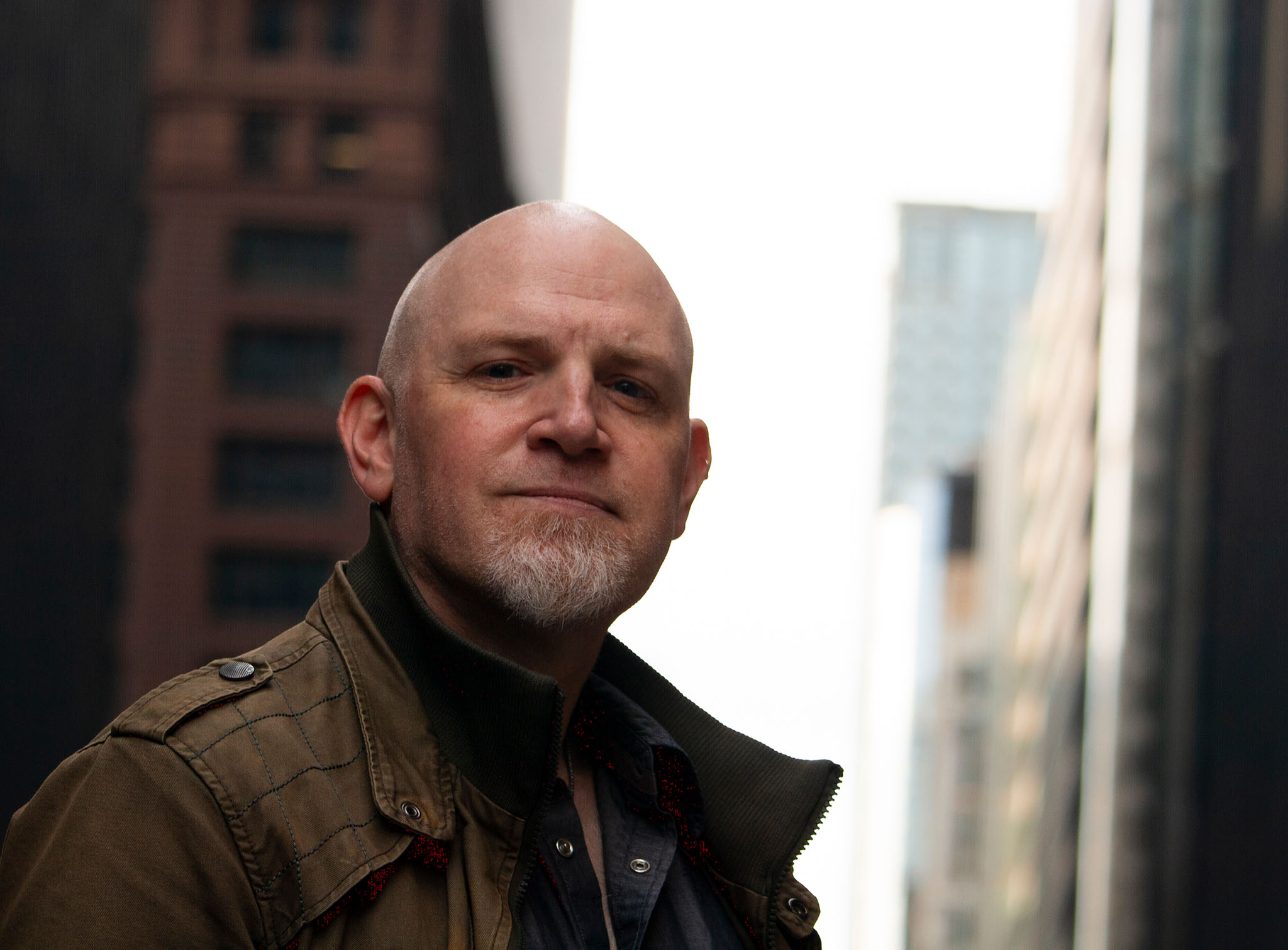

We were lucky to catch up with Dean recently and have shared our conversation below.
Dean, thanks for joining us, excited to have you contributing your stories and insights. Earning a full time living from one’s creative career can be incredibly difficult. Have you been able to do so and if so, can you share some of the key parts of your journey and any important advice or lessons that might help creatives who haven’t been able to yet?
No one ever posed the question to me: “Why should someone pay for your work?”, or perhaps even more basic: made the distinction between making creative “works,” and doing creative “work.” I just made assumptions that people would pay for my artwork, because some artists do make a living so there had to be a system set up for it other than working side jobs forever. This led to some lengthy life lessons and disillusionments for me, and over time I’ve gleaned strategies to achieve success—hustling, selling, crafting a compelling vision, networking, running a business, understanding legal systems, effective time management, managing cash flow—all great business skills, none of which I’m good at.
Instead I’ve found what works for me and leaned into it: provide uncompromising detail and support. By that I mean have every duck in a row plus a box-full in reserve: be able to explain every creative decision at any time, label all layers in every app, have a consistent naming convention, self critique, don’t allow any typos or misalignments or elements from a creative brief to slip past unnoticed, learn about all aspects of a process from backend to frontend, learn what colleagues need for handoff and provide that at a minimum, graciously work outside the scope (for the right people), have two deliverable options ready for a client and be prepared to reject them both, because as valuable as my expertise is, the client’s vision is the guiding light. That all allows me to work effectively in a corporate environment and collect a reliable salary, the stability of which is important to me at this point in my life.
My overall point is that to be successful as a working creative you need business skills just like in any other field. Do the best you can to learn those skills sooner than later, find the ones that you excel at or feel the most comfortable with, and leverage those to most effectively deliver your creative services.
That, and leverage networking. As I said, I’m not great at networking, but every job I’ve ever landed has in some way come through someone I know, whether a friend of a relative needs a website, or my wife’s friend’s husband’s friend’s friend is a headhunter who knows a place that needs a guy.
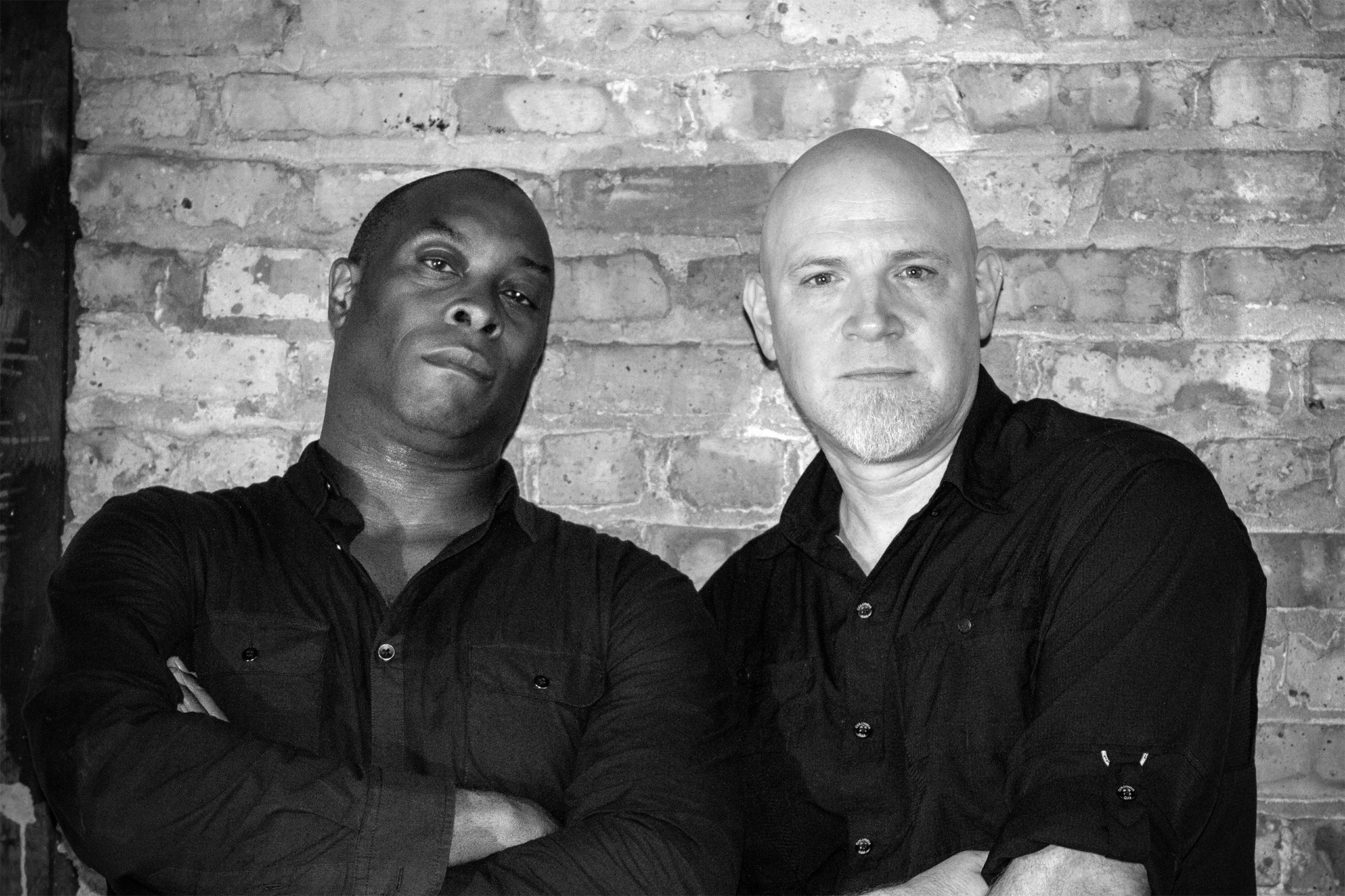
Dean, before we move on to more of these sorts of questions, can you take some time to bring our readers up to speed on you and what you do?
I’ve been working as a creative professional for over thirty years. Around 1990, I interned at a graphic design firm doing photo stats, typesetting and wax roller layouts, I’ve freelanced and contracted for graphic and interaction design, I’ve written, produced, performed and licensed music, I’ve sold paintings and drawings, I’ve been unemployed, I’ve done pro bono work, I’ve worked retail and gallery jobs as a picture framer, and I’ve had corporate salaried positions. I’m currently the principal creative designer and director for a fintech company, mainly for marketing.
I never set out to be a designer. I don’t have an education in design, having formally studied fine art and music. I was fascinated with computers and found avenues for creation through Amigas and Macs and the hot new internet technology like Mosaic and html. That would seem like a good entree into design, but the thought of creating to someone else’s specs was anathema to my concept of fine art. It was through music that I really began to connect with the team aspect of creation. I found absolute joy in building off of other musicians, performing and bringing their creative visions to life through music production.
It was a long time before I really put all those pieces together and appreciated a career in design. These days, setting aside ego and replacing it with confident support is the real sweet-spot of my work, and I see design as a team activity of creation where “creative work” is the channel between stakeholders and end users, enabling all to reach their goals.
Let’s talk about resilience next – do you have a story you can share with us?
I was hired as manager of creative design for a marketing team in 2019, a dual principal/managerial role. It was my first management position, so I went through some growing pains, but I was learning, doing well and hitting my marks. With that foundation, my wife and I bought a house, got our 3 year-old and 7-month old kids into a good daycare. However, in 2020 I was laid off as part of a RIF to make the financials look better for an upcoming acquisition. This happened on March 16, followed just days later by COVID lockdown. I worked out a deal to stay on as a contractor for six months, but this became a trying ordeal, working full-time, taking care of kids full-time, looking for new insurance and a permanent job… plus all the COVID stuff. Six months turned into two years, during which I made sure to provide design and service that would cost the company more to outsource than keeping me. Eventually the company sold, and I was rehired with full backdated profit shares for the sale. It worked out well in the end, and I’ve kept up that quality of work, weathered other RIFs, and been promoted. Now my main problem is to avoid being a single point of failure in many processes!
Is there something you think non-creatives will struggle to understand about your journey as a creative?
Creative work is not magic, a special talent, or “good taste.” It is expertise built from training and experience. What non-creatives may struggle to grasp is that it is a structured discipline but often a different mode of thinking, one involving free-form exploration, iteration, and sometimes oblique problem-solving.
The real challenge, and a critical part of the experienced creative’s skill set, is fitting that fluid, exploratory mode into the more traditional structure of a business operation.
I regularly have to adopt the mindset of various stakeholders and departments to effectively translate their goals into a compelling communication strategy. In fact, I actively dislike being given total “free rein” or asked for my “vision.” A significant portion of my professional value lies in confidently setting aside my own ego to precisely glean and amplify what others are looking for. My job isn’t to be an “artist” indulging a whim; it’s to be an expert translator and executor of the client’s vision and goal.
Contact Info:
- Website: https://www.dunakin.com
- Instagram: https://www.instagram.com/dunakin/
- Linkedin: https://www.linkedin.com/in/dean-dunakin/
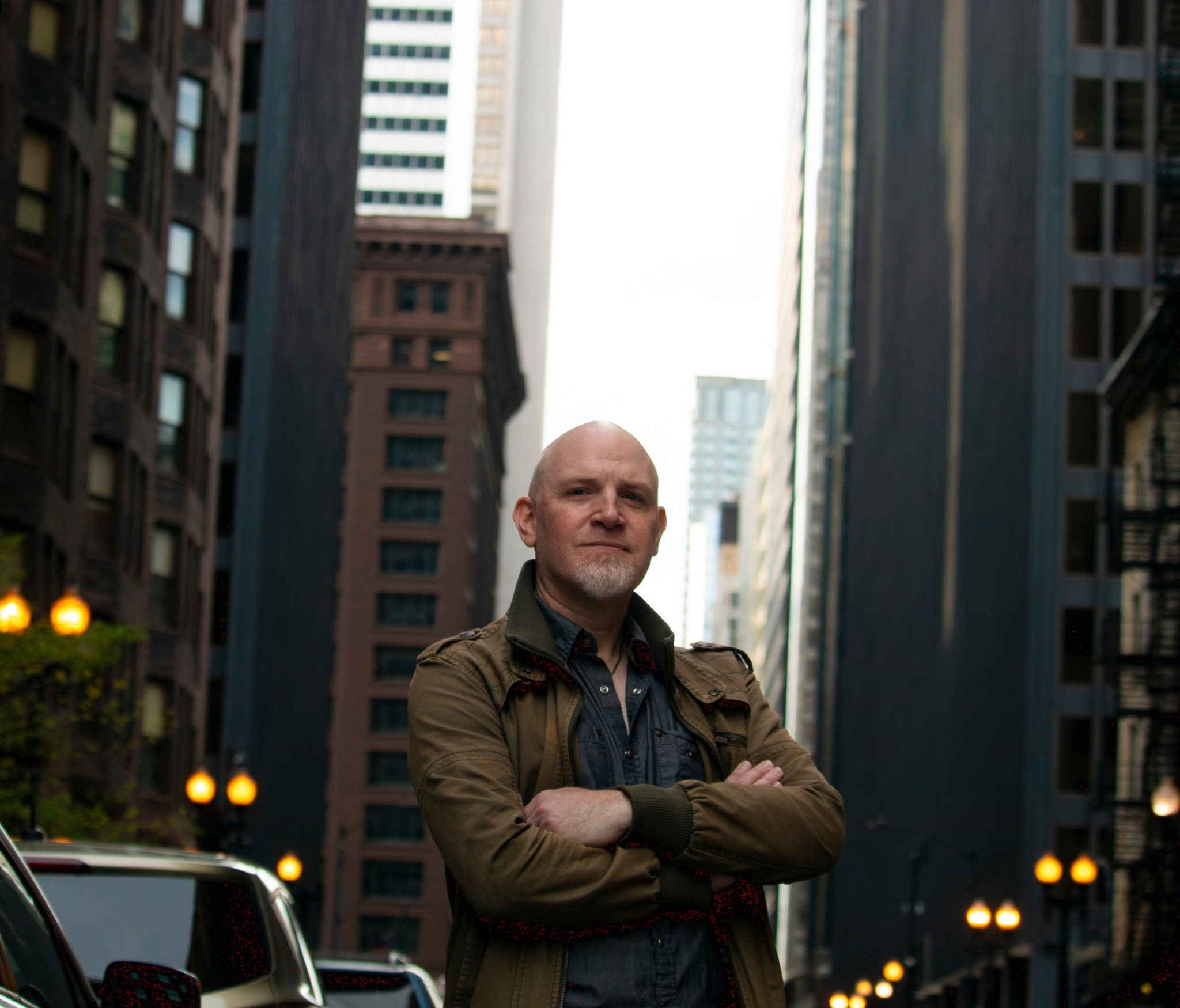
Image Credits
Photos by Alan Ruffin