



We recently connected with Dawn Rodriguez and have shared our conversation below.
Alright, Dawn thanks for taking the time to share your stories and insights with us today. Can you recount a story of an unexpected problem you’ve faced along the way?
I initially founded Dance Another World in 2014 in Austin, Texas, as a creative and inclusive initiative aimed at using dance as a medium for language learning and cultural integration. Over the years, Austin has undergone considerable demographic shifts, significantly impacting the educational landscape and the communities served by organizations like Dance Another World.
In its early years, Dance Another World primarily focused on Title 1 schools, which are educational institutions receiving federal assistance due to a high percentage of students from low-income families. These schools were central to the organization’s mission, providing a platform to reach children who could greatly benefit from the unique blend of dance and English language education.
However, as Austin has experienced rapid growth and gentrification, the city’s socio-economic profile has evolved. Neighborhoods that were once predominantly low-income have seen an influx of higher-income residents and developments. This gentrification process has led to a decrease in the number of Title 1 schools in the area. Schools that once qualified for this designation due to their high percentage of low-income students are now finding themselves outside of the criteria, as the economic circumstances of their student populations change.
This shift presents both challenges and opportunities for Dance Another World. On one hand, the changing demographics mean that the organization might need to adapt its outreach and program focus to continue serving its target demographic effectively. On the other hand, these changes also offer an opportunity for Dance Another World to broaden its impact and address a wider range of socio-cultural needs. As Austin becomes more diverse and its population more mixed in terms of economic backgrounds, the organization can play a pivotal role in fostering inclusivity and understanding across different community groups. By adapting its programs to the changing demographics, Dance Another World can continue to use dance as a powerful tool for social cohesion, cultural expression, and language learning in a rapidly evolving urban landscape.
Dawn, love having you share your insights with us. Before we ask you more questions, maybe you can take a moment to introduce yourself to our readers who might have missed our earlier conversations?
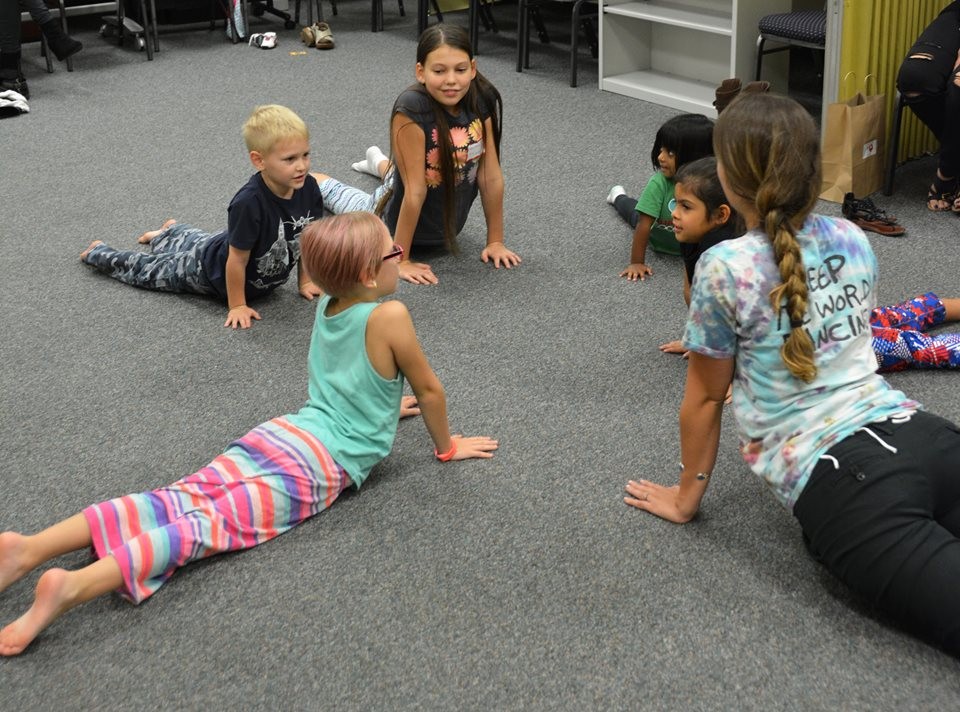
Originally born in Panama, Dawn grew up in Austin and as a young adult, spent several years teaching English as a Second Language in various countries. Dance Another World was introduced to schools in Austin after being inspired by the experiences teaching English at a remote university in Vietnam’s Mekong Delta in 2009. While there, Dawn exclusively used English to prepare university students for standardized English exams and also taught ballet classes in the evening. After seven-months, she observed a remarkable improvement in English proficiency among her dance students, comparable to that of her traditional English students.
Dawn expressed her fascination with this outcome, noting, “It was incredibly impressive. The students who attended dance classes in the evenings for just seven months showed a level of comfort and proficiency in English that matched those of our students on the verge of graduating with an English major.”
This experience sparked the concept behind Dance Another World and teaching English through Dance and nearly ten years later, here we are, still ‘keeping the world dancing’.

Can you tell us about a time you’ve had to pivot?
After a rewarding five-year tenure as the Executive Director of Dance Another World, I recognized that the time had come for a change in leadership. It was a pivotal moment when one of our dedicated instructors, Ashlyn, stepped up to take on the role. Her appointment felt serendipitous; I couldn’t have chosen a more suitable successor myself.
Ashlyn’s background was ideally suited for the position. She had successfully managed her own dance studio from an early age, honing her skills and passion for dance at Texas State University. Beyond her professional credentials, Ashlyn’s resilience as a single mother and her remarkable competence in every endeavor set her apart as an extraordinary individual.
Her transition to the role of Executive Director was timely. Shortly after she assumed leadership, the world was hit by the COVID-19 pandemic, a crisis that tested the mettle of organizations everywhere. In these challenging times, Ashlyn’s stewardship was nothing short of exemplary. Her ability to maintain the strength and integrity of the program, navigating through unprecedented circumstances, reaffirmed my belief that no one else could have upheld and advanced our mission with such dedication and skill during this tumultuous period. Ashlyn becoming Executive Director was the best pivot the organization ever experienced.
For you, what’s the most rewarding aspect of being a creative?
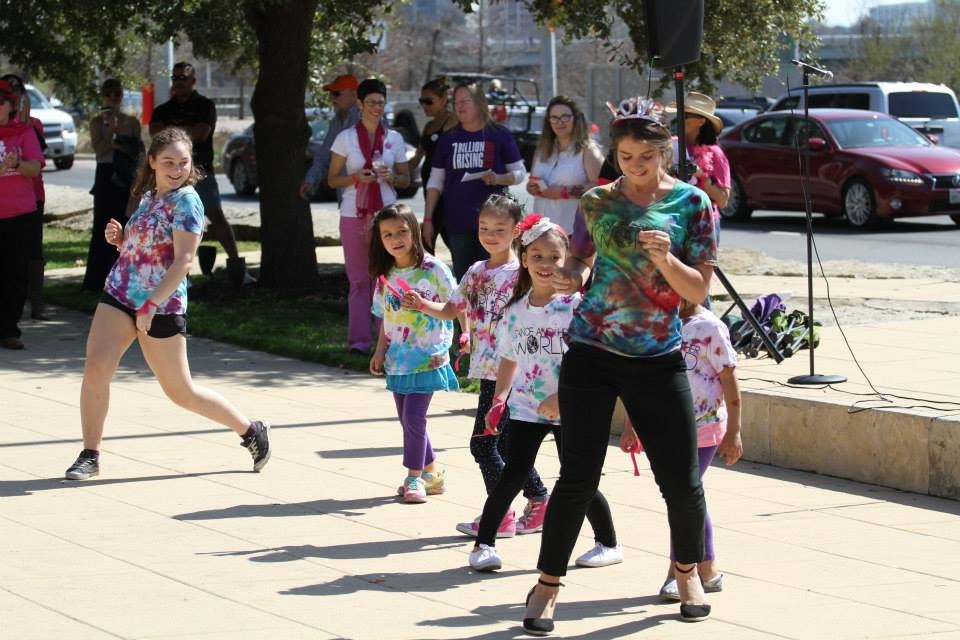
What’s funny to me about this question, is I still don’t see myself as an ‘artist’ — I guess you could call that imposter’s syndrome. Though I danced my whole childhood and have facilitated dance and communication for over a decade, I still struggle with the idea that I myself am also an artist.
But to answer your question — the most rewarding aspect of my role is that — fostering the artistic or creative side in others.
Contact Info:
- Website: danceanotherworld.org
- Instagram: instagram/danceanotherworld
- Facebook: /Danceanotherworld
- Youtube: https://www.youtube.com/@danceanotherworld9221
Image Credits
All photos compliments of Dance Another World