

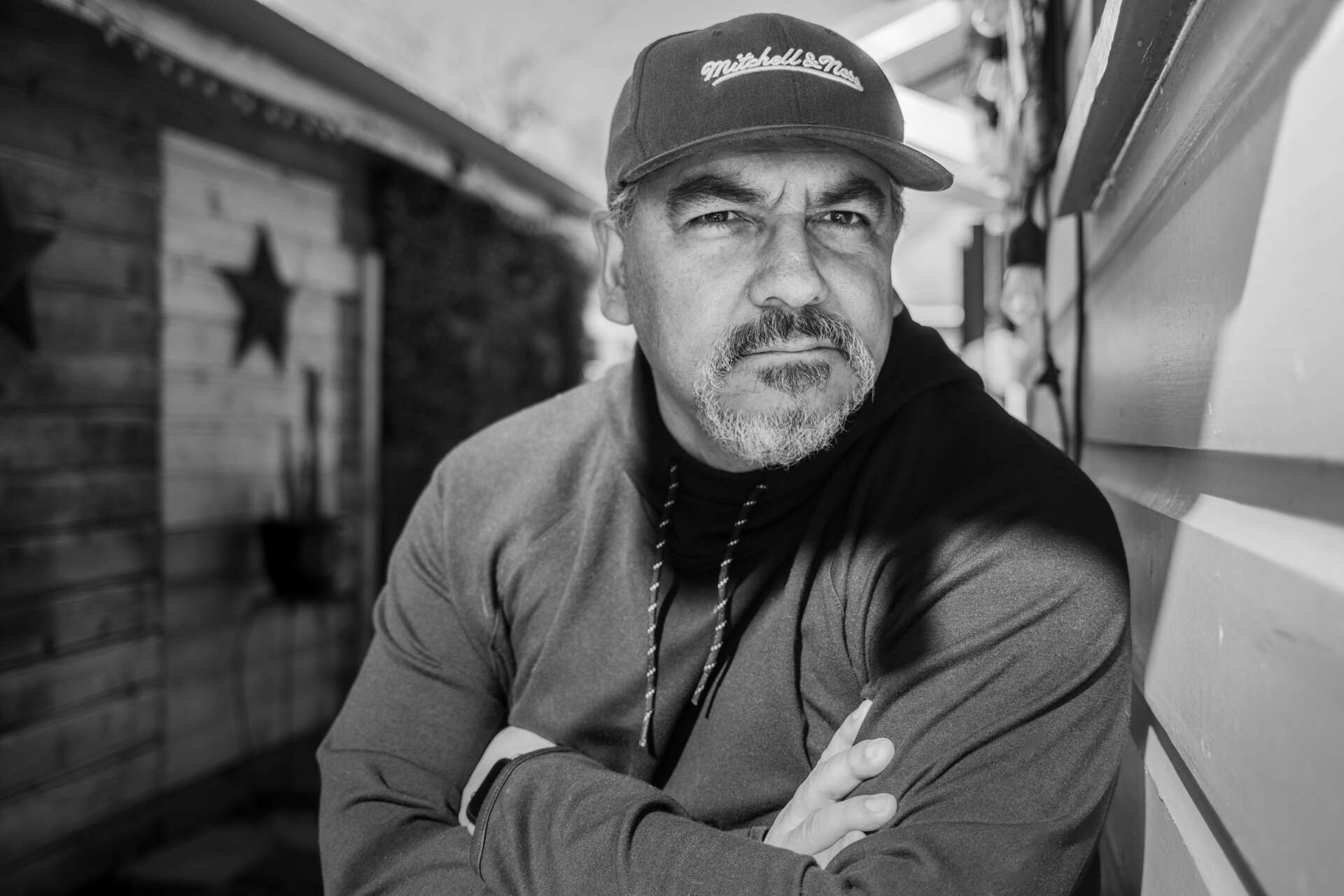

We caught up with the brilliant and insightful David Vox Avila a few weeks ago and have shared our conversation below.
Hi David Vox, thanks for joining us today. Can you tell us a bit about who your hero is and the influence they’ve had on you?
I have a few heroes that immediately come to mind in the context of our conversation. Neil Postman is on that list because of how he introduced me to a new way to think about, well—everything. He was a brilliant New York writer, educator, and social critic probably best known for his book “Amusing Ourselves to Death,” where he wrote about the impact TV has had on American discourse, especially on politics.
I had the privilege to meet him at a talk at the University of Texas while I was a student there. He had just written a book titled “Technopoly,” in which he wrote about how technology has come to dominate how we interact as humans and how it can gradually erode our traditional cultural stories that once shaped us as a society. He warned about the dangers of relying too much on technology, hence the term “technopoly,” which he argues can lead to a disregard for historical wisdom and moral frameworks, which then ultimately result in a loss of our cultural identity.
He also had a lot to say about how technology has taken over education, arguing that an overemphasis on technological competence hinders critical thinking and creativity, which then leads to an education that prioritizes data over true learning.
He wrote this stuff in the early 90’s, which is, in my opinion, very relevant today. His writing and approach to thinking through issues like TV, education, technology, problem solving, etc. have left a lasting impact on how I approach my own work in design and technology to this day.
I’ve been a huge Postman fan ever since.
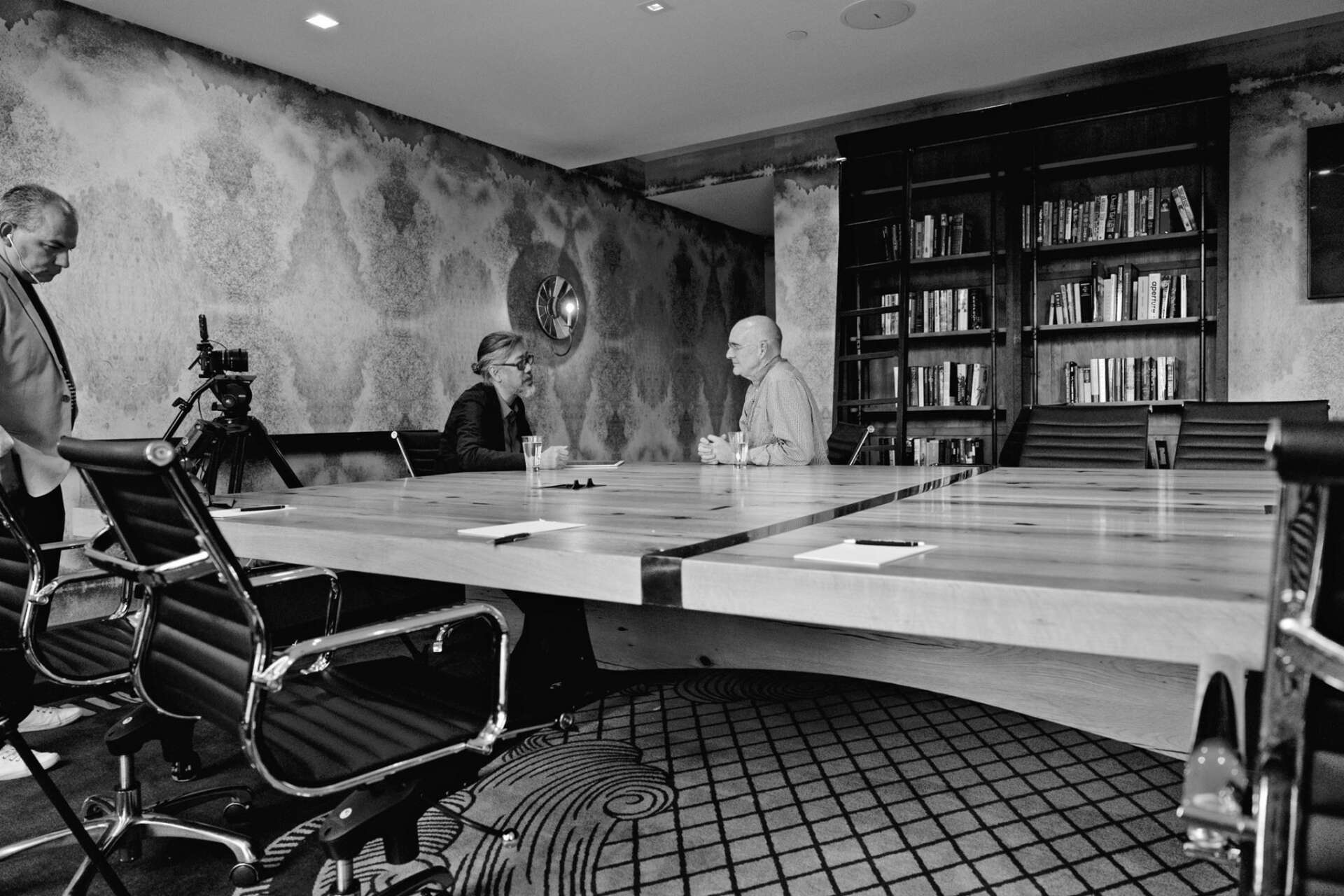
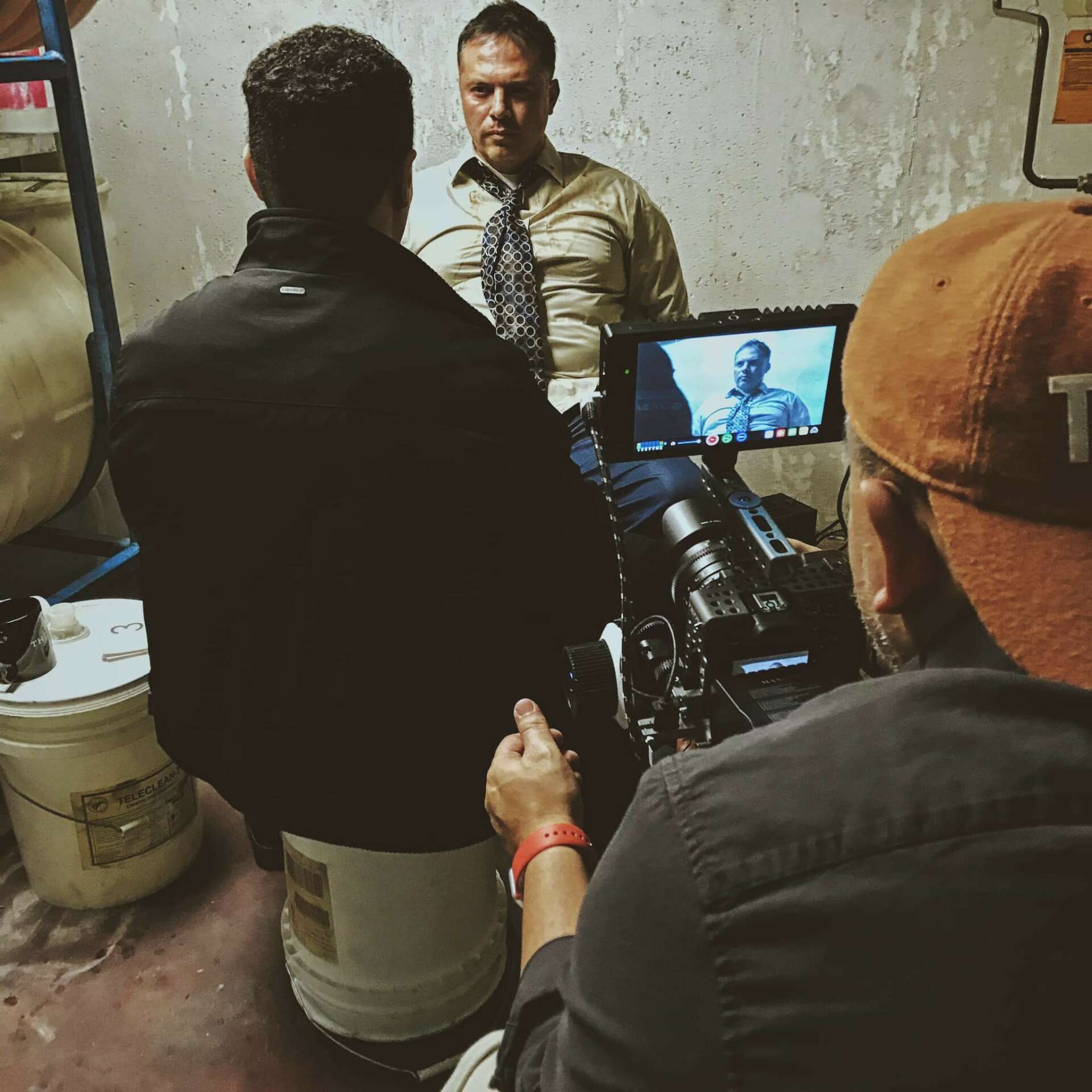
David Vox, love having you share your insights with us. Before we ask you more questions, maybe you can take a moment to introduce yourself to our readers who might have missed our earlier conversations?
I knew I wanted to be an artist when I was 5—I actually said it out loud back then—and that aspiration has stayed with me ever since.
I was very fortunate early on to have great teachers who introduced me to design, film, and photography—core elements of my creative identity to this day. I was also lucky that my career took off at the same time that technology was blazing new trails in computer graphic design. My work has always revolved around art, design, film, photography, and technology.
How we blend these disciplines to assist clients in telling their stories is a crucial aspect of any business today.
How I have been able to use technology and various mediums for storytelling has been central to my success. I was fortunate to work on remarkable projects during the early stages of my career at innovative firms teeming with creativity. There, I collaborated on interactive projects for Hasbro, Mattel, Apple, Dell, Reebok, Schoolhouse Rock, and Disney, to name a few.
Spending a decade in the interactive agency world laid the foundation for my subsequent career in startups and software before transitioning to enterprise-level design and storytelling. Drawing from this rich history in design, filmmaking, photography, and technology allows me to bring unique storytelling and design thinking to any project, ultimately enhancing the work of those I collaborate with.
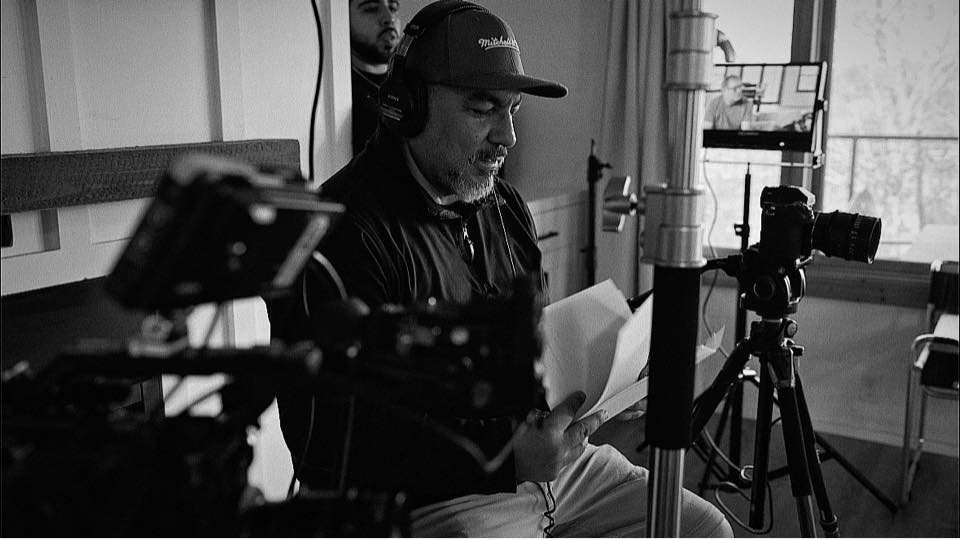
We’d love to hear a story of resilience from your journey.
The fact that I have been able to adapt and change so much during my long career, I’d like to think, is a reflection of a core aspect of my character—resilience.
The constantly changing nature of technology and tools during my career forced me to be flexible. This has become one of my strengths and main selling points—that I can easily switch between different sets of tools and ideas.
Adapting technology in new and creative ways is a demonstration of that persistence. I’ve learned a lot of skills over the course of my work that require a strong understanding of a lot of different technologies. Be it mastering new camera or techniques for filming or photography, delving into ever-changing audio and video editing tools, prompt engineering with AI, etc. I’ve managed to integrate these skills into my work process.
My experience as a designer, filmmaker, photographer, and storyteller not only taught me how to effectively use a wide array of media and technology, but it also gave me the experience and understanding of how to pass it on to others.
As an adjunct professor of visual communication design for twenty years, I was able to teach others how to use these tools or techniques, which I’d argue is the real test of how well anyone understands a subject—when you have to pass it on.
Learning and unlearning are both critical parts of growth – can you share a story of a time when you had to unlearn a lesson?
The art of being at ease in my own skin is a lesson that I’ve had to learn rather late in my career. I wish I had figured out this concept so much earlier; it would have made me a better designer and creative faster, in my opinion, and saved me a lot of unnecessary heartache.
Let me elaborate on what I mean by being comfortable in one’s own skin. Let’s take a look at the early stages of a career. As we strive to build and master our craft, we simultaneously learn, adapt, and create while attempting to gain influence and eminence within our respective fields.
In my case (like so many creatives), a sense of imposter syndrome starts to flare up during this phase, leaving you with an incessant need to prove something to someone, somewhere till you finally realize and ask yourself the question: Who am I trying to please again? And you, for the first time, realize it’s all imaginary.
When I finally stopped thinking this way, I was able to embrace both my abilities and limitations. Embracing these constraints liberated me within my creative boundaries and allowed me to recognize my true identity as a creative.
Finally, I became comfortable in my own skin. I quit performing for others and instead focused wholeheartedly on my creative passions, letting the chips land where they fell.
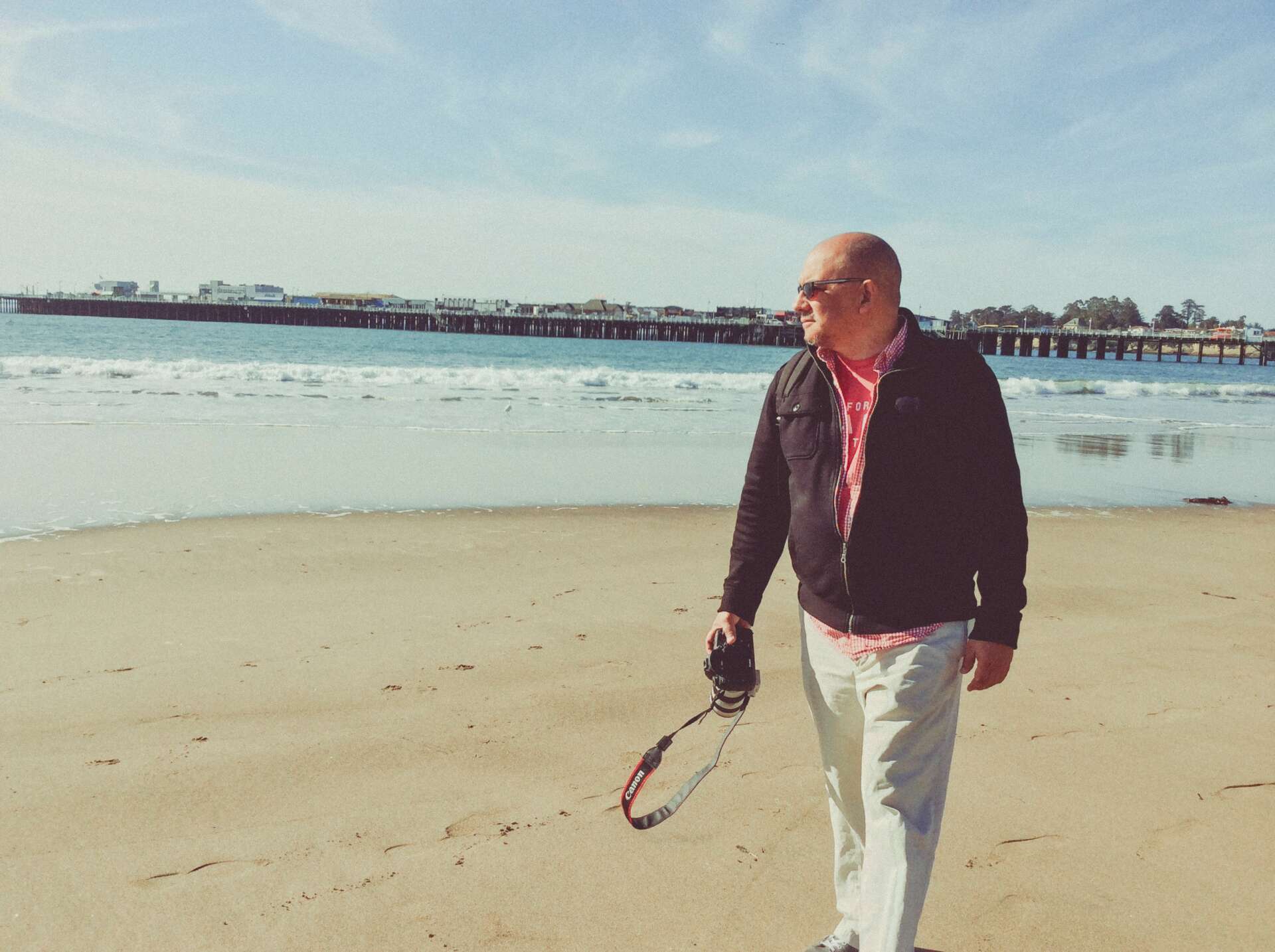
Contact Info:
- Website: http://voxavila.com
- Instagram: https://www.instagram.com/voxavila/
- Facebook: https://www.facebook.com/voxavila
- Linkedin: https://www.linkedin.com/in/voxavila/
- Twitter: https://twitter.com/voxavila
- Youtube: https://www.youtube.com/voxavila
Image Credits
©David Vox Avila