
We were lucky to catch up with David Ramos recently and have shared our conversation below.
David, thanks for taking the time to share your stories with us today Earning a full time living from one’s creative career can be incredibly difficult. Have you been able to do so and if so, can you share some of the key parts of your journey and any important advice or lessons that might help creatives who haven’t been able to yet?
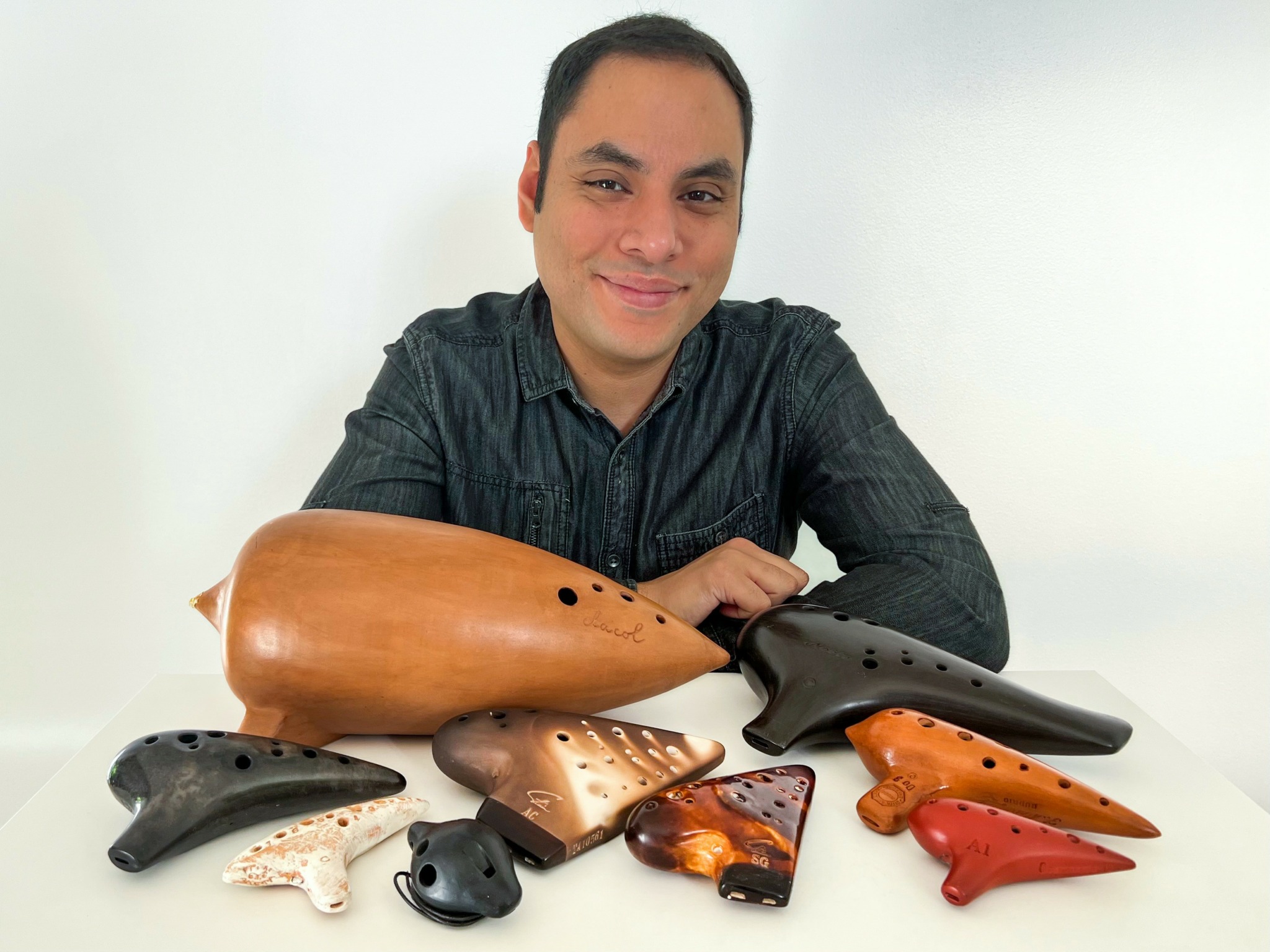
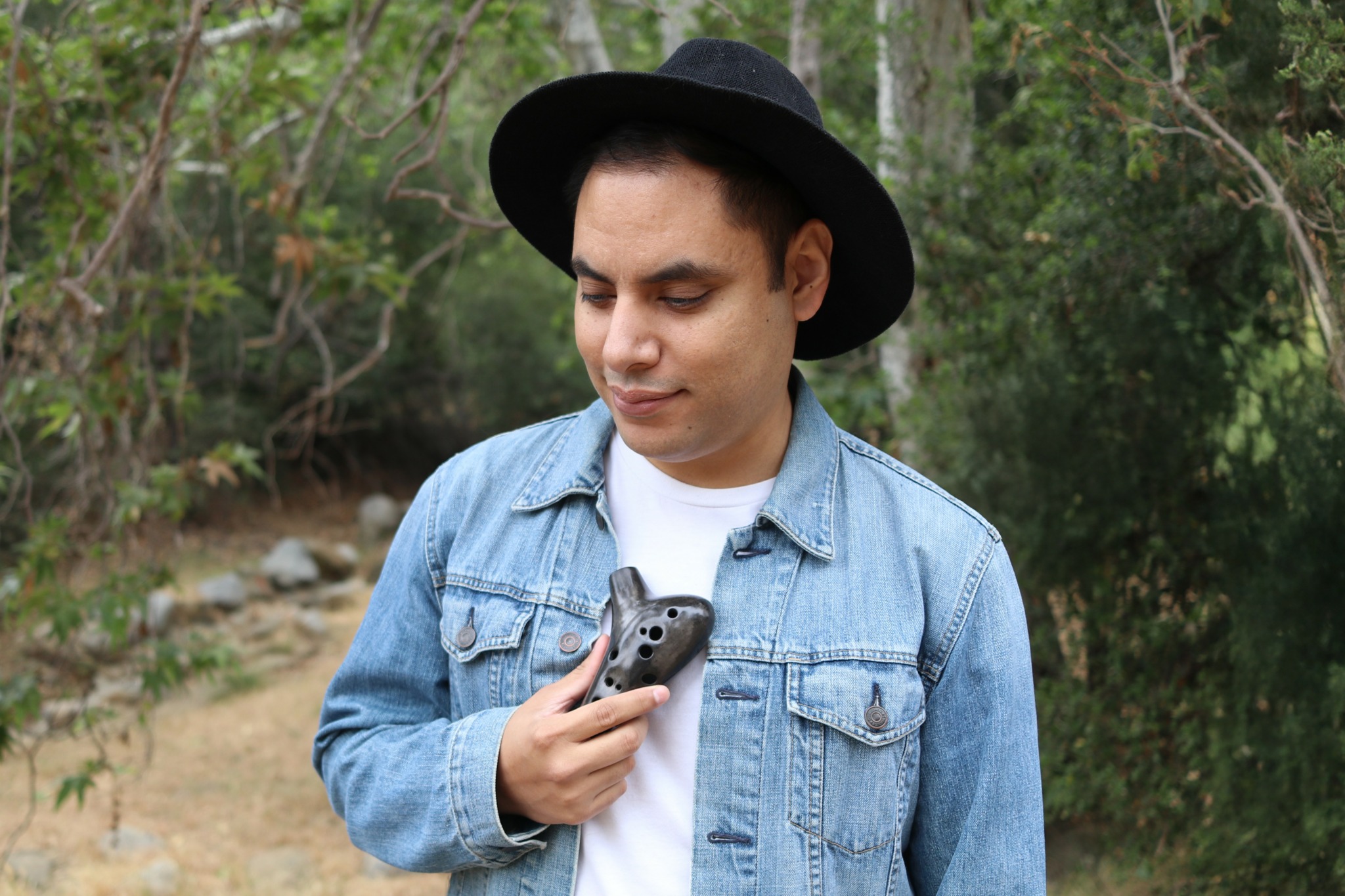
First off, thanks for the invitation to share my story! To preface, I specialize in a unique little flute called the “ocarina.” You might know it from Nintendo’s Legend of Zelda series, which is how I discovered it. After learning it was a real instrument, I completely fell in love with it.
I’ve been a full-time musician and content creator since 2010, but my journey wasn’t straightforward. It took years of trial, error, and persistence to build something sustainable. My first big breakthrough came in the early days of YouTube when I posted a simple video of me playing a short Zelda song in 2006. That video went viral and encouraged me to start posting videos regularly, which helped me grow a small but engaged audience. Around 2008, Google personally invited me to join the first iteration of the YouTube Partner Program, which allowed creators to start collecting ad revenue. It was an exciting opportunity, but ad revenue alone wasn’t enough to support me fully.
From 2008 to 2013, I focused on developing my career and diversifying what I offered as a musician. In 2009, I published The Ocarina Guide, an e-book that became the most comprehensive guide about ocarinas available worldwide at the time. It was my first digital product and an early step in creating resources for ocarina enthusiasts. I also began building relationships with several ocarina companies, which led to sponsorships and opportunities to feature their instruments in my videos. During this time, I self-booked gigs at conventions, festivals, and other events to perform live and connect with fans. In 2013, I ran a successful Kickstarter campaign to fund my first studio album, and alongside that, I began selling sheet music and backing tracks, further diversifying my income. That project was a turning point—it proved that my audience believed in my work and was willing to support it.
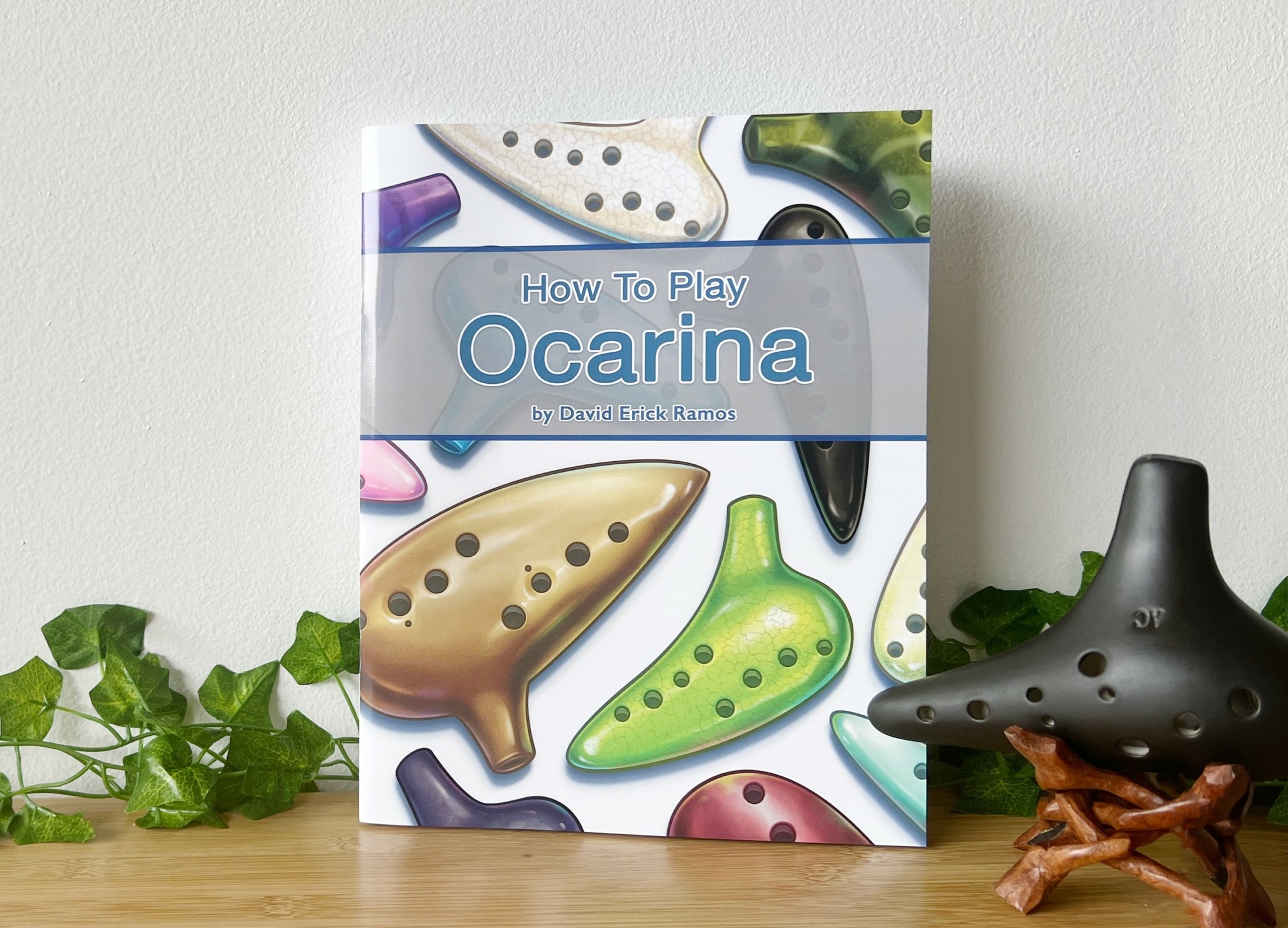
In 2015, I launched my Patreon, which became a cornerstone of my career and remains active today. Patreon allowed me to connect directly with supporters and create a stable income stream that wasn’t dependent solely on ad revenue or gigs. Building on that momentum, I ran another Kickstarter campaign in 2016 to fund my method book, “How to Play Ocarina”, which has since become a key resource for ocarina players around the world and one of my largest revenue streams. Over the years, I’ve continued to expand what I offer— releasing multiple albums and EPs, teaching online classes, and producing educational resources. Each of these ventures has played an important role in shaping my career.
The past decade has been about growth and adaptability. Every step, from e-books to sponsorships to crowdfunding, has been about finding ways to share my passion for the ocarina while building a sustainable creative career.
While it wasn’t easy to get here, I’ve learned that success as a creative often comes down to persistence, flexibility, and being willing to try new things. My path was never about becoming a superstar overnight—it was about carving out a niche and finding ways to make it work. The reward of being able to do what I love full-time has made all the challenges worth it.
Awesome – so before we get into the rest of our questions, can you briefly introduce yourself to our readers.
As I mentioned, I’ve built a career as a full-time “ocarinist.” I’ve been playing the ocarina for 24 years now, and my passion and dedication to the instrument have only grown with time.
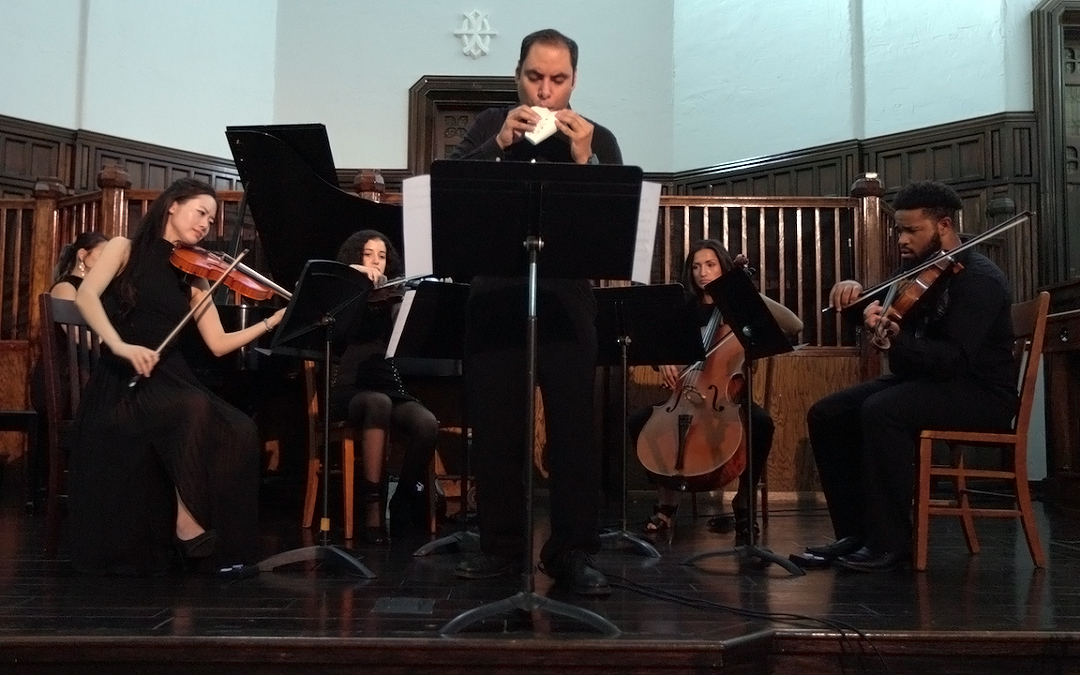
What I do might look a little different than your typical music career. I perform live, teach classes, create weekly music videos and tutorials, and produce resources like sheet music and books to make the ocarina more accessible for others. I also run a Patreon where I connect with fans, share exclusive content, and collaborate on creative projects. My goal is to show the world that the ocarina isn’t just a novelty—it’s a versatile and expressive instrument that can fit into almost any genre of music.
One of the things that sets me apart is how I approach the ocarina in general. Most people associate it with video games or folk music, but I’ve used it in everything from orchestral pieces to electronic tracks. For me, playing and composing for the ocarina is how I express myself, no matter the music style. I also love sharing that passion with others, whether it’s through my YouTube channel, live performances, or educational materials and classes.
I’m especially proud of some of the big projects I’ve been working on recently, like my upcoming photo book “The Ocarina Through Time”, which highlights the history and artistry of ocarinas from around the world. I’m also releasing a three-EP series called Chronology, which explores themes of past, present, and future through original music in different styles, all led by the ocarina. These projects feel like the culmination of everything I’ve worked toward in my career.
At the end of the day, I want people to feel inspired—whether that’s to pick up an instrument for the first time, explore their creativity, or just enjoy music in a new way. If nothing else, I hope my work shows that even the most unexpected passions can lead to something meaningful.
Are there any resources you wish you knew about earlier in your creative journey?
When I was starting out, I didn’t have access to many of the tools and resources I use now, so I’ve experimented with a online and offline tools over the years. One resource I’ve come to rely on heavily is ChatGPT. It’s become my virtual assistant and plays a huge role in helping me manage my work efficiently. I use it for everything from drafting emails and promotional content to organizing big projects like my photo book or EPs. It also helps me brainstorm ideas for YouTube videos, social media posts, and even lesson plans for my online classes. On the business side, it’s been invaluable in promoting my music, classes, and merchandise while saving me time and energy that I can redirect into creative work.
A few more resources I wish I had earlier are tools like Logic Pro (audio software), Canva, Adobe Premiere, Photoshop, and social media scheduling platforms like Buffer. These tools make creating and sharing content so much easier, especially when you’re juggling multiple projects. If I’d had access to them earlier, I could have saved a lot of time and streamlined the process of building my career.
If there’s one lesson I’ve learned, it’s that investing in yourself—whether through tools, classes, mentors, or platforms—can have a massive impact on your success. Combining those lessons with modern tools like ChatGPT has made my workflow more efficient and allowed me to focus on what matters most: creating meaningful work and connecting with my audience.
How did you build your audience on social media?
Honestly, I don’t think I would have a career today without my online community. But it’s something that grew naturally over time as I focused on sharing my passion and connecting with people—rather than chasing numbers. For me, social media has always been about finding my people—people who love music, creativity, or even just the joy of discovering something new like the ocarina.
My journey started in 2006 when I posted my first video on YouTube. It was a simple clip of me playing a Zelda song in my bathroom, haha. I didn’t have any fancy equipment or a strategy; I just shared something I loved and was excited to share. That video went viral pretty quickly and now has over 14 million views. Looking back, it taught me a key lesson: authenticity resonates. People connected with the simplicity of that video—just me and the camera—and that’s a principle I’ve carried across all platforms since then.
Over time, I expanded to other platforms like Facebook, Instagram, and TikTok. Each platform brought something unique to the table. YouTube gave me a place to share long-form content and build a library of videos. TikTok helped me reach new audiences quickly, especially younger viewers who might not have heard of the ocarina otherwise. And Patreon allowed me to go deeper with my core audience, giving them behind-the-scenes access and exclusive content while providing financial support for my projects.
Consistency has been another big part of my growth. I learned early on that the more you show up, the more you stay top-of-mind for your audience. But it’s not just about posting often; it’s about creating content that feels authentic to who you are. For me, that means sharing my love of the ocarina, my creative process, and even my struggles and triumphs as an artist.
Engagement is just as important as consistency. I make it a point to reply to comments, answer questions, and really listen to what my audience wants to see or hear. Social media isn’t just a platform for promotion; it’s a conversation. Building those relationships has helped me create a loyal and supportive community, not just followers.
Of course, there were challenges. Finding the right balance between creating and promoting wasn’t easy, and there were times when it felt like I was yelling into the void. To be honest, I still hate the idea of “promoting” myself. But I stayed focused on the people who were already there, supporting me, and kept building from that foundation.
For anyone starting out, here’s my advice:
1. Start now. Don’t wait for the perfect camera, lighting, or idea. Just start posting with whatever you have and learn as you go.
2. Be authentic. People want to connect with you. Share what excites you, and don’t worry about being perfect. People crave authenticity more than anything else.
3. Engage with your audience. Respond to comments, ask questions, and build relationships (and read the book The Art of Asking by Amanda Palmer. It’s life-changing for artists and creators).
4. Experiment with platforms. Try different content styles and platforms to see what clicks, but don’t spread yourself too thin. Focus on where your core audience is.
5. Be patient. Growth takes time. Stay consistent, keep improving, and trust the process.
What I’ve learned is that building an audience isn’t just about the numbers. It’s about creating a community—a group of people who care about your work and want to support you. That community has made all the difference in my career, and I’m incredibly grateful for them.
Contact Info:
- Website: http://daviderickramos.com
- Instagram: https://instagram.com/daviderickramos_
- Facebook: https://facebook.com/daviderickramos
- Linkedin: https://www.linkedin.com/in/daviderickramos/
- Twitter: https://x.com/DavidErickRamos
- Youtube: https://youtube.com/daviderickramos
- Other: https://www.patreon.com/docjazz4
https://tiktok.com/@daviderickramos