



We were lucky to catch up with David Pettibone recently and have shared our conversation below.
David, thanks for joining us, excited to have you contributing your stories and insights. It’s always helpful to hear about times when someone’s had to take a risk – how did they think through the decision, why did they take the risk, and what ended up happening. We’d love to hear about a risk you’ve taken.
I’m a believer in doing what makes you happy and everything else, you figure out along the way.
After I received my master’s at the New York Academy of Art in 2007 I had been doing the artist hustle: painting at night and on the weekends, teaching art as an adjunct professor, art handling and, also, mural work for an advertising agency on the side.
In 2013, a new series of paintings took me up to Utqiagvik, over 300 miles north of the Arctic Circle for eight months. The trip solidified the importance of nature to me as an artist and, really, as a complete human being. I never considered myself to be unhappy, but I’ve always been drawn to a certain level of natural expansiveness which I could not find in the city. There is a sense of humble peacefulness one gets when immersed in nature. After my time in Utqiagvik, I decided it was time to leave New York.
I knew that leaving meant that I would be leaving my network of artist friends that I had built since college and that this also meant that career opportunities would look significantly different moving forward. We don’t have much control of what opportunities come our way or when but, most of us do have the ability to take a risk and pursue the things that bring us a level of happiness- even if that is hard. If we are active in this pursuit, I think the opportunities eventually follow.
In 2015, I finally said goodbye to NYC, goodbye to the east coast after 16 years and moved to Alaska. Ten years later, I certainly miss the museums and the galleries, the creative energy and my east coast friends. But I find inspiration here. I have a view of the ocean, glaciers and snow-capped mountains from my window. Moose, bears and lynx are familiar sights. I walk outside my door and I am immersed in nature, the very “thing” that inspired my favorite artists to make the paintings that I drool over.
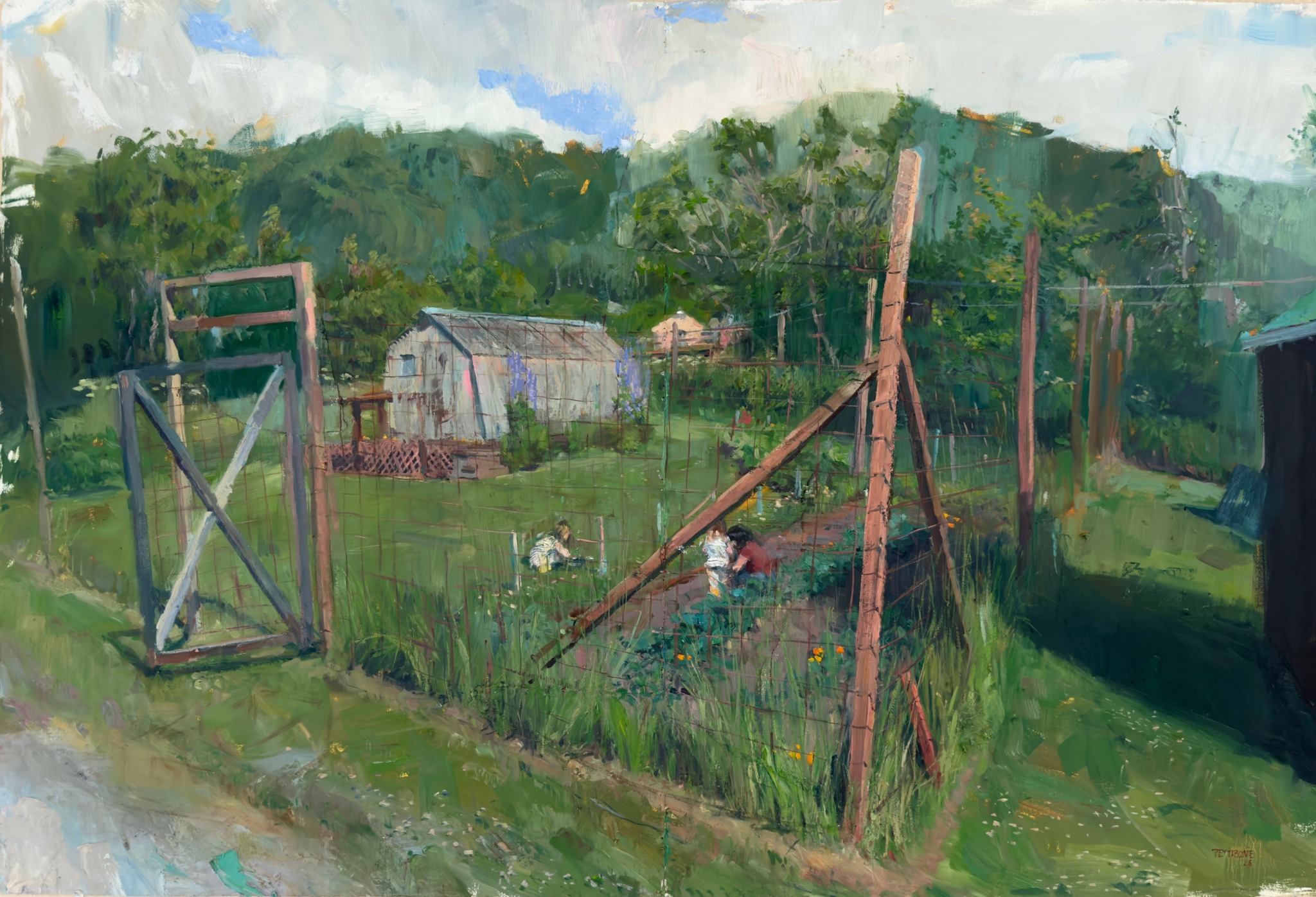
I still teach art at a college. I keep a regular studio practice. I have my own family now. I still sell work at a couple galleries on the east coast that I’ve maintained relationships with. I sell here in Alaska as well and have work in the permanent collection of the Anchorage Museum, the Iñupiat Heritage Center and other institutions. I have murals across the state. These days, I spend my time outside, painting what’s around me. Despite the fact that the majestic landscapes are plentiful, I find myself drawn to paint the smaller moments like a discarded Home Depot bucket among the fall leaves or a portrait of a friend in front of his childhood chicken coop.
Great, appreciate you sharing that with us. Before we ask you to share more of your insights, can you take a moment to introduce yourself and how you got to where you are today to our readers.
I’m a painter based in Homer, Alaska. My work is painted directly from the subject, from life. When painting this way nothing is static. Light changes, shadows grow or shrink. The sitter shifts their weight. Even the painter’s demeanor affects the composition. At first, it’s a dialogue between artist and subject but, soon, the painting itself begins to speak. It is that third voice within this triad which dictates the more physical elements of painting like mark making, opacity, texture and even color. This is where I like to spend my time, in an ever evolving conversation with subject and painting, contemplating something as elemental as the drag of a loaded brush against the weave of a canvas.
Most recently, I’ve been interested in incorporating both the figure and the landscape, searching for a way in which each compliments the other, rather than one dominating the other. In many paintings that incorporate both, either the figure is dwarfed by the landscape or the landscape becomes nothing more than a background for the figure. I am seek something like a mutualistic symbiotic relationship between the two. I am interested in both the aesthetic connotations of this relationship but also very much the symbolic connotations of a balanced relationship between the human and the rest of the natural world. I’ve come across different ways to approach this problem, from breaking down the forms to a certain level of abstraction through mark making to adding new strips of substrate onto the existing surface and working back in, almost like collage. The past couple of years of painting have been defined by risk taking and its been a refreshing step forward.

Any insights you can share with us about how you built up your social media presence?
When I first moved to Alaska, I kept an active presence on Instagram and Facebook, in part, as an effort to maintain a sense of “relevance” with the art scene I left behind in NYC. I remember a guest speaker at a professional practices class had said that with social media, today, you can now live anywhere in the world and still remain relevant within your professional network. Certainly there is an ounce of truth to this, but I think you can’t deny the importance of face to face interaction, of a real sense of community that is built by physically being present and not hiding behind a social media handle. When I moved to Alaska, my community changed. I love my community and have no regrets but social media is not a replacement for real interaction.
I now question that desire I had to maintain “relevance”. It’s an ego thing. It gets in the way of honest painting. My job, as an artist, is to make the paintings that I feel driven to paint. Where my paintings fit in amongst the broader context of contemporary art is not for me to care about.
Also, I watched as the control that creatives once had to represent themselves on social media slowly evaporated with the new algorithms. As Instagram and Facebook chased a sense of relevancy themselves, creatives have been forced to conform and streamline their voices into mediocrity. On top of all of this, there is no hiding the fact that social media has become a place of propaganda and disinformation. It has become the weapon of choice for those who seek to manipulate the masses. I made the decision to delete my Instagram and Facebook accounts almost a year ago. I want no part in what Facebook has become and their complicity in the erosion of our democracy.
Instead of social media, I send a newsletter out to clientele and friends every few months with updates on recent paintings, projects and opportunities. This has been really great and has allowed for more heartfelt interaction between myself and my “followers”. Another wonderful perk of deleting my Instagram account is that my work feels more genuine than it has felt in a very long time. I feel that I am coming to my own resolutions, solving my own problems in ways that are not influenced by some artificial algorithm.

For you, what’s the most rewarding aspect of being a creative?
Absolutely the moments spent in front of the canvas. The process of making a painting, and that’s different for every painter, whatever that is- that is what makes all the hustle and vulnerability worth it. It isn’t the painting after it’s finished, or how it is accepted, it’s the moments spent painting.
Contact Info:
- Website: https://www.davidpettibone.com

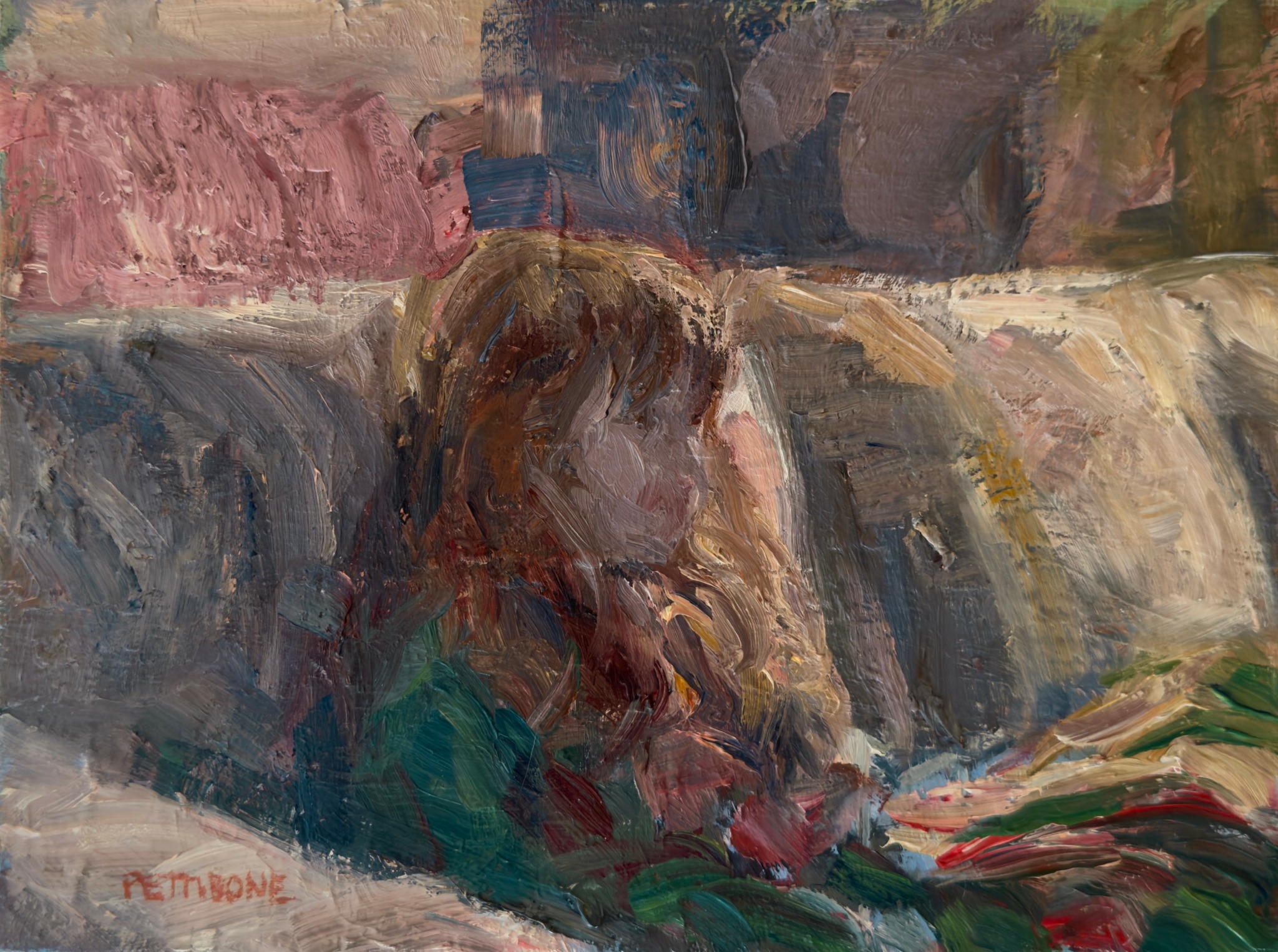
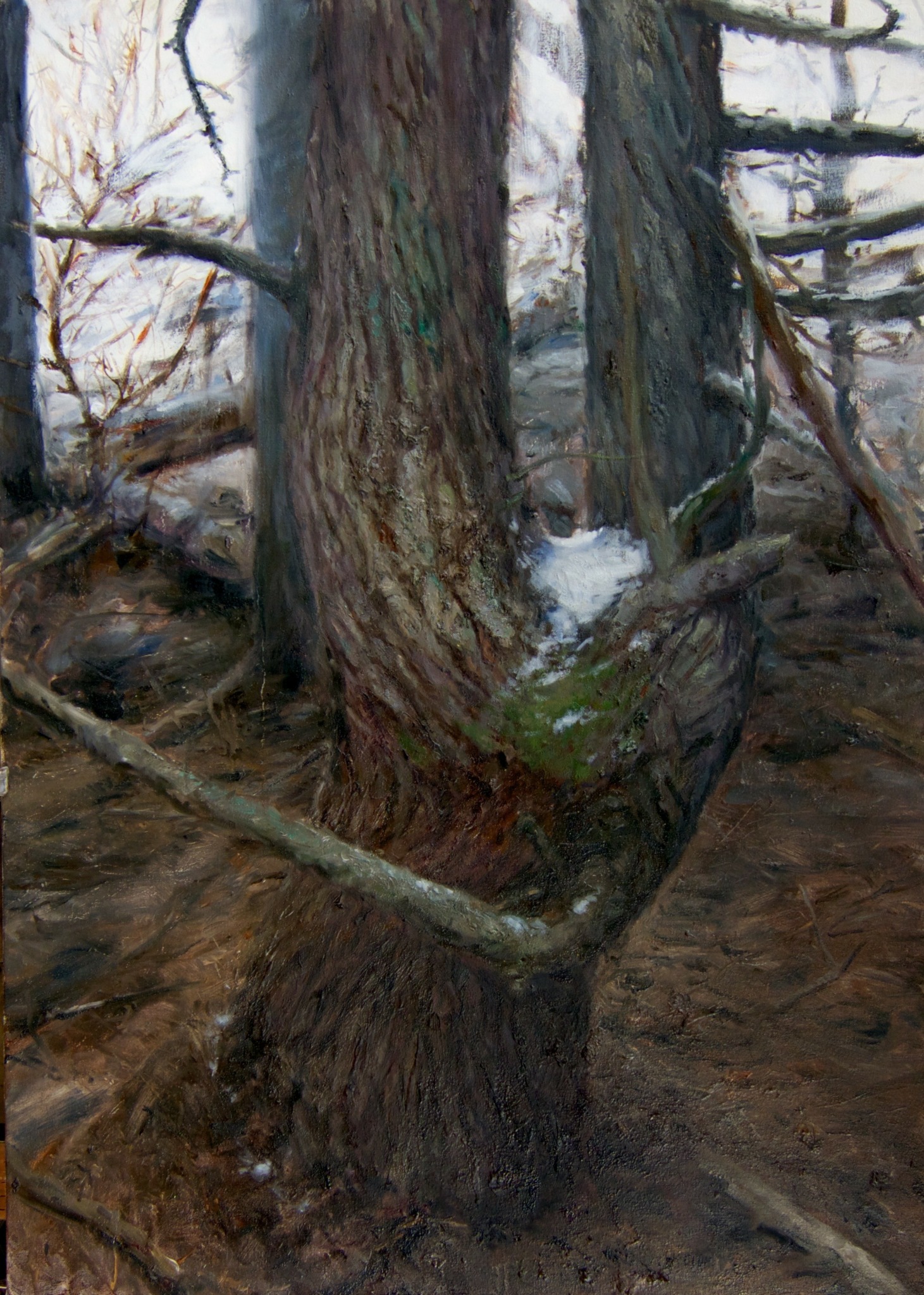
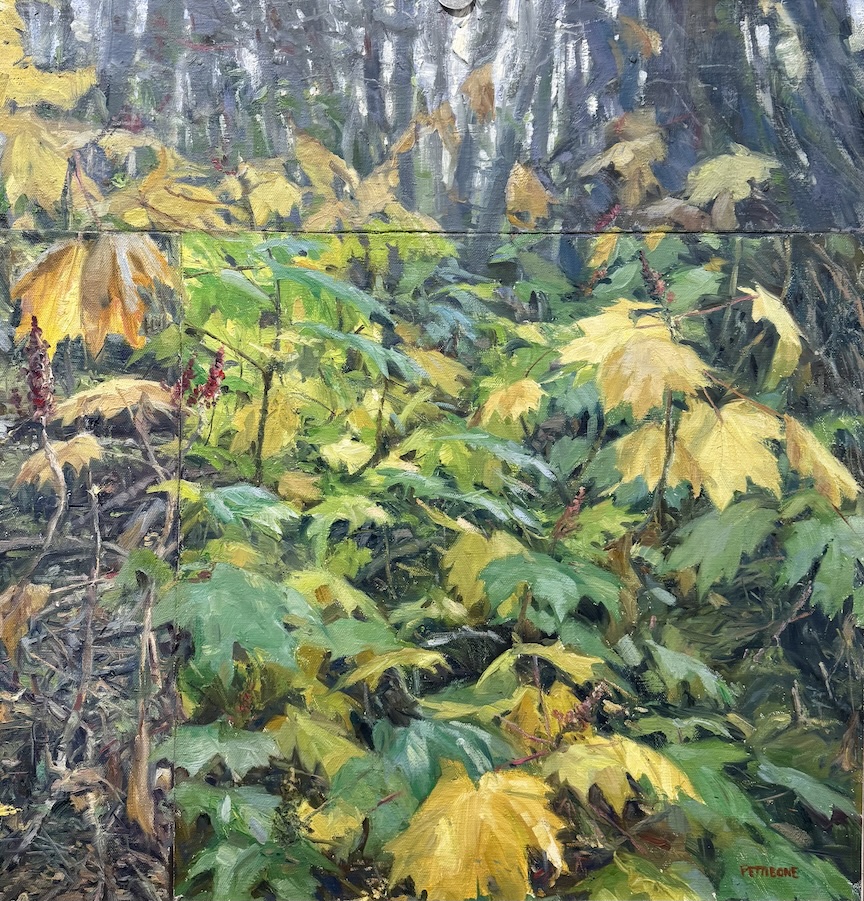

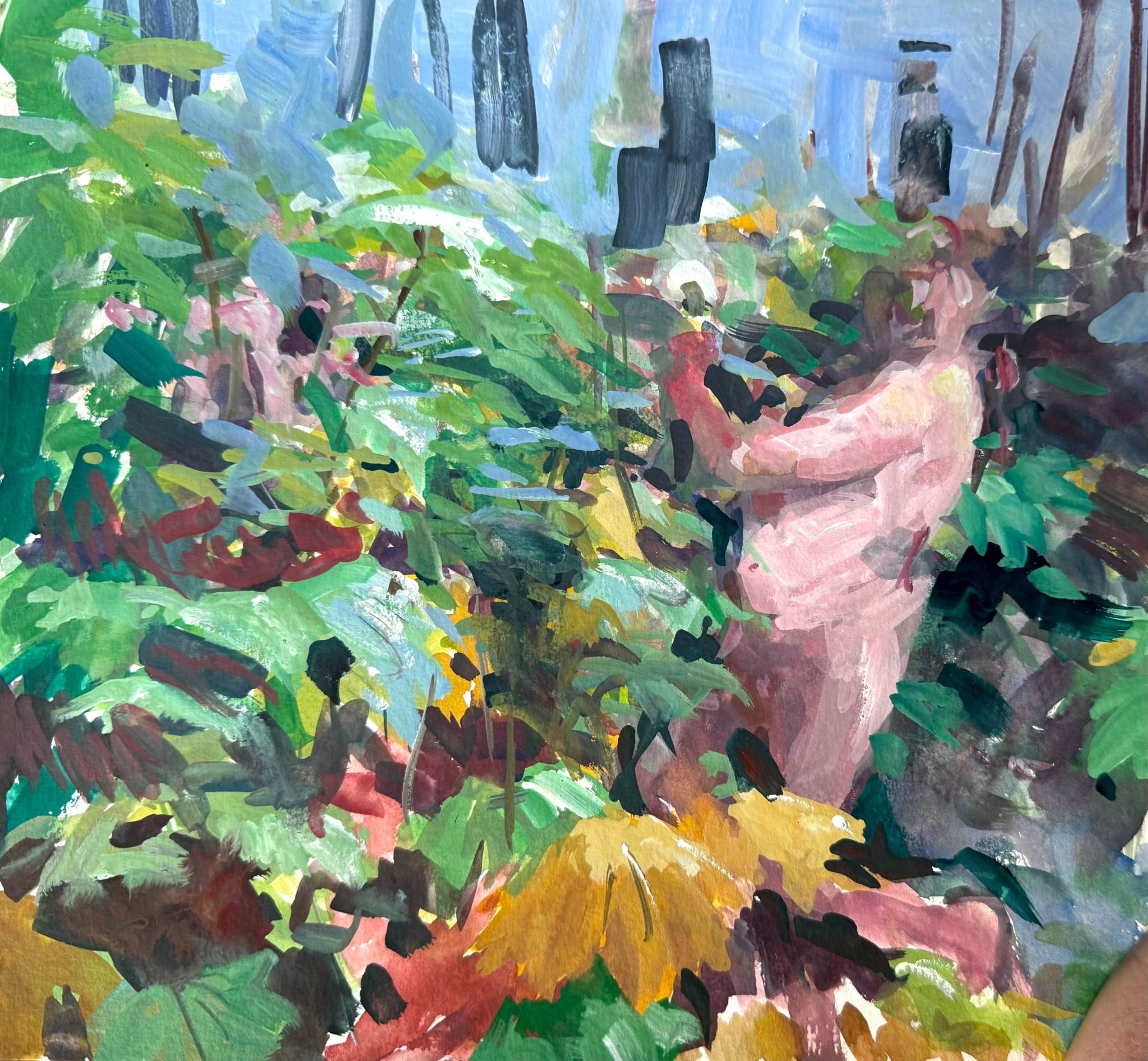
Image Credits
Photo of me painting- Colin Tyler