



We’re excited to introduce you to the always interesting and insightful David Michalowski. We hope you’ll enjoy our conversation with David below.
Alright, David thanks for taking the time to share your stories and insights with us today. What’s the kindest thing anyone has ever done for you?
It was February 2023 and I was a year into the process of getting divorced. I was in Wichita, KS of all places – because my ex had found a therapist she trusted named Lacy. She was extensively mentored by the marriage and family psychologist I swear by more than any other thinker – Dr. David Schnarch. Even with the pedigree, I was guarded and suspicious that anyone could help our situation. We weren’t even trying to get back together; We just didn’t want to have an ongoing war between us that hurts our, at the time, 4 year old daughter.
So it was our third session and Lacy was watching how I responded to an accusation from my ex and she turns to me and says, “You play ahead by looking like you’re behind – you don’t show what you know – it’s hard to get close to you in a meaningful way. You’ll act like you don’t know what she is saying when you do know.” To translate a little, she was naming how I mask my mind – how I hide what I think and feel in order to look like the good guy in the story. It makes it harder for people to know me, but also harder for them to hold me accountable for something I did.
Lacy took the brightest of spotlights and shone it right on my blind spot and deepest struggle – in a direct, but kind way. She helped me identify and start dealing with the primary barrier that was holding me back in life. It’s one of the kindest things anyone has ever done for me.
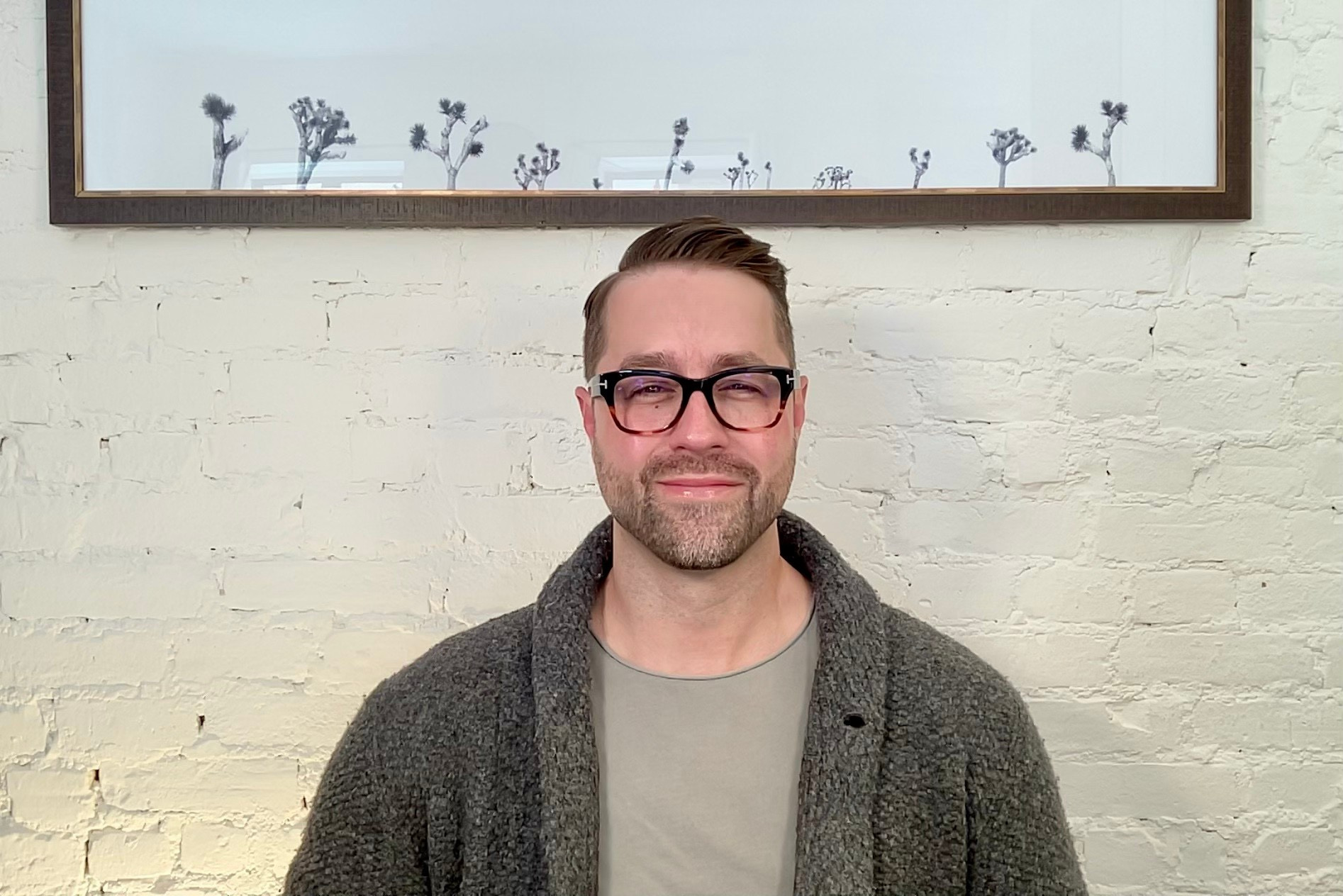
As always, we appreciate you sharing your insights and we’ve got a few more questions for you, but before we get to all of that can you take a minute to introduce yourself and give our readers some of your back background and context?
I’m a licensed mental health therapist! I got into my field like most therapists – because I had a troubled family too and I was trying to figure my life out. I say that smiling – because the old trope is often true – that therapists are therapists because they are trying to work out their own issues. Murray Bowen – one of the pioneers of family systems therapy – asserted that a therapist can only help a client as far as they’ve helped themselves. So when I think about what I’m most proud of, my mind first goes to the personal work I’ve done to address my own struggles and blind spots. Naturally, I’ve always been an analytical thinker – I can assess a person quickly, but dealing with my own issues allows me to have more compassion for my clients and it helps me calm myself when someone is showing me something troubling about themselves. A therapist’s effectiveness is always based on their ability to self soothe, be open, and calmly address what they are seeing in a collaborative way. No textbook or class can teach you this; it’s something a person earns by facing the worst in themselves and growing from it.
This is also what sets me apart from other therapists. I would say that two-thirds of my caseload are people who came from other therapists and were dissatisfied. They will say things like ‘the therapist only listened to me’ or ‘I didn’t know what we were working on’ or ‘I felt like the therapist just wanted to be my friend’ or ‘I had my therapist fooled – I could play games with him/her.’ There is no perfect therapist, but my clients will often walk away from our first session with more understanding of themselves than they had from a previous year of therapy with someone else. It sounds braggadocious, but it’s an experience I’ve had all too often.
One unique aspect of my work is that if a client consents, I will write up mental maps for them. In the form of a flow chart, I’ll write out how I see their mind engaging with the people and situations around them. We all have a unique style of avoiding or twisting reality so that we don’t have to face something painful and having this resource is a way of helping a client challenge themselves throughout the week. We know that awareness and acceptance are the first steps in evolving as humans. These written maps aid the process of mindfulness by helping a client see the mental distortions they often use, so they can get back on track more quickly in the moment.
The last thing I’ll add so I don’t just sound like a hardcore CBT therapist that writes up mental maps, is that my training is actually in psychodynamic psychotherapy. Just understanding our mind in the present, in my opinion, isn’t enough to really heal and grow. As humans, we need meaning. Often people arrive into adulthood with an inaccurate understanding of their family and the role they played in it. We can all thank evolution and the prefrontal cortex for this – how our brain will prioritize fitting in with the group over personal integrity. When we have an inaccurate picture of ourselves and the formative people in our lives, it almost functions like a magnet pulling us back into these dysfunctional roles. Sustainable growth requires brain alignment – where our visceral experiences match how we understand them. I’m using shorthand, but our right and left brain must be working together instead of sending opposing signals. When our brain is aligned like this people calm down, they see things more clearly, and they can make informed and often hard decisions for themselves and most importantly – feel good about themselves when they do it. My goal is always to help the whole person.

What’s a lesson you had to unlearn and what’s the backstory?
If you give me a question like this, I’m always going to nerd out and talk theory and how it impacts client’s growth. Part of the teaching of my graduate school aligned with a popular perspective of our day: the idea of we all have a wounded child inside of us. Early in my career this perspective would create a lot of empathy for when my clients would regress or behave poorly, but I would start seeing them almost like a victim – like they couldn’t help it because they are this wounded child. It would see them too passively and too positively – like they are just trying their best and they couldn’t help it when they hurt this person or did this manipulative thing… because ‘the wounded child acted up again.’ I saw that it infantilized them and lowered the bar for what I expect of them. It also turned a blind eye to how normal it is for all of us as humans to have antisocial behaviors where we hurt people or manipulate them on purpose. The writings and trainings of Dr. David Schnarch were instrumental in opening my eyes to making sure that I do therapy like there is an adult in the room. Obviously, adults deserve empathy for their pain too, but adults must face the music for their behavior, how their mind works, and chaos they create around them. Therapy is supposed to hurt when we face the parts of ourselves we don’t like, but its required in order to grow a more conscious and healthy existence.
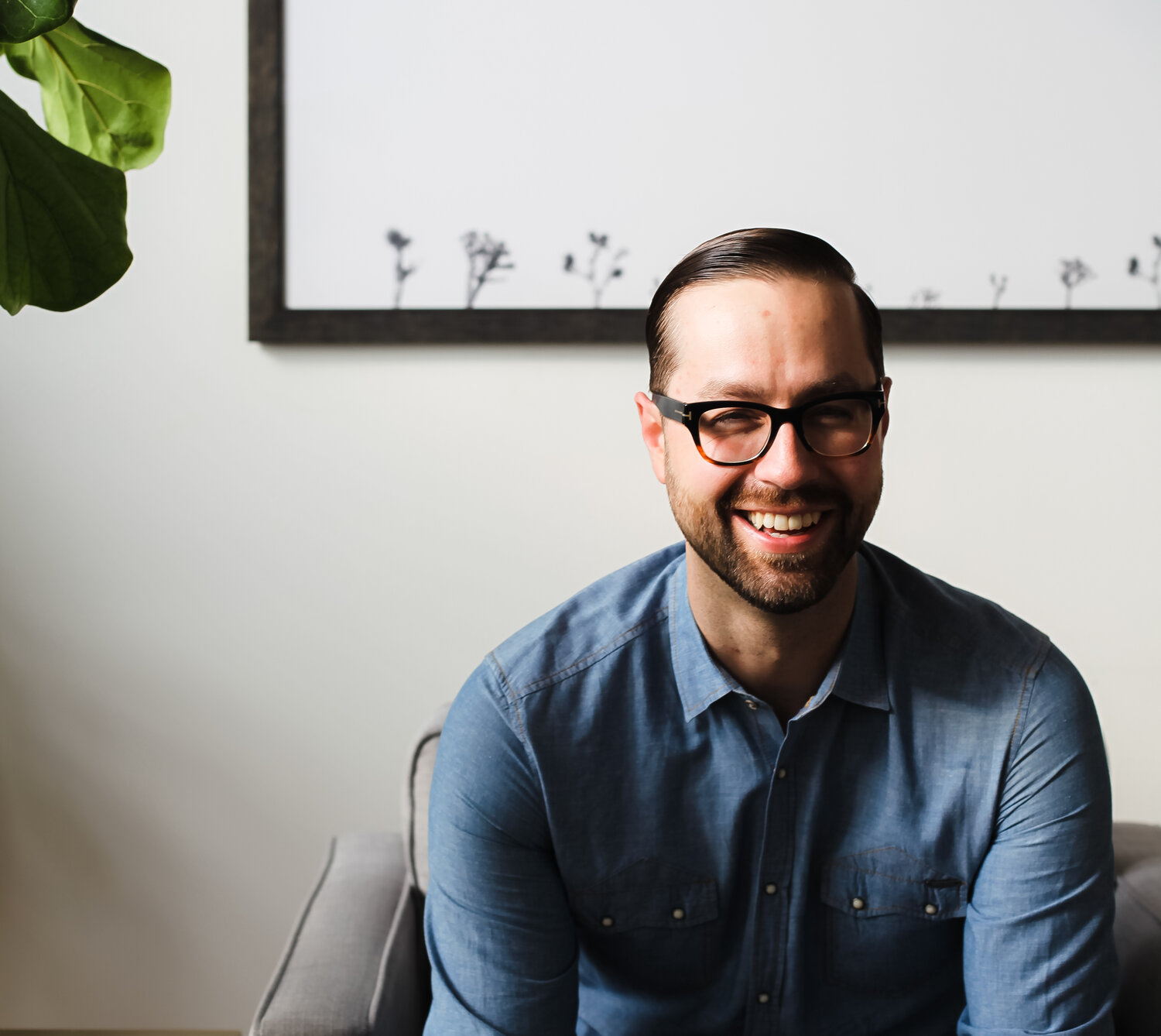
Other than training/knowledge, what do you think is most helpful for succeeding in your field?
I’ve already spoke to this earlier, but I’m happy to double down here because it’s so important. A therapist must be in therapy. If a therapist isn’t addressing their own personal issues, trying to understand their blind spots and dealing with their limitations, then it’s almost impossible for them to help anyone. I know it’s a strong statement, but it applies to me just like everyone else. There were seasons early in my career where I wasn’t challenging myself and not dealing with issues I knew I had. I know it sounds like many people in their 20’s, but it very much impacted my ability to help people. Humans can’t suddenly become insightful around something they have no experience dealing with. If I’m avoiding facing something in my own life, I’m not going to be comfortable enough or have any real direction to help the client. Once you say it, it feels like common sense, but I recommend you ask any prospective therapist you’re interviewing to potentially start treatment with.
I’ll give one quick bonus answer to this question too. Age is something that helps a therapist be successful. Having to struggle through the complexities of life has the potential to make a therapist wiser. I personally would choose a therapist in their 40’s or 50’s who has been practicing for over 10 years – I want someone that has seen some things and made their way out the other side.
Contact Info:
- Website: https://www.themindfulmap.com/
- Instagram: @themindfulmapofficial
- Facebook: @themindfulmapofficial
- Linkedin: https://www.linkedin.com/in/dave-michalowski-43763ab


Image Credits
none