

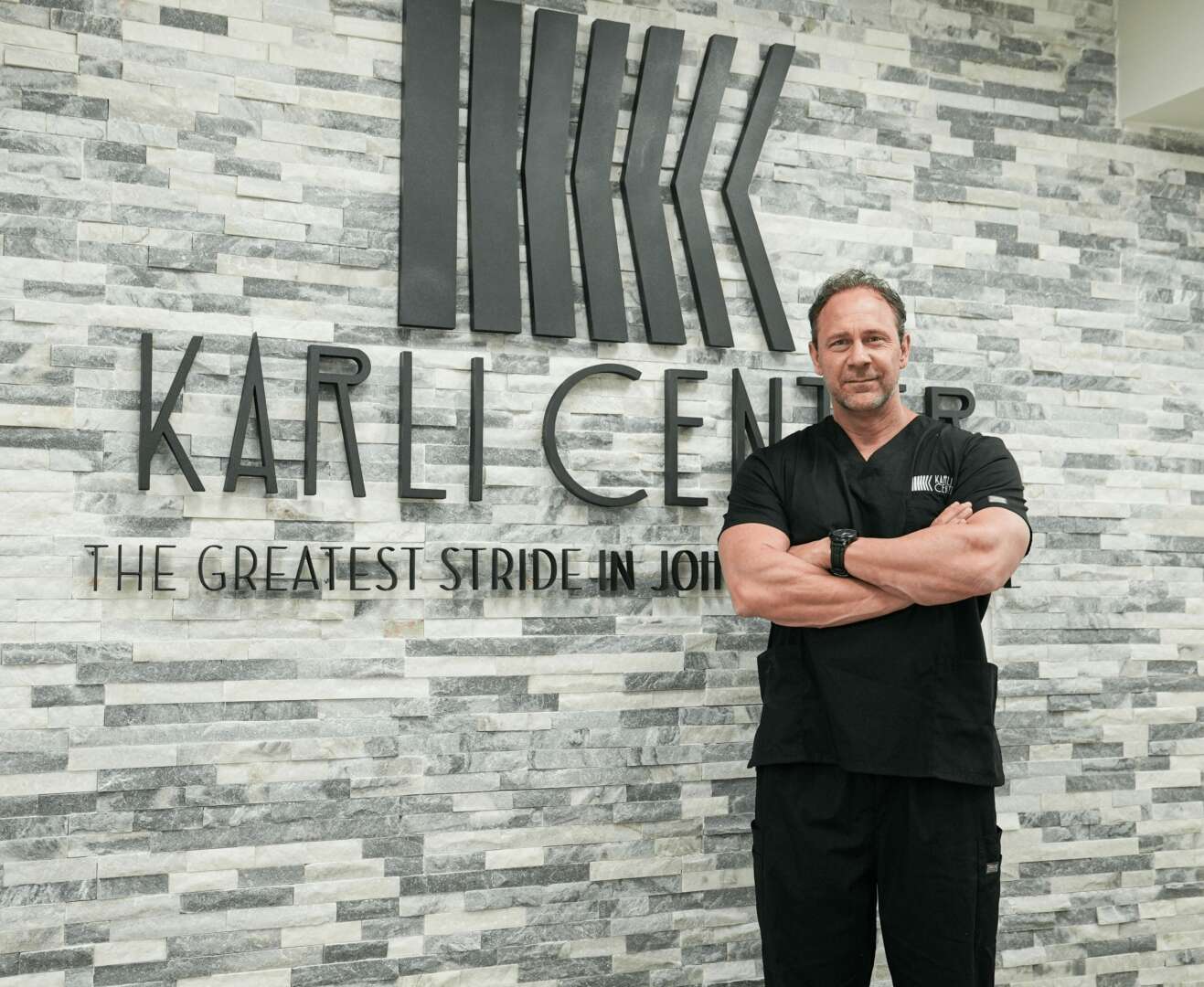

We were lucky to catch up with David Karli recently and have shared our conversation below.
David, looking forward to hearing all of your stories today. Setting up an independent practice is a daunting endeavor. Can you talk to us about what it was like for you – what were some of the main steps, challenges, etc.
Around 2006 – from the surface – it appeared that I had a very “successful” medical career. I was in my early 30s, a Partner at a world renowned sports medicine group in a beautiful part of the Country, I was seeing patients from all over the world and had gotten involved with a very young and innovative medical science in cellular therapies, which I felt at the time, had the potential to be the next dramatic leap in how we approach treatment of injury and disease. Yet there was a glaring problem to me: I didn’t know exactly what was in the syringe! I learned that for me – simply applying the standard of care wasn’t going to make me fulfilled.
We were developing and using cells from a patient’s own body, so the risk was low and in general, people were getting better. We knew platelets and white blood cell populations (including “stem” or what we call progenitor cells) were being concentrated and applied in these treatments, but it was driving me nuts that I didn’t know exactly how many cells were there. Without a quantity or cellular “dose” I couldn’t evaluate accurately the quality of the product nor the likelihood of success. It was too much of a roll of the dice with a patient’s hard earned money – like prescribing a medicine without knowing the dose, which would never happen. I felt like it was our (my) obligation to do better. Modifying a Peter Drucker quote: “If we couldn’t measure it – how could we make it better?” I couldn’t accept that other Physicians and manufacturers didn’t share what seemed not only logical, but an absolute necessity.
Although unknown initially, it turned out to address that question – I would ultimately start an FDA audited biotechnology company. I had no business training or experience, had never started a company and never really considered myself an entrepreneur. But the problem in my opinion, created an unacceptable standard, so I went ahead with the process and started my own company. As I progressed through the early phases, I recognized that much of business is intuitive in nature, but I felt deficient in the language of business. For me, an MBA made sense, so I went ahead and got it while maintaining my practice and the company through the process. Most people think Doctors are bad at business. I don’t know if that’s actually case, as they must uphold a unique health transactional relationship with patients that complicates the blocking and tackling of pure business principles. I had to learn how to wear both hats as I didn’t leave medicine to pursue business. It immersed me deeper into both.
Since then I’ve lived just about every challenge, up and down associated with entrepreneurship that we’ve all heard repeatedly. By and large, they’re all true! It has proven as challenging as it is made out to be. I wanted to quit often and the company should have failed many times. I didn’t necessarily have imposter syndrome – I just felt like I sucked at business most of the time! I didn’t quit and so far, we’ve navigated every minefield working through the business lifecycle from concept through execution, to growth and scale. There were tons of things I could have done better, but I learned a great deal about myself and the personal growth through the process creates a pride that I think can only be found within path through the struggle.
I don’t claim to be some kind of business guru (far from it), nor do I have all the answers. That said, if I could give a few pearls they would be: 1. You’ll find fulfillment in work that you genuinely believe is worth doing. I don’t agree that passion is the right word as so many days as an entrepreneur are more about survival. Passion is idealistic in nature. Purpose I believe is equally as powerful and more relevant to keep going when you have every reason not to do so. 2. I can’t speak for other businesses, but mine requires two critical traits: grit and resiliency. Find your grit, toughen up, put your head down, focus and just keep going.
David, before we move on to more of these sorts of questions, can you take some time to bring our readers up to speed on you and what you do?
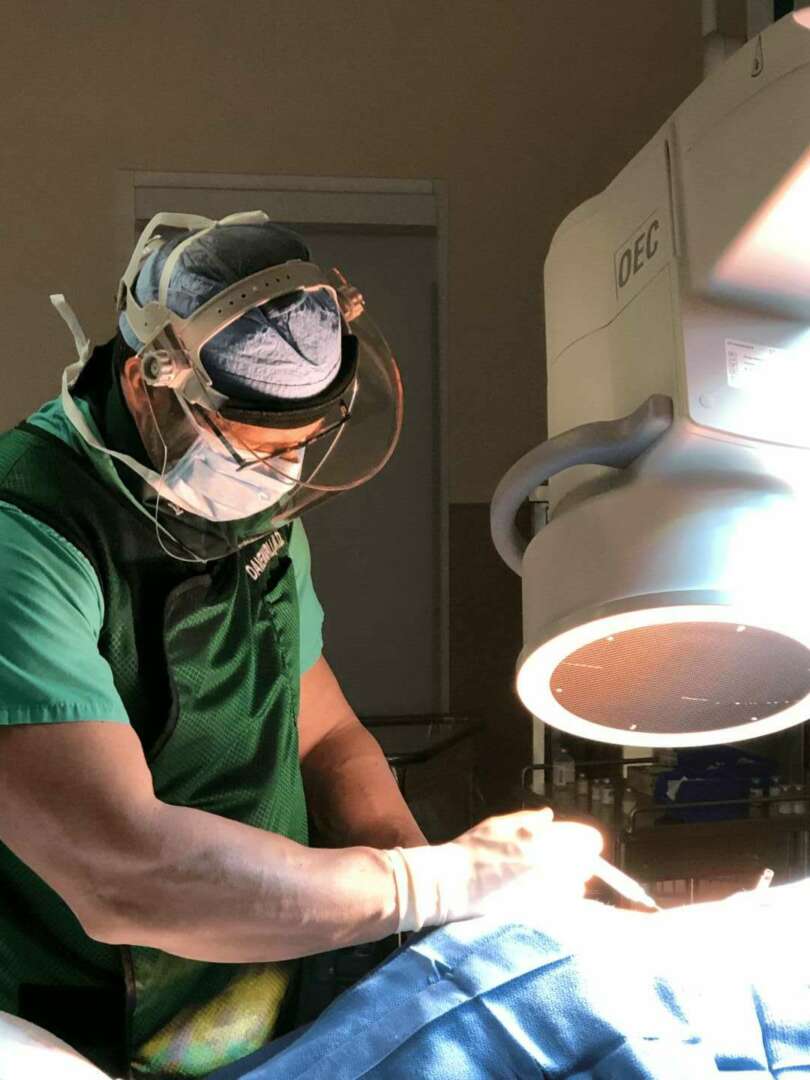
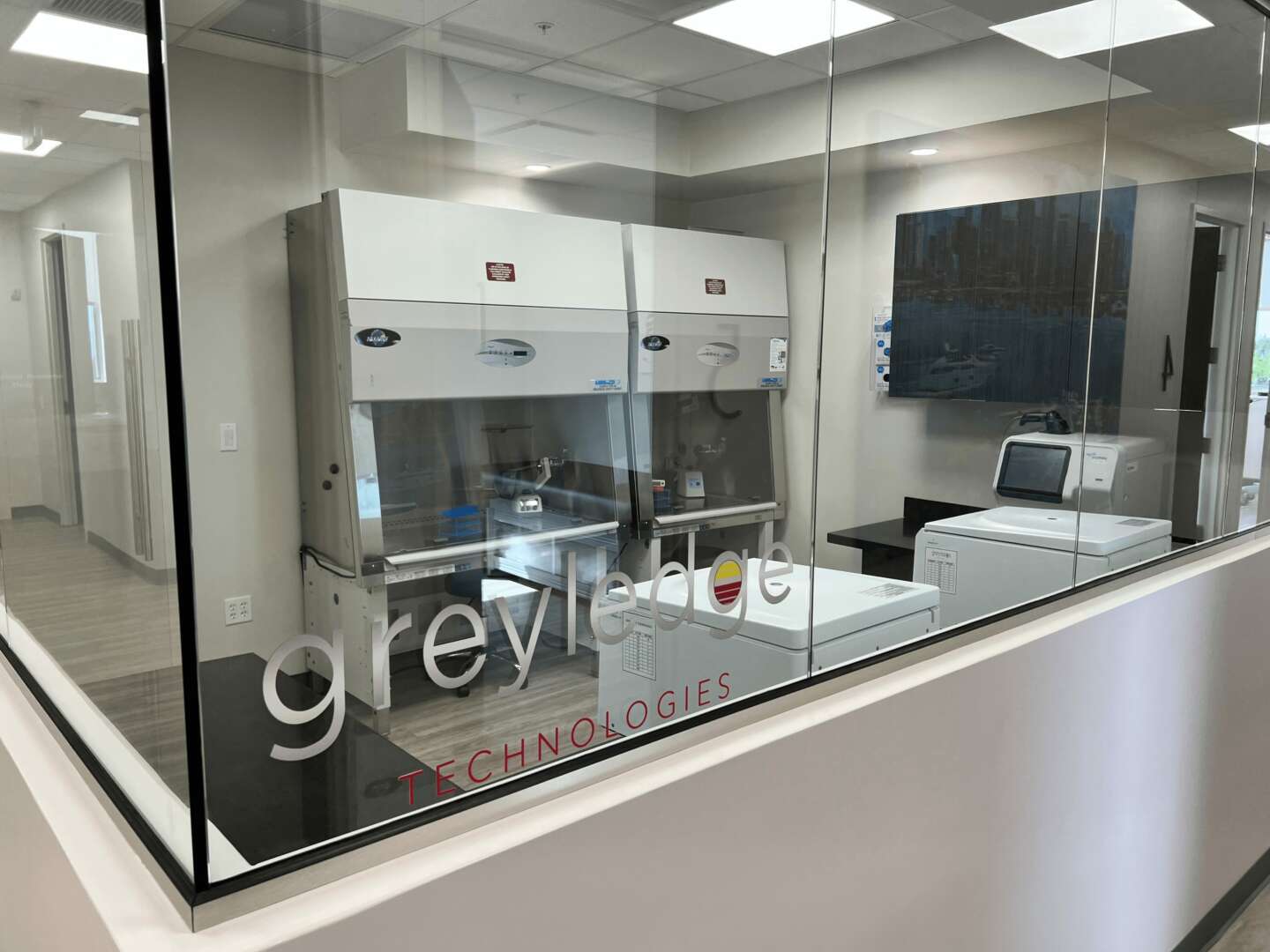
I am a Physician and biotech entrepreneur. Based in Miami Florida. My private practice (Karli Center), research and business focus on development and optimization of cellular therapies, derived from the patient and re-implanted back into the patient in the same day. I founded Greyledge Technologies in 2010, a biotech company which processes blood, plasma, bone marrow and adipose (fat) samples to isolate and concentrate specific cell populations (including stem cells), bioproteins and platelets, which coordinate and stimulate healing. Greyledge is the first company in the world to routinely identify and measure each cell within the billions of cells that are contained within all of our products – measured on the same day of acquisition and prior to implantation into the patient. This cellular dose information is imported into our custom Data Cloud along with patient reported outcomes questionnaires (before and at specified intervals after treatment) and demographic specifics for each patient. In this way, we are able to track dose and response relationships, specific to both patient and treatment indication. Machine learning and advanced statistical analysis is used to continually learn from our dataset in an effort to customize our products to maximize the greatest potential for therapeutic success.
Our company operates processing facilities in multiple States within the US and in Europe. We also maintain a full time research and development team in Europe to continually evaluate opportunity for product improvement, innovation and IP. Our products are used in both surgical and nonsurgical Orthopedic applications along with cosmetic, sexual dysfunction and nonsurgical hair restoration.
Our long term focus is to identify optimized cell product parameters which will produce (as defined by objective evidence from our data cloud studying thousands of treatments) superior long term outcomes for cell therapy interventions and produce predictive modeling to prospectively determine the exact composition of cell types to achieve this goal. In 2024, we will continue precision medicine research to explore how the human genome and epigenome influence the therapeutic potential of every individual’s cell populations and how we can customize cell formulations to optimize, based on our DNA!
We have completed 3 private rounds of funding and will pursue our first Series A Institutional round of investment in 2024/25. Our long term goal is to automate our laboratory processes into next generation medical devices, to facilitate greater market penetration, data acquisition and growth.
Our path has been quite disruptive to the evolving field of cell therapies, at times critical by nature of competitors whose products lack quantitative quality control while maintaining compliance with Federal regulations in the US. This disruption has created field resistance to a higher and more demanding standard. We believe that this stringent effort is necessary to create not only sustainability, but predicability, reproducibility and consistency – all elements needed to eventually drive 3rd party payor acceptance and eventual coverage of new standards of care and best practices. It was a less popular, slower road, but one that required meticulous attention to responsible and innovative development of an unlimited, but still vulnerable field.
Can you share a story from your journey that illustrates your resilience?
Here’s a spicy story for you: After several years of starting a biotech company from scratch, focused on developing cell therapies for Orthopedic problems and surgeries, the company although small, was thriving. I was a voting partner of a large and very prominent medical practice at a young age with a unique environment to drive an idea to serve an unmet need forward. Prior to starting the company, I offered all of the partners an opportunity to be seed investors, to which they all declined. I bootstrapped the early years with great difficulty and expense. At the time the company was very disruptive (15 years later, our core platform has become a gold standard in the industry). After the initial struggle on proof of concept, my group signed on to use our services with high profile destination patients and became our single largest account. Our products were innovative and helping our renowned surgeons to draw patients from all over the world. Our highly competitive group in the region also signed on as another account, which was an honor that they would put the competitive environment aside to trust our company (and me) in their patient care.
We were doing great work with no debt, no investors and were cash flowing quite well. Things were well positioned for a small company to enter an aggressive R&D effort to automate our processes strategically to transition a services company into a medical device company, where all of our IP was held.
We were discussing research collaboration with the group, with very favorable terms offered to financially support the research directly from our company in good faith, when I got a call from our CEO requesting an in-person meeting. During a dinner engagement, I was told that the practice was interested in acquiring the company. I replied that I was flattered, but that the company wasn’t for sale at the time given its size, valuation and need to mature further with a more nimble structure. I reminded the managing partners of my offer to have them all involved at the start, which was universally declined. Lots of pushback and promises were made to maintain me in a leadership role with full support from our research foundation and donors with intent to scale the business much sooner than anticipated.
After several weeks of persistence, I did not think that the complexities of group ownership was good for the business, but agreed to complete an independent 3rd party valuation.
Specifics aside, the consultant created two models – one with the company at face value and one without the involvement of our competing group (with obvious concern that they would drop off with group ownership instead of me as a sole proprietor). Soon thereafter, our junior COO (for whom I wrote a letter of recommendation to attend my business school alma mater) was sent to deliver an offer. That offer was set at 25% of the face valuation, much less a multiple on the valuation (3-7X is pretty standard for a small company in the space).
I wasn’t sure what to make of the activity. Did they think I was stupid? Were they that arrogant? Did they not understand basic principles of company acquisition? If they valued it so little, why did they want it? Was this about value or power? Needless to say (and with a few implanted choice words), I sent the junior officer back with a firm no.
Soon after, via the same person, a second offer increased the number to 50% of the valuation, with the rationale that the concern of losing the competitive group was driving the low ball number. Again, I sent the offer home firmly – I had the group contracted and happy – losing them wasn’t my problem. Some time went by, but to attempt to mend battered egos, I sweetened an offer to use direct revenues generated from doing business with the group to more comprehensively support our research foundation. To me it was an impossible offer to refuse, would lead to mutual gain and help patients on multiple levels.
At the next partners meeting, I formally proposed the offer. I was asked to recuse myself for a vote and the offer was rejected with no details or explanation as to why.
Soon I was approached again, this time with another message: if I refused to sell the company at the proposed offer, the group would exit our contract and they would start heir own version of the same company. I replied that I was incredibly disappointed in that position, but the company was not for sale under the ridiculous terms and within a few weeks, a letter of termination of our contract was delivered to me.
The account was a high multi 6 digit gross sales contract, which was difficult to absorb and personally difficult to stomach. I had lost one of the largest contracts in the Country from my own partners of many years. I couldn’t personally finance the company any longer and on top of that, our practice was close to a private equity buyout with lots of eyes on every aspect of the practice (which you can surmise may have driven some of the events!). I had limited financial bandwidth and even less leverage to pursue legal action. I didn’t think we were finished, but I was going to have to learn how to raise money, and do so fast.
To make matters worse, the same junior executive that I had helped was tasked with running the copycat company for the practice. A few years earlier, during the course of his MBA curriculum, he had asked to see my business plan to give him ideas to write his own – a requirement to graduate. He had a deep familiarity with years of work and strategy that had gone into developing my business. Within weeks, they had a near exact duplicate of our operations up and running, with an immediate multi six digit account that we had built to support it. After investigating, it was unclear if they had violated intellectual property law – it was in a grey zone and a potential legal pitfall. It was a David (literally) vs Goliath scenario, would take years to resolve and the group had the resources to drag it out if desired.
The actions set my company back years. We struggled finding good capital partners, dealt with shady private investors early on, repeatedly flirting with financial failure, lacking capital to scale and continue to innovate. Little by little however, we fought, scratched and clawed our way out. We just kept moving forward – finding a way through the daily fires and crises when it looked like we should have failed. We’ve since navigated 3 rounds of private funding with the help of a key financial executive partner. We’ve expanded into multiple States in the US and have open clinical and research services Internationally. We successfully prototyped our first medical device concept. We’ve accepted our first EU grant award collaborating with International partners and are preparing our first NIH grant application to do a much deeper dive into advancing the filed of cell therapies forward. We are now approaching our first Institutional round of investment god-willing by end 2024.
I wish I could say that I never had a doubt, but that would be ridiculous and untrue. It was thankless, far from glamorous, ego destroying, lonely road and I wanted to quit countless days. I knew I wouldn’t, but the burden of doubt, which is already heavy on small companies, was amplified a hundred-fold. The process tested every ounce of my resolve and confidence that our business concept was right and just. I have a core group of employees to thank for playing a critical role in the transition from survival to thriving, and that work continues.
We’re still vulnerable, but the further we go, the more we diversify and reduce our risk profile and brick by brick try to build a moat to shield us to weather the ugly side of business, an unfortunate reality that many of us have seen. My wife says I’m one of the most resilient people she’s ever met. I hope she’s right. The story reminds me of a Rocky movie – I got punched repeatedly in the face for 10 straight rounds, before getting mad enough to start playing offense and ultimately win the fight several rounds later. I’ve always believed the work was worth doing, so I’ll keep going until we win or someone stops me. In this case they certainly tried very hard to make that stop.
What’s a lesson you had to unlearn and what’s the backstory?
I’m hopeful to answer with an interesting perspective on this question for your readers. The somewhat cliched lesson is that you can’t do everything yourself – building a great and trustworthy team to go to battle in business is everything. That was a lesson every solopreneur needs to learn to position a small business for growth and scale. I was no different. It’s logical but challenging as it creates the need for a new skill set, which is to develop teams and capabilities without abundant resources, knowing sometimes, the end result wasn’t perfect.
What I had to unlearn was a false notion that the business over time should no longer be about me as its Founder, but rather on its merit as its own brand. I’ll explain:
We all build fans and non-fans along the way, and I was no different, especially with a disruptive concept. As the featured figurehead of our company, I worried that maintaining such a high profile position helped us if you liked me and hurt us if you didn’t. We had two target customers: clinicians who used our services, and a terminal consumer in the patients who received our products as a part of their treatment. Our company fills a significant void in quality control of cell products and that led to me being quite critical of the field and many colleagues and thought leaders within it.
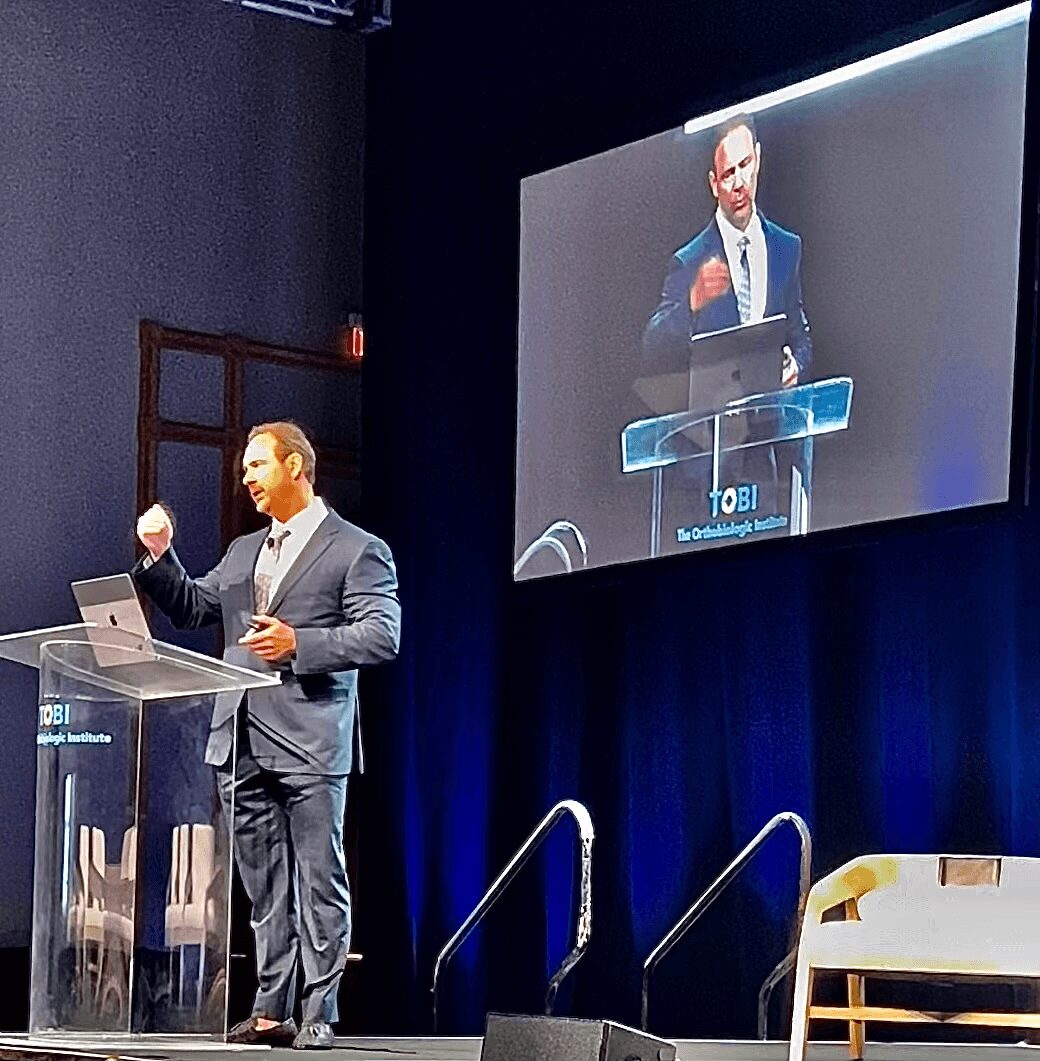
For a long time, I tried to take the perspective that the company shouldn’t be so much about me. As a brand, I wanted it to stand on its own two feet. I have never been shy about media and podiums and promotion. However, that perspective limited the opportunity to leverage personal brand in parallel with a company. Beyond simple executive leadership, this formula has become more powerful and has worked brilliantly in the age of social media with brands like Tesla, Virgin Atlantic and Apple with high profile, very active (and famous) founders – now rebranded as “Influencers.”
Perhaps I’m a bit humble by nature, but I’ve had to work hard to bring awareness to the great work we were doing, without enough people (outside of the sphere of a niche biomedical space) knowing about it. We were doing novel and innovative research developing stem cell therapies and contributing to a shift in the foundational paradigm of how we approach injury and disease. Being humble was a deterrent to the awareness we were lacking. I (somewhat uncomfortably) had to become much more vocal and back up the promotion with competence and execution: say what you’re going to do and do what you said you would. The visibility and exposure makes my personal brand and medical reputation vulnerable, but it became a necessity. It was a mindset shift from the dogmatic Physician premise of underpromise and over deliver, to one of over promise and over delivery. A change in one word dramatically alters the strategy and ads pressure and stress to an already stressful early phase venture. We needed attention and my personal brand was a microphone that wasn’t turned on.
At the end of the day, starting businesses is about comfort with risk. If I wasn’t willing to risk the most by hanging my neck out there for a company that came from me, then who was?
Once I started to lead more proactively and more effectively, attracting talent to the company to serve the notion that you can’t do it alone became better.
Take home message: while you can’t do it yourself, there are things that you do need to do by yourself to position and elevate your team and allow them to execute to a bigger audience. Lesson learned and still a work in progress.
Contact Info:
- Website: Www.greyledgebiotech.com Www.karlicenter.com
- Instagram: @davidkarli
- Facebook: @davidkarli
- Linkedin: @davidkarli
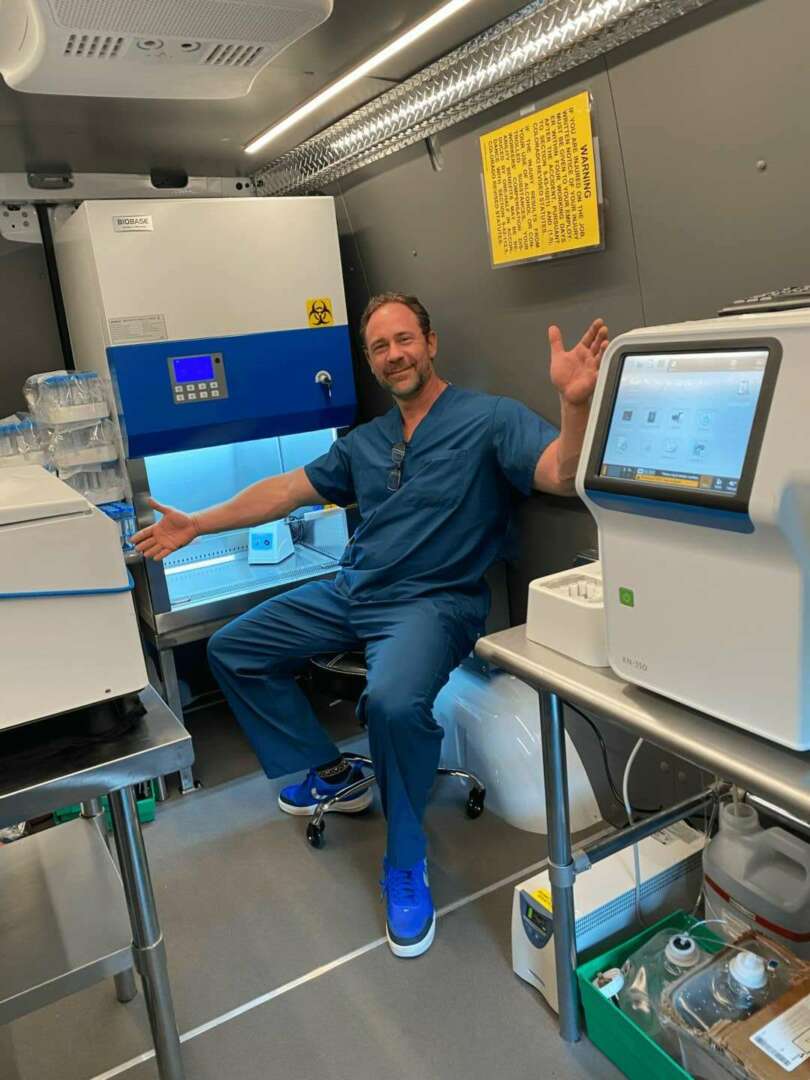
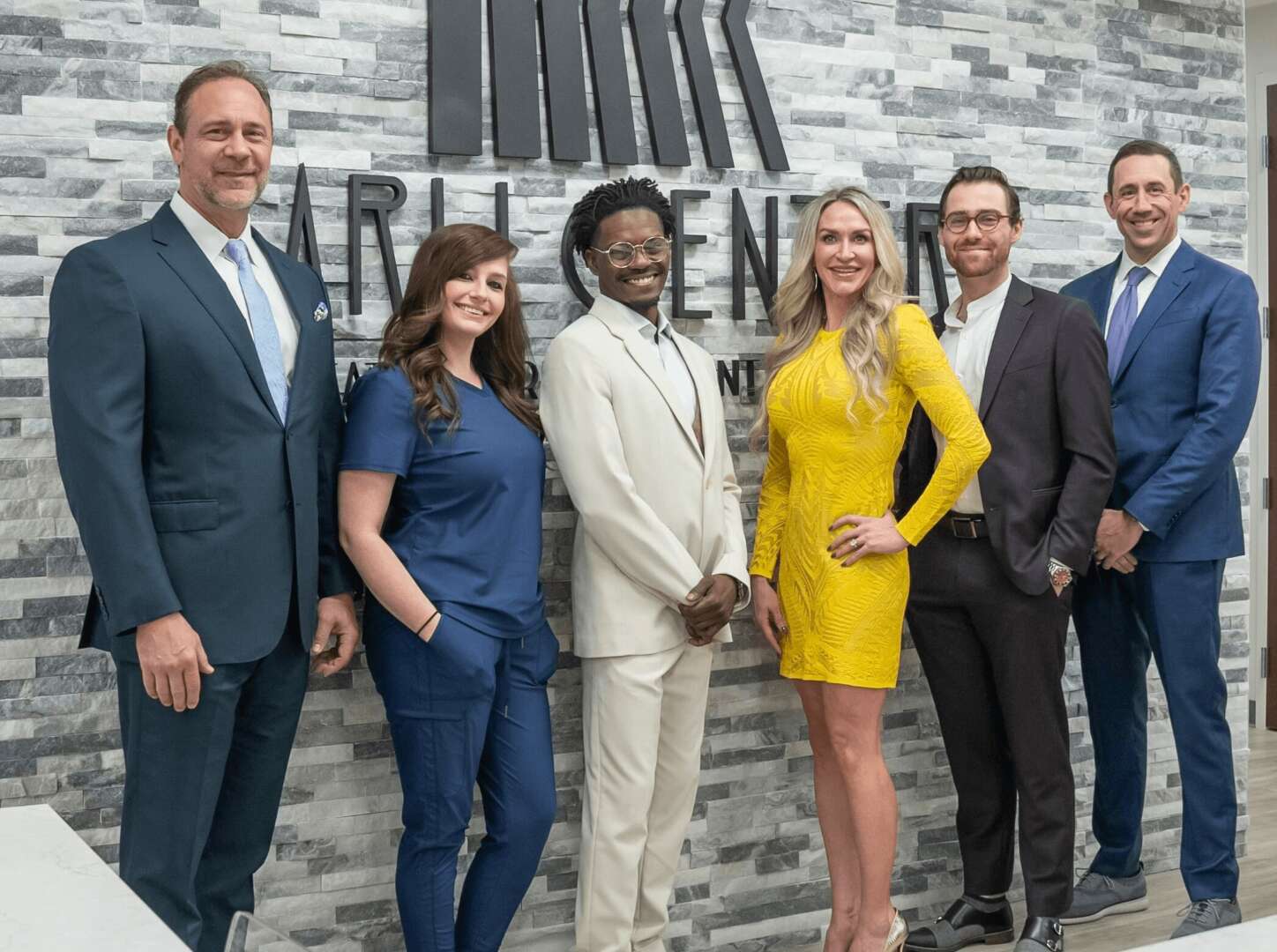
Image Credits
None