

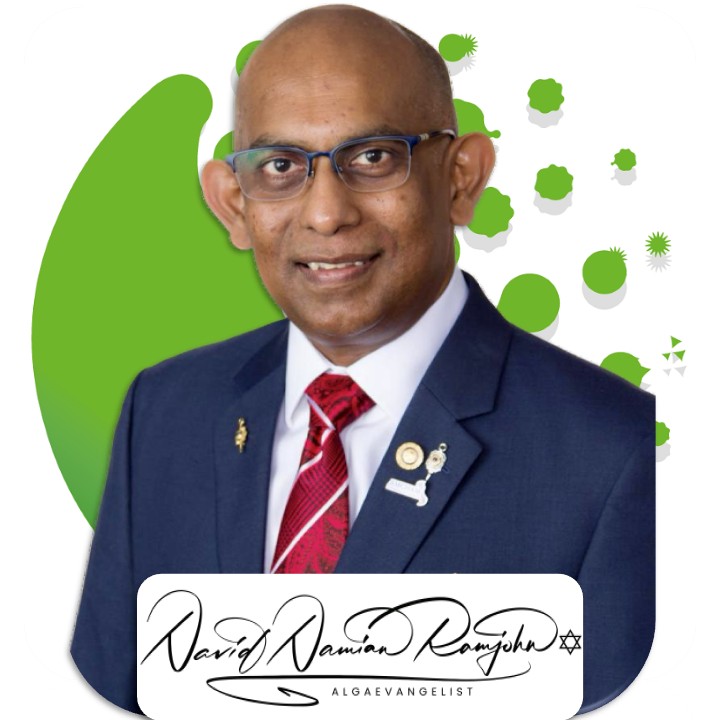

Alright – so today we’ve got the honor of introducing you to David Damian Ramjohn. We think you’ll enjoy our conversation, we’ve shared it below.
David Damian, looking forward to hearing all of your stories today. We’d love to have you retell us the story behind how you came up with the idea for your business, I think our audience would really enjoy hearing the backstory.
Many years ago in undergraduate Botany, our Professor Dr. Reid Wiseman walked into class on the first day and drew a circle on the chalkboard. That circle was his two-dimensional representation of one of the most common microalgal cell forms: a sphere. Prof. Wiseman then proceeded to teach us about these microorganisms for most of the semester, in what was undoubtedly one of the most unique college experiences I ever had. Prof. Wiseman practiced the “Socratic” method of instruction, which baffled most of his students as we never once opened the recommended textbook in class. Instead he made us learn how to think rather than regurgitate information. But it was his hammering into us the knowledge of microalgae and their profound influence on our planet that eventually led me to developing my business plan many years later that sought to harness the phenomenal power of these microorganisms, or as I refer to them: “Nature’s Nanites”. In that class I learned why photosynthesis as performed by microalgae and their ancestors was the single most important biochemical process on Earth, terraforming the planet from the hot, anaerobic, inhospitable habitat of four billion years ago into the modern oasis with all the life-support systems and natural resources on which we rely, yet so blithely destroy and profligately abuse.
The fundamental fact remains that without microalgae we (and all aerobic complex life forms) could not be here. In the realm of renewable energy, photosynthesis stands alone as the only mechanism by which physical products are made from the sun’s energy. Those physical products are glucose and oxygen. Glucose is the basic building block of all carbon-based molecules. Lipids, Carbohydrates, Amino Acids, Nucleic Acids, virtually every organic molecule you can think of relies on the glucose molecule from photosynthesis in their formation or synthesis. Oxygen is one of the most important elements for life on Earth, yet is also one of the more dangerous gases as it is highly reactive/corrosive. Together, glucose and oxygen from photosynthesis transformed Earth’s atmosphere (air), geosphere (land), hydrosphere (water), and biosphere (living things). I couldn’t possibly explain it all in this article, but Dr. Wiseman spent a semester drumming this knowledge into my brain, where it lay dormant and unused until many years later.
I completed my studies as a Marine Biologist, then furthered my education in Environmental Studies with an emphasis on Policy and Law. I recognized that scientists spoke only to other scientists in language that only scientists can understand. I determined that I wanted to bridge the gap between science and policy and eventually gained employment in the Environmental Management Authority (EMA) of Trinidad and Tobago. I was born in Trinidad and Tobago, which is an oil and gas economy, with all the consequent benefits and problems of that particular natural resource. Several years into my career at the EMA I was assigned to a national committee to explore opportunities for weaning ourselves off of dependence on petroleum and natural gas. It was then that my mind drifted back to microalgae, as a potential substitute for petroleum in the form of biofuels. I renewed my research into these old friends, ultimately reawakening the long-dormant knowledge imparted by Prof. Wiseman, and learning some new things about them in the process.
It turns out that petroleum is nothing more than ancient microalgae, which over hundreds of millions of years sequestered carbon in their cells and, on dying, sank to the ocean floors and through the processes of time, temperature and pressure, were transformed into petroleum. In that “Eureka” moment, the revelation became clear: whatever we can make from petroleum, we can make from microalgae. But researching the literature spanning several decades revealed that perhaps biofuels were not the ideal product to focus on from microalgae. The economics for algal biofuels simply didn’t work with the level of technology or scale at which we could produce microalgae. Consider this, Nature has been making petroleum for hundreds of millions of years on a planetary scale; we simply could not compete, not with a commodity that could fetch five, maybe 10 dollars a gallon. However, there were a plethora of high-value non-fuel products and ecosystem services that could be economically derived and generated from microalgae. This was my moment of epiphany.
Delving into the emerging microalgal industry, studying the reports of decades of research in the USA and other countries, I recognized some important factors critical to the success or failure of any microalgae enterprise; these include but are not limited to: 1) the need to produce (grow, harvest, and process) microalgae at scale, the same way we grow wheat, corn, rice, cotton, etc., 2) the need to educate various demographics (general public, policy makers, investors) on the possibilities and benefits or microalgae as an economic platform, 3) overcome public ignorance and misunderstanding to market and sell products and services from microalgae, and 4) ability to secure patient capital to support the development of the industry through research, development, deployment, to profitability and growth. The other considerations of successful business were also top of mind, e.g., corporate governance, risk analysis and mitigation, financial modeling and planning. But the potential of microalgae as an economic platform caught my attention and I was determined to overcome the challenges as I knew the significance of success in harnessing these primary producers to us keeping Earth hospitable to our life forms.
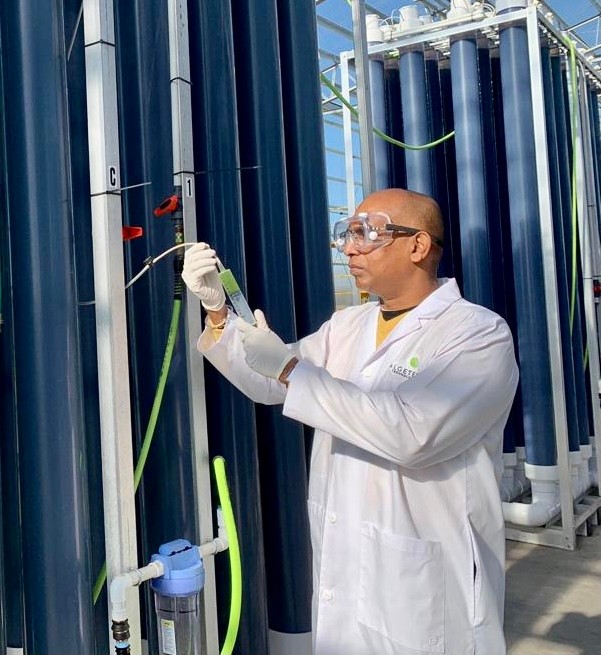
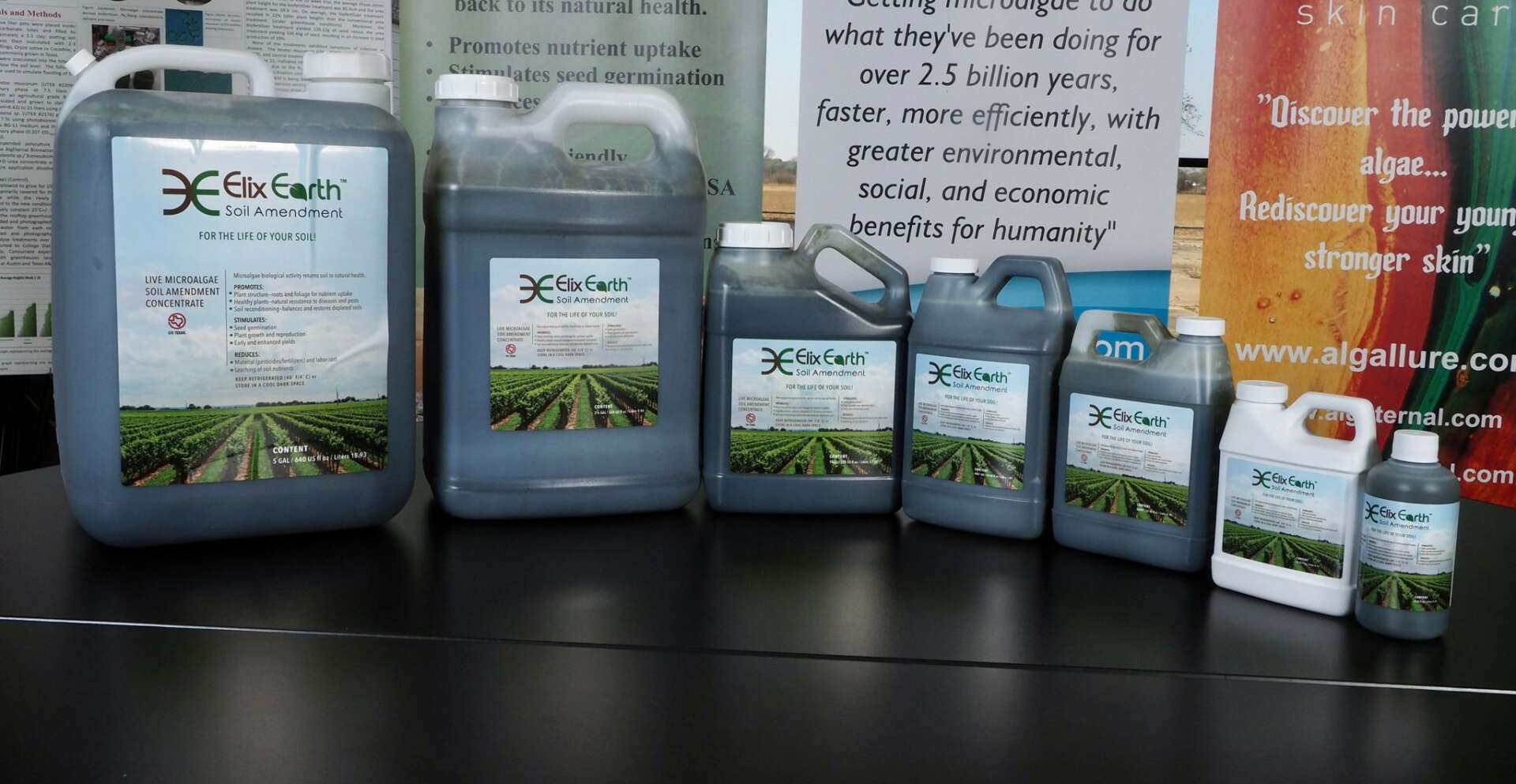
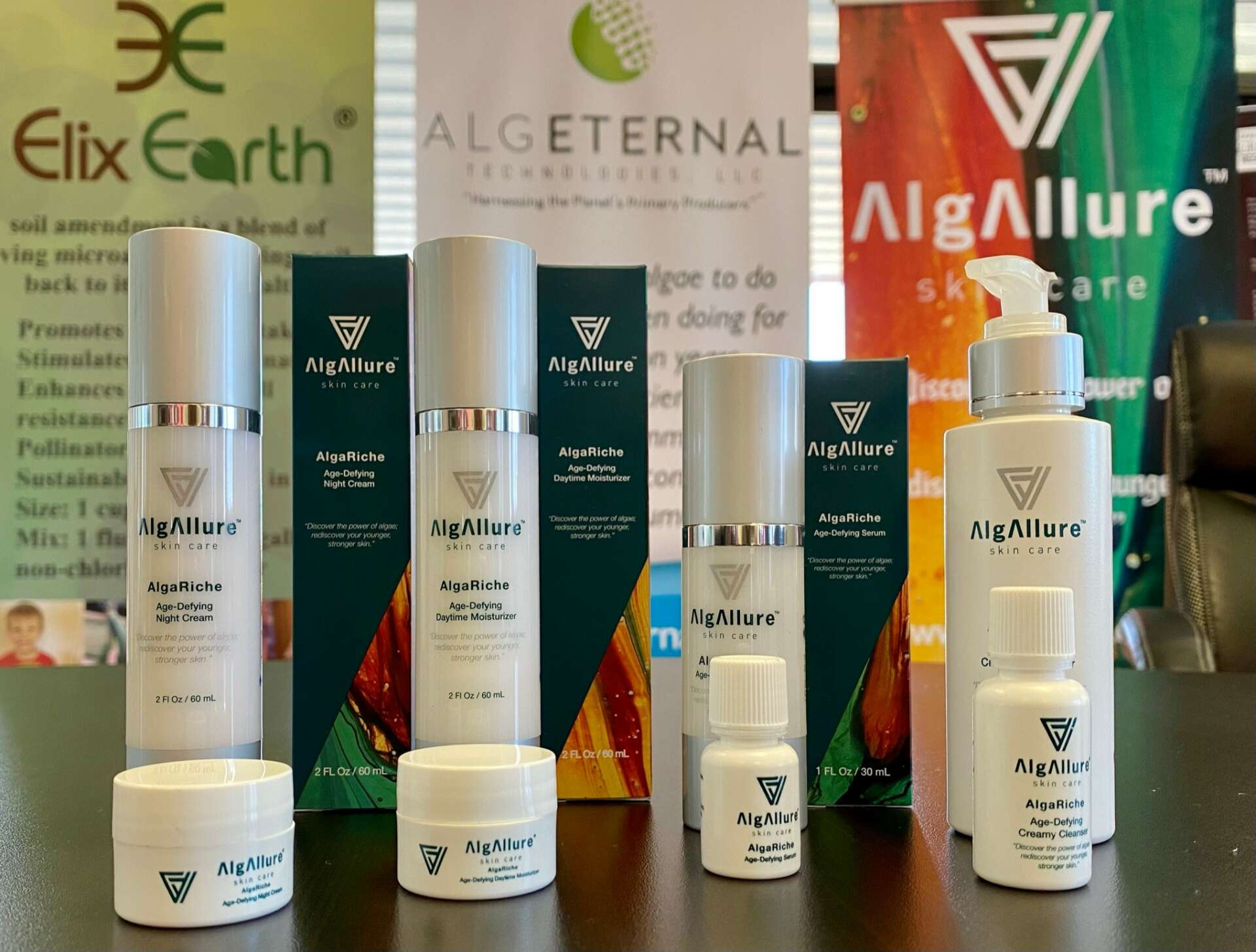
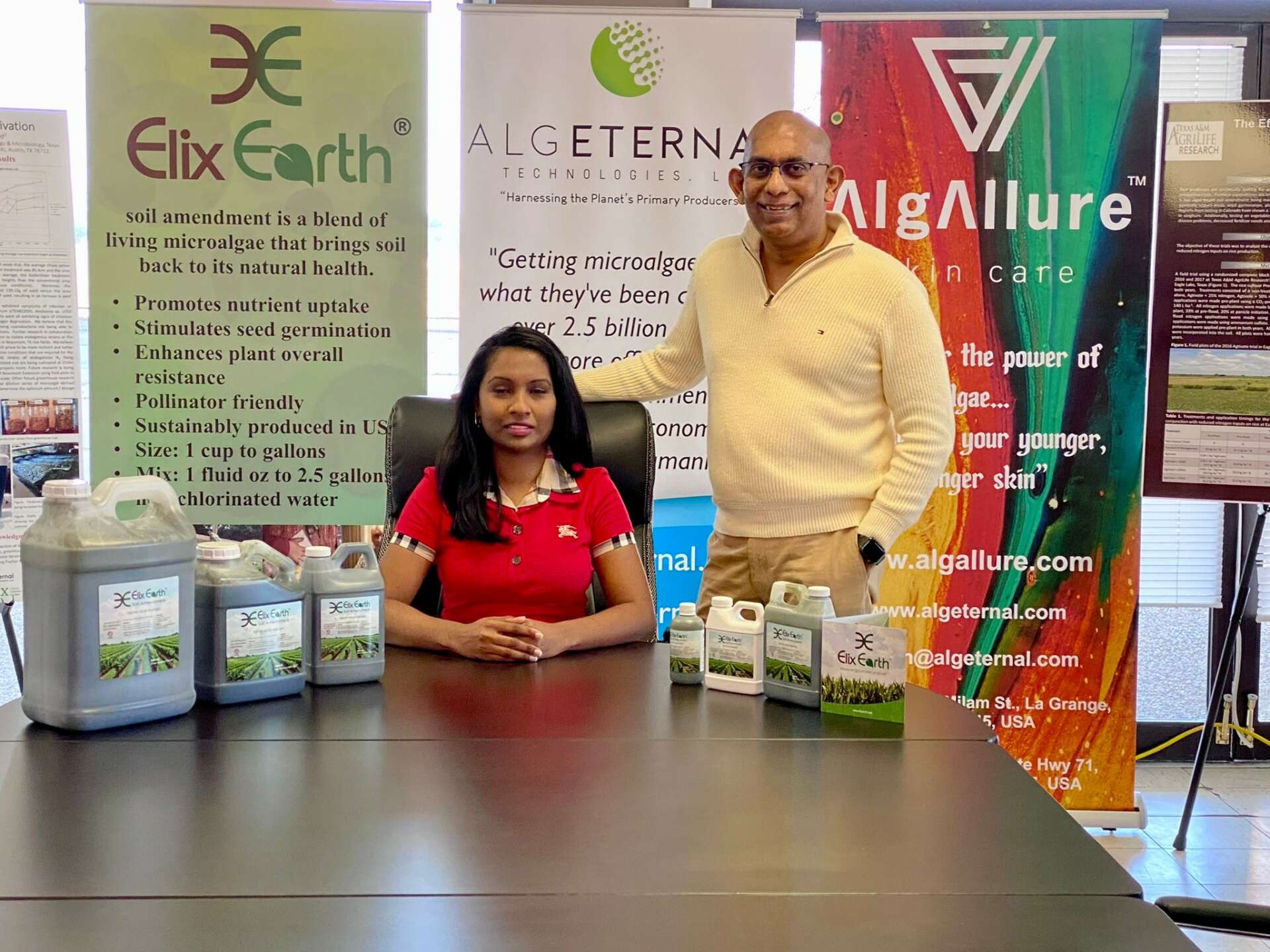
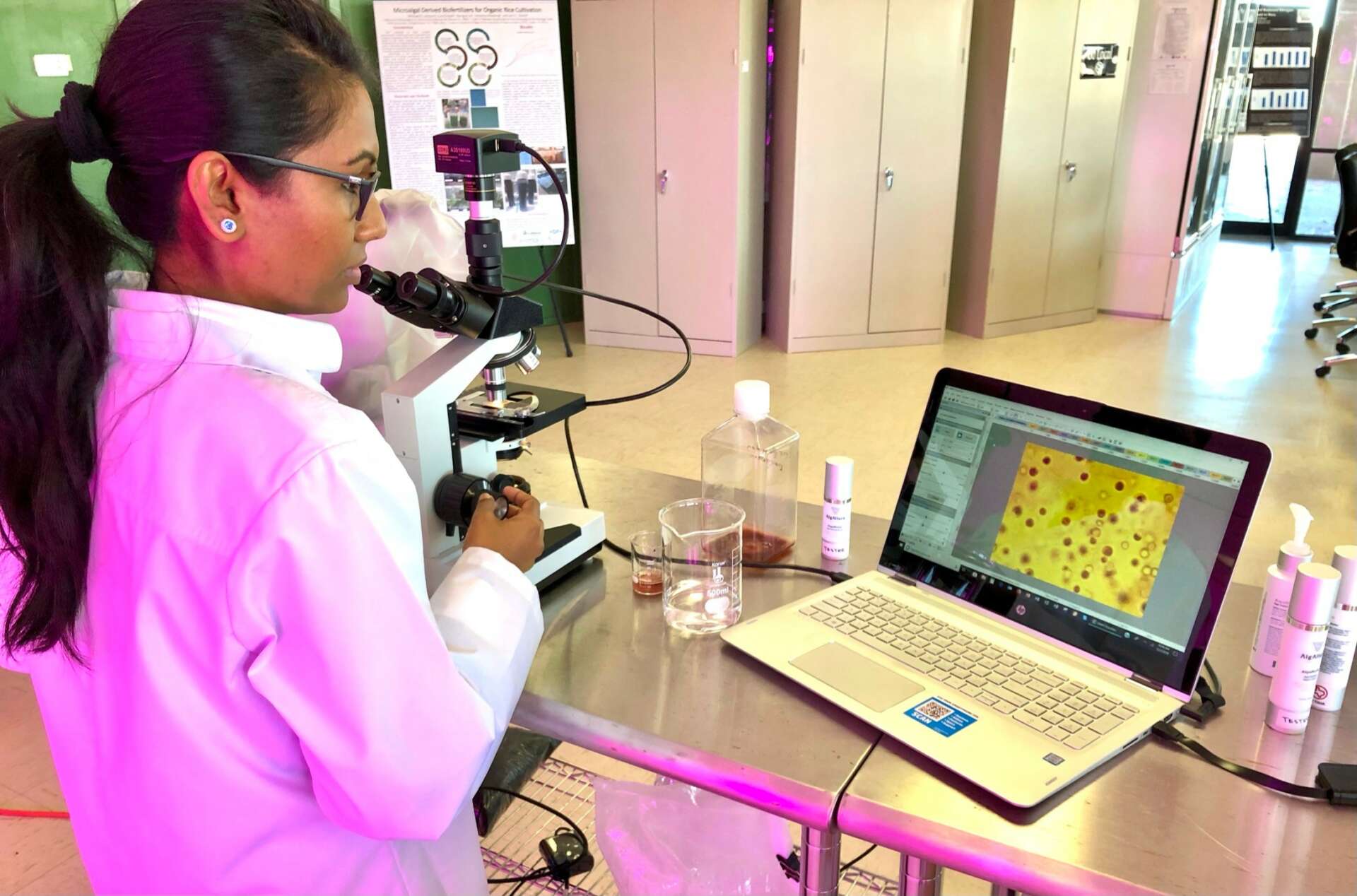
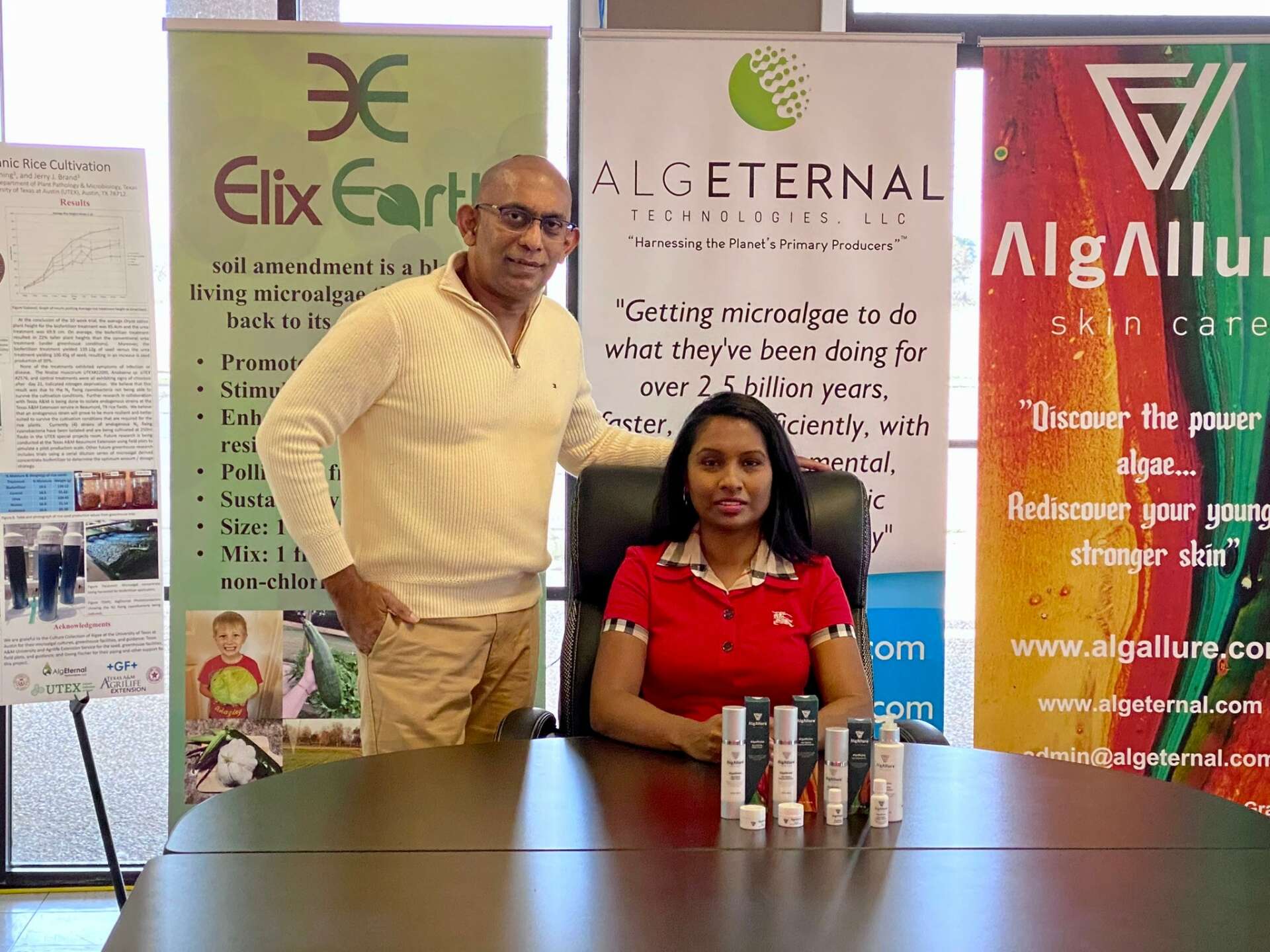
A decade after exiting my position at the EMA, I am now leading AlgEternal Technologies, LLC (www.algeternal.com), an algae biotechnology company in Texas, USA that has focused on producing microalgae at scale for any downstream application, with no immediate focus on biofuels. I relocated to the USA in 2016 with my wife, and the US Citizenship and Immigration Services deemed me worthy to receive the rare O-1A visa classification, and now Legal Permanent Residence under the E16 Category, both of which are for “aliens with extraordinary ability.” Our patented technology allows us to grow microalgae at scale quickly, reliably, more economically, and with low to no contamination, thereby solving one of the major industry bottlenecks. We have operated at pilot scale since 2017, with two finished products on the market: 1) a microalgae-based soil amendment trademarked ElixEarth® (www.elixearth.com), and 2) an algae-based skin care line trademarked as the AlgAllure® AlgaRiche® skin care collection containing PhycoDerm® (www.algallure.com). We have consistent sales with repeat customers and excellent testimonials, albeit not at profitable levels since we are not producing in large quantities. But we have proof of concept, traction, an experienced and knowledgeable team, and in-depth knowledge of the industry with its risks and ways to mitigate those risks. We are now poised for growth and are seeking that most important element of patient capital to expand our production levels, execute a comprehensive marketing campaign, and demonstrate to the world the stable, regenerative economic platform that can be built on microalgae.
In our fight to solve the polycrisis facing humankind: climate change, food production, soil degradation, water quality and availability, natural resource depletion, biodiversity loss, with their intertwined causes and effects, microalgae represent one of the best solutions. This is what excites me about this business endeavor – that we can do well while doing good. Microalgae as an economic platform can produce the diversity of products we now rely on petroleum to produce, from completely biodegradeable biomaterials to plant-based food and feed, nutraceuticals and pharmaceuticals, the possibilities are virtually limitless. Microalgae can draw down carbon dioxide from the atmosphere, or prevent carbon dioxide from being emitted into the atmosphere by feeding carbon dioxide from high-CO2 emitting industries to microalgae that sequester/use the carbon. Microalgae can rejuvenate soils, reduce reliance on synthetic fertilizers, reduce irrigation demands, preserve organic carbon in soils, and increase yields and nutritional content in crops. Microalgae coupled with wastewater treatment can reduce treatment costs, increase nutrient recycling, while producing algal biomass for valuable products. The industry will provide high-quality jobs for all levels of society. In fact, an economy built on microalgae can and will move us forward to achieving many of the global Sustainable Development Goals. Many countries and jurisdictions, e.g. Japan, the European Union, have recognized their potential and are implementing policies, programs, with funding, to create this future society based on microalgae.
I am simultaneously excited and terrified, by what lies ahead. As a scientist turned entrepreneur this has been a remarkable journey that has tested and tried me at every turn. But I stay the course, firm in my conviction that the future of humankind can only be secured by our ability to harness microalgae and help these microorganisms do what they have been doing for 2.7 billion years, but to do it more efficiently, effectively, with greater environmental, social, and economic benefits for all.
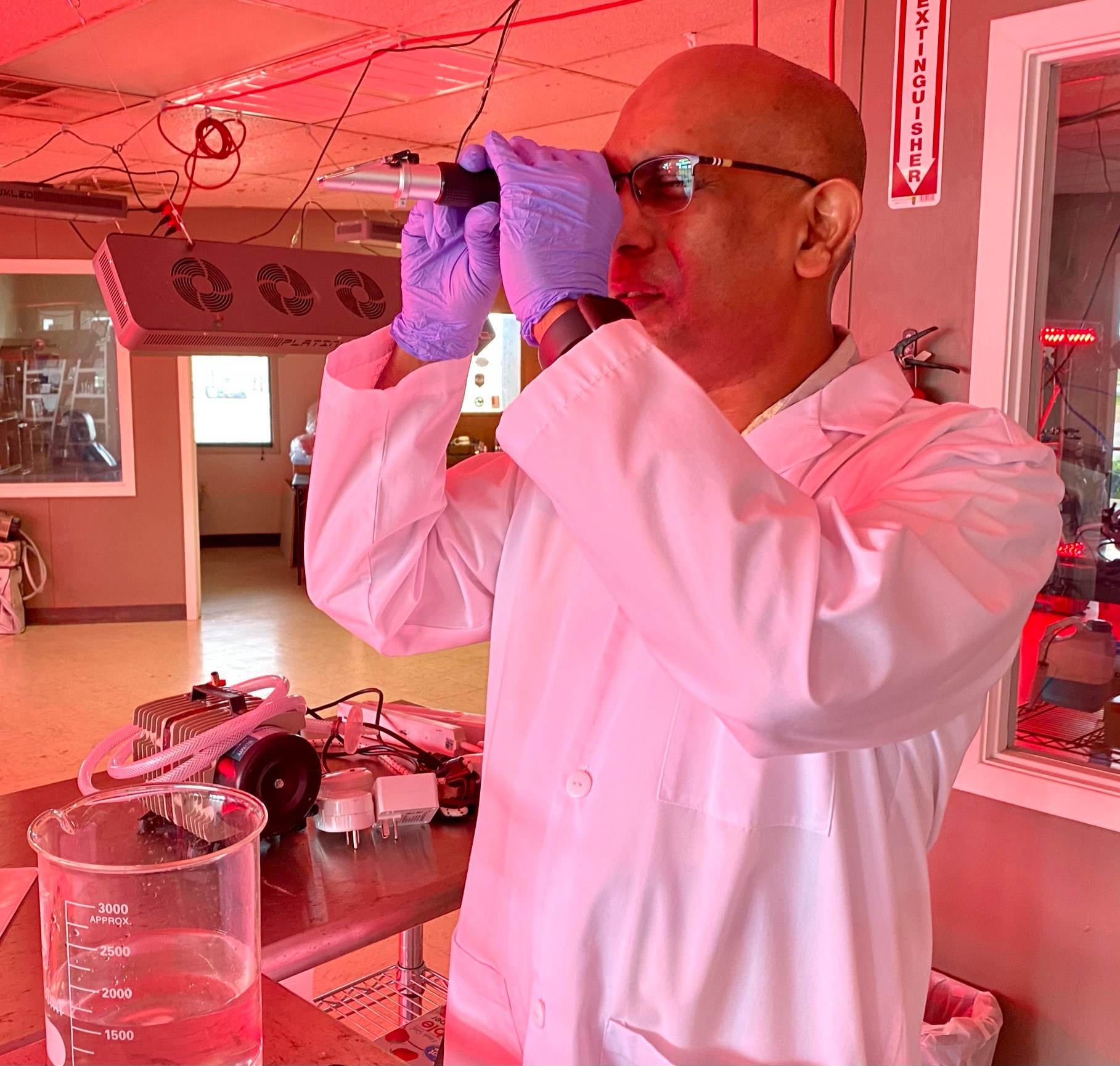
David Damian, before we move on to more of these sorts of questions, can you take some time to bring our readers up to speed on you and what you do?
“Serendipitous” is one word to describe my life, my journey to where I am today. Where I am at this point in time is more as a result of serendipitous events than conscious planning and execution on my part. I had much different ambitions when I was in high school, but circumstances led me along the path to where I am now. Suffice it to say that it seems as though the Universe, destiny, fate, whatever you want to call it, decided to shut every door, leaving just one through which I had no choice but to go through at critical points in my life. The story of my life up to 2014 is covered very well by an article done on me by my Alma Mater, the College of Charleston, which can be found at this link: https://today.cofc.edu/2014/06/19/david_ramjohn/.
“Resilient” is another word to describe me, which you will understand if you’ve read “The Defiant One” at the link provided above. I’ve had my fair share of disappointments in life, some as a result of circumstances beyond my control, some because of poor decisions on my part, but through them all I persevered along the available path. I have also been fortunate to encounter individuals along the way who saw fit to give me the support I needed to get me over that one obstacle at that point in time that I simply could not surmount on my own. To them I owe a debt that I can only repay by paying it forward and doing the best I can with the chances they gave me.
I started off almost joining the Catholic priesthood, as from an early age I was quite active in the Church and considered a prodigy in the faith by most; that didn’t happen. I excelled at academics and was on track to pursue a medical degree after high school; that didn’t happen. I lost a scholarship to do air traffic control studies as a result of being deaf in one ear. I got a job within a fisheries research department in Trinidad through referral from my high school biology teacher, and became an acknowledged self-taught expert in fish taxonomy (identifying fishes), publishing my first book on the marine fishes of Trinidad and Tobago in 2000. During my tenure doing fisheries research I was awarded, then subsequently denied through bureaucracy, two scholarships to obtain my first degree. But my publication got me invited to a fisheries workshop in Belize, where I met Dr. George Sedberry, who would eventually sponsor my education at the College of Charleston through an assistantship. And so it was that I met Prof. Reid Wiseman, and the rest as they say, is history.
On coming to Texas to lead AlgEternal, I had to apply for work authorization through the United States Citizenship and Immigration Service (USCIS). I am humbled by their judgement of my worthiness to receive the rare O-1A visa classification, and now, the E16 category for Legal Permanent Residence in the USA; both classifications are for “aliens with extraordinary ability”, which is an “alien who is able to demonstrate ‘extraordinary ability in the sciences, arts, education, business, or athletics’ or through some other extraordinary career achievements.” (https://en.wikipedia.org/wiki/Alien_of_extraordinary_ability).
Fast forward to my work with microalgae and my conviction that the application of these microbes in business ventures holds the key to solving the major challenges facing us as a species. Our technology is one that has addressed, and solved, the main problem of growing microalgae at scale. While we have a soil amendment product and a skin care product, we are not a soil amendment company or a skin care company; we are essentially microalgae farmers. As microalgae farmers we can support the entire industry as it grows and produces a diverse array of products using microalgae as feedstock. This then is the problem we solve: the reliable supply of quality microalgae biomass to other companies for use in their production of microalgae-based products.
However, we are also producing our soil amendment and skin care line, which both have incredible potential to generate revenue. But they also have incredible potential to solve other problems. Our soil amendment rejuvenates soil by putting living microalgae back into soils, which builds back the soil microbiome, which delivers so many other benefits, including higher crop yields, lower synthetic chemical use, lower irrigation needs, lower carbon emissions, higher nutritional content of crops, increased soil biodiversity, and reduced soil erosion. Healthy soil equals healthy ecosystems equals healthy humans. Our skin care line is as natural as possible, but as reported by users, they find it extremely effective at reducing visible signs of aging by keeping skin moisturized with our extract from marine microalgae grown by us. But the same extract has been shown by research to have pharmaceutical properties if purified and certain molecular weight fractions separated from the whole. The potential to find viable pharmaceutical compounds is significant and well-documented in peer-reviewed journals.
We are starting on the lowest rung with the current products, with every intention to climb the value chain ladder, and to become B2B suppliers of both raw microalgae biomass and finished products we develop in-house. But our philosophy is guided by the ideals of “conscious capitalism” – defined as business that serves all stakeholders, including employees, investors, society, and the environment (https://www.investopedia.com/terms/c/conscious-capitalism.asp), and “regenerative capitalism” – defined as “business practices that restore and build rather than exploit and destroy” (https://www.weforum.org/agenda/2022/01/regenerative-capitalism-industry-explainer/). We believe that our business must generate profits for our investors, but not at the expense of our employees, our societies, or our environment. In other words, we intend to do good while doing well; it seems the only way for us to exit unscathed from the “business as usual” scenario that risks destroying the environment and natural resources on which we rely.

Do you have any insights you can share related to maintaining high team morale?
The buck stops with me on failures but credit is given where it is due. Ultimately, as leader of the management team, with responsibility for guiding the company and also advising the Board of Managers, I have to take responsibilities for the failures. When reporting to the Board I never throw anyone under the bus; I accept responsibility and absorb the repercussions. However, when reviewing and discussing with the management team, I am fair but firm and if necessary will terminate for egregious errors and failures that could have been avoided. Termination is a last resort as I believe that everyone deserves an opportunity to learn from mistakes. On successes, I will always identify those who contributed to that success, never taking credit for the work of anyone else on the team. Nothing destroys morale like an employee seeing that their idea, innovation, initiative, is not recognized or credited; it affects the employee in question as well as all looking on.
Building a team requires an open mind, patience, mentorship, and fairness as well as refusal to accept mediocrity. Ultimately, you must exercise diligence when selecting your management team, as this is the crucial step to ensuring that you have the team best suited to achieve success. And you must also be quick to determine if any member of the team is detrimental to the success of the team, with little chance to improve, and remove them before they affect morale and performance. Getting your team to take ownership of what the company does, to believe in the core philosophies, and to recognize that they are more than a number in a file is all part of building and maintaining morale.
There’s also one other thing that might be difficult to articulate, but best stated as the Shakespearean concept “uneasy is the head that wears a crown” (Henry IV Part 2). As the leader you must determine how honest you are with your team, how much you share with them about your fears, your doubts, your insecurities, as this can lead to them becoming burdened with your worries. It’s a delicate balance to maintain, as some of your concerns might be resolved by teamwork, but you have to make that call, you have to determine what is your burden to bear and what burden can be made lighter by sharing with your team. You have to cultivate that mental strength, and also develop a relationship with at least one other person outside your team with whom you can air these innermost feelings without affecting your team unnecessarily. Ultimately, each of us has to find the management style that suits us best – there is no silver bullet; these are just some of the things I found useful on my path.
Have any books or other resources had a big impact on you?
It’s an eclectic mix but here are some that are at the top of my list, in no particular order of preference.
The Sermon on the Mount. The Bible, Matthew 5-7.
Wilson, Edward O. “Consilience: The Unity of Knowledge”. New York, Knopf, 1998.
“If” by Rudyard Kipling.
Tzu, S. (2010). “The art of war” [PDF]. Capstone Publishing.
Pretty much any western novel from Louis L’Amour.
“The Pierian Spring” from Alexander Pope’s 1711 poem “An Essay on Criticism”
Contact Info:
- Website: https://algeternal.com/
- Instagram: https://www.instagram.com/algeternaltechnologies/
- Facebook: https://www.facebook.com/algeternal/
- Linkedin: https://www.linkedin.com/in/david-ramjohn/
- Twitter: https://twitter.com/algeternal
- Youtube: https://www.youtube.com/channel/UC2x8WMgZDjDRy8ttgdeVP4w
- Other: https://g.page/r/CRvkqhAkMShbEB0/review https://www.facebook.com/algariche/ https://www.instagram.com/algallure_skin_care/ https://twitter.com/AlgAllure https://www.facebook.com/elixearth/ https://www.instagram.com/elixearth/ https://twitter.com/ElixEarth