

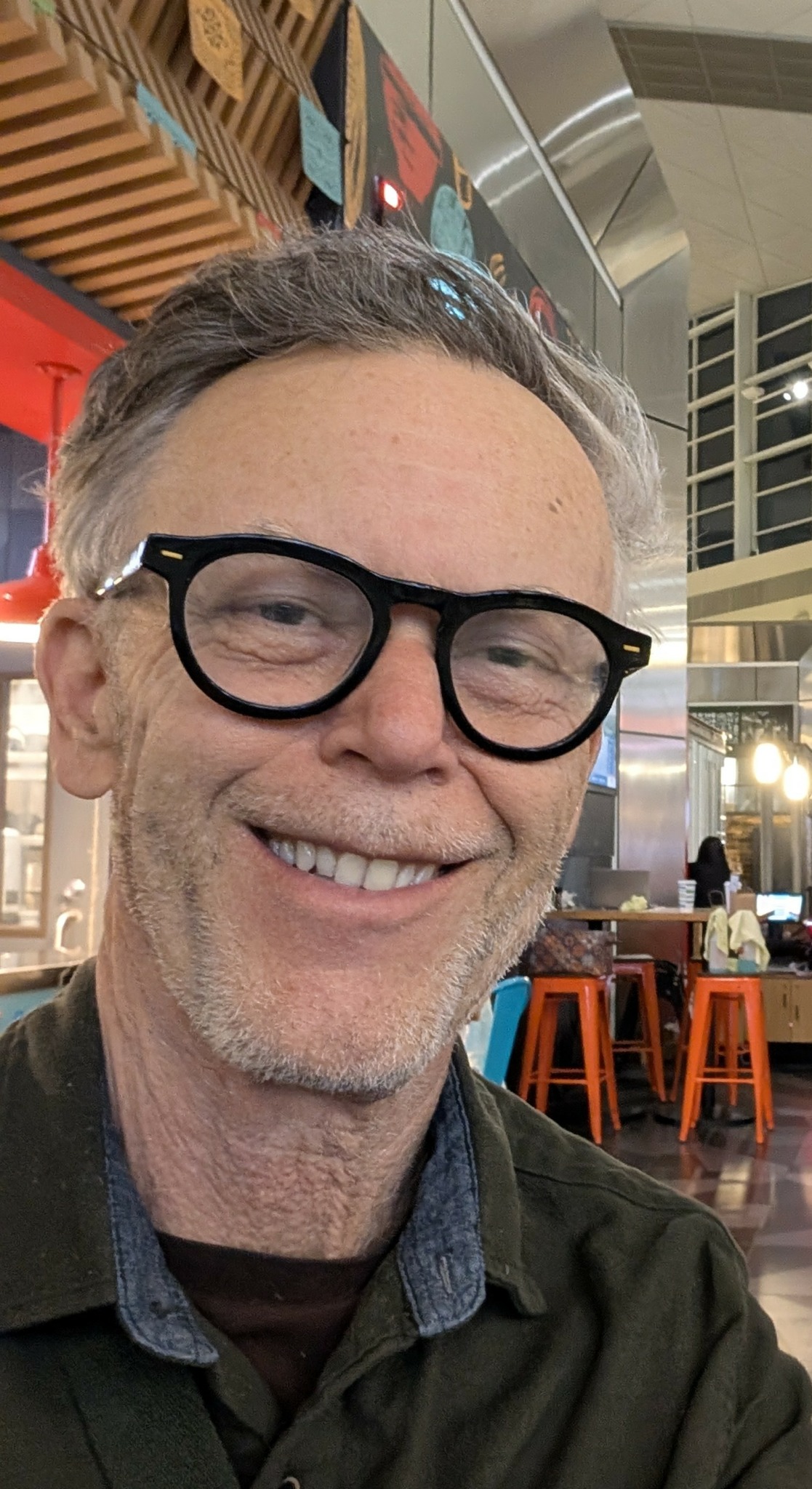

We were lucky to catch up with David D’Agostino recently and have shared our conversation below.
David , thanks for joining us, excited to have you contributing your stories and insights. We’d love to hear the backstory behind a risk you’ve taken – whether big or small, walk us through what it was like and how it ultimately turned out.
The life of an artist is often framed in rigid dichotomies—job versus no job, commercial work versus conceptual art, staying rooted versus wandering freely. Yet, true artistic vitality lies in transcending these binaries, embracing fluidity, and responding to the creative and intellectual currents of each new environment. Over the past thirty years, my journey as an artist has taken me across continents—from Cairo, Egypt, to Sofia, Bulgaria; from the Alpujaras of Spain to Kyoto, Japan, Atlanta, Denver, and now Albuquerque. Each move has not only reshaped my studio practice but also reinforced the belief that adaptability is the essence of a vibrant artistic life.
Artistic discourse often pits opposing forces against each other: the need for financial stability versus the purity of low paid creative labor, or the legitimacy of gallery-friendly work versus the radicalism of conceptual experimentation. But such divisions are limiting. An artist’s path is rarely linear or singular. Commercial projects can fuel personal satisfaction that others are enjoying my paintings; a steady job might fund a radical museum-based installation. The key is to resist rigid definitions and remain open to hybridity. For instance, my time in Cairo—a city of layered histories and bustling markets—taught me to merge craft traditions with contemporary critique, while my years in Sofia revealed how political upheaval could shape avant-garde aesthetics. These experiences defy simple categorization, proving that art thrives in the spaces between supposed opposites.
David , before we move on to more of these sorts of questions, can you take some time to bring our readers up to speed on you and what you do?
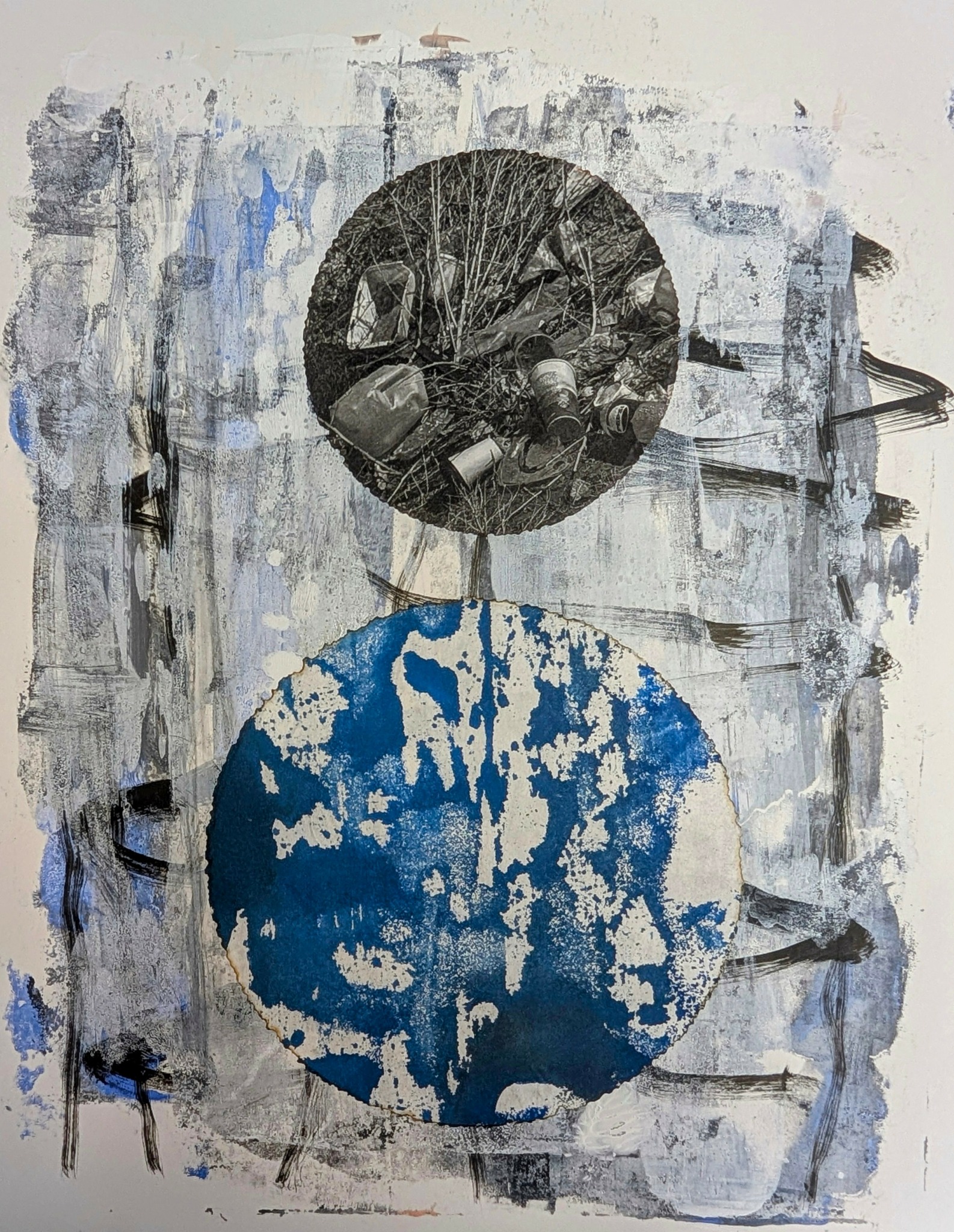
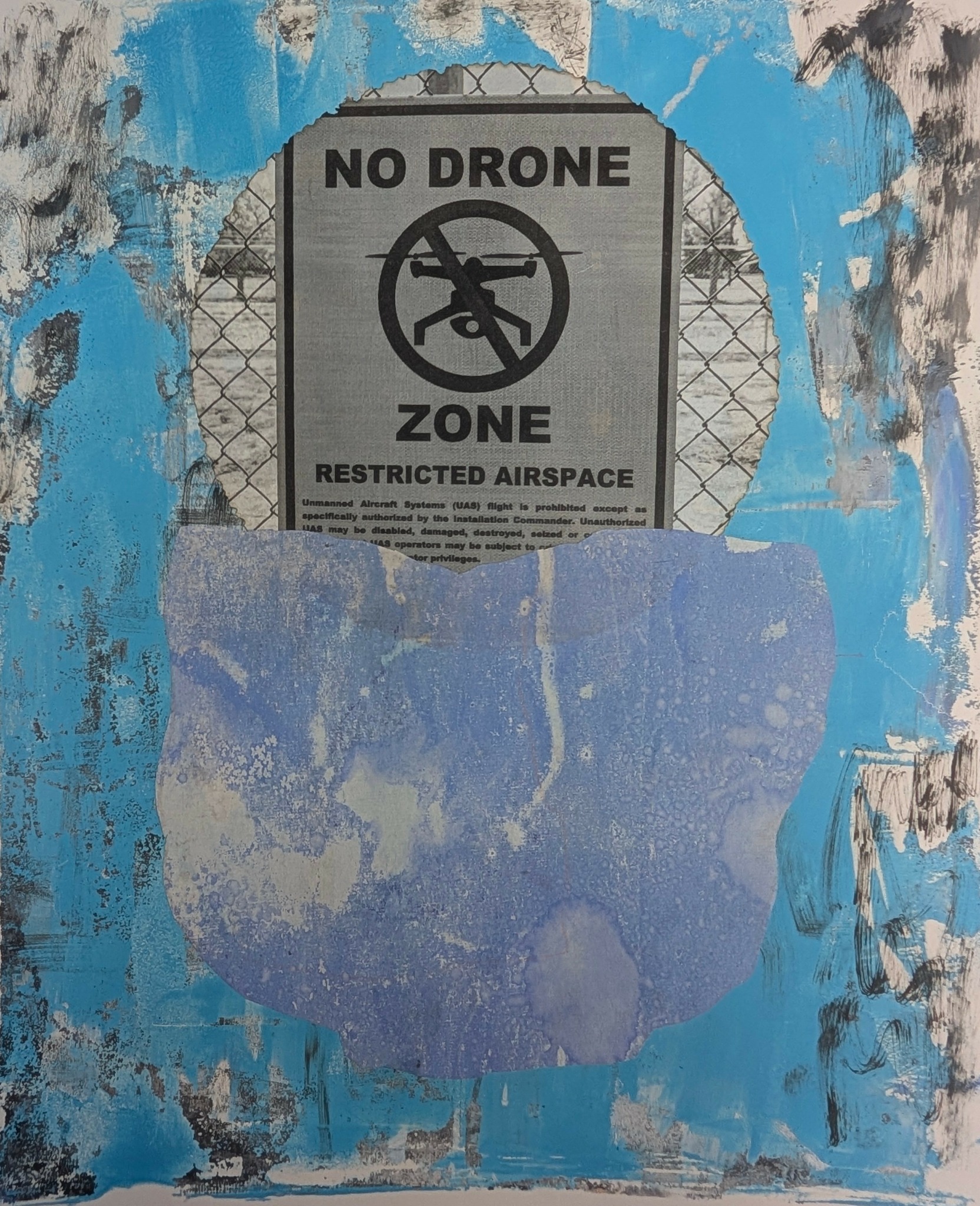
Geographic mobility has been central to my practice. Uprooting and rebuilding a studio in places as disparate as the arid mountains of Spain and the urban intensity of Atlanta forced me to engage with new materials, collaborators, and audiences. Each relocation demanded a recalibration—not just of logistics, but of creative perspective. In Denver I connected with local performance artists and participated in numerous body-based projects, including the Biennale of the Americas. In contrast, Albuquerque’s eerie confluence of street violence and nuclear weapons research has pushed me to experiment with politically based monotype collage. This work will soon be published as a photo book by Publicar Como Practica, Santiago, Chile in collaboration with the Museum of Loss and Renwal, Collemacchia, Italia. Rather than clinging to a fixed identity, I have allowed my art to evolve with its surroundings, proving that reinvention is not a disruption but a necessity.
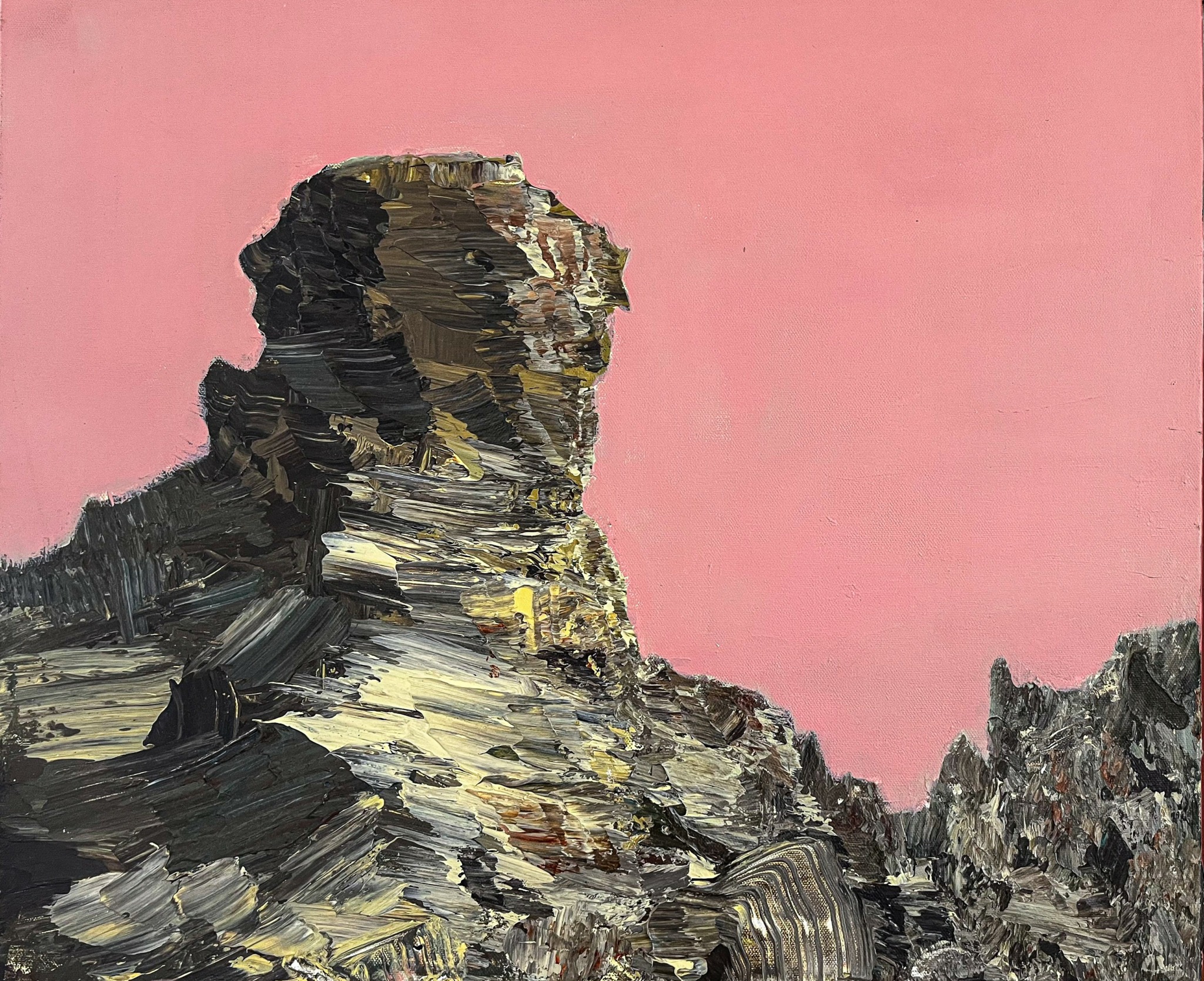
My use of various medums—including photos, diorama, collage, performance, painting, and sculpture—opens a vast universe of creative experimentation, where mental and physical tensions collide, giving rise to unexpected revelations. Each medium carries its own language, its own resistance, and its own potential for discovery. By moving fluidly between them, I engage in a dynamic dialogue with form, meaning, and perception, constantly challenging the boundaries of artistic expression.
For the past three years I have been making my own non-toxic soy based natural pigmented paints, monotype inks, and mediums. I free myself from the toxicity of commercial art supplies—not just physically, but spiritually. I find purity, intention, and a deep connection to the natural world. In this practice, I find a deeper alignment with my values as an artist and a human being. To create without causing harm is a radical act in a world driven by consumption and waste. It is a quiet rebellion—one that transforms art-making from a solitary act into a conversation with nature. The lightness I feel is not just the absence of toxins in the air, but the absence of guilt, the presence of purpose. My art becomes an extension of my respect for the earth, a small but meaningful step toward healing.

What’s the most rewarding aspect of being a creative in your experience?
I would say it’s the people that you meet, the enduring relationships that are formed and nurtured. This includes peer artists, curators, gallery owners, audiences.
I recall my friendships with fellow artists when I lived in Cairo, Egypt. It was a vibrant time even under the stress of political challenges. We worked together to create exhibits, sell work to local collectors, and simply to share meals. I was also grateful to have a studio at the Townhouse Gallery and to become friends with the owner, which overtime became a significant regional art space for contemporary art. I also recall the moment when a young woman approached me during a painting exhibit at a local Cairo museum. She shared her perspective of the show; it was so poignant, and deep-felt that I was emotionally moved to tears.
In Sofia, I was invited into the advant-garde group XXL. I was the only American member and was treated as a peer.
We exhibited at numerous locations in SE Europe: Bulgaria, Romania, Macadonia. I still maintain strong relations with this group and am profoundly appreciative of all the help they have given me throughout the years.
How can we best help foster a strong, supportive environment for artists and creatives?
One thing a young artist can do, is take a leap of faith and start living overseas, where often you will find the cost of living more affordable and government resources more available. Of course, you have to live. I took on many side jobs in Egypt and Bulgaria, including working for English language magazines, news services, teaching art (adjunct professor, one-on-one art tutoring, group workshops, graphic design, etc).
An essential aspect of my career has also been to attend artist residencies. These open new opportunities to interpret and reveal foreign landscapes and establish relationships. Over the past two years I have participated in two deeply rewarding residencies in Italy and Japan. These have both resulted in local exhibits and on-going collaborative contemporary art projects.
Much of the artist eco-system today is defined by online resources. Access to these can enhance living and working overseas depending on your career goals and where you choose to reside.
Contact Info:
- Website: https://www.daviddagostino.com
- Instagram: @dagostinoinabq
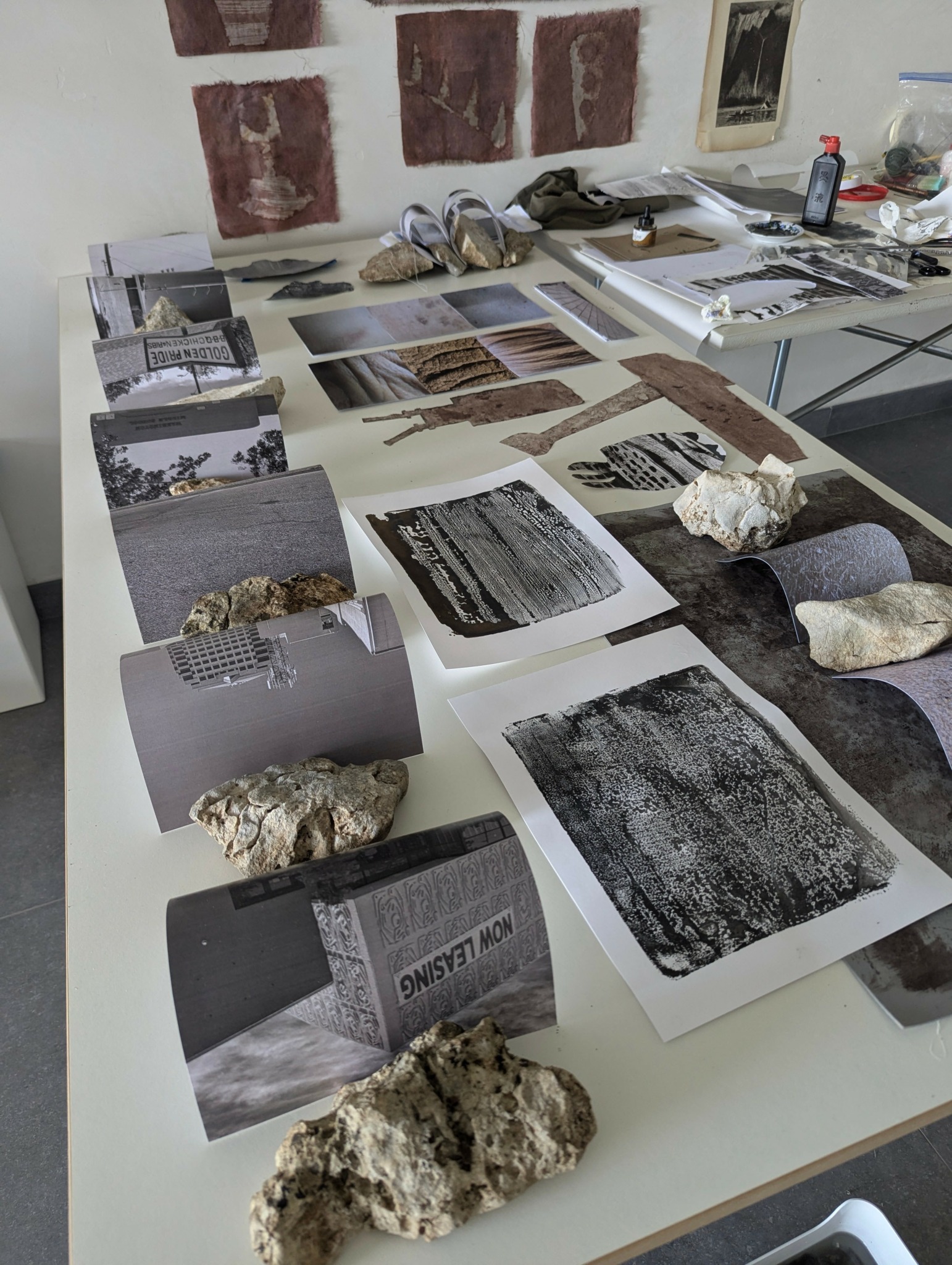
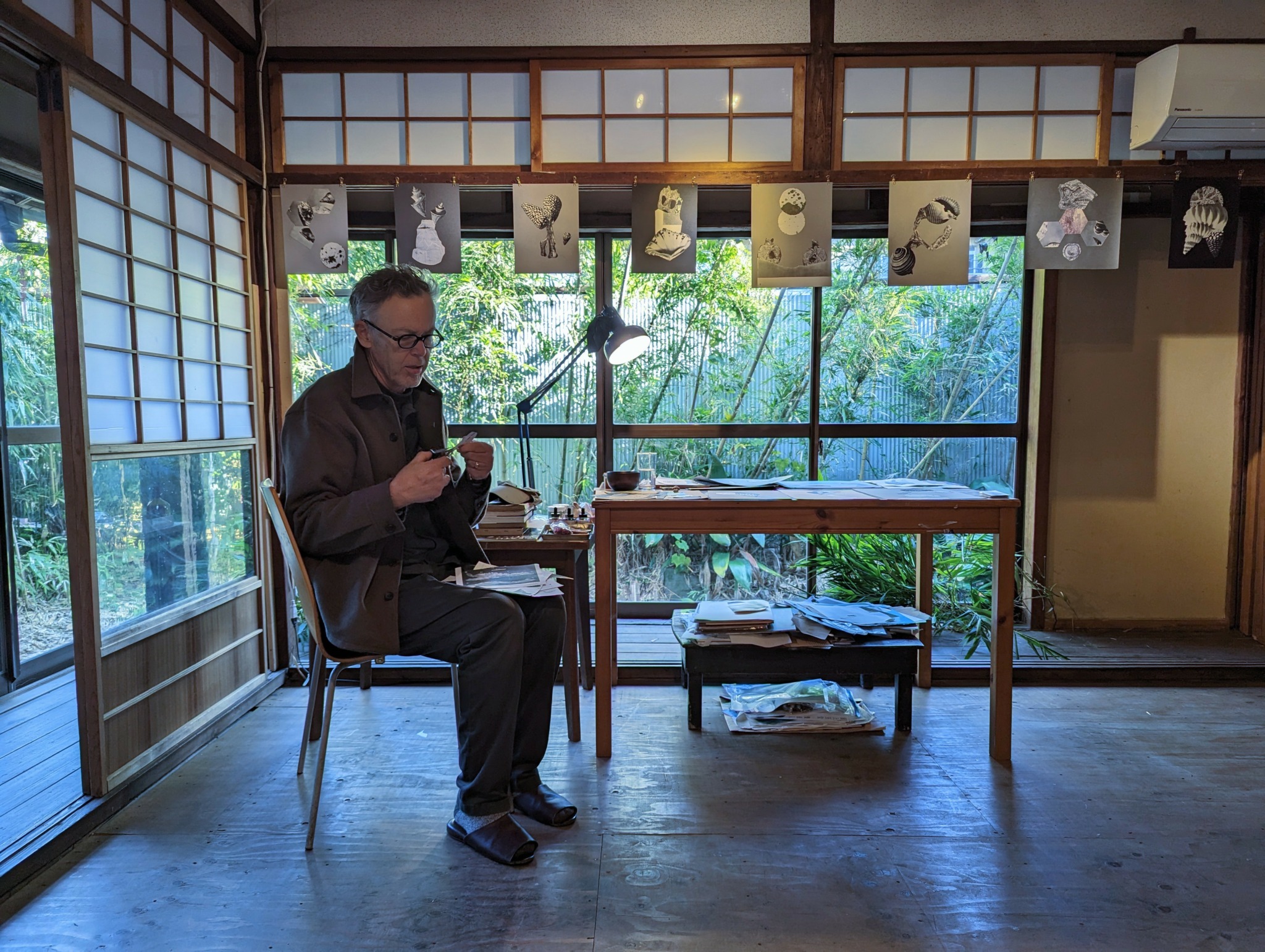
Image Credits
None
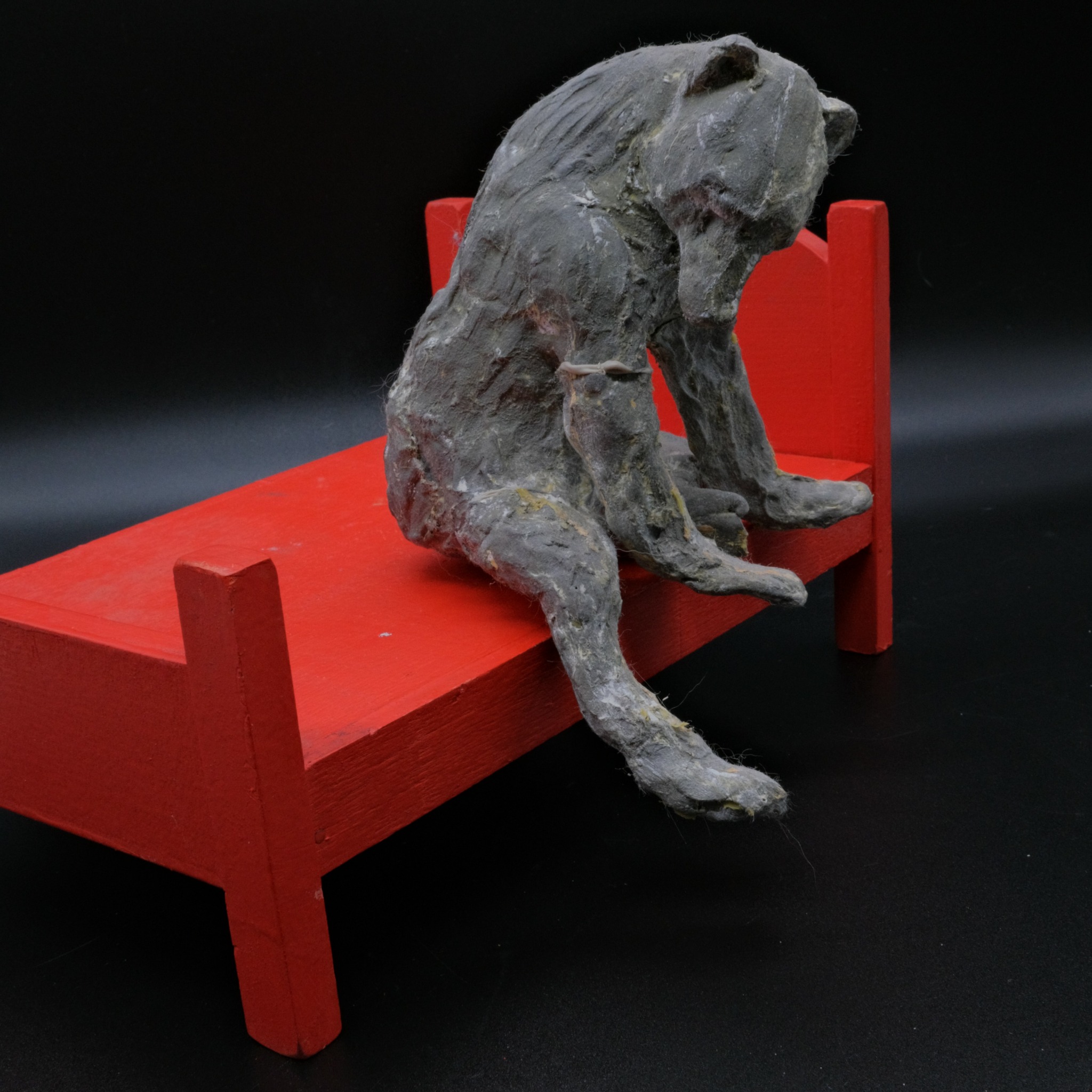
That said, the two images featuring animals is a collaboration with the Bestiary Collective sculptor Mark Dyke.