



We recently connected with David Bush and have shared our conversation below.
David, appreciate you joining us today. Are you able to earn a full-time living from your creative work? If so, can you walk us through your journey and how you made it happen?
Whether or not I make a full time living from my creative work depends on how I define that work. When I was just getting into the film business, I considered my ‘creative’ work to be solely the screenplays that I was writing in the hopes of someday getting them made, and I viewed on-set film production work as a two-part tool to help me achieve my creative goals. First off, working on-set paid the bills (which were mercifully small at the time) and secondly it allowed me to network with a community of creatives who (I hoped) would be able to provide me with more creative opportunities. It took several years before I ever made a penny from writing, several more before writing and directing ever provided me a solid year’s earnings, and to this day, 15 years later, there are still years where I make NO money from doing either of those things. BUT… I have long since realized that my on-set work, which is now primarily in the form of script supervising, provides me with a valuable third benefit. It functions as invaluable continuing education that allows me to expand the quality of my creative work. Except that instead of me paying for it, it pays for me. If you asked a band, who spent an entire year without putting on a single show or selling an album if they made money for their creative work, they might be inclined to say no, but if some lunatic is paying them – and well – to practice and study music, then I’d argue they’re in a great spot. And so am I.
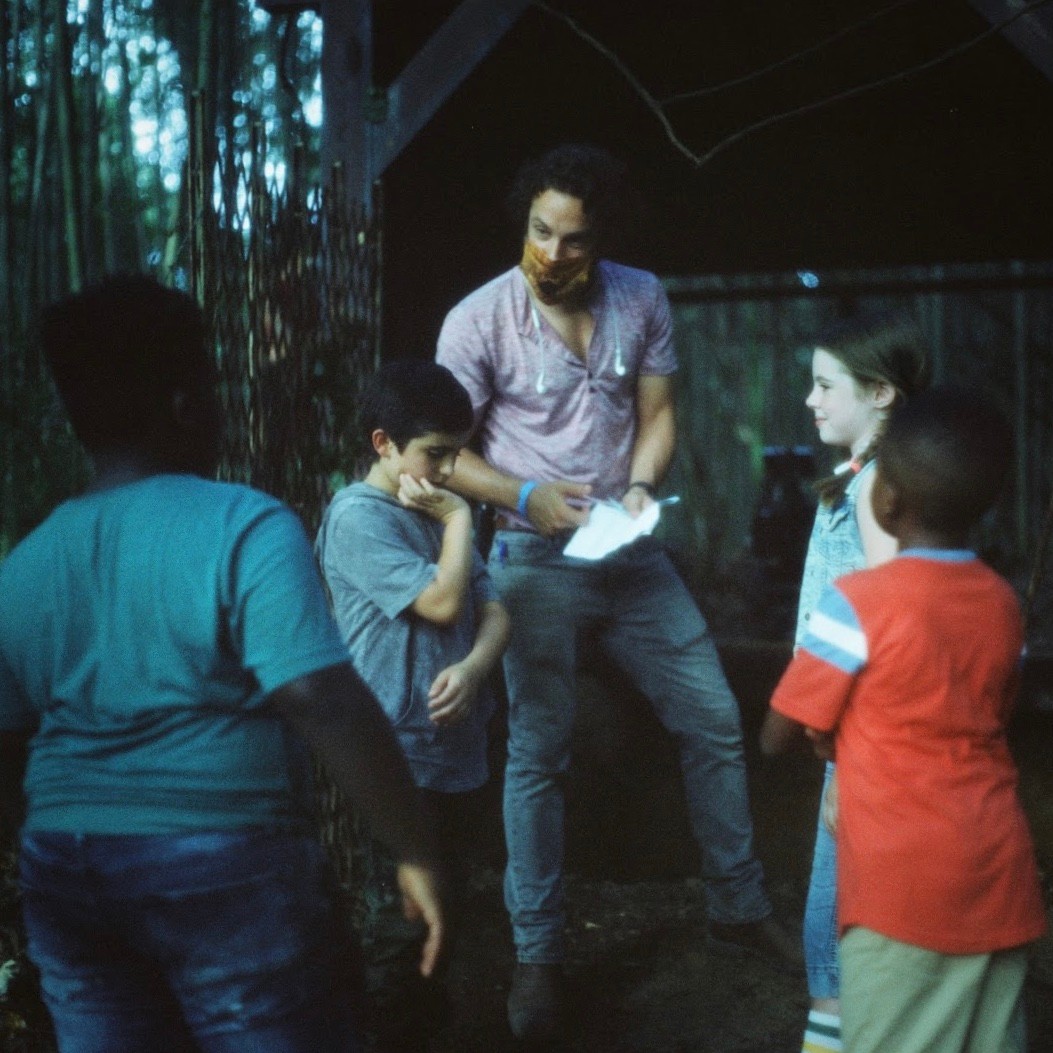
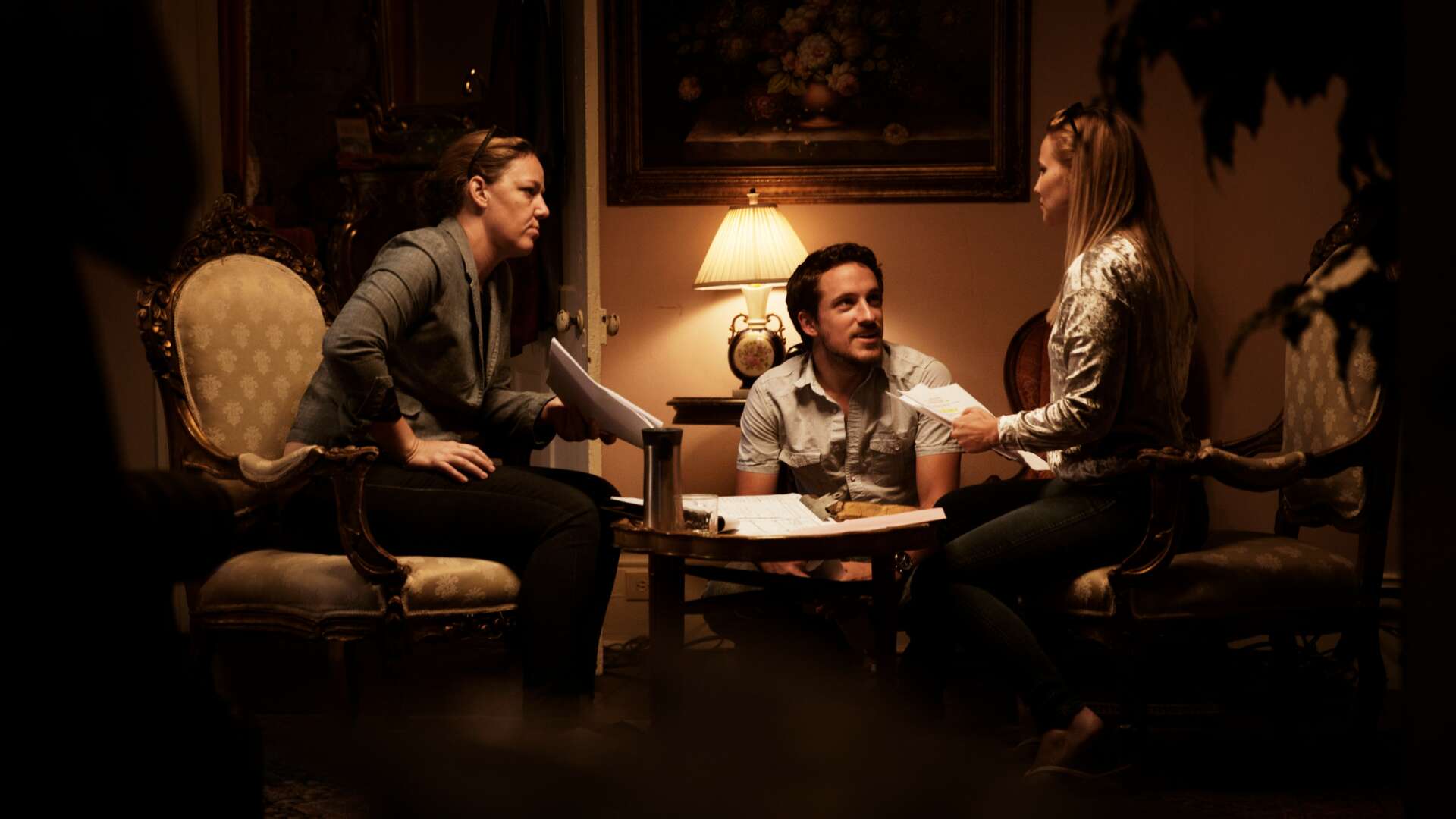
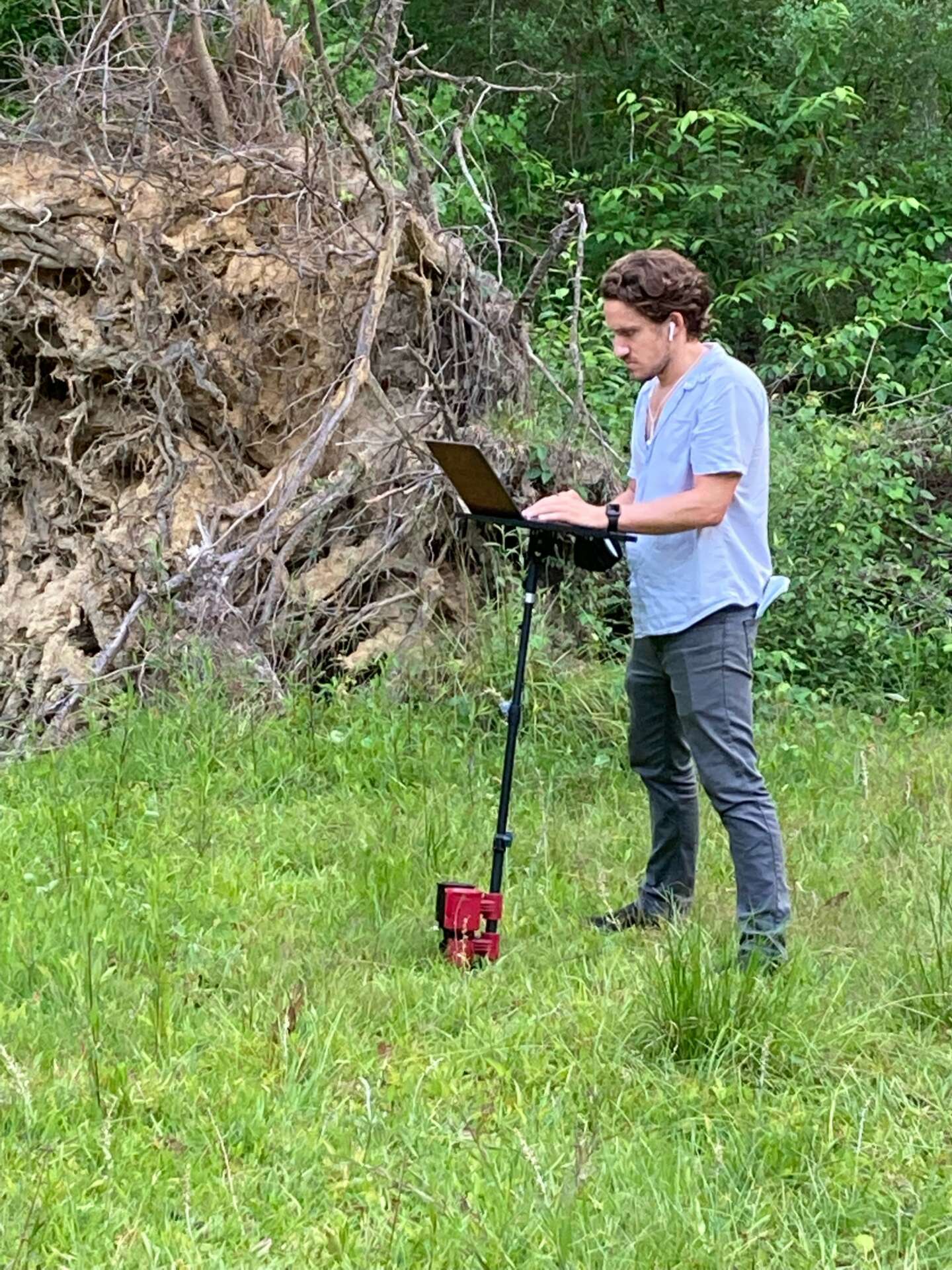
David, before we move on to more of these sorts of questions, can you take some time to bring our readers up to speed on you and what you do?
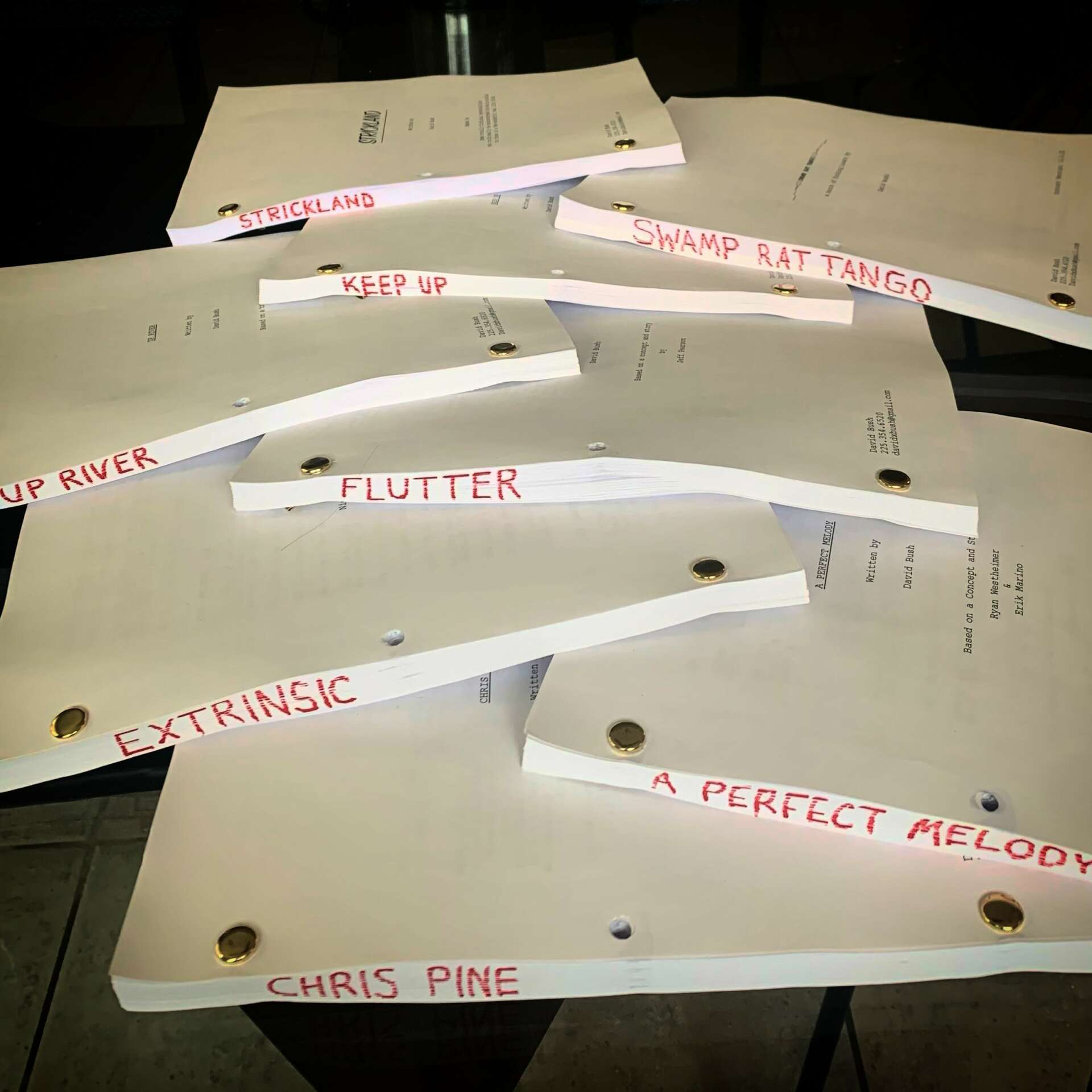
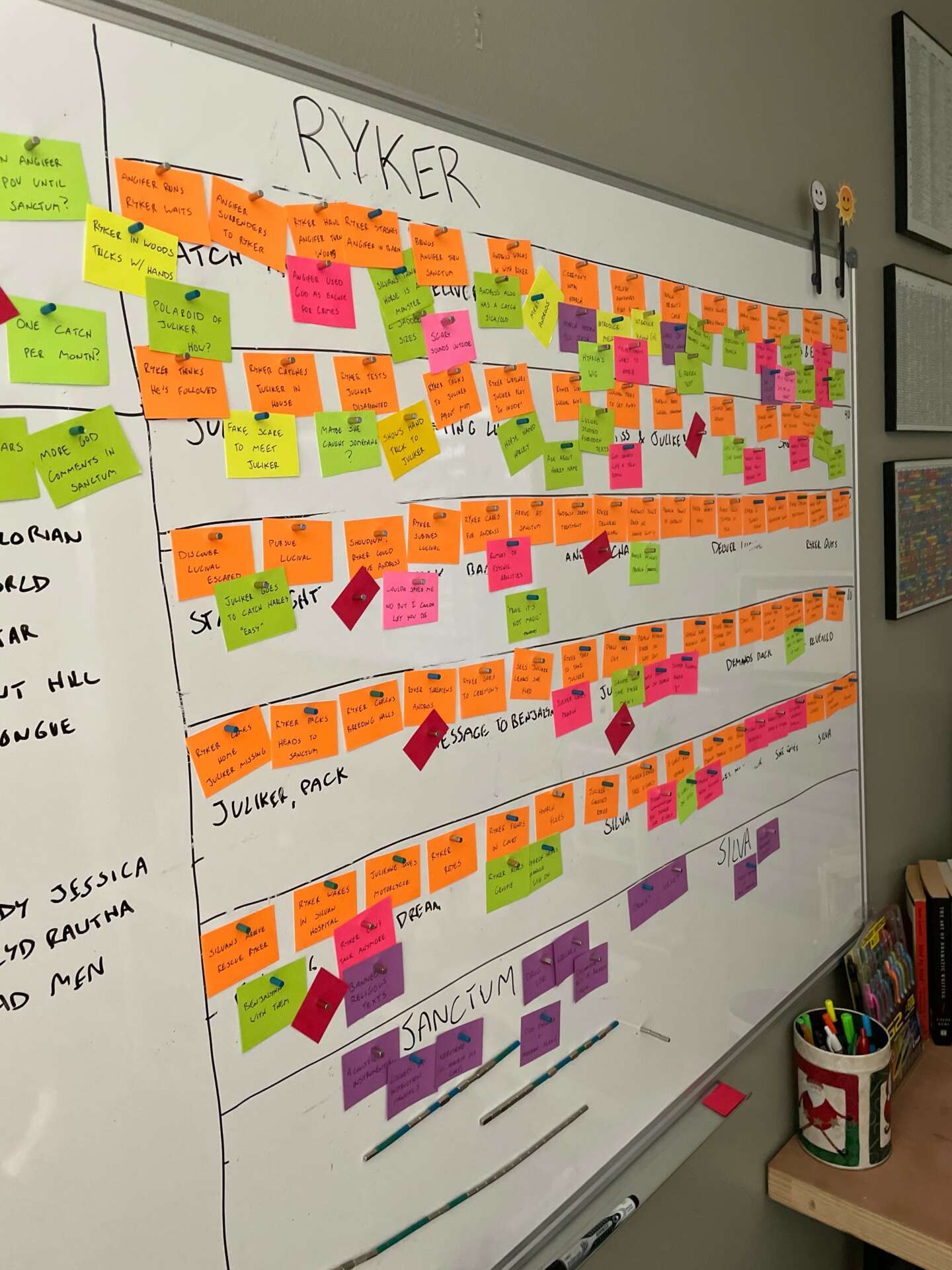
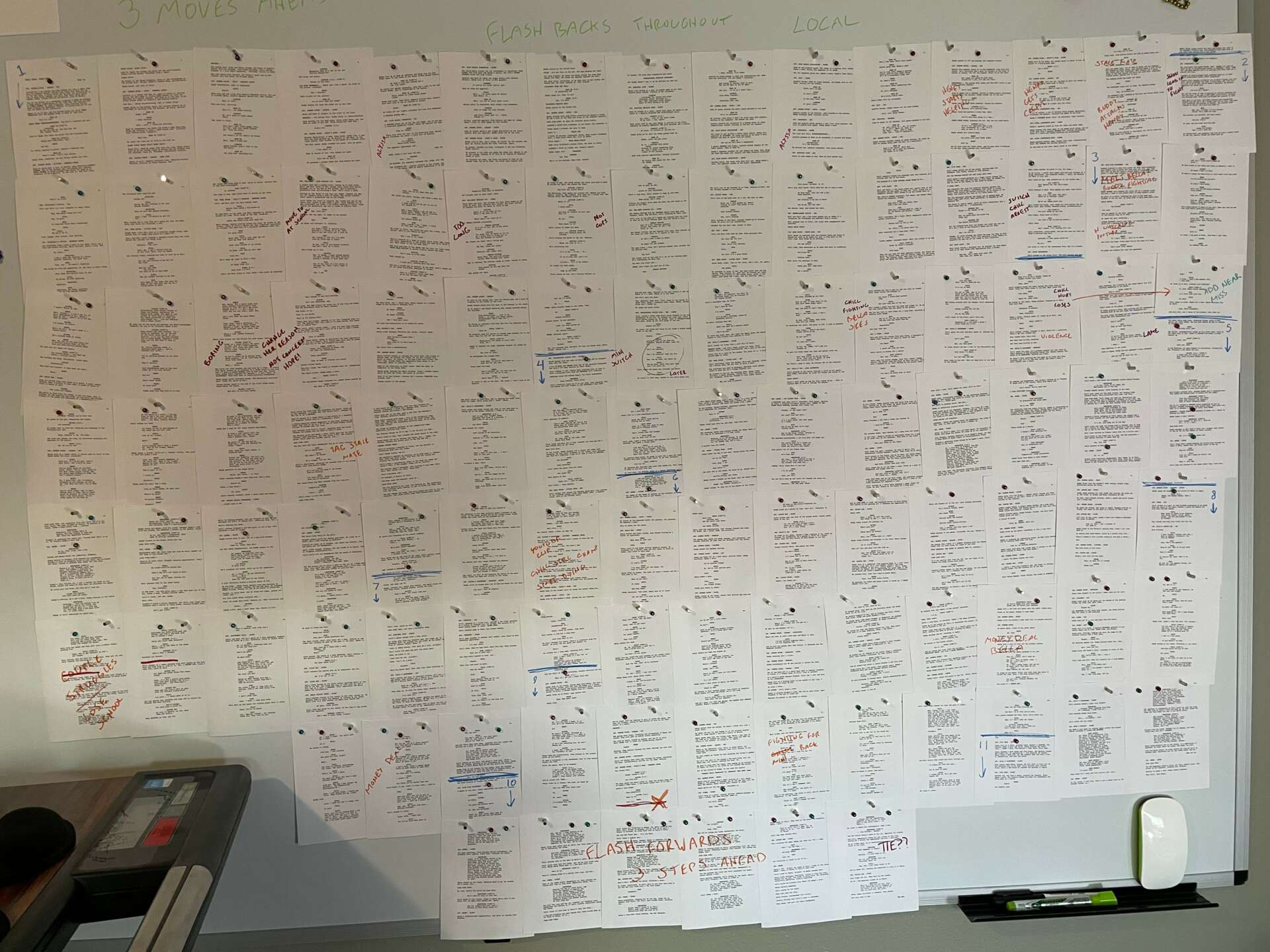
The primary service that I provide is writing, rewriting, or revising scripted content for film and television. Creating marketable and artistically satisfying movies and TV pilots is not a nearly impossible feat, but rather a whole series of them. First, there is the intertwining of divergent and convergent thinking needed to turn a creative and original concept into something practical and familiar. Then there is the sheer perseverance, not just to hammer out 100 pages, but to refine it and perfect it, not only to satisfy the creator, or even the audience, but also the time-pressed middle-people and gate-keepers that control access to necessary resources. After that there is the painful pressure of reality, forcing constant changes to satisfy the demands of the other talents involved, not to mention location, distributor specifications or even the literal weather. Like many (most, I hope) other talented working writers, I have immersed myself in existing screenplays and story-telling theory, and written many dozens of feature scripts myself. But two things set me apart from the pack. I have extensive on-set experience working in other production capacities with many of the most talented (and famous) folks in the business, and this allows me to bring a practicality to the written page that maximizes its appeal to the financiers and producers who ultimately will need to turn those words into images. And second is a dedication, not to my own personal vision or voice, but rather to unique vision of the creator for whom I am writing. I view writing as similar to acting, and treat my job, not as to outshine the originator, but to best adopt the voice that brings their vision to the page in a way that makes it as accessible as possible to their intended audience.
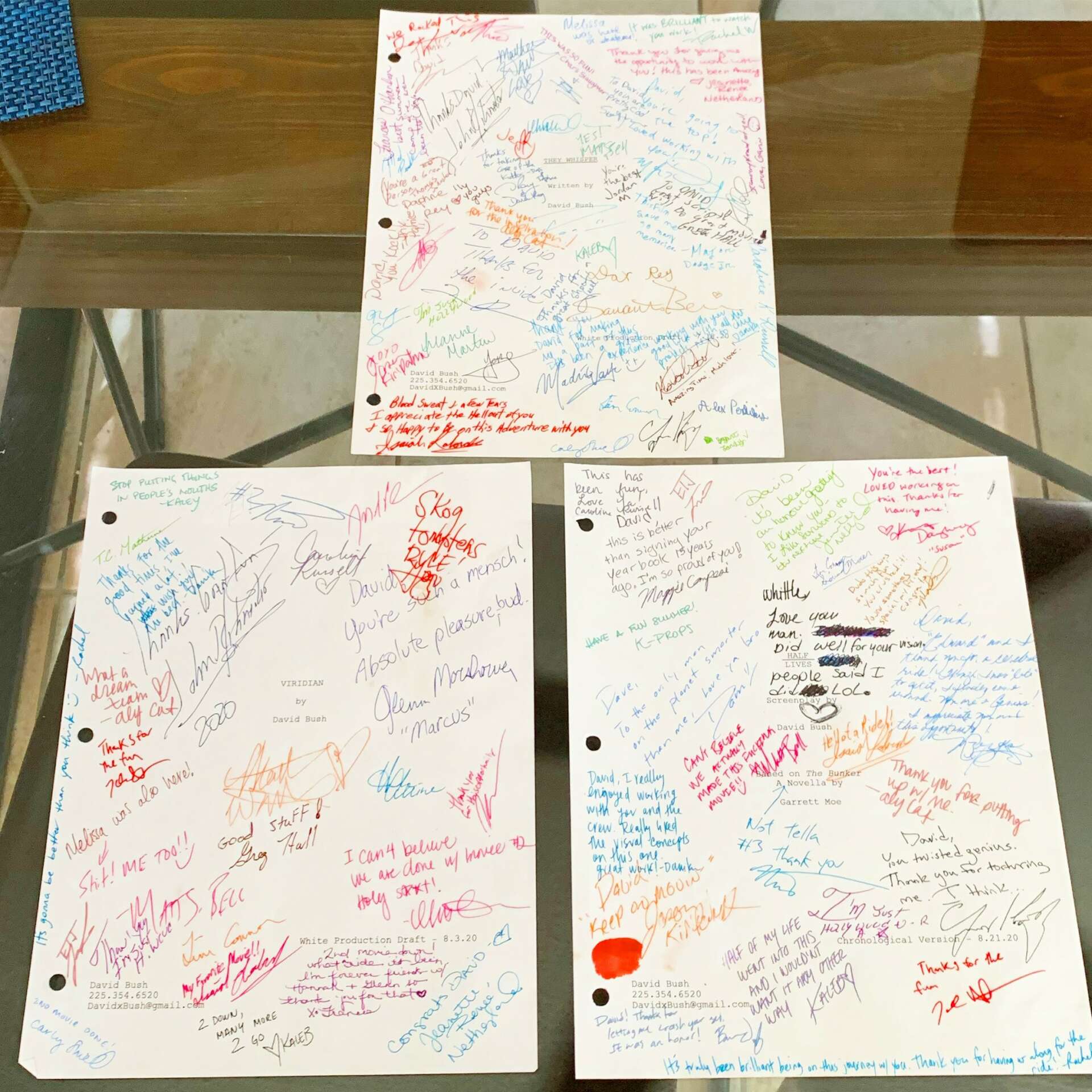
What do you think helped you build your reputation within your market?
Some of my answers here may sound incredibly obvious, a little egotistical, and/or overtly contradictory, but here goes… My first several writing jobs came, not from advertising my own work, but rather from volunteering to read the work of other aspiring writers and giving them free, thorough, constructive notes. Most of early writing relationships came from people who read these notes and proposed that I come on board and write or rewrite a script for them. Plus constant analytical reading is an excellent way to keep myself sharp and to continuously diversify my influences. To this day, I still read, for free, nearly every script that is sent my way, and I’ve seen my notes implemented on many projects to which I was never formally attached. And I love that. Beyond that, I consistently deliver compelling professional quality work, but also, I do it very very fast. I’ve never been able to adopt a successful daily writing routine (I’m deeply envious of those who can) but instead, I’ve always done my creative work in sprints, often cranking out feature length screenplays or page-one rewrites in under a week. As much as we love to romanticize the notion of a great work taking years to gestate, this efficiency has proved tremendously valuable in such a massively collaborative field where hundreds of schedules have to align and time is consequently always of the essence. And frankly, I believe that for most writers, and certainly for myself, there is no discernible depreciation in quality as a result of speed.
And finally, I think what has attracted many creators to me as a writer is that I use my personal literary obsessions (I love wordplay, plot logic, wit, subversiveness, and surprise), not to eclipse their unique vision and concept, but rather to enhance it and make it shine as brightly as it possibly can. So here is the contradiction: Though I always strive to write work that I would be proud to bear my name (whether or not it actually does) I am never precious or insistent about creative elements, and am always up for the challenge of making enormous structural changes or tonal shifts to accomadate brought differences in taste.
What do you think is the goal or mission that drives your creative journey?
I once had a bit of an existential crisis when a politician friend asked me how I could be so interested in fiction when there are so many true stories happening out there in the world all the time. I had spent my entire life addicted to narrative story-telling, but the logic behind this question seemed sound. Real people matter more than imagined ones. This is undeniable. After mulling over this conundrum I realized, not only why I was so obsessed with creative storytelling, but also why the work I was doing had value, and how it could have even more. Real people matter tremendously, but we are all painfully bad at imagining ourselves in each other’s shoes. The safety of the lens of fiction allows us to experience events, worlds and lives that are utterly alien to our own and as such it can (and should) serve as the most powerful empathy generator on the planet. When we make movies, we telepathically beam ideas into the minds of millions of people, and hopefully manage to inspire their minds to work harder and more creatively in the process. So I view my mission as a creative writer to maximize the empathy inducing potential of whatever story I’m working on, while, where possible also stimulating intellectual thought by subverting expectations and challenging paradigms, particularly of social stereotypes.
And I’ve found that usually the most effective means of doing this is to Trojan horse it through an exciting, funny, engaging experience.
Contact Info:
- Email: [email protected]
- Website: davidxbush.com
- Instagram: @davidxbush
- Other: https://www.imdb.com/name/nm3650518/?ref_=nv_sr_srsg_0_tt_0_nm_8_q_david%2520bush