
We caught up with the brilliant and insightful David Burlacu a few weeks ago and have shared our conversation below.
David, appreciate you joining us today. We’d love to hear about a project that you’ve worked on that’s meant a lot to you.
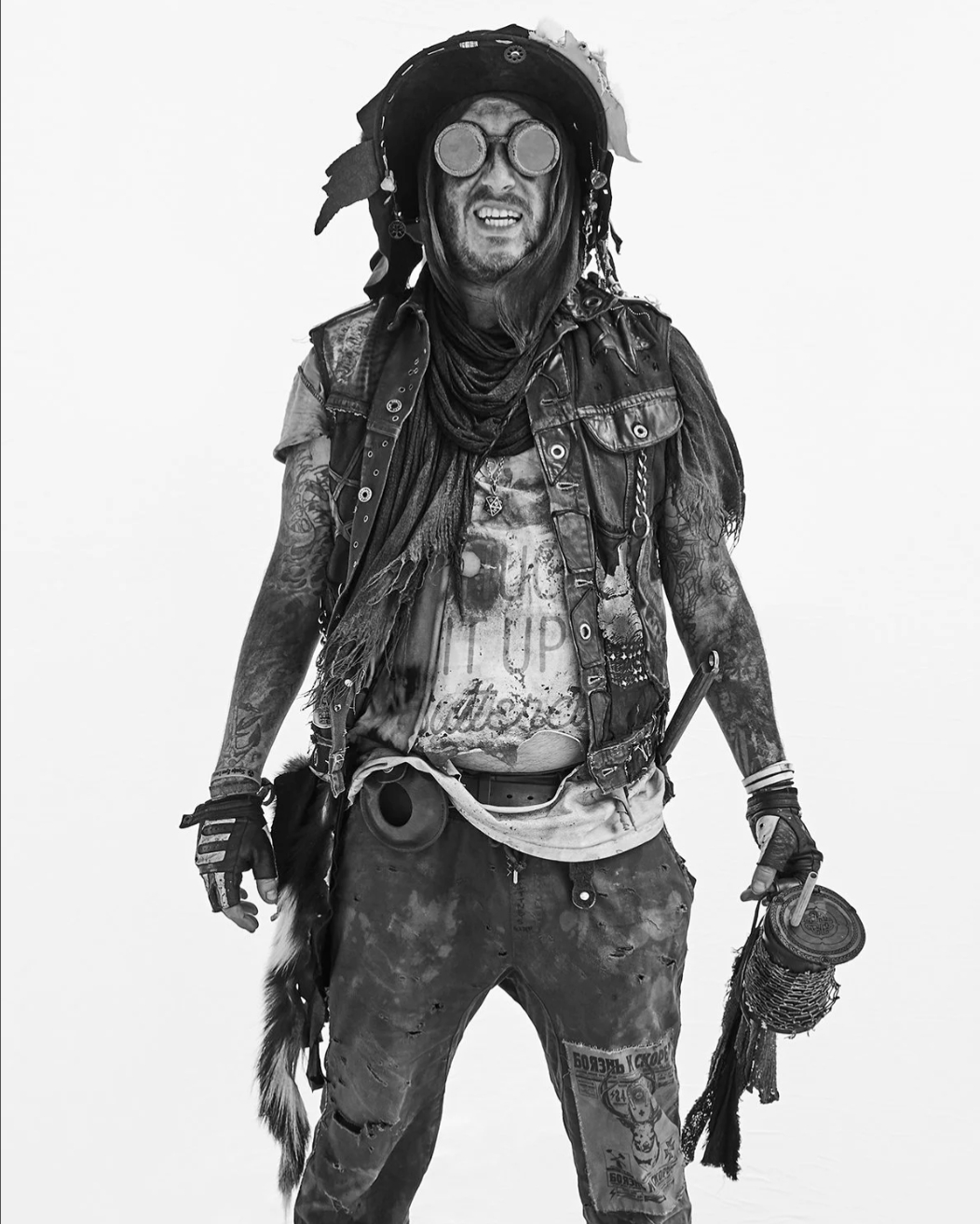
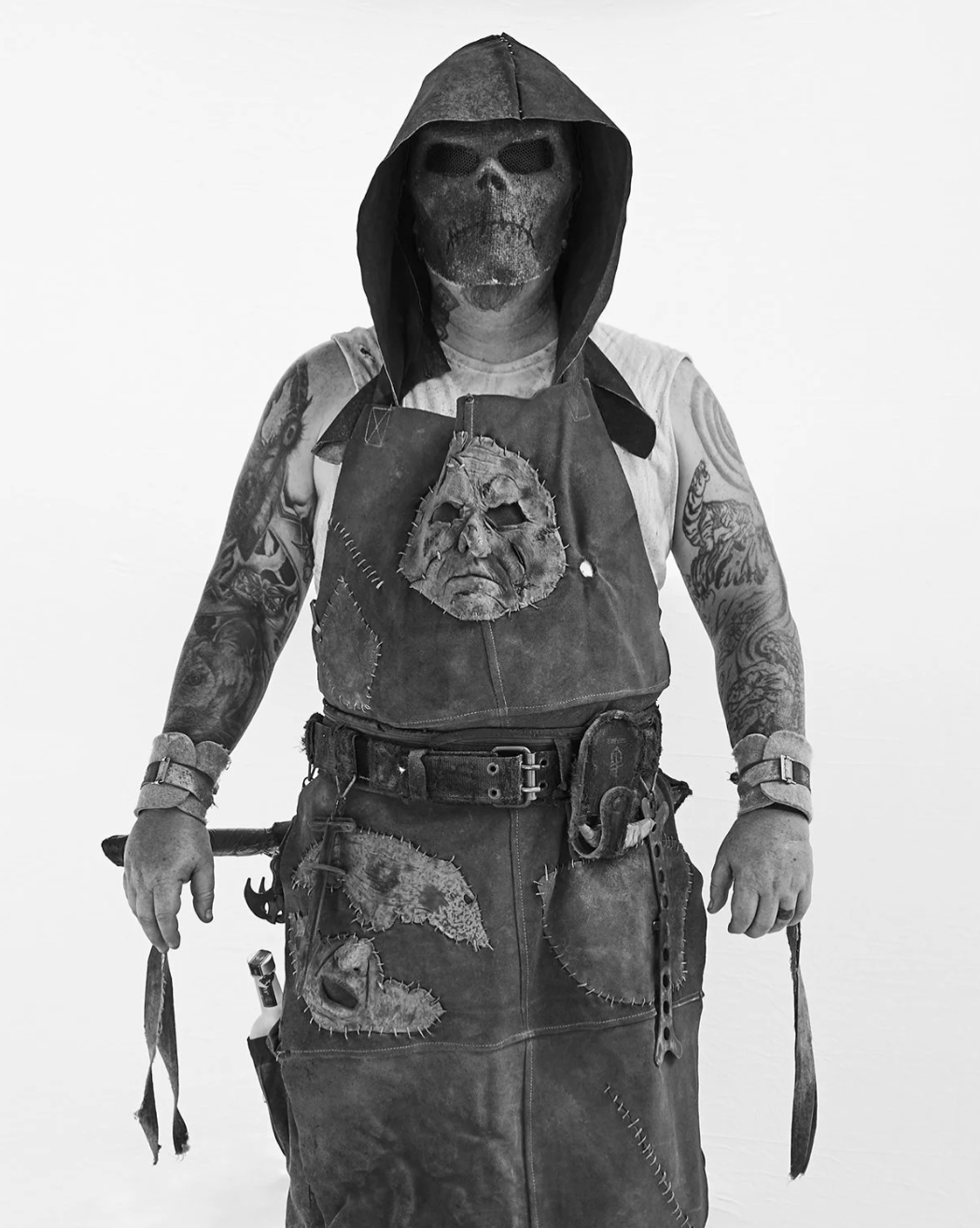
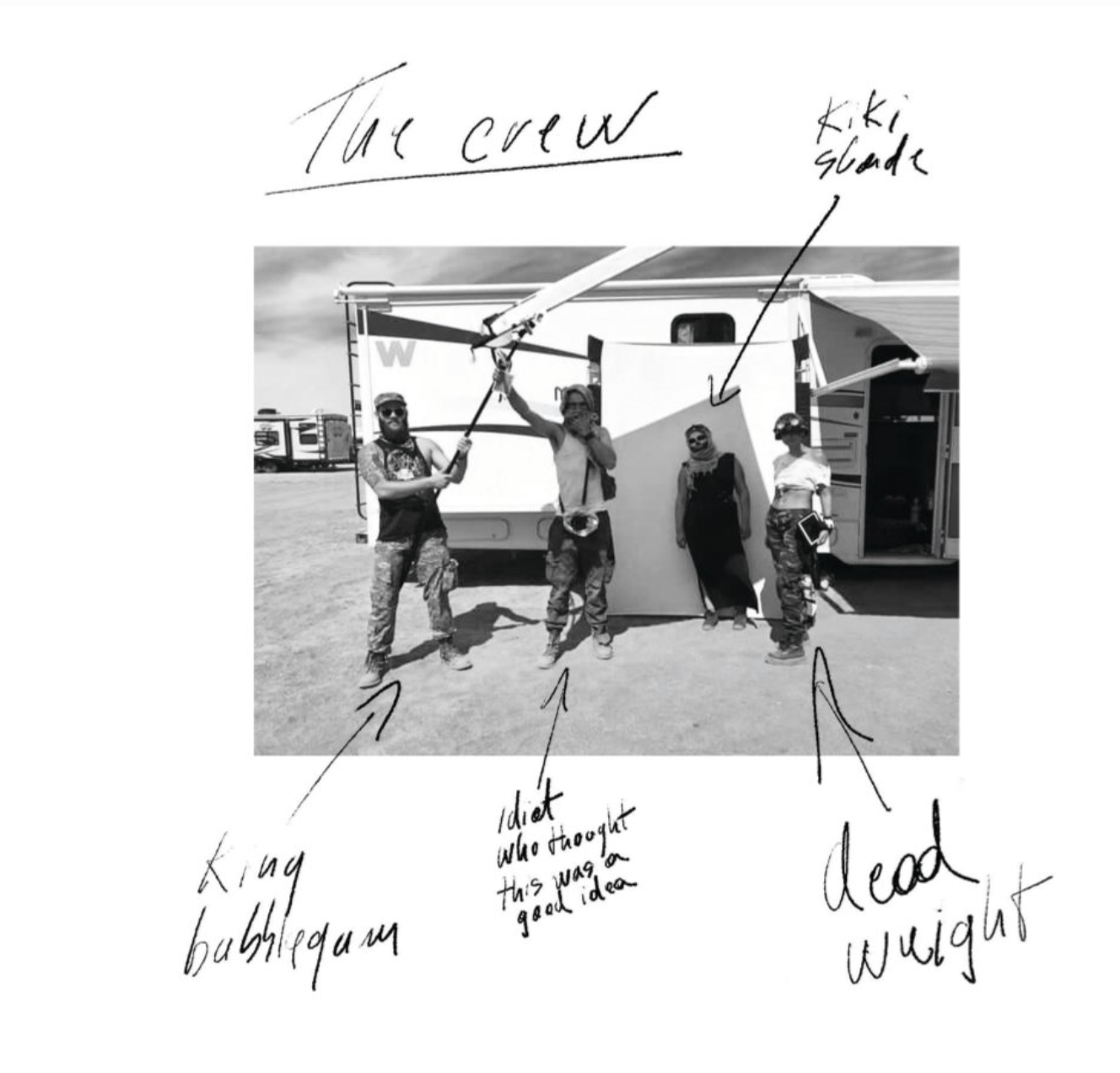
I’m not sure if I have a “most meaningful” project. They all feel “the most meaningful” when I’m in the process. I could tell you about one that pushed me in a position where I’d never imagine myself. WASTELANDERS. Oddly enough it started with a video game. I’ve never been much of a gamer but this one really caught me. I’ve always been a fan of Mad Max and when I’ve heard they came out with a video game I said “why not” and got it. And that’s probably all I did for a month. So much so that Facebook started serving me adds for this Mad Max themed festival called “Wasteland Weekend”. I saw a couple of pictures, and I decided then and there that I have to go photograph these people. I started saving up money, reached out to 3 of my closest friends and started planning. We would have to fly from NY to California, get a camper and somehow drive in the middle of the Mojave Desert where this event took place. Reached out to the organizers, they were nice enough to comp our tickets that was that. We had 3 days to photograph as many people as we could and maybe turn it into a book. Now, even thought all the attendees looked like they would probably not think twice about murdering you, nothing could be further from the truth. Some of the nicest, respectful people I’ve ever had the pleasure of photographing. They would ask us if we need supplies, if we have enough water, if we’re rested, offered us a place to sleep, help with anything we would think of. And here’s the kicker – after speaking to some of them, I’re realized that I was surrounded by people from all over the political spectrum, yet no one was flying flags, banners, or marginalize anyone. They all seemed above all that stuff, together, as a community, in the middle of the desert, pretending like it’s the end of the world. I was floored. In a time of great divide these guys decided to be the opposite. I learned a lot in those 3 days, about myself but also about how communities function. That’s why this one was meaningful to me.
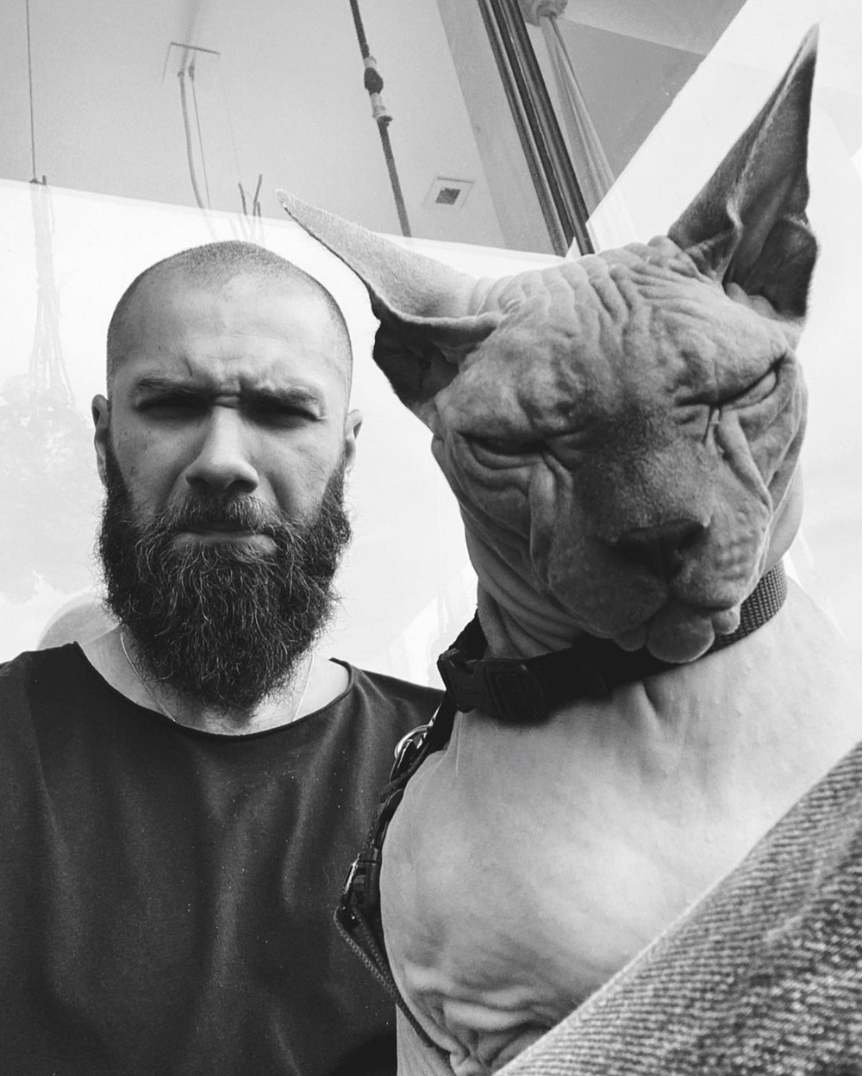
David, before we move on to more of these sorts of questions, can you take some time to bring our readers up to speed on you and what you do?
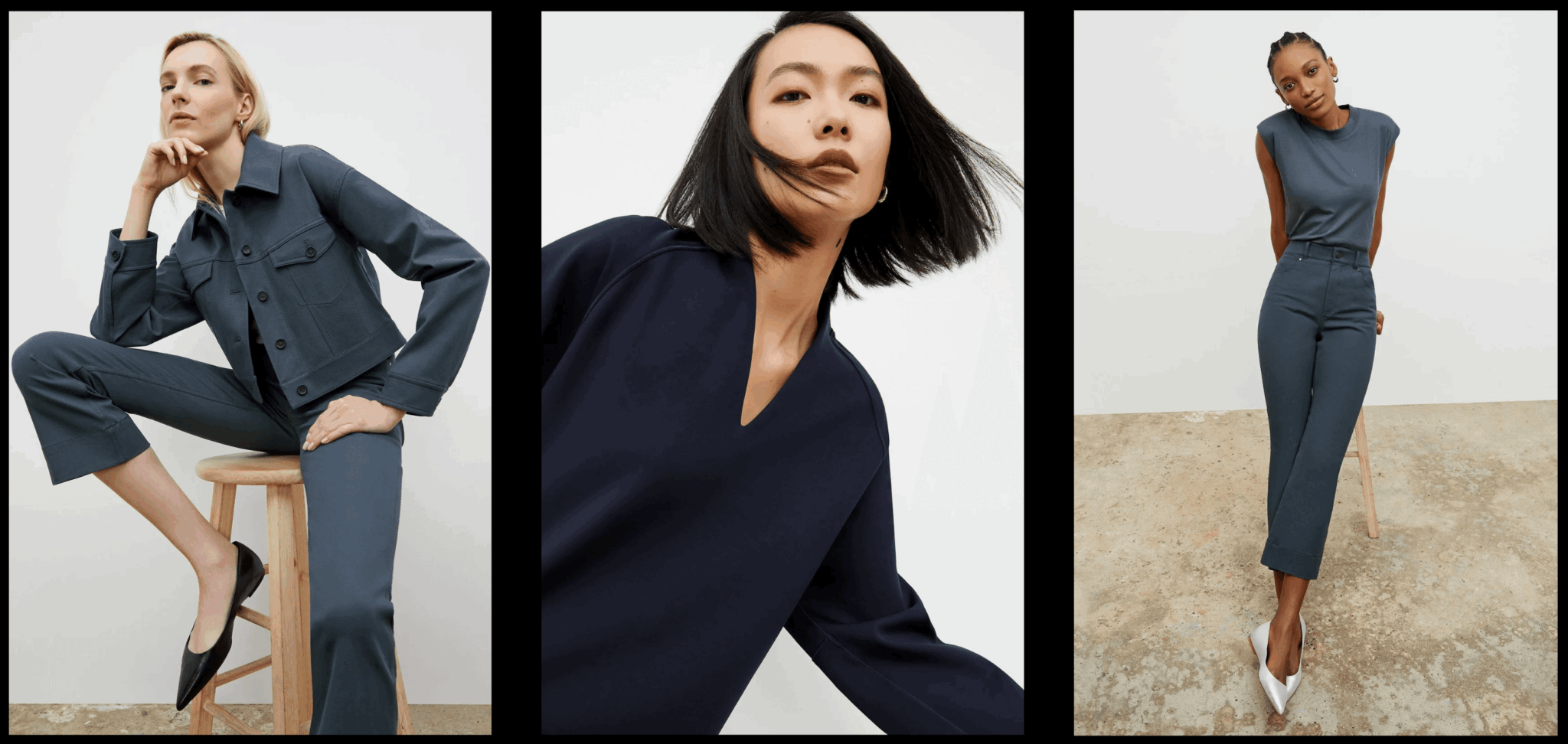
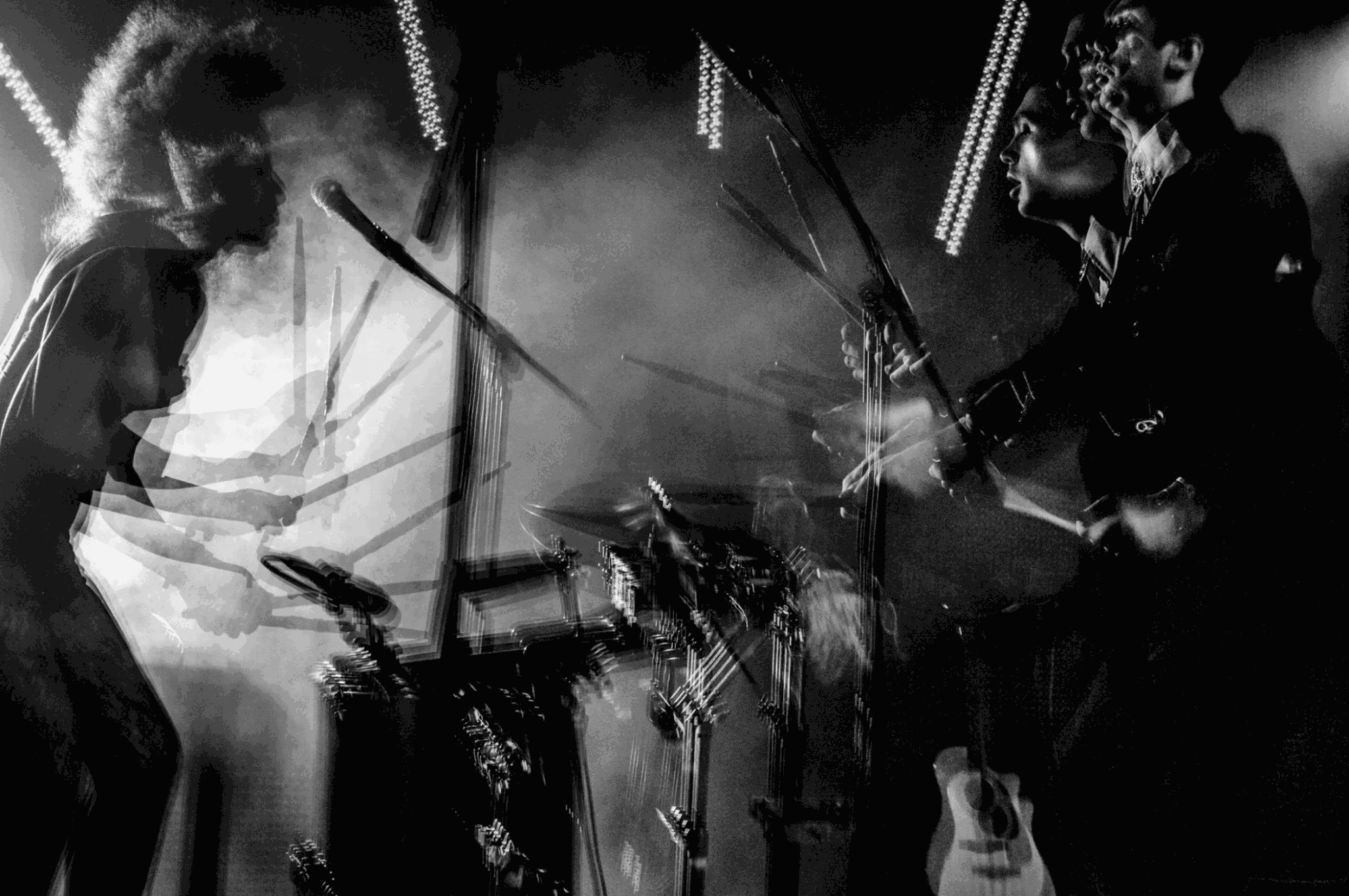
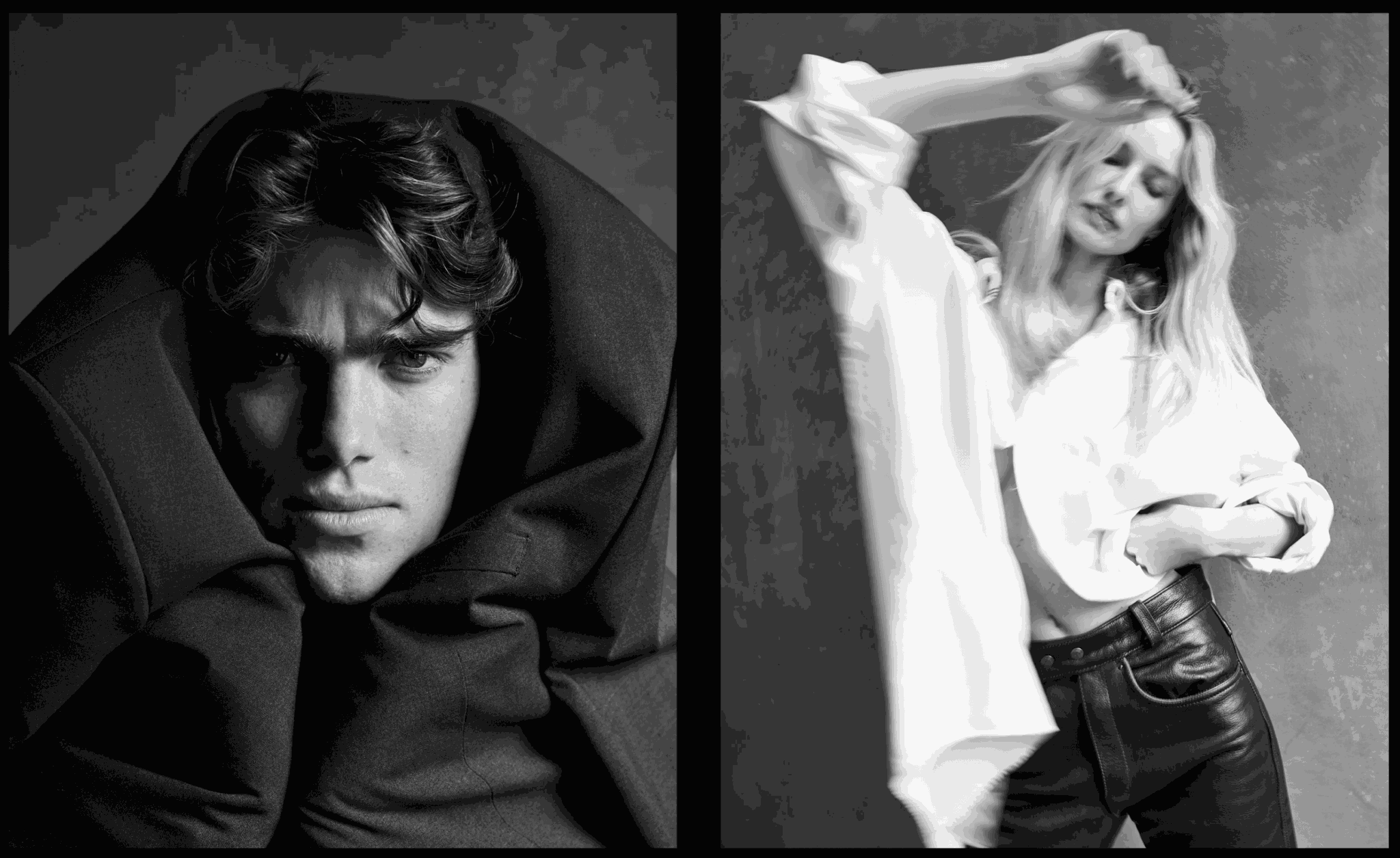
I moved to NY about 14 years ago from Bucharest, Romania. I finished all my studies, got my Masters in Communication and Advertising and decided that it was probably time to start life. Photography has always been my main tool to interact with the world around me and that helped a lot. Back in Romania I was one of the top concert photographers and it always seemed odd to me to be in the top of anything in my 20’s. I always thought that’s something reserved for your 50’s or 60’s. So I decided I need to feel small in order to allow myself to learn. And boy, did I feel small once I moved here. And I’m so glad I did. My first gig was interning with photo legend Steve McCurry. ***Somehow I was in charge of all the “tall person” tasks around the studio – from dusting and cleaning up the highest shelves, to handling prints that require a large arm span.*** I still joke that the only reason I got that internship was because I am tall. This has been confirmed to me by his at the time studio manager. After that I started working in Chelsea, at a couple of photo studios just to learn the ropes – equipment, digital, set etiquette etc. Soon after that I was on set with some other legends learning about light, process and most importantly how to manage a team and deal with clients. The time spent assisting was absolutely incredible – I’ve learned so much from proven concepts to industry secrets all to be able to deliver a product not just that the client loves, but that I am proud of. Right now, in our current landscape, the key is adaptability – from being able to make something happen with a tight budget to be able to steer a team of 20+ people in the same direction, you have to be able to deliver. It’s not always easy but with the skills I’ve gathered throughout the years, it can be done. I’ve tried to stay out of niche’s, styles, brands for myself. I shoot a lot of different things, across different platforms. They’re all mine, and I do leave my prints on everything I touch, but I never considered I have a brand. ***I think it’s commonly accepted and understood that having a brand means your work is instantly recognizable, and I get it, commercially it would help me find work easily, but I think it’s also a surefire way to stagnate. That’s the thing about brands – it’s hard to pivot once you’re established. I’m interested in fashion, photojournalism, portrait, editorial, anthropological projects…basically I’m interested in the human experience in all its diversity and complexity. I can’t add a brand to that.***I shoot what I find interesting in the way that I consider to be the most appropriate for that particular subject. So far, no complaints.
Have you ever had to pivot?
It’s not necessarily a pivot but it’s something I had to do in order to stay relevant. In my case it was “motion”. For the longest time I’ve been against shooting video. I thought it was a different way to tell a story, there’s too many differences, it’s a whole different animal, it’s not for me, it dilutes the practice, you name an excuse, I thought about it. And because of this incredible stubbornness I started losing clients. Eventually it got to a point where it just got so big that I had to take action. So, in 3 weeks with a lot of youtube tutorials, classes and a lot of coffee I thought myself how to shoot video. And I’m happy I did. And all those reasons I had before just disappeared. Now it’s a service that it adds another 25%-30% to my bottom line.
Do you have any insights you can share related to maintaining high team morale?
Don’t hide the human side of you. Nobody wants to follow a robot. And lead from the front. For me that means helping pack up equipment at the end of the shoot, ask my assistants if they need water of if they ate. If I see someone off on set I ask, genuinely if I can help with anything. I feel like it’s basic stuff. It also helps to pick a team you can trust. Shoots like that have a pulse by themselves. Issues get resolved before the client even knows about them. Sometimes they get resolved before I even know about them. So yeah, treat they nicely, pay them quick and you’ll always have smiles on set.
Contact Info:
- Website: https://www.davidburlacu.com
- Instagram: https://www.instagram.com/zeedavid/
- Linkedin: https://www.linkedin.com/in/zeedavid/