

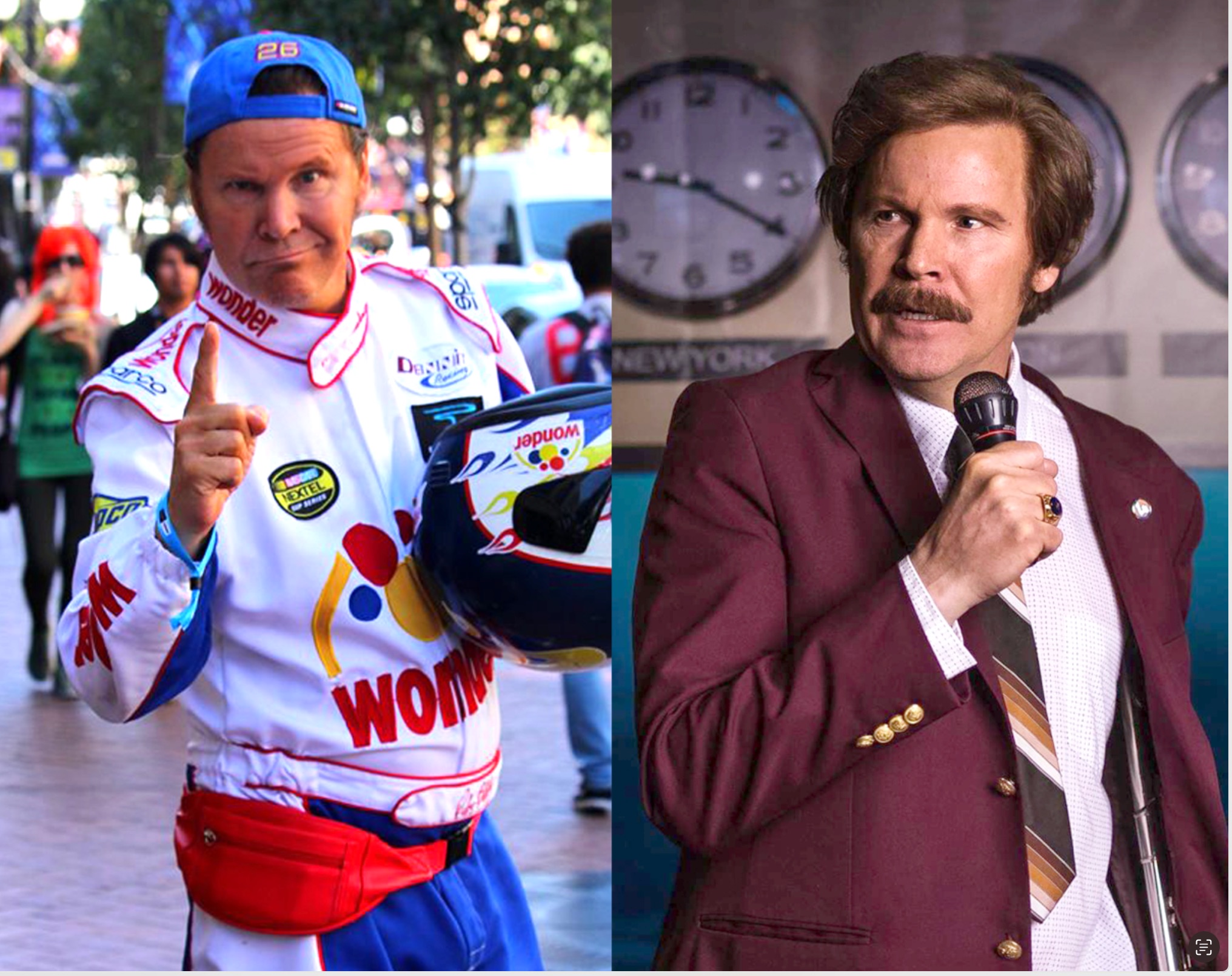

Alright – so today we’ve got the honor of introducing you to David Babcock. We think you’ll enjoy our conversation, we’ve shared it below.
David, looking forward to hearing all of your stories today. Can you recount a story of an unexpected problem you’ve faced along the way?
Unexpected Problems / Issues
Being an actor is hard. Opportunities are limited. But being a creative entrepreneur is a different kind of challenge altogether.
In my case, I wasn’t just trying to book roles — I was building something that didn’t really exist.
There are plenty of impersonators. There are plenty of trade show marketers. But combining a fully immersive Ron Burgundy or Ricky Bobby character performance with high-level trade show lead generation strategy? That wasn’t a known category.
And that was the unexpected problem.
The biggest obstacle wasn’t competition — it was comprehension.
People don’t search for what they don’t know exists. Marketing directors understand booth design. They understand swag. They understand digital ads. But they don’t automatically think, “What we need is Ron Burgundy as a strategic lead-generation weapon.”
To many, it sounds gimmicky at first.
What they don’t initially see is the ROI.
I had to shift the narrative. Instead of presenting myself as “entertainment,” I started positioning myself as experiential marketing with a measurable outcome. I began showing proof — doubled lead counts, executives pulled into conversations, nearby booths asking for my contact information after seeing the traffic. I reframed the conversation from “hire an impersonator” to “dominate the trade show floor.”
That shift changed everything.
The real breakthrough came when I stopped trying to fit into an existing category and instead educated the market on a new one. I had to teach people what was possible before they could even consider buying it.
Creating a new lane is uncomfortable. It means people don’t immediately “get it.” But once they see it in action, it becomes obvious.
And that’s the lesson: sometimes the hardest problem isn’t execution — it’s helping people imagine something they’ve never seen before.
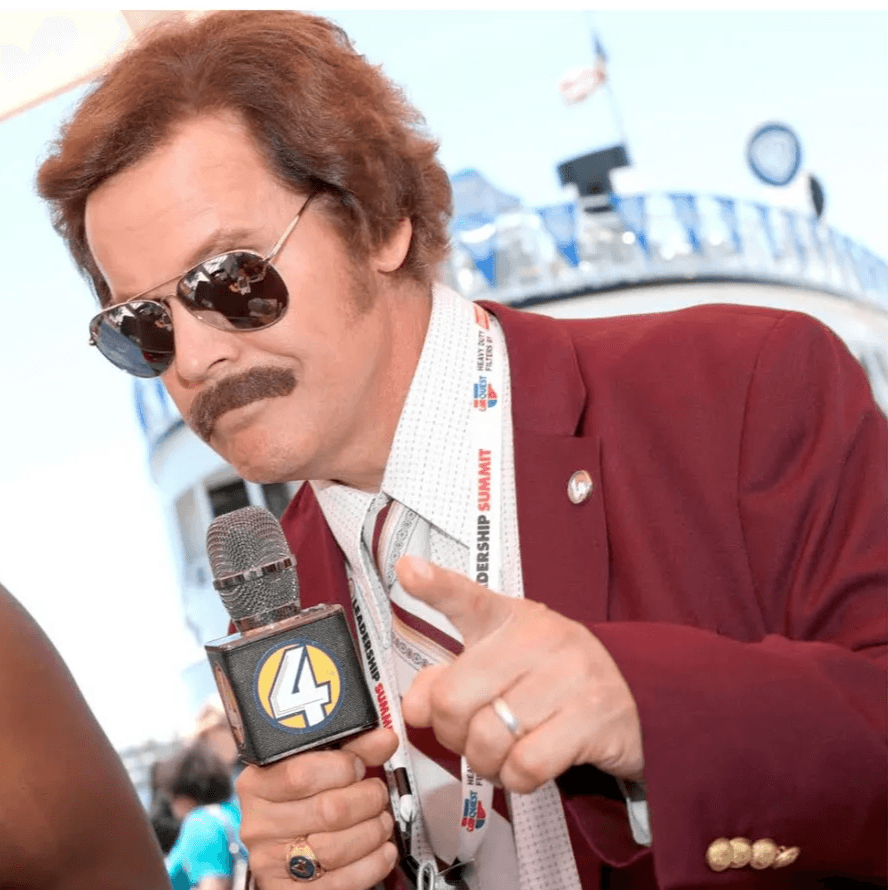
Awesome – so before we get into the rest of our questions, can you briefly introduce yourself to our readers.
I’m a professional Will Ferrell character-based impersonator and experiential marketing strategist. For over a decade, I’ve built a career portraying characters like Ron Burgundy, Ricky Bobby, and Buddy the Elf — not just for laughs, but as a strategic business tool.
I didn’t set out to simply “be an impersonator.” I started as a creative and marketing professional with over 10 years in director-level roles in creative and brand strategy. I understood how companies think about ROI, positioning, and differentiation long before I stepped onto a trade show floor in character.
What I realized early on is that entertainment, when used correctly, is one of the most powerful attention assets in business.
Most exhibitors at trade shows are fishing with nets — hoping people wander into their booth. I developed what I call a “spearfishing” approach. In full character, I generate attention, create emotional connection, disarm prospects with humor, and then intentionally hand off high-value conversations to the sales team. It’s not random. It’s strategic.
I don’t just create crowds — I create momentum.
My work has taken me to major corporate events and international trade shows across industries. I’ve worked with globally recognized brands and been invited back repeatedly because the results are measurable. Leads increase. Booth engagement spikes. Social media explodes organically. And executives who normally avoid booths suddenly stop and participate.
What sets me apart is immersion and discipline. I perform one character per event so the experience is believable and cohesive. I stay in character. I support the client’s objectives. I understand booth flow, positioning, timing, and how to integrate with a sales team rather than distract from it.
I also understand that the client’s reputation is on the line. This isn’t about me performing for attention — it’s about elevating their brand.
What I’m most proud of is not the applause or the photos. It’s when a client says, “That was the best show we’ve had in 30 years,” or when another exhibitor walks over asking how they can get that kind of traffic next year. I’m proud of turning something people initially think is “just fun” into a serious competitive advantage.
The main thing I want potential clients to understand is this: I’m not novelty entertainment.
I am strategic experiential marketing wrapped in a familiar, beloved character.
And when done correctly, that combination becomes unforgettable — and profitable.
Do you think there is something that non-creatives might struggle to understand about your journey as a creative? Maybe you can shed some light?
What many non-creatives struggle to understand is that creativity at a high level is not chaotic — it’s disciplined.
From the outside, portraying characters like Ron Burgundy or Ricky Bobby at trade shows can look spontaneous or gimmicky. In reality, it’s calculated strategy. Every interaction, every line, every movement is designed to create engagement and drive measurable results for the client.
The real creative journey isn’t about performing. It’s about building something new that people don’t yet understand — and having the persistence to prove its value until they do.
How did you build your audience on social media?
My audience didn’t grow from random posting — it grew from leverage.
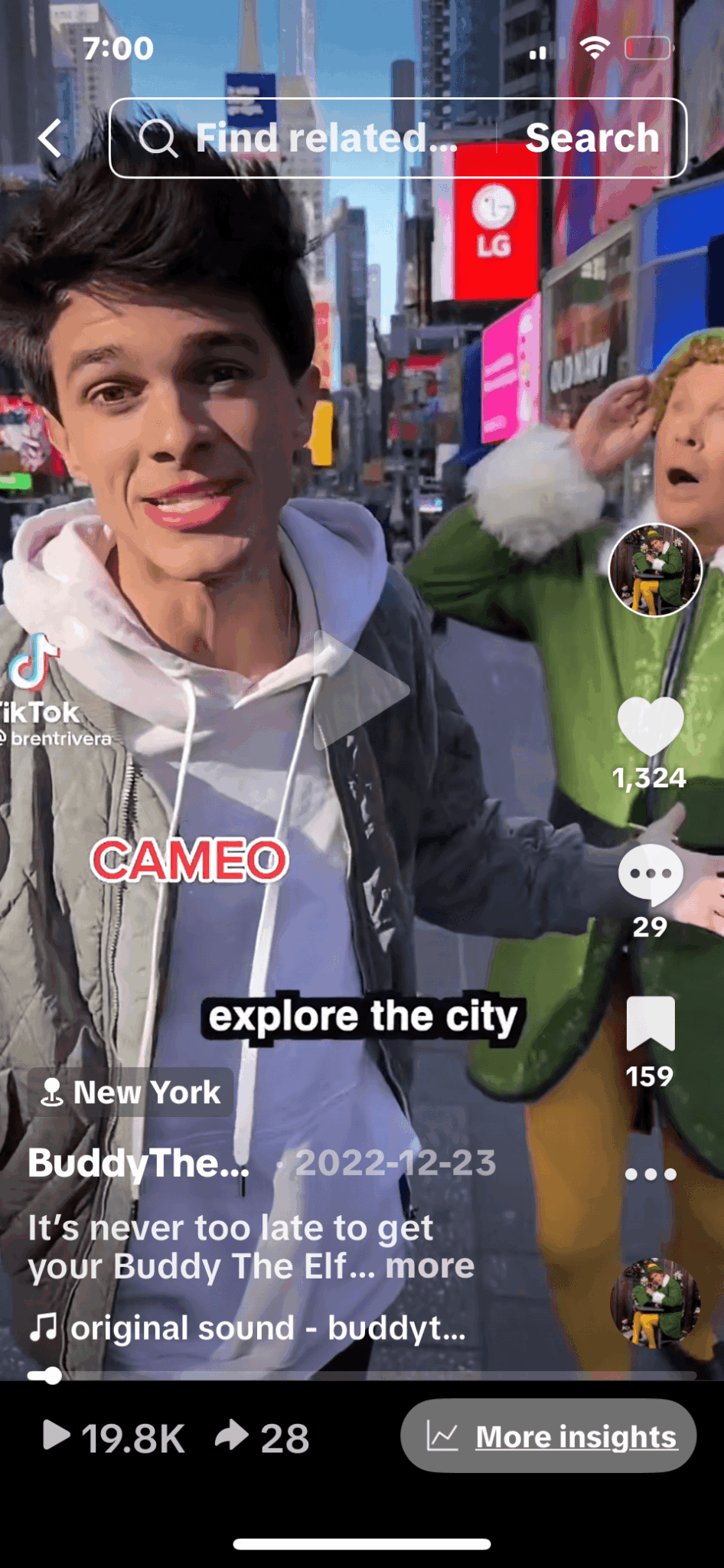
Most of my social growth has come from two things: posts that go semi-viral or collaborations with creators who already have massive reach. I’ve been fortunate to work multiple times with Brent Rivera, who has over 100 million followers across platforms. When those videos go live, the exposure is immediate and significant.
What I learned is this: attention compounds when you attach yourself to existing momentum.
For those starting out, my advice is simple — don’t just post, position. Create content that is shareable, character-driven, and emotionally engaging. And look for collaborations that make sense. One strategic partnership can outperform a year of solo posting.
Consistency matters. But proximity to bigger audiences accelerates everything.
Contact Info:
- Website: https://www.LinkTr.ee/impersonate
- Linkedin: https://www.linkedin.com/in/willferrellimpersonator/
- Other: https://tradeshowmarketingconsultant.com, https://linktr.ee/impersonate, https://ronburgundyimpersonator.com, https://rickybobbyimpersonator.com, https://buddytheelfimpersonator.com, https://calendly.com/willferrellimpersonator/meet-with-will-ferrell-impersonator