

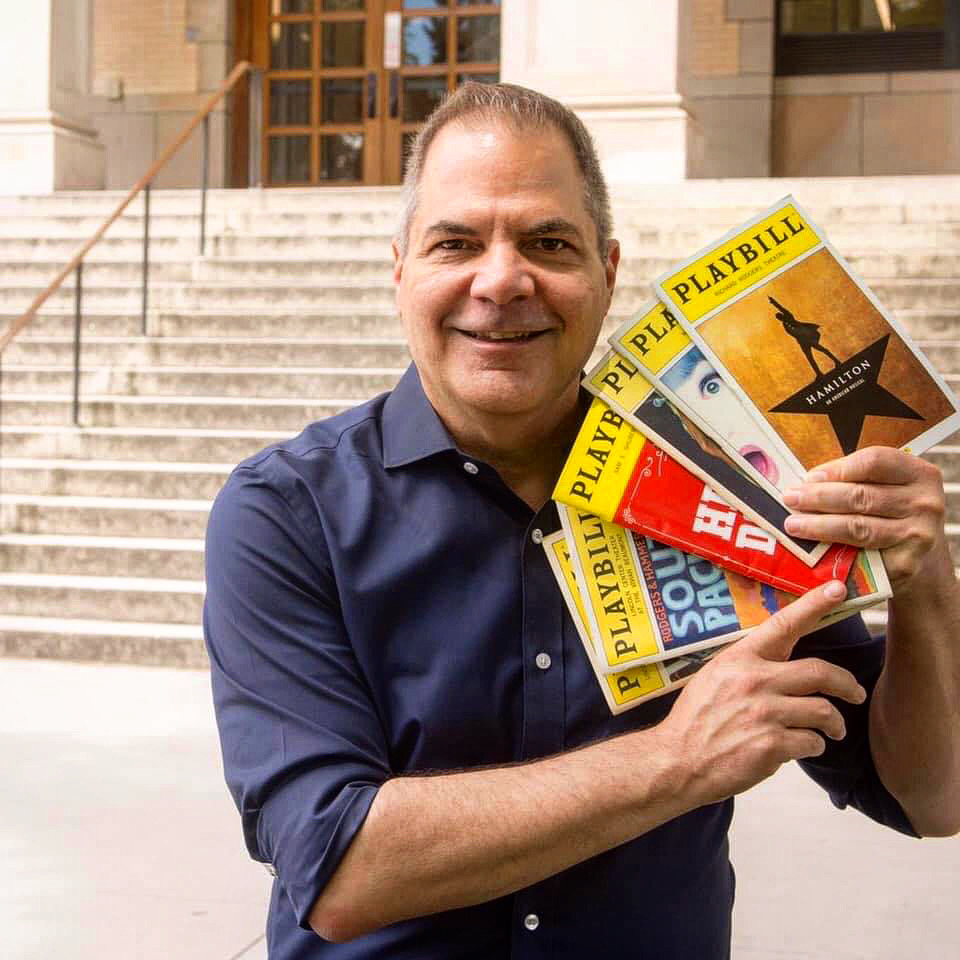

We were lucky to catch up with David Armstrong recently and have shared our conversation below.
Hi David, thanks for joining us today. Did you always know you wanted to pursue a creative or artistic career? When did you first know?
I always knew that I wanted to be in show business. I was one of those weird children who would organize the neighborhood kids into putting on elaborate “patio revues.” These were basically variety shows of singing, dancing, and lip-syncing to the cast albums of Broadway shows and popular songs, inspired no doubt by the many television variety shows and specials that were on the air as I was growing up in the 1960s, such as The Carol Burnett Show and Sonny & Cher. At the same time, I was completely captivated by all of the vintage movies that were a staple of local television back then, which you can see today on TCM. I was especially drawn to the films set in the backstage world of Broadway and Vaudeville,
So, you could say that I have spent my entire career doing exactly what I did when I was ten years old—producing, directing, and celebrating musical theater. And I was lucky enough and driven enough to make a living doing it. I took drama, singing, and dancing lessons throughout my childhood and performed in multiple community theater and school productions every year through high school. My first semi-professional job was at fifteen as an “apprentice” at a college summer stock company, where I was surrounded by wonderfully talented college students who were pursuing careers in theater — and I never really thought of doing anything else.
The summer I turned eighteen, I got my Actors Equity card dancing in a chorus for a season of musicals at the Pittsburg CLO. By then, I had already started to have some success as a choreographer and director, which has been the major focus of my forty-year career.
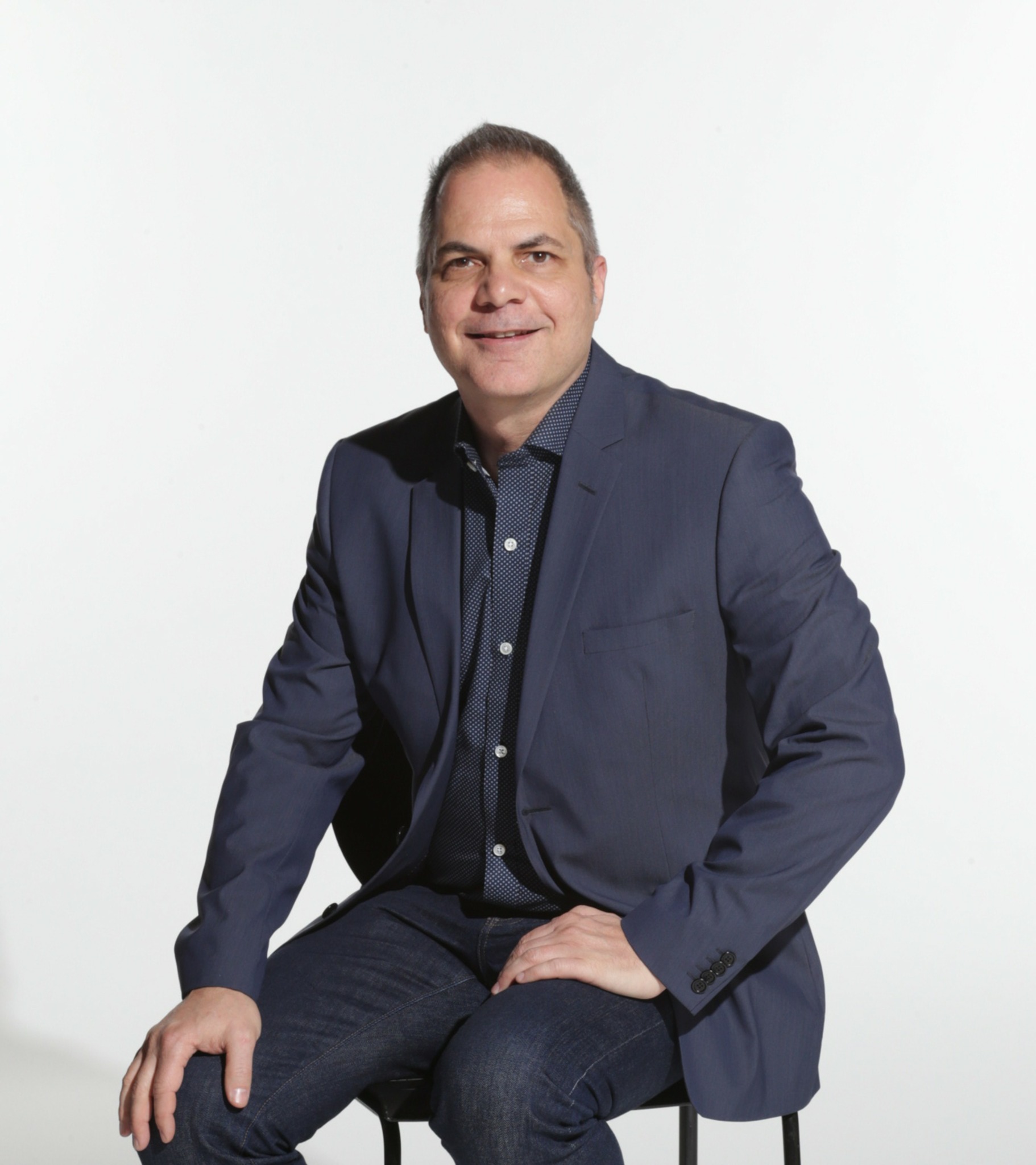
As always, we appreciate you sharing your insights and we’ve got a few more questions for you, but before we get to all of that can you take a minute to introduce yourself and give our readers some of your back background and context?
Today, most people will know me from my popular podcast: “Broadway Nation — How Immigrant, Jewish, Queer, and Black Artists Invented The Broadway Musical,” But that is only one of the many hats I have worn over the course of my career.
I started out as a dancer but quickly moved into choreography and directing. and was lucky enough to establish an active and successful career early on, working mostly at major regional theater companies across America as well as off-Broadway. In the midst of this, I also moved into playwriting and Artistic Directing (which is actually a producing role.)
The centerpiece of my career has been the eighteen years I spent as Producing Artistic Director and Executive Producer. of The 5th Avenue Theatre in Seattle.. During my tenure (2000-2018), The 5th emerged as one of America’s leading musical theater companies, and as part of a vibrant mix of both classic and contemporary work, we produced nineteen new musicals, including nine that subsequently moved on to Broadway, including Disney’s Aladdin, A Christmas Story, and the Tony Award “Best Musical” winners Hairspray and Memphis.
Currently, in addition to the podcast, I also teach a course on the history of the Broadway Musical at the University of Washington School of Drama, and will have a book coming out in 2025, also titled Broadway Nation.

Can you tell us about a time you’ve had to pivot?
I have had to pivot several times in my career. The first was moving from performing to directing and choreographing, which was just a matter of listening to my inner voice and following my passion — I much preferred the “making shows” rather than performing in them. As I went from theater to theater directing and choreographing shows, I was always curious about the management of those theaters and often found myself in conversation with their Artistic and Managing Directors about the challenges of running them — especially in regard to marketing and fundraising — which as a guest artist was really none of my business! Inadvertently, I was preparing myself for my next major pivot.
I sort of fell into my first Producing Artistic Director job when a theater I had worked at frequently as a director asked me to take over for a departing leader. It was only after taking the job that the precarious financial position of the theater was fully revealed to me. Overnight I was thrust into a whole world of austerity budgeting, crisis management, emergency fundraising, and debt reduction that I had no training or experience in dealing with. As stressful as it was, with the help of a small but committed team of staff and board members, I was somehow able to guide the theater back into successful operations. Overall, the experience turned out to be an invaluable crash course in theater management that has served me well throughout my career. Each time I pivoted in my career, I took on a job I was not entirely qualified for. However, I was smart enough to know what I didn’t know and then reach out to people who could help fill in the knowledge I lacked.
The next pivot was into writing. I thought I could write “the book” of a musical, but had very little experience. Luckily I was able to convince a theater company to give me a shot at it. Writing then took over my career to such an extent that I thought my directing and producing career might be over. But then a directing offer came to remount a production I had done a few years earlier and that led directly to being appointed Producing Artistic Director of The 5th Avenue Theater, and writing moved to that back burner. Now, writing is again my primary focus.
I am lucky in that I have seldom let fear deter me from moving into uncharted (at least for me) territory.
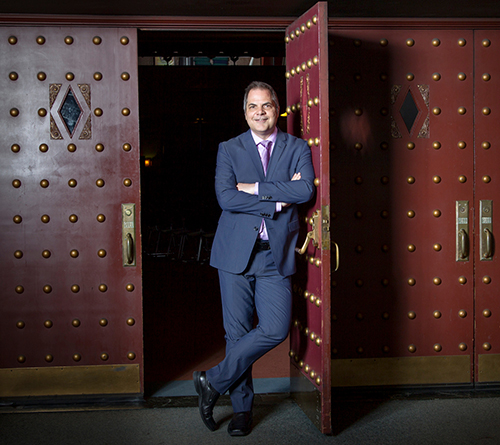
What do you think is the goal or mission that drives your creative journey?
My mission has always been to connect as many people as possible to the unique communal experience of live musical theater. The actual event of a musical, whether on Broadway, in a high school, or wherever it is performed, happens somewhere over the orchestra pit (if there is one), where the energy of the performers, the musicians, and the audience combines into a one of a kind, one-night-only experience.
Unlike movies or videos, in theater, the audience is an active participant in the performance, which is shaped and affected by their involvement. It is a community of people living, working, laughing, crying, and breathing together to make a show happen. This is why seeing a bad musical is so exhausting—we physically participate in the show, and throughout the performance, our bodies and minds try to will it to succeed. On the other hand, the great musicals, past and present, make our hearts soar in a way that no other experience can replicate. My goal as a theatermaker is to try to replicate that visceral experience as many times as possible. My goal as a writer and podcaster is to acknowledge the brilliant talents who, over the past century, were able to accomplish that remarkable feat in the most extraordinary ways.
Contact Info:
- Website: https://www.broadway-nation.com/
- Instagram: https://www.instagram.com/davidatbroadwaynation/?hl=en
- Facebook: https://www.facebook.com/david.armstrong.3591
- Linkedin: https://www.linkedin.com/in/david-armstrong-5b464b90/
- Twitter: https://twitter.com/PodcastBroadway
- Youtube: https://www.youtube.com/@davidarmstrongsbroadwaynat7052
Image Credits
none required