

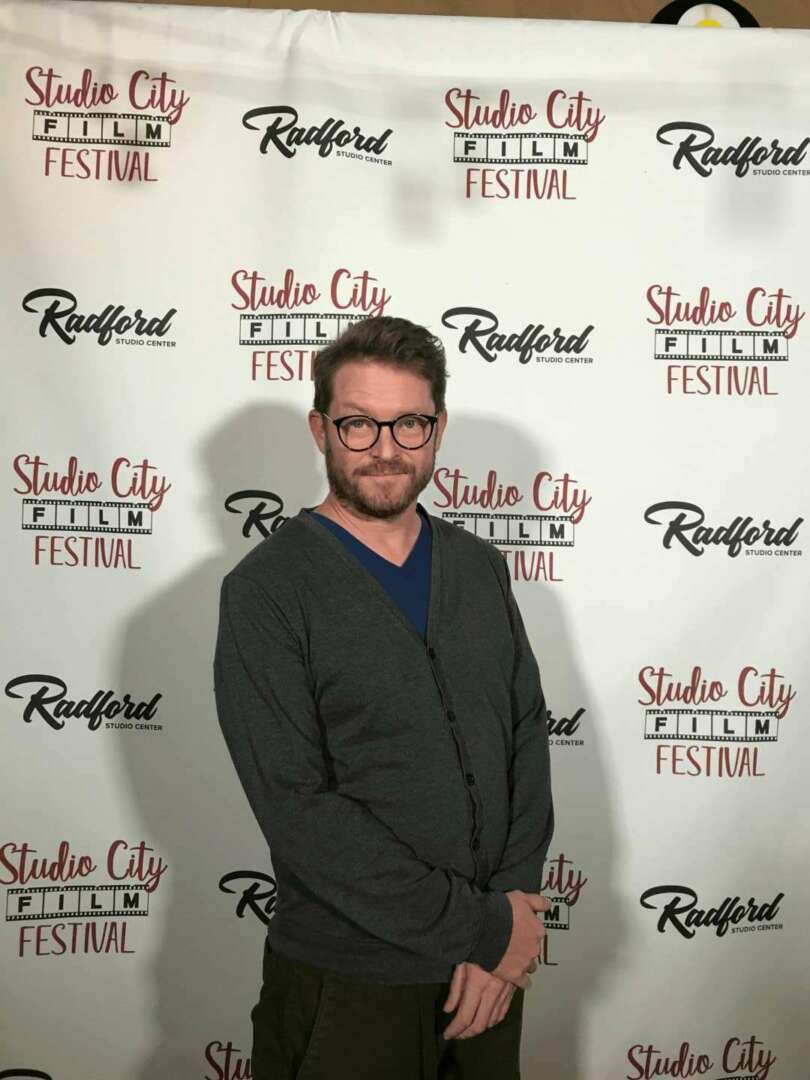

Alright – so today we’ve got the honor of introducing you to Darren Coyle. We think you’ll enjoy our conversation, we’ve shared it below.
Hi Darren, thanks for joining us today. How did you learn to do what you do? Knowing what you know now, what could you have done to speed up your learning process? What skills do you think were most essential? What obstacles stood in the way of learning more?
I am a filmmaker and a television producer. I make a living as a TV producer, but there are many skills that overlap from one to the other. Many years ago, I knew I wanted to make movies, but I couldn’t afford film school. So, I got a job as a PA on a reality TV show. (A job you basically needed a name and a heart beat to qualify for.) And while I did that job, I spoke to as many people in the crew as I could. DP’s, audio engineers, coordinators, props, etc. – anyone I felt I could learn something from (and would answer my stupid questions). It was my version of film school, while getting paid for it. And that went on for years. All the while I was borrowing equipment from work and shooting bad short films on the weekends.
As much as we’d all like to get on the express track to knowledge and making our own projects and hopefully achieving success, there really aren’t any short cuts. You need to learn the craft by seeing and by doing. I don’t know what might have sped up my leaning, but I also think it was a gift that it took time – years. You have to put in your 10,000 hours. It made me appreciate the knowledge and process. And also, there’s no need to be in a rush. Hollywood isn’t waiting with bated breath for you, so you might as well take the time and do it right.
I have learned how to use a camera, lighting, audio and editing. All taught by trial and error. And perhaps the most important of all – writing. I write my own things, but I also write everyday as part of my TV producer job. I work mostly in documentary programming, and there’s quite a bit of writing to be done.
Nothing stands in the way of you learning more. Between the internet and your local library, you can pretty much learn anything you want, these days. I still go on YouTube and ask it for tutorials on how to use specific editing software, if it’s one I am using and not familiar with.
The most essential skill you can learn in most careers is how to deal with people. Think you’re in the movie business? Nope. Think you’re in the plumbing business? Nope. Think you’re in the auto mechanic business? Nope. You’re in the people business. In every job, especially the collaborative field of filmmaking, you will be dealing with and communicating with people nearly all day, every day. So, learn communication skills and patience.
Darren, before we move on to more of these sorts of questions, can you take some time to bring our readers up to speed on you and what you do?
You can see my scripted projects at my website: www.darrencoyle.com
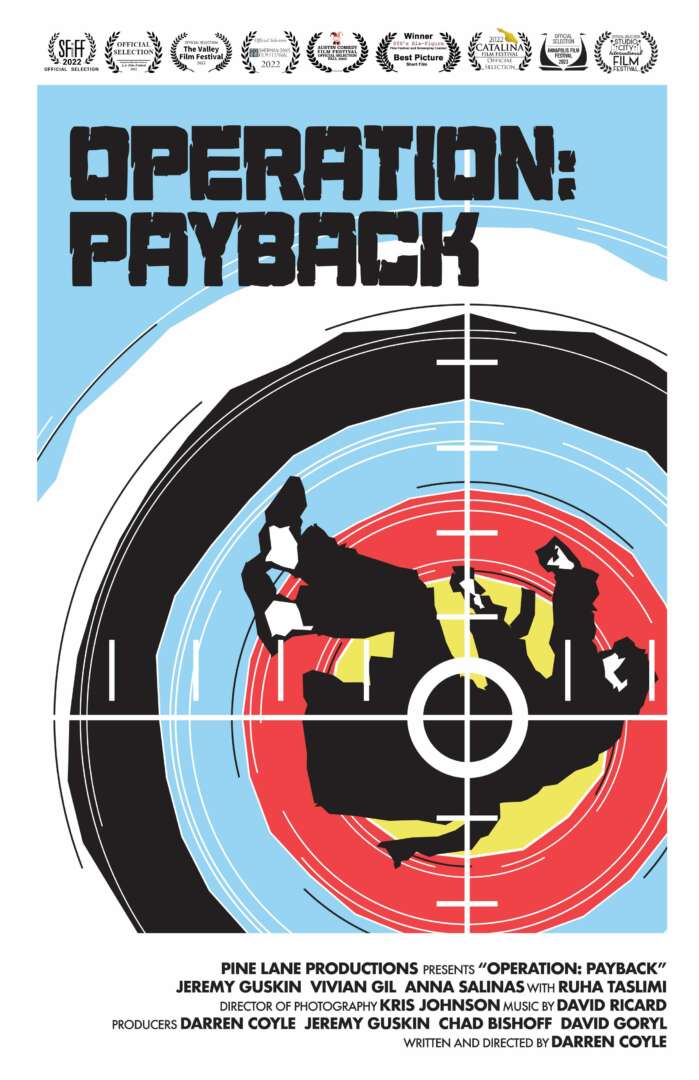
I work in the unscripted world making documentary series for television – shows like “People Magazine Investigates” and “New York Homicide”. And I also make scripted projects independently. On these projects I wear many different hats.
I like to think of myself as a bit of a Swiss Army Knife for television and film. But my bread and butter in both scripted and unscripted is story. Writing and telling a good, compelling story – something that will have the audience thinking well beyond the credits rolling.
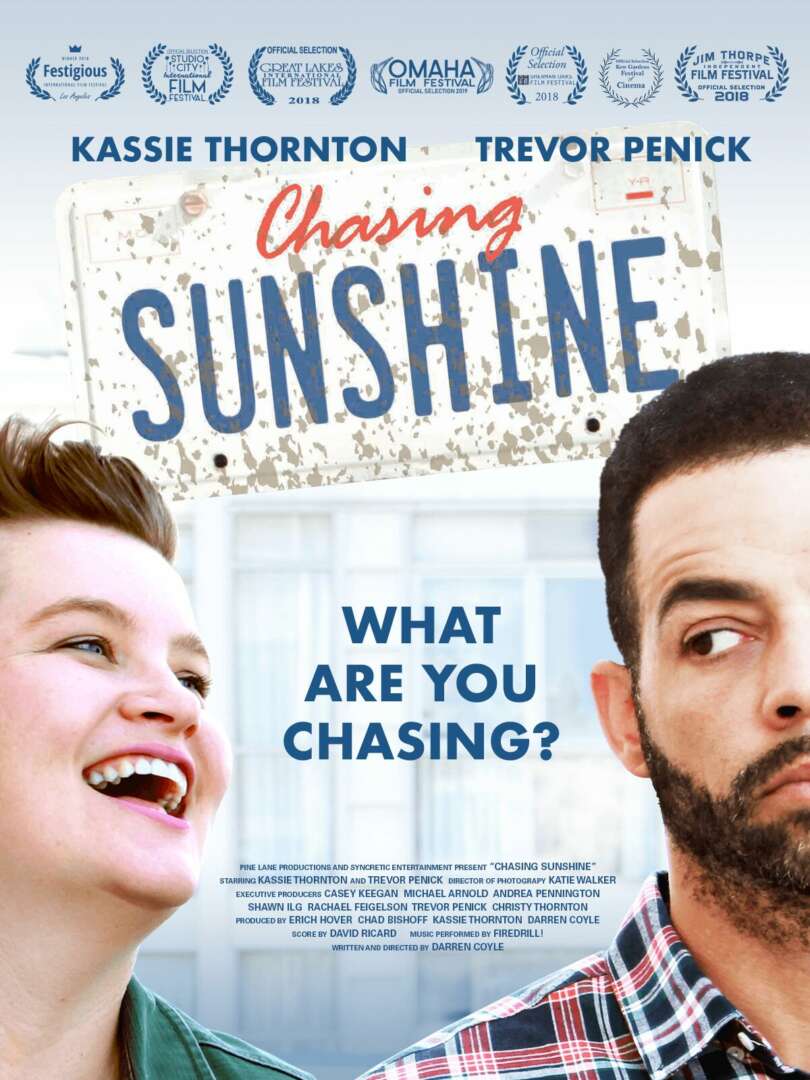
I have made a number of short films as well as a feature film. www.chasingsunshinethemovie.com
I try and approach each project as a learning opportunity, that way I am never disappointed.
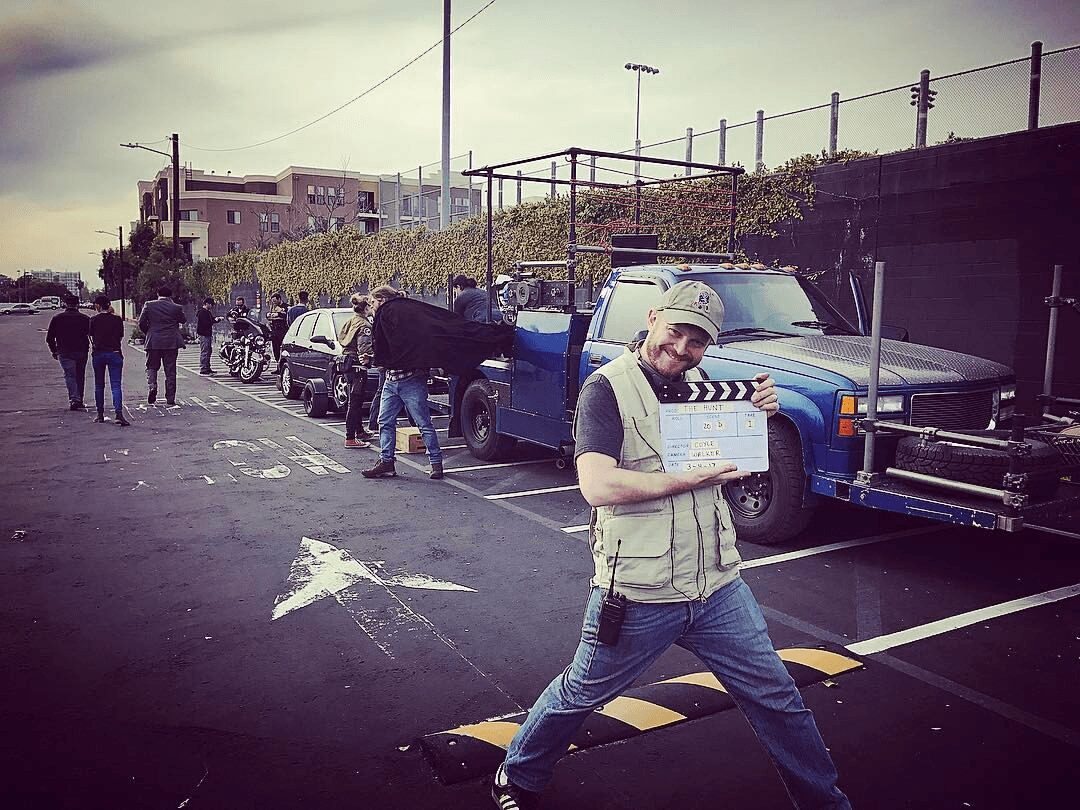
I call myself a filmmaker because I don’t like to limit myself to just one vocation. Yes, I write, but I also direct, produce, shoot, edit and sometimes I get coffee for the crew. Humility is the key – no job is too big or too small.
A lot of people want to make films but don’t really have the dedication to stick with it through the lean times and to do the unglamorous jobs (of which there are many). If you stick to it and work at it, eventually you’ll see some success. The term “success” will change over the years. But you’ll get there to a certain extent.
What’s a lesson you had to unlearn and what’s the backstory?
Kurt Vonnegut is one of my favorite writers. A long time ago I read an interview he gave to a magazine. He said it was his process to think about his book for a long time, and then sit down and simply write it. And he only wrote the one draft. In my head I thought – okay, that’s what I have to do. And if I can’t write perfection in the first draft, then it’s a failure. And I believed this for a while. You can imagine writing screenplays with this philosophy was very difficult and frustrating.
It wasn’t until years later, that I spoke to other screenwriters and realized that the first draft is always the worst draft. And most of your job as a screenwriter is re-writing and editing the first draft. (My first feature was the ninth draft of the script.) I learned that it’s okay to write a bad version. Not only is it okay, it’s encouraged, and it’s part of the process. We learn the most from failure. So don’t be precious about your ideas. Spew them out onto paper, walk away from it for a week, and then come back to it with a fresh mind. And then begin your second draft, and third, and fourth, and as many as it takes to get it to where you want it to be. (Notice I didn’t say “finished” because no screenplay is ever finished, you just run out of time)
What do you think is the goal or mission that drives your creative journey?
Do not ask for permission. Do not ask for permission. Do. Not. Ask. For. Permission.
There are gatekeepers in this world, and if you sit around waiting to be invited to the party, you never will be.
Forge your own path, make your own projects and encourage others to do the same.
Rent a theater and produce your play. Grab your phone and film your own short film and put it up on YouTube. Buy some paints and paint a painting of your cat.
Lots of people will encourage you to do this… but, sadly, few of you will actually do it. And it’s the people who get off their butts and do it that eventually you will read about in Variety.
That’s what drives me! Be so good, the industry eventually has to take notice of you. And I only have so many years on this earth, so might as well go for it. And if I fail, that’s fine. At least I tried.
Contact Info:
- Website: https://www.darrencoyle.com
- Instagram: @darren_w_coyle
- Linkedin: https://www.linkedin.com/in/darren-coyle-8868107/
Image Credits
Kassie Thornton appears in two of the images including the Chasing Sunshine poster.
Trevor Penick appears in the Chasing Sunshine poster