


We’re excited to introduce you to the always interesting and insightful Darrel Larson. We hope you’ll enjoy our conversation with Darrel below.
Darrel, thanks for joining us, excited to have you contributing your stories and insights. To kick things off, we’d love to hear about things you or your brand do that diverge from the industry standard
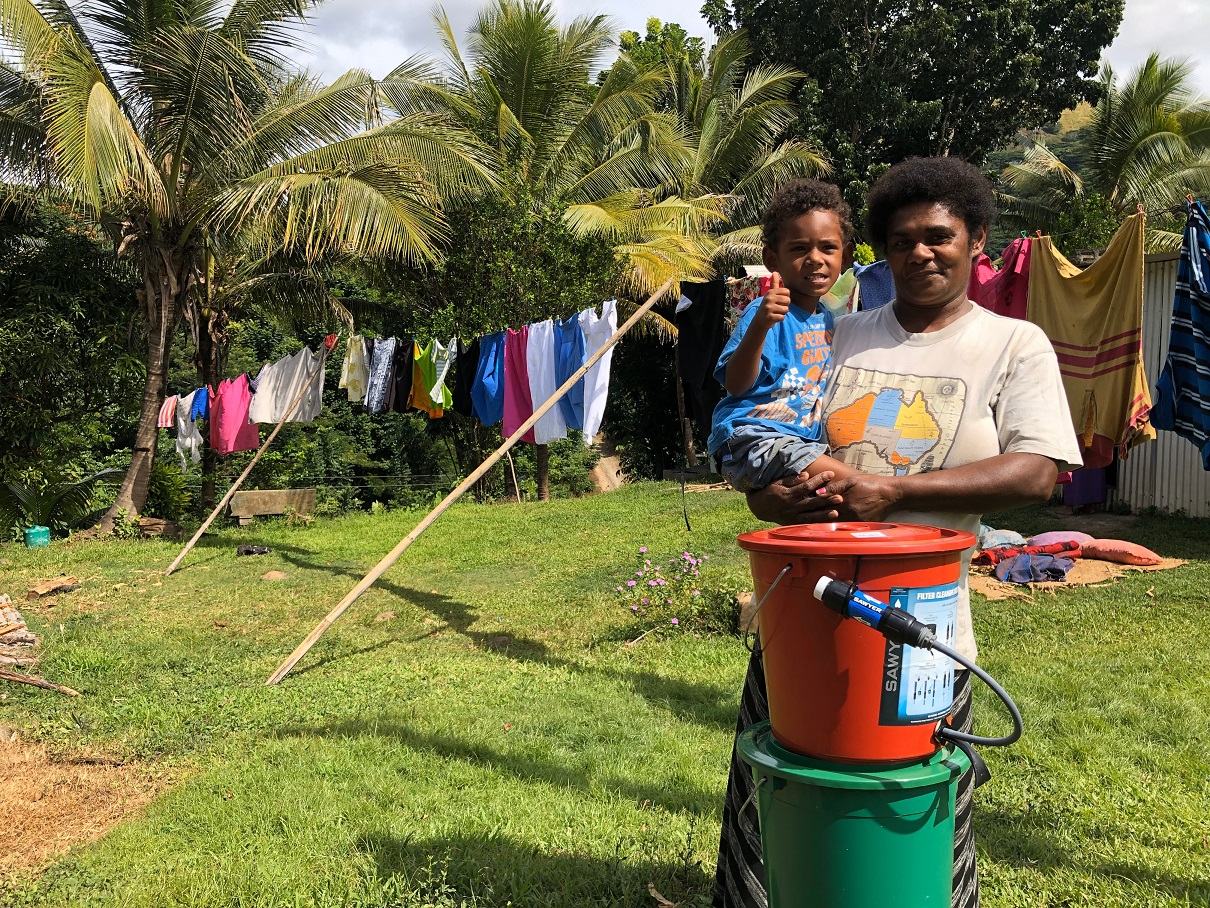
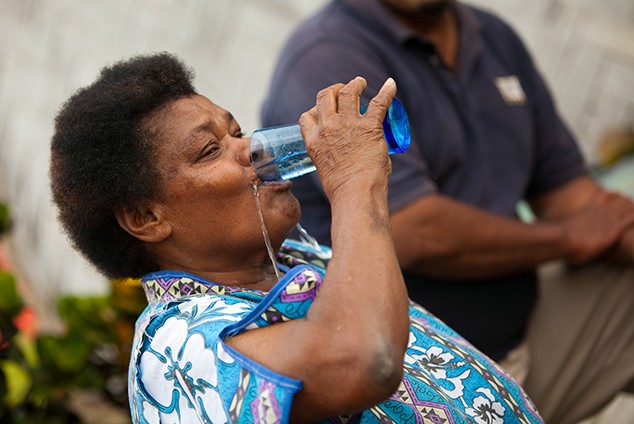
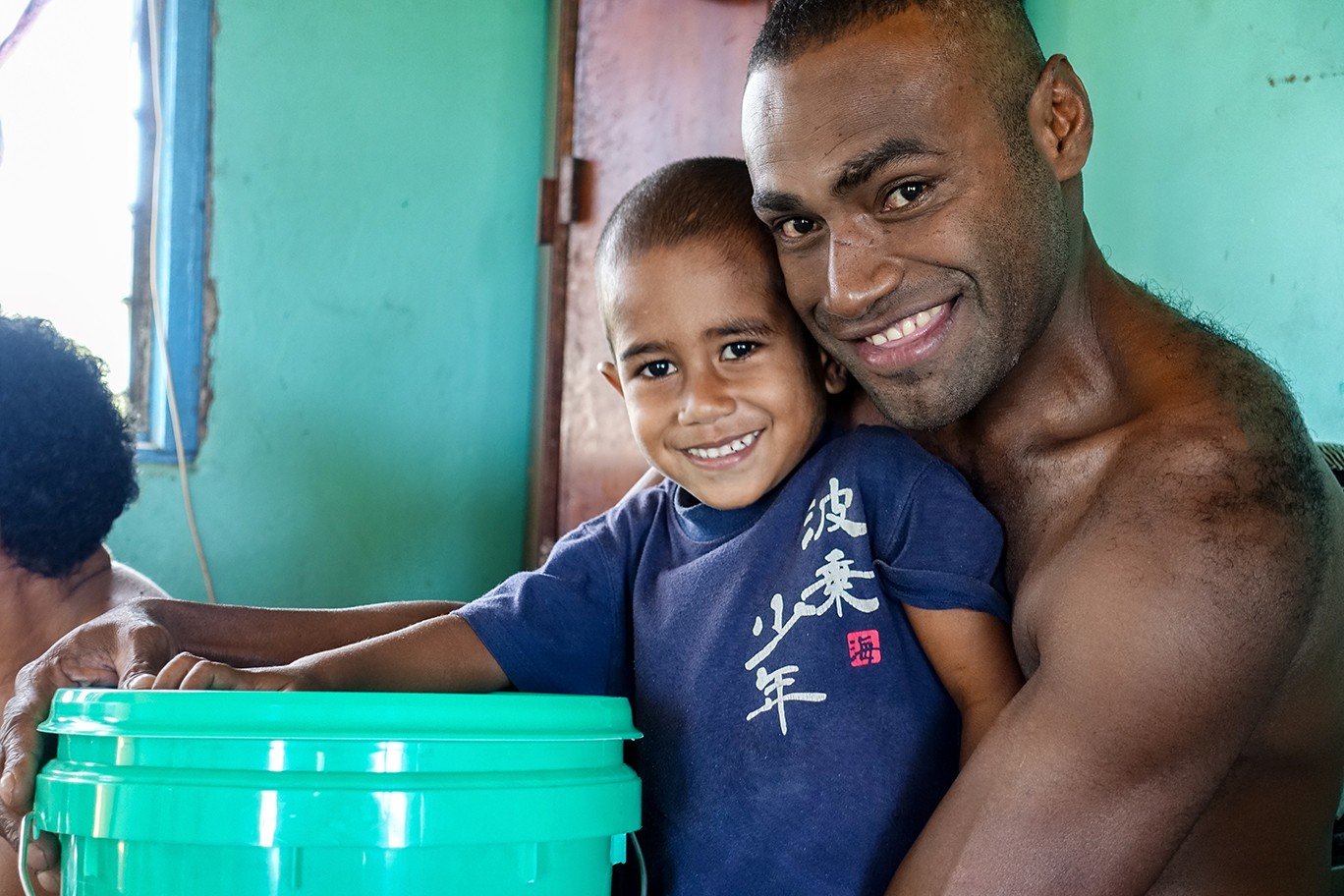
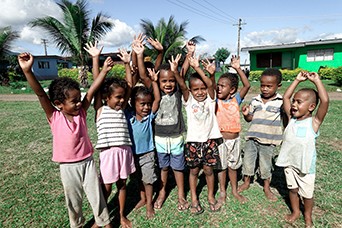
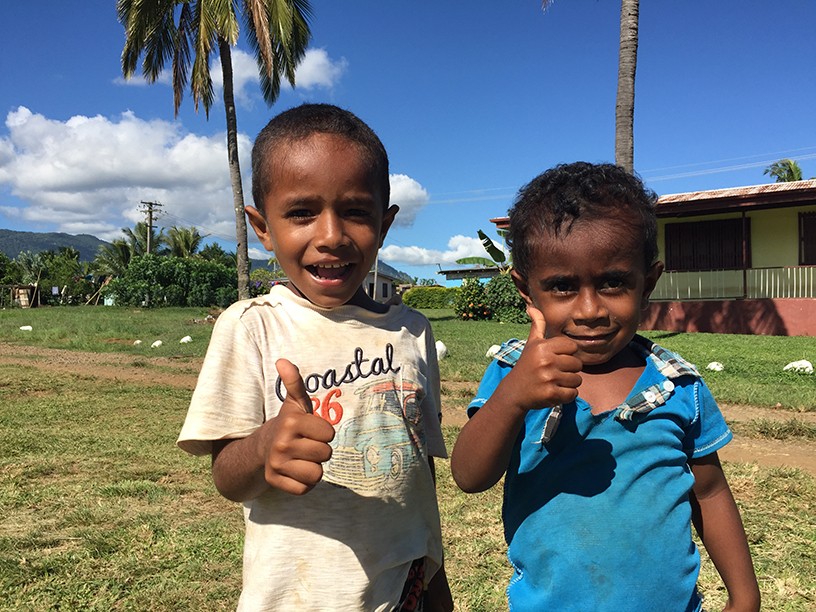
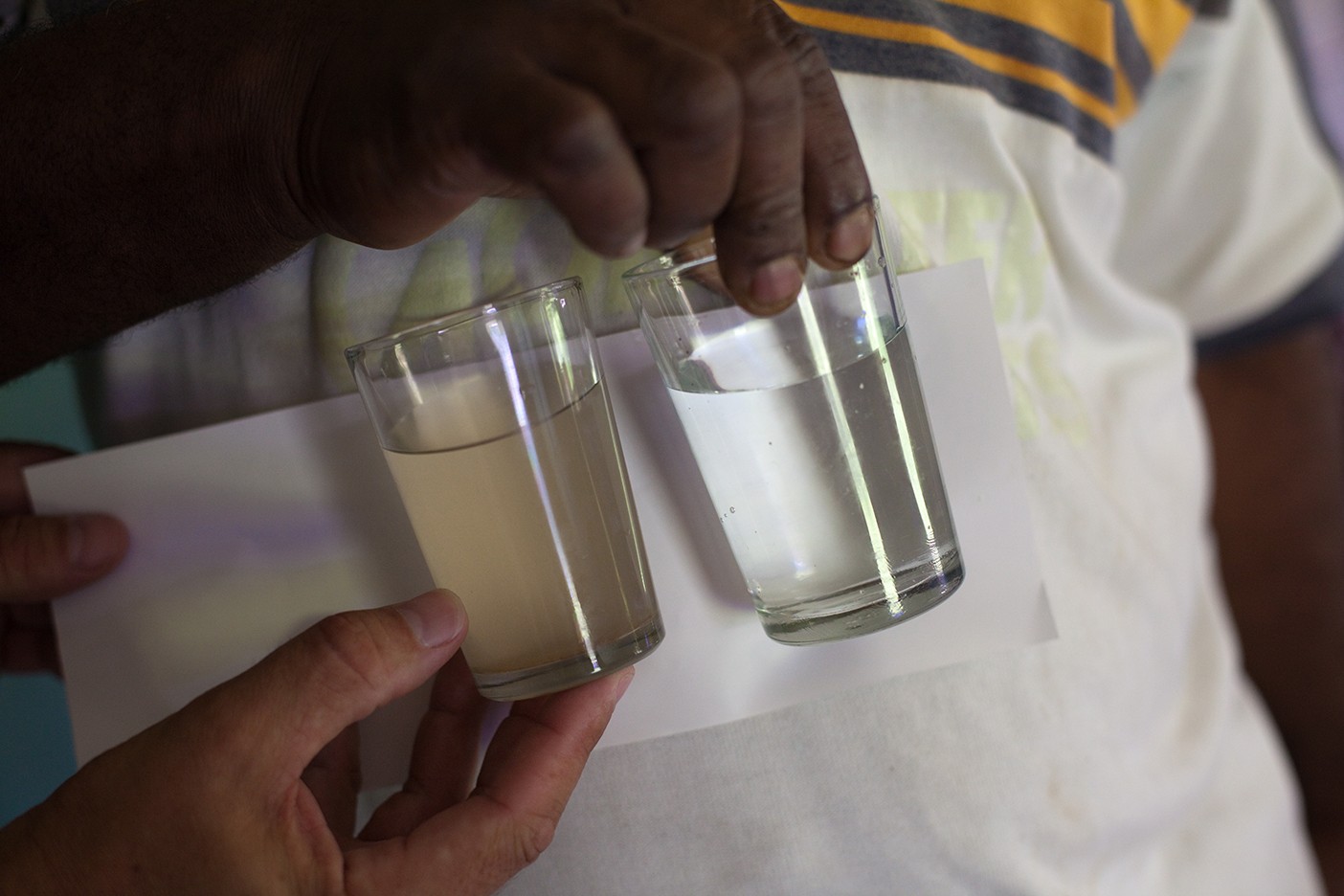
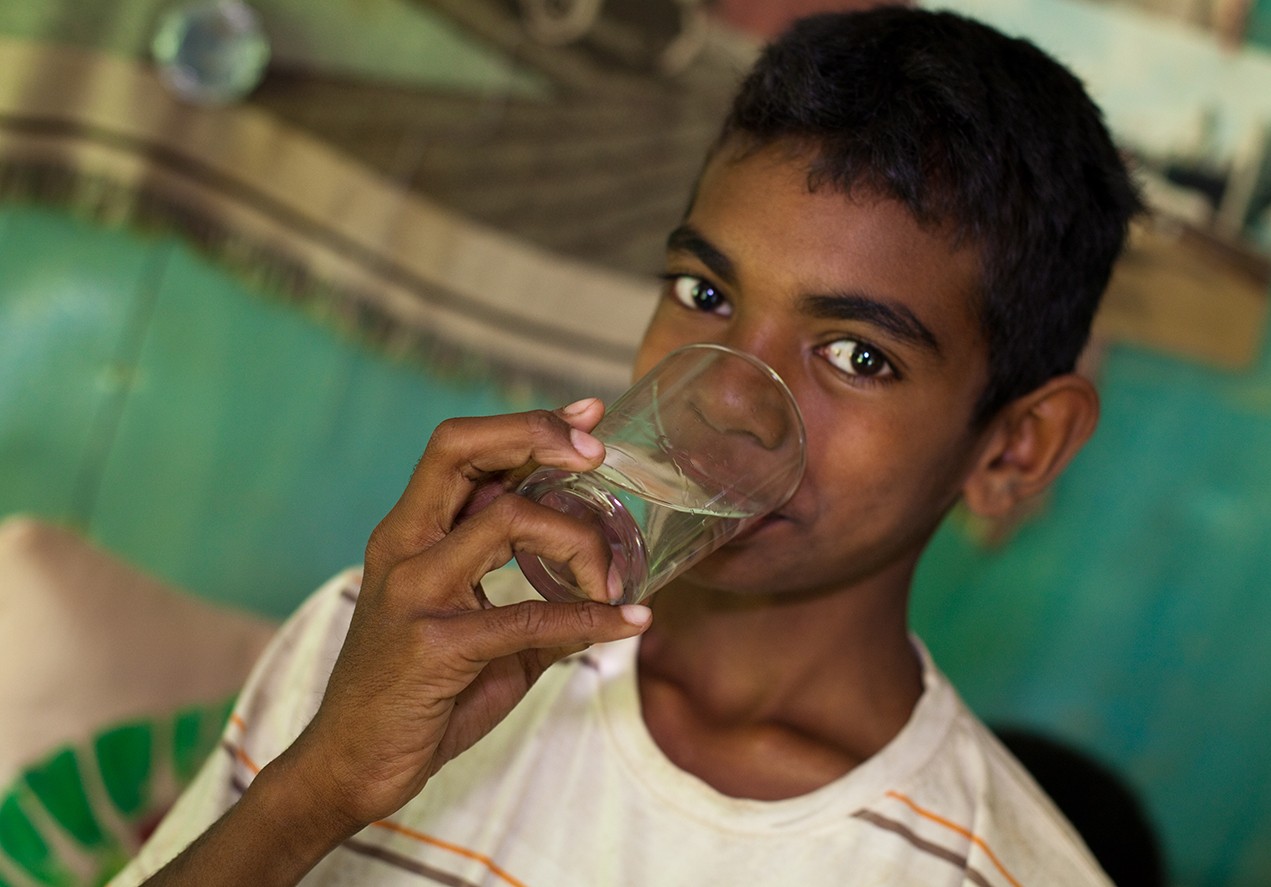
Many organizations install water filters or wells around the world to bring clean water to underserved people groups. They typically do a brief training, take some photos, get some testimonies, and the ride off into the sunset with everyone feeling good. What makes Give Clean Water different is that we’re committed to tracking behavior change, which means we follow up at least 2x with every family that receives a water filter to ensure that they’ve developed the habits of using and cleaning their filters every day. By doing so, the filter systems can last 10 or more years. We are also committed to tracking outcomes, which means we collect before and after data on each family that receives a filter system. We track diarrhea reduction, purchased water savings, medical savings, work days recaptured by adults, and school days recaptured by children. We do this using state-of-the-art GIS (Geographical Information System) software on smart phones and tablets. We’ve documented through University studies that we reduce diarrhea rates by 95%. In Fiji, between purchased water savings, medical savings, and work days recaptured by adults, a family saves $52.96 per month when they receive a water filter system. Data collection and analysis is the X factor that most organizations skip. We call this the “Give Clean Water Way.”
Awesome – so before we get into the rest of our questions, can you briefly introduce yourself to our readers.
I started exploring clean drinking water solutions while working for an NGO that built houses for the poor in Mexico. We began researching different types of Appropriate Technologies and providing low cost clean water solutions was one of them.
Waterborne sickness is the number one killer in the world. Nearly 1 billion people do not have access to a treated water supply. There are many sicknesses that can not be cured. Waterborne sickness is not one of them. We started Give Clean Water by asking the question…”What if you could change the world?” Then we asked “What is you could change a country?” Those questions led us on a journey to bring clean water to entire countries. To date, the Give Clean Water way has helped bring basic access to clean water to the entire country of Liberia, Africa, and we’re on our way to solving several other countries in the next 3 years.
The Give Clean Water Way involves a focus on behavior change for sustainability, and tracking data outcomes with GIS technology. We are committed to showing “what actually changed” in people’s lives as a result of getting clean water. Diarrhea is eliminated, kids go to school more, adults work more days, and people save money each month from not having to purchase drinking water, or spend money on medicine. We are committed to real data driven results.
What’s a lesson you had to unlearn and what’s the backstory?
When we first started to follow up with families in Fiji that received water filter systems, we would ask them how their filters were working. Every single person would tell us their filters were working great! Little did we know that the filters were actually not working great.
We discovered a key thing. People just tell you what you want to hear. Someone finally brought this to our attention so we had to pivot in our follow up approach. We began to ask families if they would actually bring their filter systems out so we could see them demonstrate using the filters, and cleaning the filters. We were shocked by how many people that were using their filters improperly, or not at all. We discovered that just doing an initial training on filter installation day was not enough. We began the process of following up with families after 2 weeks of receiving the filters, and 8 weeks after receiving the filters. We would coach families along the way. We began collecting data so we could analyze the percentage of success and failures in using the filters. As a result of this journey, this process has increased the success rate of filter usage into the high 95+% range.
In the beginning, we had the perception that we were very successful, when in reality we were not. That motivated us to make things better, and ultimately these ideas became Best Practices that are now being used all over the world.
Can you share a story from your journey that illustrates your resilience?
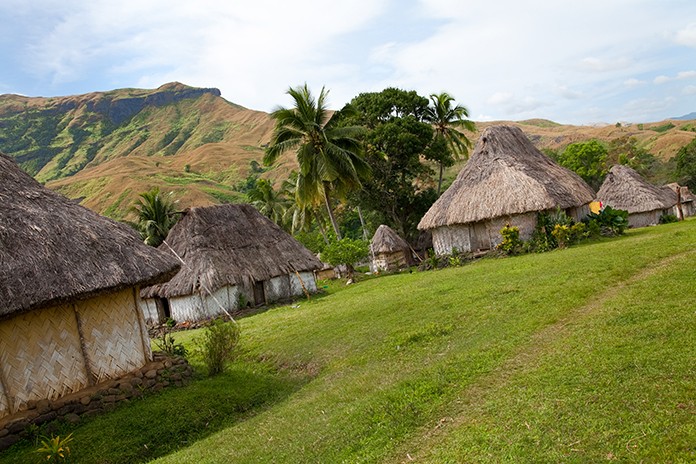
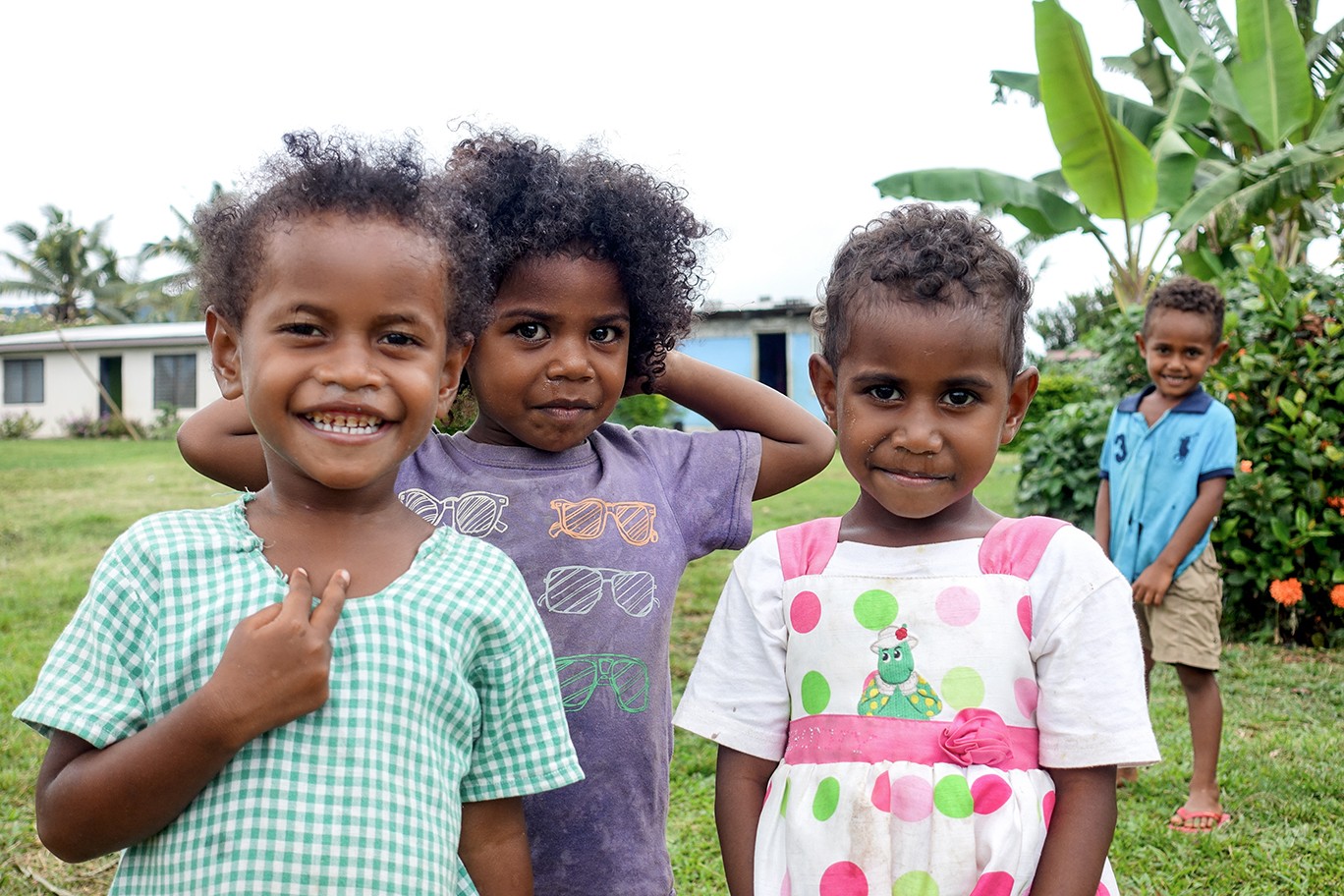
One of the yearly events in Fiji is the threat of cyclones and flooding. The Give Clean Water staff are located in a part of Fiji that is most vulnerable to these conditions. The very first year we worked in Fiji, there was a flood where parts of downtown Nadi were under 14 feet of water. We’ve had to move our warehouse storage area to higher ground on a couple of different occasions in order to ensure that our stock of life-saving water filters were safe. The flash flooding often comes quickly. Torrential rains come down from the mountains and make their way quickly to the coast. If these rains come when there is a peak high tide on the coast, there is no place for the water to escape and so the water pools up in Nadi. Our staff has lost all of their belongings in these floods, they’ve been without electricity for 8 weeks from a bad cyclone, but Fijians are resilient! We always stick together and in short time, our team is right back in the middle of the mission to bring clean water to that country. Many places in the world are just like this. One of the great benefits of providing filters to these places is that families are much better equipped to handle these bad weather events. If a family has a filter system, they will have one of their most important needs in place to get them through these difficult events.
Contact Info:
- Website: www.givecleanwater.org
- Instagram: @givecleanwater
- Facebook: @givecleanwater