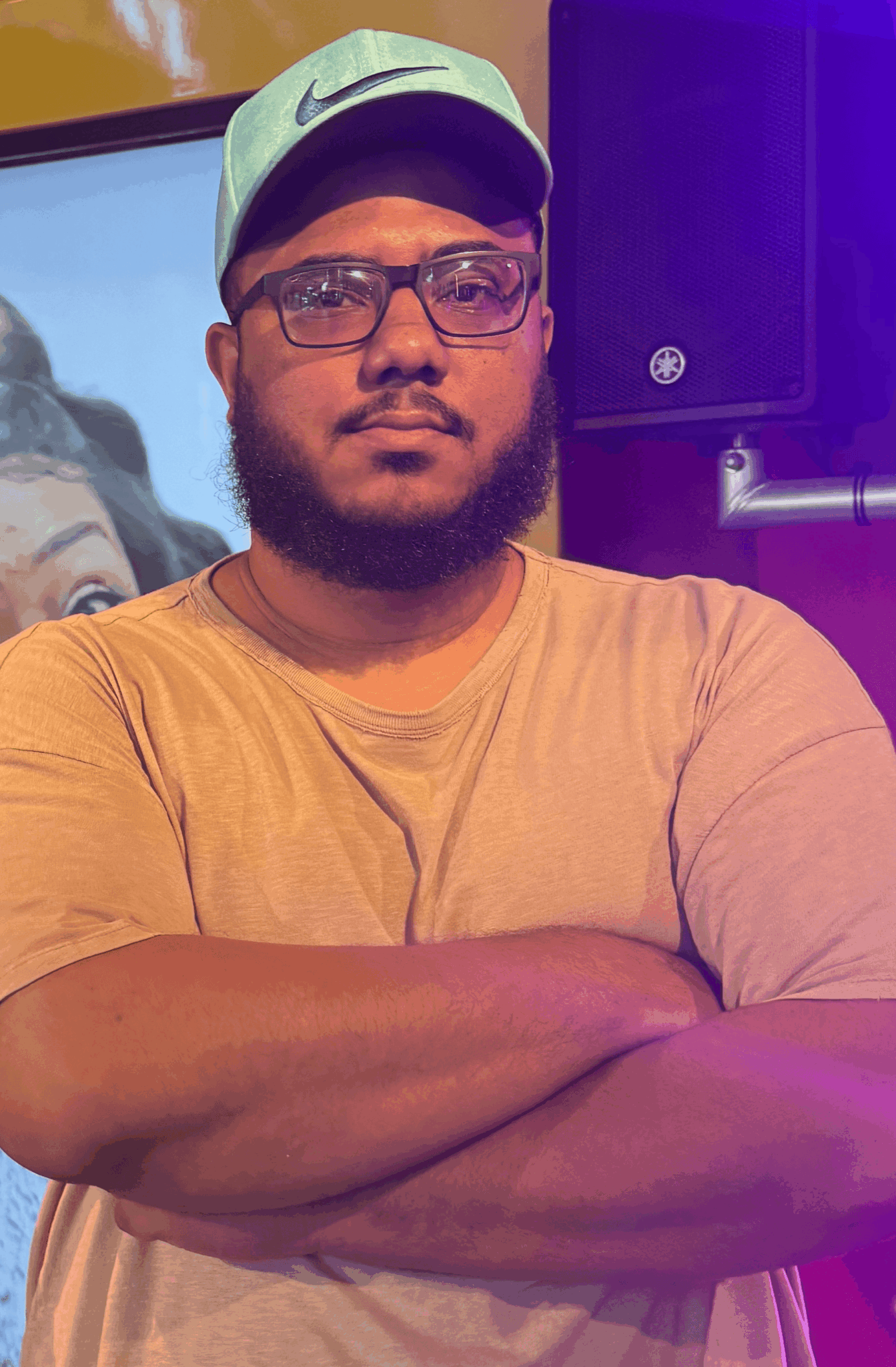

Alright – so today we’ve got the honor of introducing you to Danny Machado. We think you’ll enjoy our conversation, we’ve shared it below.
Danny, appreciate you joining us today. Can you talk to us about how you learned to do what you do?
I had to learn to really respect the craft before I could grow in it. Early on, I realized that filmmaking isn’t something you can rush or fake your way through—it demands time, discipline, and humility. I spent close to two years immersing myself in the learning process: reading every book I could find on directing, screenwriting, cinematography—anything that could help me understand the language of film. I took classes, workshops, and, most importantly, volunteered on as many sets as I could, regardless of the size or scope. I treated every opportunity—no matter how small—as a chance to observe, ask questions, and absorb how professionals worked.

Danny, before we move on to more of these sorts of questions, can you take some time to bring our readers up to speed on you and what you do?
My journey into filmmaking started in one of the most humbling ways possible—standing in the background. I worked as an extra on big productions like Ballers, Burn Notice, and Step Up 4, just observing how the sets functioned, how directors communicated, how crews moved. At the time, I didn’t realize it, but those early days planted the seed. I was drawn not just to the glamour of film but to the orchestration of it—the way everything had to come together to tell a single, cohesive story.
Over the years, that curiosity evolved into a real commitment to the craft. I took close to two years to intentionally study filmmaking—reading, taking classes, and volunteering on any set where I felt I could learn something meaningful. I didn’t want to just make films—I wanted to understand them. I treated that period as an apprenticeship, investing the time to develop both creative instincts and technical skills.
What makes my approach unique is the combination of storytelling with strategy. Before I stepped fully into film production, I spent seven years in sales and business development. That experience taught me how to pitch, how to build relationships, and—most importantly—how to identify the heart of an idea and communicate it effectively. Now, I use those same skills in filmmaking: whether I’m selling a concept, pitching to collaborators, or bringing a script to life, I understand how to bridge the creative and the commercial.
I work primarily in film production—developing projects from concept through delivery. That includes creative direction, producing, and packaging stories that resonate emotionally and have clear value. I’ve worked on narrative projects, branded content, and collaborative shorts. No matter the format, I’m always focused on clarity, intention, and making sure every creative choice supports the core message.
What I’m most proud of is that I didn’t take shortcuts. I respected the process. I started from the bottom, asked questions, stayed curious, and put in the work to grow in both skill and perspective. I’m proud to now be in a position where I can help others bring their stories to life—and do it with both creative integrity and business sense.
For anyone encountering my work for the first time, I want them to know: I’m here to tell real stories. I value collaboration, clarity, and emotional truth. And I believe in building work that not only looks good, but moves people—whether it’s a 30-second spot or a full-length feature.
What do you find most rewarding about being a creative?
For me, the most rewarding aspect of being a creative is the ability to bring imagination to life and tell stories that truly move people. There’s something incredibly powerful about starting with an idea—just a spark—and turning it into a visual, emotional experience that connects with others on a deep level.
Storytelling is how we make sense of the world, how we connect across experiences, and how we remember what matters. Being able to shape those moments on screen, to translate emotion into something visual and lasting—that’s the magic of this work. When someone watches something I’ve helped create and says, “That made me feel something,” I know I’ve done my job.
It’s also incredibly fulfilling to see how a concept evolves—from a rough idea to a script, from a shoot day full of moving parts to the final cut with sound and color locked in. That process—transforming imagination into reality—isn’t easy, but it’s where the joy is. That’s what keeps me coming back: the chance to create something meaningful, collaborative, and unforgettable.
Have you ever had to pivot?
In both film and business, it’s crucial to stay nimble and adaptable. No matter how much you plan, things will go wrong—that’s just the nature of production. Locations fall through, weather changes, gear malfunctions, schedules shift. The real test is how you respond in those moments.
For me, those challenges are both the most difficult and the most rewarding. It’s in the chaos, the problem-solving, and the pivoting that you really see what your team is made of. When everyone stays calm, focused, and committed to the vision—even when things are falling apart—that’s when the magic happens.
Some of my most fulfilling moments have come not when everything went perfectly, but when we had to push through together and still delivered something meaningful. That resilience is a huge part of what I bring to my work. I don’t just prepare for things to go right—I prepare for the unexpected, and I lead with a mindset of finding solutions, not excuses.
It’s that mix of creativity and perseverance that makes filmmaking such a unique and powerful craft. You’re constantly being tested—but when you come out the other side with something you’re proud of, it’s incredibly rewarding.
Contact Info:
- Website: https://www.machadofilm.com/
- Instagram: @machadofilm
- Linkedin: https://www.linkedin.com/in/machadodanny/