

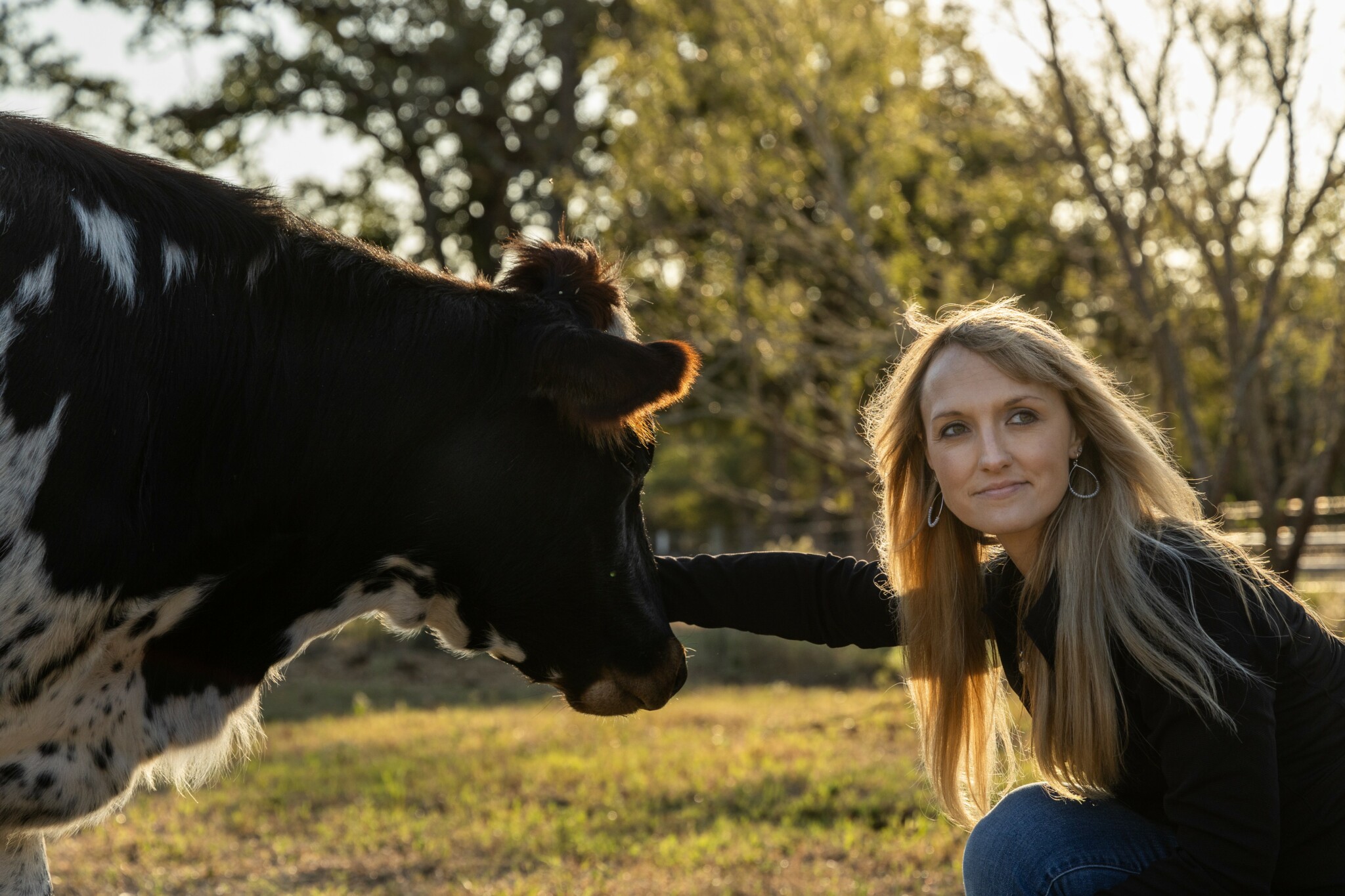

We caught up with the brilliant and insightful Danielle Hanosh a few weeks ago and have shared our conversation below.
Hi Danielle, thanks for joining us today. Coming up with the idea is so exciting, but then comes the hard part – executing. Too often the media ignores the execution part and goes from idea to success, skipping over the nitty, gritty details of executing in the early days. We think that’s a disservice both to the entrepreneurs who built something amazing as well as the public who isn’t getting a realistic picture of what it takes to succeed. So, we’d really appreciate if you could open up about your execution story – how did you go from idea to execution?
The process of going from idea to execution with LEAP happened over the course of several years. In 2017 the idea for a humane education program for teenagers began taking shape at my sanctuary, Blackberry Creek, in Northern California. We had recently helped a young woman named Audori who was in FFA (Future Farmers of America) rescue her beloved pig, Sebastian, from slaughter. While interviewing her and several other FFA students, we learned there were no alternative programs that students could participate in that offered a way to learn about and work hands-on with animals without having to send them to auction for breeding or slaughter at the end. At the sanctuary, we wanted to incorporate lessons covering not only animal care, but leadership, plant-based nutrition, wildlife conservation, climate change, and the intersection of human and animal rights. We created a local program and ran it at Blackberry Creek for three years, before we were approached by two other sanctuaries who wanted to learn how to host the program at their locations. After some discussion, we decided to partner together, expanding the original program to include more formalized classroom curriculum and a greater variety of hands-on workshops and streamlining operations to create an entirely new nonprofit called LEAP (Leaders for Ethics, Animals, and the Planet) that could reach students all over the country.
After obtaining nonprofit status and running LEAP at six sanctuaries in Northern California, we received our first large financial contribution from an anonymous donor interested in supporting our mission. This was critical in allowing us to expand nationwide. The program is still growing at a steady pace, and we have focused on expanding in a fiscally responsible and sustainable way. As donors and community partners step up to support us, we are able to continue to create curriculum, build hands-on workshops, and offer incredible opportunities for a wider variety of ages and at many more locations around the nation. We recently launched our LEAP Kids 6th-8th grade pilot program in California, Washington, Massachusetts, and Texas and will be offering an after-school program for Kindergarten – 5th grade students over the course of the next school year as well.
Awesome – so before we get into the rest of our questions, can you briefly introduce yourself to our readers.
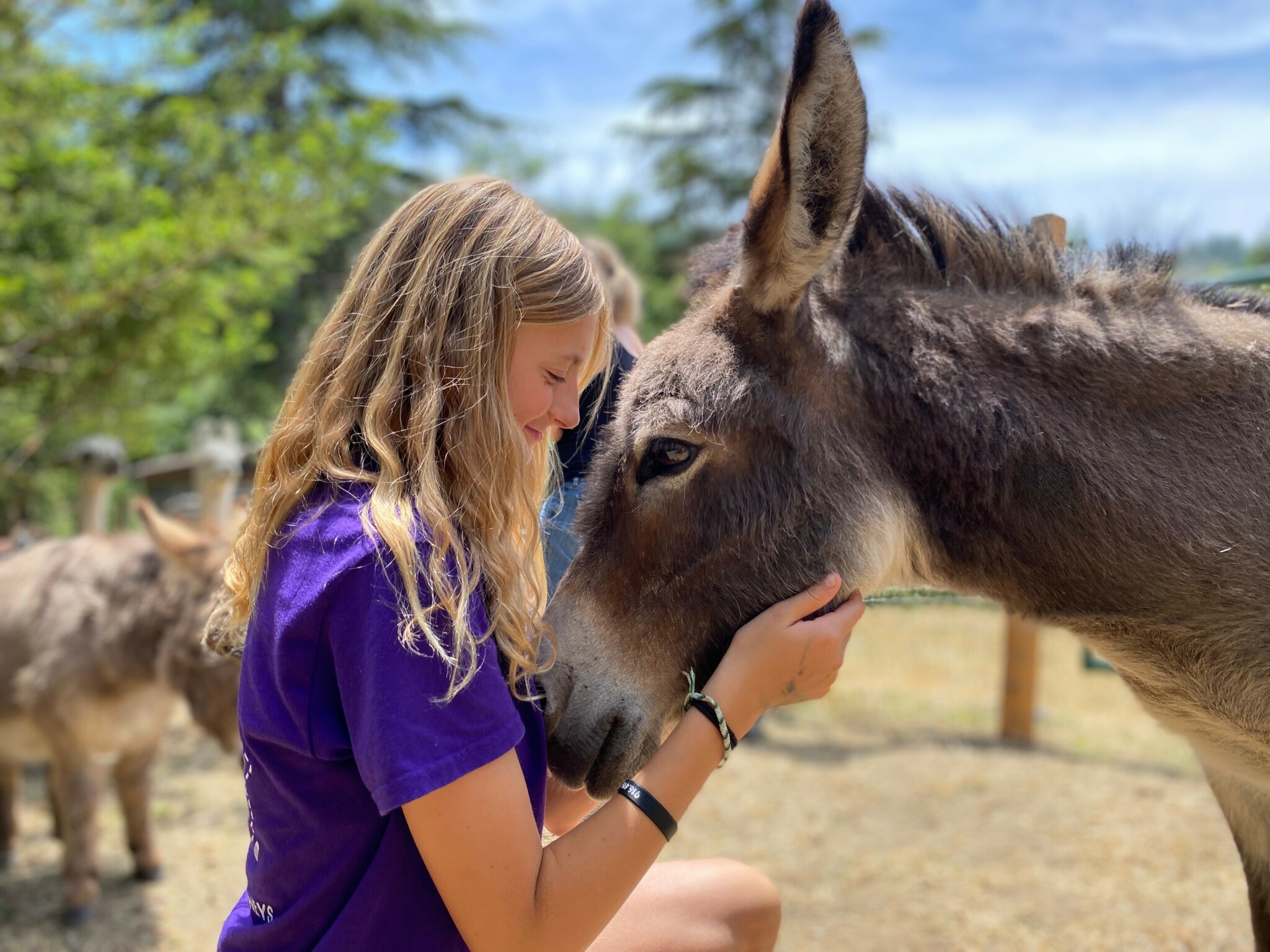
As a longtime classroom teacher and founder of a farmed animal sanctuary, for years I felt there was a natural connection between the two. I noticed that so many students wanted to work with animals and advocate for others, and yet, all too often, their empathy and compassion were quickly extinguished by society as they grew up. For years I educated children and families with tours and events at my farm sanctuary, Blackberry Creek, and also published several children’s books about animals with messages of hope and compassion.
With regard to my work at LEAP, I am most proud of helping young people see through the veil of tradition, culture, and societal norms in order to form their own experienced-based opinions and spark their own empathy toward others. The ultimate goal is that students learn how to see animals as sentient individuals rather than as the commodities that society believes them to be (ie: food, pets, entertainment, testing, fur/leather, etc.) and to create their own personal code of ethics. I also feel it’s essential to enhance young people’s emotional and physical wellbeing by having them spend time outdoors in nature, understand the balance of ecosystems, and hone the leadership skills they need to advocate for themselves and others, both human and animal, throughout their lifetimes.
Have you ever had to pivot?
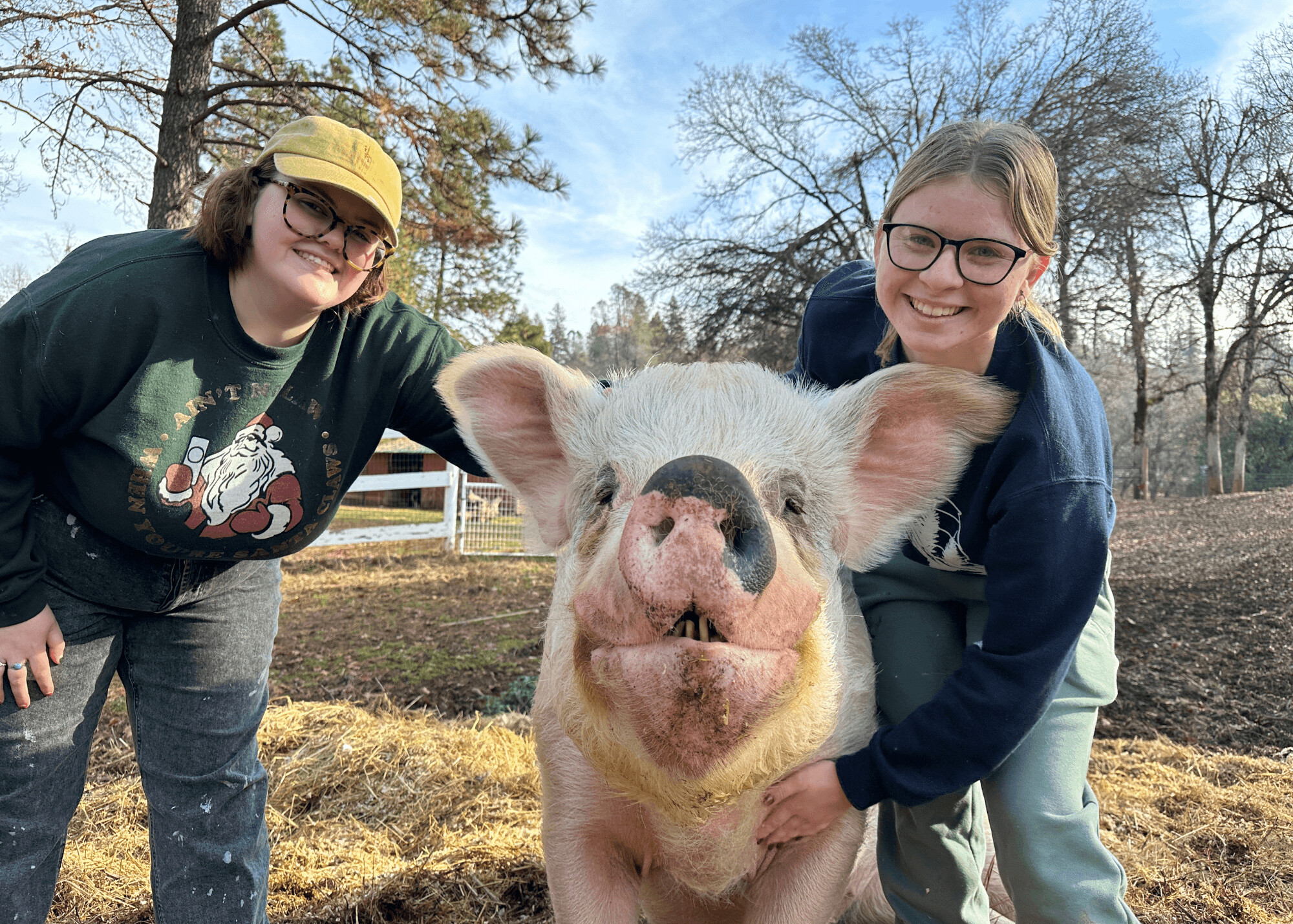
The past few years have been full of significant pivots, but with uncertainty and fear comes greater opportunity for creativity and bravery. In 2020 I knew I needed to change careers and move from teaching to full-time nonprofit animal work. As much as I loved my students, I knew I was not fulfilling the purpose that truly lit a fire in my soul, which was animal rescue and advocacy.
I ran my farm sanctuary full-time for two years and continued rescuing and rehabilitating animals while laying the foundation for LEAP by partnering with other sanctuaries, seeking donors, and writing the curriculum on a volunteer basis. I took a significant pay cut, but there is no doubt in my mind, it was the right choice; my personal happiness and fulfillment increased tenfold. In January of 2023 I was offered the position of Executive Director of LEAP which was serendipitous in its timing as I was going through challenges in my personal life that required pivots as well.
This significant period of time, both personally and professionally, was more challenging than anything I’d ever experienced, and though it tested my resilience and flexibility in ways that I never would have expected, it also allowed me to learn, grow, and flourish as an individual and develop even more empathy for others, both human and non-human alike.
Have any books or other resources had a big impact on you?
There’s an excellent lecture called “What Do You Desire?” by philosopher Alan Watts that discusses the conundrum many people face when choosing how to spend their lives. There are very real challenges caused by the inherent structure of our society that seemingly force us to choose between a life and career that is purpose-driven or one that will create financial stability. Watts encourages people to truly chase after their passions and to never sacrifice joy and purpose for the security that is often accompanied by mediocrity and misery. This lecture has been instrumental in guiding my own life choices, and I hope to help young people channel their own inner creativity, passions, talents, and skills into careers that truly make their lives worthwhile. Pursuits that simultaneously help others and bring personal satisfaction naturally spark joy, gratitude, and a deep sense of wellbeing.
The lecture for reference:
“What do you desire? What makes you itch? What sort of a situation would you like?
Let’s suppose… I do this often in vocational guidance of students. They come to me and say, “Well, we’re getting out of college and we have the faintest idea of what we want to do.” So I always ask the question, ‘What would you like to do if money were no object? How would you really enjoy spending your life?’
Well it’s so amazing as a result of our kind of educational system crowds of students say, ‘Well, we’d like to be painters, we’d like to be poets, we’d like to be writers, but as everybody knows, you can’t earn any money that way.’ Another person says, ‘I’d like to live an out of doors life and ride horses.’
I say, ‘Do you want to teach at a riding school? Let’s go through with it, what do you want to do?’
When we finally got down to something which the individual says he really wants to do, I will say to him, “You do that and forget the money.’
Because if you say that getting the money is the most important thing, you will spend your life completely wasting your time. You’ll be doing things you don’t like doing in order to go on living that is to go on doing things you don’t like doing, which is stupid.
Better to have a short life that is full of what you like doing, than a long life, spent in a miserable way.
And after all, if you do really like what you’re doing, it doesn’t matter what it is, you can eventually become a master of it. The only way to become a master of something is to be really with it. And then you’ll be able to get a good fee for whatever it is. So don’t worry too much; somebody’s interested in everything. And anything you can be interested in, you’ll find others who are.
But it’s absolutely stupid to spend your time doing things you don’t like in order to go on doing things you don’t like and to teach your children to follow in the same track. See what we’re doing is we’re bringing up children, educating them, to live the same sort of lives we’re living in order that they may justify themselves and find satisfaction in life by bringing up their children to bring up their children to do the same thing. So it’s all retch and no vomit, it never gets there.
And so, therefore, it’s so important to consider this question:
What do I desire?”
Contact Info:
- Website: www.leapforanimals.org and www.blackberrycreek.org
- Instagram: @leapforanimals and @blackberrycreek
- Facebook: https://www.facebook.com/leap4animals and https://www.facebook.com/BlackberryCreekSanctuary/
- Linkedin: https://www.linkedin.com/in/danielle-hanosh
- Youtube: @leapforanimals and @blackberrycreek
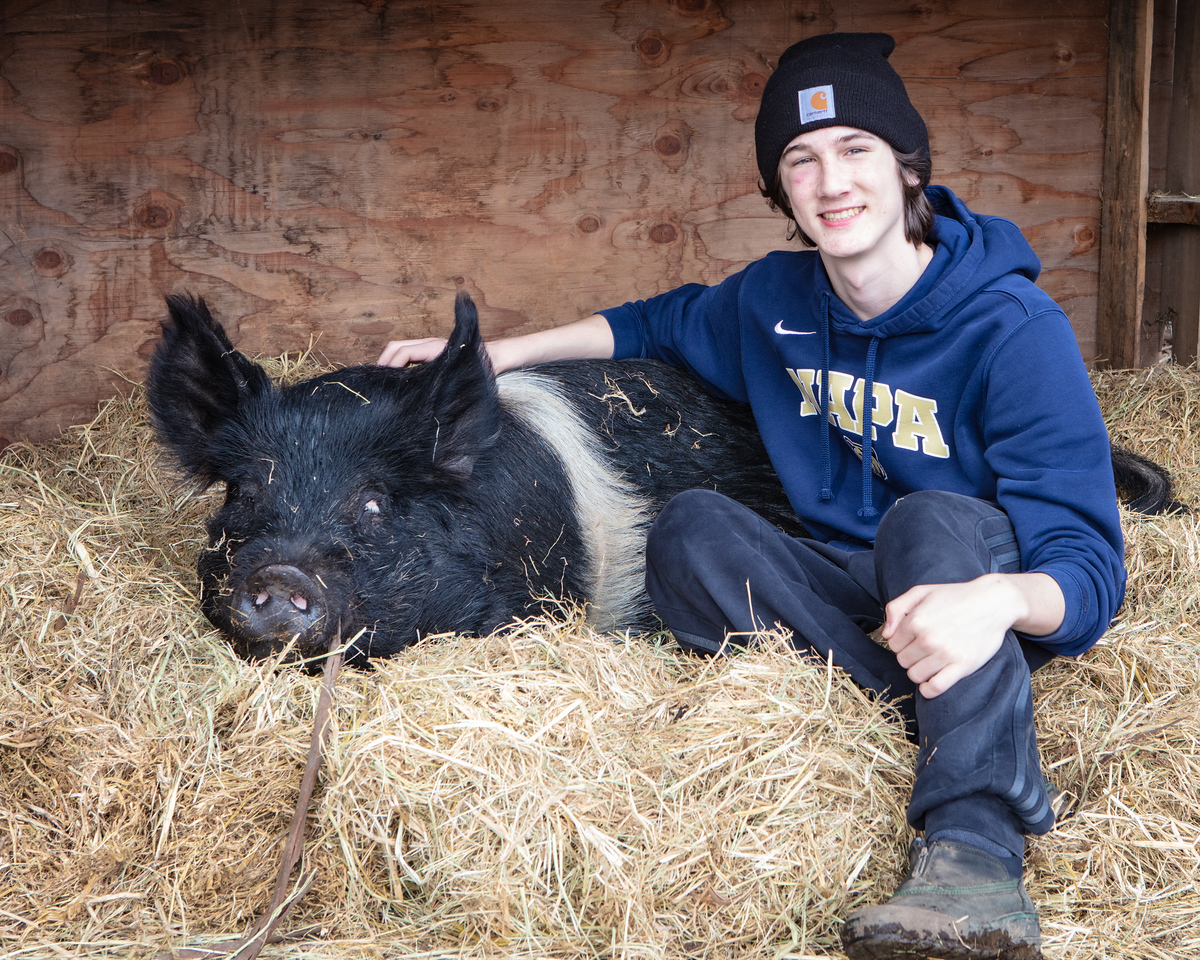
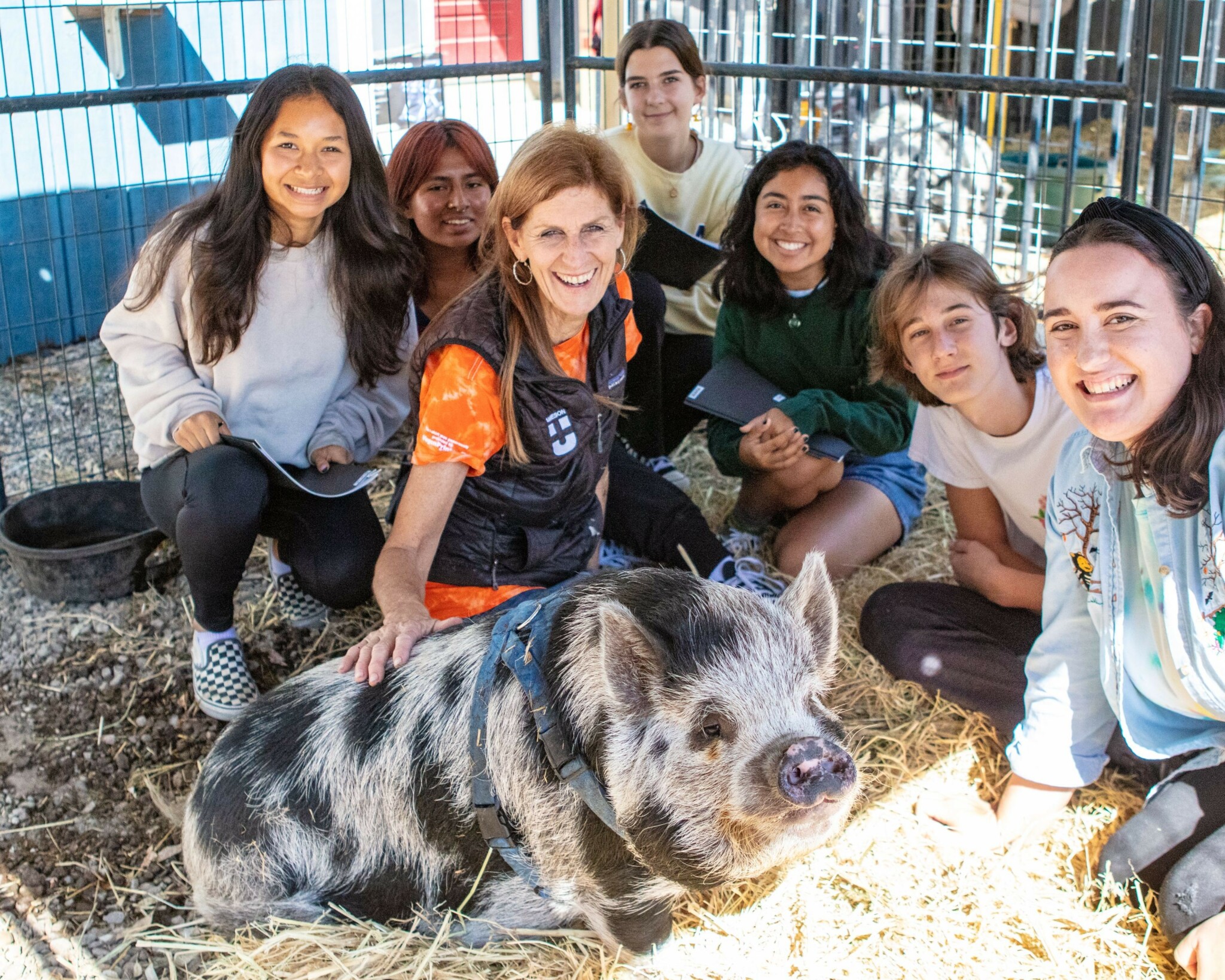
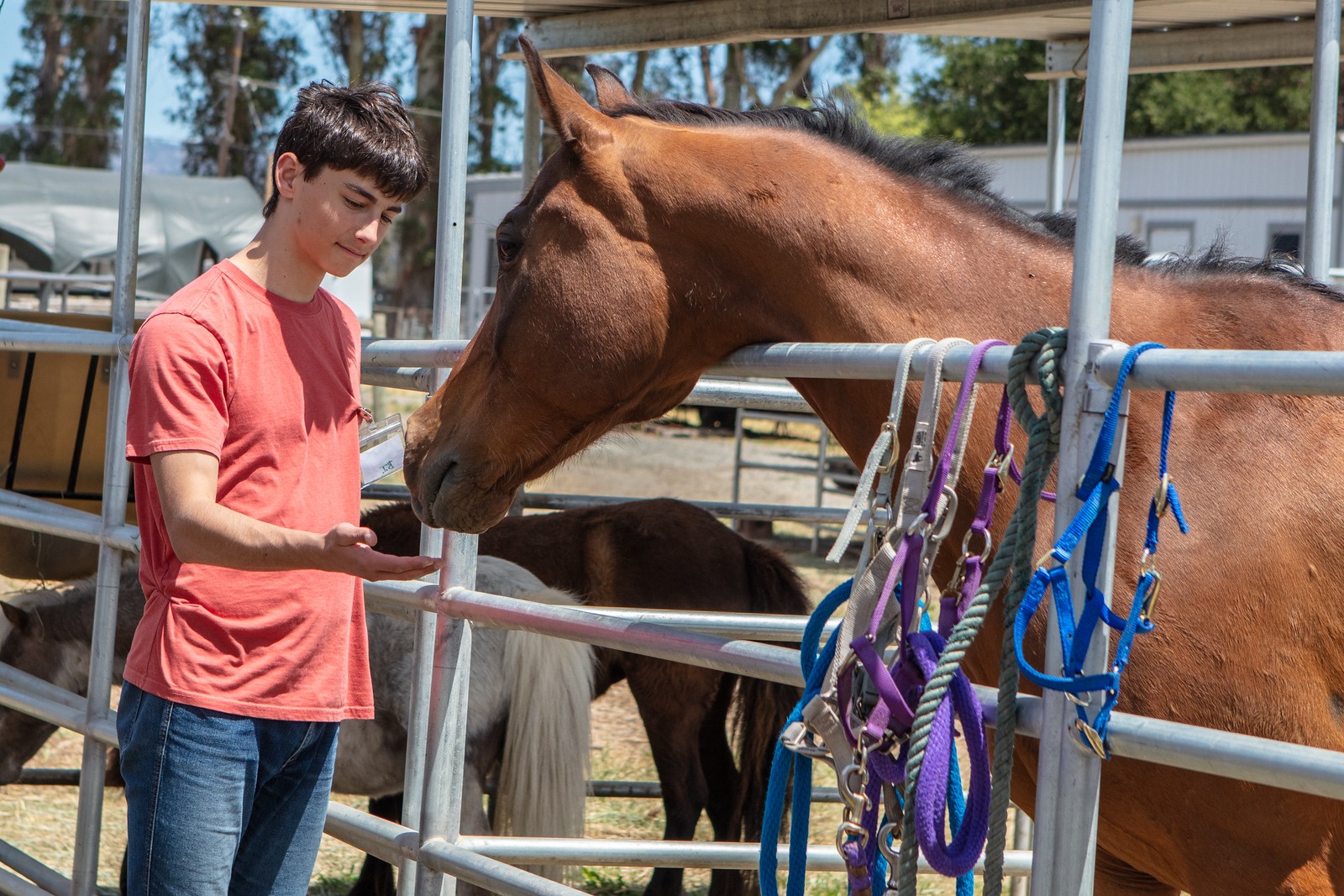
Image Credits
Molly Condit, Sally Seymour, Austin Farm Sanctuary, Danielle Hanosh, Catskill Sanctuary