

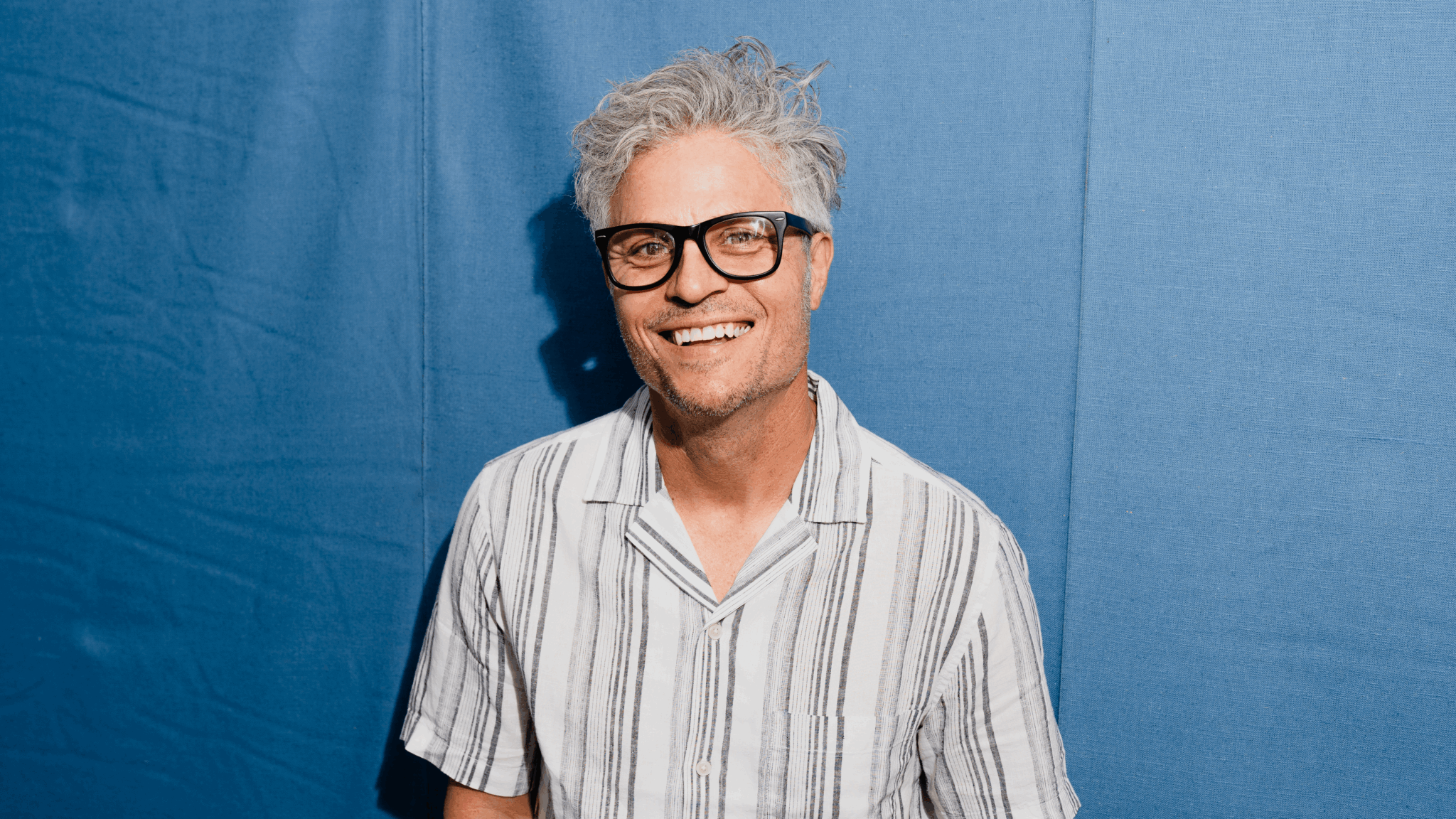

Alright – so today we’ve got the honor of introducing you to Daniel Perkins. We think you’ll enjoy our conversation, we’ve shared it below.
Daniel , thanks for joining us, excited to have you contributing your stories and insights. So, naming is such a challenge. How did you come up with the name of your brand?
I came up with the name of my company years ago when I moved out of my Long Beach apartment to sleep on my friend’s couch so I could use my rent money to buy my first sewing machine. That and that most of our straps are made of upholstery fabric used to make car seats and couches.
Great, appreciate you sharing that with us. Before we ask you to share more of your insights, can you take a moment to introduce yourself and how you got to where you are today to our readers.
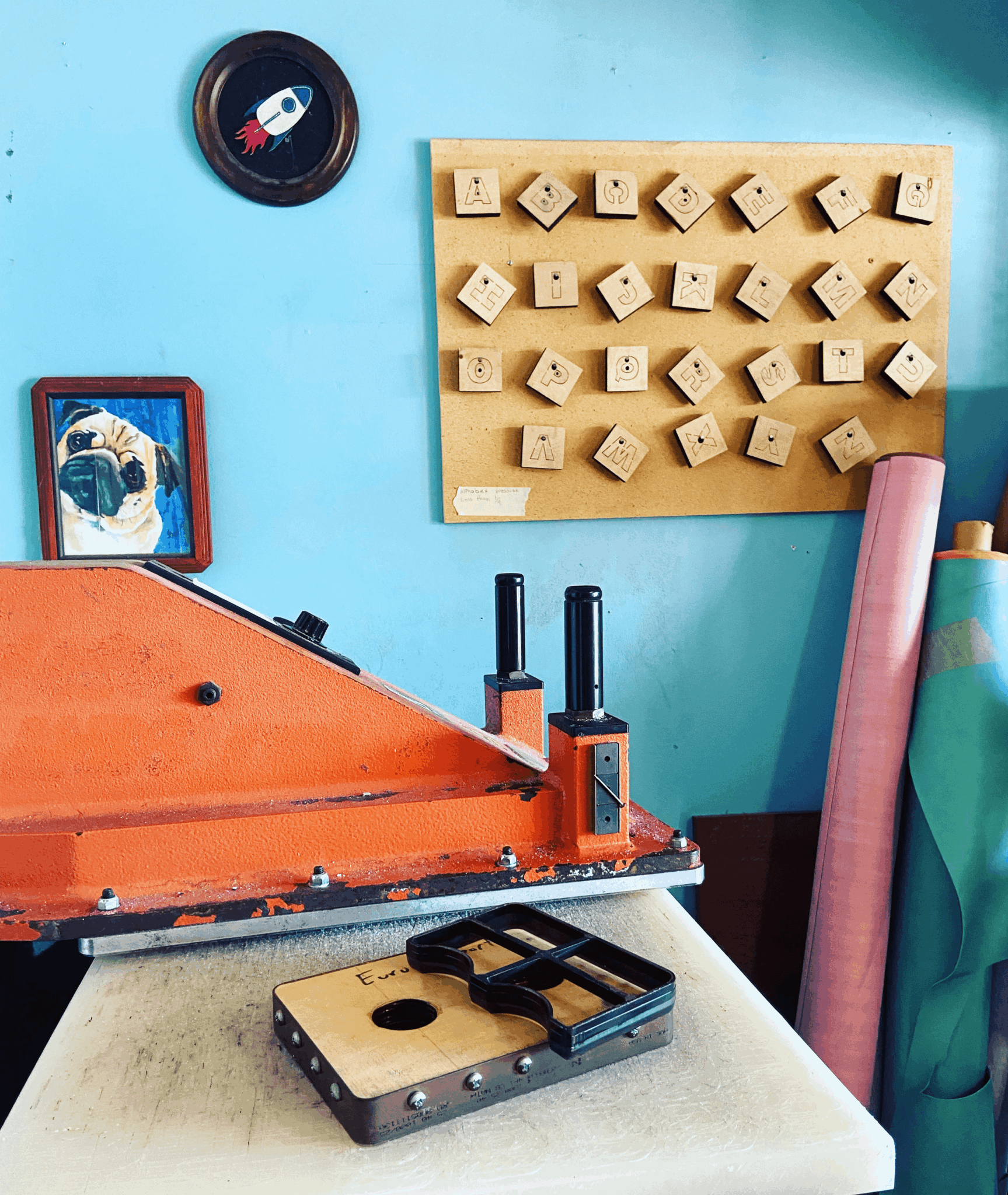
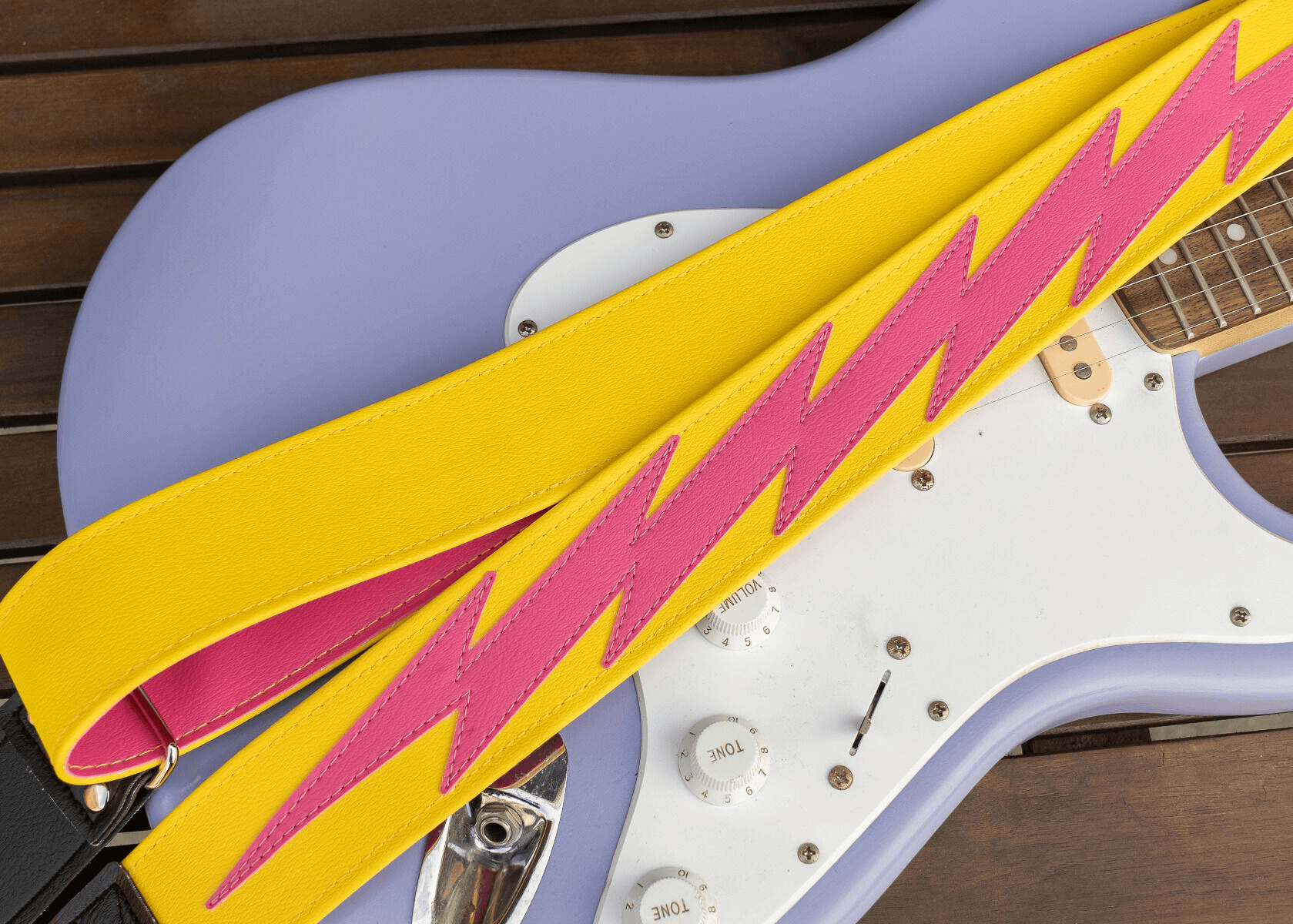
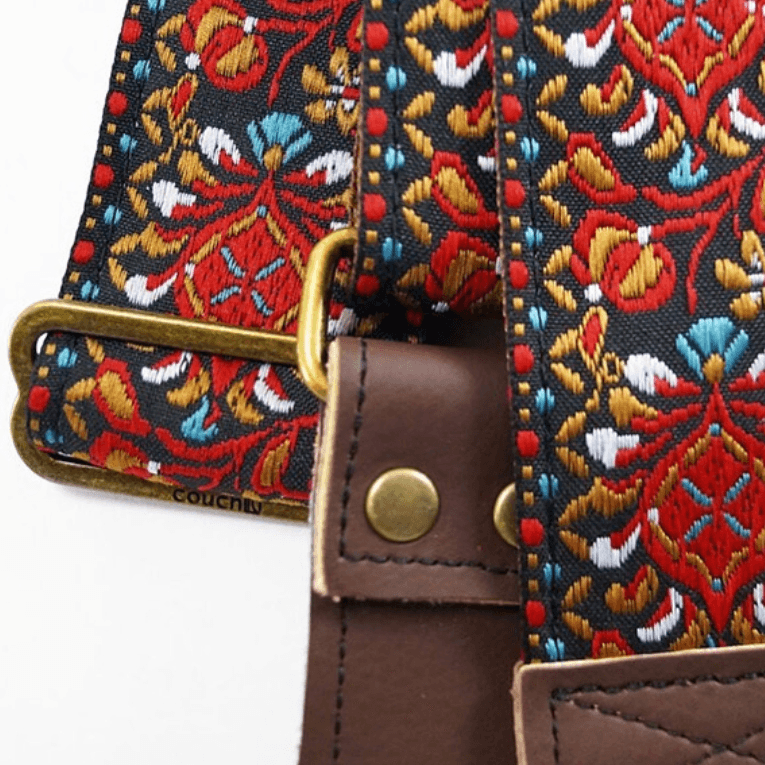
I am a lifelong songwriter and musician. I started Couch way back in 1999 when I got my first Fender Telecaster and wanted what I thought was a good looking, well made, guitar strap. But by my own subjective standards, I couldn’t find one and thus the idea was born to start making my own. I wasn’t a fashion designer and didn’t have an industrial design background, just an idea to figure out how to make a few cool guitar straps and sell them to my friends and on ebay. I discovered automotive upholstery shops and decided to use what they had as my material constraints for a design concept: use automotive and upholstery vinyl and make cool looking vegan guitar straps. I discovered the patterns and color ways I liked most turned out to be vintage and often associated with specific cars like 80’s Mercedes and 70’s Volkswagens and I started leaning heavily into making and collecting vintage vinyl and making straps out of these especially. This was before the word “upcycled” was in the zeitgeist. Simultaneously some of my friends that were in bands started taking day jobs here, and we figured out over several years how to make what we’ve always intended to be and believe are the world’s best guitar straps. We’d constantly test new machines, methods and looks- and carry them to the stage that night in our own projects, as well as share them with friends and customers and get great feedback. Suddenly it was 10 years later and we found ourselves making vintage, upcycled, vegan guitar straps handmade in the USA and we were super busy doing it. It wasn’t of conscious decision, more of a process that lead to our ultimate identity and niche. We now ship over 20,000 guitar straps a year, most one at a time directly to our customers, from our Long Beach, California design studio and we’re blown away that some of our favorite artists like Albert Hammond Jr. of The Strokes, Chrissie Hynde of The Pretenders, Finneas of Billie Eilish and comedian Fred Armisen have been seen wearing our straps. It’s been kind of a crazy ride as I’m really still a musician who performs several nights a week and we joke that when it comes to sewing we “have no idea what we’re doing”- although that’s far from true as over a couple decades we’ve gotten pretty skilled in sewing, crafting and designing and we’ve built an amazing space to do so.
Alright – let’s talk about marketing or sales – do you have any fun stories about a risk you’ve taken or something else exciting on the sales and marketing side?
When we first were getting started, and could barely pay our bills, Guitar Center’s online platform wanted to sell our straps. It was huge! We made our first bulk shipment to them, but later to my dismay, when I Googled “Couch Guitar Straps”, instead of seeing our website I saw a bunch of their website’s listings for our products. I realized they out-SEO’d us and would be driving interest our brand to their site and they’d be eating up our direct connection with our customers.
It was scary, but I let them know we’d be pulling our straps off their site and from that point on I decided Couch would be the exclusive on line distributor of our products.
Our focus would from then on be in direct-to-customer sales and relationships. This was before really Amazon and online purchasing was a force in any way and retail was still the main way people shopped. I had no idea how much this would impact us as we got out of the wholesale market largely and built direct to customer relationships that set the stage for our success. With no middle man we could sell direct to them at a better price, and keep more of the money doing it thereby being able to afford making our product here in the US. We have over 70,000 emails of happy customers too that we stay in contact with. Most importantly, we feel really connected to our customers. As one of our sayings goes “from factory floor to your door”.
Can you talk to us about how your funded your business?
There was never a large capital infusion. For the first then years it was a cobble-together method: a few hundred bucks at a time, using my rent money on buying a sewing machine, and renting out the back rooms in our first space to bands for music rehearsal to pay the rent. The first big investment happened when I purchased a $15,000 sewing machine on my credit card when I could barely buy groceries. That was the turning point, but it took all the other years of learning to know where and when to first start investing larger amounts of capital. From then on we’ve had enough sales to constantly reinvest so we’ve never had debt or investors to deal with. I guess our method was to slowly work for about 10 years and learn instead of stuffing a bunch of money out in front of something we didn’t understand at the the time.
Contact Info:
- Website: https://www.couchguitarstraps.com/
- Instagram: @couch_guitar_straps
- Facebook: https://www.facebook.com/couchguitarstraps
- Youtube: @couchguitarstraps
- Other: my own music is on Spotify by searching Daniel G Perkins

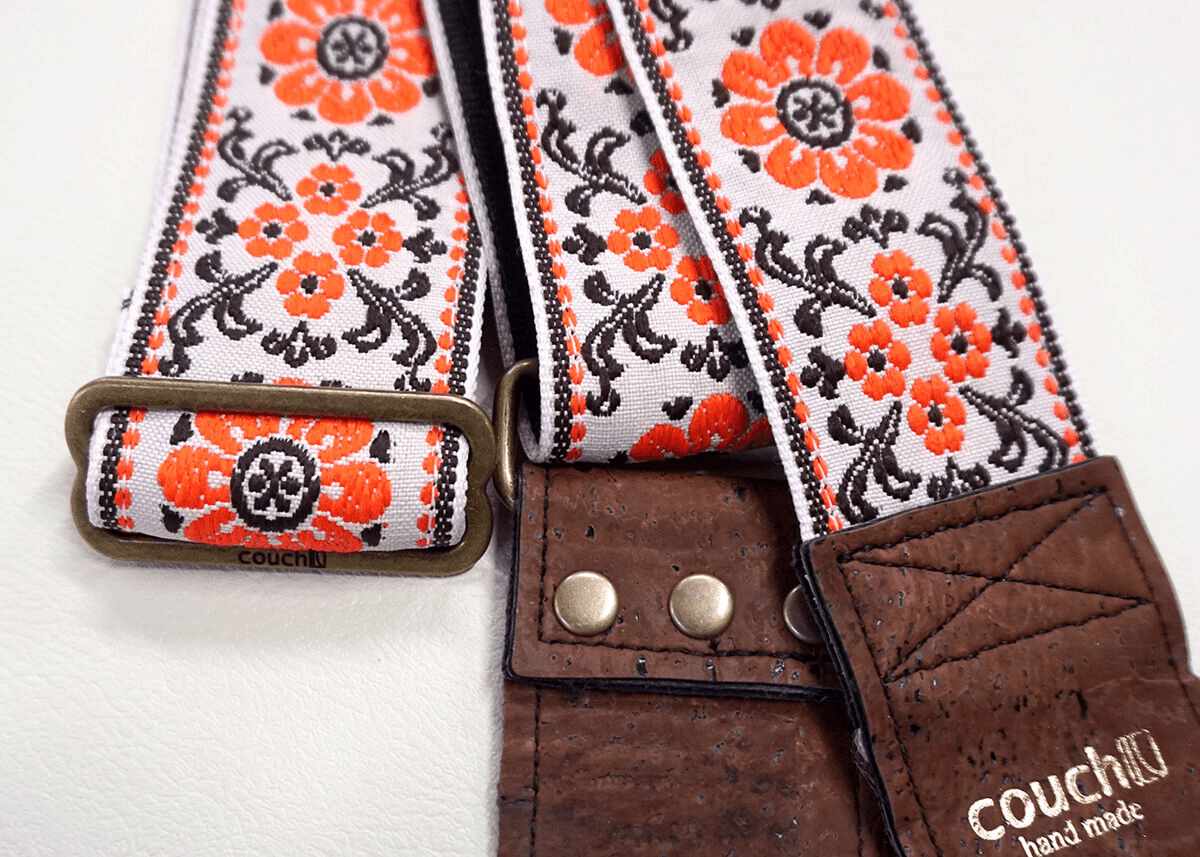
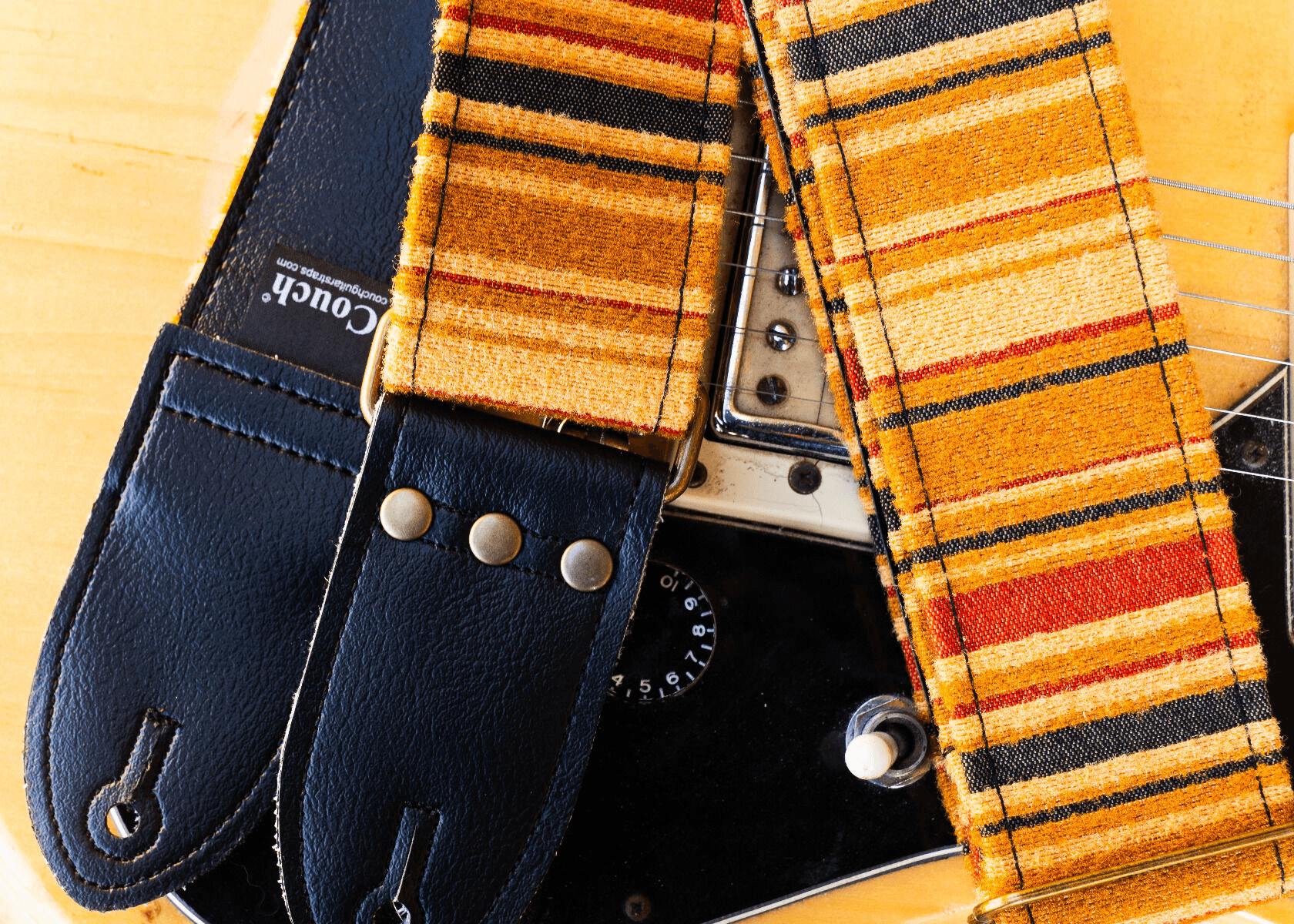
Image Credits
Personal photo of myself photo credit @nanigross