We were lucky to catch up with Daniel MacDonald recently and have shared our conversation below.
Alright, Daniel thanks for taking the time to share your stories and insights with us today. What’s been the most meaningful project you’ve worked on?
The most meaningful project is one that I am still currently working on and is a way for me to capture the memories of a place that so many outsiders see differently.
Growing up in Myrtle Beach, there has always been a rising and lowering of the tides both literally and figuratively. Every summer, tourists flood the area.
Cars, people, noise, summer heat, umbrellas, parents, and children arrive en masse to enjoy the place I’ve always considered my home. Nowadays, the area has seen its population grow considerably, and while the difference between the off-season and summer isn’t as dramatic it still exists.
I can’t recall the first time I had a fully formulated thought on this, but I think the seed was planted when the Pavillion was first torn down in 2006. I remember having a sense that a part of the place I was from was forever changed. Future tourists and even those born here later would have no frame of reference for what once was. I find the difference between my view of this place and the view of others who simply visit interesting.
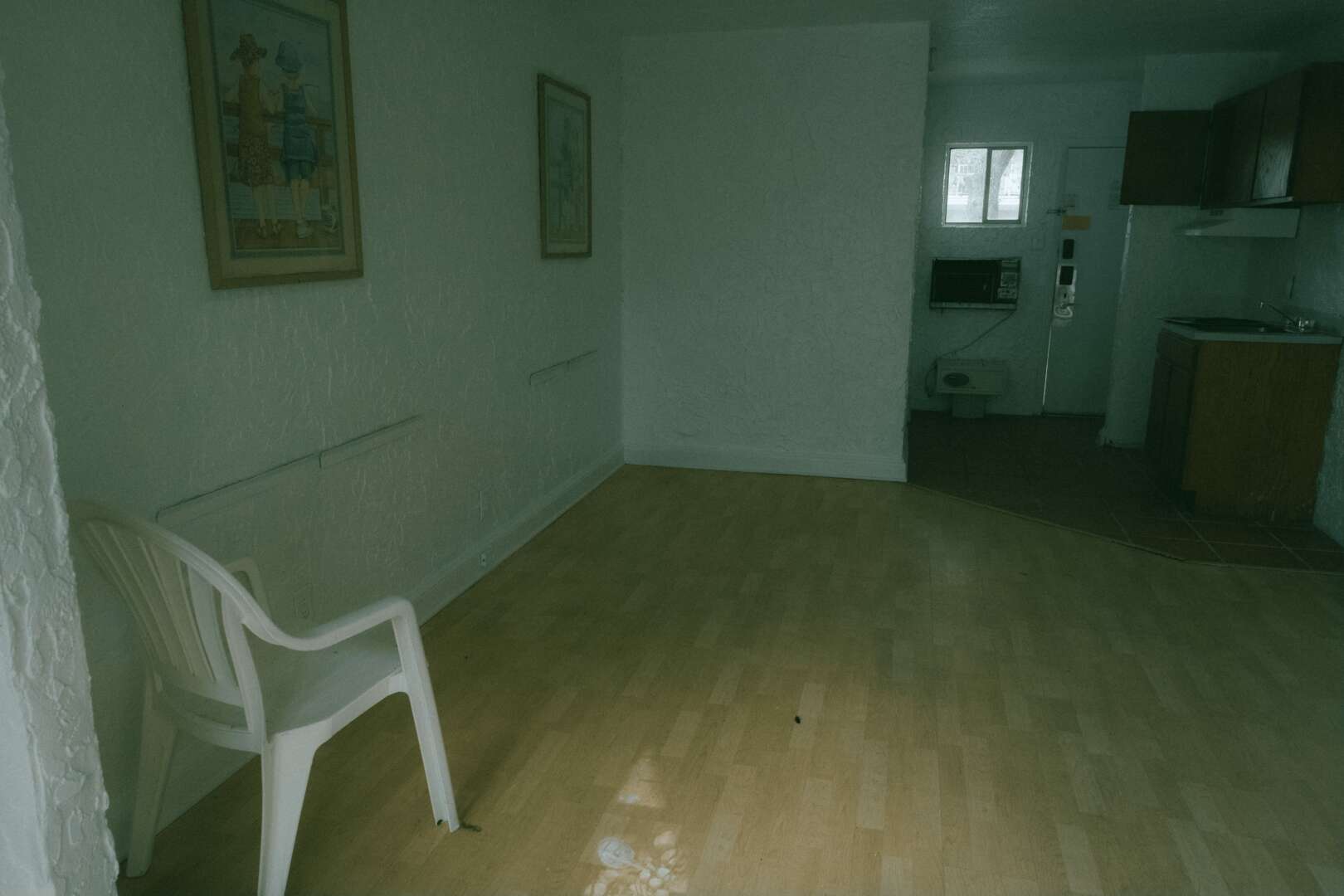
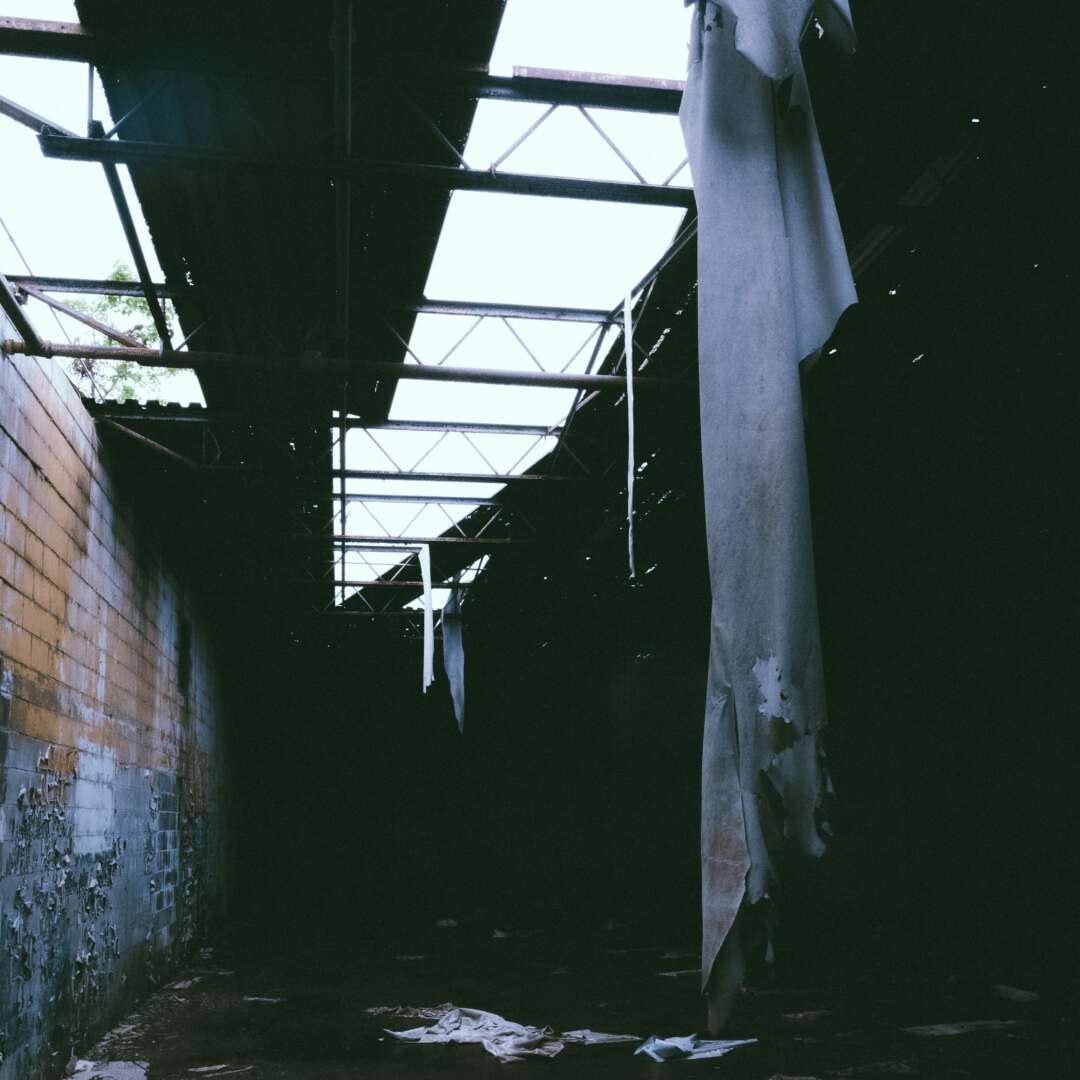
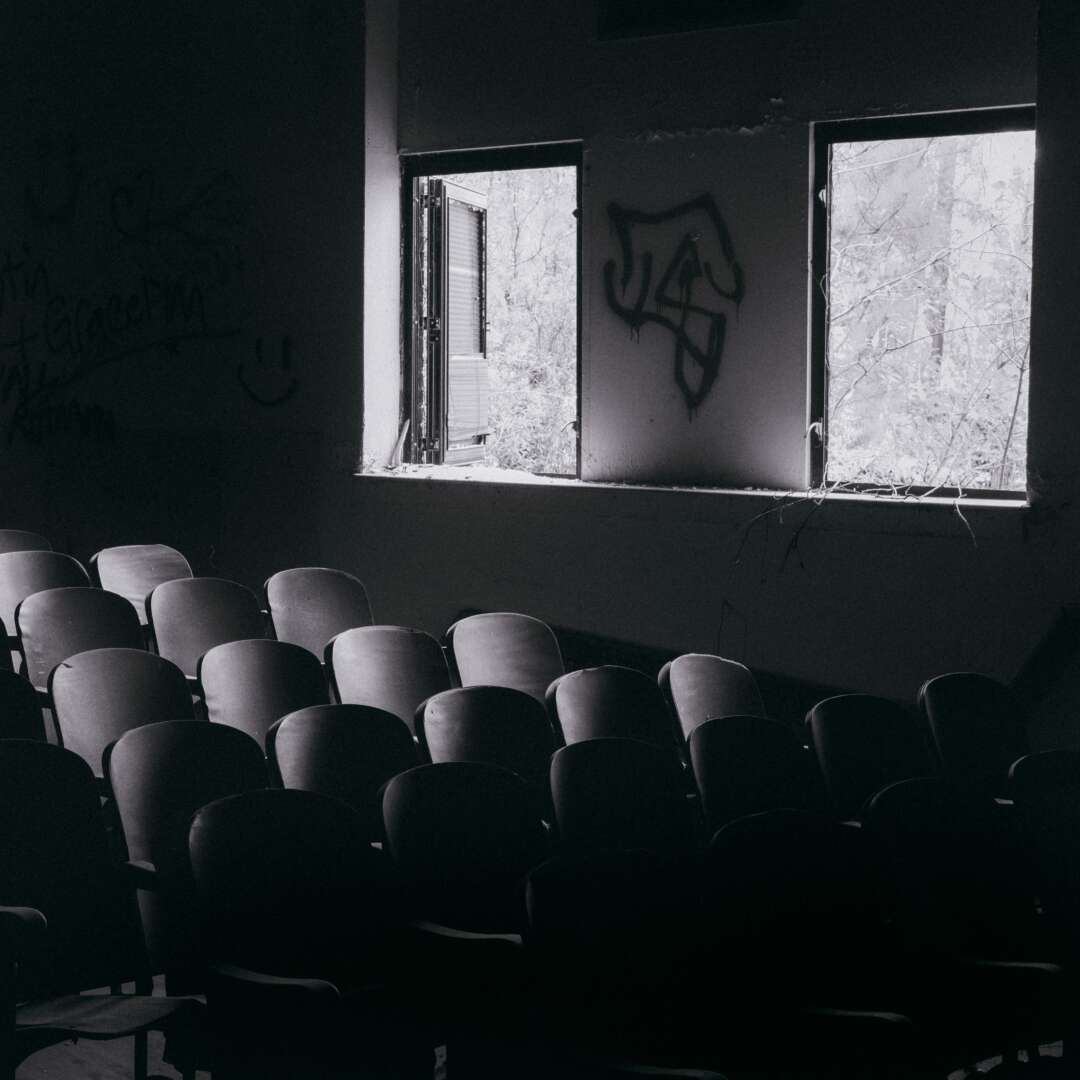
I have many interests, but one of them coincided with this feeling: an attraction and wonder for abandoned or run-down places. So recently, I’ve been taking photos of places that are no longer in use, run-down, slated for demolition, and other mementos of yesteryear in my area. I enjoy the idea of not only sowing the vision of someone who is a native to this place in contrast to the images of others who come to visit but also creating a memory of places that will in the future no longer exist. I’m hoping to combine this photographic work with my written work and create something that weaves both the impression of the real world that I inhabit and capture with my camera and the world and fiction I create with my writing.
It’s not just the perception that people have of a certain place, but the fact that memories of a certain place or event can be so different from individual to individual. I find that difference compelling and interesting.
Awesome – so before we get into the rest of our questions, can you briefly introduce yourself to our readers.
When I was a child my mother was obsessed with capturing every moment of my sister and me with her camera. Ironically, this made me a little shy to be in front of the camera, but it grew a great interest in myself in photography as a way to express myself. I would borrow my mom’s camera and take random pictures, fish out the Polaroid from a drawer and waste the film on anything, and would always ask for disposable cameras when we went on trips.
When I was a freshman at the College of Charleston where I got a degree in English with a Concentration in Creative Writing, I received a gift of a Canon Rebel T4, which led me to become a bit more serious about photography. I would ride out when I had time off to the surrounding areas to find anything interesting to shoot, and the camera stayed attached at the hip whenever I went on any trip.
Since then, I’ve experimented with different mediums of photography outside of digital cameras including both film and Polaroids. I still shoot a majority of my work with a digital camera, but sometimes I just have the desire to shoot with a physical format. I tend to shoot anything I’m interested in, but I would say that recently the most prominent amount of my work has been travel, DIY music, and urban exploration. I also shoot some real estate in my local area as well as portraits on occasion.
Outside of my passion for photography as a way of expression, I have also had a deep love for writing since childhood, another obsession born from my mother. I have always been someone who loves books, stories, and writing which is why I went to college for my degree. My current trade for work is actually as a freelance copywriter mostly writing copy for a few companies, some personal brands, and email marketers (yes, I’m sorry you keep getting those!), however, I also am working on a few personal works that I hope to publish one day in either a digital or physical form!
I believe that it is hard to find anything completely original in today’s world, but what makes certain creative work interesting is the essence of the person making something and how it affects said work. A project I am working on is looking to combine both my love for creative writing and my expression through photography into a fictional work based on the real-life places I have lived and the things I have seen.
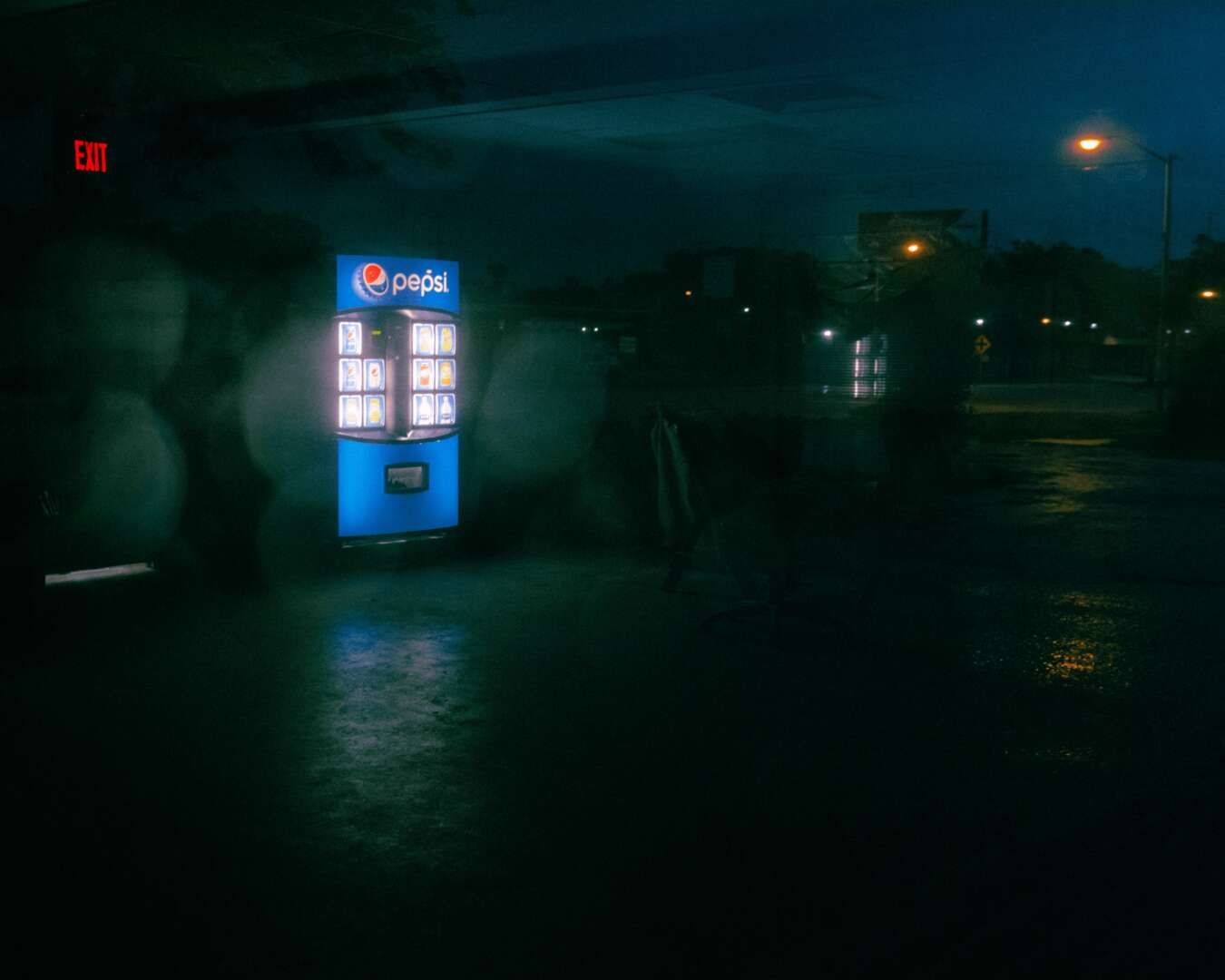
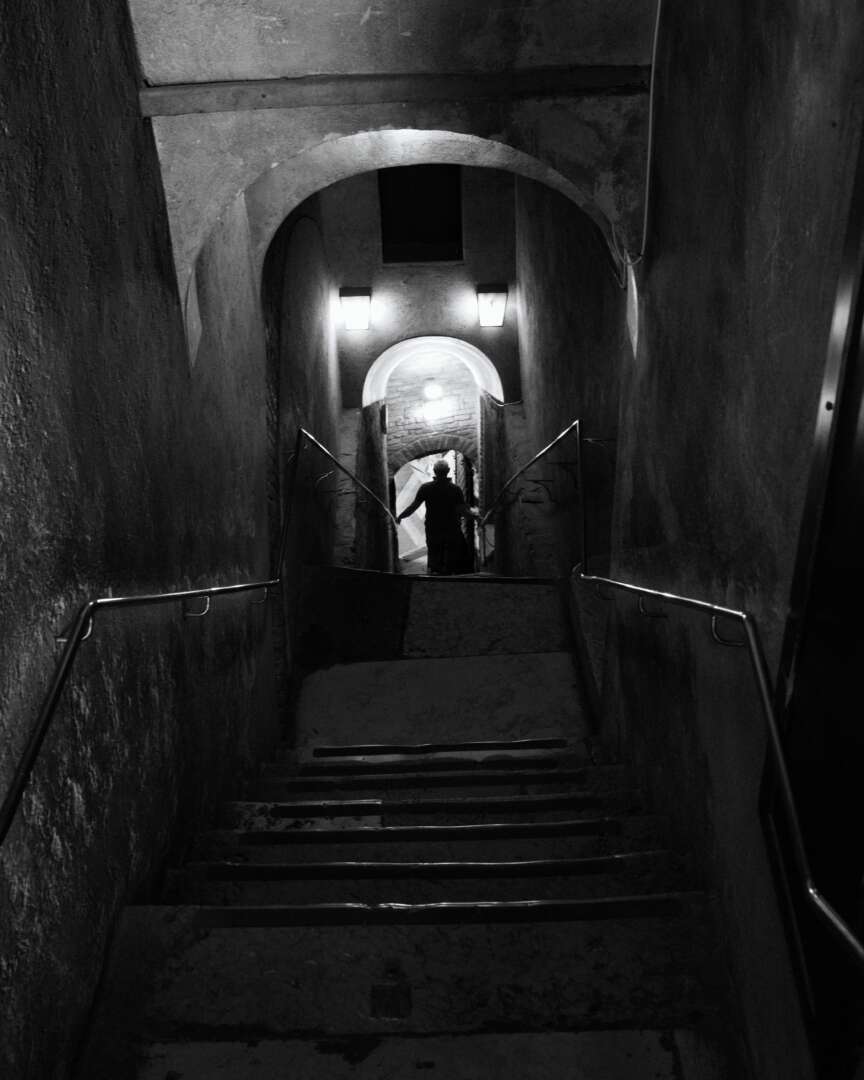
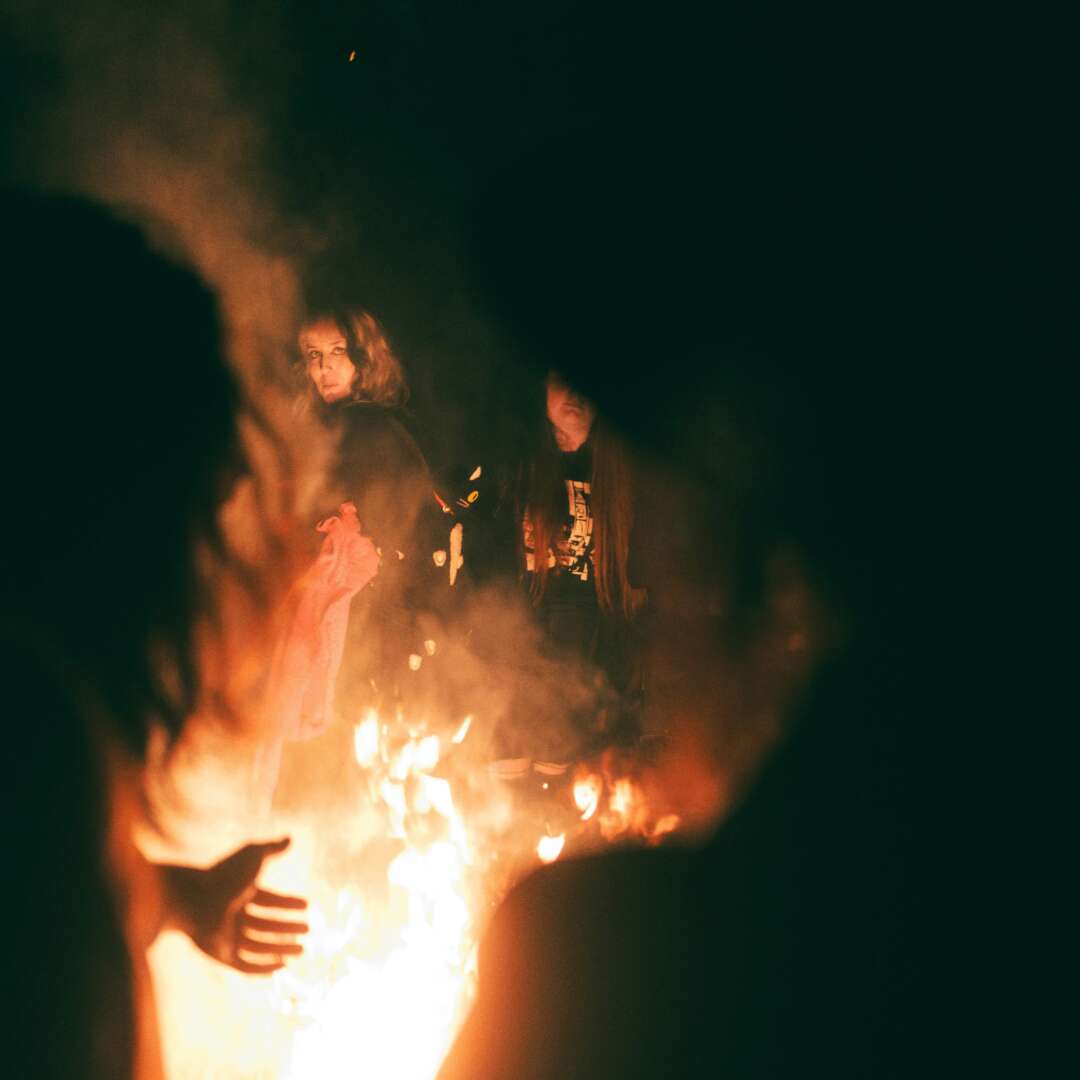
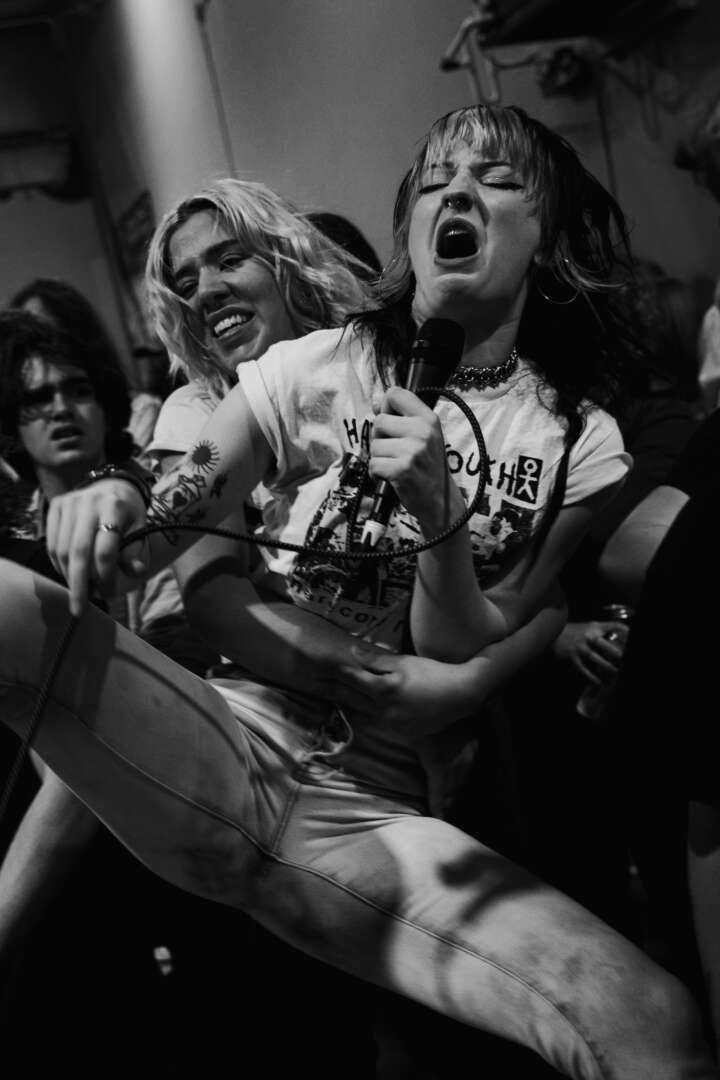
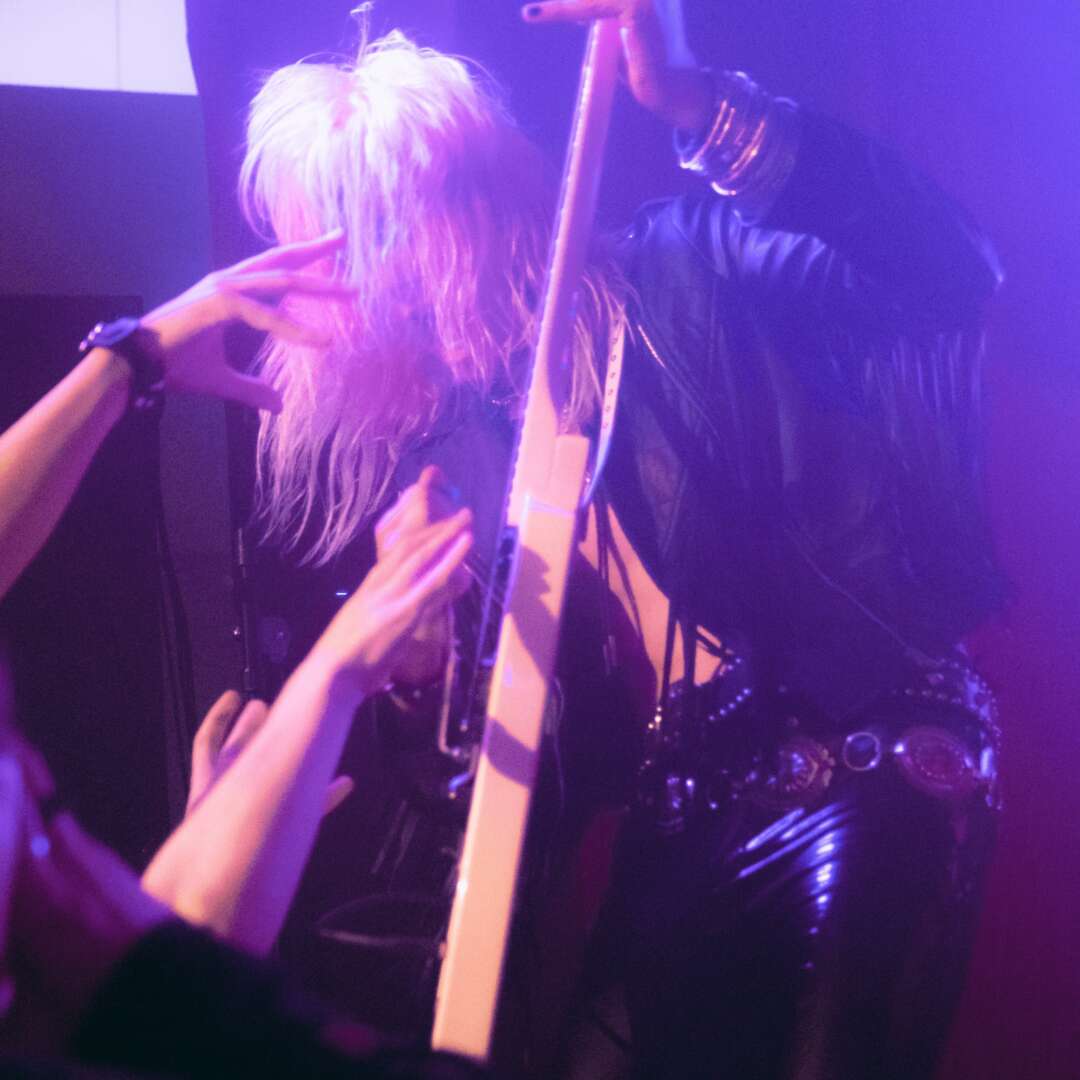
I would say that on both sides of my work, a few themes tend to pop up. I am obsessed with dreams, time, memory, and the liminality of places left behind. My personal photography work tends to lean more into the dreamy side and often more abstract. I’m not afraid of blurriness when it feels right, and I love the softness of images. I also tend to separate my creative work from when I shoot my local DIY music scene. Though I believe some of my aesthetic tastes come through it can depend on the show. I tend to worry more about capturing the event for DIY music than capturing a complete artistic vision. The music scene is very important to me but in a different way than my personal work.
In my writing, I have been focusing a lot on what memory, dreams, and time means to a person and how they affect the world and people differently.
What do you find most rewarding about being a creative?
I believe it is the joy I find when I have created something that feels totally and uniquely my own. I don’t mean that I am exploring something that has never been explored or found an idea that has never been done before, but that moment when I’ve taken what I’ve seen or experienced in my life and pushed it through my ethos to create something both of the world and my experience in it. The feeling of looking at something and saying, “I created that, and it is wholly my own.” Themes, emotions, thoughts, and my own experience expressed through an artistic medium where I can look at the work and feel that I’ve accomplished what I set out to capture.
How can we best help foster a strong, supportive environment for artists and creatives?
At a base level, recognizing that work took time and passion to create and not devaluing the work someone put into creating it. Supporting people who created something whether praise, buying something from a smaller artist, or even just sharing their work.
On a broader scale, I think sometimes society doesn’t recognize the importance and role that art or creative disciplines provide to society. Though I can’t remember the exact words I remember reading a statement along the lines that, “scientists and engineers help provide a place for which society can survive, artists make that society a place that you want to be a part of.” The trope of the starving artist, or the parent disapproving of their child wanting to pursue something in the creative field is still pervasive, and I think the value of art is not as immediately recognizable as the value of STEM fields to many people. I think a shift to recognizing the importance of the arts on a larger scale of society would be an important step in supporting those wishing to provide it.
Contact Info: