

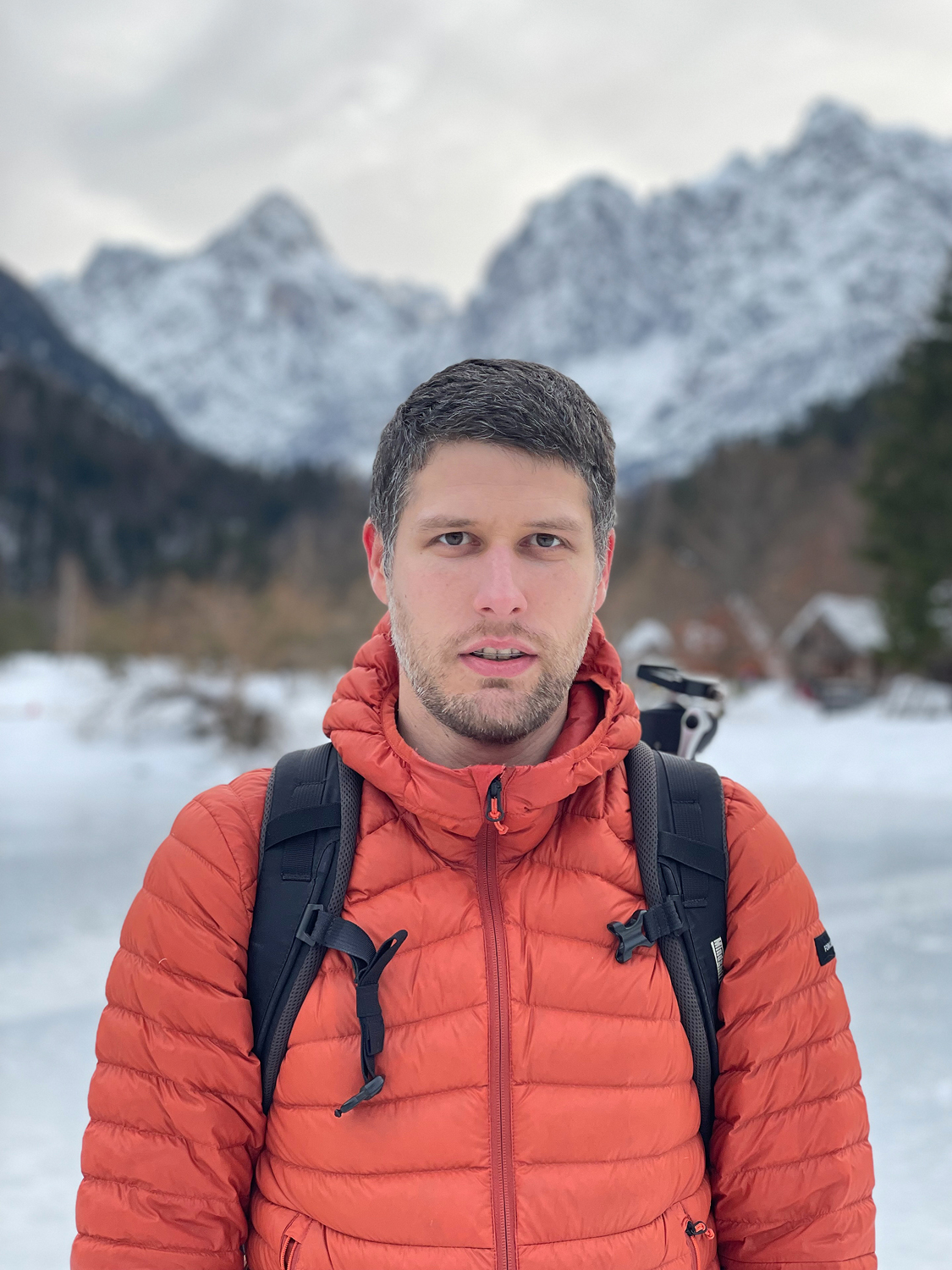

We caught up with the brilliant and insightful Daniel Knezevic a few weeks ago and have shared our conversation below.
Alright, Daniel thanks for taking the time to share your stories and insights with us today. How did you learn to do what you do? Knowing what you know now, what could you have done to speed up your learning process? What skills do you think were most essential? What obstacles stood in the way of learning more?
I consider myself as a self taught photographer. Since my childhood, I have had an affinity towards visual art. I started with drawing. When I was at the university, I thought it was a good idea to switch to photography due to lack of time. It looked like an easy alternative. Just click the shutter and that’s it. That is what I thought. Oh boy, I was so wrong.
Nevertheless, I was hooked. I quickly found my new passion in nature and landscape photography. Practice and the iterative process of trial and error taught me photography. Learning started by imitating others’ work. I have used my engineering background in my favour to understand and reverse engineer processes of well known landscape photographers. Photographers like Adam Gibbs, Nick Page and Michael Shainblum had a major impact on my learning journey. Their videos inspired me to continue learning and enjoy the process.
As I got experienced, I tried to find my own way of doing stuff like planning, composition and post processing.
Another way of honing out landscape photography skills is trying out photo competitions. By carefully choosing the right competition, you can learn a lot about what aspects of photography are important. Compared to social media, where everything is in your face you start learning that the story behind a photo matters too.
If I could have accelerated my learning process, I would have connected with like minded people earlier. It is much easier to learn in groups or with a mentor. The technical skills can be learned in school or by following tutorials, but learning the actual craft comes with time or by spending time with experienced photographers.
Awesome – so before we get into the rest of our questions, can you briefly introduce yourself to our readers.
I am Daniel Knezevic, software engineer with a great passion for technology and nature. Love for nature determined me to photography followed by many great hobbies such as mountaineering, climbing, and skiing. Doing any of these activities means spending time in nature and exploring it. When I am not able to go outside I am in search of interesting locations and making travel plans.
In 2018 I bought my first full frame DSLR and since then I started seriously to study the craft of landscape photography. I equally enjoy taking photos of grand landscapes and intimate details. The journey through photography is a lifelong experience consisting of learning about different cultures, enjoying people’s hospitality, trying different food and making great friendships. Living life like this is true richness. Photographs I capture make me have this feeling forever.
What’s the most rewarding aspect of being a creative in your experience?
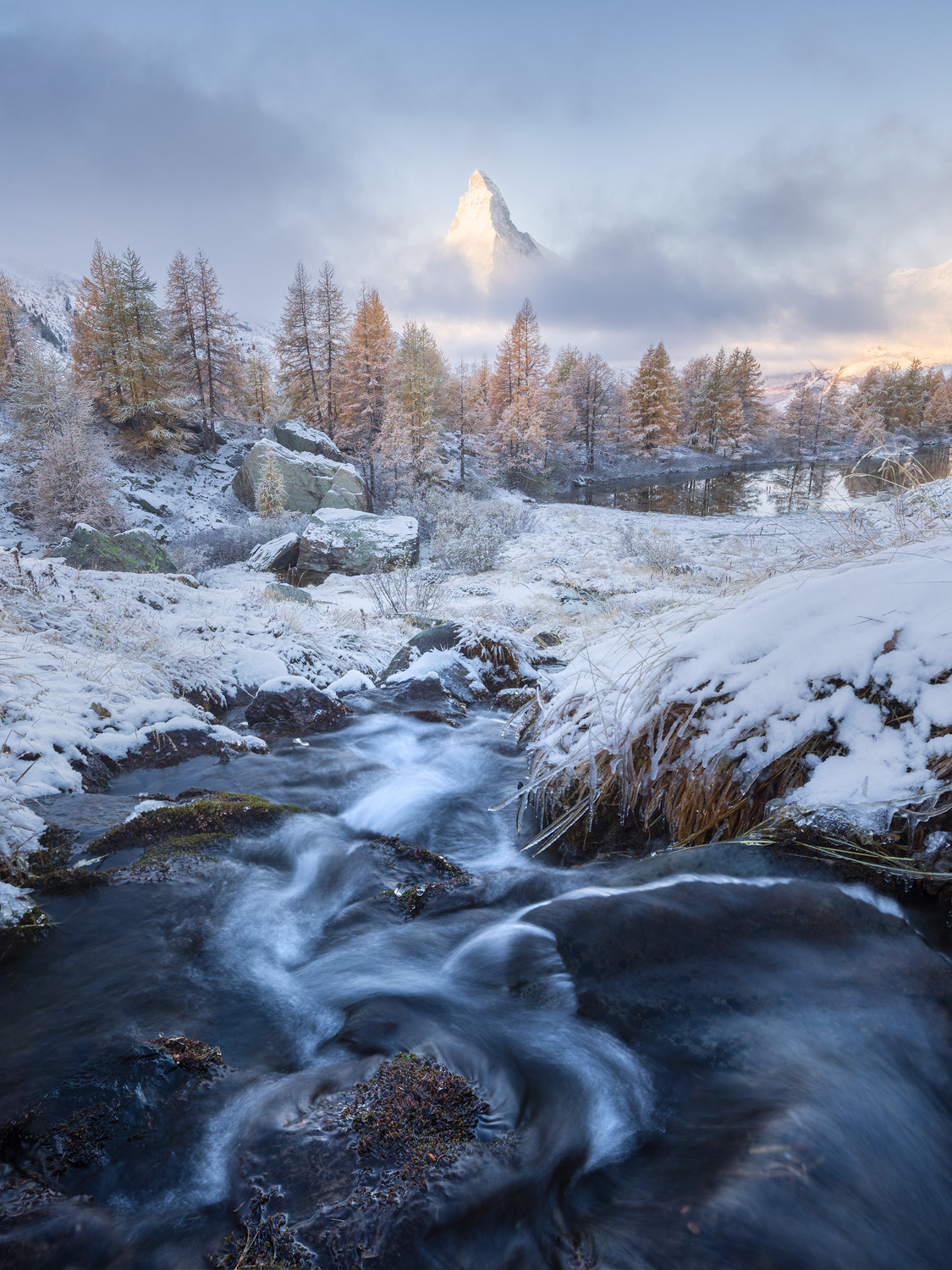
The most rewarding aspect of being creative is witnessing and capturing extraordinary moments that last minutes or even seconds. In photography, the most important thing is light. Being a landscape photographer means getting the most out of the delicate interaction between light, atmosphere and scenery.
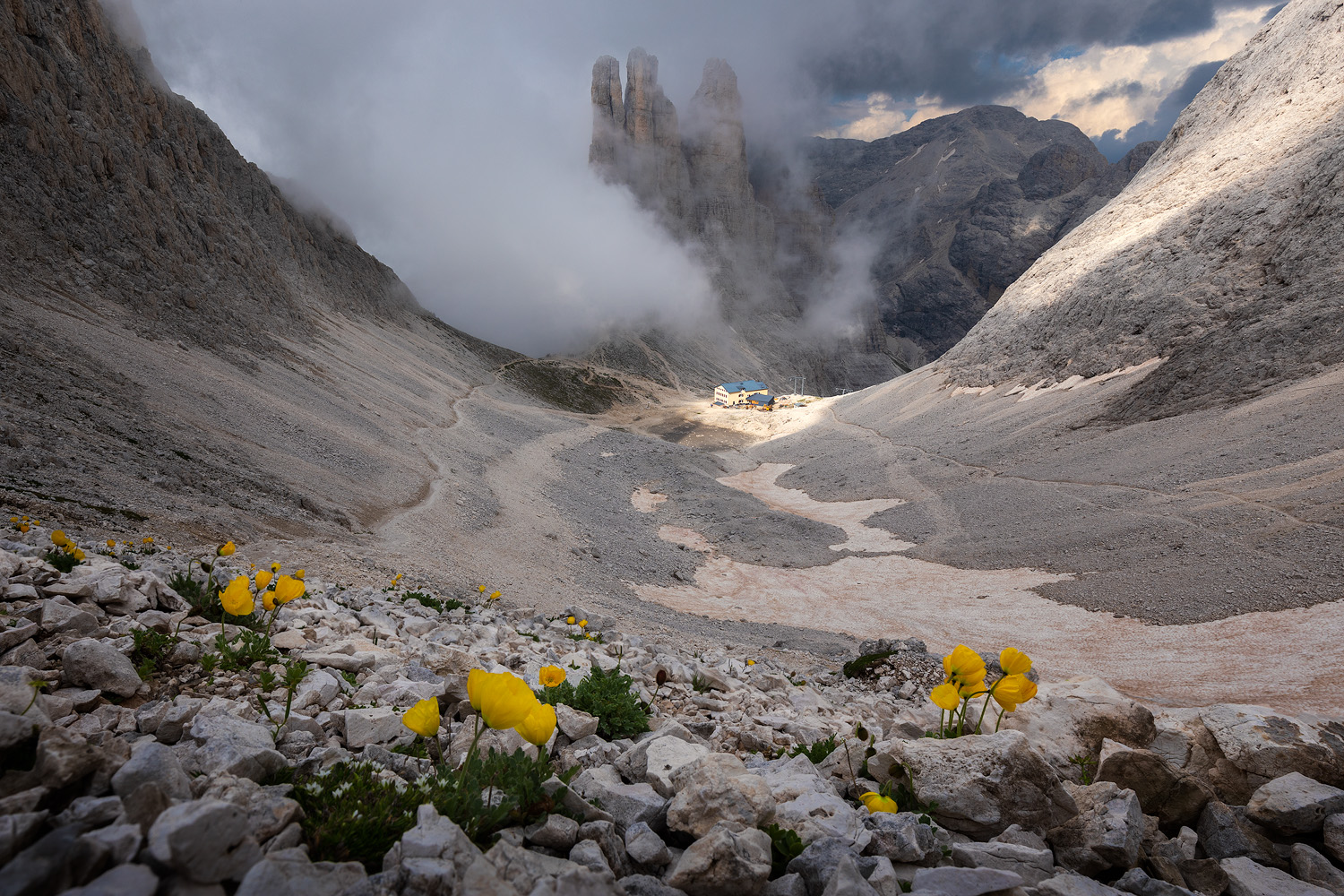
Whether it is about capturing grand landscapes or some intricate details, it is important to be in the right place at the right time. To do this, I am spending a lot of time planning. Even knowing all the details, there is a bit of luck involved in achieving success. Mother nature is often unpredictable, you never know what to expect. Part of the creative process is improvisation. Being active means reacting to outside factors in combination with internal feelings to capture moments.
Not all attempts to go to some places result in taking a photo. There are situations where conditions are not good enough and that’s mainly the reason why I have to revisit them. But, every attempt matters and it’s never disappointing. As time progresses the scenery is changing, it is never the same. The most important thing is being outside, in nature, enjoying the creative process.
A photo will show what I saw there, but sounds, smell in the air and feelings can be remembered only by being there living the moment. In order to communicate these experiences processing takes a key role.
Opening images in a processing software enables me to relive moments and add my subjective touch to images so that others can experience at least part of what I experienced.
Is there a particular goal or mission driving your creative journey?
It started as a photo book of my fishing adventures. The idea of creating such a visual document refined my photo journey into a serious commitment to be as good as possible photo-teller, meaning all that makes one picture have to be done well.
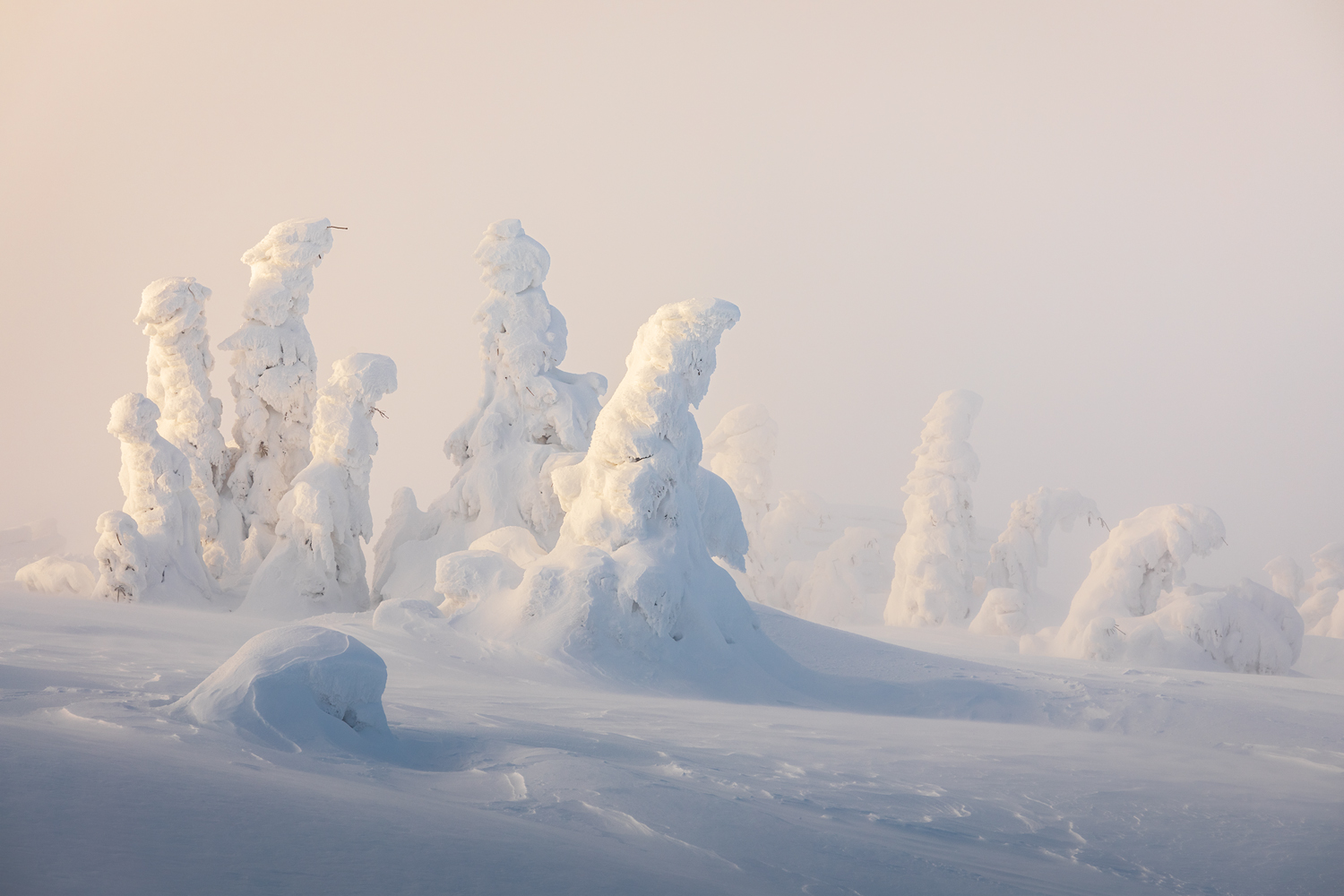
As time progressed this journey evolved into a great passion about landscape photography. I started traveling more to explore different places. I also started hiking to get to remote locations. What attracted me the most are the mountains. Sharp, snow-covered peaks are my favourites. Every climbed peak is a small victory and enjoyment looking around from the top is priceless. But, what I admire the most is looking at the mountains from the bottom and admiring how impressive they are.
The main goal driving my creative journey is connection with nature. Since my regular job is desk bound, I find it beneficial to spend my free time outside exploring. Escaping from a busy city into the wilderness changes the perception of life and priorities. You start appreciating small things.
Photography is a plus, a way of showing other people how beautiful nature is and raising awareness about how important it is to keep it clean for next generations.
Contact Info:
- Website: https://danielknezevic.com
- Linkedin: https://www.linkedin.com/in/danielknezsevity/
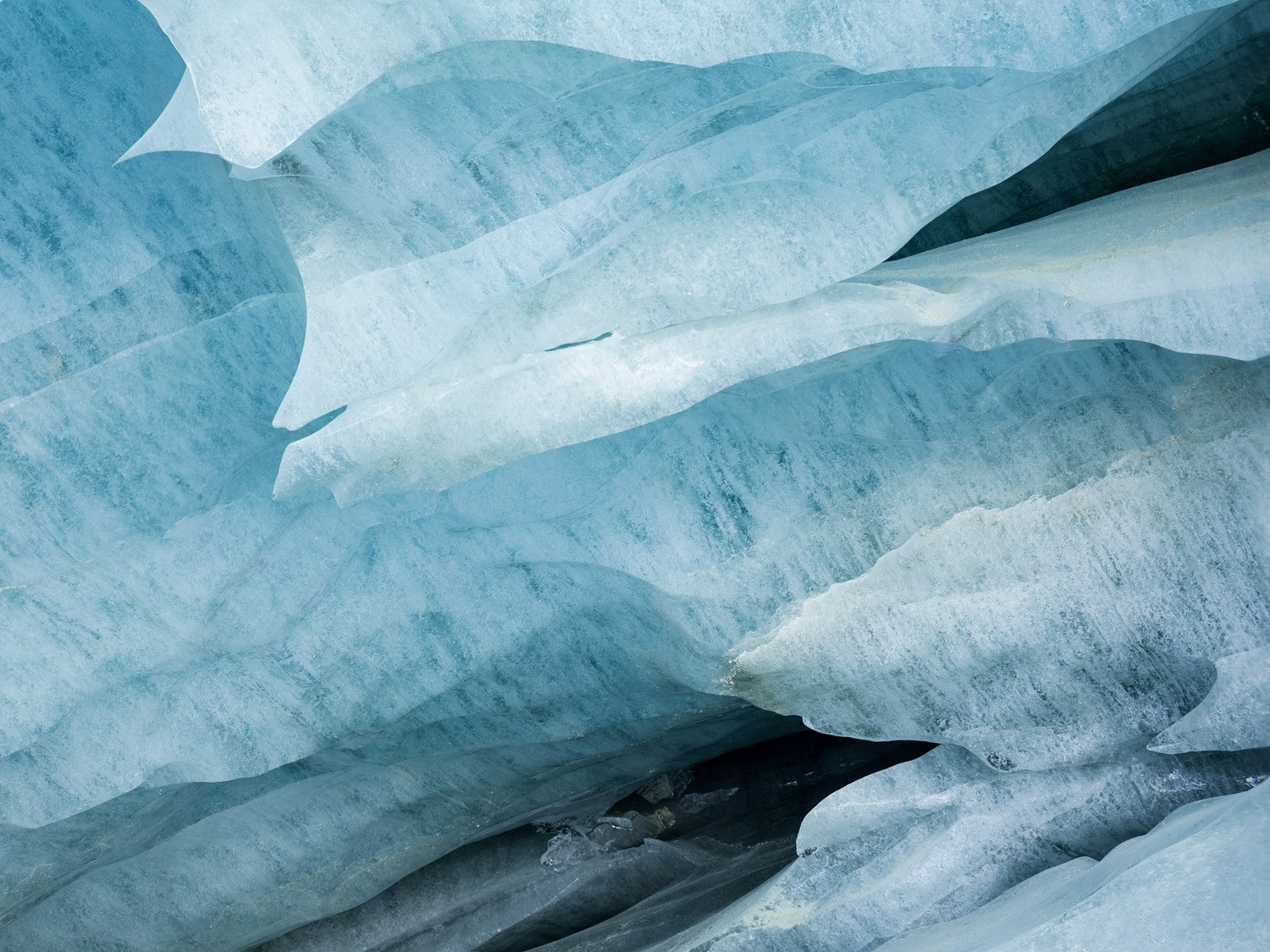
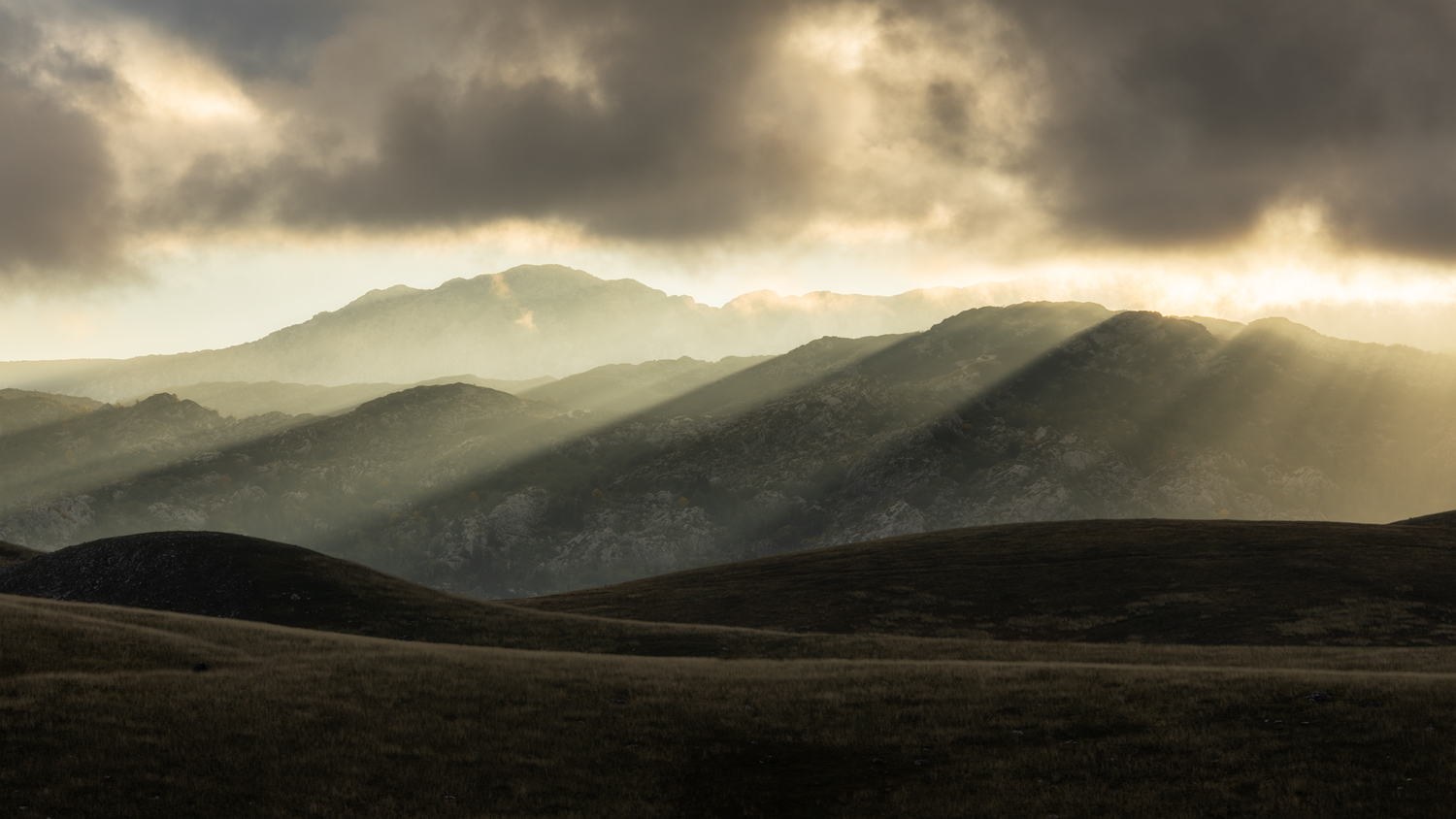
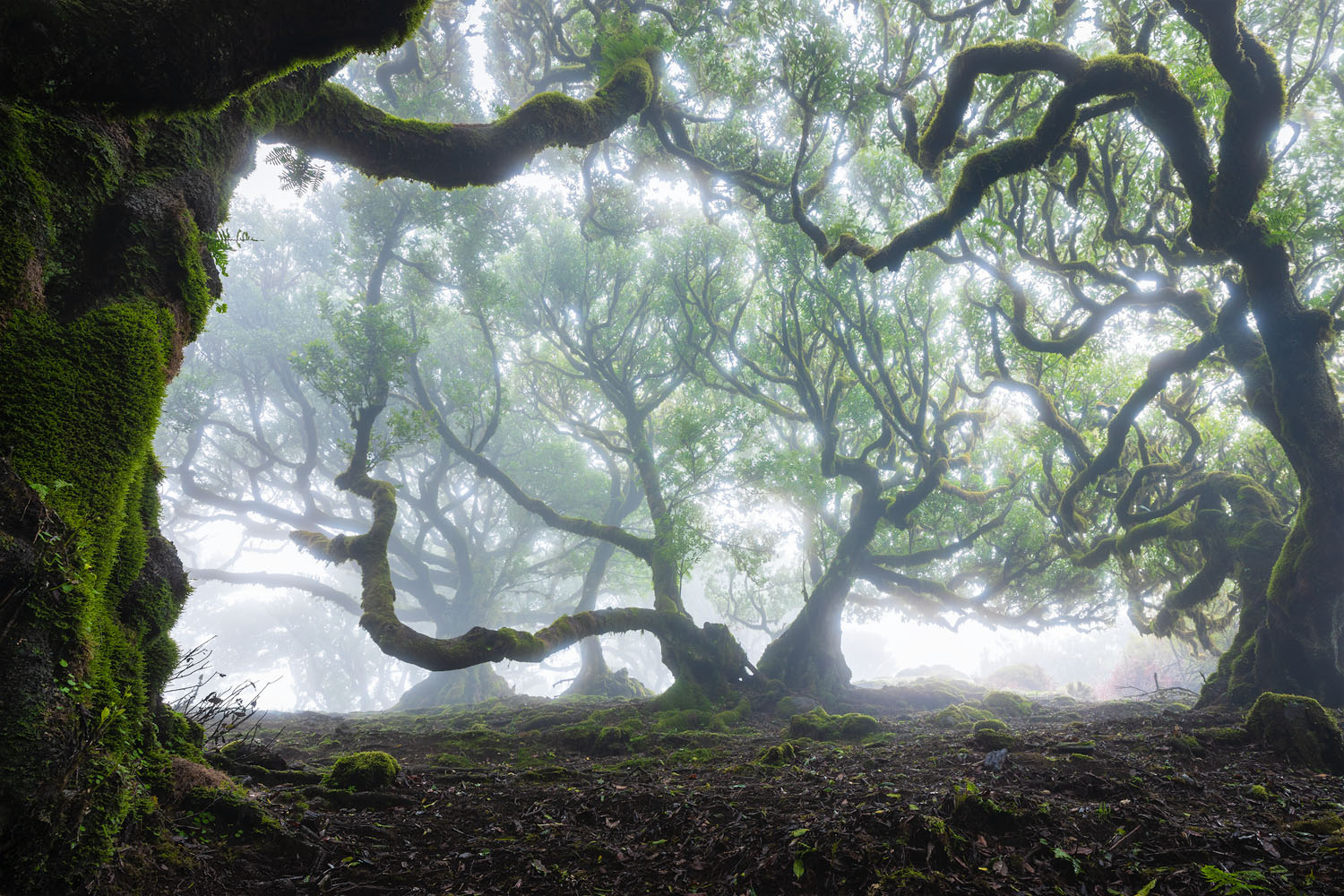
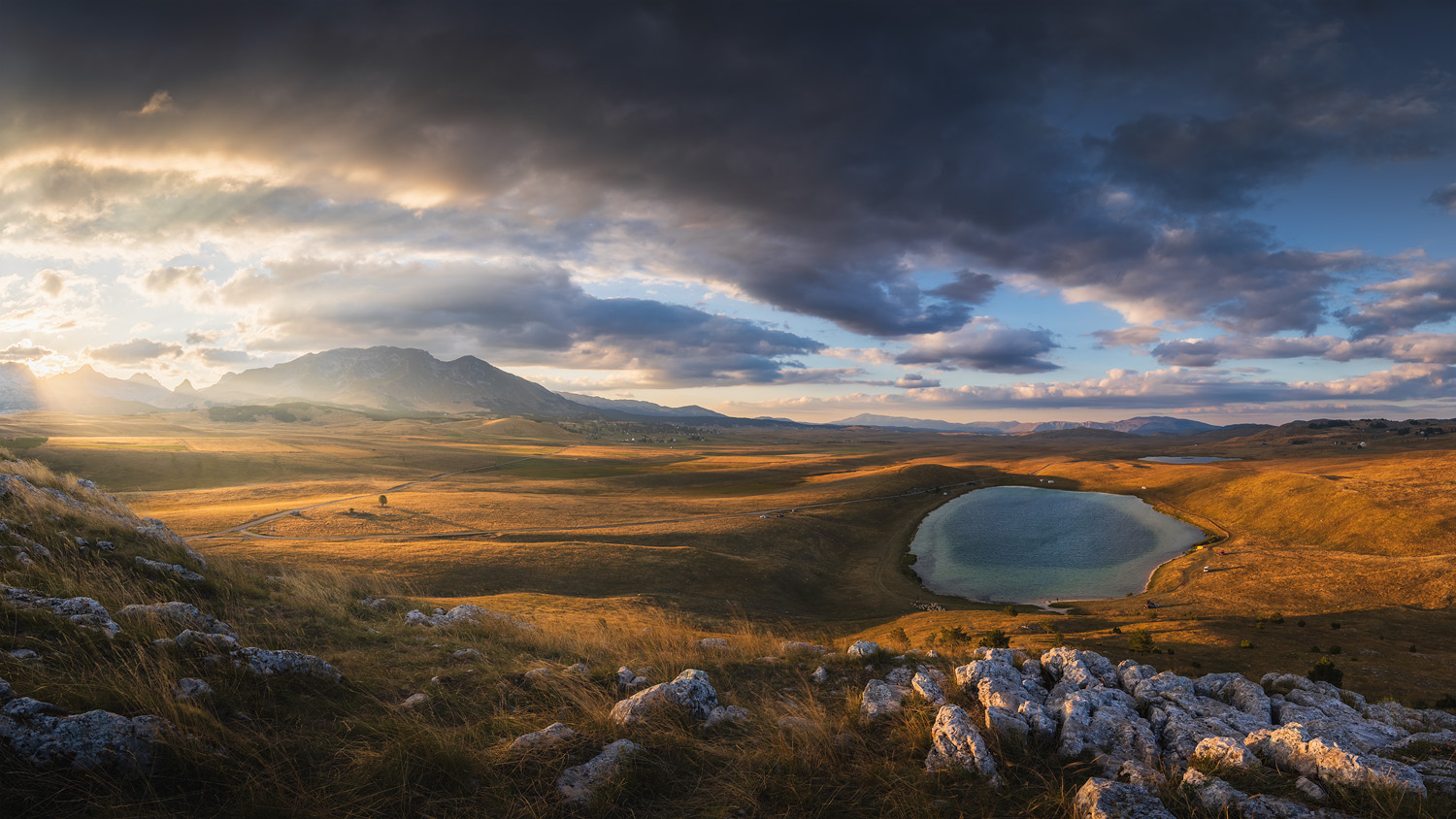
Image Credits
Daniel Knezevic