



We were lucky to catch up with Daniel Arite recently and have shared our conversation below.
Daniel, thanks for joining us, excited to have you contributing your stories and insights. Learning the craft is often a unique journey from every creative – we’d love to hear about your journey and if knowing what you know now, you would have done anything differently to speed up the learning process.
I started learning drums and percussion in the band program at my elementary school and junior high school. When I was 15, I saw Carlos Santana in concert and was inspired to learn how to play the guitar. At that time, I didn’t take formal lessons but learned from books, musicians, and friends in my small community in rural New Mexico. I went to college with plans to study architecture, but music was what excited me more, so I studied classical guitar instead. While attending college in Albuquerque, I connected with professional musicians in the area. Their mentorship influenced my approach to performance and composing and my career trajectory. I started playing at community events, hotels, restaurants, bars, and later learned about studio recording. This led to writing, leading ensembles, producing CDs and creating music for theater and video. I moved to Nashville in 2000 and have continued this lifelong journey of learning with the artists in my circles.
Throughout my career, I’ve found that an openness to collaboration has been essential to my growth as an artist. In addition to working with musicians, I often develop and lead collaborative projects that allow me to work with multidisciplinary artists. Expanding my network of collaborators has introduced me to approaches and perspectives that otherwise may not have occurred to me. I’ve found collaboration to be a truly magical process whether I’m working with professionals or with teens with no musical background.
When I was younger, the biggest obstacle that stood in the way of learning more was my own limited thinking. I didn’t always recognize how some of the opportunities that came my way might have benefited me. Of course, I’ve grown with experience and I now see how they could have positively impacted my career. I’m not sure if my learning process could have been sped up though. I am pleased with the way I arrived at this place in my career.
Great, appreciate you sharing that with us. Before we ask you to share more of your insights, can you take a moment to introduce yourself and how you got to where you are today to our readers.
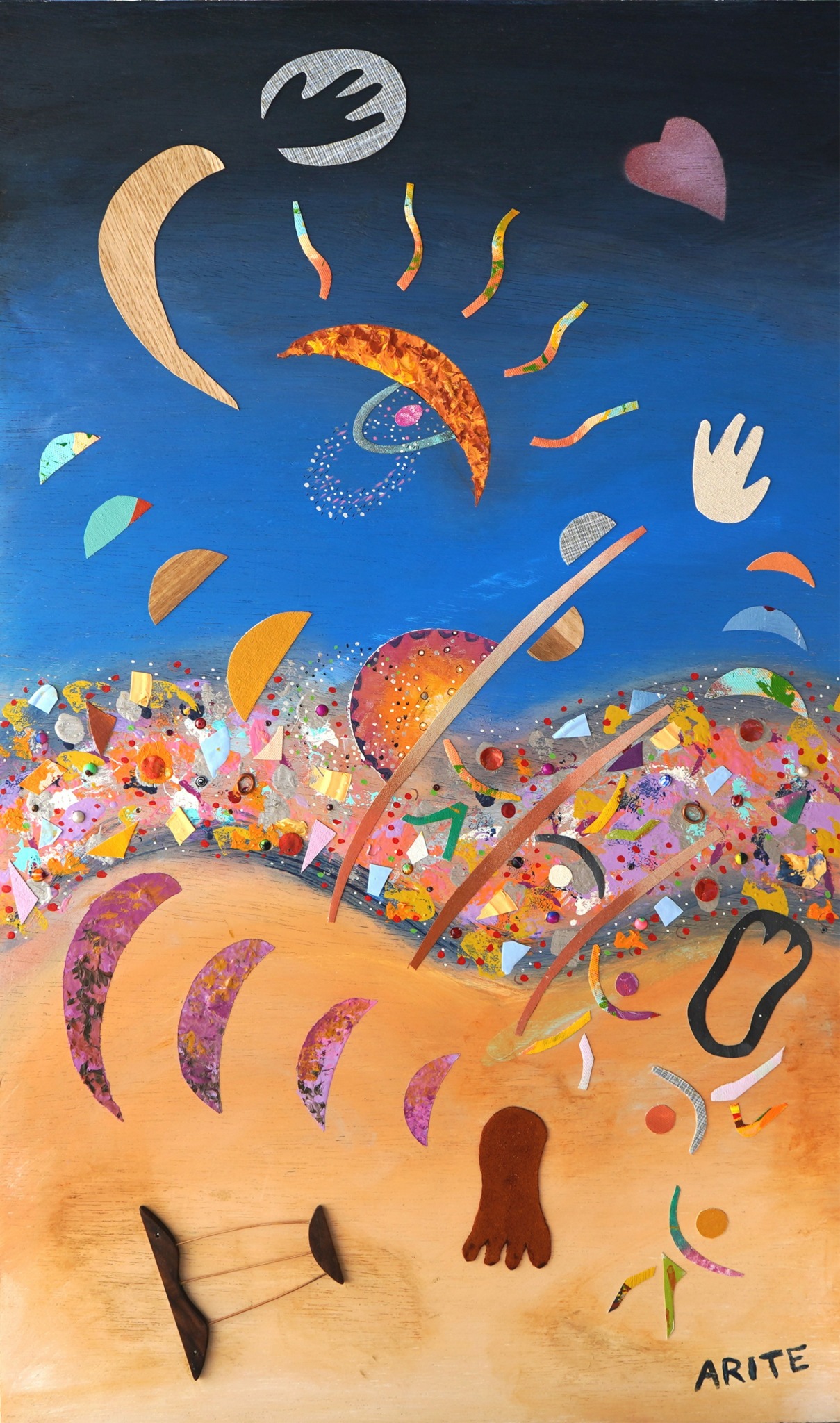
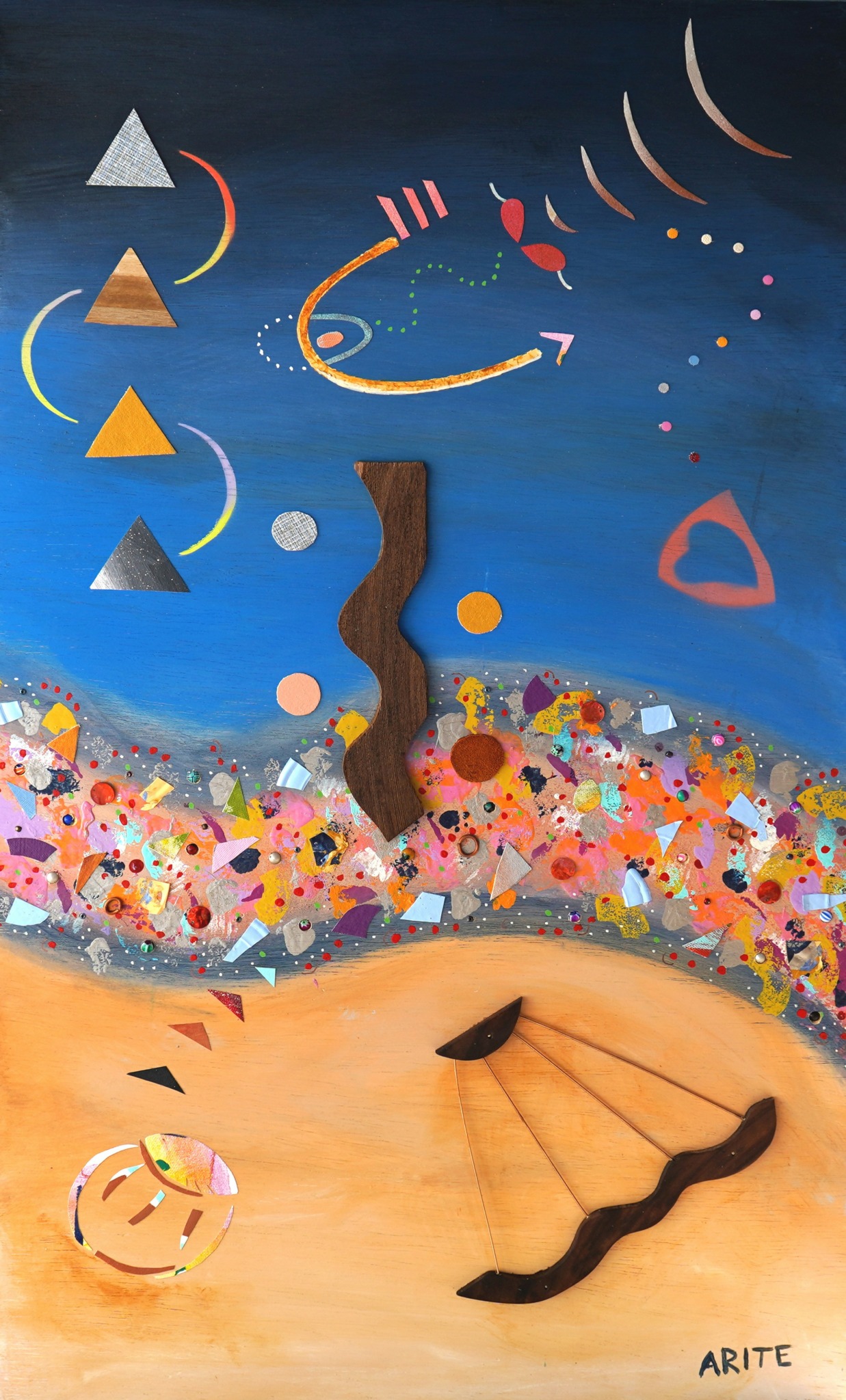
I am a composer, guitarist, recording artist and independent music director of community-based arts programming. I am also a visual artist. I create mixed media works from recycled materials. I feel that my music and visual art influence each other.
As a professional musician since the 1980’s, I have performed classical, pop, jazz, new music, and bluegrass in venues around the United States and my music has been broadcast on radio and public television. Over the past two decades, I’ve been exploring an approach to music making called “Audio Collage.” It is both a composition method and a performance structure that allows for a variety of musical ideas to be woven into a seamless unified whole. The form enables me to juxtapose ideas using multi-track recording in a way that is similar to how a visual artist glues together different images in a collage. The form’s flexible nature provides an open canvas for collaborations with diverse groups of instrumentalists, vocalists, poets, dancers, and spoken word artists.
In my late twenties, I began to explore my interest in drawing and eventually started exhibiting art. Through years of independent study, workshops and collaborations with other artists, my practice grew and I pursued more opportunities in the field. Now my works are in private and public collections.
It sounds cliché, but I made a career out of music and visual art by following my heart. I pointed myself in this direction and hoped that things would turn out well. As a teenager, I became serious about learning guitar and eventually broadened my scope to include more instruments and all kinds of musical genres. That remains my focus. I had the support of my parents to get me through college and as I progressed, I had mentors that offered me opportunities and showed me the ins and outs of the profession. I set short term goals, analyzed my progress and challenged myself to do things I had never done before, like touring and producing CDs. That’s the simple version of the story. I also had to deal with doubt, fear, and other common challenges.
Now, as an independent music director, I compose and arrange music that I perform in concerts, theater and dance events. I also facilitate music composition workshops and recording projects. Since 1999, I have been engaged in an ongoing collaboration with my wife, poet/performance artist Thandiwe Shiphrah. She took part in my latest project, “A Fabric of Sound,” which brought together six artists from different cultures to create a studio recording and an evening length concert. My experiential workshops for high school and college-aged youth focus on developing and honoring their unique creative abilities. These are usually short residencies during which participants create a collaborative sound recording or stage a performance of their composition. The workshop is based on my belief that everyone has musical instincts. It promotes the practice of building your own melodies and rhythms, which is a great way to learn to play any instrument.
What’s a lesson you had to unlearn and what’s the backstory?
When I started to delve into a variety of music genres, I had to unlearn the common practice of reading music while performing, which is completely acceptable in a classical setting. Once, when I had just landed a spot as lead guitarist in an eclectic group, I brought lead sheet and a music stand to a gig because the songs were still new to me. The band leader looked at me and jokingly said “ If you need to read, you don’t know the music.” This was his way of encouraging me to take a more forward position on stage, rely on my ear, and trust my instincts while performing.
Any resources you can share with us that might be helpful to other creatives?
I wish I had known about the availability of grants for individual artists. Discovering that financial support is available to independent musicians encouraged me to undertake projects on a larger scale. I also would have applied for artist residencies earlier in my career had I known about them. They are great learning opportunities and can offer an artist a chance to travel to different countries, share ideas and learn about other cultures. I look forward to discovering more resources.
Contact Info:
- Website: https://danielaritemusic.weebly.com/
- Youtube: https://www.youtube.com/watch?v=mDQRbisjZQg
- Soundcloud: https://soundcloud.com/user-835488714
- Other: Music Composition Workshop
https://danielaritemusic.weebly.com/workshops-and-residencies.htmlhttps://danielariteart.weebly.com/
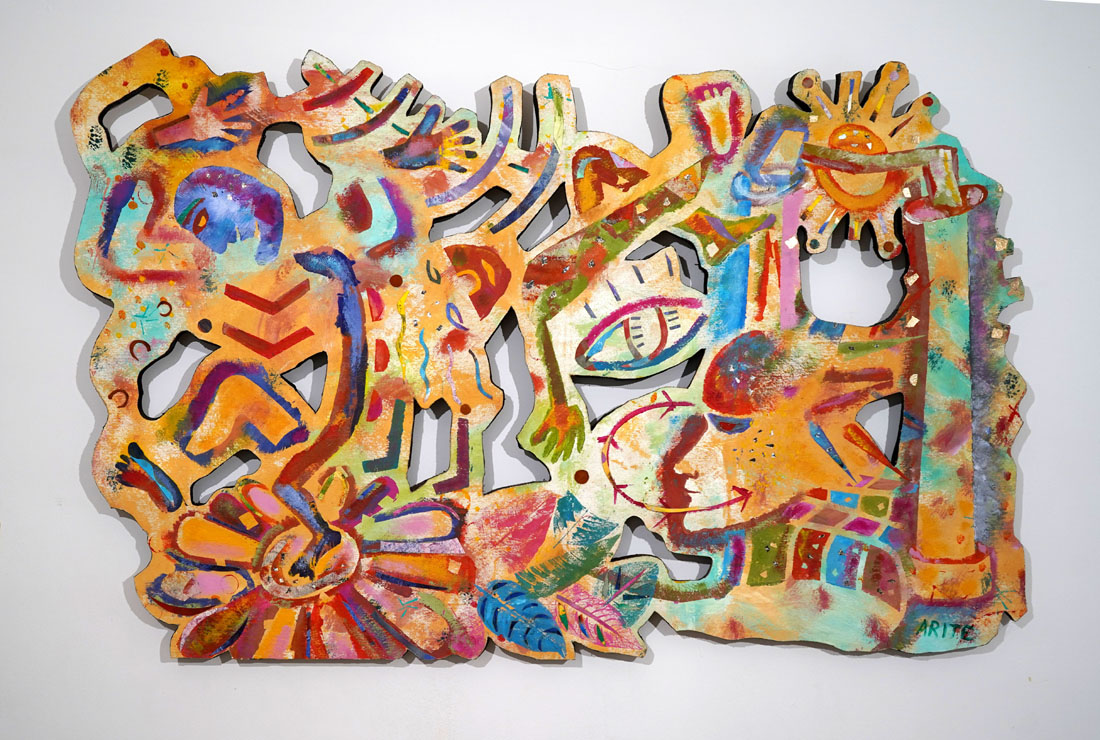
Image Credits
Feature Photo by Thandiwe Shiphrah
Art Portfolio Photos by D.Arite