
We caught up with the brilliant and insightful Daniel Adoff a few weeks ago and have shared our conversation below.
Daniel, thanks for joining us, excited to have you contributing your stories and insights. Too often the media represents innovation as something magical that only high-flying tech billionaires and upstarts engage in – but the truth is almost every business owner has to regularly innovate in small and big ways in order for their businesses to survive and thrive. Can you share a story that highlights something innovative you’ve done over the course of your career?
Dyno Creative, innovation looks a little different—it’s slower, more intentional, and deeply personal. We’ve built our agency around the idea that real innovation is built, not found.
When we started Dyno Creative, Austin and I weren’t trying to chase trends. We were reacting to a problem we saw again and again: disposable design, surface-level branding, and one-size-fits-all creative work that left clients stuck with beautiful assets—but no direction. So we flipped the script. Instead of selling deliverables, we built a process rooted in partnership and evolution.
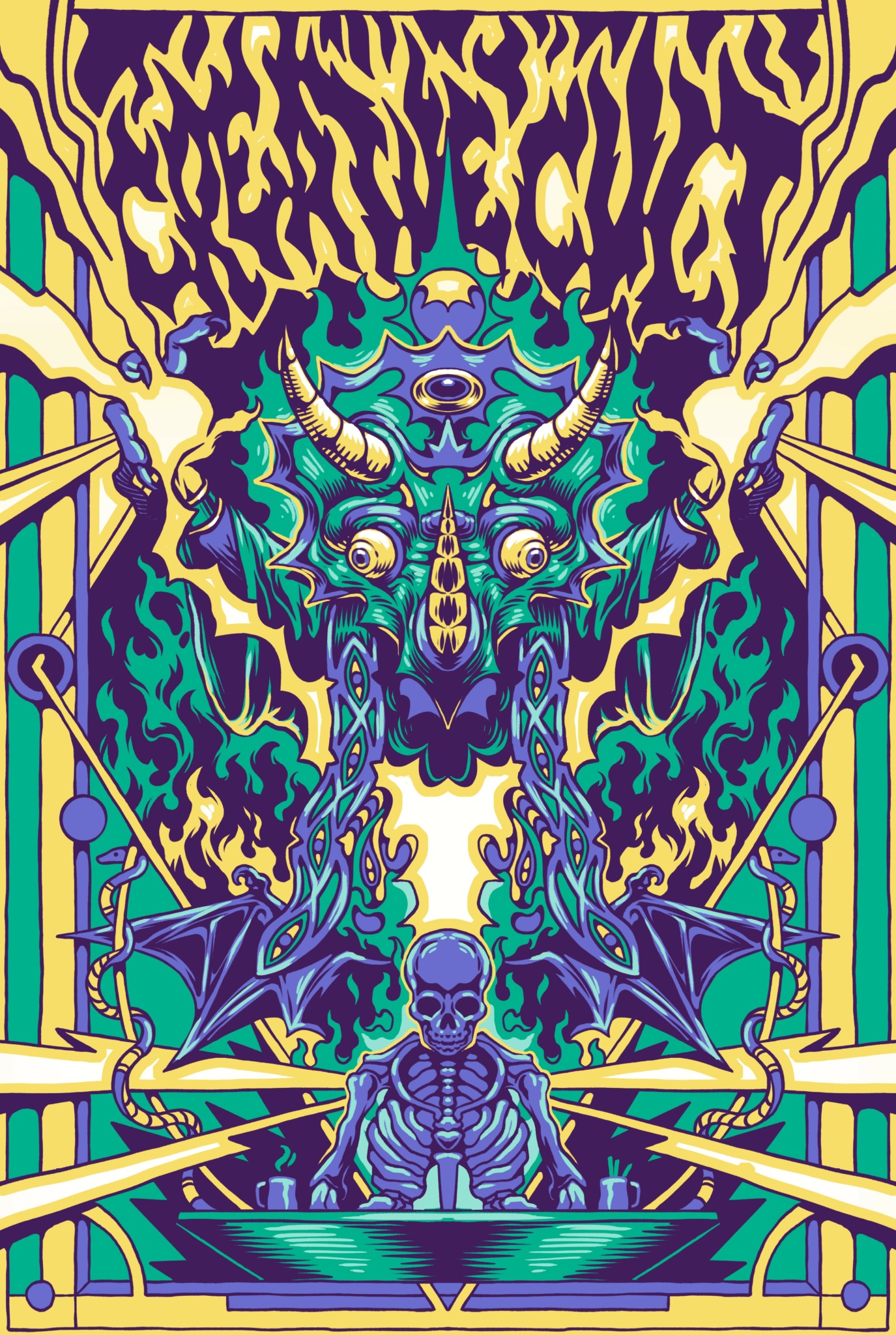
That means every brand we work with gets the same level of care we’d give our own. We ask the uncomfortable “why” questions. We go beyond surface aesthetics to uncover what’s truly distinct about the founder, the story, and the community they’re trying to serve. We back it all up with world-class illustration and storytelling—because visuals without narrative don’t move people.
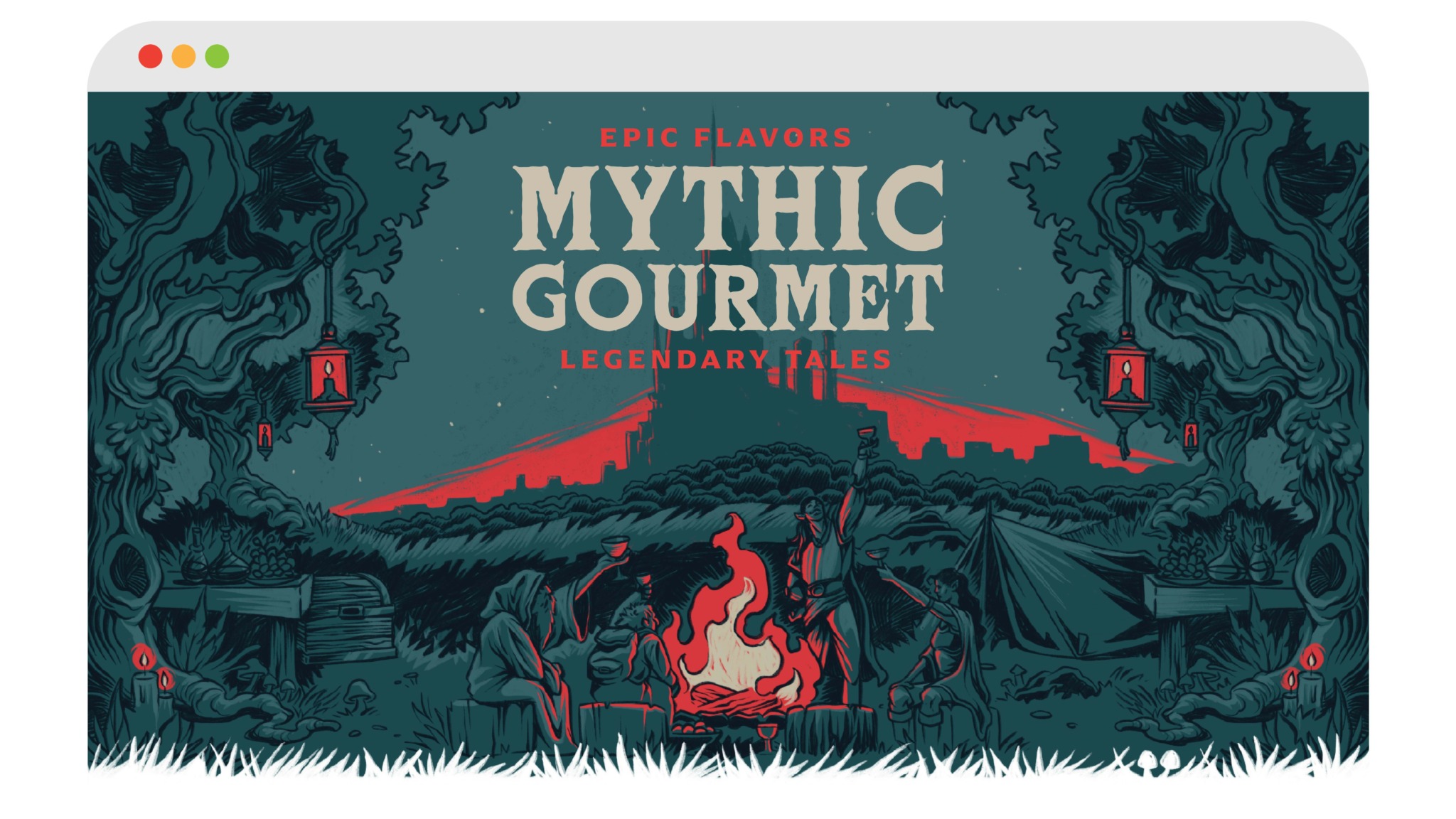
Innovation at Dyno Creative is also cultural. We call it “professional with superhero socks.” That playful attitude unlocks everyday creativity—from testing new illustrative styles to reimagining strategy decks in Notion to prototyping fantasy-themed culinary brands like Mythic Gourmet. Clients don’t just get cool logos; they get a strategic, experimental partner who’s ready to build something meaningful with them.
Here’s one example: instead of building a typical branding package for a local restaurant, we guided them through a strategy sprint that repositioned them as a lifestyle brand—then built the content engine to support it.
What I hope people see in our work is that innovation doesn’t have to be loud or immediate. It can show up as better questions. Stronger systems. Braver stories. And a creative partner who gives a damn.
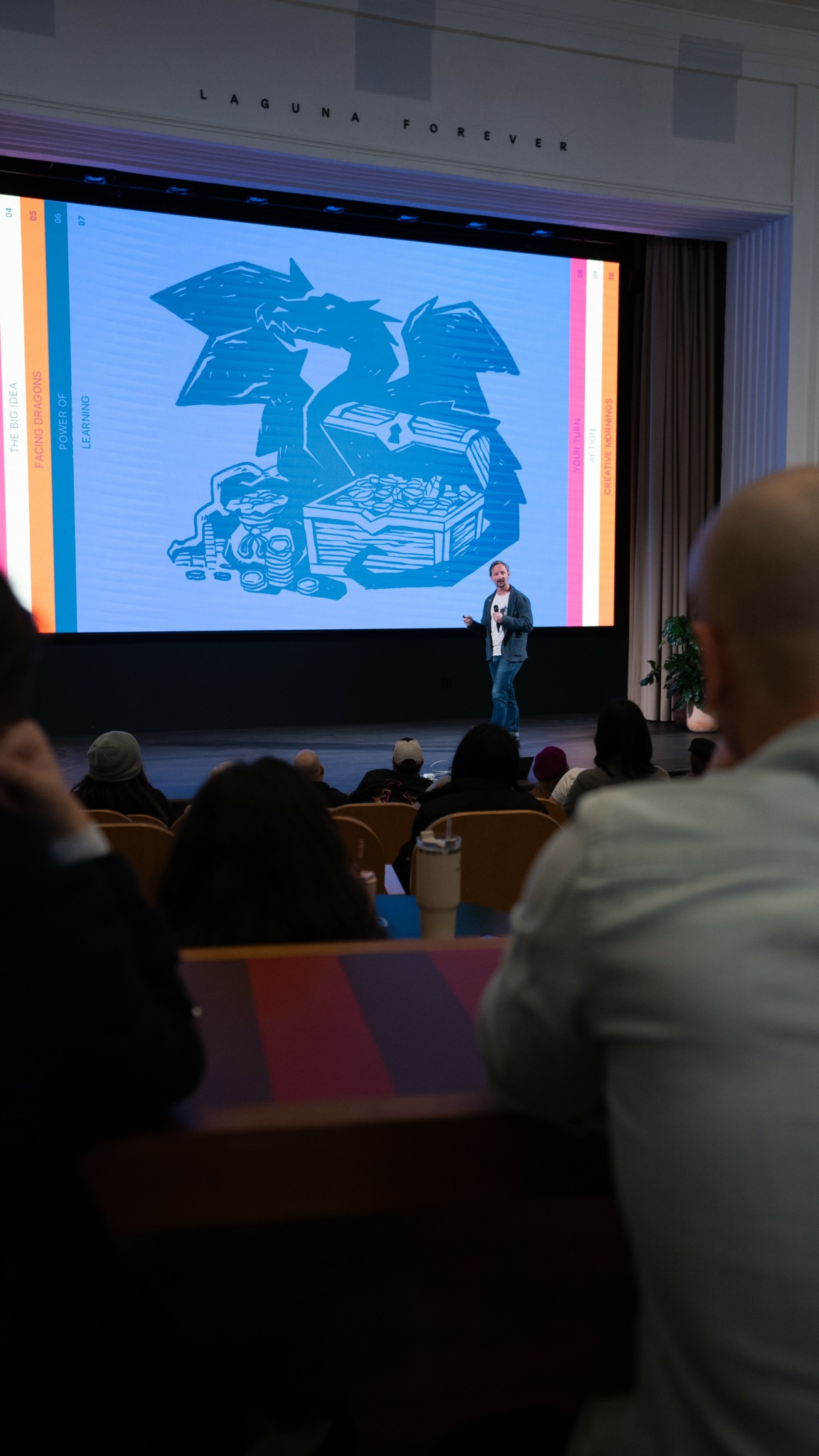
Daniel, love having you share your insights with us. Before we ask you more questions, maybe you can take a moment to introduce yourself to our readers who might have missed our earlier conversations?
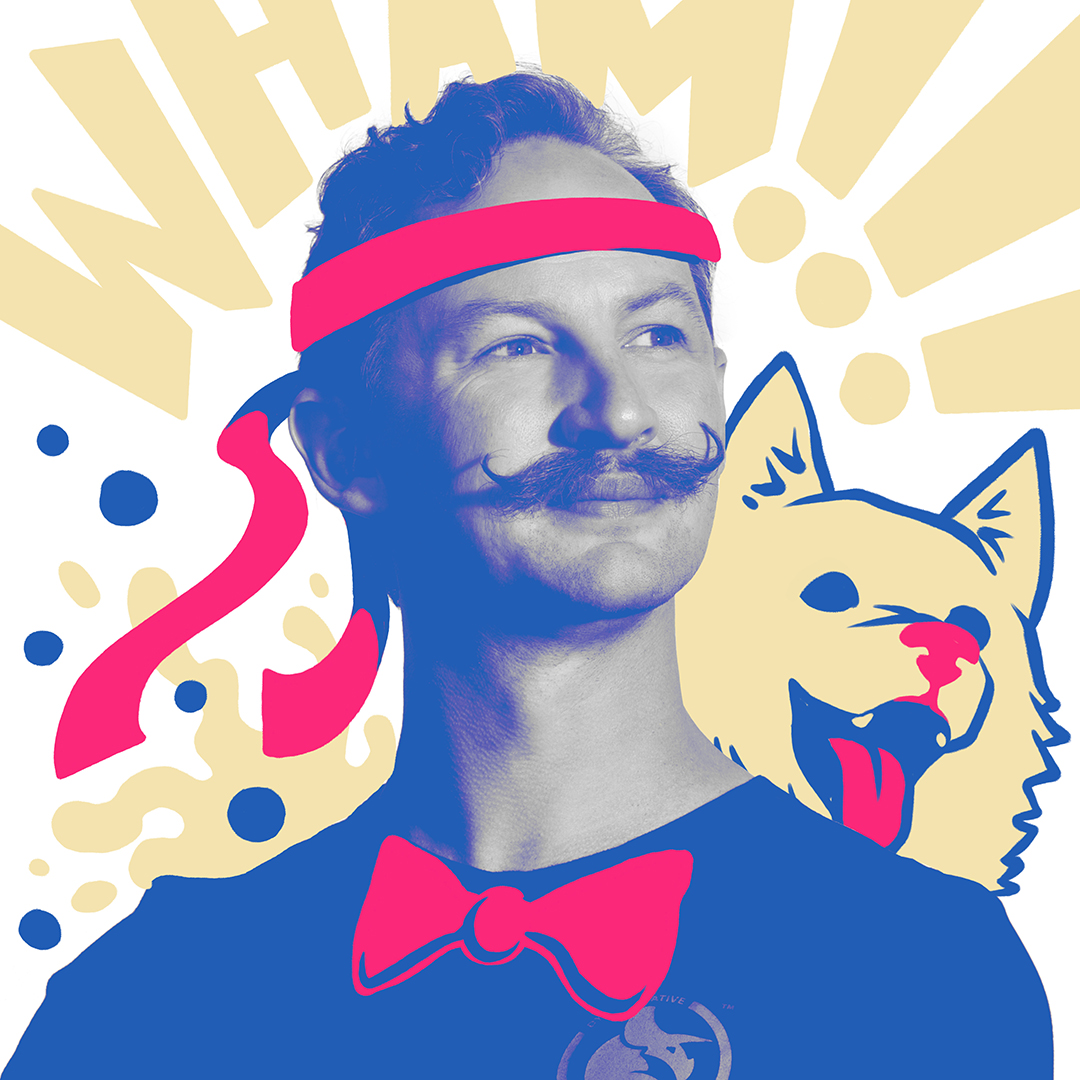
I’m Daniel Adoff, and I run a creative studio called Dyno Creative with my co-founder and longtime collaborator, Austin Haynes. We started Dyno because we were both tired of seeing branding treated like a checklist—logo, website, fonts, done. It felt hollow. We wanted something deeper. Something with soul.
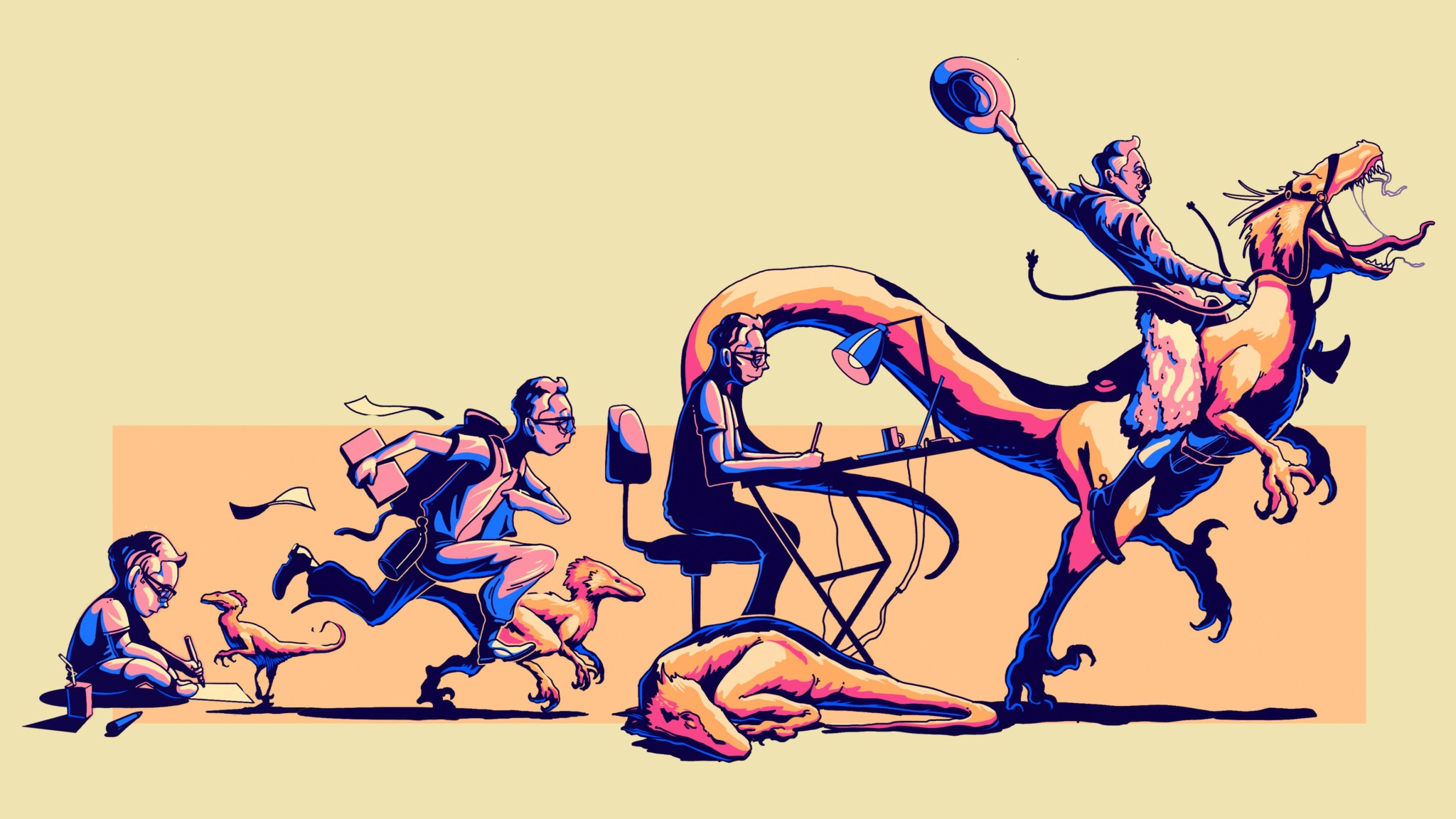
Both of us come from illustration backgrounds. That’s important. It means our first language, before the brand strategy decks and business talk; was image, emotion, and expression. We were the kids who told stories through sketchbooks, who loved the way a single drawing could say more than a paragraph ever could. That’s still at the core of what we do today.
The truth is, I’ve always been a mix of strategist and storyteller. I got obsessed with design early, but it wasn’t just about making things look good. It was about helping people *figure out who they are* and then showing that in a way that feels honest and distinctive.
Dyno Creative was our response to that. It’s not just a design agency. We built it to be a creative partner for people who give a damn about their brand. And by “brand,” I don’t just mean visuals, I mean their voice, their story, their weird quirks, their values… all of it.
We do a lot: brand strategy, illustration, digital experiences, and messaging, we are pretty close to a full-service agency. But the real work is helping people cut through their own noise. A lot of our clients come in feeling stuck or spread thin. They’ve outgrown what they started with. Or they’ve never had the time to figure out who they are as a business. That’s where we come in.
What makes us different? I think it’s two things.
First, we approach every project like a creative partnership, not a transaction. Our clients are in the room with us—metaphorically or literally—when we’re solving problems. We want them to be part of the process because that’s where the best stuff comes from.
Second, we believe in fun. Not “quirky agency fun” with ping pong tables, but actual joy. You can do high-level strategic work *and* enjoy yourself along the way. It’s not a gimmick—it’s a mindset.
There are things I’m proud of. Like helping a restaurant find the courage to reimagine itself as a lifestyle brand. Or watching a founder see their new identity and go, “That’s it. That’s *me.*” I’ve seen teams get clarity for the first time in years—not just in their visuals, but in how they talk, how they lead, how they show up.
But I’ll be honest—what I want people to know most about Dyno Creative is this: we care.
We care about the work, yes. But we also care about the people behind it. If you’re looking for off-the-shelf solutions or a quick logo, we’re probably not a fit. But if you’re looking to build something that lasts—something with story, strategy, and guts—we’d love to help you get there.
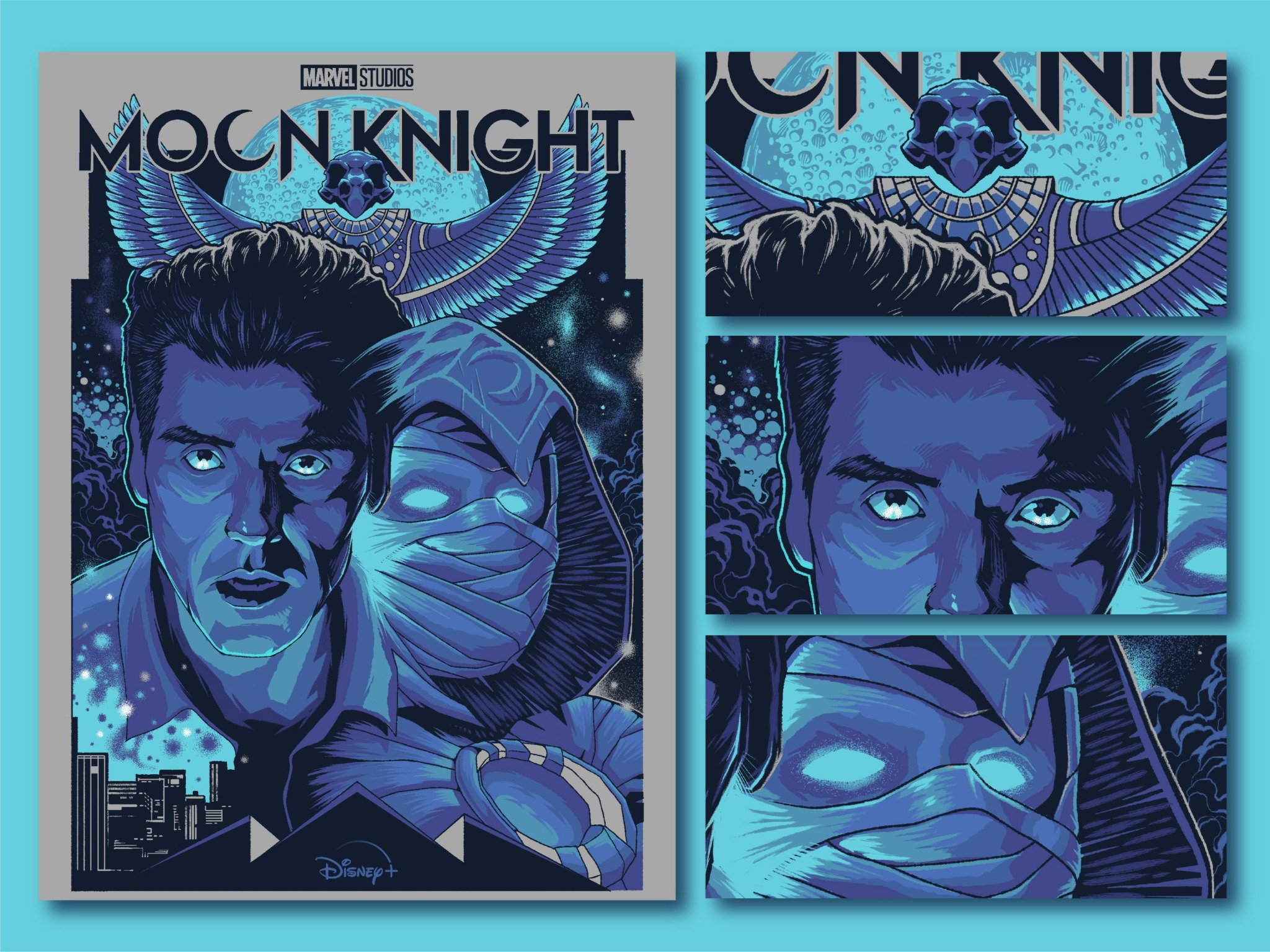
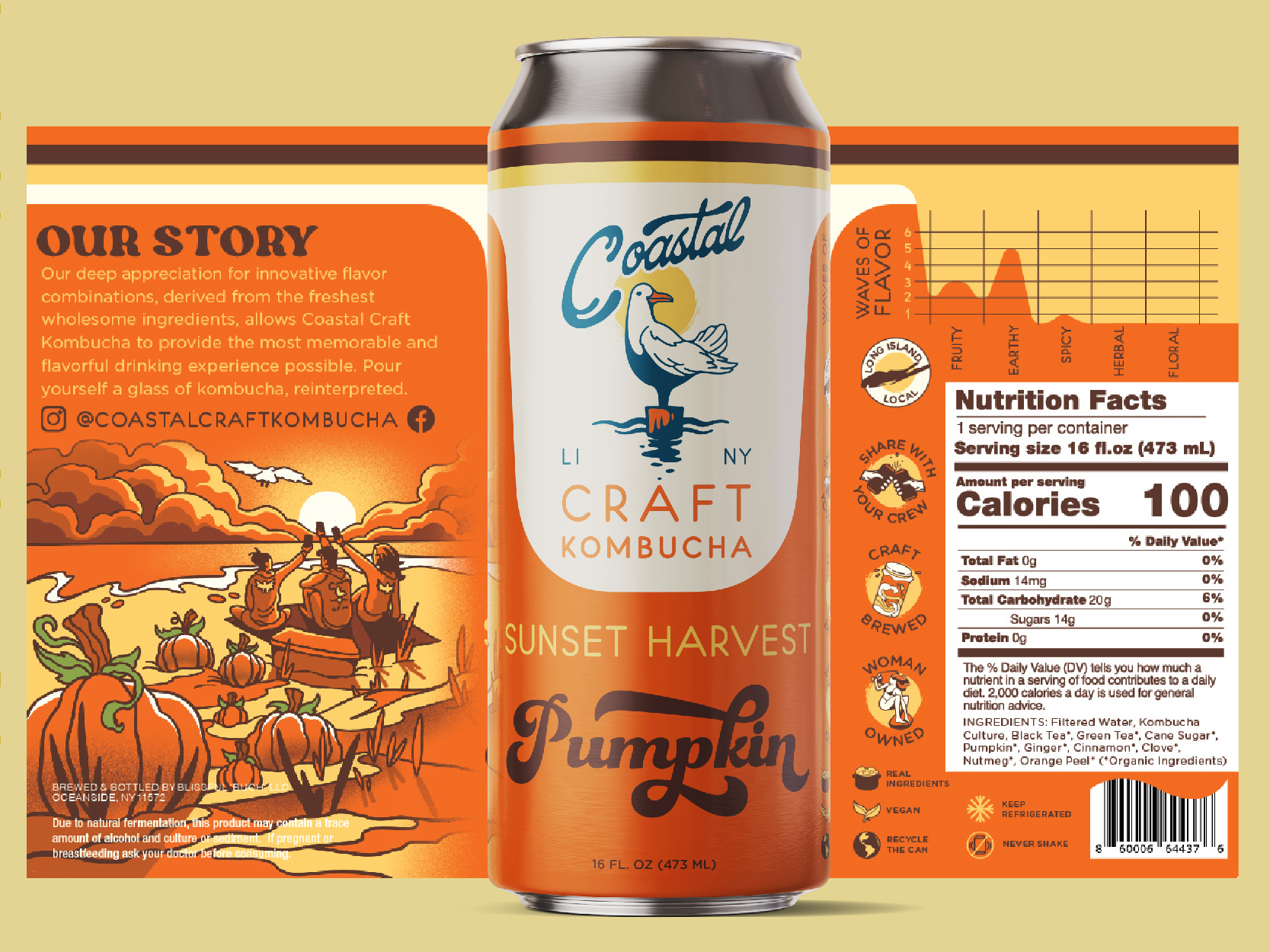
Do you have any insights you can share related to maintaining high team morale?
At Dyno Creative, team morale isn’t something we try to “add in”—it’s baked into how we work. The way we manage the team, support each other, and show up for our clients all flows from our core values: Evolve. Creative. Innovative. Partnership. Playful. Those aren’t just words on a wall—they shape everything from how we give feedback to how we brainstorm a mascot design.
We treat every team member like a creative partner. Not just someone assigned to tasks, but someone who’s part of the journey. Everyone’s voice matters, and the best ideas usually come from unexpected corners of the room. So we’ve built a culture where people feel safe being their weird, wonderful selves. And honestly? That’s where a lot of our best creative work comes from.
Fun is not an afterthought here. Whether it’s a ridiculous Slack thread, a brainstorm that turns into a game, or how we celebrate wins—play is part of the process. If people are relaxed, engaged, and feeling like they can show up fully, the work reflects that. You can’t force morale—but you can design conditions that make it easier for morale to thrive.
We also focus a lot on growth. Creative growth, skill-building, leadership development—we try to make space for it all. I’m a big believer that if someone’s not growing, they start disengaging. So we check in often, not just about deadlines or tasks, but about energy. How are you feeling? Is anything blocking you? What do you want to try next?
And of course—recognition matters. We celebrate wins big and small. We reflect on what went well, what didn’t, and we give credit where it’s due. The team knows their creativity and effort are seen. Clients can feel that energy too. A lot of them have told us, “Your team just feels different. You care.”
So my advice?
Lead by example—show up curious, clear, and kind.
Create space for feedback and weird ideas.
Keep the work meaningful and fun.
Celebrate the process, not just the outcome.
And treat your people like partners, not parts.
That’s what works for us. It’s not perfect. Sometimes it’s messy. But when you build around trust, creativity, and real partnership, morale doesn’t need to be micromanaged—it grows on its own.
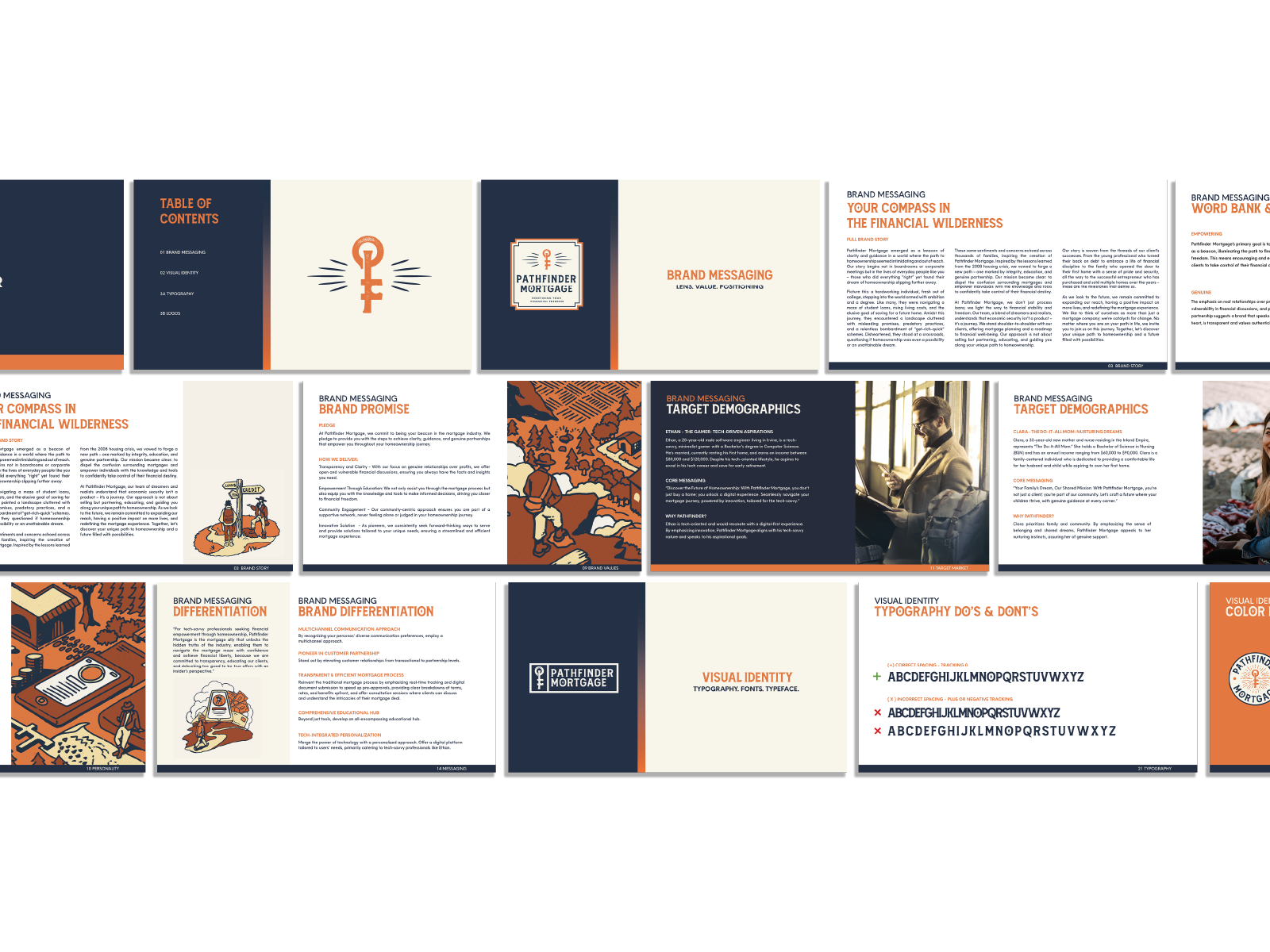
Is there something you think non-creatives will struggle to understand about your journey as a creative? Maybe you can provide some insight – you never know who might benefit from the enlightenment.
Yeah, definitely.
One thing I’ve learned is that a lot of people outside the creative world think this work is powered by inspiration. Like there’s some “aha” moment or stroke of genius that makes everything click. And sure, sometimes there are flashes of clarity. But most of the time? Creativity is a discipline. It’s a habit. You show up whether you feel inspired or not. You build systems. You create space. And then—eventually—something meaningful emerges.
At Dyno Creative, we don’t sit around waiting for magic. We build process frameworks, define strategy, and keep creating even on the messy days. That’s how we help brands evolve. It’s not glamorous, but it’s where the real breakthroughs happen.
Another thing people often miss is how personal this work is. Every brand, every illustration, every idea—there’s a piece of you in it. And when you open that up to critique, it’s vulnerable. Like, deeply vulnerable. Learning to take feedback without internalizing it as a hit to your identity? That’s a whole journey in itself. One I’m still on, honestly.
And maybe the biggest misunderstanding: creativity is not just “making things pretty.” It’s problem-solving. Strategy. Pattern recognition. You’re pulling in feedback, vision, emotion, goals, and market pressure—all at once—and somehow turning that into something coherent and useful. That takes analytical thinking, not just artistic flair.
Also, structure matters. A lot. Creativity thrives in constraints. We use timelines, documented processes, and repeatable frameworks—not to limit the work, but to unlock it. Creativity without structure usually leads to burnout or chaos. Creativity with structure? That’s how the work gets done and keeps getting better.
So if you’re a non-creative looking in, here’s what I’d say: This isn’t about being gifted or special. Creativity is a practice. Anyone can learn it. But it takes persistence, curiosity, and a willingness to grow through discomfort.
And for us at Dyno, it’s never just about the final deliverable—it’s about how we got there, who we built it with, and how we evolved in the process. That’s the part I’m proud of.
Contact Info:
- Website: https://dynocreative.com
- Instagram: https://www.instagram.com/dynocreative/
- Linkedin: https://www.linkedin.com/in/danieladoff
- Other: Dribbble – https://dribbble.com/dynocreative