

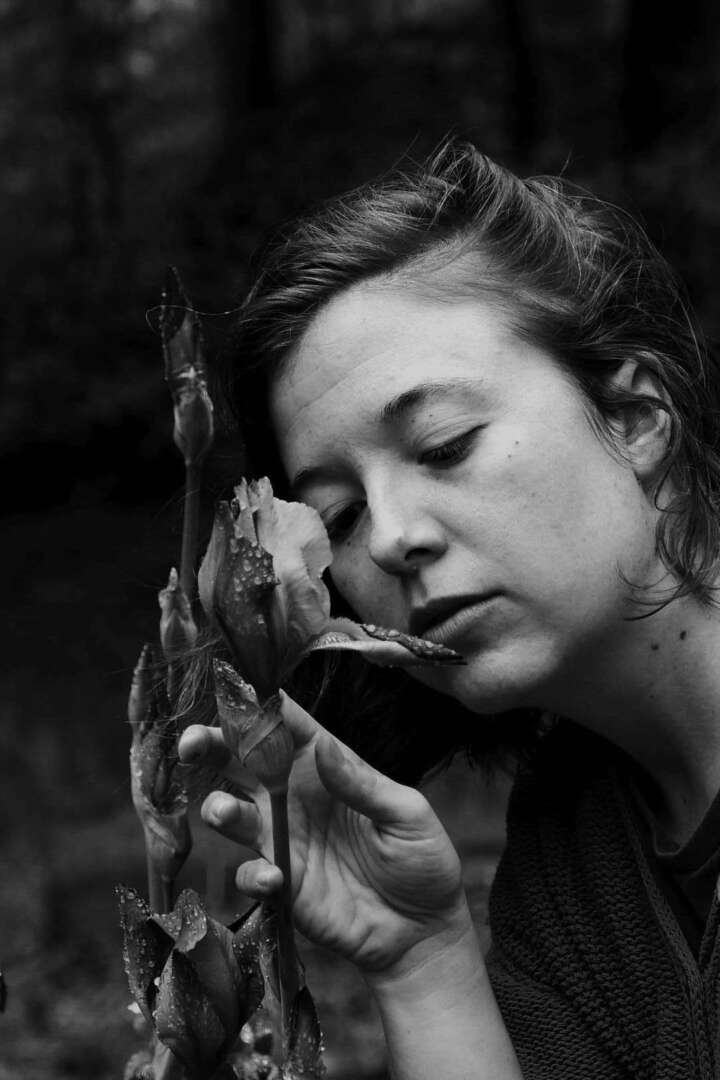

We were lucky to catch up with Dani Dimon recently and have shared our conversation below.
Dani, looking forward to hearing all of your stories today. Can you recount a story of an unexpected problem you’ve faced along the way?
Well, first and foremost I would like to give a quick content heads-up for anyone who may find the topics of chronic illness, medical trauma, and severe depression challenging. It can be a lot. I feel you, friend, and I’ll catch you later if those topics are too much right now. Take care of your heart.
Pressing onward! At this point, it should come as no surprise that the most challenging thing I’ve faced in my creative journey is my health. I’ve been trying to distill this trek down enough to be able to find a reasonable starting point, but the thing about chronic health conditions is that… it tends to fog a lot of your other memories. Pain, be it physical, mental, or emotional, becomes your constant, your touchstone, and your most present and familiar companion. The most unwelcome of houseguests. As early as 15, I remember an unrelenting pain beginning to seep in and make a home in my body. I would try to talk to my family doctors about it during appointments and was met responses ranging from “You’re simply too young to be in that much pain” to “I just don’t think you know what your period feels like”. As time marched on, I had resigned myself to the fact that maybe this is just how it feels to be alive. Migraines, chronic back, neck, and shoulder pain, severe abdominal pain, and flares of debilitating inflammation had become a very familiar part of my path to young adulthood and traveled with me to college. Going to art school was a fantastic opportunity that I feel very privileged to have been able to access. But it also flooded the fire of my underlying health conditions with a pure stream of oxygen. I am now trying to finish my degree in Fine Arts while building a body of ceramic work that could lift me into a career in the arts, while my physical body begins to send out firm and clear warning signs of imminent collapse; Severe depressive episodes, unrelenting physical pain, cycling panic attacks, long stretches of insomnia. Your body is your one true home, and my house was on fire. After I graduated school, I began seeking out specialists who could maybe provide context or insight into why I was feeling this way and if there were any options. I was set on a new path. One of misdiagnosis, surgical procedures that yielded no answers, and new medications prescribed for the misdiagnosed conditions. Enter the era of Covid-19. When lockdown was issued, I had been spending most of my time at a local studio running their kilns, doing glaze chemistry, teaching, and making my own work. I was also running a kitchen as the head chef at a local cafe. Frankly, it was probably too intense a schedule for someone in the pink of health, nevermind me and my body that was being held together with the equivalent of old chewing gum and a tattered shoelace. So when the state issued that we all needed to stay at home for health and safety, I could almost feel my system process that information in real time. I was hit with the realization that if I didn’t make some profound changes in my life, I wasn’t going to get to have a life at all. It was quite literally do or die. So I made some difficult choices in the face of my future and who I wanted to be. I clocked out at the cafe for the last time, and in an over-night decision, I set down my ceramic studio practice completely. It’s hard to describe just how taxing it is to make the choice to fight for your life during severe episodes of depression while hefting around a bunch of other medical mysteries. It’s incredibly difficult to wake up every day in a body that has betrayed you and forced you to give up so many sources of joy, and then actively choose to pick up the sword and fight anyway.
As always, we appreciate you sharing your insights and we’ve got a few more questions for you, but before we get to all of that can you take a minute to introduce yourself and give our readers some of your back background and context?
I’m still very much in the process of trying to sift out what parts of me are ME and what parts are there due to trauma and illness, so I will gently introduce myself to you in the the way I’m introducing me to myself: a series of truths. I am an AuADHD non-binary artist, living and making things in Eastern Pennsylvania. One of the things I’m most proud of in my recovery as well as my studio practice has been doing the inner-work of removing the binds that were tethering my self-worth to capitalism. Nothing has been quite so freeing as recognizing within myself that I would be making art even if nobody saw it. I would do it alone in the dark. I don’t have any interest in growing a social media following since I would also have to be an influencer, social media manager, and digital media business owner. I know my strengths and not a single one of those things makes the list and honestly even thinking about having to do those things fills my guts with a swarm of anxiety bees. I am, however, good at other things! They just tend to be slower, softer, and more analog. I have no idea how to use a wacom tablet, but I love the feeling of media on canvas or watching paper drink up pigment. I’m not good at social media, but I am good at tending to plants and working in the earth. It fills me with pride to know that something I’m eating is something I’ve grown in soil that I’ve healed and amended. I love to chat with visitors in my garden, telling the swallowtail caterpillars that they are looking cute and plump, singing their praises as they eat my fennel to prepare for a profound and intense metamorphosis. You would be hard pressed to find me without my old AE-1 loaded up with some sort of film and the remnants of other media staining my hands and adorning the cracks in my fingernails. Truth be told, I have no idea what sets me apart from others. We’re all carrying around the pleasures and pains of our own experiences and I tend to seek out what I have in common with other people, rather than what sets me apart. I’ve spent a lot of time listening to people tell me how “different” I am with a variety of connotations. My quest isn’t to stand on the cutting edge of the unknown. I think maybe it’s as simple as wanting other folks to know that someone out there is willing to meet them exactly where they’re at on the long and winding road.
In your view, what can society to do to best support artists, creatives and a thriving creative ecosystem?
Society is a very broad word so I’ll focus on a branch directly related to the art world. What I would LOVE to see, is existing residency programs making active steps towards accessibility in a multitude of ways. Many programs offer financial aid, but you still have to pay to have your application read at all. Then, if you do get accepted, most of the financial aid is rooted in a physical labor exchange, making it immediately inaccessible for many chronically ill makers and artists. Other organizations have you write an essay that forces you as the artist to leverage your hardships or trauma in the hopes of it being “interesting” or “enticing” enough to catch the eye of the person in charge of dolling out cash. It feels very “prove you’re sick enough/poor enough/disabled enough” to deserve this opportunity. It puts applicants in the unfortunate position of looking around and realizing that you’ve been pitted against your own community in the hopes of gaining access to a positive experience. Many of these programs are also located in more rural areas. Which while providing a beautiful environment to make art and foster togetherness among creatives, it also tends to shine a light on some areas of privilege that have been taken for granted. Many require you to have your own vehicle/transportation to get there, a luxury many cannot afford. There are some phenomenal programs being run on old or historic properties which, while beautiful and unique, can make it impossible for those of us on medications that put us at a high risk of heat stroke to attend since they lack access to cooler environments. And perhaps the most startling: many facilities still don’t even have accessibility ramps. For folks using mobility aids, this is a non-starter. Regardless of getting accepted into a program or not, they don’t have access to the program if they can’t physically access the program. Pave over gravel paths, build access ramps, use accessible toilets with assist bars, make sure your doors and knobs are usable for seated wheelchair users and those with lower strength abilities, seek grant funding to wave costs of application and travel fees, offer a shuttle system to pick up folks from public transportation hubs. The list goes on. If you are an organization striving for genuine inclusivity, I highly encourage you to consider the sheer volume of people who haven’t even been able to apply due to these types of barriers.
Can you tell us about a time you’ve had to pivot?
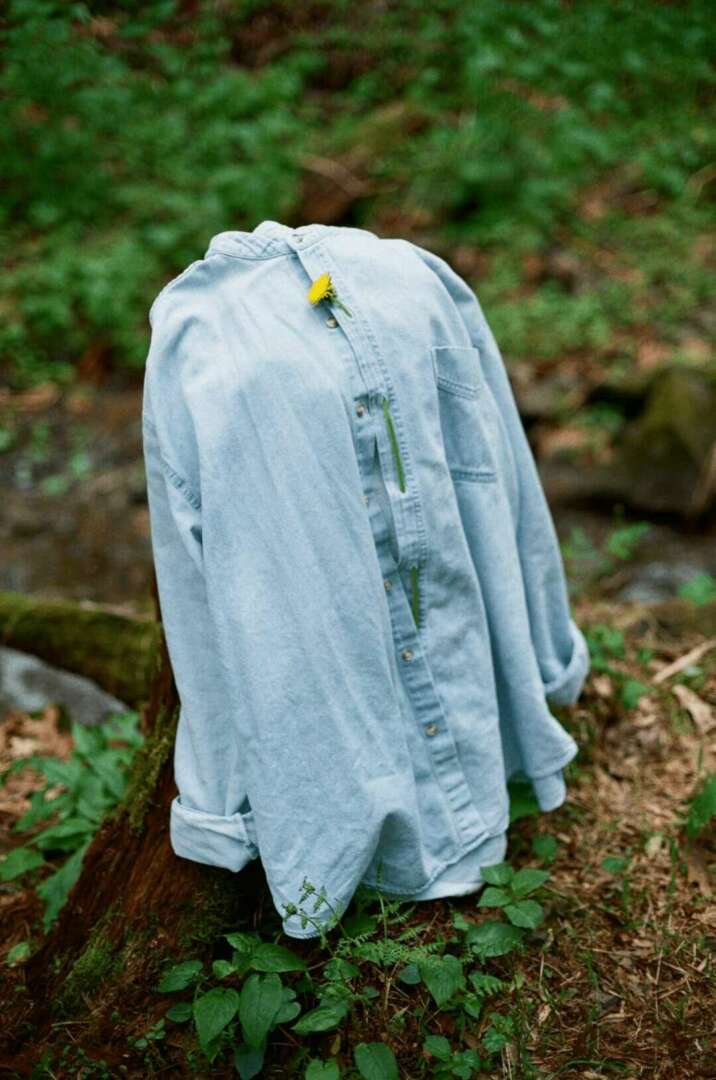
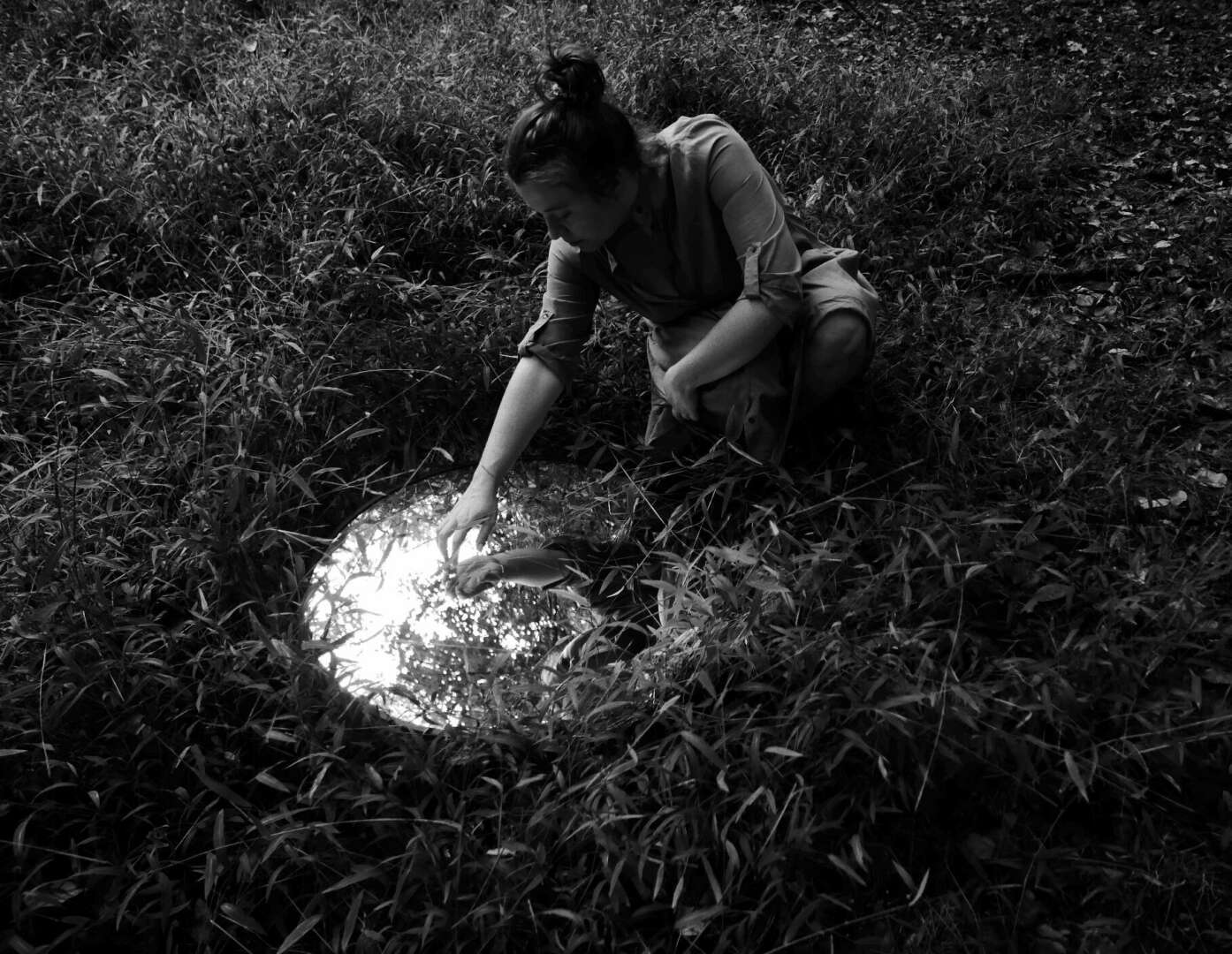
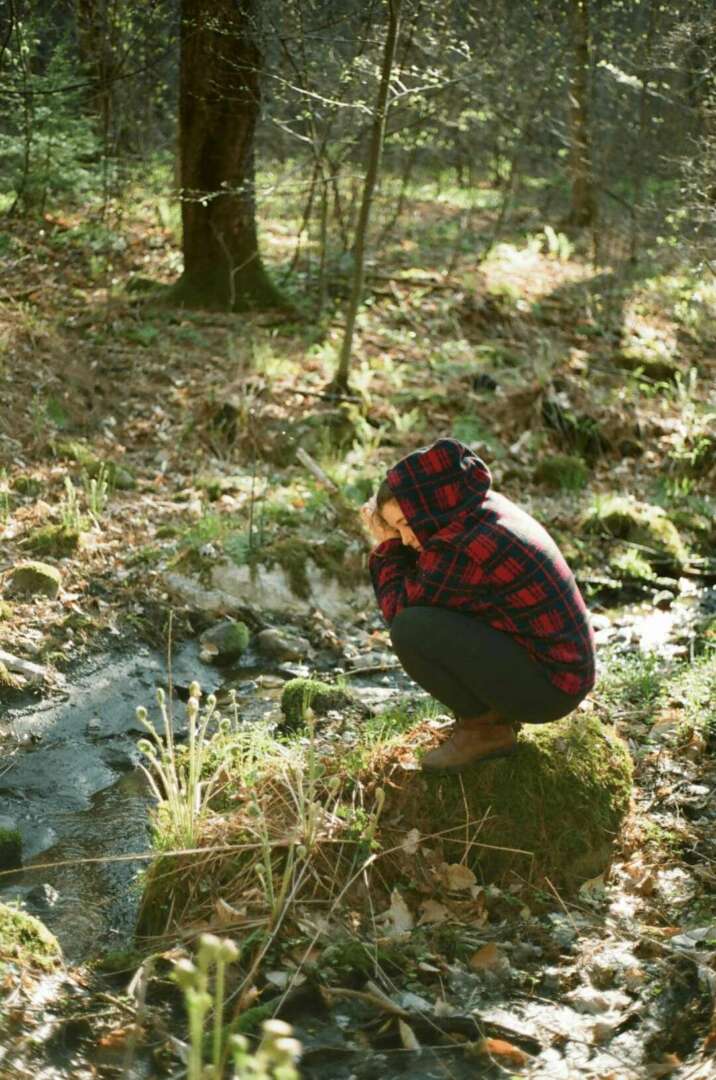
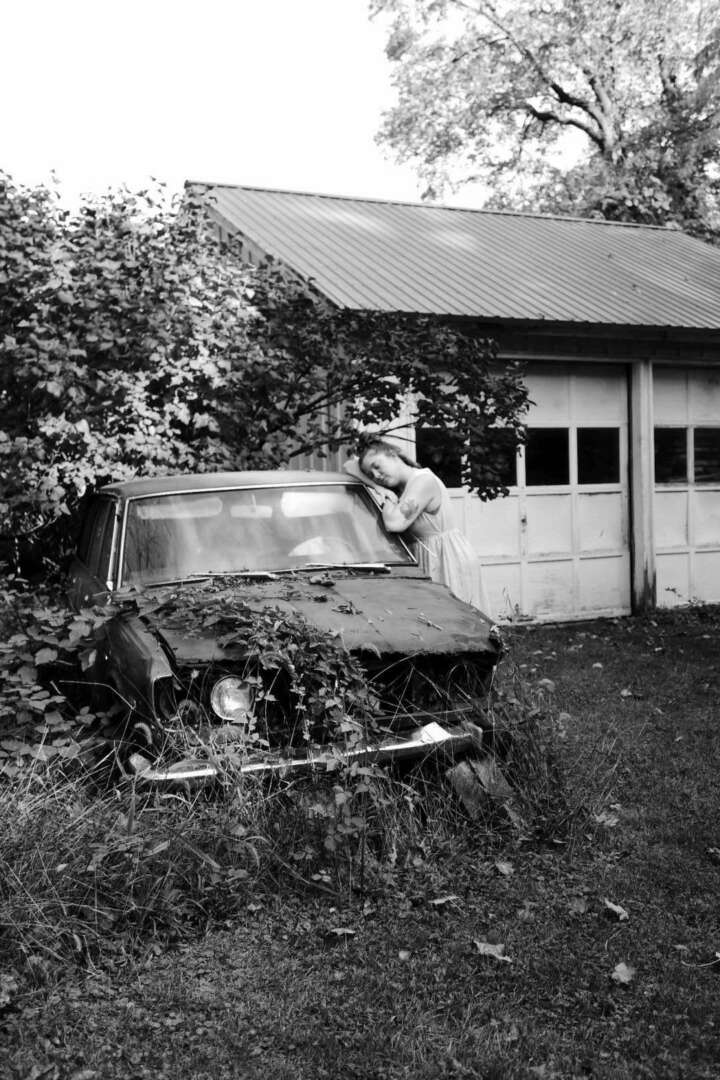
I’ll touch a little bit more on what happened after I stepped away from my ceramics practice, if that’s alright. So, after I made the decision to step away from clay, I knew it had to be a thing that acted on quickly or else I would keep putting it off. So overnight, I went from being a working artist, to having my health be my full time job and complete focus. The pivot really came into play when I realized that if I wanted to maintain any sort of progress I was making, I would have to leave clay behind indefinitely. While I have a prior degree in photography and it continued to hold a big place in my heart, I was mostly photographing very casually here and there rather than using it as a medium for my art practice. At the time, my heart was hurting from a lack of creative endeavors and self-imposed isolation (deeply rooted in the fear of getting sicker) and I was grieving who I used to be and the things I used to be able to do. So I turned back towards my camera, and started using my photography practice as a means of creating a visual diary. Through gently documenting my days, I was able to see the perforation lines. Days stopped blurring together as I gave myself memory touch stones and I could finally start to see beautiful things happening in my every day surroundings. Eventually, that led to me desperately wanting to know who I was and how to build a new home in this very different body so, I began taking self portraits. It was painful in the beginning. I had no idea how to hold my own posture or even what I looked like. There was a large chunk of time where I couldn’t picture my own face in my minds eye. I was a complete stranger to myself, but I was determined to re-meet me and push through the initial thorns of not recognizing my own form.
Contact Info:
- Website: https://danidimon.com
- Instagram: https://danidimon.film
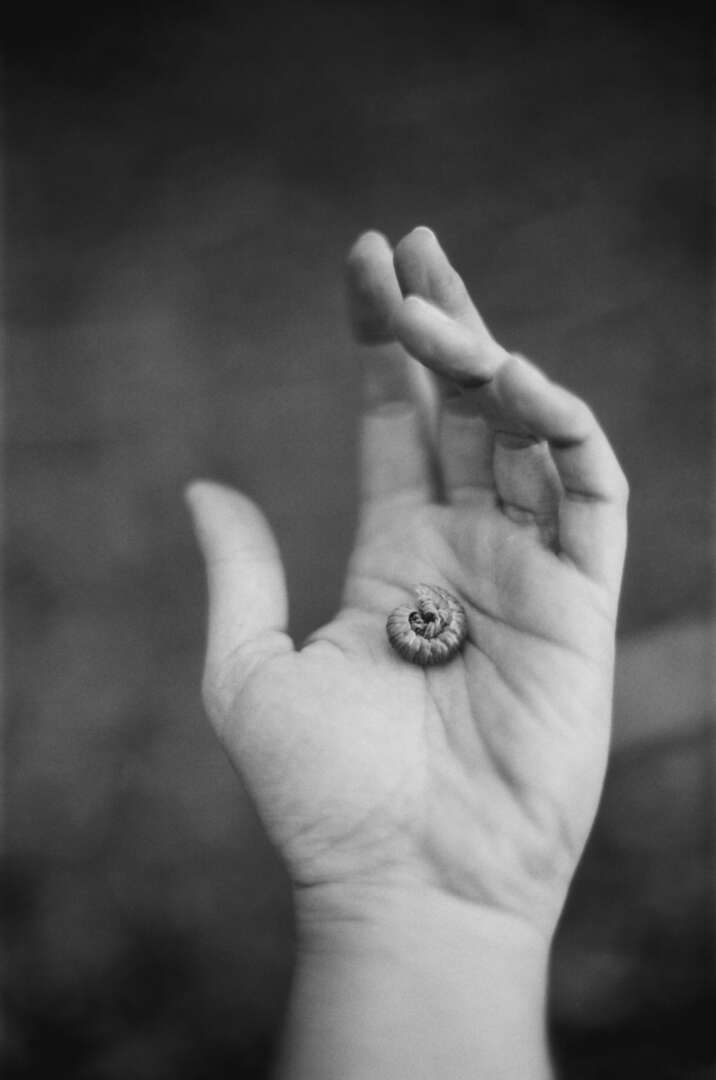
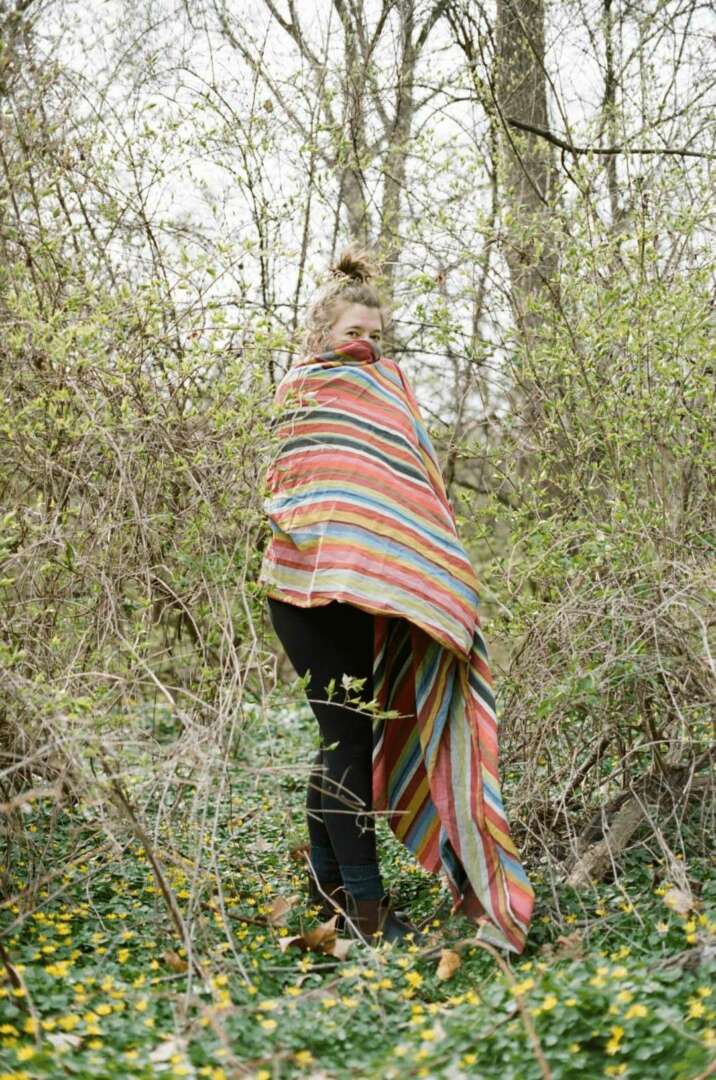
Image Credits
All images were taken by Dani Dimon