

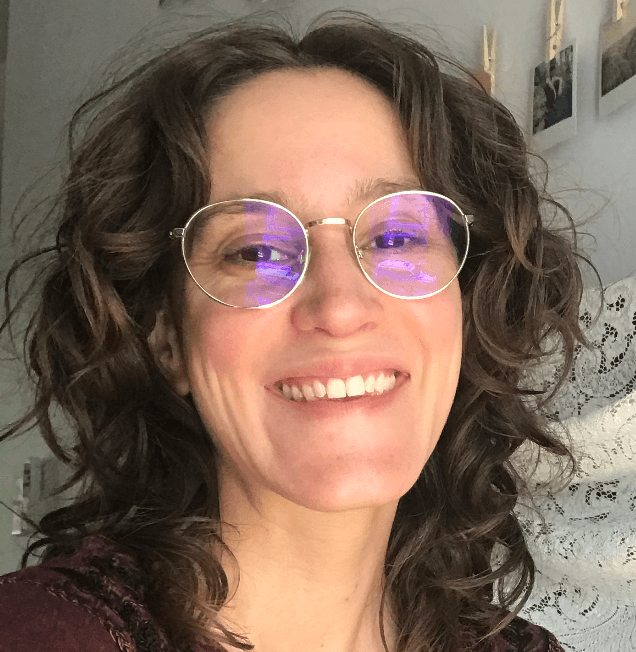

We caught up with the brilliant and insightful Dana Yewbank a few weeks ago and have shared our conversation below.
Alright, Dana thanks for taking the time to share your stories and insights with us today. Earning a full time living from one’s creative career can be incredibly difficult. Have you been able to do so and if so, can you share some of the key parts of your journey and any important advice or lessons that might help creatives who haven’t been able to yet?
Earning my living as an artist has always been my ultimate goal. For the past 4 years, I’ve been able to make that happen, but not without significant hurdles and challenges.
I started freelancing as a writer and editor in 2020 after deciding to leave the food-service industry and being forced to stop performing as a musician. I had always wanted to pursue a career as an editor, but I never knew where to start. When push came to shove, I Googled “freelance editing jobs” and started applying to everything I found. My first job came through Fiverr.com (though I don’t recommend this avenue now), and I also picked up a couple other random freelance gigs through other platforms and agencies.
For the first two years, I got extremely lucky. I was able to find enough work, and I started earning more money than I had ever made as a service worker or performer. I remember thinking, “If only I had known I could do this years ago…” But it didn’t come without immense hard work first.
For the first few months, I was barely making any money, but I was getting unemployment during the pandemic. This allowed me to withstand the initial rough patch of starting out as a new freelancer, and by just a few months in, I was making enough money to support myself independently. I attribute this to the fact that I spent almost every waking minute perfecting my Fiverr and Upwork profiles, building up my portfolio, and making sure I was delivering the highest quality work I could. While I wouldn’t recommend this approach now, I basically worked around the clock.
Eventually, things started to balance out, and I had steady work as both a writer and editor for a wide range of clients. I worked for independent musicians, creating artist bios, reviews, and press releases. I worked as a ghostwriter for romance novel authors. I edited technical manuals for appliance manufacturers. I really did it all. I eventually got into content writing and quickly discovered that this is where a lot of the potential lies when it comes to earning a living as a freelance writer.
Unfortunately, I ended up in an extremely unhealthy work dynamic with my first content writing client, which led to me experiencing immense burnout and having to take several months away from my business. This led to some pretty severe financial insecurity and emotional stress, which started to negatively impact my mental health and made it even harder for me to return to work.
After about four months, I finally built up the energy to start looking for clients again, and I was able to find a couple seemingly good gigs that gave me hope. My foundation was rocked again, though, when my two main clients dropped me in the same week at the end of 2023. One of them had decided to outsource all their content to ChatGPT, which became the first of many experiences that showed me just how much the creative industry is changing right now with the rise of AI. This led to another months-long rough patch in my business, and I was forced to rely on financial support from my family, my partner, and some of my friends. I’m extremely lucky that I had that support, otherwise I would have been forced to return to food service or bartending, which I swore to myself I would never do again.
Now, midway through 2024, I’ve redesigned my business in a way that allows me to experience far more stability and consistency than ever before. Earlier this year, I decided to divest completely from Fiverr and Upwork, and I took all of my marketing efforts into my own hands. I now operate my business independently, doing most of my marketing through Linkedin and my own website and newsletter. I also got serious about learning the ins and outs of cold pitching and networking, which has entirely changed my approach to client acquisition and the way I experience my business. I’m now consistently booking clients 4-6 weeks out and rebuilding my income little by little, seeing growth each month. I’m still not quite where I want to be, but I’m on a hopeful trajectory and putting in the work every day to reach my goals.
If I had known at the beginning of my journey what I know now, I would have taken my marketing seriously from day one. Instead of relying on platforms that disempower freelancers and take high percentages of our earnings, I would have started by building my own website and learning how to market myself to my ideal clients. That’s what I’ve been putting my efforts into over the past few months, and I’ve already seen immense changes in my business. I’m so grateful and proud that I’m back in place of earning a full income from my creative work, and I can’t wait to see where this path takes me next.
As always, we appreciate you sharing your insights and we’ve got a few more questions for you, but before we get to all of that can you take a minute to introduce yourself and give our readers some of your back background and context?
I’m a writer, editor, and brand storyteller. I work with holistic health and wellness brands to create content and copy that tells the right stories, resonates with the right audiences, and lets the world see why each brand is worth their attention. I’m a big SEO (search engine optimization) nerd, so I help demystify the process of SEO content marketing for brands that don’t have time to figure out the ins and outs of this technical process on their own. I’m also a skilled conversion copywriter and long-form content writer. Think landing pages, newsletters, social media ghostwriting, content articles, blogs, and more.
Storytelling is the core of my work. I always say that storytelling is the key to connection, and connection is the key to business success. If you don’t know how to tell the story of your brand, business, or organization to the right people, at the right time, and in the right way, you’ll struggle to sell your offer. I help brands understand the value of their own stories and convey them in a way that resonates with dream audiences. While there are tons of content writers and brand storytellers on the market, I rise above the rest because I have a proven skill for connecting with audiences and promoting my own projects. I don’t just say I’m good at telling stories… I show it. I also bring the added bonus of being an editor and proofreader (which saves time and money for my clients) and knowing a ton about SEO and conversion. I’m a researcher at my core, so my clients benefit from me having WAY more knowledge about the world of digital content marketing than most content writers.
I work with holistic health and wellness brands specifically, because I have a background in the holistic health field. I’m a trained herbalist, and I worked for and studied with the largest distributor of natural herbal extracts in the world, Herb Pharm. I’ve traveled to multiple continents to study holistic health, and my work is informed by years of learning with a wide variety of practitioners and teachers, from clinical herbalists to midwives to natural products business owners and more. I also have extensive experience writing for mental health platforms and brands, specifically from an embodiment and somatics perspective. I have a background in social work, including a degree in interdisciplinary sociology, which informs my work as a writer in this niche.
I’m also an editor and proofreader with extensive experience working with indie authors on both fiction and nonfiction projects. I’ve edited everything from steamy romance novels to academic journal articles to zines about tarot cards.
When I’m not working directly with clients, I’m also a feature writer and journalist. I’m currently a contributing writer for Yahoo.com, The Bluegrass Situation, and Witchology Magazine. My passion projects explore the sacredness of music, magic, queerness, and the less-than-tangible aspects of existence.
How did you build your audience on social media?
About four months ago, I had no social media following to speak of. In fact, I had deleted all my personal social media accounts in 2020 and had to start over from scratch when I decided to start marketing my business. I decided to focus on LinkedIn, and in the first month of posting, I went from 0 to well over 1000 followers. Now, almost four months in, I have over 3000 followers, and my follower count continues to grow every day. I’m also a Top Web Content Writing Voice on LinkedIn, and most of my new work comes through inbound leads through my LinkedIn inbox.
My best piece of advice for anyone trying to build a social media following for their business is to be consistent. Ever since I first started posting at the end of March this year, I’ve posted at least five days a week without fail. Posting consistently, engaging with my network, responding to comments, and contributing valuable perspectives to other people’s posts have all done wonders for my LinkedIn presence.
But I always remind people to avoid posting content for content’s sake. Consistency is key, yes; but if you’re not posting valuable, relatable content that people will actually want to engage with, you could be doing more harm than good. Since posting 5-6 days a week can be a big time suck, I keep a spreadsheet of all my LinkedIn post ideas and batch my posting efforts using LinkedIn’s scheduling feature. This way, I can log my ideas as they come to me, and then when I’m ready to write and schedule my posts for the week, I can sit down and get it all out of the way at once.
No matter how often you post, make sure that what you’re posting contributes something to the conversation or accomplishes a marketing goal. When you’re trying to build a following on LinkedIn, you want to get a lot of engagement, so not everything will be a bottom-of-funnel marketing post. Sharing relatable stories, helpful insights, and industry tips that people are likely to engage with and share can help get your content in front of more people.
Is there a particular goal or mission driving your creative journey?
I freelance because I have to. While I don’t talk about it very often in my marketing, I struggle with chronic health issues that make it extremely difficult for me to perform in conventional full-time roles. For years, I worked on farms and in the service industry, and it completely broke my body. Being able to work for myself on my own schedule gives me the freedom to take care of myself in the ways I need to to survive and thrive. While freelancing definitely isn’t easy, and there are significant challenges to navigate all the time, it’s worth it for the freedom and autonomy. This is the underlying motivation behind my journey of living as a full-time creative service provider.
I’m also motivated by the fact that my creativity feels deeply tied to my purpose in life. As cliché as it may sound, I truly believe that we all have a fundamental purpose we’re meant to serve in the world, and while I may not know exactly what I’m supposed to be doing all the time, I do know it has something to do with my creativity and my writing.
Contact Info:
- Website: https://www.danayewbank.com
- Instagram: @dana.yewbank
- Linkedin: https://www.linkedin.com/in/dana-yewbank-b91594227/
Image Credits
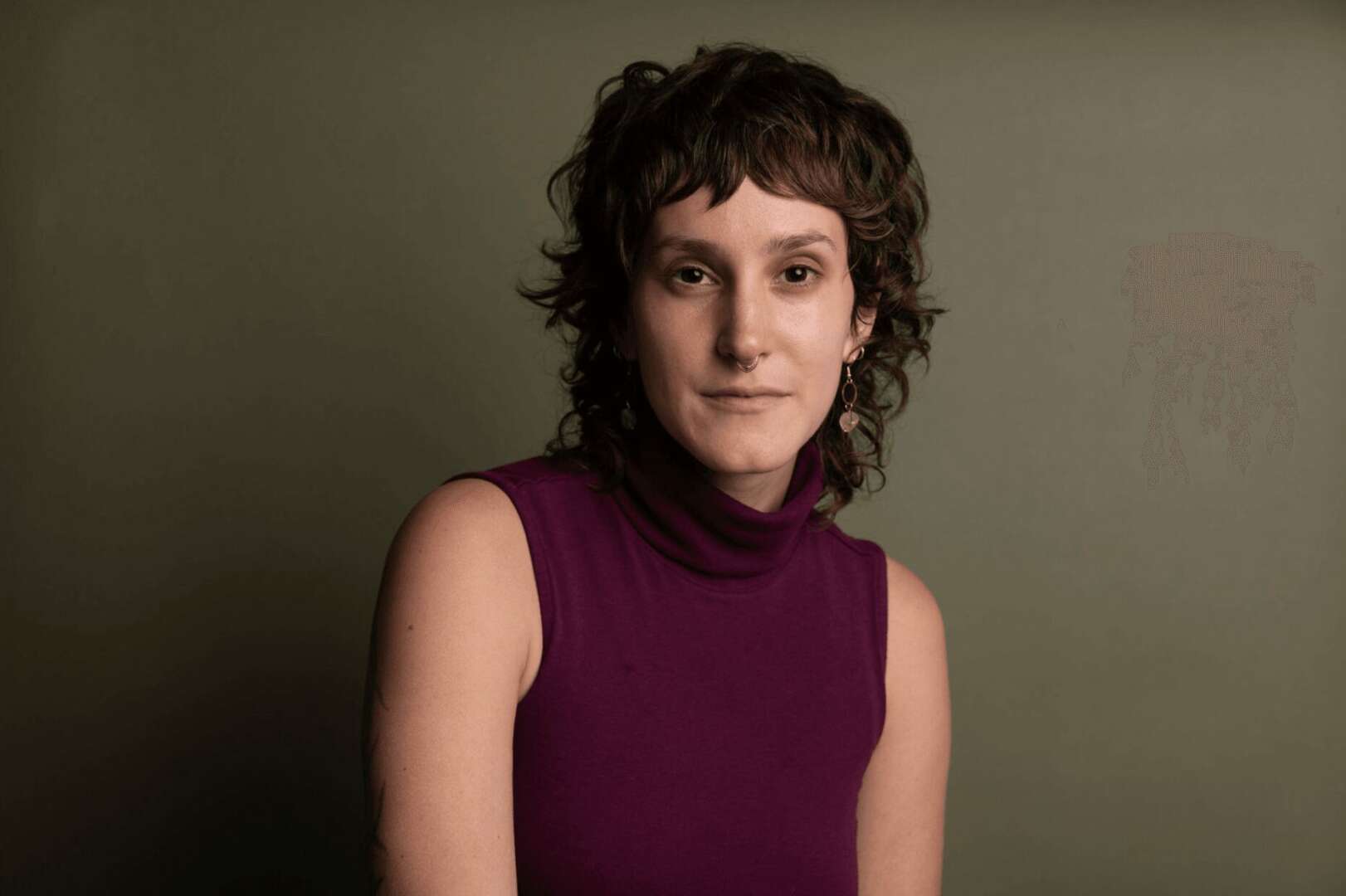
The studio portrait image of me (purple shirt) is by Theodora Teodosiadis of Studio Moss in Seattle, WA.