

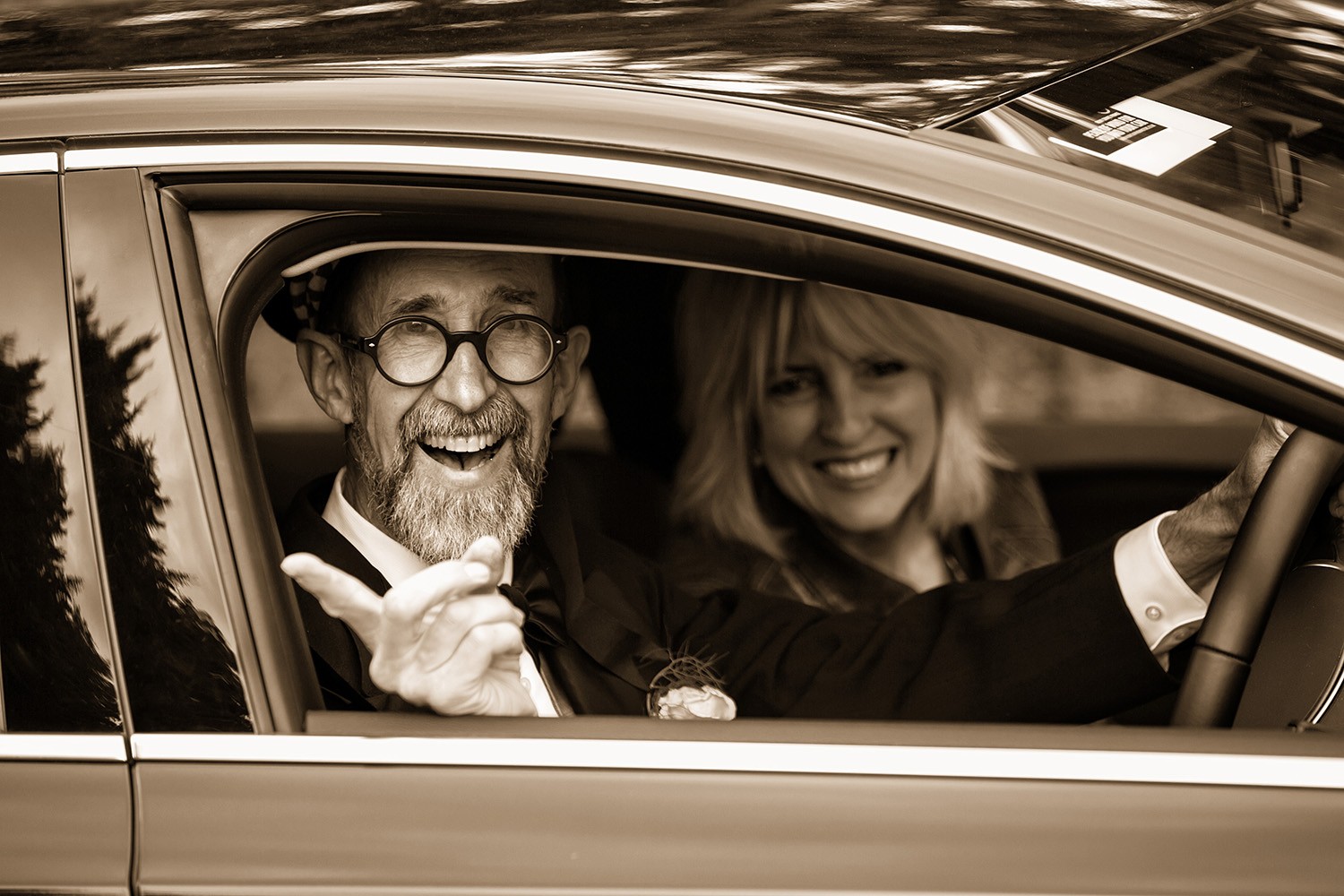

We recently connected with Dan and Cathy McNeil and have shared our conversation below.
Dan and Cathy, thanks for joining us, excited to have you contributing your stories and insights. Can you talk to us about how you learned to do what you do?
Learning the craft. “The lyf so short, the craft so long to lerne.” Geoffrey Chaucer 1382. Nothing has changed, we are in our mid-60s and still learning our respective crafts.
We work as a team, so we are able to leverage our unique skills to create better work, however we each got to the beginning by different routes, worked in theatre for some years and then diverged into new creative endeavors.
Dan
Dan was interested in building things as a boy and discovered tech theatre in high school. He was able to work at a near-by theater program and start honing his skills during college. He studied theatre formally at Ithaca college and Yale School of Drama. Every production presents a new set of challenges: a new team of creatives, big dreams with tiny budgets, huge budgets, complicated people and a deadline that is an absolute. Dan contributed to over 500 productions and learned new pieces of the craft every time, but one material captured his passion.
Although welded steel is frequently used in stagecraft, Dan discovered the magic of forming steel through blacksmithing in 1985 when a friend gifted him with a forge the size of a toy BBQ. During that time blacksmithing was a craft that was dying out, so learning had to happen through mentoring. He eventually found his way to ABANA (Artist Blacksmith Association of North America) and studied with Francis Whitaker in a master class. Since then he has made over 200 sets of tongs, hammers, several different types of forges a large hydraulic press and a trip hammer, just to create the work in our studio. Dan made the terrifying leap from well established theatre professional to full time artist blacksmith in 2013. Worth every sleepless night!
Cathy
Cathy could draw naturally and always loved art and theatre but somehow thought med-school would be the place for her. After 2 wildly unimpressive years in a pre-med program and some wise counsel from her dear ol’ dad, she abandoned academics for art school.
She studied illustration at the California College of Arts and Crafts and moved to Cal Sate to finish a degree in technical theatre and design. She moved to NYC to work in theatre and was fired from multiple waitressing jobs while looking for painting gigs. “I would paint samples in my apartment and photograph them for my portfolio as work for a private residence” she recalls. Being a scenic artist provided exposure to many different materials and techniques, it was also critical to learn to make work that supports a greater vision. We use those lessons to this day.
So with over 80 combined years of professional work we hold these beliefs about learning the craft.
– It takes time and hours and hours of practice. There is no skipping this step.
– Get our of your own way – it is great to be a beginner, it is fine to make some really awful pieces,
– Learn to be objectively critical of your work and your ideas without becoming self deprecating.
– Learn to draw – it is not a talent, it is a learnable skill. Drawing is about learning to see, observe and record your observations.
– Find masters and work with them – college may not always be the best place, there are plenty of artists who would be happy to share skills.
– Draw, draw, draw
– Understand that self-doubt is real. It happens every time, just keep going.
– It is critical to become a master of your tools, so the tools do not get in the way of creating.
The craft is a sum of a lifetime of work. Keep going, keep experimenting, keep sharing.
Dan and Cathy, before we move on to more of these sorts of questions, can you take some time to bring our readers up to speed on you and what you do?
We both began our careers in the design and technical end of the performing arts.
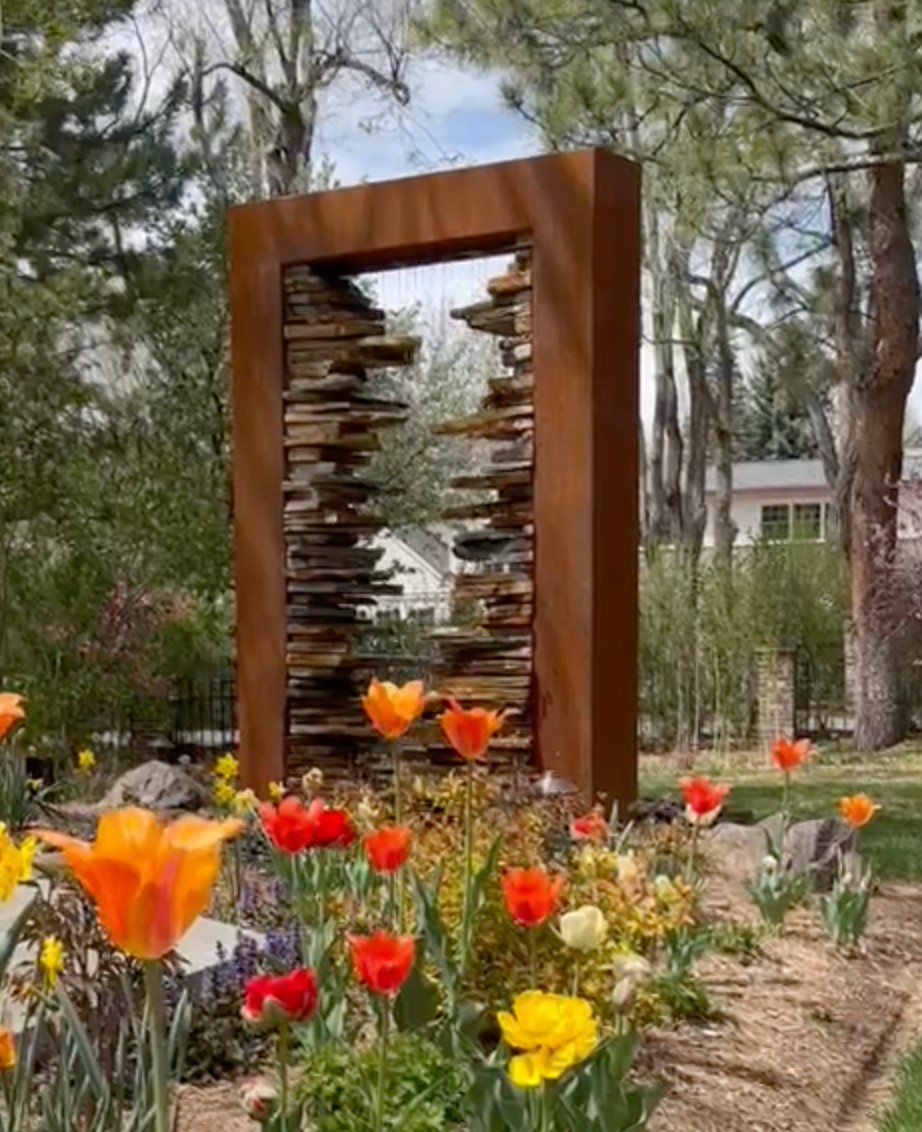
Dan’s career as a theatrical technical director spanned over 30 years providing technical expertise in scenery, lighting and effects for over 500 productions at institutions like The Denver Center Theatre Company, Alaska Rep, Pacific Coast Performing Arts Center. Dan left the theatre in 2013 to pursue full time studio work as artist blacksmith. Cathy began her career as a scenic artist and set designer in professional theatre then pivoted to commercial murals, decorative painting, public art and fine art commissions. She also spent 20 years as the Senior designer for The Boppy Company being responsible for all fashion and design for products worldwide.
Working as a creative team, it is our goal to create work that serves others using fine art and craft to “tell a story” for our community, patrons, brands and organizations.
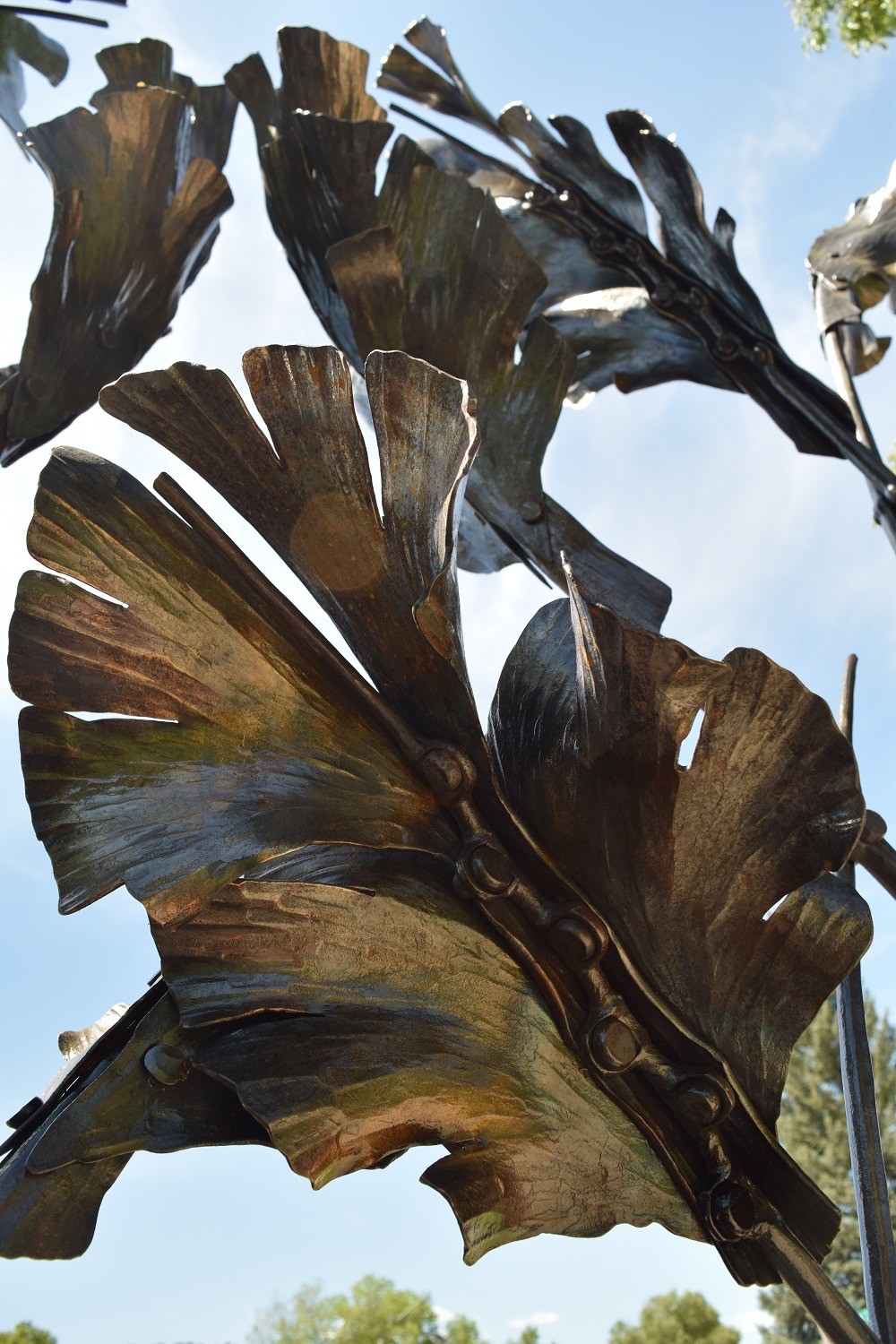
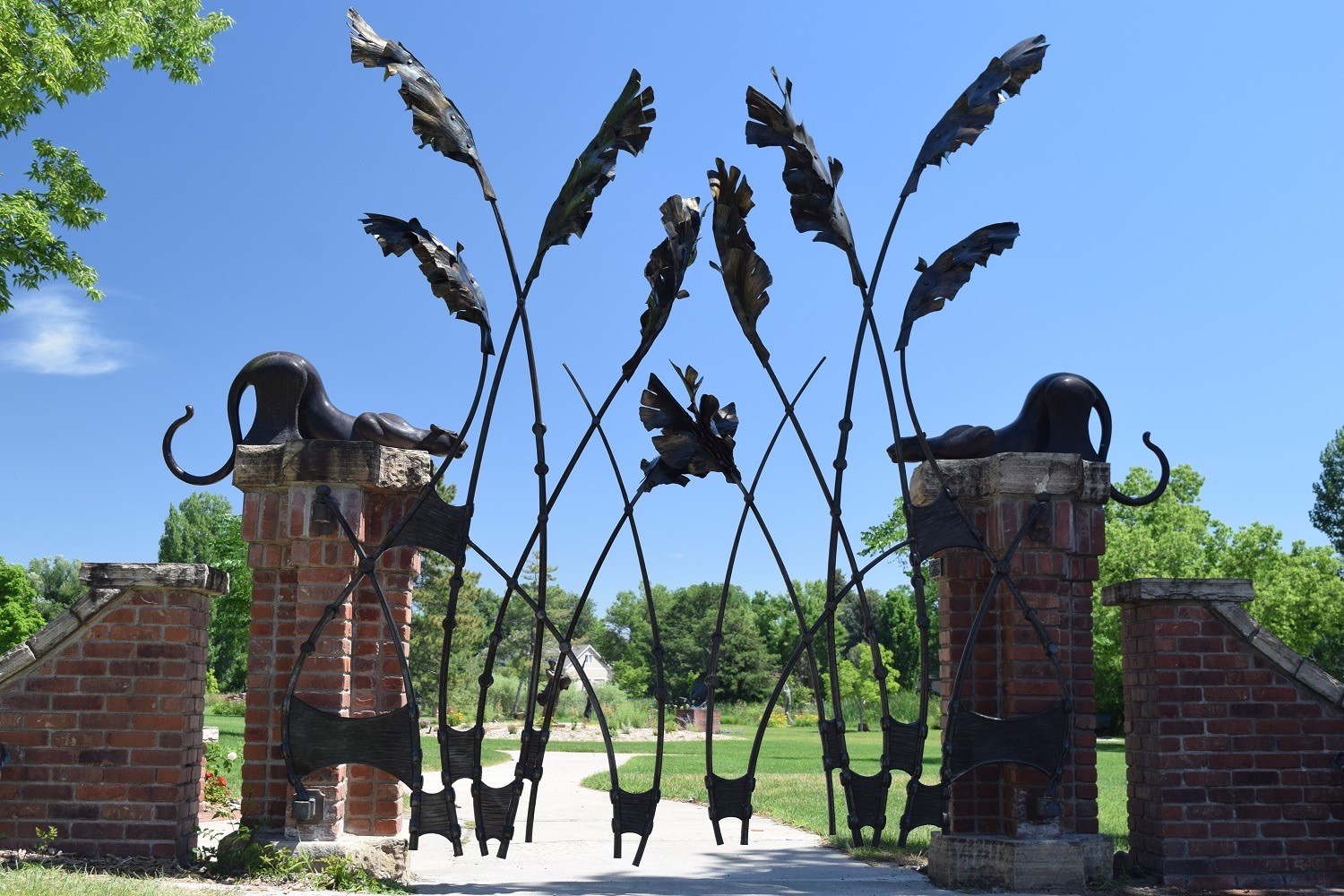
We recently completed a 10’ pair of entrance gates as a new acquisition for the Loveland Sculpture Park and a visual art exhibit at the Boulder Library.
New commissions involve a project recreating and interpreting interior murals and decorative painting for a historic church in Denver as well as decorative iron work and large scale encaustic paintings for residential customers.
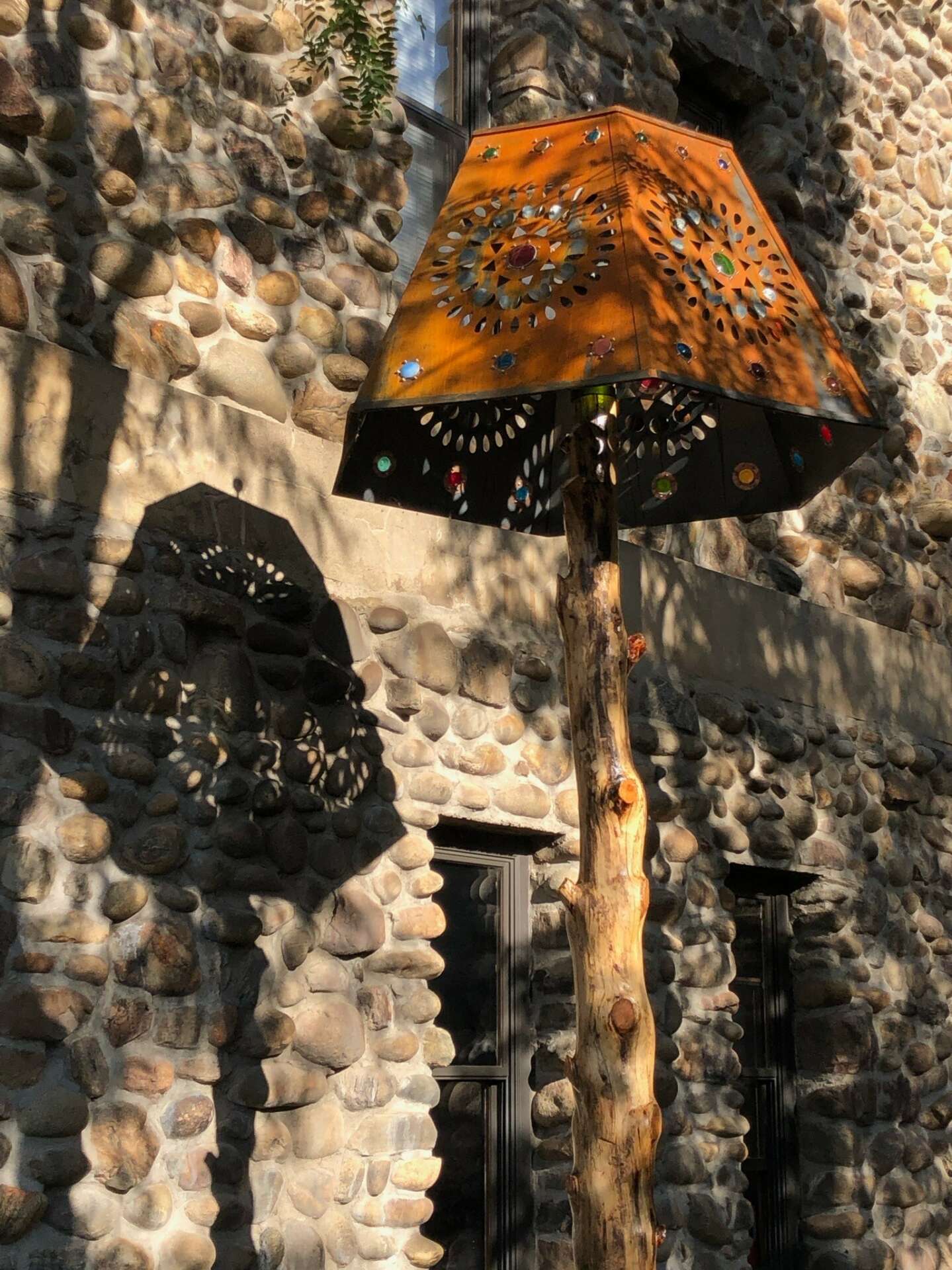
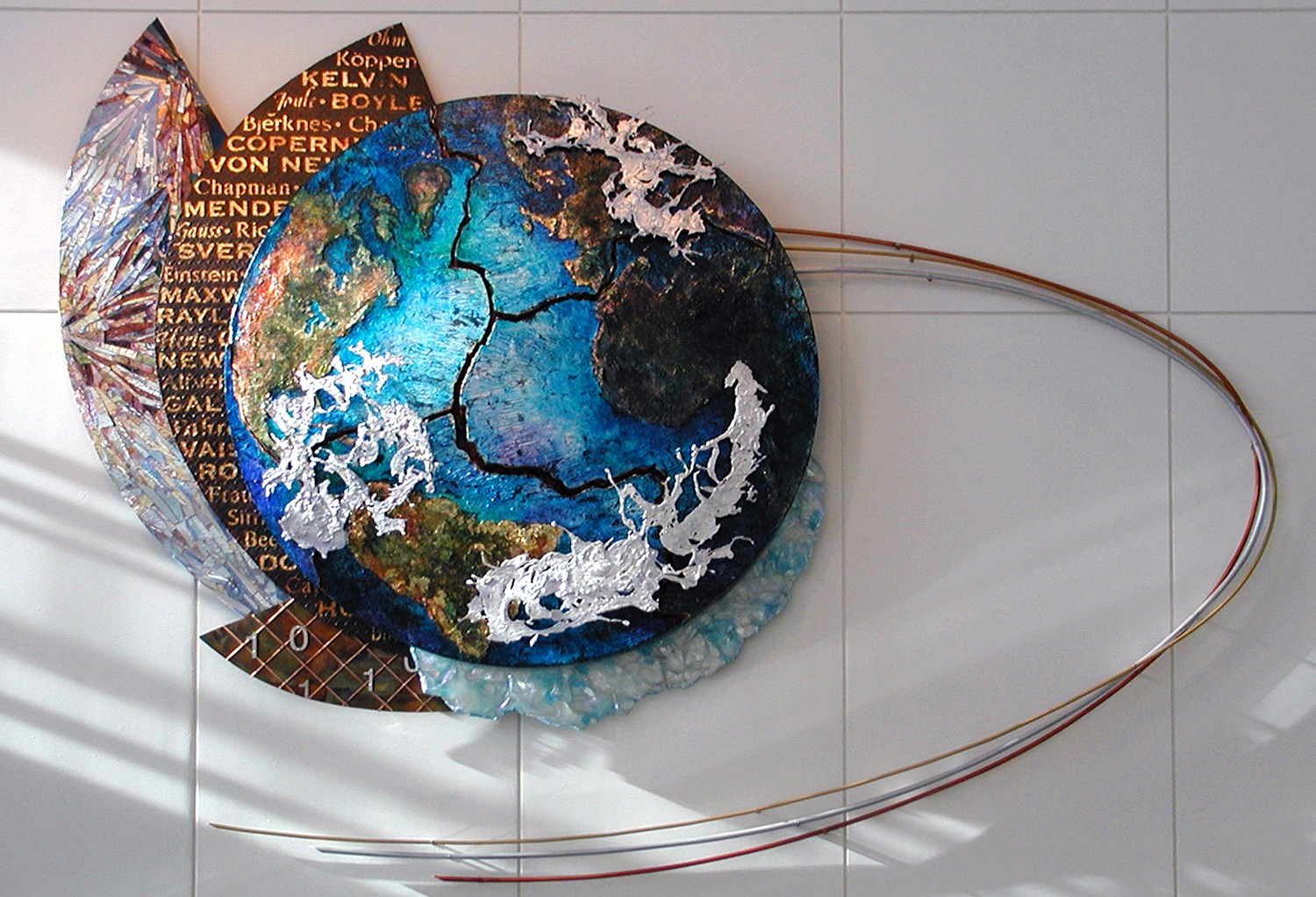
Some of our favorite projects include: signature pieces for NOAA (National Oceanic and Atmospheric Administration), and “Golden’s Living Room” at the Armory Building in Golden, CO with 3 – 15” tall lamp stands.
Our process with clients is to fully understand the idea that needs to be expressed, or the problem that needs to be solved then create a solution that uses the right materials and the best craftsmanship that we can provide.
What do you find most rewarding about being a creative?
Having begun our careers in the performing arts we became experts in collaborative creativity: writers, directors, performers, designers and craftsmen all working together with the common goal of creating something outside of our individual selves that moves a collective audience. We have pulled that philosophy into the studio and are committed to visual story telling. That is the visual support that creates an environment, provides a function, or supports conversations that are relevant and meaningful to our patrons. There is nothing more rewarding to us that having a client say “I didn’t know what I wanted but, that was exactly what I needed”
For example, when designing the signature piece for the lobby at the National Oceanic and Atmospheric Administration in Boulder CO we met with stakeholders from all departments (ie: coastlines, climate etc) to gather input on what mattered most to them as scientists. There was a lot of skepticism but at the opening we were greeted with a standing ovation for having created a piece that truly celebrates all work done by the scientists at NOAA. Of course, we wanted to cheer them back for the work that they do. It is so rewarding to spend time seeking to understand a person, situation or an organization enough to create a piece that says “this is us”
Can you tell us about a time you’ve had to pivot?
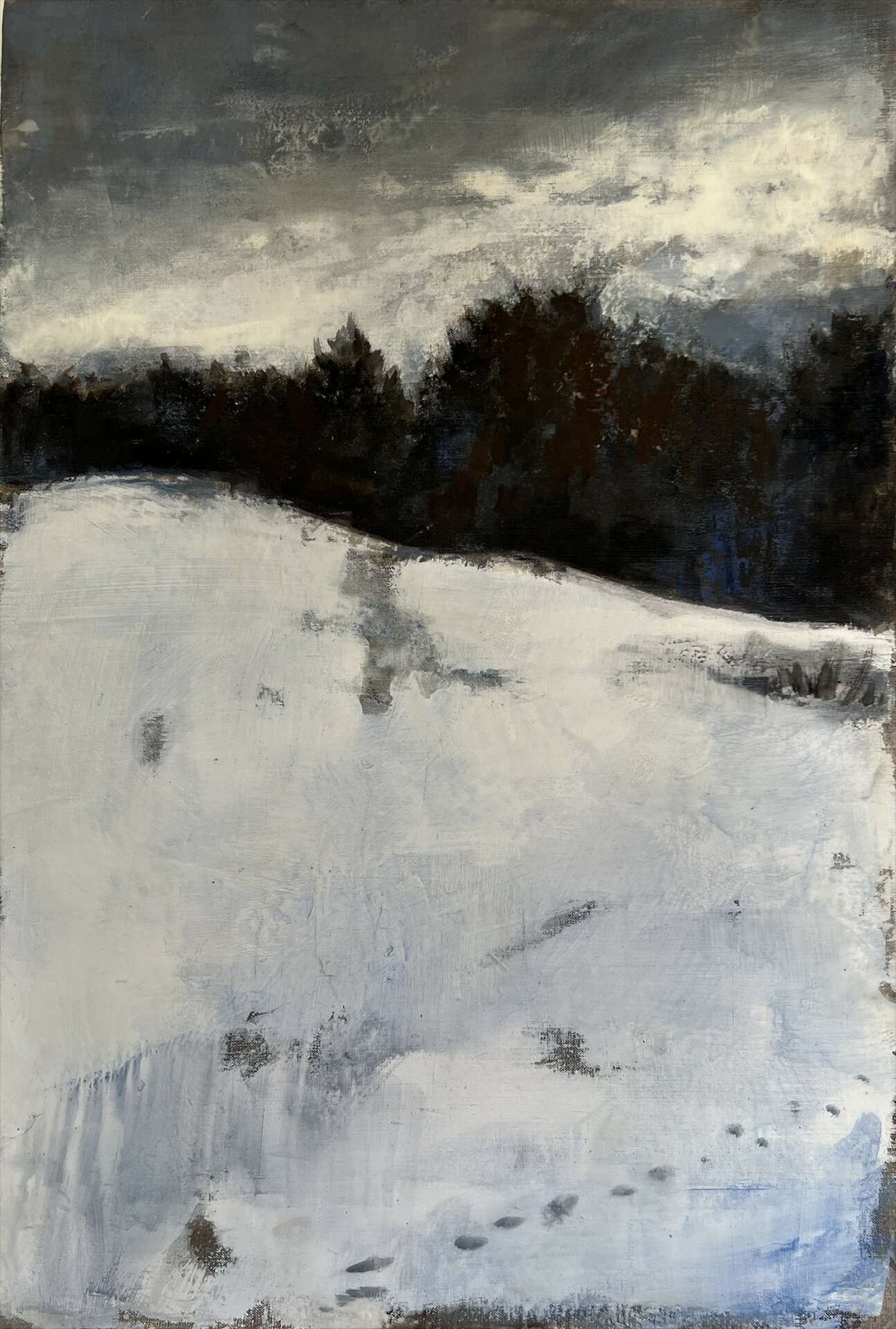
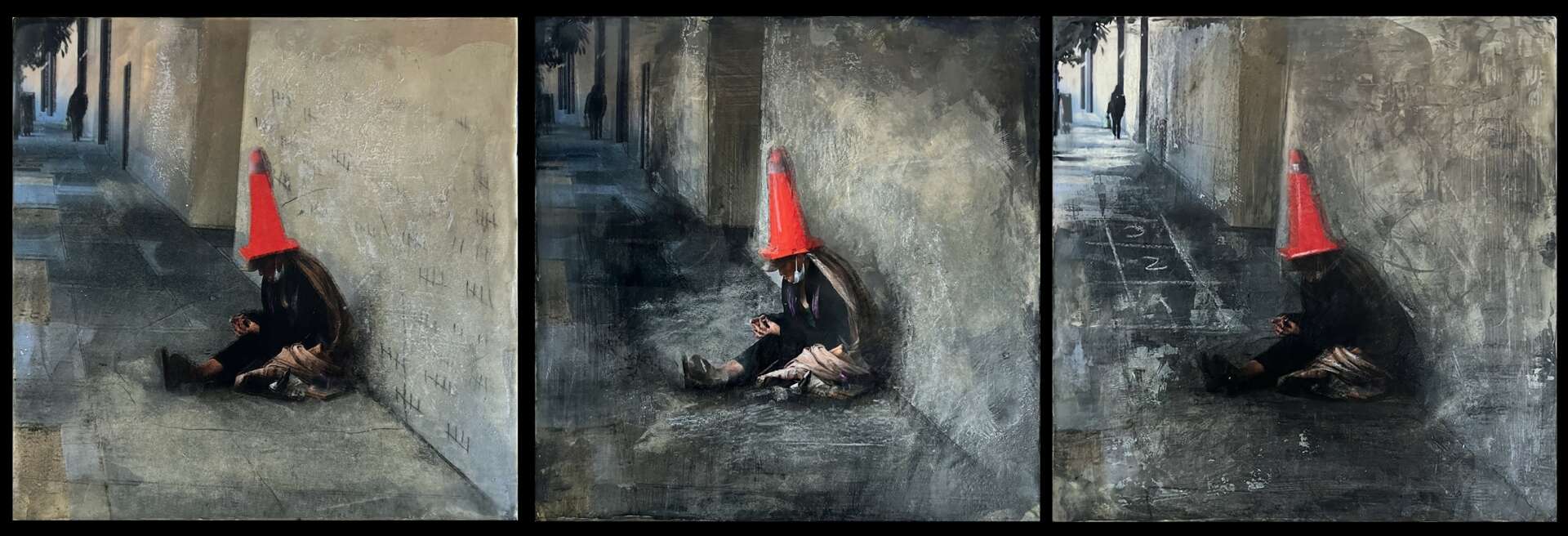
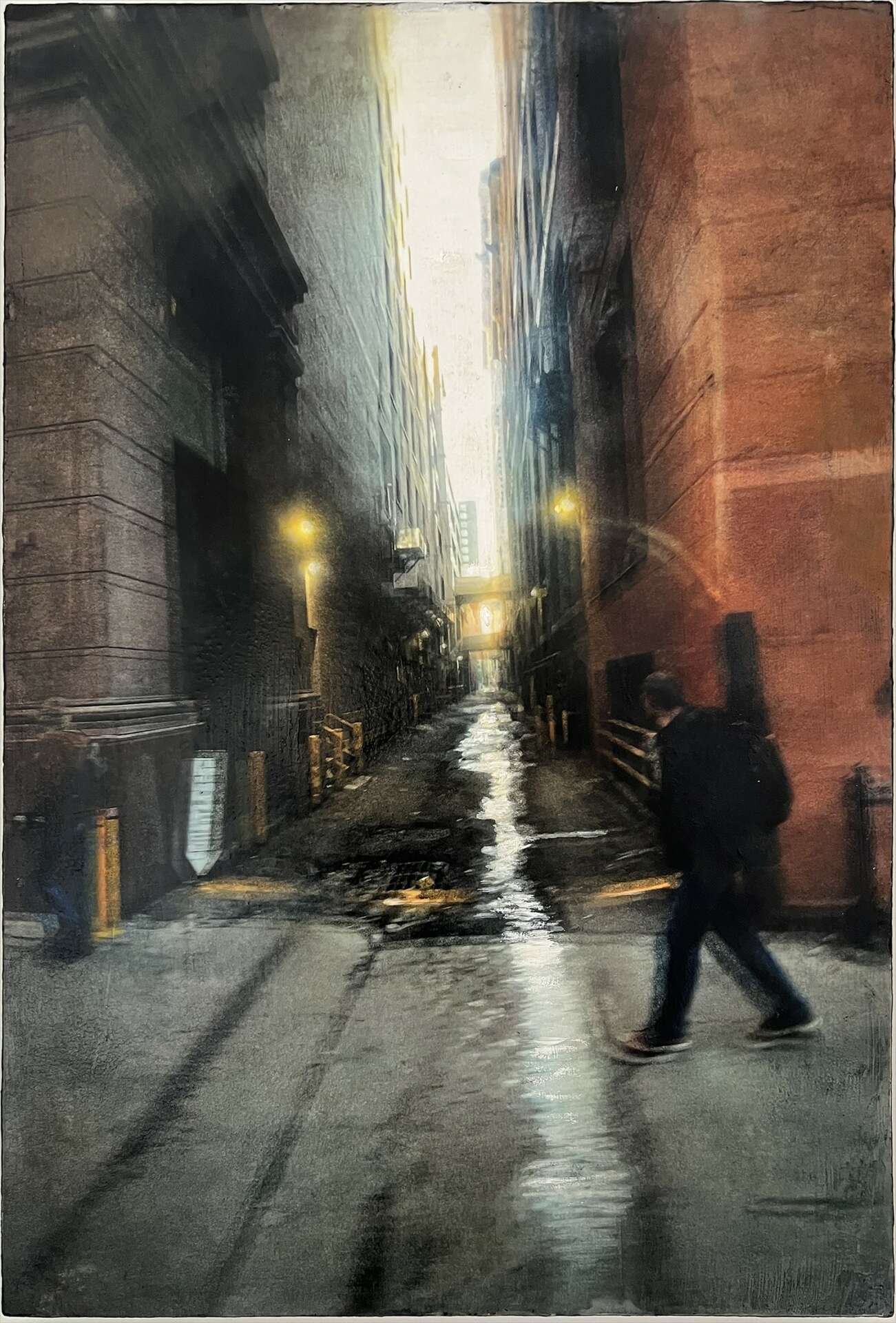
We were invited to do a show of visual art at the Boulder Library in April 2023. It was to be about 20 pieces in a transitional space between 2 of the library collections. The show was entitled “Drive By” and asked the question “How often do we speed by – people, places, situations – going so fast that we don’t see them – creating false narratives based on the slightest glance? The goal was to evokes a sense of mystery, homesickness and a reconnection to something outside of this pace we keep.
Halfway through creating the show we learned that the Library had had an incident that forced the closure of the library and remodeling of the rest rooms. The library would reopen in time for the show but we suddenly had huge reservations about placing fragile art in a space that could easily experience vandalism or damage. Keeping the “Drive By” theme (as signage and promotion was in motion) we quickly pivoted both the subject and the materials. “Drive By” became not only a thing “we” do when going too fast but an act “we” commit when we don’t slow down to actually see the people we are passing on the journey through life. We added intimate images of people that invited the perspective of owning our response to those we encounter but don’t see or understand . As for materials, we interspersed sturdier mixed media photo collage pieces with the painted landscapes in encaustic and oil. It was a risky pivot to make so late in the process but it has proved to open up a whole new avenue of technique and subjects that we had not worked with before. Amazing conversations about loneliness, community, homelessness and mental illness have grown out of the show. We are working on a larger show we hope to open in 2024. Not to mention it was a much better show for a library.
Contact Info:
- Website: www.blackbirchstudio.com
- Instagram: @blackbirchstudio