We recently connected with Dalton Zongshian Lu and have shared our conversation below.
Dalton Zongshian, thanks for taking the time to share your stories with us today What’s been the most meaningful project you’ve worked on?
One of the most impactful projects I’ve led is the Taiwanese American Documentary Series, a documentary initiative that preserves the voices and stories of Taiwanese elders in America. As a Taiwanese filmmaker, I’ve always felt a deep connection to my heritage, and this project allowed me to contribute to the preservation of cultural identity within the diaspora.
The idea for this series emerged from my realization that the experiences of many Taiwanese elders, especially their struggles and triumphs in adapting to life in the U.S., were being lost over time. As a filmmaker passionate about storytelling, I saw an opportunity to document these invaluable narratives and ensure they are shared with future generations. My role as the creator and director of this series was instrumental in shaping its vision and execution, from the initial concept to the final production.
What makes this project particularly meaningful is the way it bridges generations. By capturing the stories of these elders, we offer younger Taiwanese Americans—and indeed, people from various backgrounds—a chance to understand their heritage more deeply. In addition to producing the documentaries, I also organized workshops where young people learned to create their own films, encouraging them to take an active role in preserving their cultural narratives. This educational component has been crucial in fostering a greater sense of identity and community.
The Taiwanese American Documentary Series has gained considerable recognition, with collaborations from academic institutions like the UCSD Center for Taiwan Studies, which helped amplify its impact. These partnerships and the project’s positive reception underscore its value as both a cultural and educational tool, and as a significant contribution to the field of documentary filmmaking.
For me, this series represents much more than just a film project—it is a platform that gives voice to an underrepresented community and a way to preserve our history. Through this work, I have been able to showcase my skills as a director and producer, as well as my commitment to using film as a medium for meaningful cultural expression. This project not only demonstrates my expertise but also highlights my dedication to preserving and sharing important stories, making it one of the most significant contributions of my career.
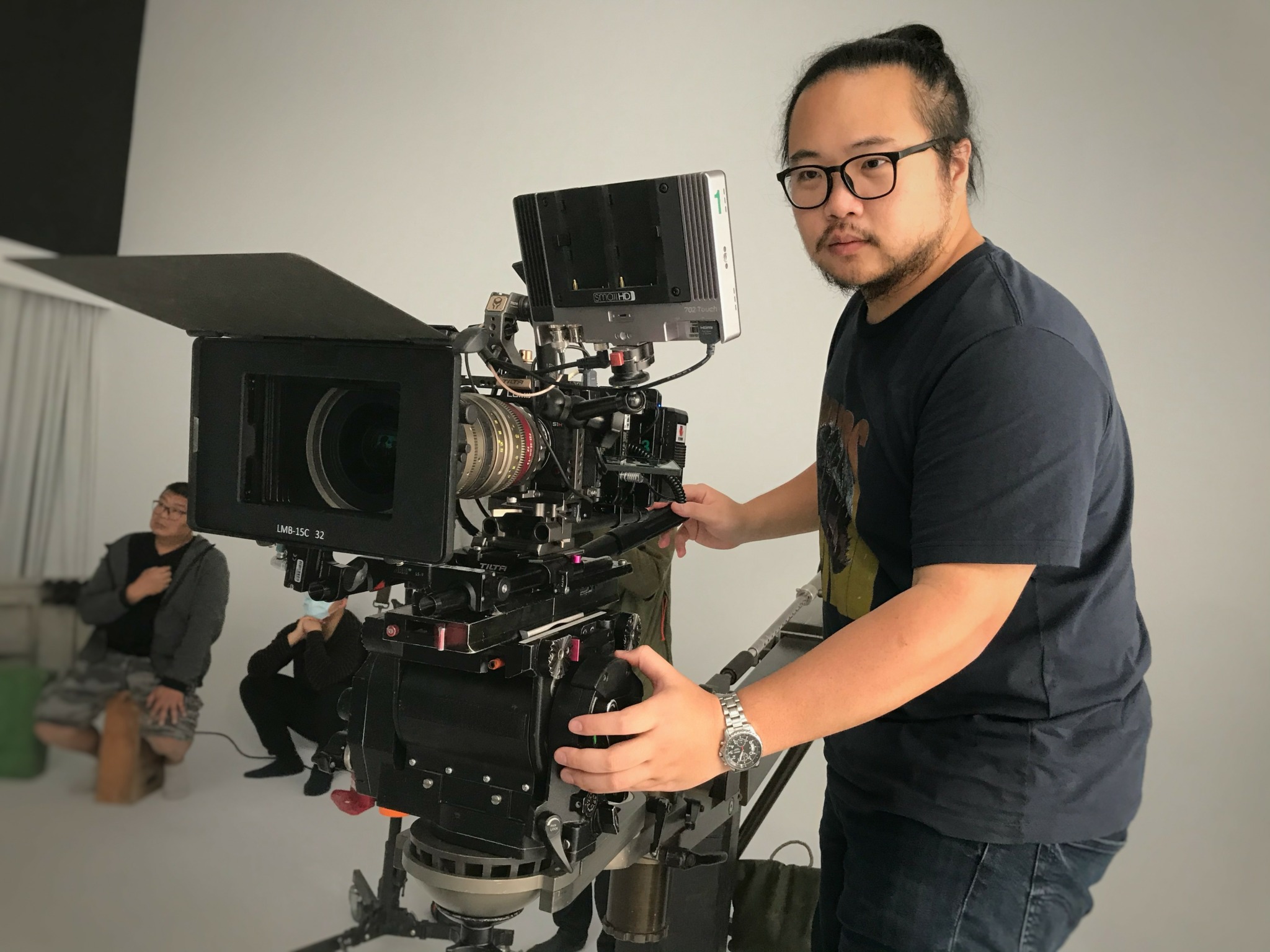
Dalton Zongshian, before we move on to more of these sorts of questions, can you take some time to bring our readers up to speed on you and what you do?
Hello! My name is Dalton Lu, and I am a filmmaker with a deep passion for telling stories that resonate. Over the past decade, I’ve worked as a producer and director across various formats, including commercials, music videos, documentaries, and narrative films. My journey into filmmaking began with a love for storytelling and a desire to create impactful narratives that connect with diverse audiences.
My work reflects a focus on human connection, cultural identity, and meaningful storytelling. For instance, my recent projects include Anywhere the Wind Blows, A Better Place, and Two Breaths, all of which have been recognized in prestigious film festivals such as the Cannes Film Festival, LA Shorts Fest, and the Austin Film Festival. These films explore themes of resilience, family, and identity, which resonate with audiences worldwide.
I am inspired by the richness of diverse cultures and the human experience. My mission is to highlight underrepresented voices and create bridges of understanding through my work. Whether it’s capturing the history and wisdom of Taiwanese elders in documentaries or exploring contemporary societal issues in narrative films, I aim to create works that inform, inspire, and connect.
My ability to seamlessly navigate different roles in the filmmaking process—be it as a producer, director, or cinematographer—sets me apart. My background in social psychology has given me a unique perspective on human behavior, which informs the emotional depth and authenticity of my projects. I also have a strong track record of collaborating with top-tier talent and managing high-profile projects for clients such as Jeep, Ping An Bank, and China Southern Airlines.
One of my proudest accomplishments is the recognition my films have received from industry experts and global audiences. Projects like Anywhere the Wind Blows won the First Look Outstanding Producing Award and were featured in numerous film festivals worldwide. These achievements affirm my dedication to excellence and my ability to tell stories that leave a lasting impact.
I want readers to know that my work is deeply personal and rooted in a commitment to meaningful storytelling. Whether you’re a festival attendee, a potential collaborator, or someone who loves great films, my projects are designed to evoke thought and emotion while celebrating the beauty of human resilience and creativity.
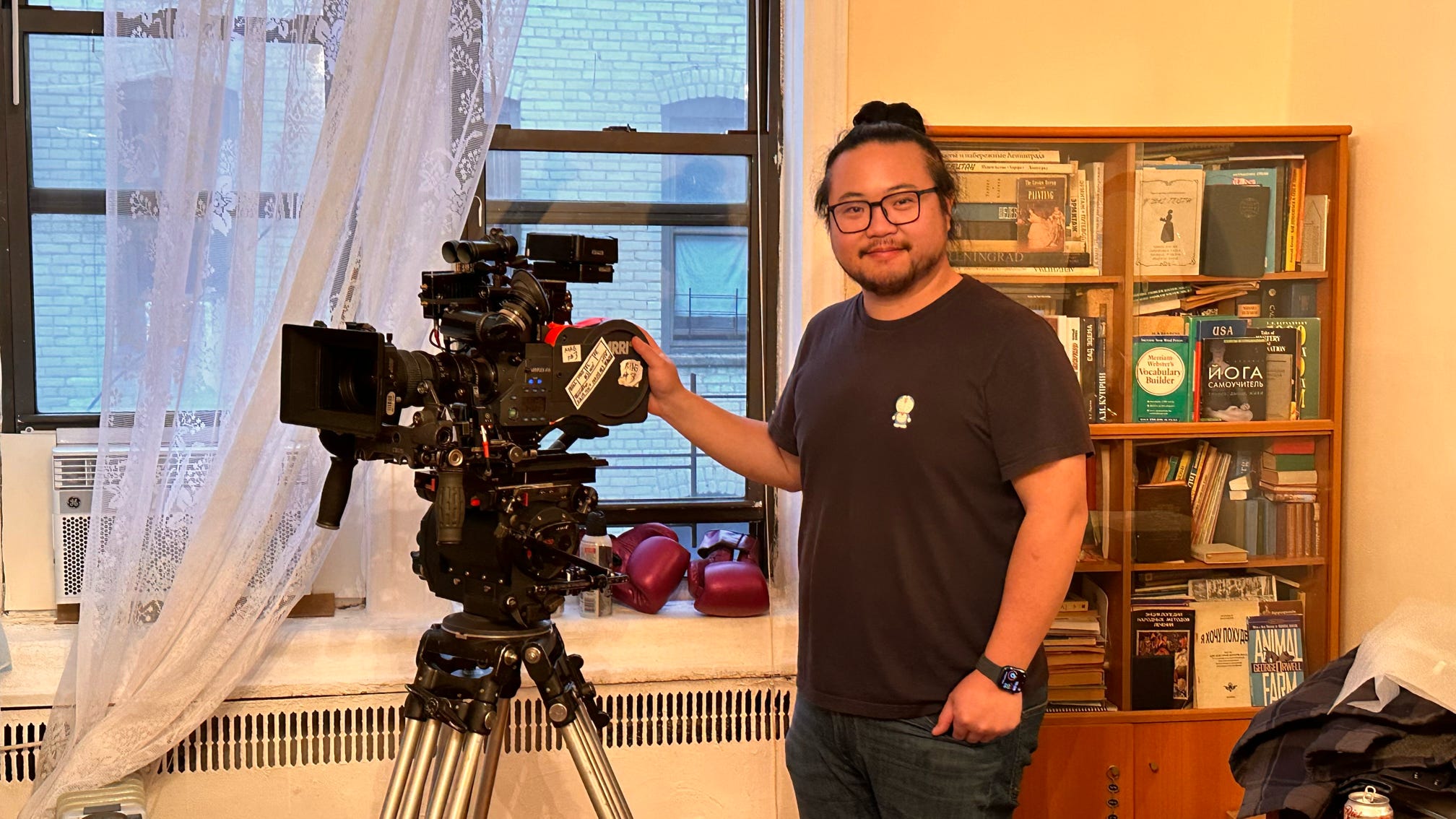
What can society do to ensure an environment that’s helpful to artists and creatives?
Supporting artists and creatives doesn’t have to be rocket science—it’s really about creating a world where creativity can thrive. First, let’s start by showing up. Whether it’s a film screening, a gallery event, or even just liking a post about someone’s pottery class (bonus points if you actually buy the pottery), those little moments of encouragement mean everything.
Next, we can make sure there are places where artists can work their magic. Think affordable studios, pop-up galleries, or even just a well-lit coffee shop where no one complains about all the sketchpads and laptops. Creativity needs space to stretch its legs, and honestly, who wouldn’t want more murals and art fairs in their life?
And let’s not forget about championing creativity in schools. Arts programs are like the broccoli of education—not everyone loves them at first, but they make everything stronger and better in the long run. Plus, who knows? That kid in the back of the art class could be the next Spielberg or Van Gogh (hopefully with both ears intact).
In the end, supporting the arts isn’t just about helping artists—it’s about making the world more colorful, more interesting, and let’s face it, way less boring. So let’s do what we can to keep the creativity flowing—you never know when you’ll need a good movie, a great song, or a spectacular painting to brighten your day!
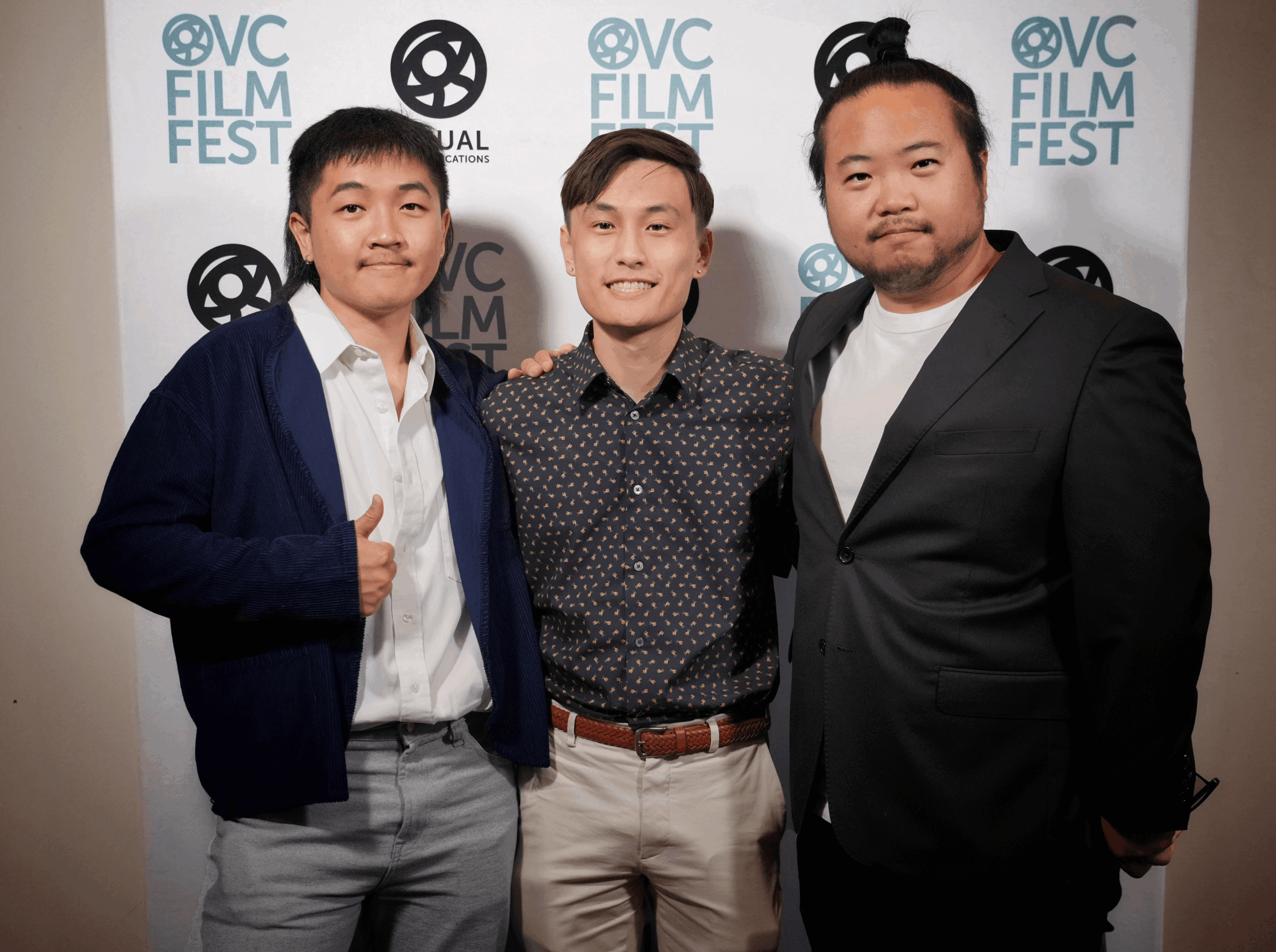
Is there something you think non-creatives will struggle to understand about your journey as a creative?
One thing that non-creatives might find surprising is just how much of yourself you pour into creative work. Filmmaking isn’t just a job; it’s a deeply personal process. Every project, whether it’s a documentary or a narrative film, becomes a reflection of your thoughts, values, and emotions. It’s like leaving a piece of your heart on the screen for everyone to see.
For example, when working on the Granny Narrative documentary series, I wasn’t just creating a film—I was helping preserve the voices and wisdom of a generation. There were moments when I felt overwhelmed by the responsibility, but the joy of seeing those stories come to life made it all worth it.
It’s not all heavy, though! There’s a lot of fun in the chaos, too—problem-solving on the fly, unexpected bursts of creativity, and those moments on set that make you laugh so hard you cry. For creatives, the journey is about more than just the final product. It’s about finding meaning, making connections, and telling stories that matter. It might look stressful from the outside, but to us, it’s where the magic happens.
Contact Info:
- Website: https://daltonlu.com
- Instagram: zongshianlu