

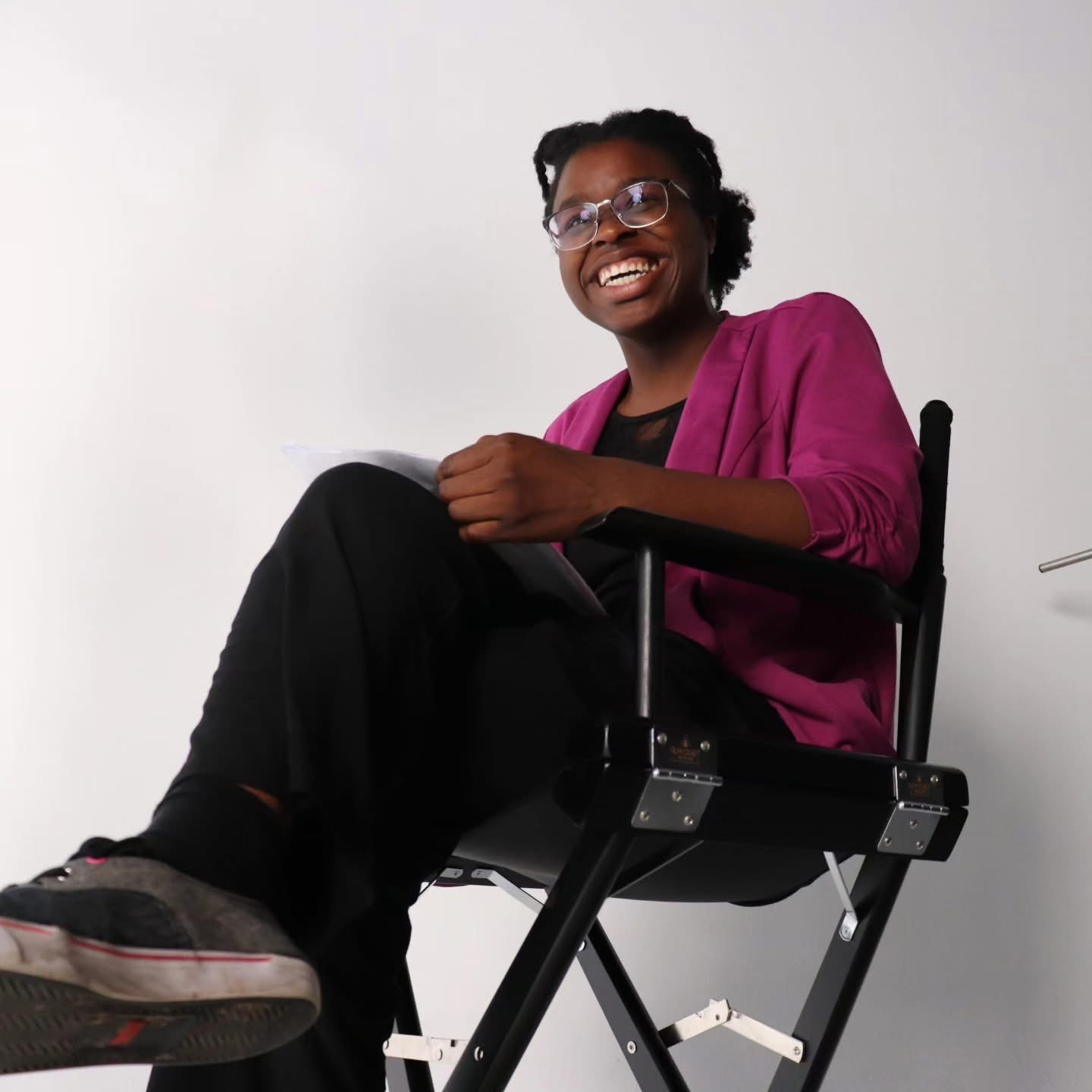

We caught up with the brilliant and insightful Daisy Akusu a few weeks ago and have shared our conversation below.
Daisy, thanks for taking the time to share your stories with us today One of the toughest things about progressing in your creative career is that there are almost always unexpected problems that come up – problems that you often can’t read about in advance, can’t prepare for, etc. Have you had such and experience and if so, can you tell us the story of one of those unexpected problems you’ve encountered?
One of the biggest unexpected challenges I’ve faced in my creative journey is dealing with imposter syndrome—especially when I’m directing on set without having a formal background like film school or theater training. When you’re building from the ground up, it’s easy to question if you’re good enough or if you even belong in that position.
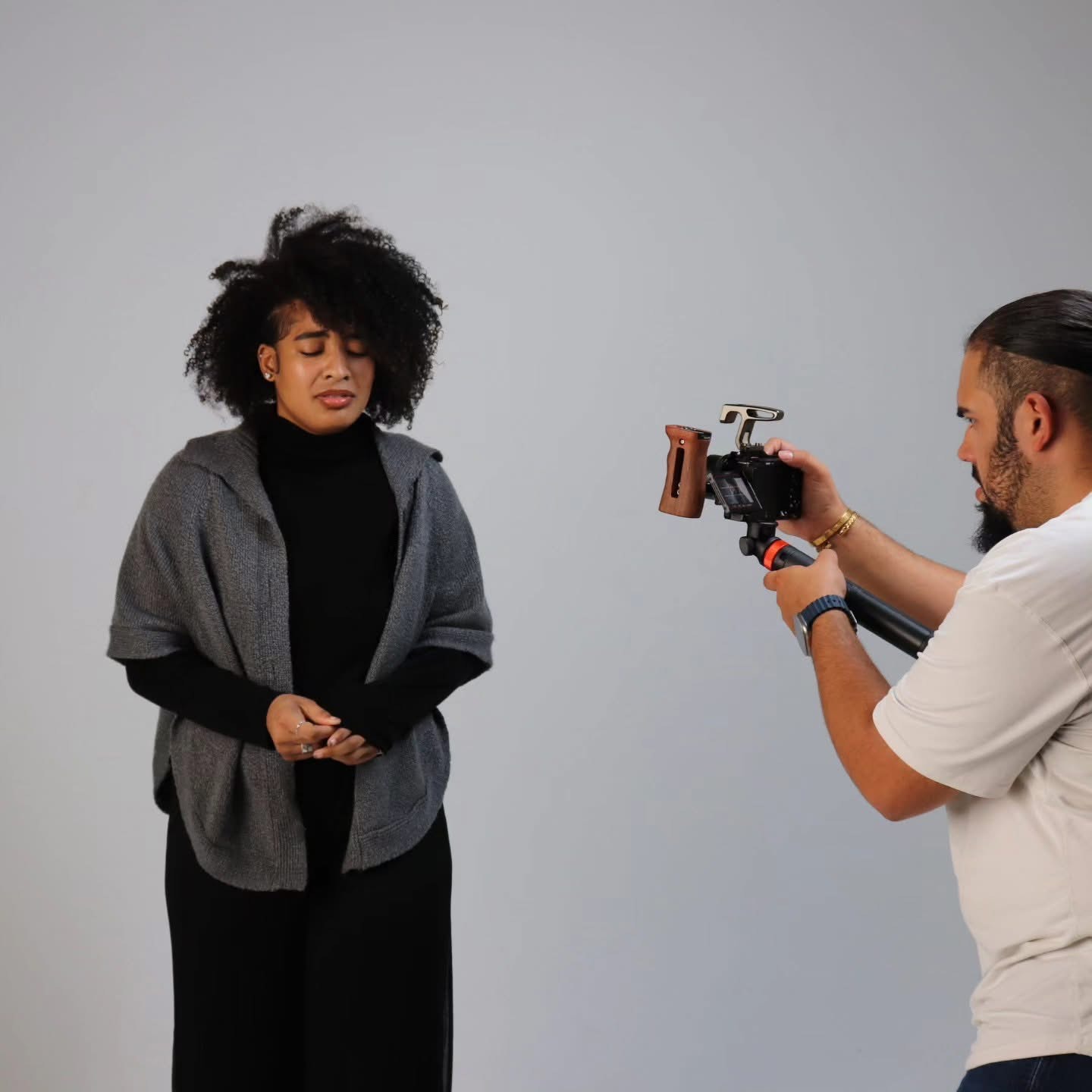
A specific time this happened was when I co-directed a short film called “Answer the Call” with my creative partner, Tenia Pero. We did a lot of prep going into it—scheduling, planning scenes, getting everything ready—but once we got on set, the weather threw everything off. The wind made it really hard to get the shots we planned, and some days started to feel chaotic.
There was a moment I started to feel overwhelmed and unsure, like maybe I wasn’t the right person to be leading. But I had to stop and remind myself who’s in control. I learned that it’s okay to take a breath, step back, and pivot. One big lesson from that experience was realizing that the people around me—actors, crew, media team—aren’t my enemies. They’re all trying to make something great too. Once I leaned into that and stopped trying to carry everything alone, we were able to adjust and actually find creative solutions together.
That experience taught me that it’s okay not to have all the answers in the moment. What matters is how you respond, how you lead through it, and how you stay open to collaboration. That’s what really brings a project to life.
As always, we appreciate you sharing your insights and we’ve got a few more questions for you, but before we get to all of that can you take a minute to introduce yourself and give our readers some of your back background and context?
I’m a filmmaker and director who really just loves telling meaningful stories—especially ones that glorify God and reflect real-life experiences. My journey into this world wasn’t super traditional. I actually fell in love with theatre back in 7th and 8th grade after moving to Texas. Growing up, people always told me I had a “big” voice or a presence—like I was meant to perform or speak—and I guess that stuck with me. I was always the “talker” in the family, the one with a creative spark.
I wanted to act and be on stage so badly, but opportunities were really limited for me. My middle school had this rule where you needed two years of theatre before you could audition for plays, and by the time they changed the rule, I had already moved on. In high school, I chose to do an early college program that let me graduate with an associate’s degree at 18, but that meant giving up electives and creative classes like theatre. Still, I found a way—when they let students create their own clubs, I immediately started a theatre club. I grabbed all the games and ideas I could from my middle school theatre teacher and made it happen.
By senior year, I teamed up with a friend who was super organized, and together we directed our school’s first-ever student play—about a kid with autism. We pulled it off in a portable classroom, and honestly, that moment lit something in me. I knew I wanted to keep creating.
In college, I went back and forth between theatre and other majors, and eventually landed on English. But the biggest shift came when I gave my life to Christ. That changed everything. Since then, I’ve directed three short films and an Easter production, and I’ve fully leaned into storytelling as a way to serve God and use the gifts He’s given me.
What I want people to know is that I didn’t come from film school or have a mapped-out path. I built this from the ground up. My motto is simple: *It’s not man but God who promotes and elevates.* I’ve seen that firsthand—God doesn’t need a stacked resume or perfect credentials. He just needs a willing heart. So everything I do in film now is done with purpose, faith, and a whole lot of passion. And I’m just getting started.
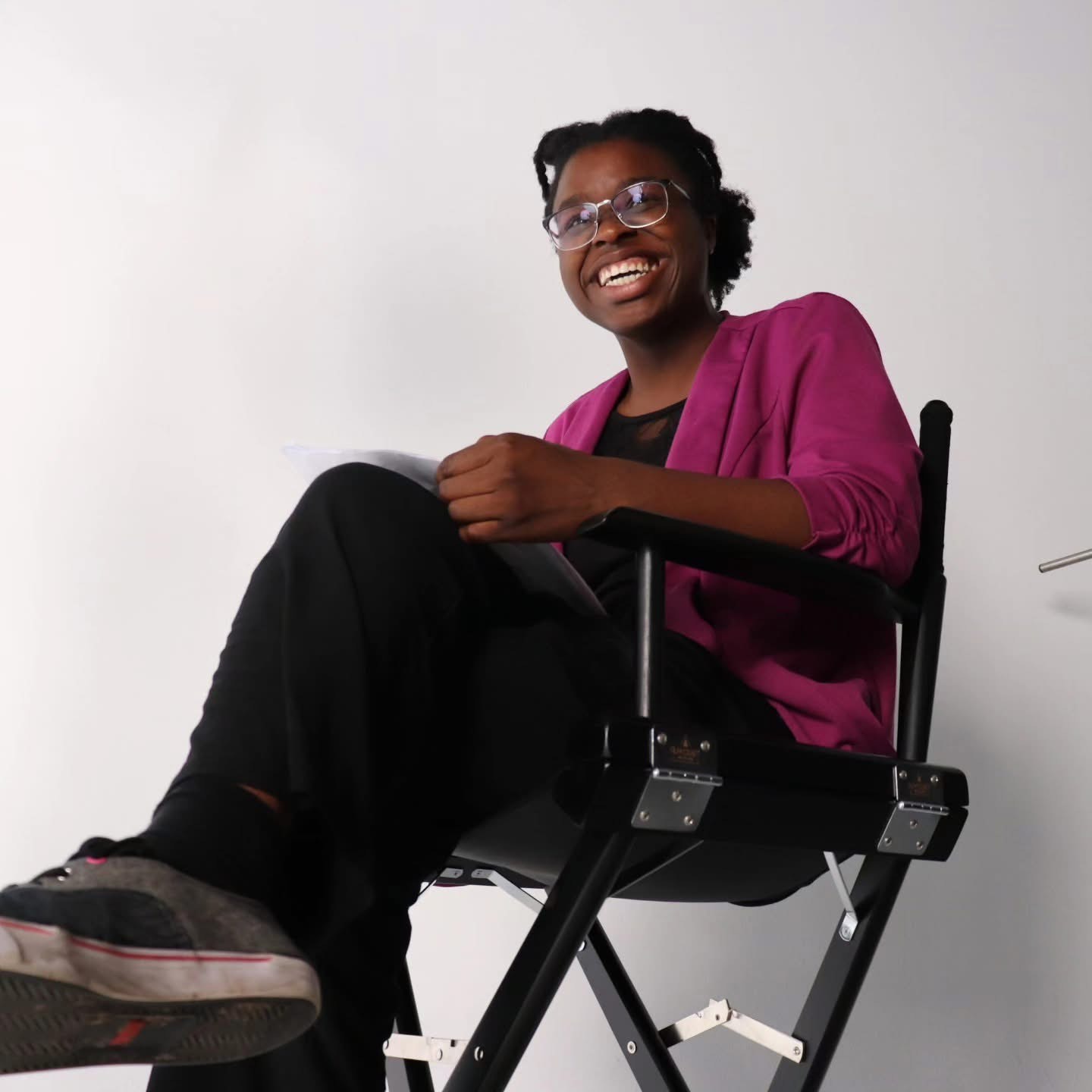
Let’s talk about resilience next – do you have a story you can share with us?
Yeah, I’ve definitely had moments where I’ve had to dig deep and be resilient—especially when people doubted me. There was a time when I was told straight up, “You’re a bad director.” And honestly, that stuck with me. It came during a time when I was already second-guessing myself, and hearing it out loud only made those thoughts louder. I’ve also had people who were in my films—actors, even friends—start to show a shift in how they saw me just because I didn’t have traditional credentials. I didn’t go to film school. I don’t have 10 years of experience under my belt. So naturally, that made some people question if I was even qualified to lead or direct.
But here’s the thing—I knew that if I let their opinions define me, I would never move forward with the things I felt God was calling me to do. If I let insecurity stop me, I wouldn’t have finished any of my films. What’s kept me going is knowing that my calling isn’t dependent on the approval of others. It’s from God. That truth alone has carried me through some really heavy days on set—especially when the pressure felt like it was all on my shoulders. Things go wrong. Conflict happens. And when you’re the one in charge, it can feel like everyone’s waiting for you to crack.
But I didn’t. I pushed through and kept showing up. That’s resilience to me—continuing even when people don’t believe in you, when you feel underqualified, and when things don’t go according to plan. I’ve learned to lead with humility, stay open to feedback, and most of all, rely on God’s strength when mine runs out. Because if I had waited for the perfect moment or everyone’s support, I would’ve never made a single film.
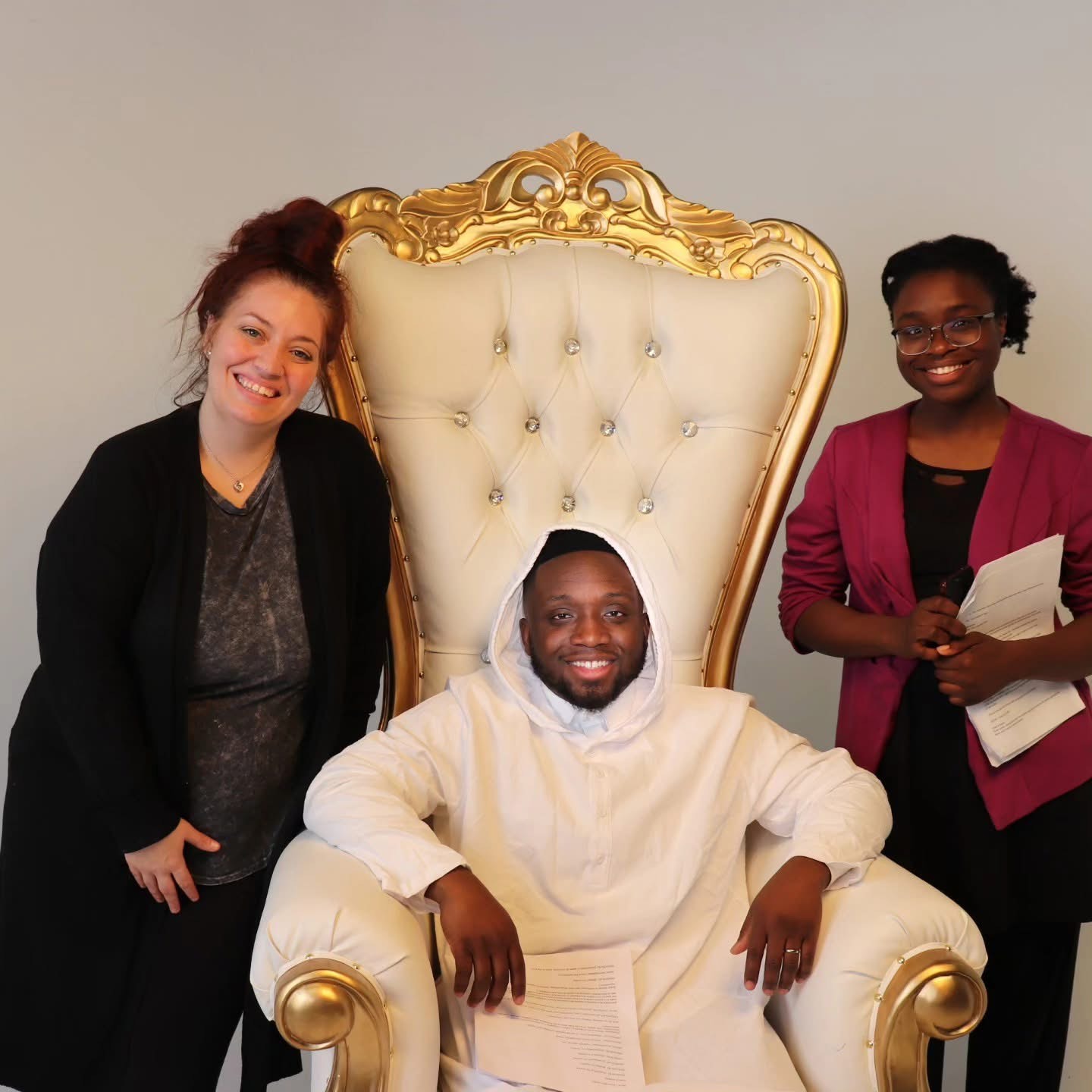
What do you find most rewarding about being a creative?
The most rewarding part of being a creative, for me, is the freedom. Nobody has to tell you how to do your own work—you get to shape it, build it, and express it in a way that’s unique to you. I love the quote (even though I’m butchering it) that says something like: those who are ahead of you in the industry aren’t your competition, they’re your teachers. That really stuck with me.
Creativity isn’t a race or a checklist—it’s endless. There’s room for everyone, and no one can create the exact thing you’re meant to. So the beauty of being a creative is that you get to bring something to life that no one else could, and there’s no one “right way” to do it. That kind of freedom—to try, to fail, to grow—is what keeps me going.
Contact Info:
- Website: https://www.imdb.com/name/nm16492544/bio/
- Instagram: https://www.instagram.com/daisyakusu/
- Linkedin: https://www.linkedin.com/in/daisy-akusu-64b7711a8/
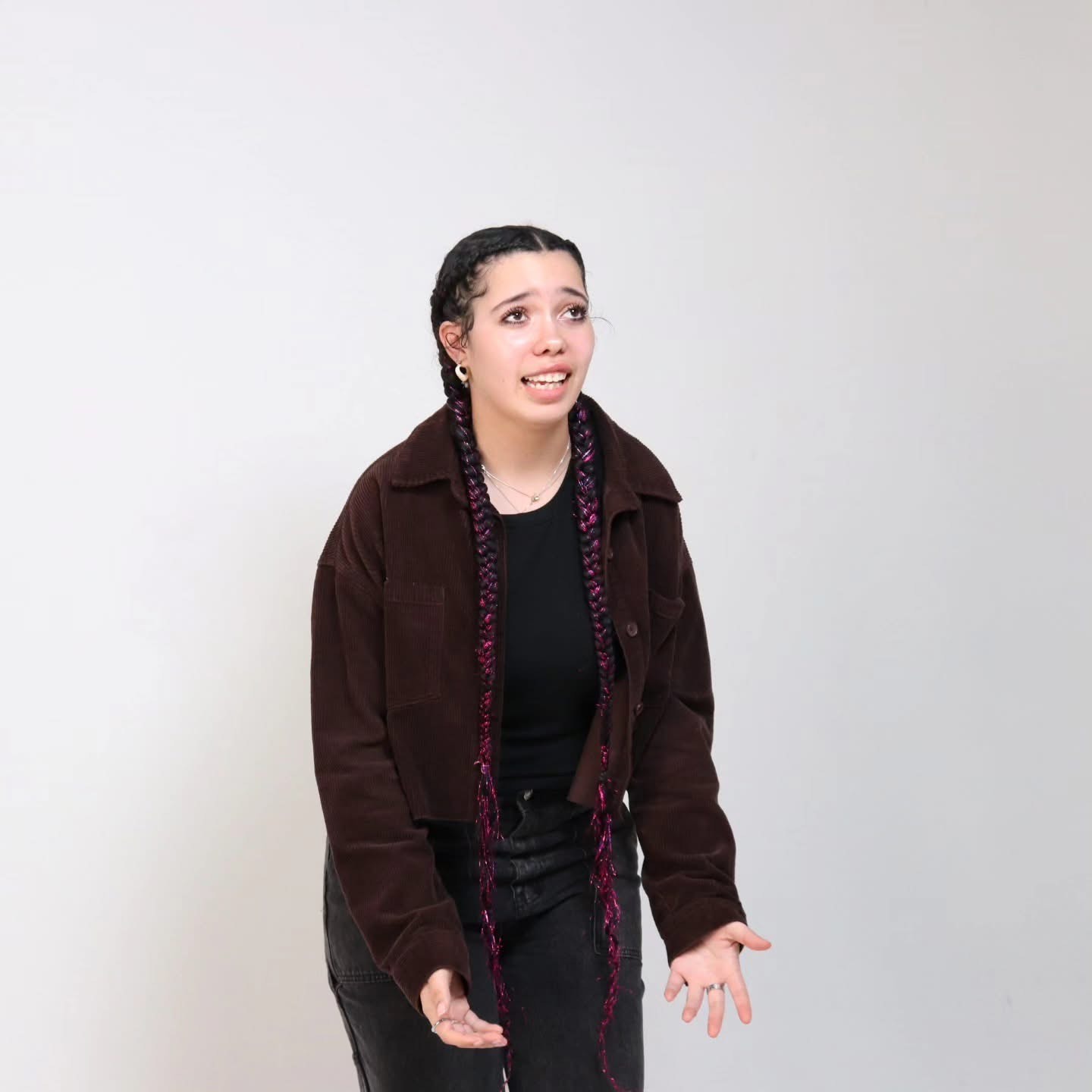
Image Credits
Tenia Pero