

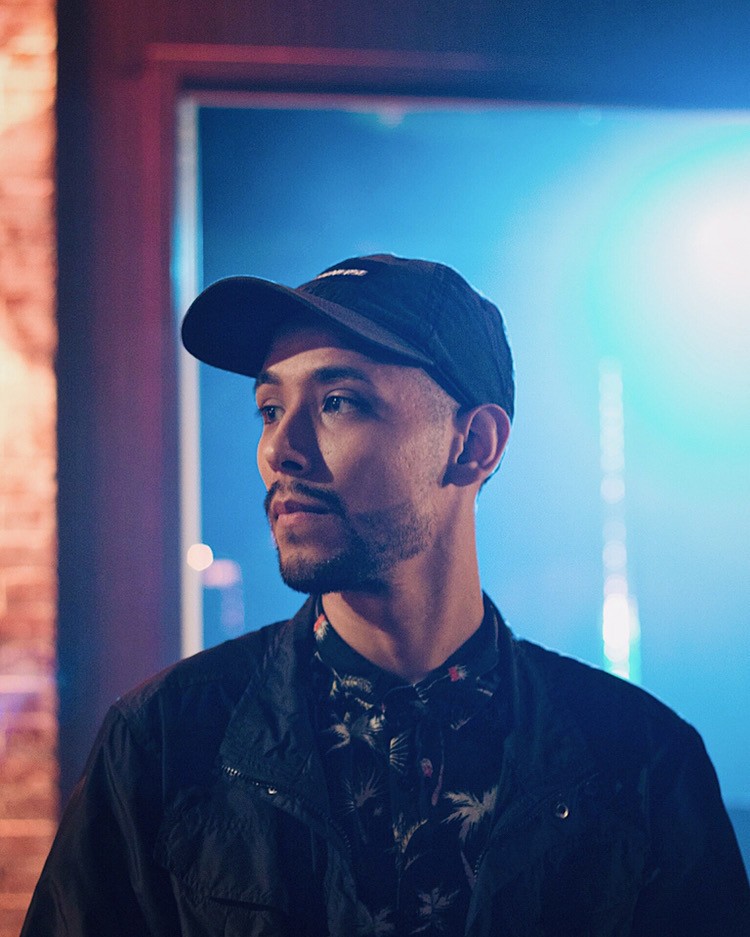

We’re excited to introduce you to the always interesting and insightful D.R.O.I.D.. We hope you’ll enjoy our conversation with D.R.O.I.D. below.
D.R.O.I.D., appreciate you joining us today. How did you learn to do what you do? Knowing what you know now, what could you have done to speed up your learning process? What skills do you think were most essential? What obstacles stood in the way of learning more?
Growing up I was constantly surrounded by various genres of music. What I appreciate the most about music is the ability to translate feeling through sound. I was intrigued how a song could capture a moment in time, and once recorded, that moment could live forever. Like a time stamp for that period of your life. I remember writing poetry from an early age, just constantly writing my thoughts, ideas, etc. It was a great escape. A key person in this story would be my cousin, j.Faraday. He began producing music in FL Studio and asked me to write some lyrics to the music he was producing. The lyrics were far from great, mostly because I knew nothing about writing music. The moment I heard my first recording I was hooked. I had only ever heard major label artists on the radio have their vocals recorded so it gave me the motivation to continue working on my craft. I persisted in learning how to arrange my music. The basics began by learning couplets, rhyme schemes, patterns and overall song arrangements. I further researched artists I enjoyed listening to and videos about songwriting to enhance my skills in order to make the best art possible at the time. Some of the most essential skills for me personally include: Melodic Motif’s, (motivation behind the song), ways to contrast melodies (shaping and phrases), the beauty in simplicity and repetition (harmonies) and sensory language (provoking any of the 5 senses). An obstacle I encountered was never learning how to read music. Everything I know musically has been self-taught, so developing this skill could have definitely sped up my process in exploring and experimenting further in an artist space.
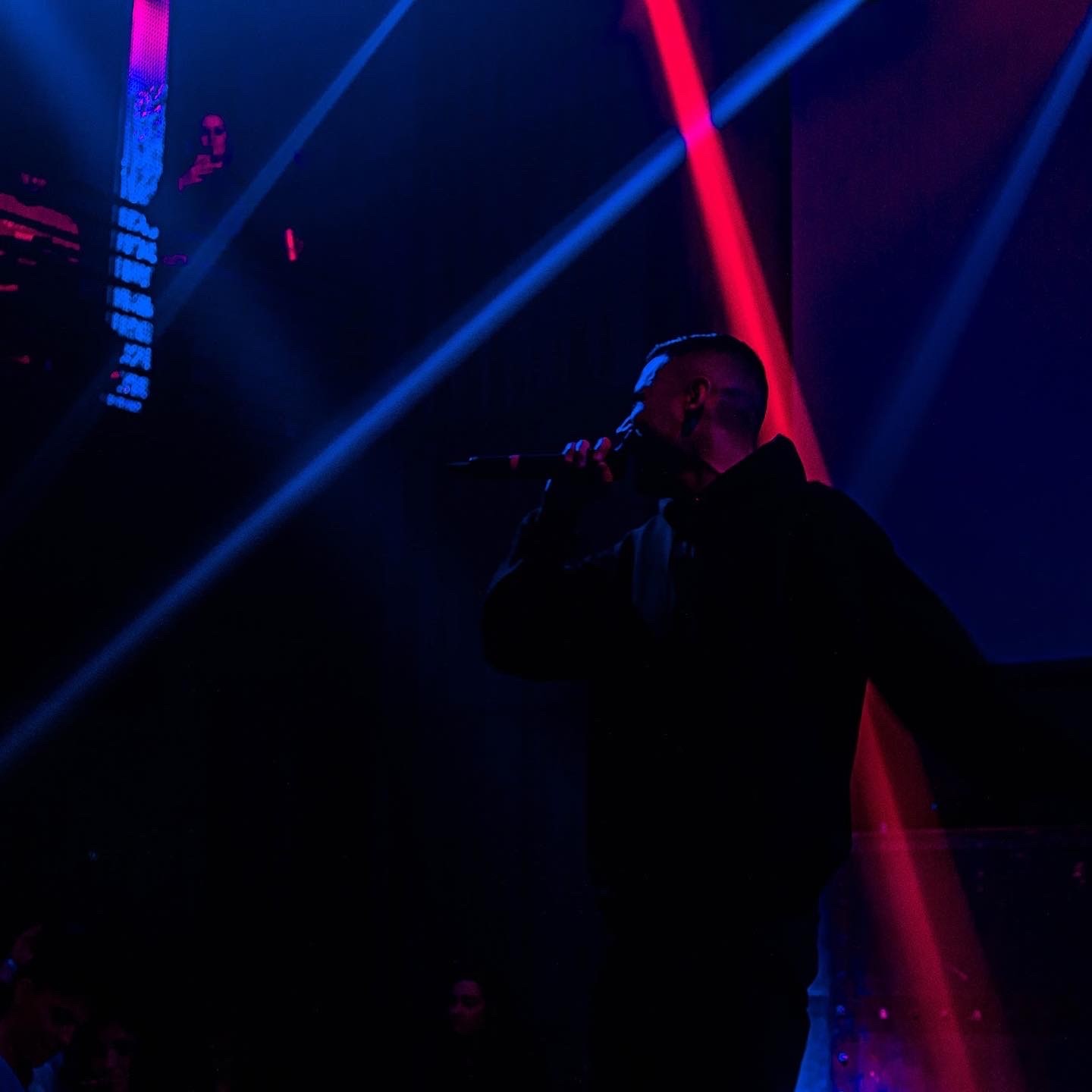
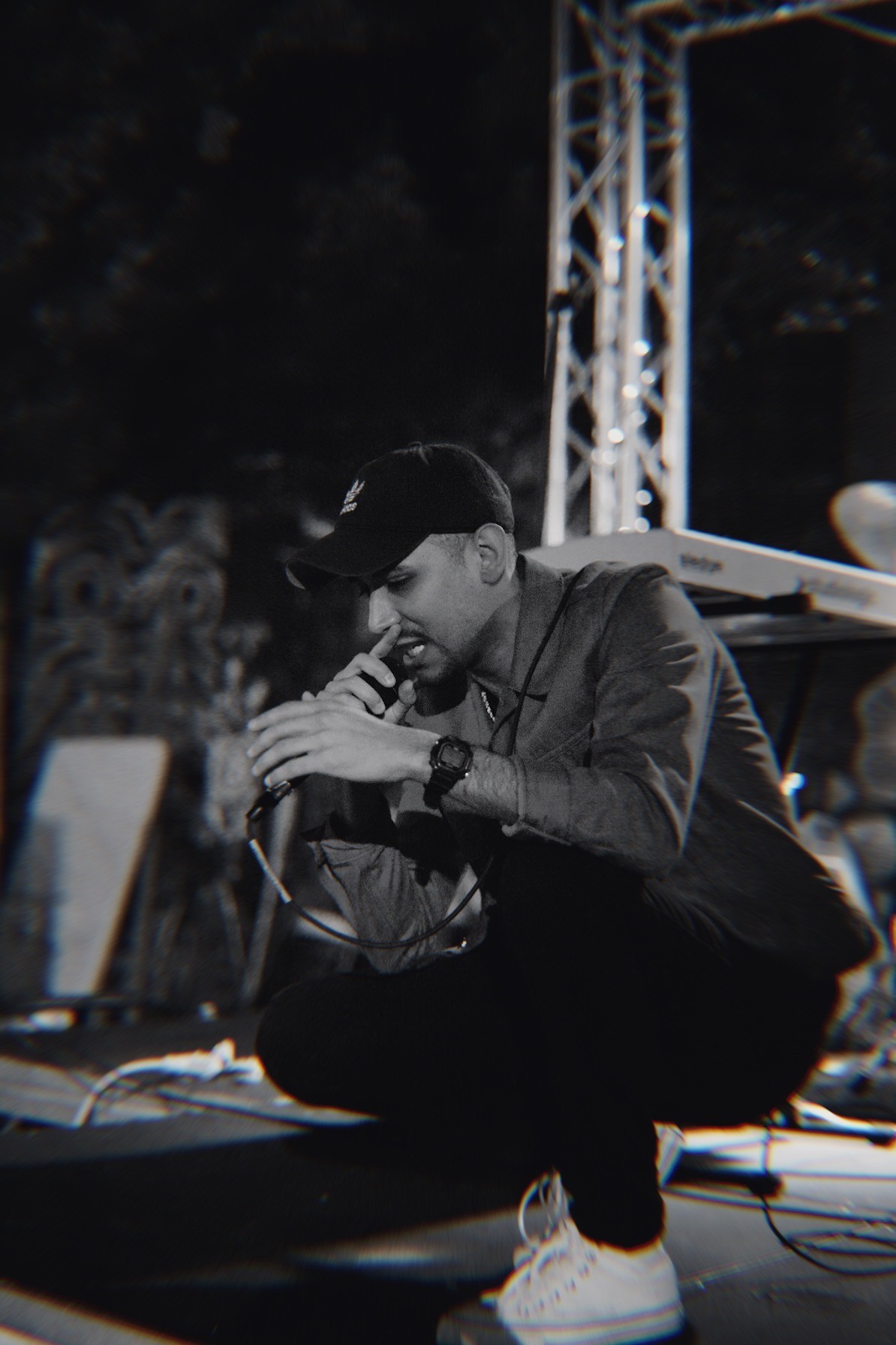
D.R.O.I.D., before we move on to more of these sorts of questions, can you take some time to bring our readers up to speed on you and what you do?
My name is D.R.O.I.D., and I’m from Houston, TX, but my music has taken me on an exciting artistic voyage since I moved to Austin in 2009. As an artist, I am humbled to have witnessed the journey of my musical career. My commitment to evolution and innovation sets me apart from my peers, constantly pushing the boundaries of my music to offer something unique to my devoted fans and followers. My passion for music was ignited when I moved to Austin to attend the University of Texas in 2009. However, I quickly realized that college was not my calling, and I boldly decided to pursue my music career. In September 2010, I recorded my first song, “I Did It For You,” as a heartfelt tribute to a close friend who fell victim to a senseless drive-by shooting. The song was met with unprecedented positive reviews, propelling me to the forefront of the hip-hop scene in Austin.
What makes my music truly unique is my constant experimentation with sound and cross-genre exploration. My music catalog spans genres such as hip-hop, synth-wave, post-punk, and R&B, and I seamlessly weave elements from these diverse genres into my music, creating a signature sound that is uniquely my own. I am willing to break the mold and redefine the norms of music. I hope to one day earn a reputation as a trailblazer, constantly pushing the boundaries and setting new standards for artistic excellence.
But my impact goes beyond my music. I am dedicated to my craft and have a passion for creating meaningful art. Despite my success, I remain humble and grounded, always striving to connect with my audience on a deeper level through my music. As my musical journey unfolds, one thing is certain – I am a force to be reckoned with in the music industry. My talent, creativity, and passion know no limits, and I show no signs of slowing down. I am excited about the future and eagerly anticipate sharing my talent and dedication to my craft with my fans and music enthusiasts alike.
How can we best help foster a strong, supportive environment for artists and creatives?
To me, music is a powerful force that influences everything from the people to pop-culture to politics. I can’t count how many times I’ve heard someone say, “Music has saved my life”. So in a sense, music is not only prominent from a cultural standpoint, but also in the space of mental health. Sometimes, people need an escape from their reality and music provides that consolation. Some of these artists are making music that are changing lives, saving lives and I believe that society should value and appreciate the unique power music possesses.
Some key considerations to support artists and creatives are:
Education and Training:
– Invest in arts education at all levels to nurture creativity from an early age.
– Provide accessible and affordable training programs for emerging artists to enhance their skills and knowledge.
Financial Support:
– Establish grants, scholarships, and funding opportunities to support artists financially.
– Encourage public and private sector partnerships to sponsor artistic projects and initiatives.
Affordable Spaces:
– Create and maintain affordable studio spaces, galleries, and performance venues for artists to work and showcase their creations.
Intellectual Property Protection:
– Strengthen intellectual property laws to protect the rights of artists and ensure fair compensation for their work.
Community Engagement:
– Encourage community involvement in the arts through events, workshops, and collaborations.
– Foster a sense of appreciation for the arts by integrating cultural activities into community programs.
Diversity and Inclusion:
– Promote diversity and inclusivity in the arts, ensuring that a wide range of voices and perspectives are represented.
– Support initiatives that address systemic barriers for underrepresented groups in the creative industries.
Networking and Mentorship:
– Facilitate networking opportunities and mentorship programs to connect emerging artists with experienced professionals.
– Foster a sense of community and collaboration within the creative industry.
Accessible Technology:
– Ensure access to affordable and up-to-date technology that can aid artists in their creative processes and help them reach wider audiences.
Cultural Policies:
– Develop and implement supportive cultural policies at the local, regional, and national levels.
– Advocate for policies that recognize the value of the arts in society and allocate resources accordingly.
Public Awareness:
– Increase public awareness about the importance of supporting the arts and the impact of creative expression on communities.
Addressing these aspects, society can contribute to the development of a sustainable creative ecosystem, providing artists with the resources and support they need to thrive.
Let’s talk about resilience next – do you have a story you can share with us?
I had my first show in 2009 at the historic venue, Fitzgeralds, in Houston, TX (officially closed in 2018). The concert was with a hip-hop group I was a part of, called “FAF” (Fre$h as F$ck). The crowd was buzzing, the lights were blinding, and the music was blaring. I was mixed with emotions and high off the feeling of performing on stage for the first time. The crowd was electrifying, and my verse on the song was coming in fast. As soon as my part came up, I froze right on stage. The silence was deafening. We were big on performing live with no backing vocals, so the bar was high. I was stunned. I couldn’t formulate words, couldn’t move a muscle – nothing. I quickly had the self-realization in that moment, “you have no experience in performing live on stage in front of a crowd, what are we doing here.” Self-doubt got the best of me. Luckily, with the help of my peers, I was able to eventually recover and finish out the set. I was disappointed and embarrassed and definitely did not expect my debut performance to go that way. I thought about quitting music that whole week. I had to travel back to Austin, TX and began hanging with a friend named Joe. I told him about the ordeal, and he expressed that the issue wasn’t my performance or music but more so the need for practice and repetition. Jay-Z says, “Excellence is being able to perform at a high level over and over again.” The only issue was Joe had no experience in music/stage performance, but he wanted to help get me where I wanted to be as an artist, and that was enough for me. We rehearsed almost everyday for hours in his apartment living room. I would begin rehearsing a song, and as soon as I would mess up a lyric or miss a cue, we’d stop the music, and I’d do push-ups. The discipline shaped me and provided a developmental aspect of music I never knew I needed. I’m forever grateful for that. Nowadays, I rehearse about three times a week, every week, to stay on top of my game. When I perform, everything is live, so fumbling lyrics mid-song is not an option. It’s a bit anxious at times, but I’ve come to learn that connecting with your audience with a flawless performance is a beautiful experience.
Contact Info:
- Instagram: https://www.instagram.com/yaboidroid
- Facebook: https://www.facebook.com/yaboidroid
- Youtube: https://www.youtube.com/channel/UCuzP8lpEEafVgWy-awBBfYA
- Other: Spotify – https://open.spotify.com/artist/0WUslwKHae2mkE585h0iqx
Apple – https://music.apple.com/us/artist/d-r-o-i-d/1265656830
Tidal – https://tidal.com/browse/artist/8625943
Email – [email protected]
Image Credits
Mike Manewitz Lorenzo Marez, Antonio Ramo