



We caught up with the brilliant and insightful Cynthia Asije a few weeks ago and have shared our conversation below.
Alright, Cynthia thanks for taking the time to share your stories and insights with us today. Folks often look at a successful business and imagine it was an overnight success, but from what we’ve seen this is often far from the truth. We’d love to hear your scaling up story – walk us through how you grew over time – what were some of the big things you had to do to grow and what was that scaling up journey like?
The Early Days
Foundation Building
When we started Alseams, our mission was clear: to create high-quality, sustainable outdoor apparel that combines durability with eco-friendly practices. Our initial focus was on product development and establishing a small, yet dedicated customer base. We bootstrapped the business, using personal savings and a small loan to cover the early costs of design, production, and marketing.
Challenges
Product Development: We experimented with various sustainable materials and manufacturing processes. Finding the right balance between durability and environmental impact took time. We had to test numerous fabric samples and production methods before settling on a combination that met our standards.
Market Penetration: As a new player in a crowded market, breaking through the noise was a challenge. We relied heavily on grassroots marketing—local events, word-of-mouth, and partnerships with eco-conscious influencers.
Scaling Up
Strategic Decisions
1. Investing in Infrastructure
As demand grew, we realized that to scale effectively, we needed to invest in infrastructure. This included upgrading our production facilities, investing in better inventory management systems, and expanding our distribution channels.
Production Facilities: We moved from a small, local workshop to a more advanced facility that allowed for larger production runs. This not only increased our capacity but also improved our ability to maintain quality control.
Technology: Implementing a robust inventory management system helped us keep track of stock levels and streamline order fulfillment. This was crucial in managing the increased volume of orders and ensuring timely delivery.
2. Expanding Product Lines
To cater to a broader audience and increase our market share, we expanded our product line. We introduced new items such as base layers, mid-layers, and accessories, all crafted from sustainable materials. Each new product required significant research and development to ensure it met our sustainability standards.
3. Strengthening Our Brand
Building a strong brand was essential for our growth. We invested in a comprehensive marketing strategy that included:
Content Marketing: We created engaging content around our sustainability efforts and outdoor lifestyle, which resonated with our target audience. This included blog posts, social media campaigns, and video content showcasing the durability and functionality of our products.
Partnerships and Collaborations: Partnering with other brands and organizations that shared our values helped us reach new customers. Collaborations with outdoor adventure influencers and eco-conscious activists amplified our message and expanded our reach.
4. Scaling Operations
With growth came the need to scale operations efficiently. This involved:
Team Expansion: We hired additional staff to handle various aspects of the business, from customer service to logistics. Building a strong, skilled team was crucial for maintaining quality and managing increased demand.
Outsourcing and Partnerships: To manage production and distribution more effectively, we established partnerships with other manufacturers and logistics providers. This allowed us to focus on our core competencies while leveraging the expertise of our partners.
Obstacles and Mistakes
1. Growing Pains
As with any scaling process, we faced several challenges:
Quality Control Issues: Rapidly increasing production led to occasional quality control issues. We had to implement stricter quality checks and work closely with our production partners to address these problems.
Supply Chain Disruptions: Sourcing sustainable materials can be complex and subject to supply chain disruptions. We worked on building stronger relationships with suppliers and explored alternative sources to mitigate these risks.
2. Financial Strain
Scaling up required substantial financial investment. We faced cash flow challenges, especially during periods of rapid growth. We addressed this by securing additional funding through venture capital and exploring different financing options.
3. Balancing Growth with Sustainability
Maintaining our commitment to sustainability while scaling operations was a constant balancing act. We had to ensure that our growth did not compromise our environmental values. This involved making tough decisions about our supply chain and production processes.
Meaningful Moments
1. Customer Feedback
Receiving positive feedback from customers who appreciated our commitment to sustainability and the quality of our products was incredibly rewarding. It reinforced our belief in our mission and motivated us to continue innovating.
2. Industry Recognition
As we grew, we started receiving recognition from industry awards and sustainable fashion organizations. This validation helped build credibility and attract new customers.
3. Building a Community
Creating a community of like-minded individuals who shared our passion for the outdoors and sustainability was a significant achievement. Our customers and brand advocates played a crucial role in our growth, helping to spread the word and champion our cause.

Awesome – so before we get into the rest of our questions, can you briefly introduce yourself to our readers.
I’m Cynthia Asije, founder of Alseams, a brand dedicated to creating high-quality, sustainable outdoor and swimwear apparel. My journey began with a passion for nature and design, which led me to merge my background in environmental science and fashion design to address a gap in the market: eco-friendly, high-performance outdoor gear.
At Alseams, we offer a range of products including outerwear, base layers, mid-layers, and accessories, all crafted from recycled polyester and organic materials. Our commitment to sustainability is evident in every aspect of our business, from eco-conscious sourcing to ethical manufacturing practices. We aim to solve common issues like environmental impact and durability, ensuring our gear performs well in harsh conditions while minimizing its footprint.
What sets us apart is our unwavering dedication to sustainability without compromising on performance or quality. We value transparency and actively engage with our community to promote environmental stewardship.
I’m most proud of how Alseams has grown and positively impacted both our customers and the environment. Looking forward, we aspire to continue innovating and expanding our reach, inviting others to join us in making eco-conscious choices for outdoor adventures.

How’d you meet your business partner?
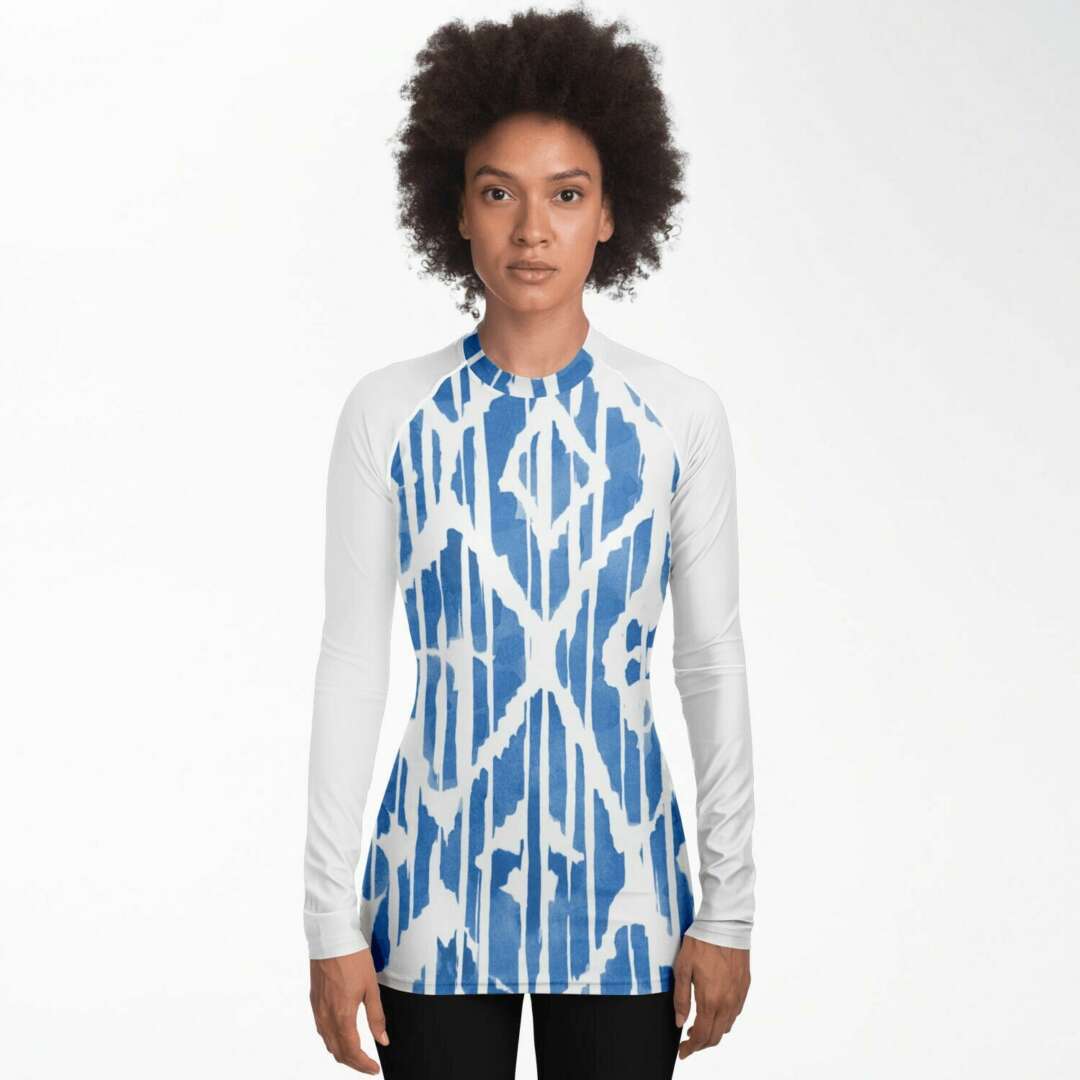
I connected with my cofounder, Sarah Odiavbara, through a career-focused Twitter thread, and quickly realized we shared a deep passion for product development, sustainability, and environmental analysis. After three years of collaborating and discussing our mutual interests, we noticed a gap in the market for sustainable outdoor and swimwear apparel with distinctive, beautiful prints. This shared vision led us to launch Alseams.
Have you ever had to pivot?
Certainly! Early in Alseams’ journey, we faced a significant challenge that required a major pivot. After our initial product launch, we received feedback from customers that our eco-friendly swimwear and outdoor apparel, while appreciated for its sustainability, lacked the performance features needed for extreme conditions. Sales were not meeting expectations, and it became clear that our initial designs weren’t fully resonating with our target audience.
Recognizing the need for change, we decided to pivot our approach. We conducted in-depth market research and engaged directly with our customers to understand their specific needs and preferences. This revealed that while sustainability was crucial, high performance in extreme weather was equally important.
We re-engineered our products, incorporating advanced materials and technologies to enhance durability and functionality without compromising on our environmental values. This shift required reworking our supply chain and investing in new partnerships with suppliers specializing in high-performance, sustainable fabrics.
The pivot paid off. Our redesigned products received positive feedback for both their functionality and eco-friendliness, leading to increased sales and customer satisfaction. This experience taught us the importance of listening to our customers and being willing to adapt in order to meet their needs effectively.
Contact Info:
- Website: www.alseams,com
- Instagram: https://www.instagram.com/shopalseams
- Facebook: https://www.facebook.com/shopalseams
- Linkedin: https://www.linkedin.com/company/alseam/
- Twitter: https://www.twitter.com/shopalseams
- Youtube: https://www.youtube.com/@Alseams
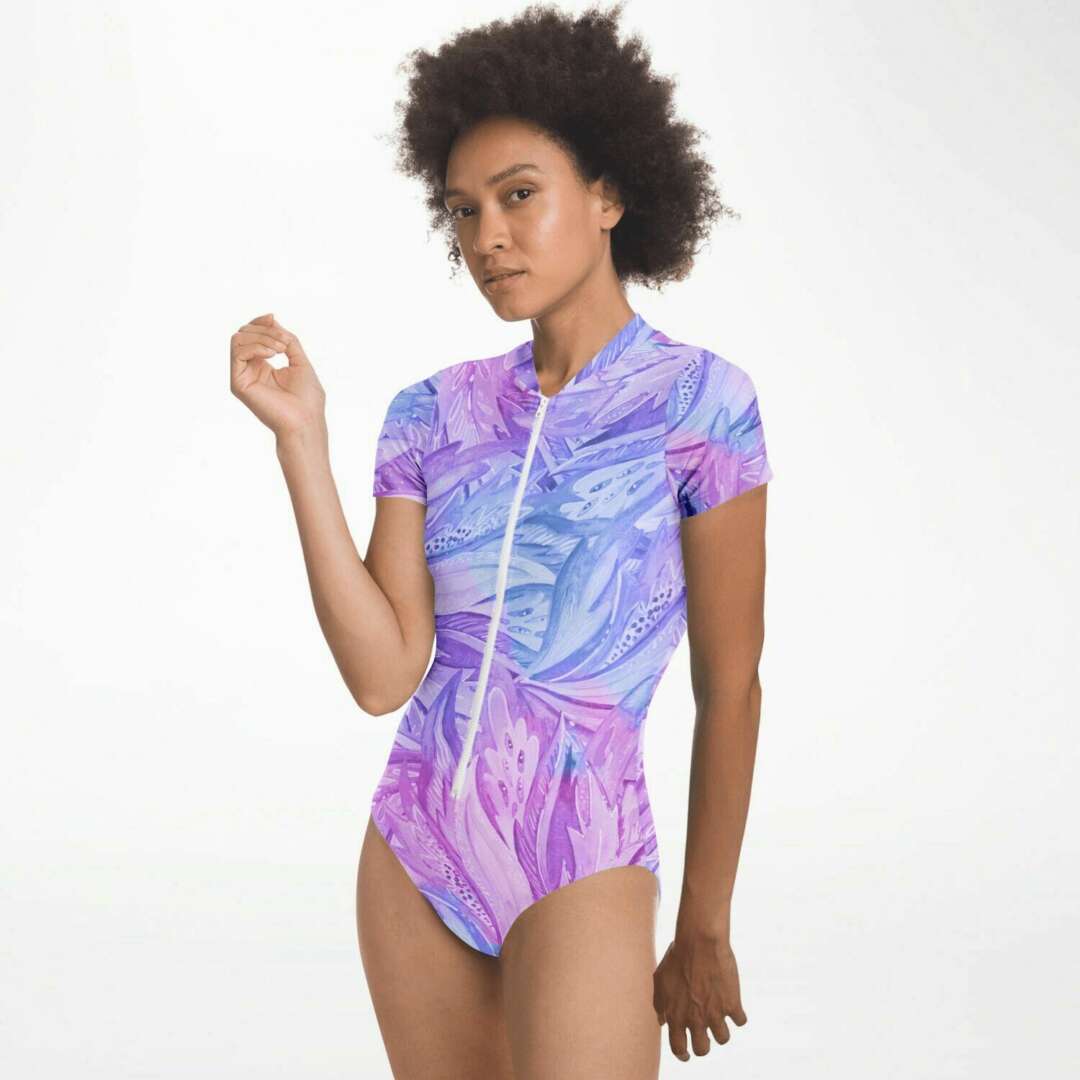
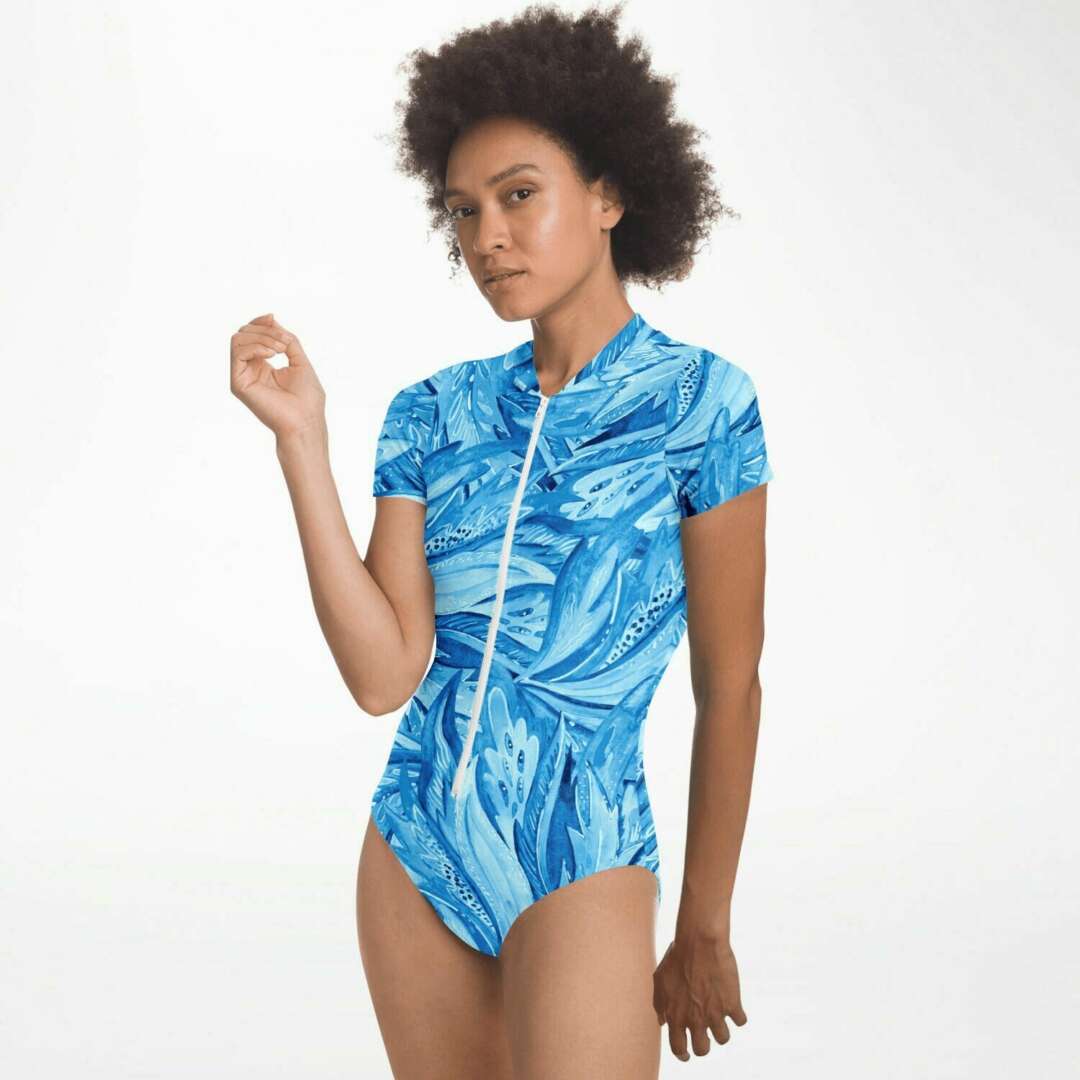
Image Credits
Alseams Products