

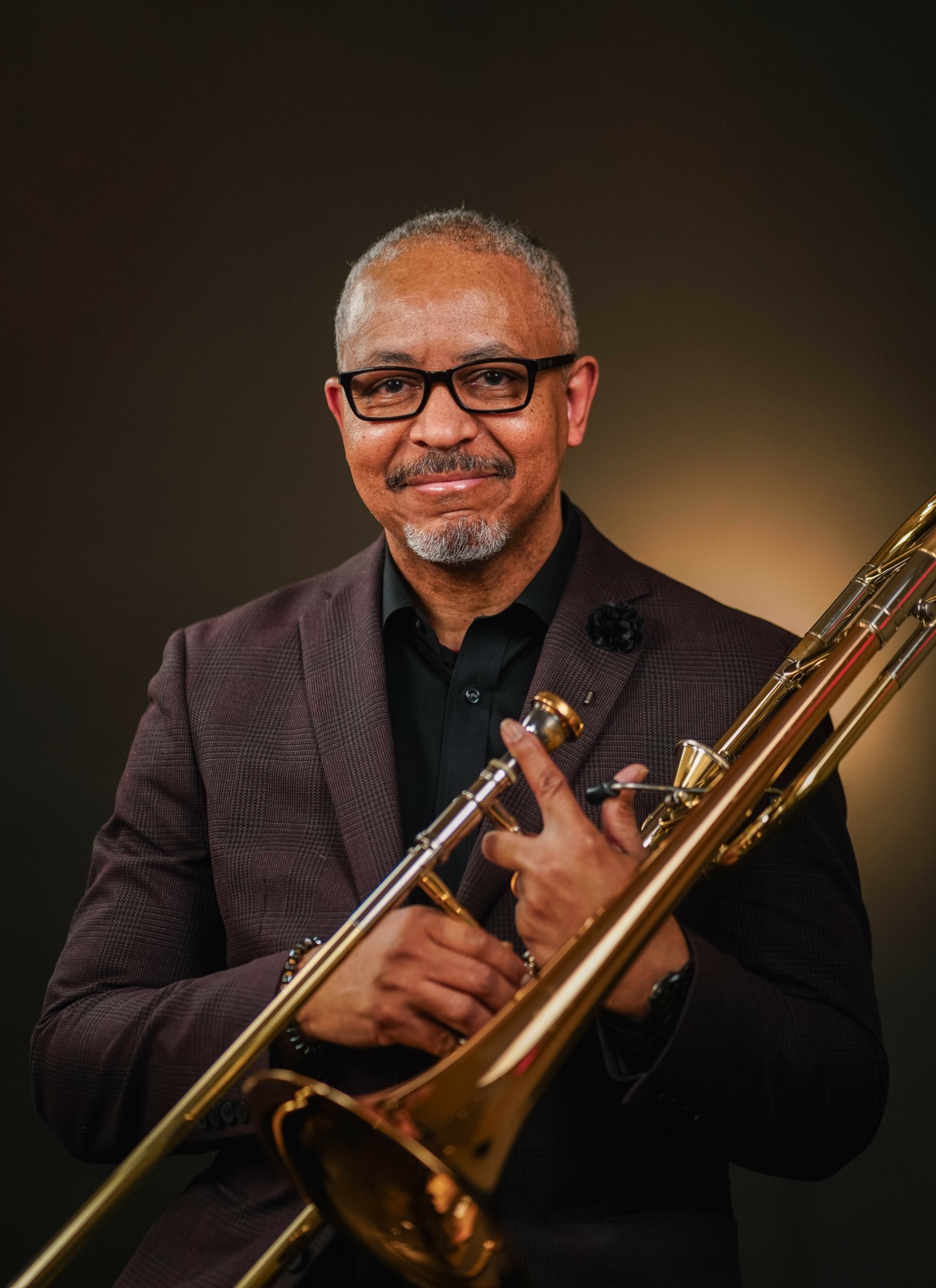

We recently connected with Curtis Turney and have shared our conversation below.
Hi Curtis, thanks for joining us today. What was the most important lesson/experience you had in a job that has helped you in your creative career?
The most important lesson I learned in my non-music careers was that preparation, clarity, and accountability are what turn ideas into results. And that lesson has shaped everything I do as an artist and entrepreneur.
When I moved to New York City, my first professional work was as a Quality Control Chemist. In that environment, there was no room for guessing. Every decision had to be supported by data, every process had to be documented, and every result had real consequences. If a batch failed, you didn’t blame the instrument or the timeline; you reviewed the method, identified the variable, and fixed the system. I learned quickly that consistency comes from process, not talent. That mindset became foundational when I later began leading large ensembles like Son De La 104. Managing an 11-piece salsa orchestra is not unlike running a lab: rehearsals must be structured, expectations clear, and everyone accountable to the same standards. Great music doesn’t happen by accident… it is engineered.
Later, working as a Chemistry teacher, I learned another critical lesson: knowledge only matters if you can communicate it clearly. I could understand complex concepts, but if my students didn’t understand them, then I hadn’t done my job. Teaching forced me to break ideas down, read the classroom, adjust my approach, and meet my students where they were. That skill directly informs how I rehearse, create, and produce today. Whether I’m explaining a rhythmic concept to a percussionist, shaping a horn line in an arrangement, describing what I want to hear or directing a multi-ensemble production, my goal is always the same: clarity. When musicians understand the “why,” the music becomes powerful and intentional.
As a Spanish language interpreter, the lesson became even deeper. Interpreting taught me the responsibility of being a bridge. You are not the message, you are the conduit. You must listen fully, remove ego, respect context, and deliver meaning with accuracy and integrity. That experience profoundly influenced my work in Afro-Caribbean and Latin music traditions. I approach these art forms with humility, honoring their cultural roots while translating them for contemporary audiences. Whether producing “Homenaje a Los Rumberos” or launching the Afro-Caribbean Septet, I see my role as someone entrusted to carry history forward; faithfully, respectfully, and creatively.
All these experiences taught me that artistry thrives when discipline meets intention. Being a chemist gave me structure, being a teacher gave me communication, and being an interpreter gave me cultural responsibility. Those lessons are embedded in every project I create—from recording an album to building community-based concert series like The Inwood Heights Latin Music Concert Series. Talent opens the door, but preparation, clarity, and respect are what keep it open.
That has been the most valuable lesson of my journey; and it’s one I carry into every rehearsal, performance, and production.
As always, we appreciate you sharing your insights and we’ve got a few more questions for you, but before we get to all of that can you take a minute to introduce yourself and give our readers some of your back background and context?
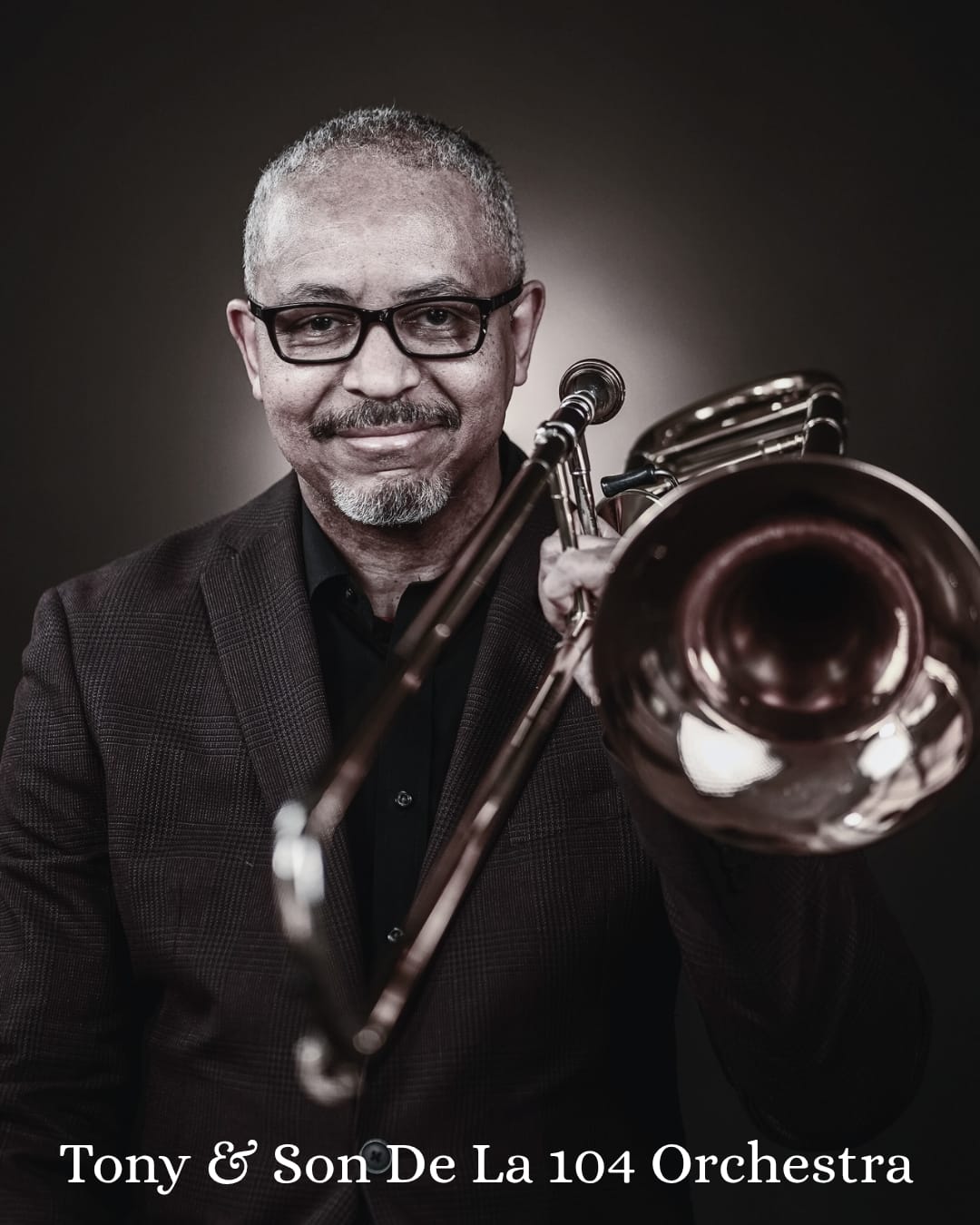
I am a Panamanian born, New York based trombonist, percussionist, producer, creator and bandleader whose work centers around Latin music and Afro-Caribbean traditions while presenting them through a contemporary lens. My introduction to music began in elementary school in Panamá, playing small percussion instruments, and expanded in high school when I picked up the trombone in the marching band. That combination, rhythm and brass, would later become central to my artistic voice.
After studying briefly at the National Conservatory in Panamá, I decided to pursue a degree in Chemistry at the Universidad de Panamá. Although my academic path shifted, music never left my life. I continued performing with local bands, taking private lessons, and staying connected to the city’s musical environment. After graduating, I moved to New York City and began working professionally as a Chemist. At the same time, I committed myself fully to growth, studying trombone at the East Harlem Music School and later expanding into percussion at The Harbor Performing Arts Center.
New York became the place where all my disciplines—music, science, teaching, and language converged. I’ve performed with Salsa artists, Latin bands, choirs, dance ensembles, and community-based cultural organizations.
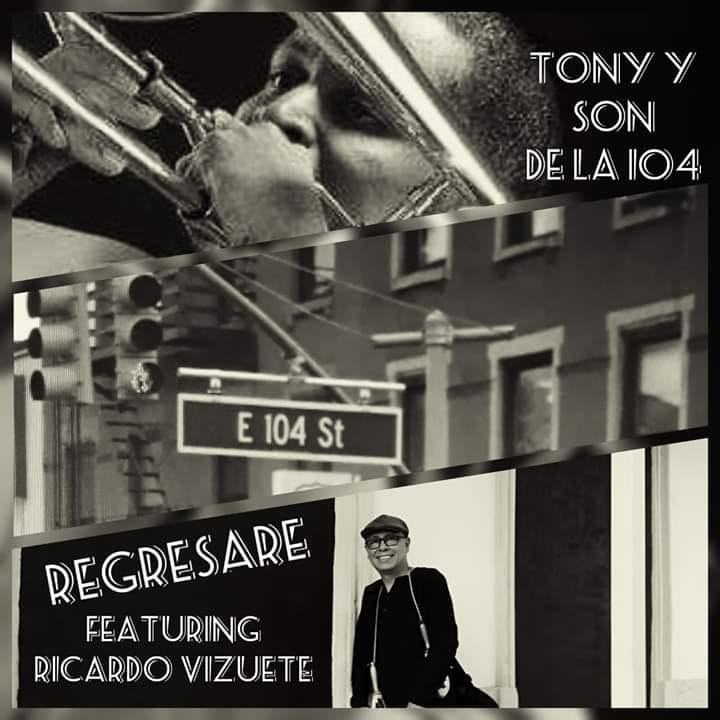
In December 2005, I founded Son De La 104, an 11-piece Salsa orchestra inspired by the bold, trombone-driven sound of 1970s and ’80s, infused with a modern New York edge. The orchestra performs original compositions alongside carefully curated interpretations of classics by Salsa greats. I am currently producing and recording Son De La 104’s debut studio album.
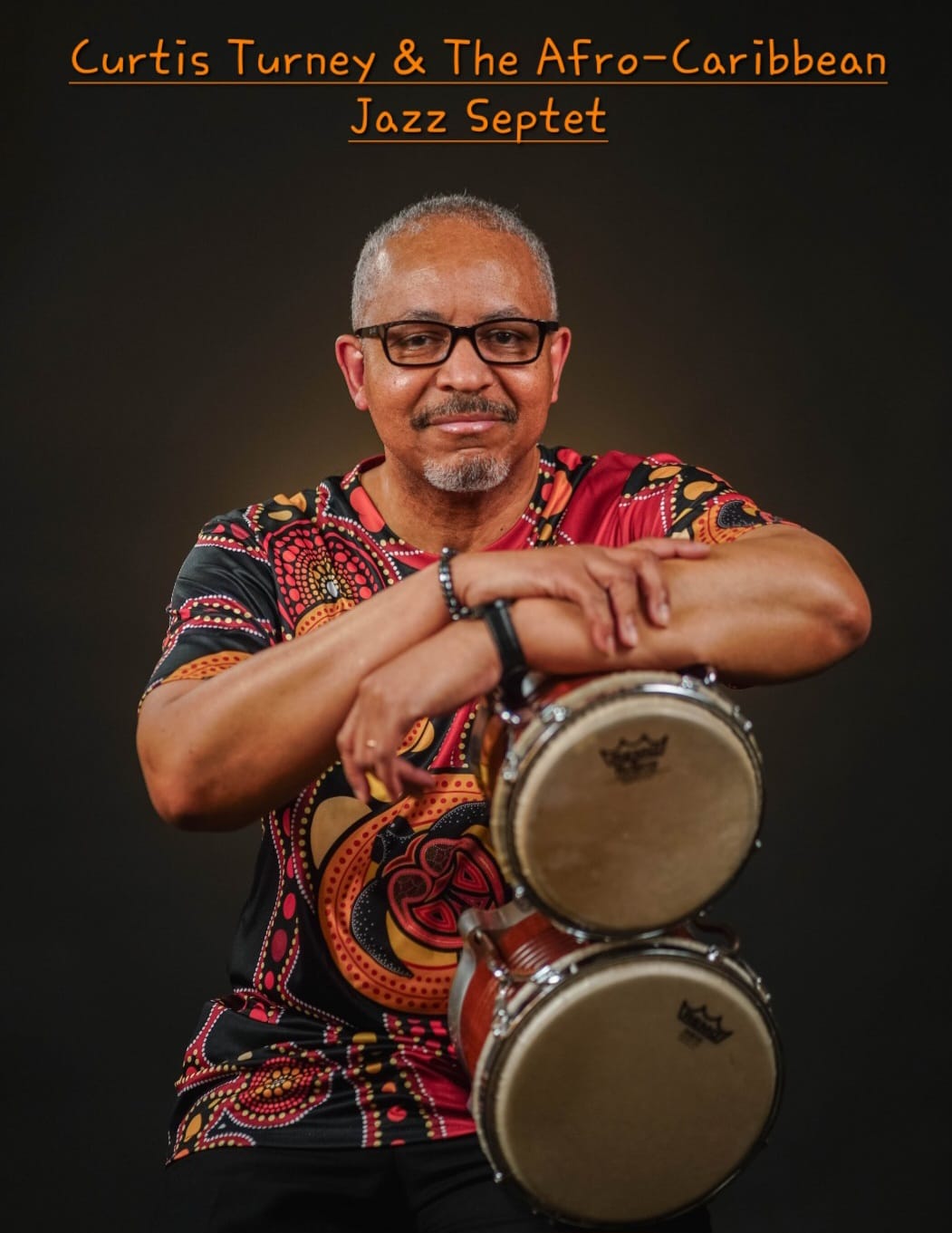
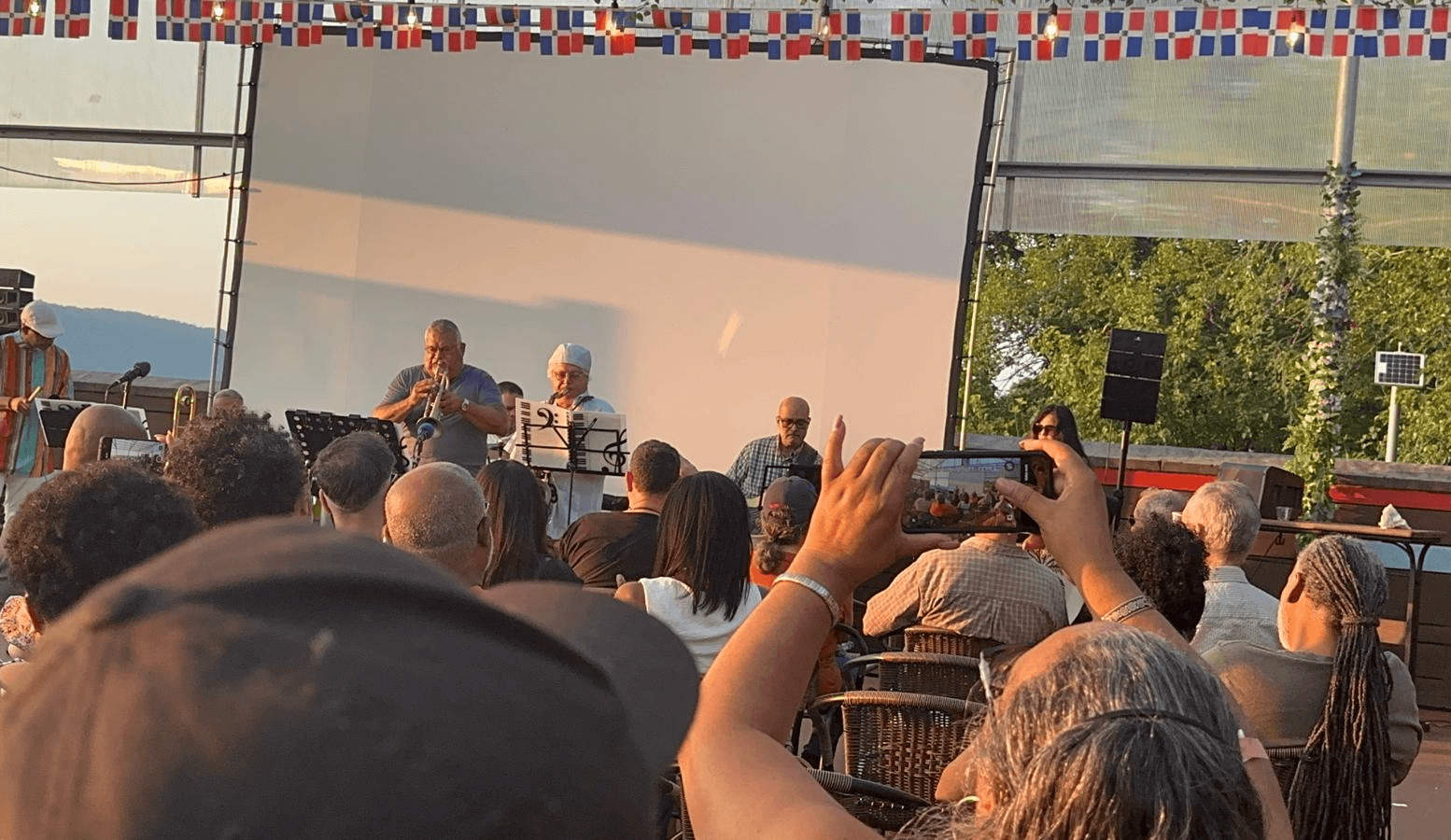
In July 2023, I launched the Afro-Caribbean Septet, an ensemble that blends Jazz with rhythmic traditions rooted in the African Diaspora. The project explores the deep connections between African, European, and Indigenous Latin American musical languages, creating a sound that is both historically grounded and forward-looking.
I premiered my original production “Homenaje a Los Rumberos” in March 2024, as a featured Hi-Arts Critical Breaks artist at El Barrio Artspace’s Gallery. It is tribute to the legacy of Afro-Cuban Rumba and homage to the rumberos, past and present, who have preserved and evolved this tradition,
Beyond performance, I see myself as a cultural producer and organizer. My work solves a common problem in the music ecosystem: how to present culturally rich, tradition-based music with professionalism, clarity, and sustainability. I bring structure to creativity drawing from my background as a Chemist, Science teacher, and Spanish language interpreter to ensure projects are well-organized, rehearsals are intentional, musicians are respected, and audiences are educated and engaged. Clients and collaborators value that I don’t just deliver music; I deliver context, process, and purpose.
I believe that what sets me apart is my ability to bridge worlds: science and art, tradition and innovation, community and professionalism. I approach music with the discipline of a laboratory, the communication skills of an educator, and the cultural responsibility of an interpreter. These experiences allow me to lead large ensembles, produce original works, and curate experiences that honor the roots of the music while making it accessible to diverse audiences.
One of the things I’m most proud of is building long-term projects that create space for musicians, culture, and community to come together and thrive; particularly through large format, Afro-Caribbean ensembles, Salsa orchestras and Big bands, at a time when those formats are increasingly difficult to sustain on a regular basis.
Looking ahead, I am developing The Inwood Heights Latin Music Concert Series, launching in 2026-27, which will feature Latin Jazz bands, Tropical/Salsa orchestras, Afro-Caribbean ensembles, and World Music groups in Upper Manhattan.
What I want potential collaborators, presenters, art and cultural organizations, philanthropist and audiences to know is that my brand is rooted in integrity, preparation and cultural respect. Every project I lead is intentional, collaborative, and community-focused. Whether on stage, in the studio, or in production, my goal is to honor the music, uplift the musicians, and create meaningful artistic experiences that resonate beyond the performance.
Have you ever had to pivot?
There have been several moments in my life when I had to pivot, not because I wanted to leave music, but because I needed to learn, grow, support a family and keep moving forward.
When I started, music alone wasn’t enough to sustain me and my family financially. So I made my first pivot and worked as a Q. C. Chemist for about three and a half years. It was a world of precision, data, and structure; very different from the creative freedom of music. But even then, music stayed with me. It grounded me after long days and reminded me of who I was beyond the lab coat.
Later, I shifted again, this time into Education. I worked as a Bilingual teacher in several subjects and as a Spanish teacher, followed by seventeen years as a chemistry teacher. Teaching became more than a job; it turned into my first career. It became a way to serve, to connect, and to inspire. In the classroom, I learned how to communicate clearly, listen deeply, and meet people where they were. And through it all, music remained actively present. It helped me manage stress, stay focused, celebrate victories, and find balance in a demanding profession.
In my most recent career, I’ve been working as a Spanish language interpreter, alongside my music career. Interpreting like music is about listening, translating emotion and meaning, and building bridges between people. In many ways, it feels like a natural extension of everything I have done before.
Looking back, my career path may seem unconventional, but one thing has never changed: music has always been the constant. Whether in business, career transitions, or life itself, music has been my anchor. It helped me find joy during uncertain times, purpose during transitions, and identity when I wore many different titles.
No matter how many times I have changed to a new career, music has never left me. It didn’t just follow me; it carried me throughout. It has been constant.
What do you find most rewarding about being a creative?
The most rewarding aspect of being a performer is knowing that your work brings joy, connection, learning and meaning; sometimes when people need it most.
For me, creating a Salsa orchestra, an Afro-Caribbean and Latin Jazz ensembles is not just about performance; it is about honoring culture, telling stories, and creating spaces where people feel seen, energized, and connected. No matter how many careers I have had or how many times I have had to pivot, music has always been the one place where I could fully be myself.
When someone dances, claps along to one of my songs, or tells me that my music helped them through a difficult moment, that is my reward. It reminds me that music has power not just to entertain, but to heal, to preserve identity, and to bring people together across different languages, ethnic groups and experiences.
Contact Info:
- Website: https://app.thefield.org/profile/Curtis-Turney/655358
- Instagram: https://www.instagram.com/alchemist_music13/
- Facebook: https://www.facebook.com/TonyCurtisTurney/
- Linkedin: https://www.linkedin.com/in/curtis-turney-90a68655/
- Youtube: https://www.youtube.com/@curtist8735
- Soundcloud: https://soundcloud.com/alchemistsmusic
- Other: Spotify: https://open.spotify.com/track/1UWozk7MiH0csyDYF4Au3I?si=ba7da2fc05c4422e
Reverbnation: https://www.reverbnation.com/curtisturney
Email: AlchemistsMusic@Gmail.com
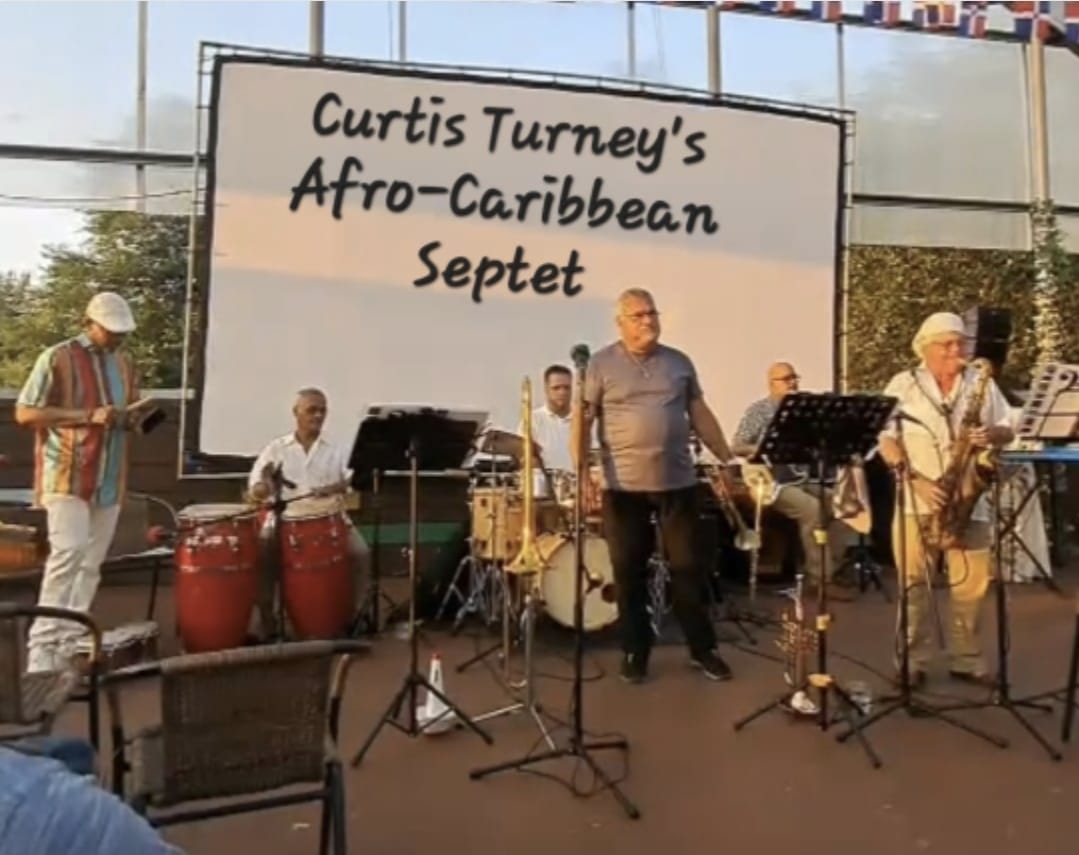
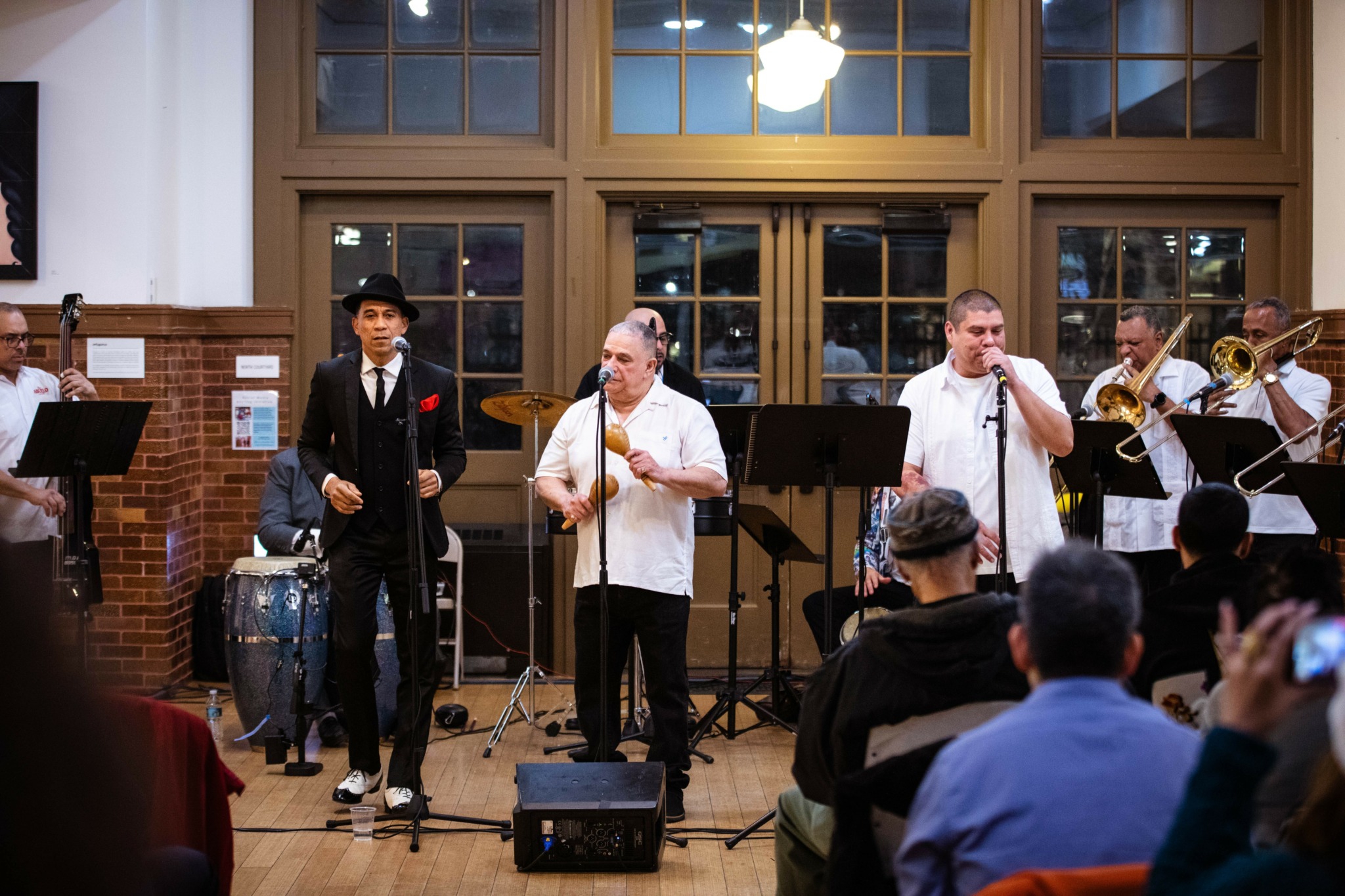
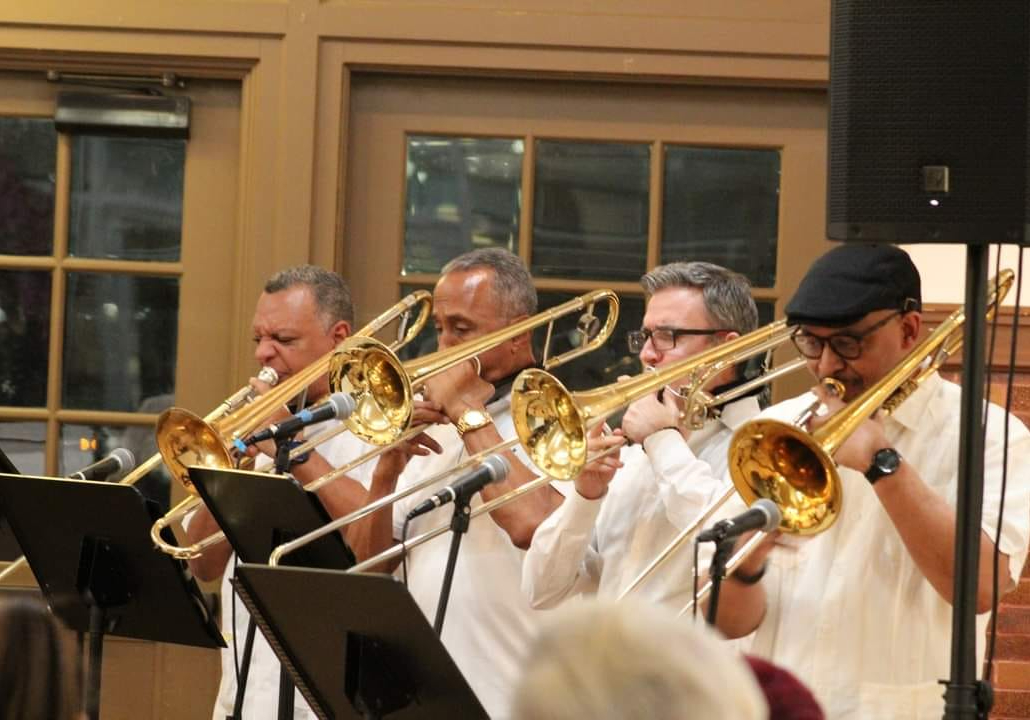
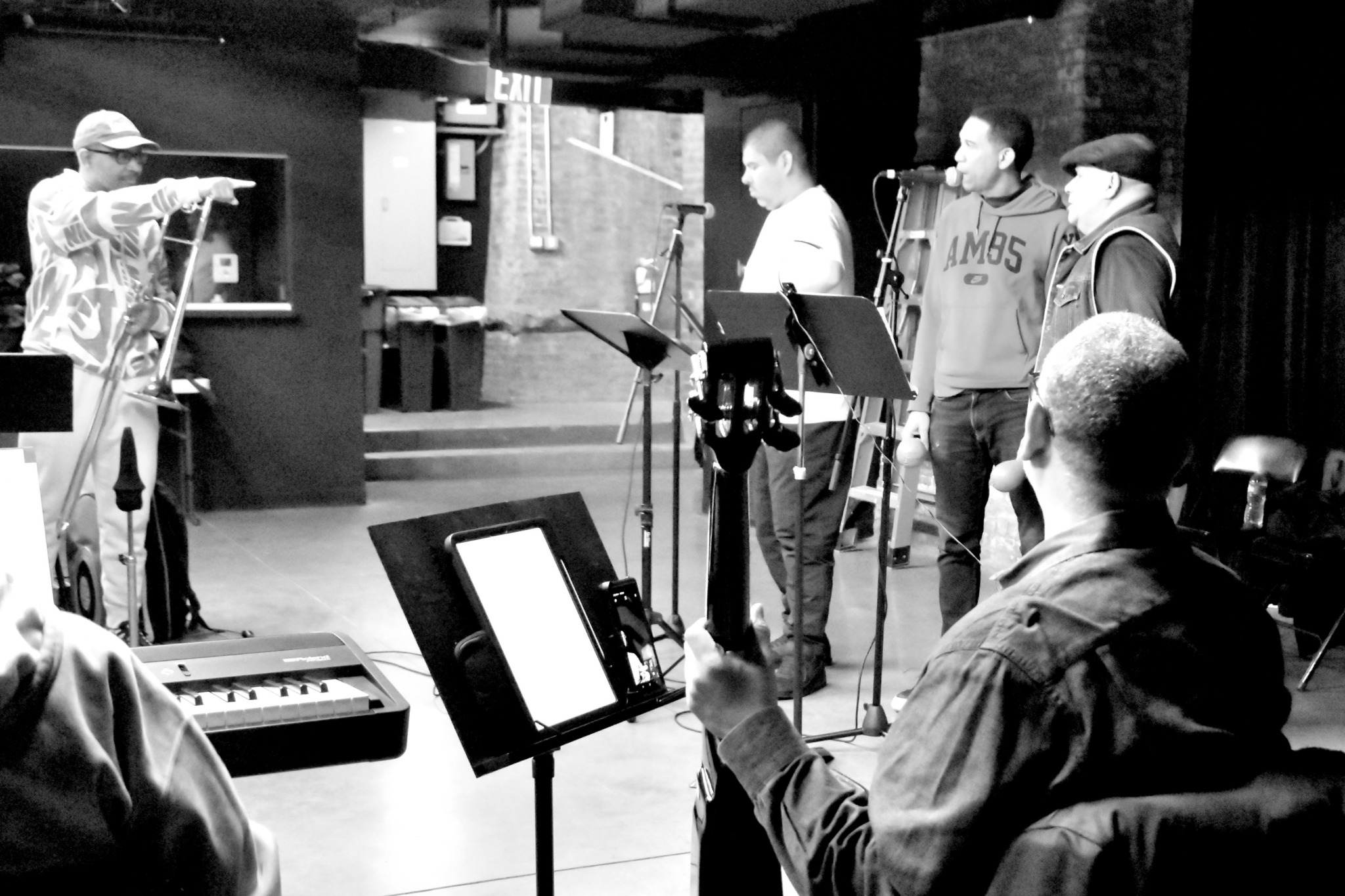
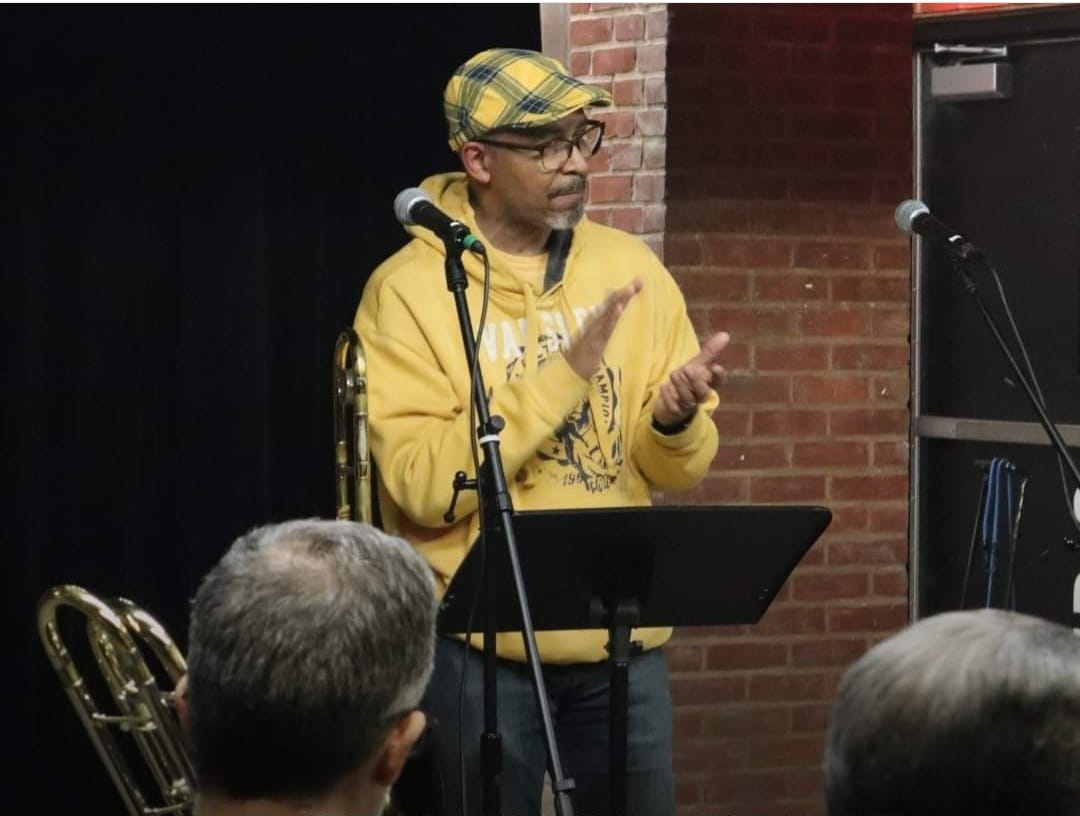
Image Credits
Photo Credits:
Jonathan Lewis
Anthony Rojas
Deborah Cowell
MJ Martinez
Rosa Gonzalez