

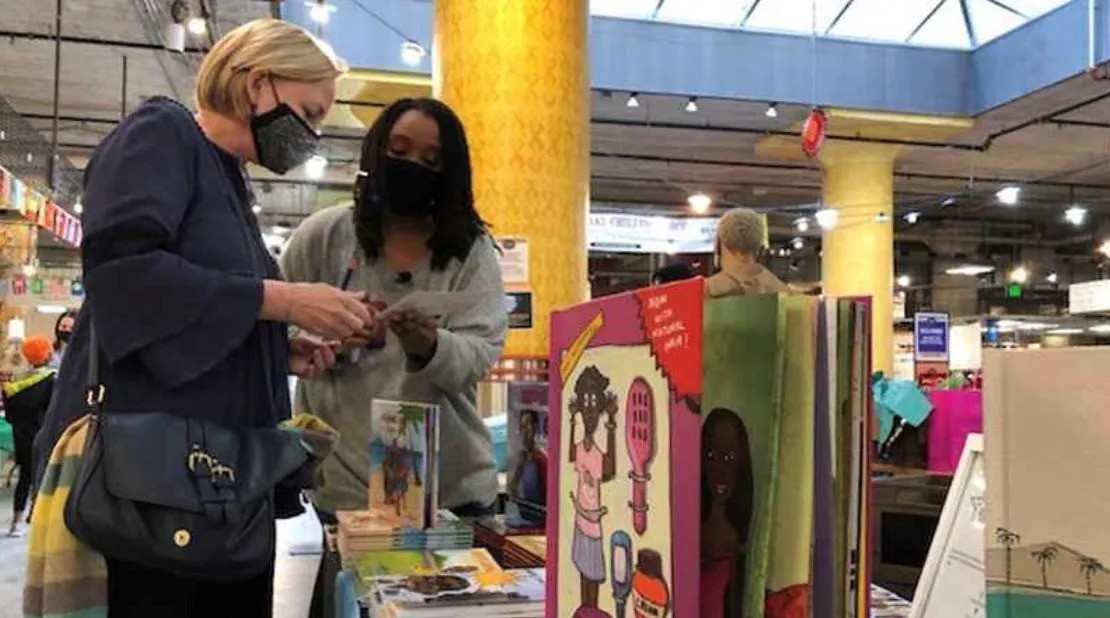

Alright – so today we’ve got the honor of introducing you to Crown Shepherd. We think you’ll enjoy our conversation, we’ve shared it below.
Hi Crown, thanks for joining us today. Let’s start with the story of your mission. What should we know?
It started out as a mantra.
Whenever I babysat or hung out with my nephews, I riffed on the childhood classic, Brown Bear, Brown Bear, What Do You See? In the midst of a conversation or even out of the blue, I’d stop and ask playfully, “Black boy, black boy, what do you see . . . ?”
It was a question and a challenge thrown down to the boys in my life.
Look into your future, I said, what do you want to be when you grow up? More importantly, what steps will you take to make that happen?
“Black boy, black boy, what do you see?”
“I see a president looking at me!”
My nephews loved the call-and-response structure. It felt like a game, but as an adult who loved them, I knew something more was happening. At a time when we still have to shout that black lives matter, I wanted to prompt the black boys who I loved to envision all the possibilities before them. I wanted them to picture a future of positivity and hope—one of pride in their own greatness and power.
Soon I wrote down my favorite responses from my nephews, and Black Boy, Black Boy was born.
After the birth of my nephews—five of whom are currently under the age of seven—I quickly noticed how few books with characters that looked like them were on the shelves of local bookstores and public libraries.
Honestly, I was stunned. Growing up I knew there weren’t a lot of books full of kids that looked like me, but with all the recent attention on the #WeNeedDiverseBooks movement and similar initiatives, I mistakenly believed things were different now. Somehow, I imagined row upon row of bright, colorful books full of black characters—positive role models for the young boys I love so dearly.
Unfortunately, the truth is much different.
Only 7 percent of children’s books show characters of color, and only 2 percent of those books are made for black boys.
As my nephews transitioned from pre-K into grade school, I noticed they stopped reading and engaging with books. And looking at those statistics, it’s not surprising why. Books aren’t made for them. They aren’t written by people who look like them.
And there’s a big reason that needs to change.
As children approach 3rd grade—typically 8 or 9 years old—if they’ve failed to meet basic reading and writing standards, they’re often deemed “at-risk.” This means they’re often subject to “zero tolerance” discipline models—especially if those children are black, indigenous, or brown boys. It also means they’re included in the statistics the government tracks to determine how many beds they assume they’ll need in prisons.
This is the big thing I want my book to change in the world—I want to encourage little black boys like my nephews to read! Reading is the most fundamental tool that people have. If you can read, you can learn! If you can learn, you can grow. If you grow, you can be anything!
I wrote this book for black boys so they can be excited to see themselves as the heroes of the story.
I wrote this book for black boys so the repetitive patterns can help them learn to read.
I wrote this book for black boys so it will become a subconscious mantra—the things you say to kids become what they think. And I want black boys to know they can be anything.
On May 26th, 2020, Minneapolis was rocked again with yet another police killing of an unarmed black man, releasing the city and the nation’s sorrow, confusion, and, most of all, rage!
I watched as my people stormed the streets, uplifting their voices, raising their fists, and asking for Justice.
I joined in as people expressed themselves through art on the walls of burned and looted buildings, as they littered the streets with flowers and hand-painted signs. They came together and started pop-up food drives and essential giveaways around the city to ensure no one went without.
I cried with them as we marched the streets and screamed his name over and over again. I ran with them when MPD chased us from our peaceful protest.
And, I was scared with them when a semi came barreling at us 70 mph.
Throughout all of this, there was one constant. One thing that rang out through all the confusion and sorrow. One thing that MPD, the national guard, or the President couldn’t take from us and that was Hope. Hope for change. Hope for Justice. Hope for Hope’s sake.
at a time when we still have to shout that black lives matter, i wanted to prompt the black boys who i loved to envision all the possibilities before them,” shepherd explained. “i wanted them to picture a future of positivity and hope—one of pride in their own greatness and power.”
A great friend of mine (Maxwell Mense), decided to do his part by spreading hope through Black Boy, Black Boy. Even before the protesting started, Mense would buy my book and give it out to little boys he saw around the city, “Every little black boy needs this book, and every chance I get, I hand one out. It’s the best part of my day sometimes. ” Mense said.
Seeing an opportunity to bless scared little rebels on the frontline, Mense grabbed a stack of Black Boy, Black Boy, and started handing them out at a peaceful protest on 38th & Chicago. Stating, “This is the best way I know how to protest.”
This simple, yet genius gesture, prompted me to open my eyes and see my mission. To see that everything I wanted for Black Boy, Black Boy was screaming his name, screaming for justice, screaming for their future.
We handed out books on 38th & Chicago, Lake Street & Minnehaha, Fremont & Broadway, and, during the 10k march in downtown Minneapolis.
In the midst of it all, I got to see little boys read my book in the middle of the street and say, “look, mom, it’s me.”
I got to see precisely the power my book holds.
Arming myself with over 200 books, and 1800 dollars in donation, I decided to peaceful protest by handing out signed copies of my book to every Black Boy I encountered.
We were also gifted with books from Dr. Artika Tyner, so the girls weren’t left out.
Artika not only gifted us with her book Justice Make a Difference, but she gifted us with a multitude of black girl books.
Great, appreciate you sharing that with us. Before we ask you to share more of your insights, can you take a moment to introduce yourself and how you got to where you are today to our readers.
Since I was 8 years old, my dream was to become a writer. However, coming from a family with limited means, the path to college was not an option. In 10th grade, I began working to help my single mother support our family, and by the time I reached the age for college, my only option seemed to be the pursuit of full-time employment. At 22, my dream of becoming a writer seemed distant after two unsuccessful attempts at returning to college. It felt like my only prospects were dead-end jobs.
But in April 2017, everything changed. With no prior experience, I took the leap and founded Black Lit, a grassroots, public-access book club designed to unite people from diverse backgrounds through the joy of reading diverse books. As I successfully led this book club, I gained the confidence to start a writing group specifically for BIPOC individuals, reigniting my passion for writing.
By 2018, I had authored several books and began the journey of seeking publishers. Despite facing numerous rejections and hearing that my children’s book wouldn’t sell due to its representation of multiple skin shades, I decided to take matters into my own hands and delve into the world of self-publishing. It was during this time that I attended the 2nd Annual MN Black Authors Expo with only character designs in hand. Here, I met a local publisher who introduced me to Beaver’s Pond Press, a local publishing house.
Through a successful Kickstarter campaign, I published my first book, “Black Boy, Black Boy,” on May 12th, 2020, right in the midst of the pandemic. Amidst the unrest in the city, I took it upon myself to distribute signed copies of my book, aiming to remind young individuals fighting for their rights that they still had a bright future ahead. This small act of kindness blossomed into “Fighting Injustice Through Literature,” a book giveaway program aimed at empowering diverse children through literature. To date, this program has raised over $1,500 in funds and partnered with local authors and businesses to distribute more than 700 diverse books.
I didn’t stop there. During the tumultuous times, I attended outdoor pop-up events in between protests, where I managed to sell over 1,200 copies of my book in just three months. This success encouraged me to expand my offerings to include other independent, diverse books in my inventory.
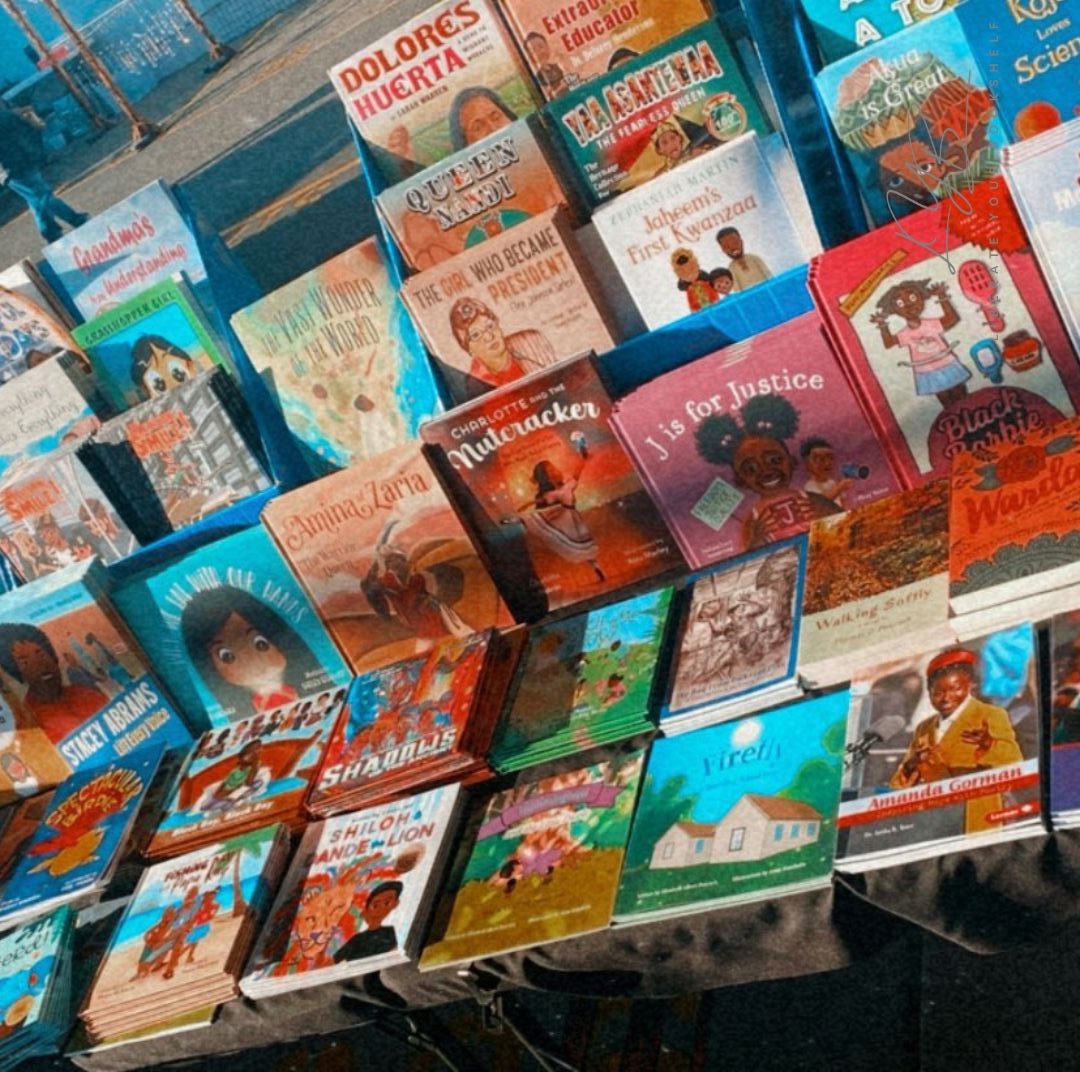
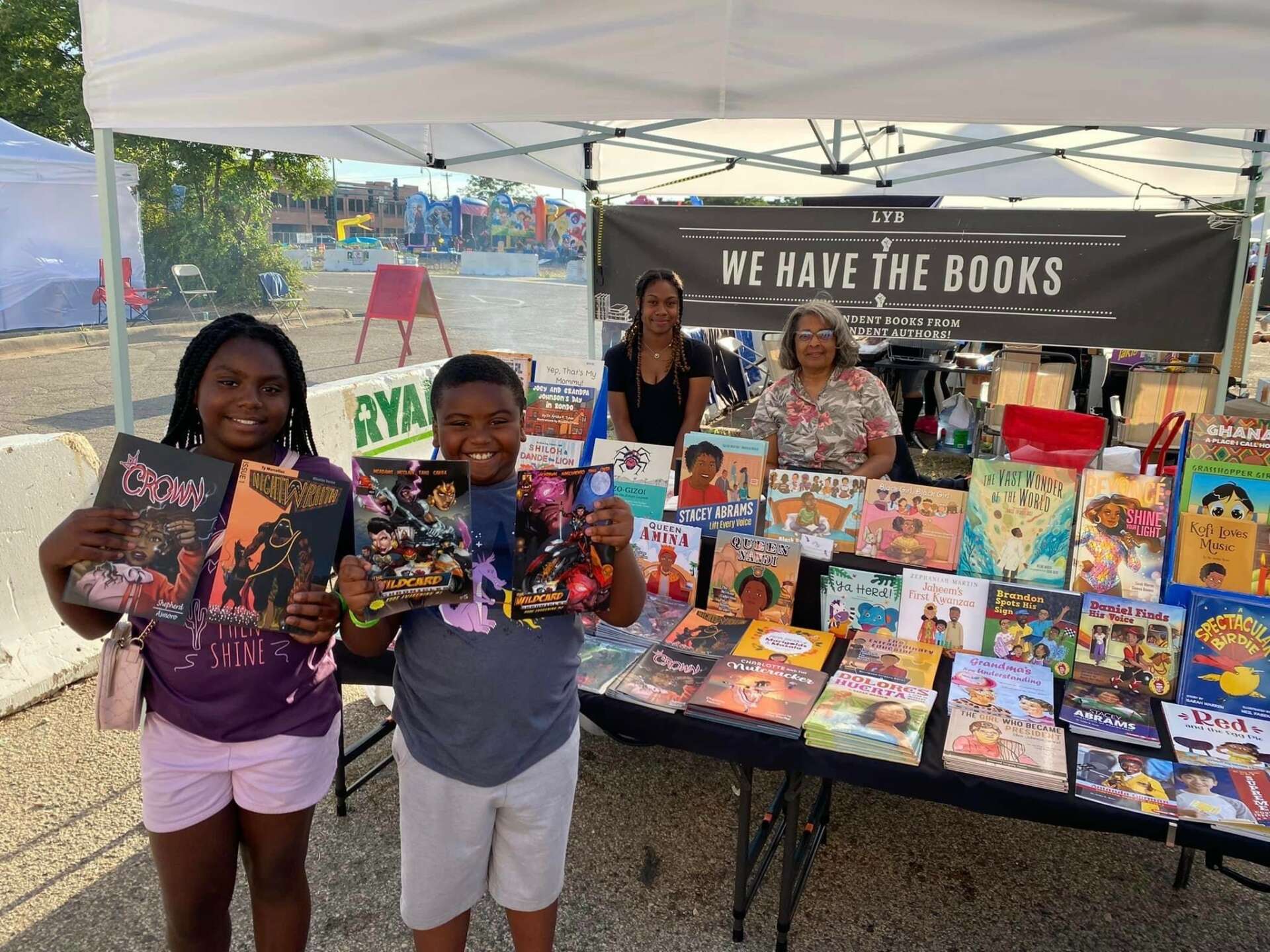
As my inventory consistently sold out, I realized that there was a real demand for diverse literature. This insight led me to create “Liberate Your Bookshelf,” a mobile bookstore with a mission to change the narrative one book at a time.
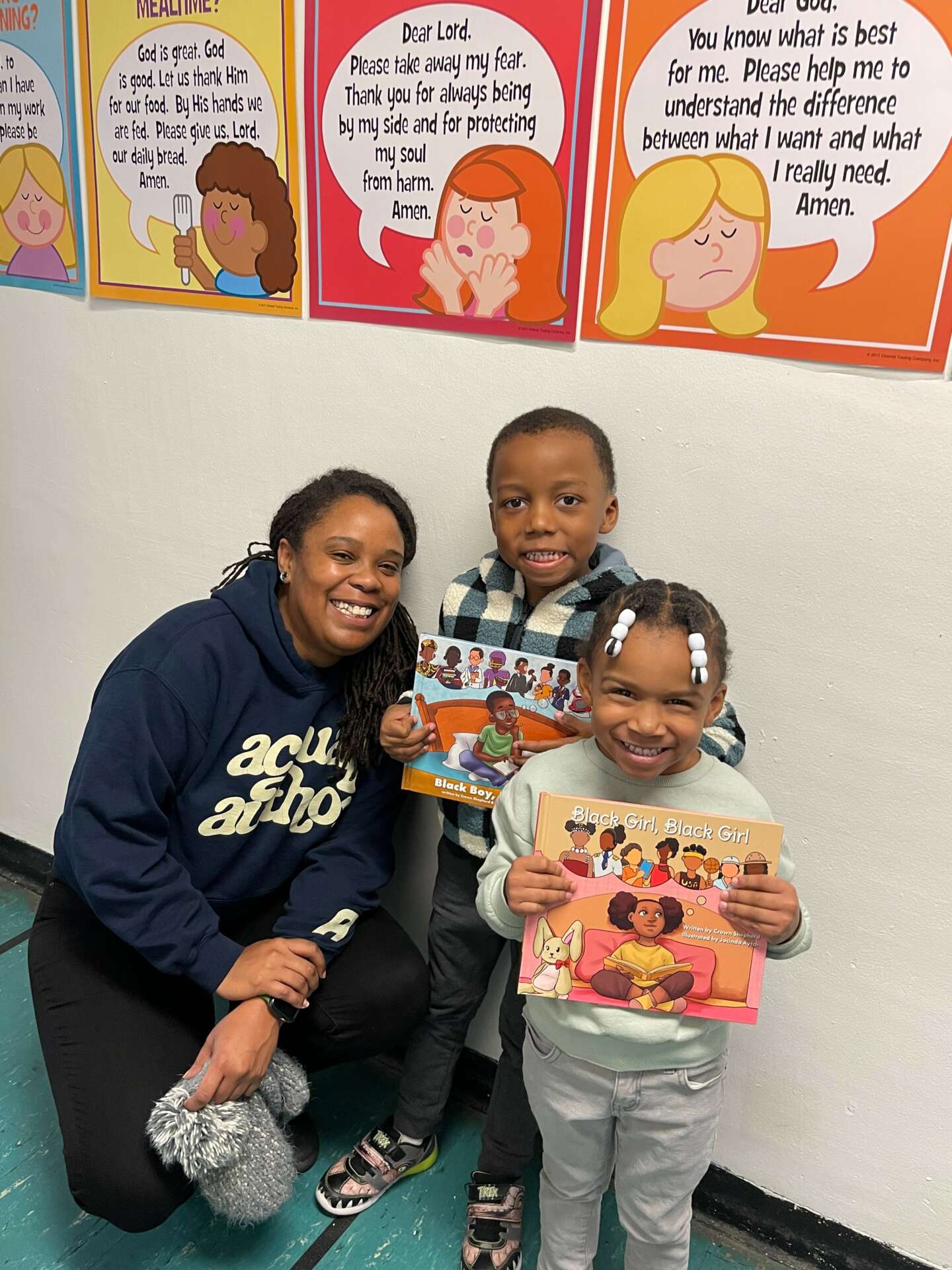
My journey continued to evolve when I was awarded a fellowship with Wise Ink Publishing, a turning point that transformed my passion into my full-time job as a project manager and marketing specialist. Along the way, I have been honored with three local artist grants, each of which I’ve used to create a new book, including “Black Girl, Black Girl, Crown 1 & 2.”
Through these experiences, I have not only pursued my dream of becoming a writer but also found ways to make a meaningful impact by promoting diverse literature and empowering young minds. It’s been an incredible journey, and I’m excited to see where it takes me next.
Let’s talk about resilience next – do you have a story you can share with us?
In the early days of my publishing journey, I shared the same dream that many aspiring writers hold close to their hearts – to land a monumental publishing deal and see my books flying off the shelves. However, it didn’t take long for me to realize that this traditional path might not be readily available to me.
After submitting my book to several different publishers, I found myself repeatedly facing the same feedback. They acknowledged the quality of my work but were insistent that I needed to make substantial changes to the very essence of what made my book special. Something inside me told me that this compromise wasn’t the route I wanted to take.
As I continued to field rejections from publishing houses, I also began to explore alternative options. It was during this period that I stumbled upon the concept of self-publishing. At first, I hesitated, swayed by the stigma that sometimes surrounds self-publishing. It didn’t align with the dream I had envisioned.
While I grappled with the decision of altering my book to conform to market expectations, a new possibility emerged – hybrid publishing. This offered a middle ground that resonated with my aspirations. With hybrid publishing, I could achieve the traditional book deal I had always dreamed of without compromising the essence of my work.
This revelation marked a turning point in my publishing journey. I realized that I didn’t have to sacrifice the integrity of my story or conform to industry norms that didn’t align with my vision. Hybrid publishing presented a path that allowed me to stay true to my creative instincts while also achieving my dream of seeing my work in print.
In choosing the hybrid publishing route, I found a way to preserve the heart of my writing and bring it to readers on my own terms. It was a decision that empowered me to maintain the core of what made my book special, proving that there is more than one path to achieve success as a writer.
What else should we know about how you took your side hustle and scaled it up into what it is today?
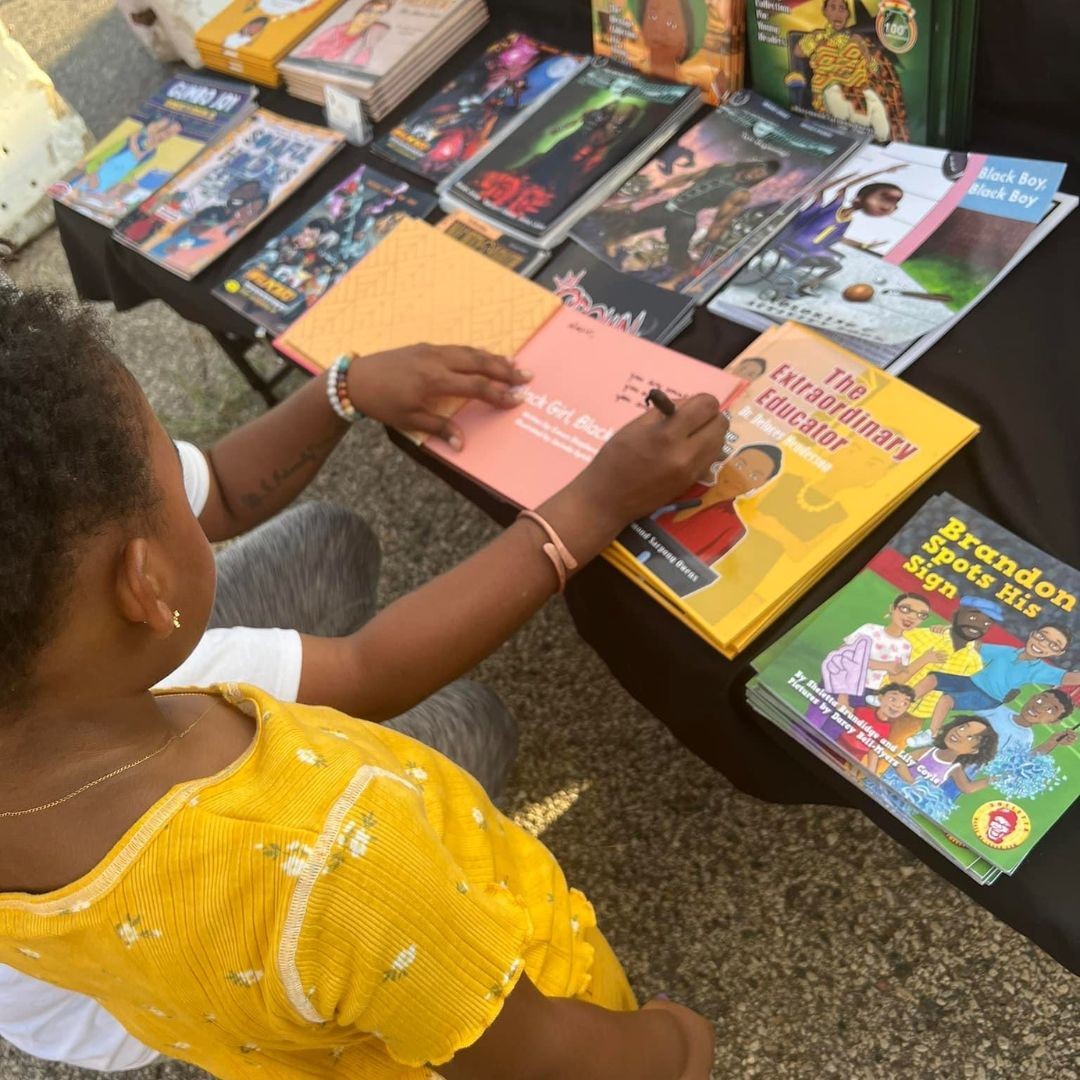
Liberate Your Bookshelf, a remarkable initiative that has transformed the way we access diverse literature, was born from a simple but powerful idea. It all started with just one book, “Black Boy, Black Boy.” There was no grand master plan, no meticulously crafted business strategy; instead, it began as an earnest endeavor in the summer of 2020.
With one author and one book in hand, Liberate Your Bookshelf (LYB) embarked on its journey. Little did anyone know how profoundly it would impact the world of literature and readers alike.
As the summer months passed and the success of “Black Boy, Black Boy” became evident, a question arose: “Where is the girl version?” The demand for diverse stories that represented various perspectives was unmistakable. It was at this point that an idea sparked – why not expand the collection to include more diverse narratives?
In pursuit of this vision, the collection quickly grew. A friend’s generous offer to provide a few copies of “Black Barbie” paved the way for additional girl-oriented options. Those initial two books soon multiplied into a selection of four.
But the journey was far from over. The growing collection and the resounding demand for more diversity in literature led to a pivotal decision. With a clear mission in mind, a visit to the publisher’s office was in order. The question asked was simple yet profound: “Which diverse authors need assistance in getting their books out into the world?”
What started with just ten books rapidly evolved into an expansive library of over fifty books and counting. Every single book embraced by Liberate Your Bookshelf originates from independent, diverse authors, each with a unique story to share.
Today, Liberate Your Bookshelf stands as a testament to the power of grassroots initiatives and the impact of diverse voices. Its purpose is clear – to make diverse books accessible to everyone. By doing so, it not only enriches our literary landscape but also empowers readers to explore a world of stories that celebrate the richness of human experiences.
In essence, Liberate Your Bookshelf has rewritten the narrative on how we engage with literature, reminding us that the power of a single book can lead to a movement that liberates and inspires readers of all backgrounds.
Contact Info:
- Website: liberateyourbookshelf.com and crownthewriter.com
- Instagram: https://www.instagram.com/crownthewriter/ https://www.instagram.com/liberate_your_bookshelf/
- Facebook: https://www.facebook.com/tiarra.shepherd.9
- Linkedin: https://www.linkedin.com/in/crown-shepherd/
Image Credits
Tiffany Townsend