



We’re excited to introduce you to the always interesting and insightful Courtney Smith. We hope you’ll enjoy our conversation with Courtney below.
Hi Courtney , thanks for joining us today. Risk taking is something we’re really interested in and we’d love to hear the story of a risk you’ve taken.
For much of my life, I’ve worked behind the scenes—building programs, advocating for youth, and working to drive community change without drawing much attention to myself. I always felt it would take something away from the work I was doing and the reason I was doing the work. But recently, I took a leap by taking a risk that pushed me out of my comfort zone. I did something I never thought I would do. I began entering beauty pageants. That was different. The spotlight was on ME.
In my day-to-day work as the founder and CEO of the Detroit Phoenix Center, public speaking was something I did out of necessity. I didn’t often think much about it, but I wanted to improve my speaking presence. My thinking began to change. I wanted to learn to show up in rooms with confidence and embrace the idea that my increased visibility wasn’t an act of selfishness, but a form of service, too.” By using my voice, I could help amplify the voices of many young people who were not being heard. This journey into pageantry was about growth and helping use my voice to help others.
As I investigated the world of pageantry, I became immediately impressed by each pageant’s commitment to service. Through pageantry, I was able to support causes that were important to the youth DPC serves–beyond the direct services we offer, but critical to them, nonetheless.
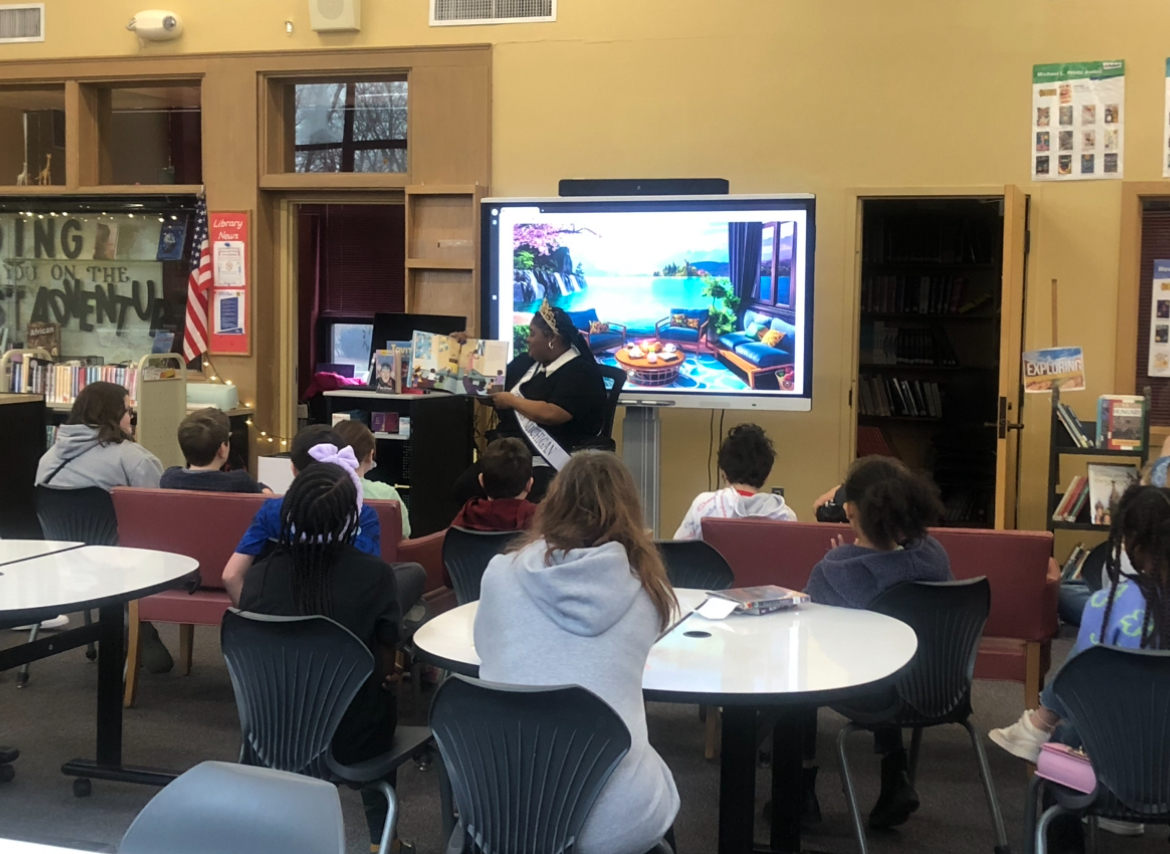
Outside of DPC, my pageant service focus naturally became literacy. As a former youth who experienced homelessness, I understand firsthand the power of education and access to books. Books were a lifeline for me in my darkest hours. Literacy is the very foundation of opportunity, and without it, so many doors remain closed. My platform would advance the conversation around educational inequity and ensure that young people had access to resources that could change the trajectory of their lives.
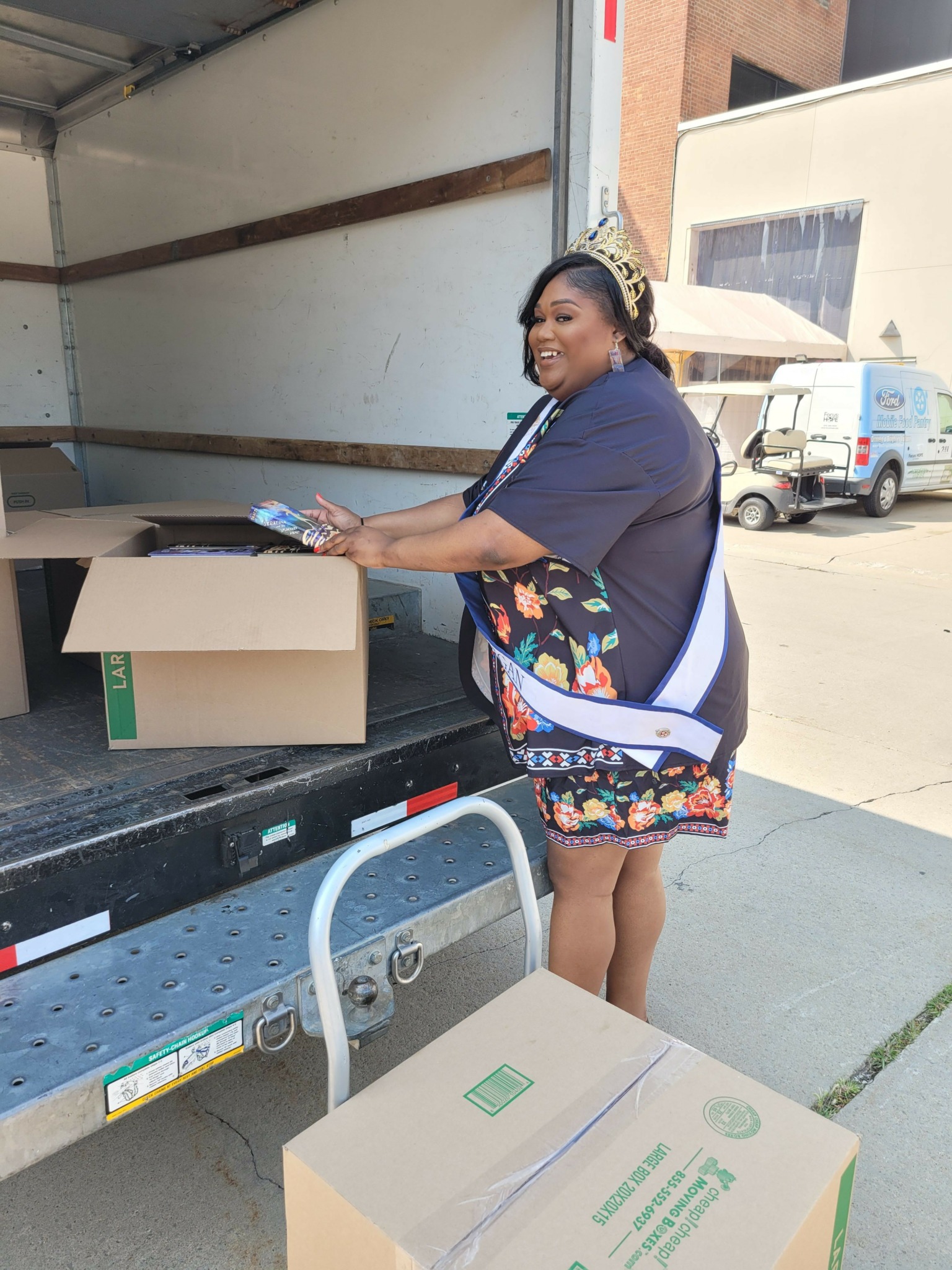
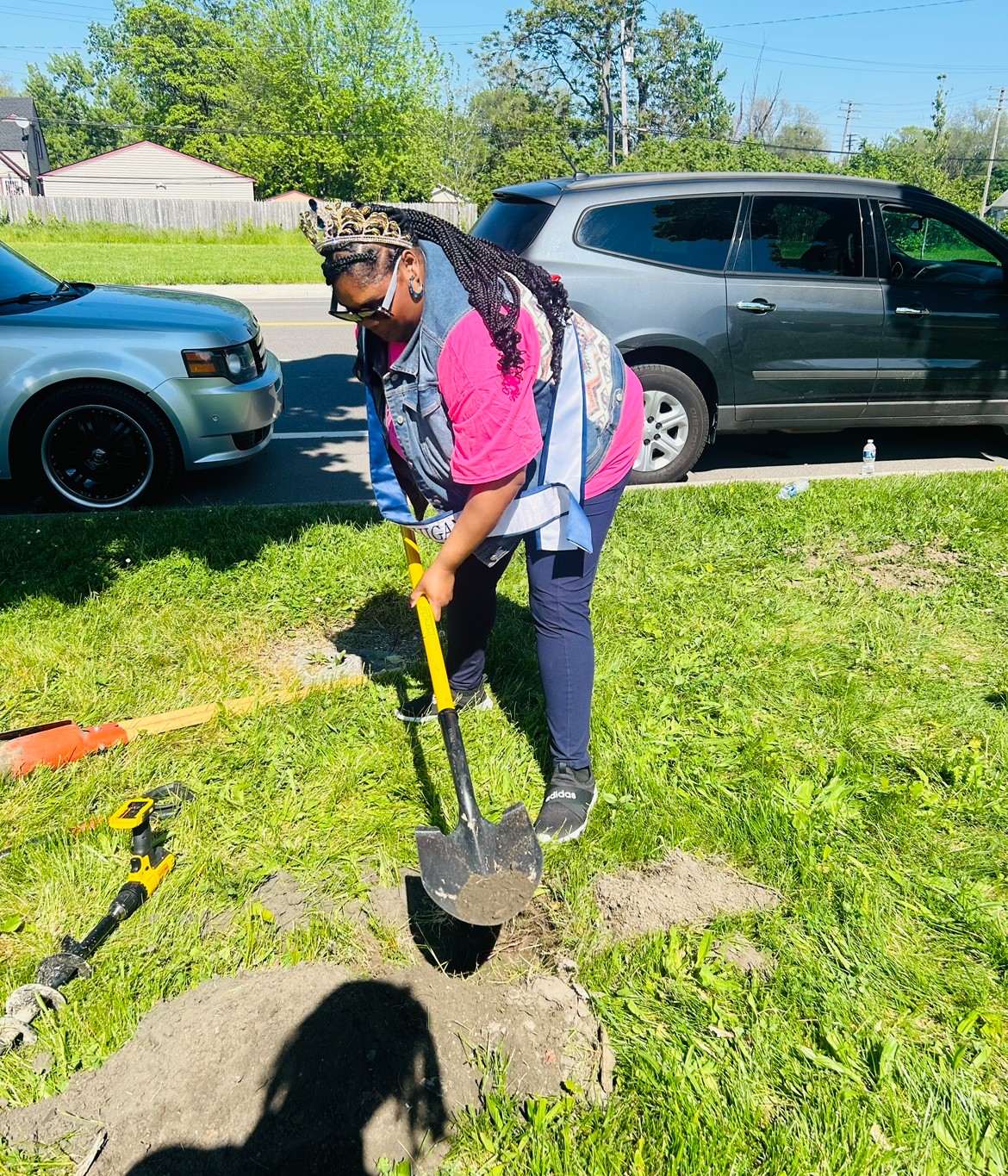
So, alongside my pageantry journey, I launched the Ignite Literacy Initiative, a project aimed at getting books into the hands of underserved youth. Through this initiative, I helped build free little libraries in places that shaped my love of reading, such as Alternatives for Girls, and organized book drives that placed over 250,000 books in the hands of children and families across Metro Detroit.
Despite my passion for the cause, stepping onto that stage wasn’t easy. Now was the time for me to embrace my own story. I had to own my story in a way I never had before.
There were moments of doubt. I questioned whether I belonged in this space, whether my presence would truly make a difference. Would educating others about the needs of Detroit’s most resilient young people be enough to make change? Could I inspire youth who had been forgotten to realize that they already had all they needed to succeed in life within themselves? I reminded myself why I was there: to use every opportunity to create impact.
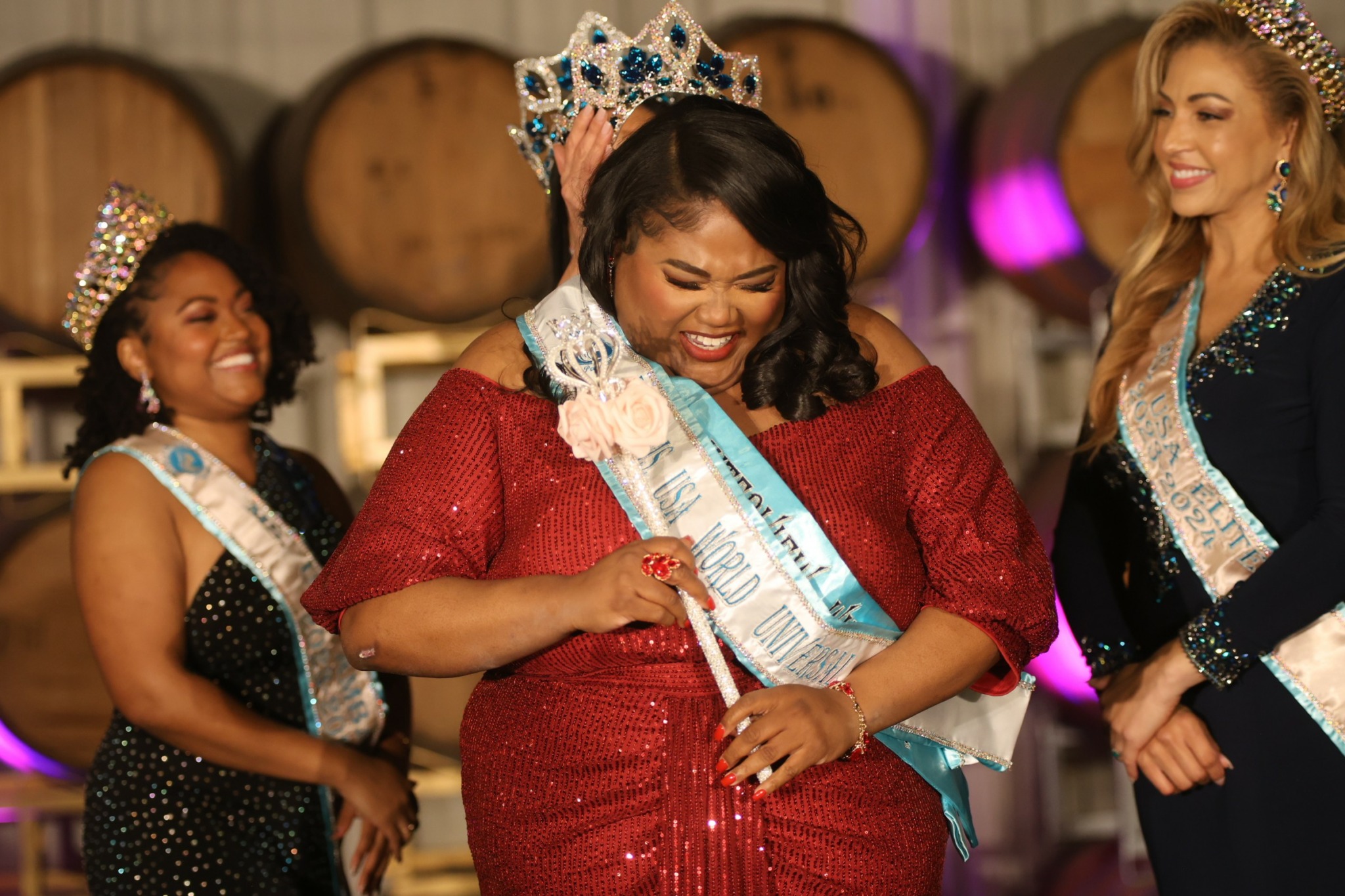
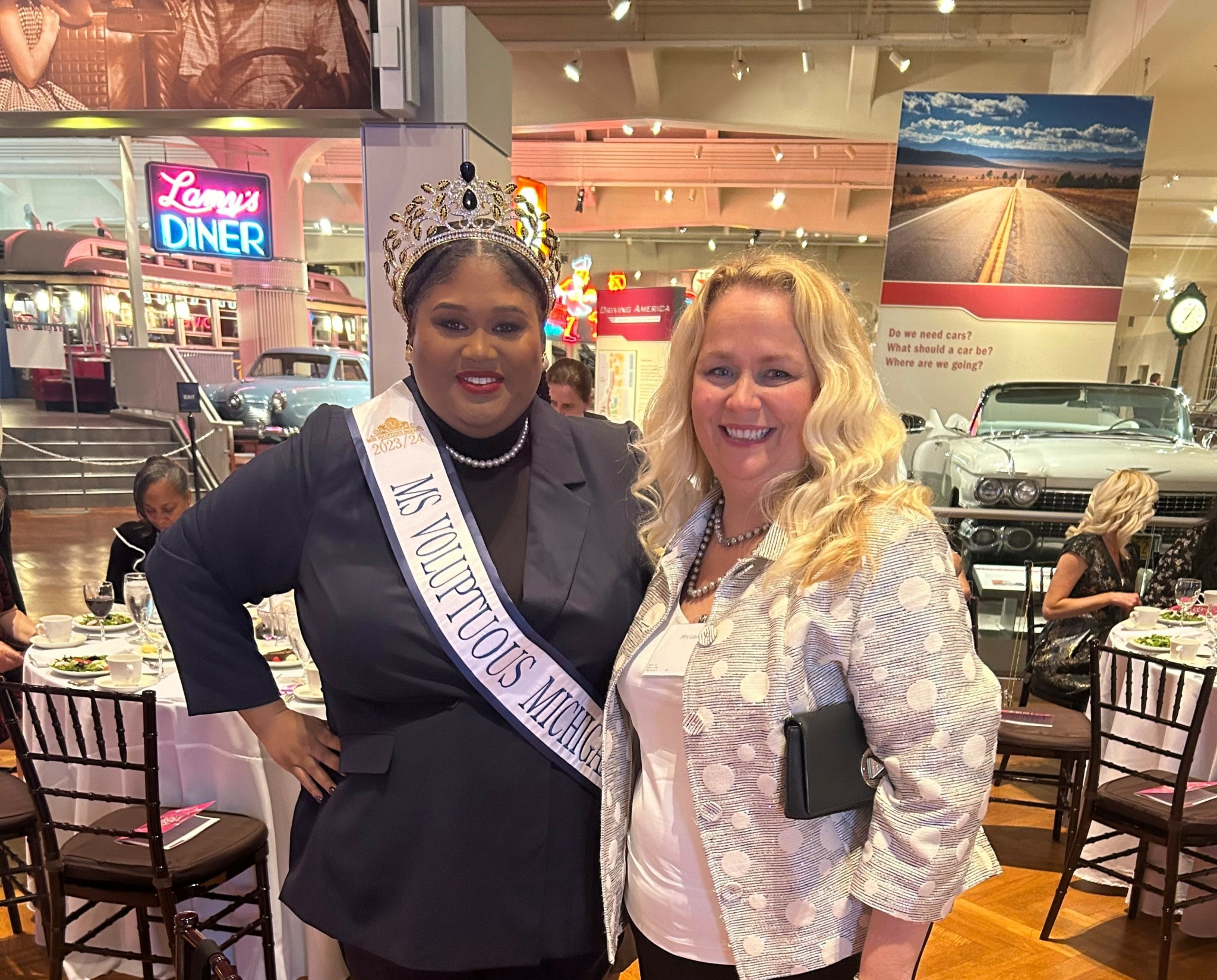
In the end, I was named a second runner-up for Ms. Voluptuous International 2024, and was crowned Miss USA World Universal. It was not just an unbelievable personal achievement—it was proof that taking risks leads to growth. The journey taught me that visibility is not just self-promotion, but as a tool for advocacy. Since then, I have become a more confident speaker, a stronger leader, and, I feel, even more fearless in my approach to breaking cycles of poverty and homelessness.
Sometimes the biggest risks are about stepping into spaces that challenge you, finding your voice, and using it for good. Taking this risk didn’t just change me—it expanded the ways in which I can serve.
Awesome – so before we get into the rest of our questions, can you briefly introduce yourself to our readers.
As the Founder and CEO of Detroit Phoenix Center (DPC), a nonprofit dedicated to supporting youth facing homelessness and instability in Detroit, my journey into this work is deeply personal—not only did I experience housing insecurity firsthand as a young person, but I also witnessed friends and family members struggle with similar challenges.
Determined to bring innovative solutions to my hometown, I set out to explore best practices across the country. In 2016, I was part of a transcontinental journey aboard the Millennial Trains Project (MTP), a social incubator for aspiring change-makers. During this experience, I conducted focus groups with youth and engaged thought leaders in cities like Los Angeles, Chicago, Milwaukee, and Detroit. A recurring theme emerged. Young people felt their voices were being suppressed, and the existing “solutions” being offered weren’t addressing their needs. This discovery fueled my mission to build a service model that truly centered the lived experiences of young people and amplified youth voices.
That vision became a reality in 2017 when Detroit Phoenix Center opened as the city’s first volunteer-driven, asset-based resource center providing drop-in services and basic needs support to teens and young adults in crisis.
There is a pain point for me in this work. Those can either cripple us or force us to show up in the world as the best versions of ourselves. I chose the latter. DPC took on an even deeper significance and meaning when my brother, Blair transitioned by suicide at the age of 19. It was on the eve of the opening of DPC, which he’d been key to conceptualizing and design, and where he was voted by peers as first president of the Youth Action Board.
Today, DPC provides critical wraparound services to youth ages 13-24, offering not just immediate relief but long-term solutions. We provide basic needs assistance such as clothing, hygiene products, transportation, a drop-in center, and emergency housing referrals. To help youth gain independence, we offer education and workforce readiness programs, including career training, mentorship, and financial literacy. Our housing stability services support youth in securing long-term housing, while wellness and enrichment programs focus on mental health, self-care, and community engagement. We’ve established a memorial scholarship in honor of Blair. Through these initiatives, we empower young people to move from crisis to stability.
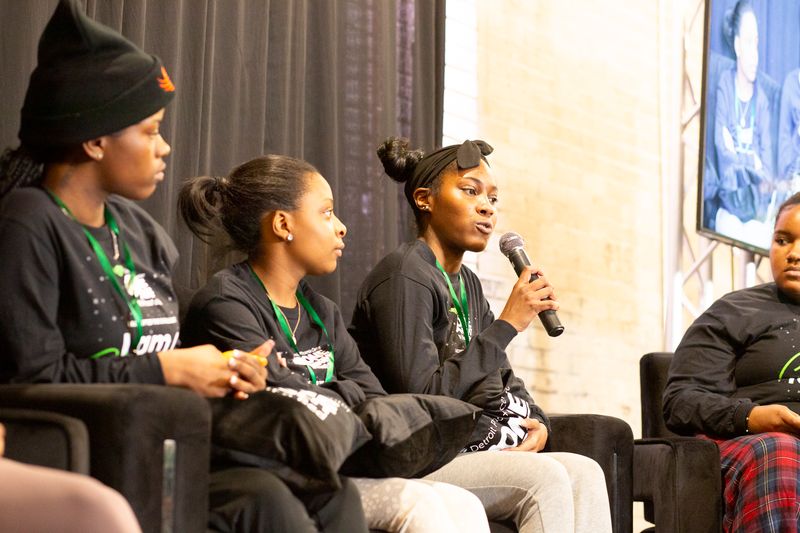
Beyond providing resources, we equip young people to advocate for themselves and their peers. Our Youth Action Board is a platform where young leaders with lived experience shape policies, raise awareness, and drive systemic change. By amplifying their voices, we ensure youth are not just recipients of aid—but understand they possess everything they need to be the creator of their own solutions.
I feel that the greatest reward is seeing young people rise beyond their circumstances—whether securing stable housing, graduating, or launching a career. Our youth leadership initiatives, including the Youth Action Board, give them the tools to advocate for change and inspire others and help them actualize the confidence that they can succeed no matter their circumstances.
If you have multiple revenue streams in your business, would you mind opening up about what those streams are and how they fit together?
Yes, Detroit Phoenix Center (DPC) has an alternative revenue stream, Beyond the Ashes, Powered by the Detroit Phoenix Center, a youth-led social enterprise merges creativity, entrepreneurship, and empowerment. The work itself is dedicated to supporting youth while breaking the generational cycle of youth homelessness and poverty all while making youth homelessness a more visible issue.
Visitors to the Beyond the Ashes shop (https://www.detroitphoenixcenter.org/shop) can explore a selection of apparel items designed by resilient and underserved Detroit youth, featuring clothing and accessories that reflect their experiences, creativity, and strength.
It provides young people with hands-on experience in business operations—from designing products to managing sales and customer engagement. Youth involved in the program not only create the designs but also sell the items at community events, learning essential skills in marketing, financial literacy, and entrepreneurship.
And it helps increase awareness of youth homelessness. This is important as being homeless as a youth doesn’t always look like of what many people think a person experiencing housing insecurity should look like.
Proceeds from Beyond the Ashes directly support DPC’s programming and resources for youth experiencing homelessness and economic hardship, ensuring that this initiative is both a source of empowerment and sustainability for the organization.
To shop and support, visit detroitphoenixcenter.org/shop. Every purchase helps equip young people with the tools and confidence to build their futures.
Let’s talk about resilience next – do you have a story you can share with us?
The COVID-19 pandemic was an especially challenging time for the Detroit Phoenix Center (DPC) and the young people it serves. We faced unprecedented challenges–including being forced to close our drop-in center, a vital resource for our young people. Understanding that homelessness doesn’t pause for a pandemic, we swiftly adapted by taking our services directly to the streets. We became mobile. There was no time to think, we just DID. We had to show up for our community.
Partnering with local organizations, our team mobilized to deliver essential supplies to areas where young people were known to seek shelter, including abandoned buildings and other unconventional spaces. Understanding that many lacked access to basic necessities like running water, we secured and distributed hand sanitizers, masks, and hygiene kits to help protect them from the virus.
We paid rent and bills to keep young people housed and socially distanced to protect them and offered COVID-safe housing.
Another major concern was ensuring our young people had regular meals. We organized food drives focusing on non-perishable items that didn’t require cooking or heating, ensuring that youth without access to kitchens could still have nourishing meals. In total, DPC distributed over 7,000 COVID-19 care packages and dedicated more than 900 hours to virtual support services, including mental health counseling, tutoring, and financial literacy workshops.
This period tested our resilience and commitment to the community. By testing our flexibility and innovation, we continued to serve and support Detroit’s youth, reaffirming our mission to stand by them, especially in times of crisis.
Contact Info:
- Website: https://www.detroitphoenixcenter.org
- Instagram: https://www.instagram.com/detroitphoenixcenter
- Facebook: https://www.facebook.com/detroitphoenixcenter/
- Linkedin: https://www.linkedin.com/company/detroit-phoenix-center
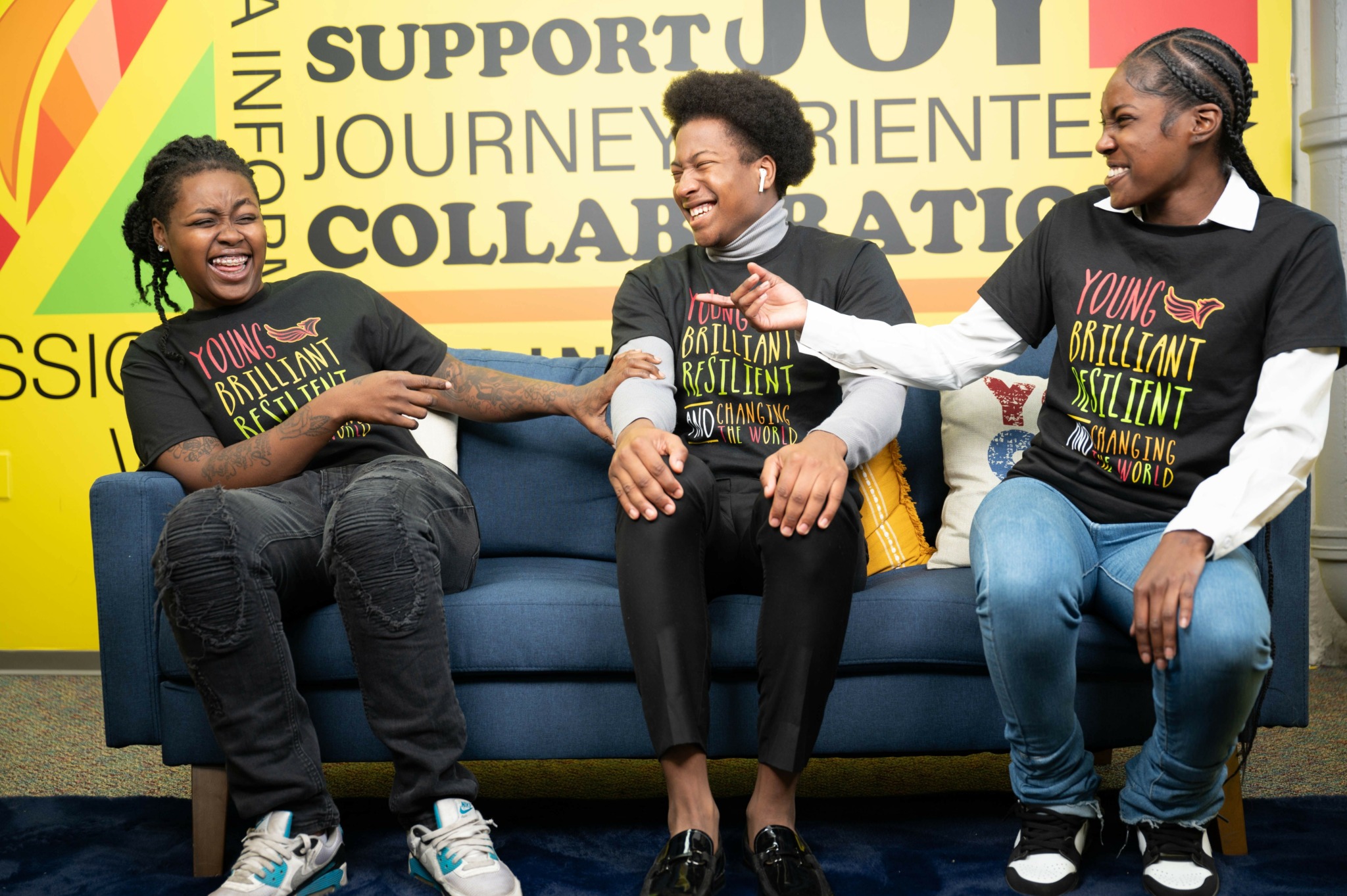
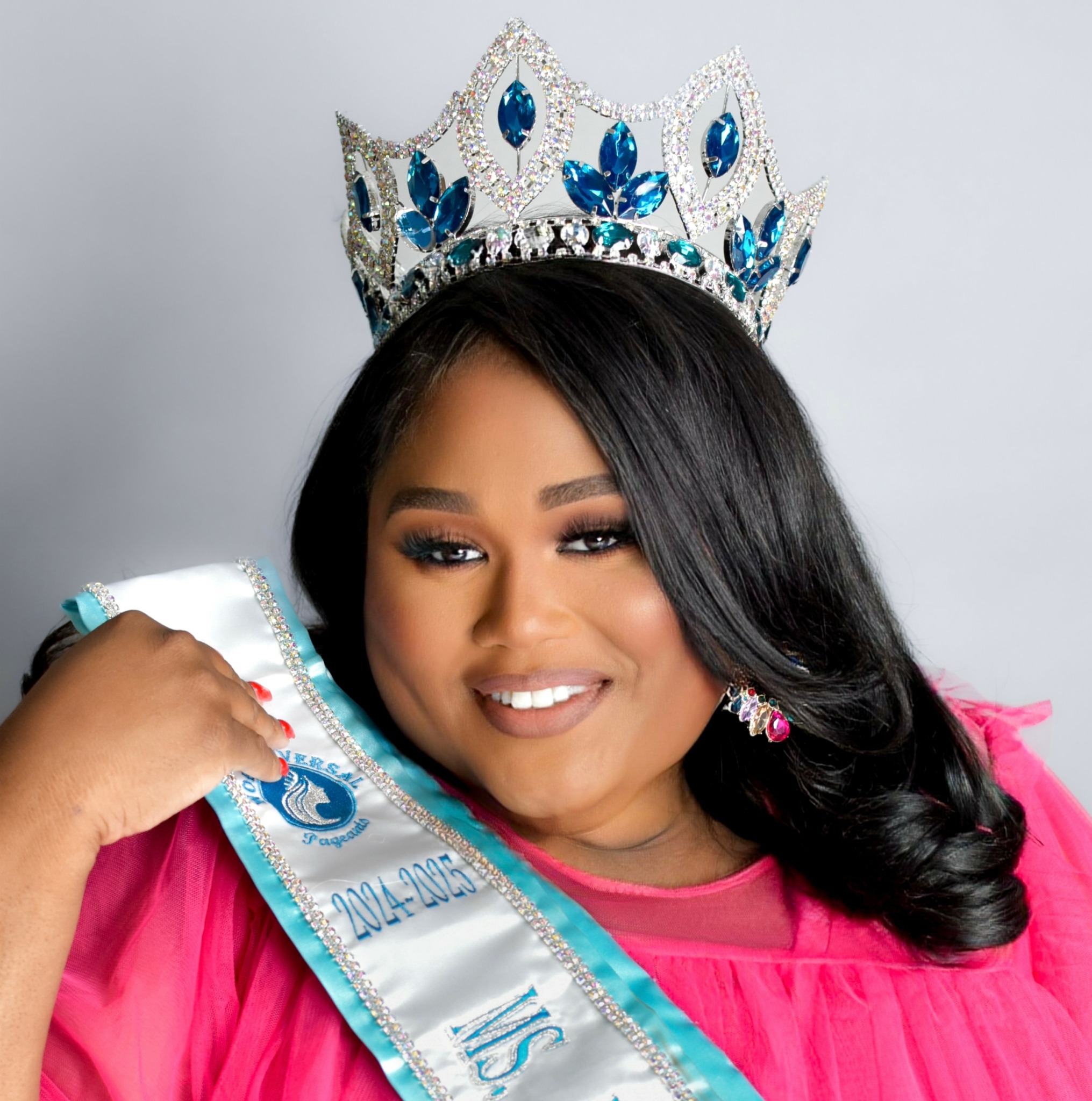
Image Credits
Courtney Smith and Detroit Phoenix Center